Japan Moves Crypto Under Financial Law, Toughens Penalties For Fraud

bitcoinist2026-04-11 tarihinde yayınlandı2026-04-11 tarihinde güncellendi

Özet

Japan has officially shifted its regulatory approach to cryptocurrencies by approving an amendment to the Financial Instruments and Exchange Act (FIEA), moving crypto from the Payment Services Act to be treated as financial products, similar to stocks and bonds. This change introduces stricter rules, mandatory disclosures, explicit bans on insider trading, and enhanced investor protections. Penalties for unlicensed operators are significantly toughened, with prison terms increasing from up to three years to ten years and fines rising from ¥3 million to ¥10 million. The new law, which renames registered firms as "crypto asset trading operators," is expected to take effect in fiscal 2027 if passed in the current parliamentary session.

Japan had over 13 million crypto accounts when its financial regulator started fielding more than 350 fraud complaints every month. Those numbers helped push the government toward a major regulatory overhaul — one that officially cleared the cabinet this week.

A Shift Away From Payment Rules

For years, crypto in Japan was governed under the Payment Services Act, a framework built around digital money and transactions rather than investment activity.

That changes under the newly approved amendment to the Financial Instruments and Exchange Act, known as the FIEA.
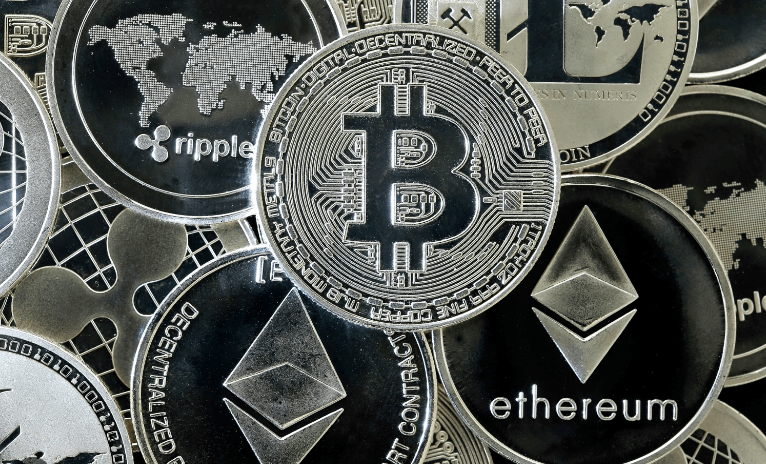
Image: Chesnot/Getty Images

The revision treats crypto assets the same way the law treats stocks and bonds — as financial products subject to stricter rules, required disclosures, and explicit prohibitions on insider trading.

Finance Minister Satsuki Katayama addressed reporters after the cabinet approved the bill. “In response to changes in financial and capital markets, we will expand the supply of growth capital while ensuring market fairness, transparency, and investor protection,” she said.

The Financial Services Agency had been signaling this shift since late 2025. The cabinet’s approval this week moves that plan out of the proposal stage and into formal legislation.

Penalties Rise Sharply For Unlicensed Operators

The new law carries real consequences for bad actors. Prison sentences for unlicensed crypto operators would jump from a maximum of three years to 10. Fines would increase from ¥3 million to ¥10 million.

Trading on undisclosed information — insider trading — would be explicitly banned under the FIEA framework, a prohibition that did not exist under the old payment services rules.

The changes also come with new paperwork requirements. Issuers will be required to file annual disclosures, bringing them closer in line with publicly listed companies.

BTCUSD trading at $72,727 on the 24-hour chart: TradingView

Registered firms will also be renamed, from “crypto asset exchange operators” to “crypto asset trading operators” — a small change in language that reflects the larger shift in how the government now views the industry.

Timeline Depends On Parliamentary Session

Whether the law takes effect in fiscal year 2027 depends on the current parliamentary session. If passed during the ongoing session, that timeline holds. Reports indicate the FSA has been laying the groundwork for this transition for months.

Japan has long been one of the more active countries in setting rules for digital assets. This latest move brings its regulatory approach closer to the standards applied to traditional financial markets, covering investor protections, market oversight, and criminal penalties in one consolidated framework.

Featured image from PlanetofHotels.com, chart from TradingView

Trend Kriptolar

İlgili Sorular

QWhat was the previous legal framework governing crypto in Japan, and what has it been replaced with?

ACrypto in Japan was previously governed under the Payment Services Act. It has now been replaced by an amendment to the Financial Instruments and Exchange Act (FIEA).

QHow does the new law change the classification and treatment of crypto assets?

AThe new law treats crypto assets the same way as stocks and bonds, classifying them as financial products subject to stricter rules, required disclosures, and explicit prohibitions on insider trading.

QWhat are the new maximum penalties for unlicensed crypto operators under the revised law?

AThe maximum prison sentence for unlicensed crypto operators increases from 3 years to 10 years, and the maximum fine increases from ¥3 million to ¥10 million.

QWhat new requirement is placed on crypto issuers under the amended FIEA?

AIssuers are required to file annual disclosures, bringing them closer in line with the reporting requirements of publicly listed companies.

QWhat is the new official name for registered crypto firms, and what does this change signify?

ARegistered firms are renamed from 'crypto asset exchange operators' to 'crypto asset trading operators,' reflecting the government's larger shift in viewing the industry as part of the financial markets.

İlgili Okumalar

Will the Fed Definitely Raise Interest Rates in September? How Will Crypto and U.S. Stocks Withstand the Pressure?

The market's expectation for a September Fed rate hike surged dramatically in early August, jumping from under 50% to over 80% within a week. This shift followed a contentious July FOMC meeting, where a 9-3 vote to hold rates revealed growing dissent from hawkish members advocating for an immediate hike to combat persistent inflation. The primary catalyst for this repricing is rising oil prices, driven by renewed geopolitical tensions around the Strait of Hormuz, which threaten global supply. Energy costs directly influence inflation metrics, making the upcoming July CPI report (due August 12th) a critical data point. If it shows inflation reaccelerating, the probability of a September hike will solidify. For Bitcoin and crypto assets, this is typically bearish news. Bitcoin continues to behave as a high-beta, liquidity-sensitive risk asset. A rate hike raises the opportunity cost of holding non-yielding assets and could drive capital toward money markets, pressuring crypto prices in the short term. However, historical patterns suggest that if a hike is perceived as the end of a tightening cycle rather than the start, any negative price impact may be brief. U.S. stocks, particularly crypto-linked equities like Coinbase and growth-oriented tech stocks, are also vulnerable. Higher rates increase discount rates in valuation models, putting pressure on high-multiple companies. This coincides with a pivotal tech earnings season where investor focus has shifted from massive AI capital expenditure to tangible revenue and cash flow generation. Companies with negative cash flow and weak growth narratives could face heightened volatility if borrowing costs rise in September. In summary, a September Fed hike has evolved into a mainstream market scenario. Key factors to watch are oil prices, the July CPI report, and Fed communications, which will determine the final decision and its impact on volatile crypto and equity markets.

marsbit4 dk önce

Will the Fed Definitely Raise Interest Rates in September? How Will Crypto and U.S. Stocks Withstand the Pressure?

marsbit4 dk önce

A 'Overlooked' Market Event: Joint US-Japan-South Korea Intervention, Rare US Treasury Involvement, and Bessent's Quiet 'Market Rescue'?

Summary: The United States, Japan, and South Korea executed their largest coordinated foreign exchange intervention in nearly 30 years. The action targeted depreciation pressure on the Japanese yen and South Korean won. This move is seen as a significant effort by the US to stabilize the financial markets of its key allies and prevent the spillover of risks. Key details: * Japan reportedly intervened on July 30 using approximately 8.45 trillion yen (about $52.8 billion). South Korean authorities also intervened that day, selling dollars to support the won. * Notably, the US Treasury Department intervened directly in yen markets for the first time in roughly 30 years. The New York Fed, reportedly acting on behalf of the Treasury, sold euros to buy yen via Goldman Sachs and Morgan Stanley on July 31. Analysts view the use of the euro-yen pair as a way to alleviate yen pressure without adding selling pressure to the US dollar. * Prior to the action, the New York Fed conducted "rate checks" on both USD/JPY and EUR/JPY, a newer signaling tool that falls between verbal and physical intervention. The intervention is interpreted as going beyond traditional currency stabilization. Analysts, such as Michael Hartnett of Bank of America, suggest it resembles a "Price Keeping Operation" for the AI era. The core US objectives are perceived to be: 1. Preventing rapid yen depreciation from triggering a sharp rise in Japanese government bond yields. 2. Containing financial stress from spreading across Asian markets like South Korea and Japan. 3. Reducing the risk of disorderly capital flows impacting the US bond market. This coordinated action underscores the importance of Japan and South Korea as critical partners in the US semiconductor and AI supply chain. Stabilizing their financial markets is seen as vital to mitigating risks to the broader tech industry and the US market itself. The intervention coincides with market pressures, including the KOSDAQ index hitting a low since October 2022. While seen as a move to control volatility, some analysts caution it may not fundamentally reverse existing market trends.

marsbit7 dk önce

A 'Overlooked' Market Event: Joint US-Japan-South Korea Intervention, Rare US Treasury Involvement, and Bessent's Quiet 'Market Rescue'?

marsbit7 dk önce

Will the Federal Reserve Definitely Raise Interest Rates in September? How Will Cryptocurrencies and US Stocks Bear the Pressure?

In early August 2024, market expectations for a September Federal Reserve rate hike surged dramatically, from below 50% to over 80%, driven by renewed inflation concerns. This shift followed a contentious July FOMC meeting where a 9-3 vote to hold rates revealed a growing hawkish faction advocating for an immediate hike, citing prolonged above-target inflation. The key catalyst is escalating conflict near the Strait of Hormuz, which has pushed oil prices up approximately 20% in July, threatening to reignite inflation. The next critical data point is the July CPI report on August 12th; a hot reading could solidify hike expectations. For crypto assets, particularly Bitcoin, this represents near-term pressure. Bitcoin continues to exhibit high-beta, risk-on characteristics, making it sensitive to tightening liquidity and higher opportunity costs. However, historical precedent suggests that if a hike is perceived as the cycle's end rather than its start, the negative impact may be brief, with markets quickly pivoting to anticipate future rate cuts. U.S. stocks, especially crypto-linked equities like Coinbase and high-valuation tech stocks, face amplified volatility. Higher rates increase discount rates in valuation models, pressuring growth stocks. This coincides with a pivotal tech earnings season where investor focus has shifted from massive AI capital expenditures to demonstrable revenue and cash flow generation. Companies with negative cash flows and weak growth narratives could see severe pressure if a September hike materializes, as financing costs would rise. Key indicators to watch include oil prices, upcoming inflation data, and Fed commentary at events like the Jackson Hole symposium.

Odaily星球日报7 dk önce

Will the Federal Reserve Definitely Raise Interest Rates in September? How Will Cryptocurrencies and US Stocks Bear the Pressure?

Odaily星球日报7 dk önce

İşlemler

Spot

Popüler Makaleler

F Nasıl Satın Alınır

HTX.com’a hoş geldiniz! Synfutures (F) satın alma işlemlerini basit ve kullanışlı bir hâle getirdik. Adım adım açıkladığımız rehberimizi takip ederek kripto yolculuğunuza başlayın. 1. Adım: HTX Hesabınızı OluşturunHTX'te ücretsiz bir hesap açmak için e-posta adresinizi veya telefon numaranızı kullanın. Sorunsuzca kaydolun ve tüm özelliklerin kilidini açın. Hesabımı Aç2. Adım: Kripto Satın Al Bölümüne Gidin ve Ödeme Yönteminizi SeçinKredi/Banka Kartı: Visa veya Mastercard'ınızı kullanarak anında Synfutures (F) satın alın.Bakiye: Sorunsuz bir şekilde işlem yapmak için HTX hesap bakiyenizdeki fonları kullanın.Üçüncü Taraflar: Kullanımı kolaylaştırmak için Google Pay ve Apple Pay gibi popüler ödeme yöntemlerini ekledik.P2P: HTX'teki diğer kullanıcılarla doğrudan işlem yapın.Borsa Dışı (OTC): Yatırımcılar için kişiye özel hizmetler ve rekabetçi döviz kurları sunuyoruz.3. Adım: Synfutures (F) Varlıklarınızı SaklayınSynfutures (F) satın aldıktan sonra HTX hesabınızda saklayın. Alternatif olarak, blok zinciri transferi yoluyla başka bir yere gönderebilir veya diğer kripto para birimlerini takas etmek için kullanabilirsiniz.4. Adım: Synfutures (F) Varlıklarınızla İşlem YapınHTX'in spot piyasasında Synfutures (F) ile kolayca işlemler yapın.Hesabınıza erişin, işlem çiftinizi seçin, işlemlerinizi gerçekleştirin ve gerçek zamanlı olarak izleyin. Hem yeni başlayanlar hem de deneyimli yatırımcılar için kullanıcı dostu bir deneyim sunuyoruz.

263 Toplam GörüntülenmeYayınlanma 2024.12.21Güncellenme 2026.06.02

F Nasıl Satın Alınır

Tartışmalar

HTX Topluluğuna hoş geldiniz. Burada, en son platform gelişmeleri hakkında bilgi sahibi olabilir ve profesyonel piyasa görüşlerine erişebilirsiniz. Kullanıcıların F (F) fiyatı hakkındaki görüşleri aşağıda sunulmaktadır.

活动图片













