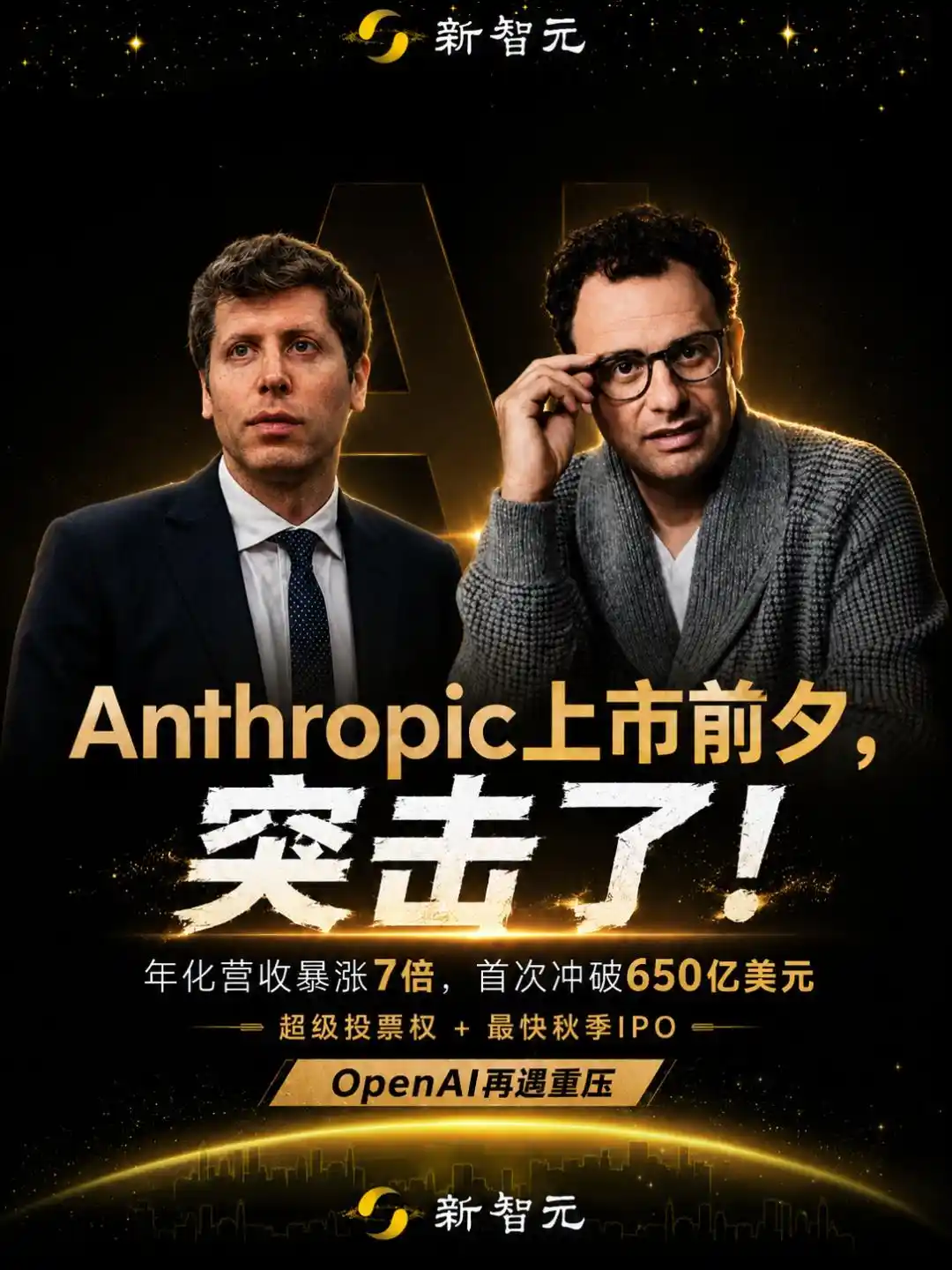
Anthropic is making a last-minute push before its IPO!
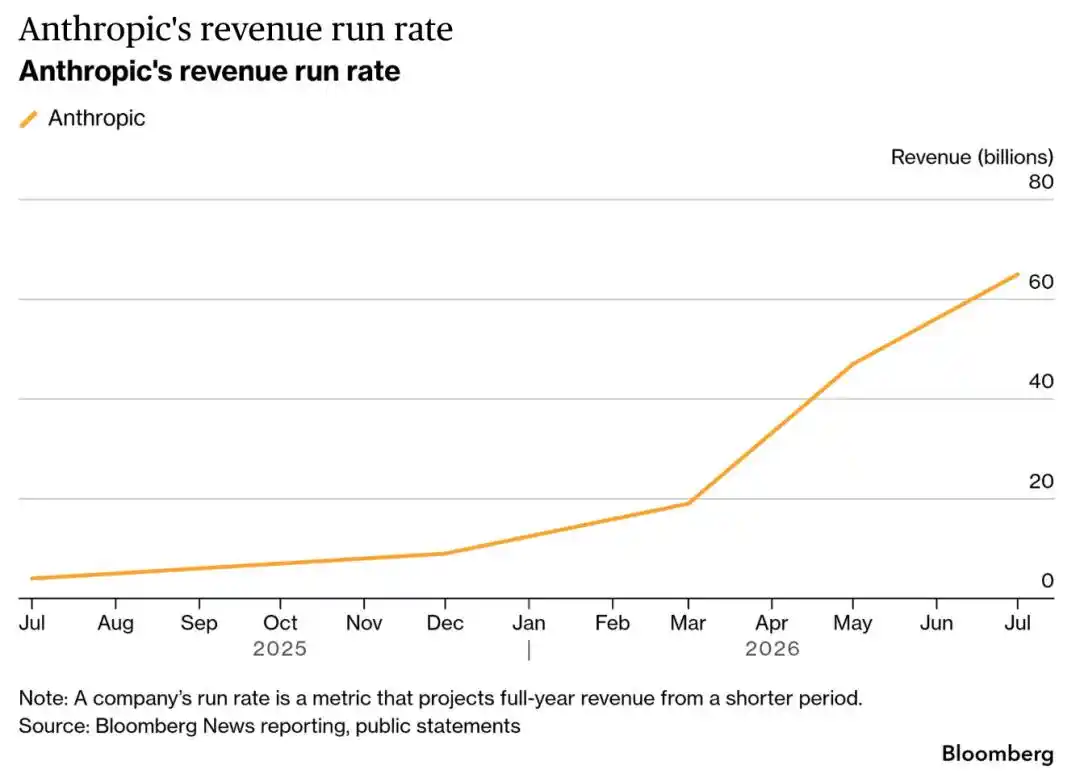
Its annualized revenue has skyrocketed sevenfold, breaking the $65 billion mark for the first time, with an IPO this fall almost a certainty.
Almost simultaneously, The Information reports—
Anthropic plans to issue a class of stock with "extra voting rights" to CEO Dario and six co-founders before going public.
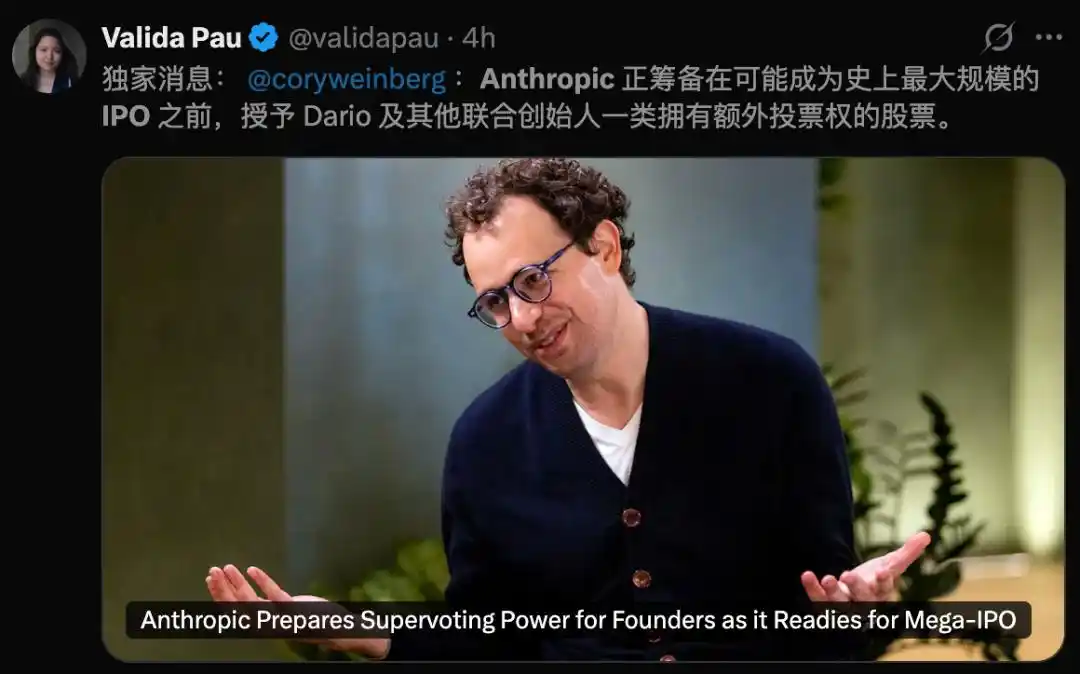
This marks the first time in the company's five-year history that management will have "super-voting rights."
Surprisingly, as the helm of an AI company valued at nearly a trillion dollars, Dario holds only a 2% stake. But compared to Sam Altman's 0% stake, that's still something.
While Anthropic is surging ahead, OpenAI has encountered another setback.
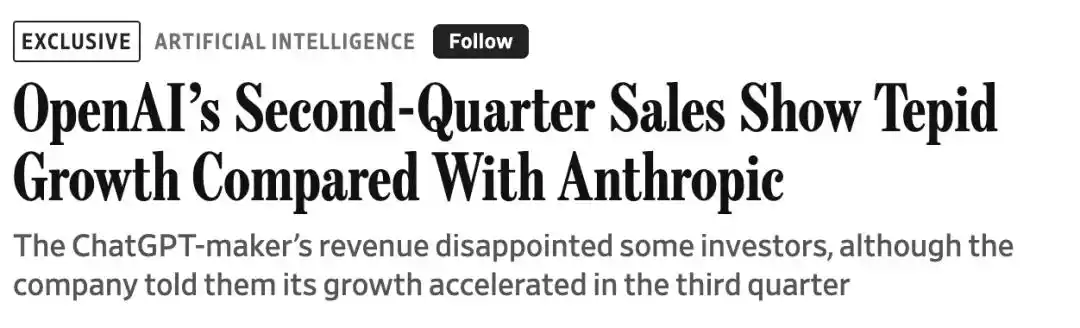
The WSJ exclusively reported that OpenAI's Q2 revenue reached $6.7 billion, a result that greatly disappointed shareholders.
Riding this wave of victory, Anthropic is sprinting towards Wall Street, aiming to claim the title of "AI's first public stock" with a staggering $1 trillion valuation.
The top seat in AI seems poised to change hands.
For the First Time, Anthropic Outpaces OpenAI
Two report cards for the same quarter.
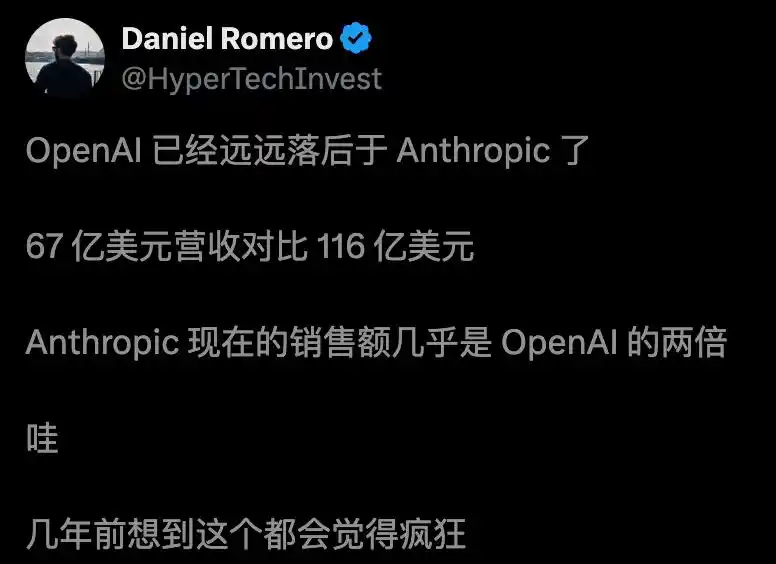
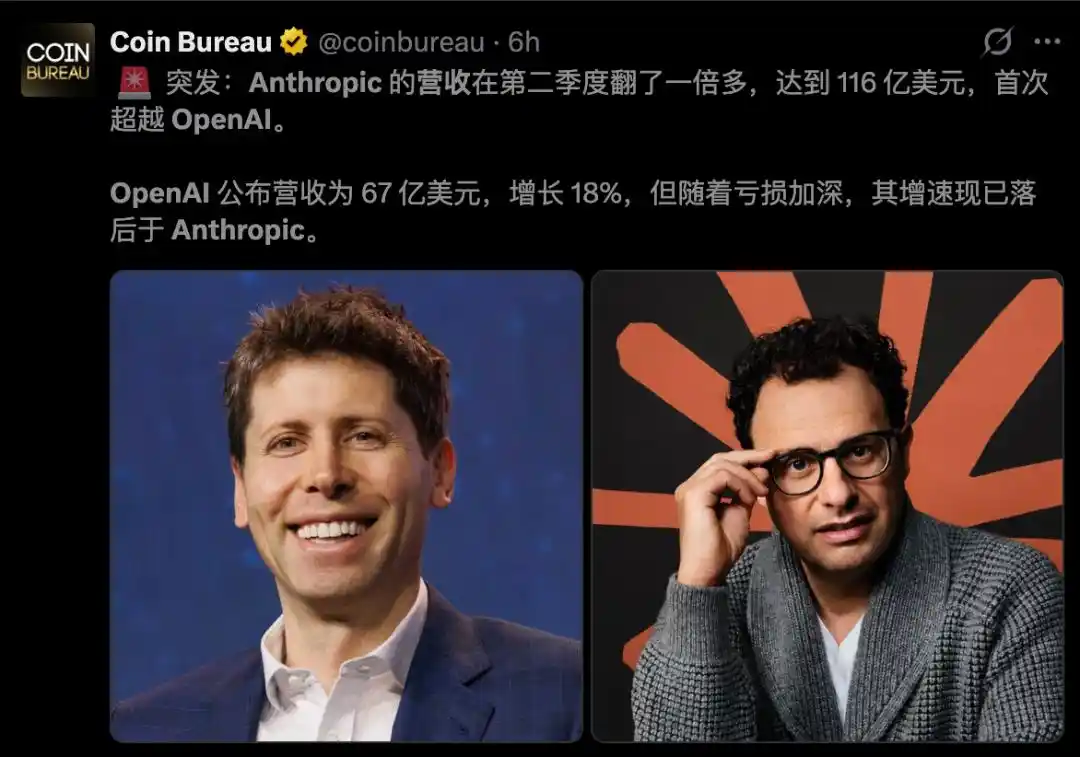
Breaking it down, OpenAI's Q2 revenue was $6.7 billion, up from $5.7 billion in Q1, an 18% sequential increase.
Anthropic, on the other side, reported $11.6 billion in Q2, more than doubling from last year's $787 million.
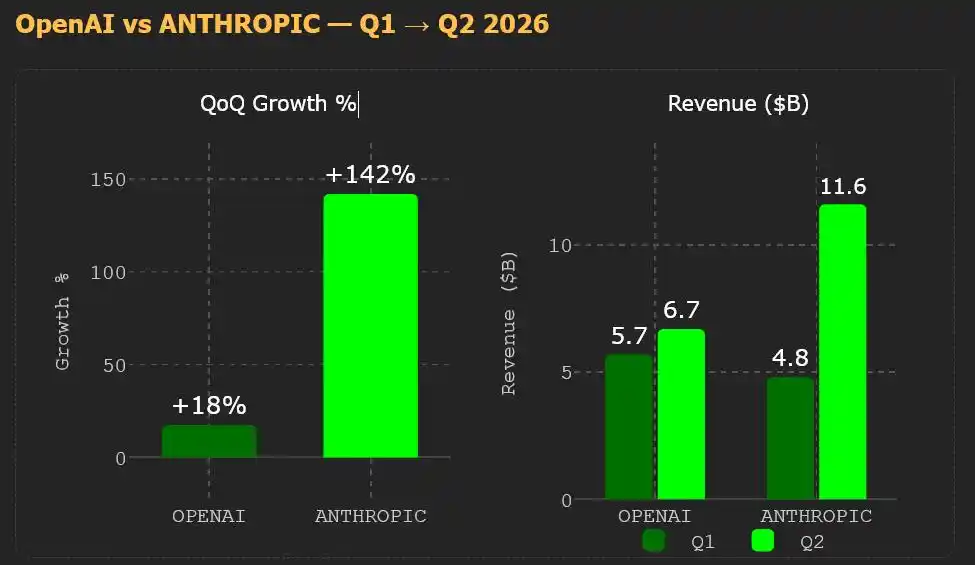
One company's quarterly losses are nearly double what the other earned in a single quarter.
This is the first time in Anthropic's five-year history that its quarterly revenue has surpassed that of its former parent company, OpenAI.
OpenAI's operating loss widened from $9.3 billion to $12.3 billion over the same period. Meanwhile, Anthropic disclosed that its "adjusted operating profit" has turned slightly positive.
Of course, these profit metrics cannot be directly compared.
Exactly which items Anthropic excludes in its "adjusted profit" is not entirely clear to the outside world; in the past, it has also excluded stock-based compensation from its adjusted figures.
But one point is hard to ignore:
At least at this stage, Anthropic's revenue growth speed and compute efficiency are forcing the capital markets to reassess the positions of the two companies.
This shift is actually much more significant than "Claude's recent popularity."
Because for the past few years, one of OpenAI's strongest moats has been scale.
ChatGPT has a massive user base, with brand recognition almost synonymous with AI itself.
Anthropic, while consistently strong in model capabilities, has been more like the capable but less visible challenger.
Now, for the first time, the situation has reversed.
Targeting October, Sprinting Towards a Trillion-Dollar IPO
After completing its financing round in May, Anthropic's valuation has reached $965 billion.
It's just one step away from $1 trillion.
Armed with these results, the Anthropic team has pressed the "fast-forward" button on its IPO.
It secretly filed its S-1 in June, with Morgan Stanley, Goldman Sachs, and JPMorgan as underwriters. Opinions vary on the final bell-ringing moment:
The most conservative estimates point to a listing this fall, with some even suggesting it could happen as early as late September.
If it truly goes public this fall, it might even beat OpenAI to become the first major model company to IPO in this wave of AI.
At the very moment Anthropic seems closest to "victory," Dario is starting to worry about something else:
If the company goes public, who gets the final say?
Holding 2% of Shares, Aiming to Lock Down Control
On the eve of its IPO, Anthropic is preparing to issue shares with extra voting rights to Dario and the other co-founders.
The specific voting multiplier and issuance scale have not been made public. But the intent is not hard to understand:
To ensure Dario retains stronger influence even after the company goes public.
This is not new in Silicon Valley. Tech giants like Meta and Snap have employed similar "dual-class share" structures.
But Anthropic has a unique aspect: Dario holds only a 2% equity stake.
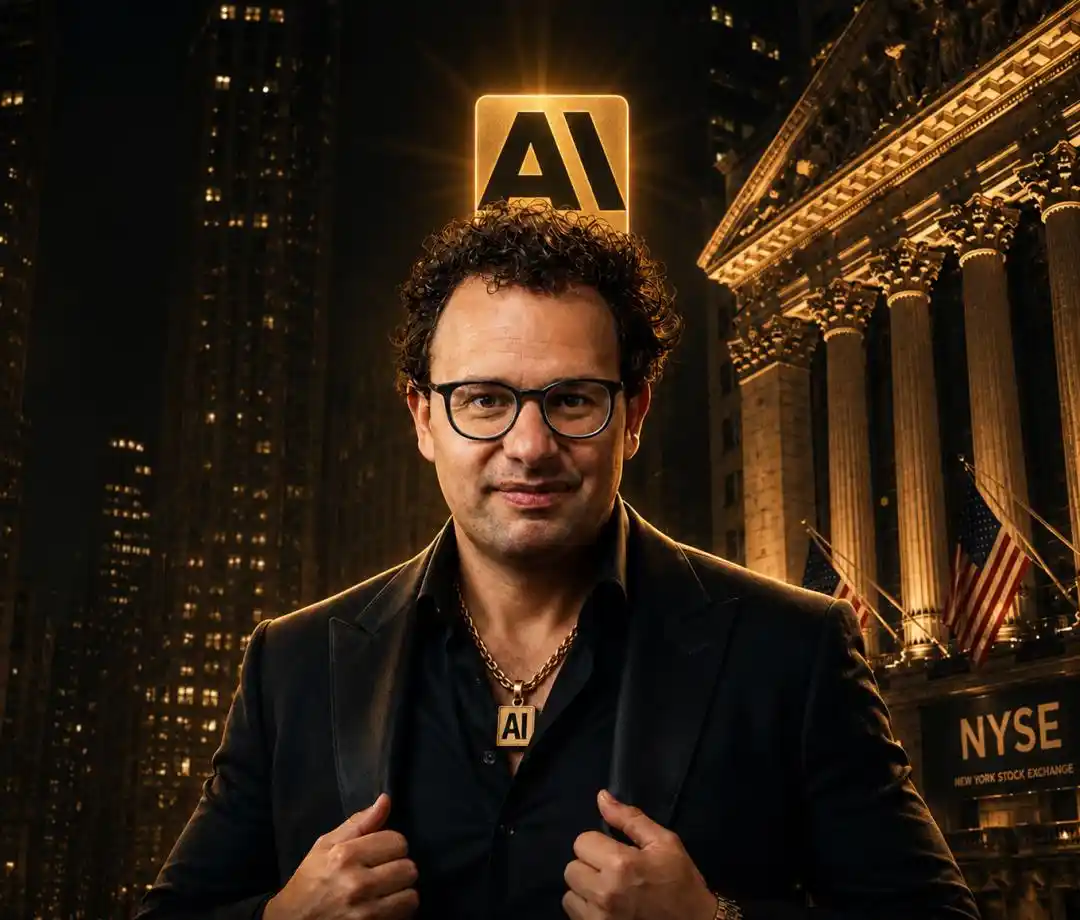
In other words, under the traditional "one share, one vote" corporate governance logic, the more a company raises, the higher its valuation, and the more dispersed its post-IPO shareholders, the more diluted the founder's control tends to become.
And Anthropic happens to be one of the world's most capital-hungry companies.
Frontier model training, data centers, chips, power, inference infrastructure—each of these can swallow vast amounts of capital.
To continue competing with OpenAI, it must keep raising money. The more it raises, the thinner the founders' own shares theoretically become.
So Anthropic now seeks to resolve a contradiction: it wants to take a lot of Wall Street's money, but it doesn't want to hand the steering wheel over to Wall Street.
This is the truly noteworthy aspect of this dual-class share arrangement.
Has OpenAI Really Lost?
If we look only at Q2 revenue, Anthropic is undoubtedly the winner.
Higher revenue, faster growth, and more favorable profitability metrics. But declaring an "AI throne change" is still premature.
Because OpenAI still holds a "trump card" that is difficult for Anthropic to replicate: a massive consumer entry point.
Today, ChatGPT boasts over a billion global users.
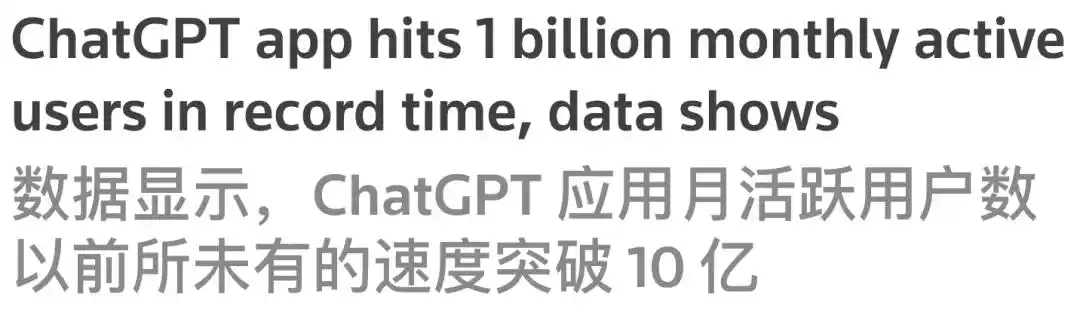
These free users might look like a cost now, but they are also the entry point for OpenAI's future ventures into search, browsers, office tools, shopping, advertising, agents, and even a "super app."
OpenAI has recently started integrating Codex, ChatGPT, and browser capabilities.
Insiders reveal that after the release of new models, growth has re-accelerated in Q3.
The Real Outcome Will Be Seen After the IPO
It's undeniable that Anthropic has scored a beautiful, albeit preliminary, victory.
But the truly brutal battle is just beginning. $65 billion in annualized revenue means the market will scrutinize it with harsher standards.
A valuation nearing $1 trillion means investors are betting on the Anthropic that might control the AI infrastructure entry point years from now.
Meanwhile, Dario's "super-voting rights" themselves are a double-edged sword.
In favorable times, the market will interpret it as the founding team possessing a long-term vision, not bound by quarterly performance.
But in a downturn, the same structure could pose a different problem: if the founder's judgment is wrong, who can hit the brakes?
This is precisely the most interesting contradiction to observe after Anthropic goes public.
Dario is telling Wall Street: you can buy Anthropic, you can share in the gains from growth, but at least for a considerable period, you cannot buy the final decision-making power of this company.
OpenAI stands on the other side.
It has just been surpassed in revenue by Anthropic for the first time, its losses are widening, and it has undergone internal management adjustments.
Yet it still possesses one of the industry's most powerful user entry points and has enough capital, compute, and product ammunition to mount a counteroffensive.
Therefore, the current situation may be more interesting than "Anthropic killing OpenAI."
Anthropic has achieved a clear lead for the first time, but it has also truly stepped into a position where it must defend its title for the first time.
What comes next depends on three questions:
Can Anthropic turn Claude Code's explosive breakout into a sustained commercial advantage lasting several years?
After securing stronger control, can Dario prove that founder-led governance is truly more suitable for a trillion-dollar AI company than Wall Street constraints?
When OpenAI truly begins to counterattack, will Anthropic's current lead mark the beginning of an era's handover or just a brief shift in positions?
$65 billion in annualized revenue, a trillion-dollar IPO, 2% ownership, and super-voting rights.
These three seemingly unrelated sets of numbers collectively point to one undeniable fact:
Anthropic has reached the position closest to the throne.
References:
https://www.bloomberg.com/news/articles/2026-08-18/anthropic-plans-to-give-ceo-extra-voting-power-information-says
This article is from the WeChat public account "新智元" (New Zhiyuan), author: ASI启示录