How to Make Web3 Products Inherently Viral? Four Years of User Growth Lessons from an Entrepreneur

比推2025-12-30 tarihinde yayınlandı2025-12-30 tarihinde güncellendi

Özet

The author, a Web3 founder with four years of experience, shares seven key lessons learned from building consumer-facing crypto products after previously working on failed infrastructure projects. Key insights include: 1. Target younger users (ages 13-21) who are more open to adopting new technologies. 2. Design products with built-in virality to reduce marketing costs, as crypto users expect incentives and trust is low. 3. Implement user-requested features quickly (within 2-3 days) to build trust and prevent churn to competitors. 4. Choose simple, memorable product names for easier word-of-mouth sharing. 5. Engage with users directly through cold DMs despite low response rates, focusing on acquiring 10-20 dedicated early users. 6. Iterate rapidly based on user behavior rather than just feedback, prioritizing what they actually pay for. 7. Simplify websites and onboarding to minimize cognitive load and clicks, ensuring the core value is immediately apparent. The author emphasizes that speed, user-centric design, and marketing are more critical than technical perfection in consumer crypto.

Author: Rishabh Gupta

Compiled by: Jiahuan, ChainCatcher

Original title:7 Painful Lessons from 4 Years of Web3 Entrepreneurship


As a budding founder, I spent years pouring my heart into three infrastructure-layer projects that ultimately failed. In 2025, I started building a consumer product that people actually want to use. Here, I share my hard-earned insights on user acquisition and fundraising.

I've been in this industry for about 4 years.

In 2023, when "account abstraction" was the hottest topic in the circle, I started developing in the EVM ecosystem. At that time, everyone was building SDKs (Software Development Kits) for account abstract wallets. Rollup scaling solutions were also hot—Optimism, Arbitrum, and various RaaS (Rollup as a Service) dominated.

As a math enthusiast, I was deeply attracted to ZK (Zero-Knowledge proofs), believing it would change the world (I firmly believe it will, eventually).

I mistakenly believed that: Complexity == Credibility.

When VCs asked about application scenarios, I would confidently list zkML (Zero-Knowledge Machine Learning), zk identity, zk voting—but even today, no one is really using these areas. I mistook amazing technology for a useful product.

Over time, I began to believe that the more complex an idea was, the greater its chance of success.

VCs also told me that in the crypto space, building infrastructure was the only path to success.

It took me nearly 2 years and over 500 rejections to realize this wasn't for me.

Entering the Solana Ecosystem

This was a completely new ecosystem for me—here, people care about application scenarios. Even meme coins are okay, because revenue matters.

Speed matters. Distribution matters.

Having built consumer applications on Solana for 7 months, here are my insights:

1. Build for Young Users Willing to Try New Things

Try to develop for young people who are naturally receptive to new products.

In the consumer crypto space, this usually means people trading in the "trenches" or young users aged 13-21.

A 2024 study by the Consumer Technology Association showed that 86% of Gen Z (11-26 years old) consider technology core to life—a higher percentage than any older generation. They own more devices and are more willing to spend on tech products.

They are more willing to try new apps, experiment with new features, and change habits.

Users over 25 are generally less willing to adopt new workflows unless there is a very strong incentive.

(Note: If you're in the institutional business, this may not apply.)

Research shows that social activity peaks around age 20-21. This means products built for young people are inherently more shareable.
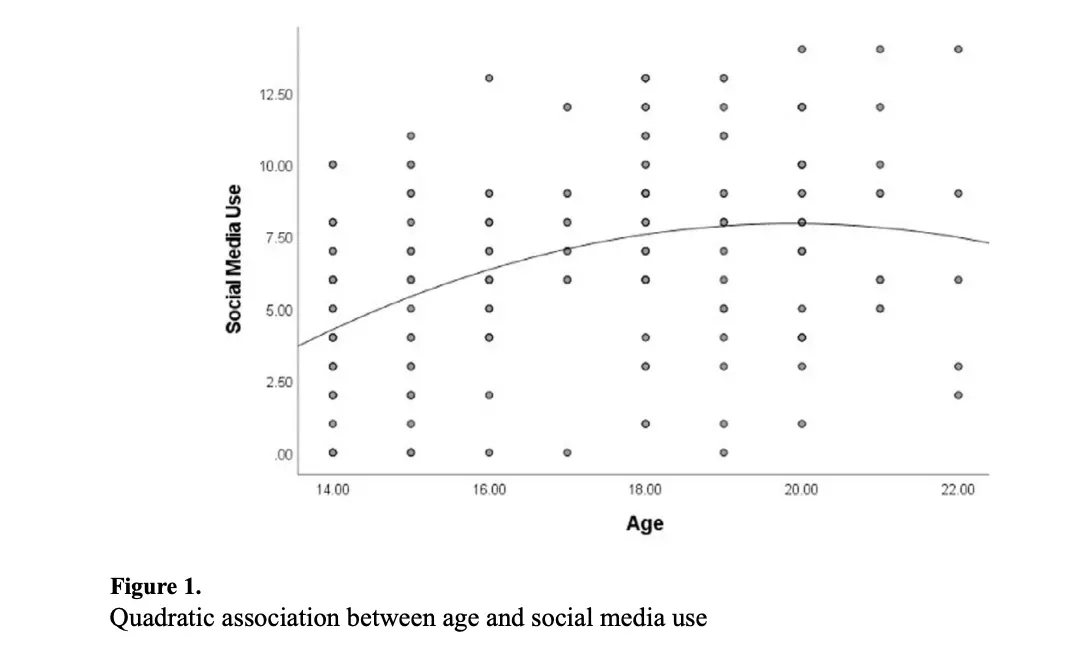
2. Make the Product Inherently "Viral" to Reduce Marketing Costs

If you don't have a huge marketing or advertising budget, the product itself must be the traffic channel.

In crypto, shareability is especially important because:

  • KOL marketing is very expensive.

  • Trust is extremely low.

  • Everyone expects rewards or incentives.
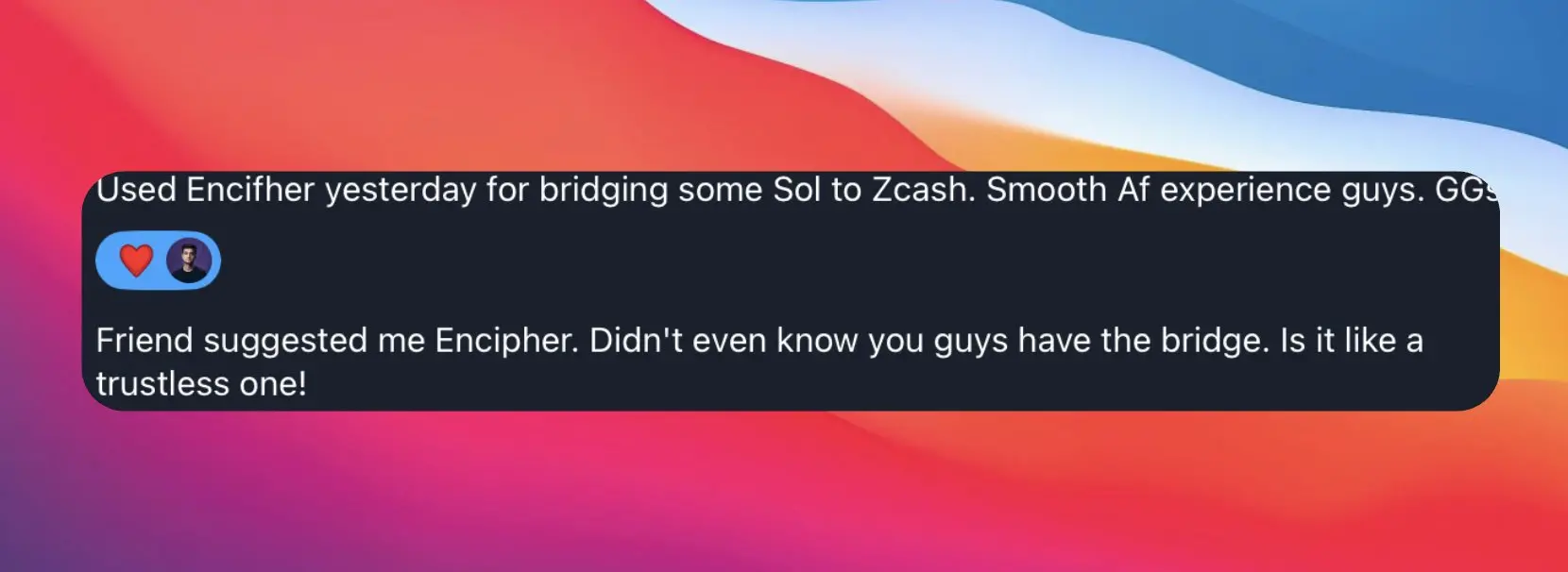
If your product gives users a reason to spontaneously share it with friends and communities, you've earned publicity without burning money. This is hard, but it's worth optimizing for from day one.

3. Launch Features Users Request as Soon as Possible

When users report a poor experience or a bug, fix it immediately, especially if it's a pain point that hinders use.

I used to wait until the end of the day to apply patches. The result was users DMing me: "Since your app doesn't have this feature, I'm going to use Product Y for now."

Once users go to a competitor and form a habit, it's hard to pull them back.

So, try to fix things immediately (ideally within 2-5 hours).

If multiple users request a feature and it's feasible:

  • Build it within 2-3 days.

  • Tell them it was launched based on their feedback.

  • Maybe even give them a reward.

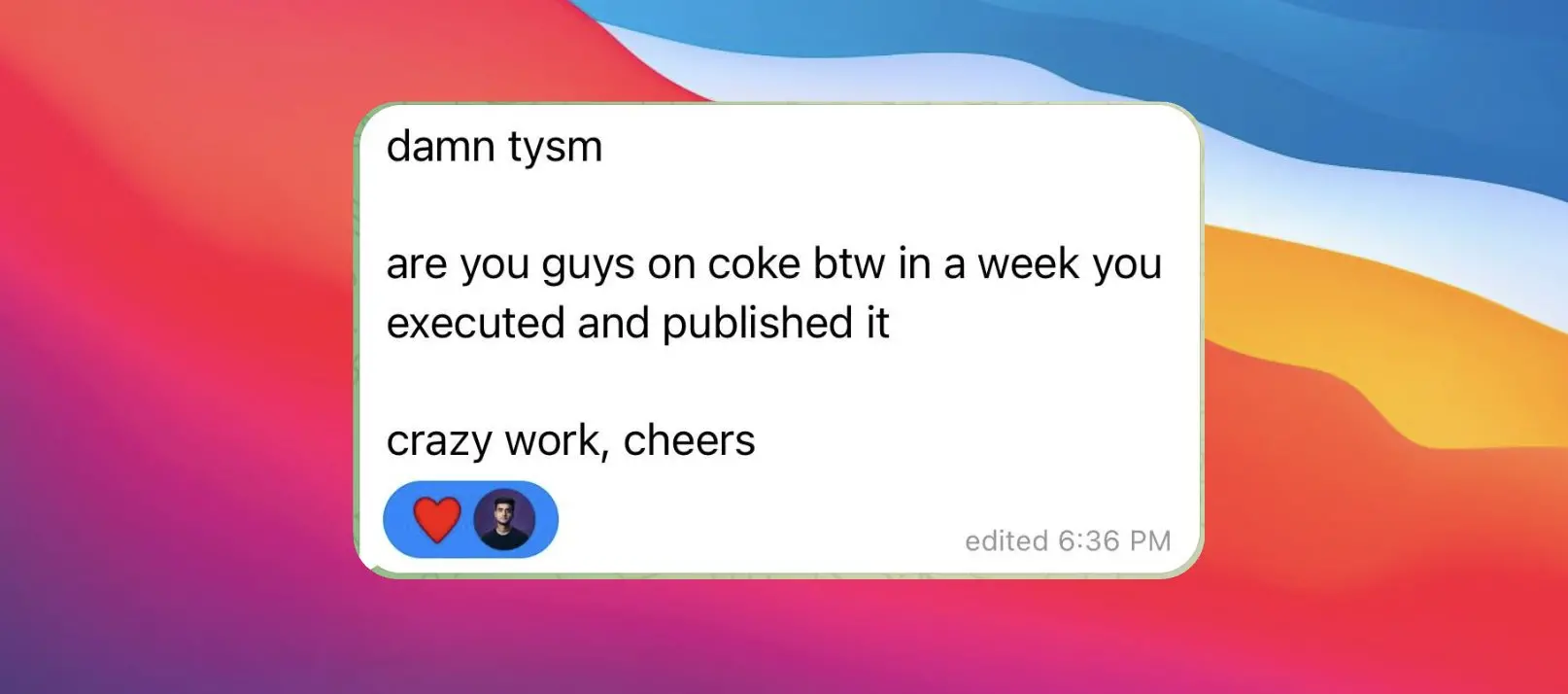
This builds deep trust. Users will start to feel the product "belongs to them," and this sense of emotional ownership is incredibly powerful in early-stage products.
4. The App Name is Very Important

This seems simple, but many people (including me) have messed it up.

The app name should be highly recognizable and easy to share verbally.

My previous product was called "Encifher," a name extremely hard to remember. Even investors and partners would misspell it when creating group chats.

So we later changed it to encrypt.trade. Simple, memorable, sexy.

5. Talking to Users is Hard, But Essential

Finding and talking to users is extremely difficult, especially when what you're building isn't part of the current "hot narrative."

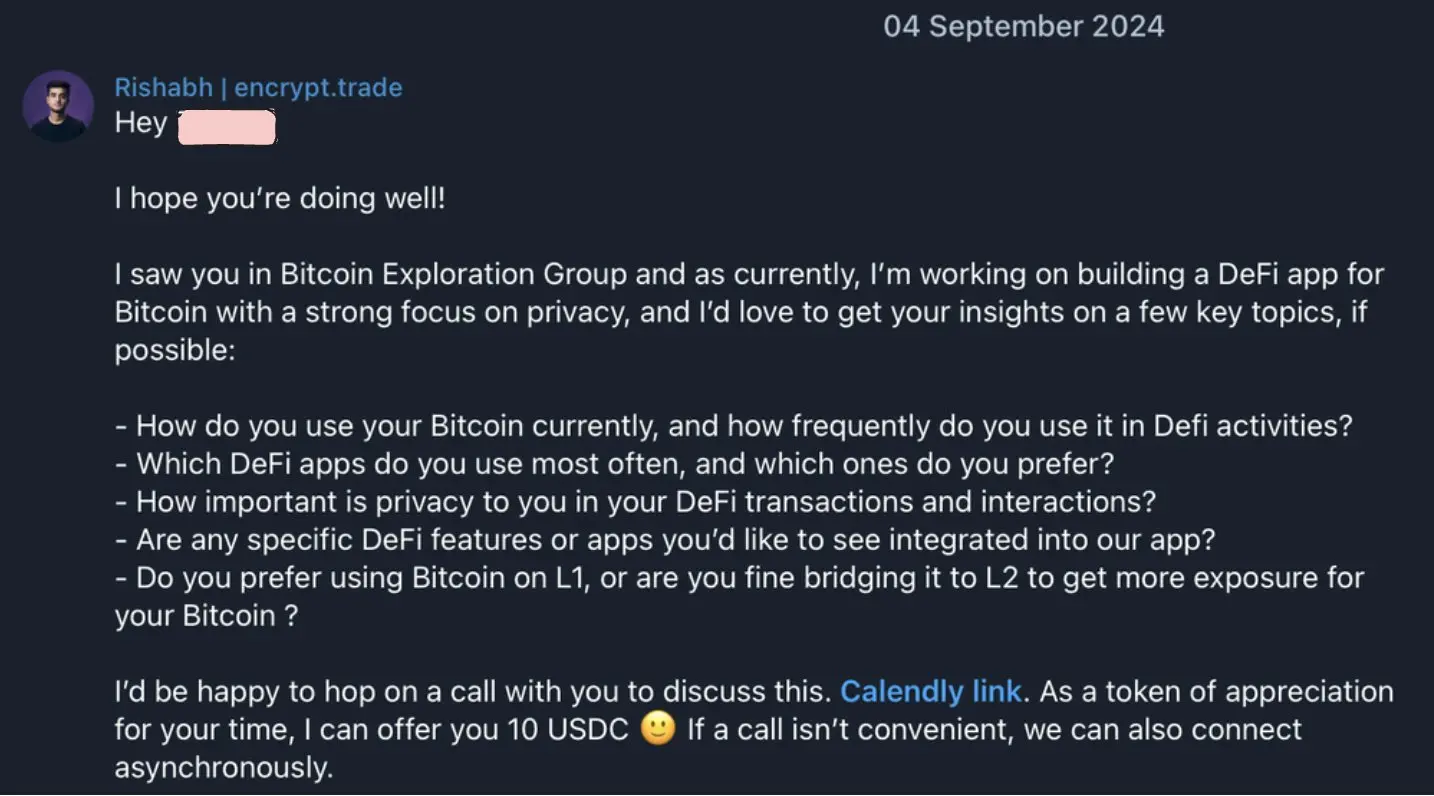
When I started working on privacy, it wasn't popular. I contacted nearly 1000 people via Cold-DM: maybe 10 out of 100 would reply. Only 3-4 of those could provide substantial help.
I talked to anyone who showed the slightest interest

I iterated on the product with them

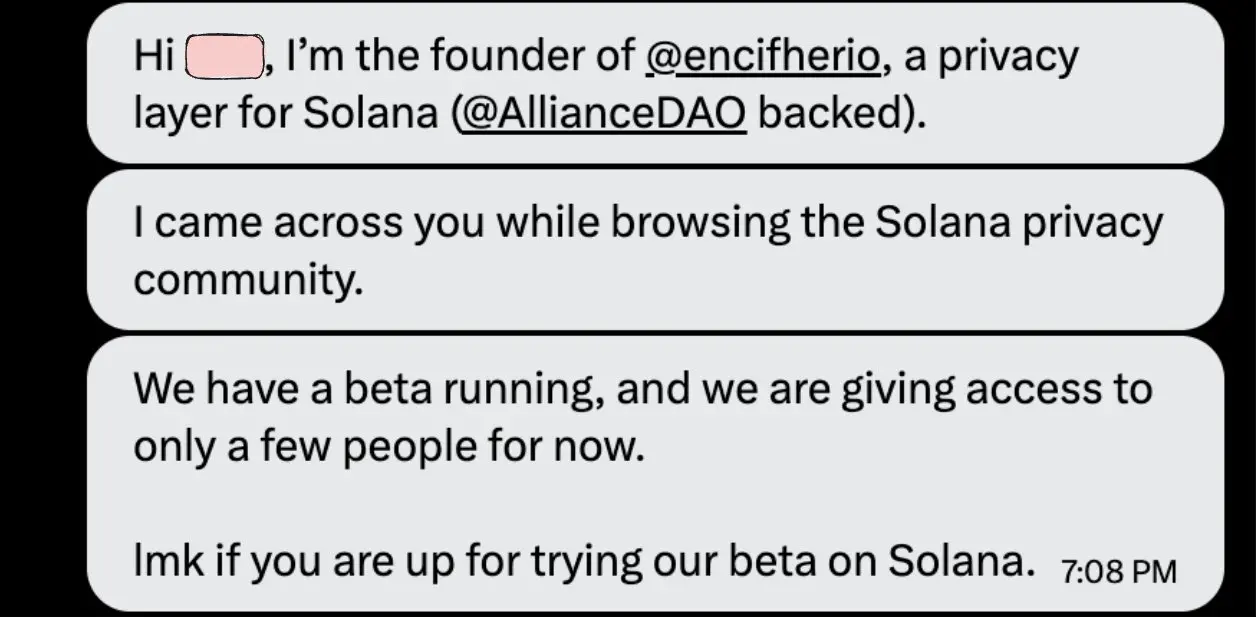
Framing a Cold-DM is also an iterative process. Here are some key points to note:

  • Start with a warm greeting.

  • Put the highlights (funding status, trading volume, etc.) at the beginning.

  • Mention where you found them.

  • Give a friendly call to action.

  • Always remember to follow up.

There's no perfect Cold-DM; you must A/B test to find what works for your target audience.

Here's a decent Cold-DM template to use: But be aware, this process is slow and exhausting.

In the crypto circle, few people reply to DMs because scams are everywhere.

Low reply rates are the norm (I know, it's a bit frustrating).

Nevertheless, you must do it.

Your goal at this stage is not to get 1000 users.

Your goal is 10-20 early users who care about the problem, are willing to try the product, and will provide honest feedback.

These early users will become your support system.

Early products often go wrong; these users will help you through that phase.

6. Iterate Quickly

The crypto industry changes rapidly, and attention spans are extremely short.

You must study user behavior, not just listen to their words:

  • What are they doing repeatedly?

  • What kind of workarounds are they using?

  • What are they already willing to pay for? (Many ideas sound good, but if users aren't willing to pay, it can't survive.)

7. Make Your Website Simple to the Point of Being "Foolproof"

Never make any assumptions about the user's knowledge.

As a developer, you've stared at the product for hundreds of hours and find it obvious, but for someone entering for the first time, it's completely foreign.

  • Don't introduce new terminology or complex processes.

  • Minimize the number of clicks.

  • The core value should be presented within 5 seconds of entering the app.

Conclusion

Building consumer crypto products is both fun and challenging. Speed of iteration, user-centric thinking, and marketing ability are more important than perfect technology. This is completely different from B2B.


Twitter:https://twitter.com/BitpushNewsCN

Bitpush TG Discussion Group:https://t.me/BitPushCommunity

Bitpush TG Subscription: https://t.me/bitpush

Original link:https://www.bitpush.news/articles/7599210

İlgili Sorular

QWhat is one of the key lessons the founder learned about building Web3 products for user growth?

AOne key lesson is to build for young, early-adopter users (like those aged 13-21) who are naturally more receptive to new products and have higher social activity, making the product more inherently shareable.

QWhy is it important for a Web3 product to have built-in shareability?

ABuilt-in shareability is crucial because KOL marketing is expensive, trust is low in crypto, and users expect rewards. If the product gives users a reason to share it with friends and communities organically, it reduces marketing costs and drives growth without burning cash.

QHow should founders handle user feedback and feature requests according to the article?

AFounders should address user feedback and bugs immediately, ideally within 2-5 hours for critical issues. If multiple users request a feasible feature, build it within 2-3 days, inform them it was based on their feedback, and even offer rewards to build deep trust and a sense of ownership.

QWhat did the founder realize about product names after his experience with 'Encifher'?

AHe realized that product names should be highly recognizable and easy to share verbally. 'Encifher' was hard to remember and often misspelled, so he changed it to 'encrypt.trade' for simplicity, memorability, and appeal.

QWhat is the recommended approach for cold outreach (Cold-DM) to potential users?

AThe approach includes starting with a warm greeting, highlighting key points (like funding or traction) upfront, mentioning where you found them, giving a friendly call-to-action, and always following up. The goal isn't to get thousands of users but to find 10-20 early users who care and provide honest feedback.

İlgili Okumalar

KOL's Perspective: Why Is SOL Set to Rise from This Point?

**Summary: Why SOL is Positioned for Growth at This Level** The article argues that SOL is poised for an upward move from its current price point, citing several key factors. Primarily, SOL has just broken out of a 4-month consolidation phase. This breakout signals a return of risk appetite to the broader crypto market, as SOL is seen as a key indicator of overall crypto health. The token's ownership has reportedly shifted from short-term traders and tourists to long-term accumulators, leading to low volume. Any meaningful increase in trading activity could thus trigger significant upward momentum. Fundamental strengths include strong institutional adoption, integration with DeFi and RWAs (Real-World Assets), and the potential benefits from the Clarity Act. Despite its high volatility—having dropped 70% from its all-time high but still up 12x from its bear market low—SOL is highlighted as one of the few tokens from the last cycle to reach new highs. It boasts a robust ecosystem of applications, users, and protocols. Future catalysts include the expected influx of AI developers following the Miami Accelerate conference, which focused on AI on Solana. Furthermore, Solana is positioned as the premier chain for memecoin activity, a trend expected to continue and drive network usage and fees. The article concludes that recent price action reflects a healthy transfer to long-term holders, setting the stage for growth.

marsbit27 dk önce

KOL's Perspective: Why Is SOL Set to Rise from This Point?

marsbit27 dk önce

Those Pre-Bitcoin PoW Protocols Have Recently Been Reimplemented

This article details a recent surge in replicating pre-Bitcoin Proof-of-Work (PoW) protocols, specifically focusing on Hal Finney's 2004 RPOW (Reusable Proofs of Work). Within five days in May 2026, multiple independent builders in the Bitcoin/cypherpunk community launched projects inspired by this early electronic cash proposal. The initiative began with Fred Krueger's `rpow2.com`, a centralized but auditable system that replaced RPOW's original IBM 4758 hardware with Ed25519 signatures. Initially a faithful replica, it later adopted Bitcoin-like features (21M supply cap, difficulty adjustment) and a controversial 5.24% founder allocation. This sparked rapid forks, including `rpow4.com` which incorporated full Bitcoin parameters, a prediction market (`rpowmarket.com`), and a DEX (`rpow2swap.com`). Concurrently, Mike In Space created a prototype of Wei Dai's 1998 b-money proposal (`b-money.replit.app`), pushing the historical exploration even further back. The article contrasts these centralized, server-dependent experiments with Bitcoin's core innovation of decentralized, trustless consensus. It also highlights a parallel development: the `HASH` project on Ethereum, which uses smart contract hooks to enable a purely fair-launch, browser-mineable PoW token with 0% allocations to team or VCs. The collective activity is framed as a meme-driven, educational exploration of cypherpunk history rather than a serious financial movement, with all projects heavily disclaiming any investment value.

marsbit32 dk önce

Those Pre-Bitcoin PoW Protocols Have Recently Been Reimplemented

marsbit32 dk önce

South Korean Exchanges 'Battle' Regulators, Challenging the Boundaries of Enforcement and Legislation

South Korea's cryptocurrency industry is engaged in a rare, direct confrontation with regulators. The Financial Intelligence Unit (FIU), the primary anti-money laundering (AML) watchdog, has recently imposed heavy penalties on major exchanges like Upbit and Bithumb for alleged violations involving unregistered overseas VASPs and AML procedures. However, exchanges are now actively challenging these actions in court and through industry associations. In a significant shift, the Seoul Administrative Court ruled in favor of Upbit's operator, Dunamu, overturning part of an FIU-ordered business suspension. The court found the FIU's penalty criteria and justification insufficiently clear. Similarly, the court suspended the enforcement of a six-month business suspension against Bithumb pending a final ruling, citing potential irreversible harm to the exchange. Beyond legal battles, the industry is contesting proposed legislative amendments. The Digital Asset eXchange Alliance (DAXA) strongly opposes a draft rule that would mandate Suspicious Transaction Reports (STRs) for all crypto transfers over 10 million KRW (~$6,800). DAXA argues this "poison pill" clause violates legal principles and would overwhelm the STR system, increasing reports from 63,000 to an estimated 5.45 million annually for major exchanges, thereby crippling effective AML monitoring. This conflict highlights a structural tension in South Korea's crypto governance: comprehensive digital asset laws are still developing, while regulators rely heavily on AML enforcement. The industry's move from passive compliance to active legal and legislative challenges signifies a new phase, pressing for clearer rules and more proportionate enforcement. While short-term disputes may intensify, this clash could ultimately lead to a more mature and sustainable regulatory framework for South Korea's vibrant crypto market.

marsbit1 saat önce

South Korean Exchanges 'Battle' Regulators, Challenging the Boundaries of Enforcement and Legislation

marsbit1 saat önce

After 50x Storage Surge, Justin Sun Always Looks to the Next Decade

Sun Yuchen, known for his controversial stunts like a $30 million lunch with Warren Buffett (canceled due to a kidney stone) and eating a $6.2 million duct-taped banana, is often overshadowed by a significant fact: his decade-long track record of spotting major investment trends. In 2016, he famously advised young people to invest in Bitcoin, Nvidia, Tesla, and Tencent instead of buying property. A hypothetical $20,000 investment in Nvidia and Tesla from that list would now be worth over 50 million RMB. His latest major call was on November 6, 2025, predicting a "50x storage opportunity" tied to the AI boom, which materialized with Sandisk's stock surging nearly 50-fold by 2026. Looking ahead, Sun now focuses on the next frontier: Physical AI. He identifies four key areas: 1. **Embodied AI/Robotics**: He sees this reaching its "iPhone moment," with companies like UBTech and Galaxy General leading in commercialization. 2. **Drones**: Viewed as the first commercially viable form of Physical AI, revolutionizing sectors from warfare (e.g., AeroVironment's Switchblade) to logistics. 3. **Spatial Computing**: Beyond VR, it's about AI understanding physical space, a foundational technology for robotics and autonomous systems, exemplified by Apple's Vision Pro. 4. **Space Exploration**: After a 2025 suborbital flight with Blue Origin, Sun advocates for space as the ultimate frontier, discussing blockchain's potential role in space asset management and data transactions. His investment philosophy involves betting on entire, inevitable trends rather than single companies. For robotics, he sees Tesla (the body/manufacturer) and Nvidia (the brain/AI platform) as complementary plays. In defense drones, he highlights companies making tanks obsolete (AeroVironment) and those augmenting fighter jets (Kratos). For space, he participated in Blue Origin's flight and anticipates SpaceX's potential IPO to redefine the sector's valuation. Sun Yuchen's vision frames the next two decades not as a revolution in information flow (like the internet), but in the fundamental operation of the physical world through AI-powered robots, autonomous systems, and spatial intelligence, ultimately extending human and AI activity into space. While many still focus on conventional assets, he continues to look toward the next technological horizon.

marsbit2 saat önce

After 50x Storage Surge, Justin Sun Always Looks to the Next Decade

marsbit2 saat önce

İşlemler

Spot
Futures
活动图片





