How to Adapt to Frequent Miraculous Comebacks After the New Patch When Trading in Polymarket's LOL Section?

Odaily星球日报2026-08-12 tarihinde yayınlandı2026-08-12 tarihinde güncellendi

Özet

After recent League of Legends (LoL) game updates, major comebacks and unpredictable outcomes have become more frequent, making trading on Polymarket's LoL prediction markets challenging. This article analyzes the causes and offers adaptation strategies. The author, a longtime LoL fan turned Polymarket trader, notes that post-update, a large early-game gold lead no longer guarantees victory. The current meta reduces the decisive weight of economy, emphasizing instead "advantage conversion, resource trading, team composition strength, and teamfight execution." Key systemic changes aiding comebacks include: Bounty/Kill Gold Compensation, Strategic Objective Bounties, and reduced Baron Nashor rewards. Furthermore, the prevalence of mage picks in the bot lane, instead of traditional marksmen (ADC), can lower sustained damage and teamfight reliability in the late game, contributing to throws. For more successful trading, the article suggests: 1. **Choosing the Right Region:** Prioritize major regions (LPL, LCK, LEC, LCS) where matches matter for World Championship qualification or player contracts, leading to more serious play. Avoid or be extremely cautious with regions like CBLOL (Brazil), TCL (Turkey), and North American Challengers, citing high volatility and potential for unreliable outcomes. 2. **Trading Strategies:** * **Placing Orders:** Use limit orders below market price for strong favorites. In close matchups, consider placing equal low-ball bids (e.g., 25-40 ...

Original | Odaily Planet Daily (@OdailyChina)

Author | CryptoLeo (@LeoAndCrypto)

As a die-hard League of Legends fan, I've spent many late nights grinding Ranked to climb the ladder. While I didn't reach a very high rank when I was younger, I did encounter many skilled players and streamers in the Canyon. Now that I'm older, I just play casual games for fun. After Polymarket went viral, I naturally shifted my focus to trading in the PM LOL section.
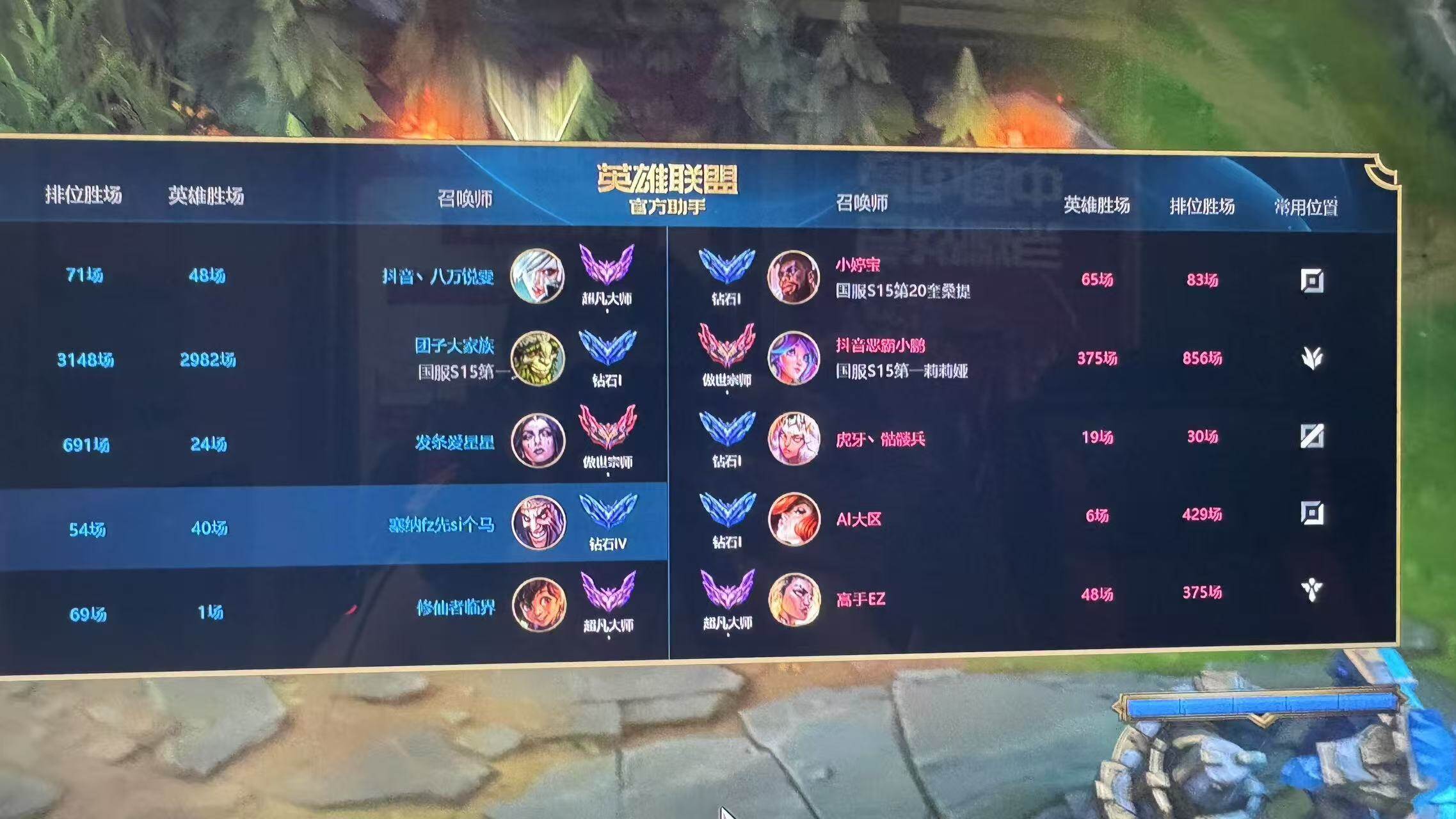
However, after the recent patch update, I feel like I know nothing about the matches anymore, and I've even started suspecting that the players are throwing games. After thinking about it carefully, it's not just me—friends who frequently trade in the Polymarket LOL section should be feeling quite 'weird/chaotic' lately. Miraculous comebacks have been occurring frequently in regions like LPL and LCK, and if you didn't sell your position on the leading side in time, your entire position could go to zero.

Therefore, I've done some research and analysis—based on this patch's ability to close out games, how can one trade LOL matches on Polymarket with a higher chance of success.

After the Patch Changes, a Significant Gold Lead Doesn't Guarantee Closing Out the Game

Recently, many League of Legends matches have seen teams lose despite having a gold lead of over 5000 in the early game, such as NIP vs IG, WE vs AL, BLG vs TES, and several matches in the LCK.

In previous League of Legends patches, teams with an early gold lead could easily 'snowball,' gaining a larger gold advantage and closing out the game effortlessly.

After the changes in this patch, the decisive weight of gold in closing out a game has decreased. The current patch emphasizes 'advantage conversion, resource trading, team composition strength, and teamfight execution' more than simply the early-game gold numbers.

Advantage conversion refers to a team turning a gold lead into pushing towers, securing kills, and taking objectives (Herald, Voidgrubs, Dragons, Baron, etc.);

Resource trading means a team makes decisions to compensate for resources they give up by securing other resources;

League of Legends champions are categorized as early-game or late-game champions. Early-game champions excel in early teamfights but become less effective later, while late-game champions are weak early but often decide the game's outcome in late-game teamfights. This has a decisive impact on overall team composition and strategy. A team with an early-game composition must end quickly, otherwise, there's a high probability of being overturned. A team with a late-game composition will usually win if the game goes late;

Teamfight execution involves preparation before fights, vision control, champion positioning, etc., all of which have a significant impact. A single operational mistake by someone can trigger a chain reaction leading to a major disadvantage.

The League of Legends system mechanics also give the disadvantaged side significant opportunities:

1. Bounty Shutdown Compensation: When a core champion from the leading team is killed, it grants the trailing team a large bonus bounty and experience, potentially instantly reducing the gold gap by a thousand or more;

2. Objective Bounties: The trailing team receives extra gold and experience compensation for destroying key objectives like turrets, dragons, and Baron, helping them catch up;

3. Baron Buff Nerf: The rewards for killing Baron have been reduced in the current patch, emphasizing the conversion of secured objectives into tower pushes and map control.

Many recent comebacks also stem from the fact that the current meta's bot lane choices are no longer traditional marksmen (ADC) but mages. Compared to marksmen, many mage-type heroes cannot achieve sustained damage output in teamfights and have lower fault tolerance, which is a factor in some teams losing their early leads and being overturned late game recently.

In summary: Previous patches were more about 'securing objectives to snowball.' The leading team could easily end the game by controlling key targets. The current patch relies more on mid-to-late-game decision quality than early-game gold differentials. The leading team pushes towers, controls vision, secures objectives, and avoids giving shutdowns. The trailing team stabilizes farm, looks for pick opportunities, and contests key objectives. In actual matches, execution and team composition synergy often determine the final outcome more than pure gold numbers. This is the fundamental reason for the frequent skirmishes, upsets, and difficulty in converting early advantages into victories in the current patch.

What Strategies Are Better

Based on my months of experience on PM, let me first introduce the matches I often play and the regions I suggest avoiding. We are now in the third split of the League of Legends competitive season. Many teams with a chance need points to compete for a spot in the 2026 World Championship. As long as there is a chance, these teams will strive to win their remaining matches. In terms of seriousness and the correspondence between 'strength and result,' this split might be slightly easier to predict than the first two.

For example, if a match has very low importance and doesn't affect the subsequent schedule, teams might not take it very seriously. For instance, in the recent LCK KeSPA Cup match between GENG and DNS, it was evident that the GENG players were particularly tired. They didn't need this win, so they weren't playing with full seriousness, or perhaps their desire to win was lower, leading to an upset.

One: Choosing the Right Region is Important

First, you need to choose the right matches you want to participate in. The filtering criteria are: whether it affects a team's points for qualifying for the League of Legends World Championship, whether there are substantial monetary prizes, and whether certain players need to perform well this split to secure better salaries next season.

My experience is as follows:

Major Regions: LPL, LCK, LEC, LCS, LCP, CBLOL. Prioritize LPL, LCK, LEC, LCS:

I think LPL matches are still relatively 'normal,' and particularly outrageous situations don't usually occur. Comebacks happen due to the patch and players' weak closing ability (picking an early-game composition and dragging it to late game), wasting early advantages through attempted macro play and getting overturned, or selecting poor compositions. So far, I haven't seen any LPL team clearly dominate others. Currently, BLG, TES, AL, and WE are considered strong teams, but some teams are 'godlike one game, clown-like the next';

LCK matches depend entirely on player form and drafting (champion select). Player form has a higher reference weight than draft. T1, HLE, GENG, KT, DK are still the stronger teams. You can watch the first game to assess player form and then buy/sell in the second game;

The LEC overlords are still G2 and KC. You can completely trust these two teams if they want to win;

The LCS overlord is still LYON (the kind that wins when they want to and can lose a game if they choose to). LYON's starting jungler Inspired is currently unavailable and is being replaced by a veteran player, but this likely won't significantly affect their record. The issue in the North American region is that sometimes there are teams that clearly don't want to win (intentionally picking poor compositions or not contesting objectives), requiring attention for selling;

It's advisable not to touch matches from the Brazilian region CBLOL. There's a saying, 'Brazilian stage, come if you dare.' It's so fake you'll suspect some pro players are bots. For example: Version one, a weak team gets early kills and an advantage, but once objective fights start, the strong team takes over and wins. Version two, the strong team plays well early, gets kills and objectives, but in the final teamfight, they suddenly misplay, get aced, and lose. There are many versions, so I won't list them all.

I rarely participate in the LCP region, so I won't discuss it.

For some smaller tournaments:

In LCK Challengers (CK), T1, DK, and Nongshim are the three strong teams, but T1 has a significant lead. The other two, DK and Nongshim, also 'frequently' lose to bottom-tier teams. Most CK matches are essentially a '1:1 league,' meaning in a BO3, each team wins one of the first two games (it's common for a team to seem completely uncoordinated in game one or pick champions they can't play, then become unstoppable like they're cheating in game two), with a decisive third game. My suggestion is to only play matches involving these three teams. Try to avoid the rest. If you must play, you can try entering at the lowest price betting on an upset. Also, some CK matches don't have a live stream, making prediction difficult without watching live;

In the French LFL, the top dogs are GAL and SLY. You can try playing matches involving these two teams. Among the remaining teams, the skill gap isn't huge. You might predict based on draft, but games are often lost despite having a good composition.

The German Prime League most frequently goes to a full three-game series, with the stronger team winning (if you don't know the strong/weak teams, you can judge based on the market price).

Circuito Desafiante is the Brazilian secondary league, also recommended to avoid.

Don't play the Turkish TCL. The fastest available live stream delay is over 3 minutes, making it hard to judge the outcome.

The North American Challengers league is basically hell-level difficulty; wins and losses are all about the 'script.'

Two: Trading Strategies

Before trading, you can generally analyze based on team composition and player form. Regarding composition, what's important for a team is their champion synergy: Do they have engage champions (frontline tanks with crowd control)? Do they have a sustained damage marksman? Do the damage dealers have mobility skills and space to deal damage? What is the power spike of key team champions? How is the AOE (area of effect) damage and burst of mages? Is there champion combo potential?

Assessing player form requires you to be someone who frequently watches matches and is familiar with a particular player's playstyle. This allows you to discern if their current performance differs significantly from their usual games and if they can effectively generate advantages for their team with a specific champion.

A small skirmish over an objective or one or two kills usually affects the price by 5-10 cents. My experience:

(1) Learn to Place Orders

1. For matches where you are certain one team has a significantly stronger lineup, place limit orders to buy at 5-15 cents below the market price, rather than buying at the current price. This minimizes your losses even if you're wrong;

2. For matches where the skill gap isn't that large, small reversals or major comebacks are common in this patch. A single small mistake can cause a 20-cent price swing for a team. If both teams are the type that likes to fight frequently, the prices for both sides will fluctuate considerably. Perhaps you can try placing limit orders for an equal number of shares on both sides simultaneously; as long as the total cost is below 100 cents, you profit. For example, A vs B. Team A has an early advantage, but Team B has a mid-to-late advantage. It's hard to confirm which team will close. In this case, soon after the match starts, you can place limit orders to buy 100 shares of A at 25-40 cents and 100 shares of B at 25-40 cents. Your total cost would be 50-80 cents, giving you a profit margin of 20-50 cents. If the price fluctuations are small, you might fail, but currently, for most major region matches without a huge skill gap, you can get fills for both A and B, depending on whether your bid prices are reasonable.

PS: I'm a relatively aggressive trader. I often place orders at 25 cents. Matches suitable for this strategy include CK matches (the first two games of a BO3), LFL matches (the first two games of a BO3), and German league matches (the first two games of a BO3). It's best to use this strategy in matches where the team gap isn't enormous.

3. As mentioned earlier, each team's composition has a power spike. Before this spike, they might be at a disadvantage. Once they hit their power spike, they can turn the tables. You can buy low during their weak phase and then place a sell order 20-40 cents above your purchase price, aiming for price swings rather than betting on the final outcome. Determining when a team's power spike occurs requires watching many matches to analyze.

(2) Sell in Time

Everyone has different playstyles. Some like to buy above 90 cents as a stable 'investment.' Some like to buy in the 50-80 cent range aiming for a big payout. In these cases, the selling price is extremely important.

Prediction markets are like crypto trading—the most important thing is learning to take profits (I still haven't mastered this). As mentioned, many matches see large early advantages wasted by dragging the game. If the team you favor gains an early advantage and your entry price was low, you should place sell orders in the 85-95 cent range. This is crucial. In many matches, I picked the correct early-game dominant side but often failed to sell in time, leading to a last-minute comeback and no chance to exit before my position went to zero.

My current selling habit is: For positions entered at 50-60 cents, I sell 75% at 85-90 cents. Even if the remaining 25% position goes to zero due to an upset, it's not too painful.

Another extreme method is: After buying the favored team low and selling high, immediately place an order for the opposing team (e.g., buy Team A at 30 cents, sell at 75 cents, then buy Team B at 25 cents, and finally Team B wins). This requires a zero-delay live stream and a deep understanding of the game's flow.

(3) Position Management

Learning position management is important. Don't tilt after losing a couple of matches and go all-in on the next one, as this can easily lead to a total loss. You can set a rule that the maximum amount per match does not exceed 5% or 10% of your principal. Most importantly, don't be affected by a few wins or losses. Some smaller region matches might have a day where all results are upsets (the last-place team crushing the first-place team). What you need to do most at such times is turn off the computer and find something else to do. Continuous tilt will lead to continuous losses.

Conclusion

When I started with prediction markets, it went smoothly, and I rarely lost. But recently, after the patch update, everything has become chaotic. Playing LOL predictions requires watching important matches and understanding how factors like gold, composition, team playstyle, and regional meta affect the game. This will help you quickly adapt to the patch.

The next patch update will be in August, where the influence of traditional marksmen is expected to increase. Many of the current mage bot lanes might disappear. If I have better insights for the next patch, I will promptly share them.

The above is merely my humble opinion, for reference only and not investment advice. Trading requires careful analysis and attention to risk. I also hope everyone develops their own strategies and theories to make more money. Furthermore, feel free to contact me anytime!(@LeoAndCrypto)


Trend Kriptolar

İlgili Sorular

QAccording to the article, what are the key factors that have made comebacks more frequent in the current version of League of Legends for prediction markets?

AThe article states that the current version has reduced the decisive weight of early-game gold leads. Key factors making comebacks more frequent include the game now emphasizing advantage conversion, resource trading, team composition strength, and teamfight execution over pure gold numbers. Systemic mechanics like bounty shutdowns and strategic point compensation also give the losing team significant opportunities to close the gap.

QWhat is the author's primary recommendation for managing risk when trading on a team that has taken an early lead?

AThe author's primary recommendation for managing risk on an early-leading team is to learn to take profits (止盈) and sell in time. Specifically, they suggest placing sell orders for a significant portion of the position (e.g., 75%) in the 85 to 90 cents range if the initial buy was around 50-60 cents. This prevents the entire position from going to zero if the team suffers a late-game comeback.

QWhich League of Legends regions does the author advise traders to be cautious about or avoid, and why?

AThe author advises being very cautious or avoiding the Brazilian CBLOL and Turkish TCL regions. For CBLOL, the matches are described as unpredictable and sometimes suspicious, with patterns that feel scripted. For TCL, the primary issue is high broadcast delay (over 3 minutes), making real-time prediction and trading very difficult. The North American Challengers league is also mentioned as being extremely difficult due to unpredictable 'scripts'.

QBesides team strength, what two main pre-game factors does the author suggest analyzing for better trade decisions?

AThe two main pre-game factors to analyze are: 1) Team composition (英雄选择), focusing on elements like engage tools, a sustained-damage ADC, the power spikes of key champions, and champion synergy/combo potential. 2) Player form/state (选手状态), which requires familiarity with a player's usual style to judge if their current performance deviates significantly.

QWhat trading strategy does the author mention for matches between two closely matched teams where the outcome is highly volatile?

AThe author suggests a strategy of simultaneously placing limit buy orders for both teams (A and B) at low prices (e.g., between 25-40 cents) at the start of the match. The goal is to acquire shares in both teams for a total cost below 100 cents (e.g., 50-80 cents total), creating a profit window of 20-50 cents regardless of which team wins, as long as the match is back-and-forth and the orders are filled. This works best in major regions where such price volatility is common.

İlgili Okumalar

Strong Growth, Moderate Rate Hikes, Controllable Oil Prices: The Market is Pricing a Non-existent Perfection

The global market is currently pricing in a contradictory "Goldilocks" scenario of robust growth, limited interest rate hikes, manageable energy supply shocks, and declining oil prices. Deutsche Bank strategist Henry Allen warns this leaves little room for error regarding policy, inflation, or geopolitics. While U.S. equities hit record highs and credit spreads are tight, signaling strong growth, interest rate markets price in only minimal Fed tightening ahead, despite inflation remaining above target. This combination is difficult to sustain. Historically, starting inflation levels suggest a much more aggressive Fed hiking cycle than currently anticipated, as seen in 2022. Furthermore, oil price declines contradict ongoing supply risks, with the Strait of Hormuz still disrupted. Market expectations for future supply recovery and lower prices depend on resolutions not yet achieved. Energy volatility and potential new inflationary pressures from AI-driven demand highlight persistent inflation risks. The core risk is that the multiple optimistic assumptions underpinning current asset prices fail to materialize simultaneously. Strong growth with loose financial conditions could force more aggressive Fed action, while prolonged energy disruptions could undermine disinflation. Markets have priced a near-perfect outcome with minimal margin for deviation, meaning any single factor disappointing expectations could trigger a broad repricing of growth, rates, and risk assets.

marsbit3 dk önce

Strong Growth, Moderate Rate Hikes, Controllable Oil Prices: The Market is Pricing a Non-existent Perfection

marsbit3 dk önce

İşlemler

Spot

Popüler Makaleler

$S$ Nedir

SPERO'yu Anlamak: Kapsamlı Bir Genel Bakış SPERO'ya Giriş İnovasyonun manzarası gelişmeye devam ederken, web3 teknolojilerinin ve kripto para projelerinin ortaya çıkışı dijital geleceği şekillendirmede önemli bir rol oynamaktadır. Bu dinamik alanda dikkat çeken projelerden biri SPERO, $$s$$ olarak adlandırılmaktadır. Bu makale, SPERO hakkında ayrıntılı bilgi toplamak ve sunmak amacıyla, meraklılar ve yatırımcıların web3 ve kripto alanlarındaki temellerini, hedeflerini ve yeniliklerini anlamalarına yardımcı olmayı amaçlamaktadır. SPERO,$$s$$ Nedir? SPERO,$$s$$, kripto alanında merkeziyetsizlik ve blok zinciri teknolojisi ilkelerini kullanarak etkileşimi, faydayı ve finansal kapsayıcılığı teşvik eden bir ekosistem yaratmayı amaçlayan benzersiz bir projedir. Proje, kullanıcıların yenilikçi finansal çözümler ve hizmetler sunarak eşler arası etkileşimleri yeni yollarla kolaylaştırmayı hedeflemektedir. SPERO,$$s$$'nin temel amacı, bireyleri güçlendirmek ve kripto para alanındaki kullanıcı deneyimini artıran araçlar ve platformlar sağlamaktır. Bu, daha esnek işlem yöntemlerini mümkün kılmayı, topluluk odaklı girişimleri teşvik etmeyi ve merkeziyetsiz uygulamalar (dApp'ler) aracılığıyla finansal fırsatlar yaratmayı içermektedir. SPERO,$$s$$'nin temel vizyonu kapsayıcılık etrafında dönmekte olup, geleneksel finansal sistemlerdeki boşlukları kapatmayı ve blok zinciri teknolojisinin faydalarından yararlanmayı hedeflemektedir. SPERO,$$s$$'nin Yaratıcısı Kimdir? SPERO,$$s$$'nin yaratıcısının kimliği bir miktar belirsizdir, çünkü kurucusu(ları) hakkında ayrıntılı arka plan bilgisi sağlayan sınırlı kamuya açık kaynaklar bulunmaktadır. Bu şeffaflık eksikliği, projenin merkeziyetsizlik taahhüdünden kaynaklanabilir—birçok web3 projesinin paylaştığı bir etik anlayışı, bireysel tanınmanın yerine kolektif katkıları önceliklendirmektedir. Topluluk ve onun kolektif hedefleri etrafında tartışmaları merkezileştirerek, SPERO,$$s$$, belirli bireyleri öne çıkarmadan güçlendirme özünü taşımaktadır. Bu nedenle, SPERO'nun etik anlayışını ve misyonunu anlamak, tek bir yaratıcının kimliğini belirlemekten daha önemlidir. SPERO,$$s$$'nin Yatırımcıları Kimlerdir? SPERO,$$s$$, kripto sektöründe yeniliği teşvik etmeye adanmış girişim sermayedarlarından melek yatırımcılara kadar çeşitli yatırımcılar tarafından desteklenmektedir. Bu yatırımcıların odak noktası genellikle SPERO'nun misyonuyla uyumlu olup, toplumsal teknolojik ilerlemeyi, finansal kapsayıcılığı ve merkeziyetsiz yönetimi vaat eden projeleri önceliklendirmektedir. Bu yatırımcı temelleri, yalnızca yenilikçi ürünler sunan projelere değil, aynı zamanda blok zinciri topluluğuna ve ekosistemlerine olumlu katkılarda bulunan projelere de ilgi duymaktadır. Bu yatırımcıların desteği, SPERO,$$s$$'yi hızla gelişen kripto projeleri alanında dikkate değer bir rakip haline getirmektedir. SPERO,$$s$$ Nasıl Çalışır? SPERO,$$s$$, onu geleneksel kripto para projelerinden ayıran çok yönlü bir çerçeve kullanmaktadır. İşte benzersizliğini ve yeniliğini vurgulayan bazı temel özellikler: Merkeziyetsiz Yönetim: SPERO,$$s$$, kullanıcıların projenin geleceğiyle ilgili karar alma süreçlerine aktif olarak katılmalarını sağlayan merkeziyetsiz yönetim modellerini entegre etmektedir. Bu yaklaşım, topluluk üyeleri arasında sahiplik ve hesap verebilirlik duygusunu teşvik etmektedir. Token Kullanımı: SPERO,$$s$$, ekosistem içinde çeşitli işlevler sunmak üzere tasarlanmış kendi kripto para token'ını kullanmaktadır. Bu token'lar, işlemleri, ödülleri ve platformda sunulan hizmetlerin kolaylaştırılmasını sağlayarak genel etkileşimi ve faydayı artırmaktadır. Katmanlı Mimari: SPERO,$$s$$'nin teknik mimarisi, modülerlik ve ölçeklenebilirliği destekleyerek projenin evrimi sırasında ek özelliklerin ve uygulamaların sorunsuz bir şekilde entegrasyonuna olanak tanımaktadır. Bu uyum sağlama yeteneği, sürekli değişen kripto manzarasında geçerliliği sürdürmek için hayati öneme sahiptir. Topluluk Katılımı: Proje, işbirliği ve geri bildirim teşvik eden mekanizmalar kullanarak topluluk odaklı girişimlere vurgu yapmaktadır. Güçlü bir topluluk oluşturarak, SPERO,$$s$$, kullanıcı ihtiyaçlarını daha iyi karşılayabilir ve piyasa trendlerine uyum sağlayabilir. Kapsayıcılığa Odaklanma: Düşük işlem ücretleri ve kullanıcı dostu arayüzler sunarak, SPERO,$$s$$, daha önce kripto alanında yer almamış bireyler de dahil olmak üzere çeşitli bir kullanıcı tabanını çekmeyi hedeflemektedir. Bu kapsayıcılık taahhüdü, erişilebilirlik yoluyla güçlendirme misyonuyla uyumludur. SPERO,$$s$$ Zaman Çizelgesi Bir projenin tarihini anlamak, gelişim yolculuğu ve kilometre taşları hakkında kritik bilgiler sağlar. Aşağıda, SPERO,$$s$$'nin evriminde önemli olayları haritalayan önerilen bir zaman çizelgesi bulunmaktadır: Kavram Geliştirme ve Fikir Aşaması: SPERO,$$s$$'nin temelini oluşturan ilk fikirler, blok zinciri endüstrisindeki merkeziyetsizlik ve topluluk odaklılık ilkeleriyle yakından uyumlu olarak geliştirildi. Proje Beyaz Kağıdının Yayınlanması: Kavramsal aşamayı takiben, SPERO,$$s$$'nin vizyonunu, hedeflerini ve teknolojik altyapısını ayrıntılı bir şekilde açıklayan kapsamlı bir beyaz kağıt yayımlandı ve topluluk ilgisini ve geri bildirimini toplamak amacıyla sunuldu. Topluluk Oluşturma ve Erken Katılımlar: Projenin hedefleri etrafında tartışmalar yürüterek destek toplamak ve erken benimseyenler ile potansiyel yatırımcılar için bir topluluk oluşturmak amacıyla aktif iletişim çabaları gerçekleştirildi. Token Üretim Etkinliği: SPERO,$$s$$, yerel token'larını erken destekçilere dağıtmak ve ekosistem içinde başlangıç likiditesini sağlamak amacıyla bir token üretim etkinliği (TGE) gerçekleştirdi. İlk dApp'in Yayınlanması: SPERO,$$s$$ ile ilişkili ilk merkeziyetsiz uygulama (dApp) faaliyete geçti ve kullanıcıların platformun temel işlevleriyle etkileşimde bulunmalarını sağladı. Sürekli Gelişim ve Ortaklıklar: Projenin tekliflerine sürekli güncellemeler ve iyileştirmeler yapılmakta olup, blok zinciri alanındaki diğer oyuncularla stratejik ortaklıklar, SPERO,$$s$$'yi rekabetçi ve gelişen bir oyuncu haline getirmiştir. Sonuç SPERO,$$s$$, web3 ve kripto paranın finansal sistemleri devrim niteliğinde dönüştürme ve bireyleri güçlendirme potansiyelinin bir kanıtıdır. Merkeziyetsiz yönetime, topluluk katılımına ve yenilikçi tasarlanmış işlevselliğe olan bağlılığıyla, daha kapsayıcı bir finansal manzaraya doğru bir yol açmaktadır. Hızla gelişen kripto alanındaki herhangi bir yatırımda olduğu gibi, potansiyel yatırımcılar ve kullanıcılar, SPERO,$$s$$ içindeki devam eden gelişmelerle ilgili olarak kapsamlı bir araştırma yapmaları ve düşünceli bir şekilde katılmaları teşvik edilmektedir. Proje, kripto endüstrisinin yenilikçi ruhunu sergileyerek, sayısız olasılığını keşfetmeye davet etmektedir. SPERO,$$s$$'nin yolculuğu hala devam ederken, temel ilkeleri, teknoloji, finans ve birbirimizle etkileşim biçimimizi etkileyebilir.

369 Toplam GörüntülenmeYayınlanma 2024.12.17Güncellenme 2024.12.17

$S$ Nedir

AGENT S Nedir

Agent S: Web3'te Otonom Etkileşimin Geleceği Giriş Web3 ve kripto para dünyasında sürekli gelişen manzarada, yenilikler bireylerin dijital platformlarla etkileşim biçimlerini sürekli olarak yeniden tanımlıyor. Bu tür öncü projelerden biri olan Agent S, açık ajans çerçevesi aracılığıyla insan-bilgisayar etkileşimini devrim niteliğinde değiştirmeyi vaat ediyor. Otonom etkileşimlerin yolunu açarak, Agent S karmaşık görevleri basitleştirmeyi ve yapay zeka (AI) alanında dönüştürücü uygulamalar sunmayı hedefliyor. Bu detaylı inceleme, projenin karmaşıklıklarına, benzersiz özelliklerine ve kripto para alanındaki etkilerine dalacaktır. Agent S Nedir? Agent S, bilgisayar görevlerinin otomasyonunda üç temel zorluğu ele almak üzere özel olarak tasarlanmış çığır açıcı bir açık ajans çerçevesidir: Alan Spesifik Bilgi Edinimi: Çerçeve, çeşitli dış bilgi kaynaklarından ve iç deneyimlerden akıllıca öğrenir. Bu çift yönlü yaklaşım, alan spesifik bilgi açısından zengin bir veri havuzu oluşturmasını sağlar ve görev yürütmedeki performansını artırır. Uzun Görev Ufukları Üzerinde Planlama: Agent S, karmaşık görevlerin verimli bir şekilde parçalanmasını ve yürütülmesini kolaylaştıran deneyim artırımlı hiyerarşik planlama kullanır. Bu özellik, çoklu alt görevleri etkili ve verimli bir şekilde yönetme yeteneğini önemli ölçüde artırır. Dinamik, Homojen Olmayan Arayüzlerle Başlama: Proje, ajanlar ve kullanıcılar arasındaki etkileşimi geliştiren yenilikçi bir çözüm olan Ajan-Bilgisayar Arayüzü'ni (ACI) tanıtmaktadır. Çok Modlu Büyük Dil Modellerini (MLLM'ler) kullanarak, Agent S çeşitli grafik kullanıcı arayüzlerini sorunsuz bir şekilde gezinebilir ve manipüle edebilir. Bu öncü özellikler aracılığıyla, Agent S, makinelerle insan etkileşimini otomatikleştirmede karşılaşılan karmaşıklıkları ele alan sağlam bir çerçeve sunarak, AI ve ötesinde birçok uygulama için zemin hazırlıyor. Agent S'nin Yaratıcısı Kimdir? Agent S'nin kavramı temelde yenilikçi olsa da, yaratıcısı hakkında spesifik bilgiler belirsizliğini koruyor. Yaratıcı şu anda bilinmiyor, bu da projenin yeni aşamasını veya kurucu üyeleri gizli tutma stratejik tercihini vurguluyor. Anonimlikten bağımsız olarak, odak çerçevenin yetenekleri ve potansiyeli üzerinde kalıyor. Agent S'nin Yatırımcıları Kimlerdir? Agent S, kriptografik ekosistemde oldukça yeni olduğundan, yatırımcıları ve finansal destekçileri hakkında ayrıntılı bilgiler açıkça belgelenmemiştir. Projeyi destekleyen yatırım temelleri veya organizasyonları hakkında kamuya açık bilgilerdeki eksiklik, finansman yapısı ve gelişim yol haritası hakkında sorular doğuruyor. Destekleyicilerin anlaşılması, projenin sürdürülebilirliğini ve potansiyel pazar etkisini değerlendirmek için kritik öneme sahiptir. Agent S Nasıl Çalışır? Agent S'nin temelinde, çeşitli ortamlarda etkili bir şekilde çalışmasını sağlayan son teknoloji bir sistem yatmaktadır. İşleyiş modeli birkaç ana özellik etrafında inşa edilmiştir: İnsan Benzeri Bilgisayar Etkileşimi: Çerçeve, bilgisayarlarla etkileşimleri daha sezgisel hale getirmeyi amaçlayan gelişmiş AI planlaması sunar. Görev yürütmedeki insan davranışını taklit ederek, kullanıcı deneyimlerini yükseltmeyi vaat eder. Anlatı Belleği: Yüksek düzeyde deneyimlerden yararlanmak için kullanılan Agent S, görev geçmişlerini takip etmek amacıyla anlatı belleğini kullanarak karar verme süreçlerini geliştirir. Episodik Bellek: Bu özellik, kullanıcılara adım adım rehberlik sağlayarak, çerçevenin görevler gelişirken bağlamsal destek sunmasına olanak tanır. OpenACI Desteği: Yerel olarak çalışabilme yeteneği ile Agent S, kullanıcıların etkileşimleri ve iş akışları üzerinde kontrol sağlamasına olanak tanır ve Web3'ün merkeziyetsiz felsefesiyle uyumlu hale gelir. Dış API'lerle Kolay Entegrasyon: Çeşitli AI platformlarıyla uyumluluğu ve çok yönlülüğü, Agent S'nin mevcut teknolojik ekosistemlere sorunsuz bir şekilde entegre olmasını sağlar ve geliştiriciler ile organizasyonlar için cazip bir seçenek haline getirir. Bu işlevsellikler, Agent S'nin kripto alanındaki benzersiz konumuna katkıda bulunarak, karmaşık, çok aşamalı görevleri minimum insan müdahalesi ile otomatikleştirir. Proje geliştikçe, Web3'teki potansiyel uygulamaları dijital etkileşimlerin nasıl gelişeceğini yeniden tanımlayabilir. Agent S'nin Zaman Çizelgesi Agent S'nin gelişimi ve kilometre taşları, önemli olaylarını vurgulayan bir zaman çizelgesinde özetlenebilir: 27 Eylül 2024: Agent S'nin kavramı, “Bilgisayarları İnsan Gibi Kullanan Açık Bir Ajans Çerçevesi” başlıklı kapsamlı bir araştırma makalesi ile tanıtıldı ve projenin temelini sergiledi. 10 Ekim 2024: Araştırma makalesi arXiv'de kamuya açık olarak yayınlandı ve çerçevenin derinlemesine bir incelemesini ve OSWorld benchmark'ına dayalı performans değerlendirmesini sundu. 12 Ekim 2024: Agent S'nin yetenekleri ve özellikleri hakkında görsel bir içgörü sağlayan bir video sunumu yayımlandı ve potansiyel kullanıcılar ve yatırımcılarla daha fazla etkileşim sağlandı. Bu zaman çizelgesindeki işaretler, sadece Agent S'nin ilerlemesini değil, aynı zamanda şeffaflık ve topluluk katılımına olan bağlılığını da göstermektedir. Agent S Hakkında Ana Noktalar Agent S çerçevesi gelişmeye devam ederken, birkaç ana özellik öne çıkmakta ve yenilikçi doğasını ve potansiyelini vurgulamaktadır: Yenilikçi Çerçeve: İnsan etkileşimine benzer bir bilgisayar kullanımı sağlamak üzere tasarlanan Agent S, görev otomasyonuna yeni bir yaklaşım getiriyor. Otonom Etkileşim: GUI aracılığıyla bilgisayarlarla otonom olarak etkileşim kurabilme yeteneği, daha akıllı ve verimli hesaplama çözümlerine doğru bir sıçrama anlamına geliyor. Karmaşık Görev Otomasyonu: Sağlam metodolojisi ile karmaşık, çok aşamalı görevleri otomatikleştirerek süreçleri daha hızlı ve daha az hata payı ile gerçekleştirebilir. Sürekli İyileştirme: Öğrenme mekanizmaları, Agent S'nin geçmiş deneyimlerden öğrenmesini sağlar ve sürekli olarak performansını ve etkinliğini artırır. Çok Yönlülük: OSWorld ve WindowsAgentArena gibi farklı işletim ortamlarında uyumlu olması, geniş bir uygulama yelpazesine hizmet edebilmesini sağlar. Agent S, Web3 ve kripto alanında kendini konumlandırırken, etkileşim yeteneklerini artırma ve süreçleri otomatikleştirme potansiyeli, AI teknolojilerinde önemli bir ilerlemeyi temsil etmektedir. Yenilikçi çerçevesi aracılığıyla, Agent S dijital etkileşimlerin geleceğini örneklemekte ve çeşitli sektörlerde kullanıcılar için daha sorunsuz ve verimli bir deneyim vaat etmektedir. Sonuç Agent S, AI ve Web3'ün birleşiminde cesur bir sıçramayı temsil ediyor ve teknoloji ile etkileşim biçimimizi yeniden tanımlama kapasitesine sahip. Henüz erken aşamalarında olmasına rağmen, uygulama olanakları geniş ve çekici. Kritik zorlukları ele alan kapsamlı çerçevesi ile Agent S, otonom etkileşimleri dijital deneyimin ön plana çıkmasına taşımayı hedefliyor. Kripto para ve merkeziyetsizlik alanlarına daha derinlemesine girdikçe, Agent S gibi projelerin teknoloji ve insan-bilgisayar işbirliğinin geleceğini şekillendirmede önemli bir rol oynayacağı kesin.

820 Toplam GörüntülenmeYayınlanma 2025.01.14Güncellenme 2025.01.14

AGENT S Nedir

S Nasıl Satın Alınır

HTX.com’a hoş geldiniz! Sonic (S) satın alma işlemlerini basit ve kullanışlı bir hâle getirdik. Adım adım açıkladığımız rehberimizi takip ederek kripto yolculuğunuza başlayın. 1. Adım: HTX Hesabınızı OluşturunHTX'te ücretsiz bir hesap açmak için e-posta adresinizi veya telefon numaranızı kullanın. Sorunsuzca kaydolun ve tüm özelliklerin kilidini açın. Hesabımı Aç2. Adım: Kripto Satın Al Bölümüne Gidin ve Ödeme Yönteminizi SeçinKredi/Banka Kartı: Visa veya Mastercard'ınızı kullanarak anında Sonic (S) satın alın.Bakiye: Sorunsuz bir şekilde işlem yapmak için HTX hesap bakiyenizdeki fonları kullanın.Üçüncü Taraflar: Kullanımı kolaylaştırmak için Google Pay ve Apple Pay gibi popüler ödeme yöntemlerini ekledik.P2P: HTX'teki diğer kullanıcılarla doğrudan işlem yapın.Borsa Dışı (OTC): Yatırımcılar için kişiye özel hizmetler ve rekabetçi döviz kurları sunuyoruz.3. Adım: Sonic (S) Varlıklarınızı SaklayınSonic (S) satın aldıktan sonra HTX hesabınızda saklayın. Alternatif olarak, blok zinciri transferi yoluyla başka bir yere gönderebilir veya diğer kripto para birimlerini takas etmek için kullanabilirsiniz.4. Adım: Sonic (S) Varlıklarınızla İşlem YapınHTX'in spot piyasasında Sonic (S) ile kolayca işlemler yapın.Hesabınıza erişin, işlem çiftinizi seçin, işlemlerinizi gerçekleştirin ve gerçek zamanlı olarak izleyin. Hem yeni başlayanlar hem de deneyimli yatırımcılar için kullanıcı dostu bir deneyim sunuyoruz.

2.1k Toplam GörüntülenmeYayınlanma 2025.01.15Güncellenme 2026.06.02

S Nasıl Satın Alınır

Tartışmalar

HTX Topluluğuna hoş geldiniz. Burada, en son platform gelişmeleri hakkında bilgi sahibi olabilir ve profesyonel piyasa görüşlerine erişebilirsiniz. Kullanıcıların S (S) fiyatı hakkındaki görüşleri aşağıda sunulmaktadır.

活动图片