How privacy narrative sparked ZCash’s rally — And what it needs now

ambcrypto2026-02-17 tarihinde yayınlandı2026-02-17 tarihinde güncellendi

Özet

ZCash (ZEC) experienced significant price volatility, rallying past $300 recently before retreating below that key psychological level. This movement was influenced by Bitcoin's price action, with ZEC bulls initially showing strength but facing selling pressure from broader market weakness. The rally, which began in late 2025, was primarily fueled by a growing narrative around privacy coins. This led to a substantial increase in on-chain activity, including a rise in both regular and shielded transactions. Shielded transactions, which encrypt sender, receiver, and amount details, saw their share jump to over 26% during peak months. Furthermore, the amount of ZEC held in privacy-preserving pools grew dramatically from 11.25% of the circulating supply in late 2024 to over 30% a year later. This fundamental shift in user behavior and asset holding, combined with the post-halving narrative, drove increased adoption and investor appeal for ZEC network.

ZCash experienced high volatility on the price charts in recent weeks.

AMBCrypto reported that the defense of the $187 level was a crucial development. This level was an important retracement support level on the weekly timeframe.

Zooming in, the past few days’ trading saw ZEC rally beyond $300.

Following Bitcoin’s [BTC] rejection at $$70.9k on Sunday, the 15th of February, ZEC has slipped back below the $300 psychological support, as well as the 4-hour timeframe’s imbalance at this area.

It was expected that ZCash [ZEC] bulls had the short-term strength to drive prices to $360, but at the same time, AMBCrypto had warned in an earlier report that Bitcoin [BTC] weakness could see selling pressure on ZEC.

The short and long-term price situation has been laid out thus far.

The Spot selling pressure remained prevalent, as the Spot Taker CVD showed with its taker sell-dominant reading.

But why did ZCash begin its immense rally in September 2025? What conditions need to align for ZEC bulls to repeat the feat?

A closer look at the ZCash onchain trends

The privacy coin narrative seized greater and greater mindshare beginning in August last year. It grew wildly popular in October. This saw an increased total transfer, as the unshielded transactions data above showed.

It also increased privacy-focused transactions, as the shielded stats show.

Shielded transactions encrypt transaction details such as sender, receiver, and amount, using zero-knowledge proofs.

The percentage of shielded transactions remained at around 14.5%-19.6% between April and July 2025. It reached local zeniths of 26.3% and 26.7% in August and October, respectively.

Combined with the growing privacy narrative and increased ZEC usage, the percentage increase might appear small. However, it still represents a vast swathe of users flocking to the network.

Interestingly, the shielded supply, or the ZEC in the privacy-preserving Sapling and Orchard pools, was at 3.2 million in June 2025. By November, it had grown to 5 million, where it remained at the time of writing.

Like BTC, ZEC also has a fixed max supply of 21 million. Hence, 5 million represents 30.24% of the circulating supply, a dramatic growth from November 2024, when the figure was 11.25%.

It is likely that the 2024 halving and the narrative shift, followed by the sizeable increase in shielded usage, are the only fundamental changes to ZCash over the past year. Spot ETF offeringscould also change the landscape.


Final Summary

  • ZCash experienced a massive shift in optics last year, but its use case remained the same, while user and investor appeal soared.
  • In a way, ZCash was a lot like Bitcoin, which has become easier to use (example, Lightning Network) and invest in (spot ETFs) but remained fundamentally the same.

İlgili Sorular

QWhat was the key price level that ZCash defended on the weekly timeframe, as reported by AMBCrypto?

AThe key price level that ZCash defended was the $187 level, which was an important retracement support.

QAccording to the article, what two major factors are the fundamental changes for ZCash over the past year?

AThe two major fundamental changes were the 2024 halving combined with a narrative shift, followed by a sizeable increase in shielded usage.

QWhat percentage of ZCash's circulating supply was in shielded pools as of the time of writing, and how does this compare to November 2024?

AAs of the time of writing, 30.24% of the circulating supply was in shielded pools, a dramatic growth from 11.25% in November 2024.

QWhat on-chain metric showed that spot selling pressure remained prevalent for ZEC?

AThe Spot Taker CVD metric showed a taker sell-dominant reading, indicating that spot selling pressure was prevalent.

QThe article compares ZCash to Bitcoin. In what two ways does it say Bitcoin has become easier to use and invest in?

AThe article states that Bitcoin has become easier to use, for example with the Lightning Network, and easier to invest in with spot ETFs.

İlgili Okumalar

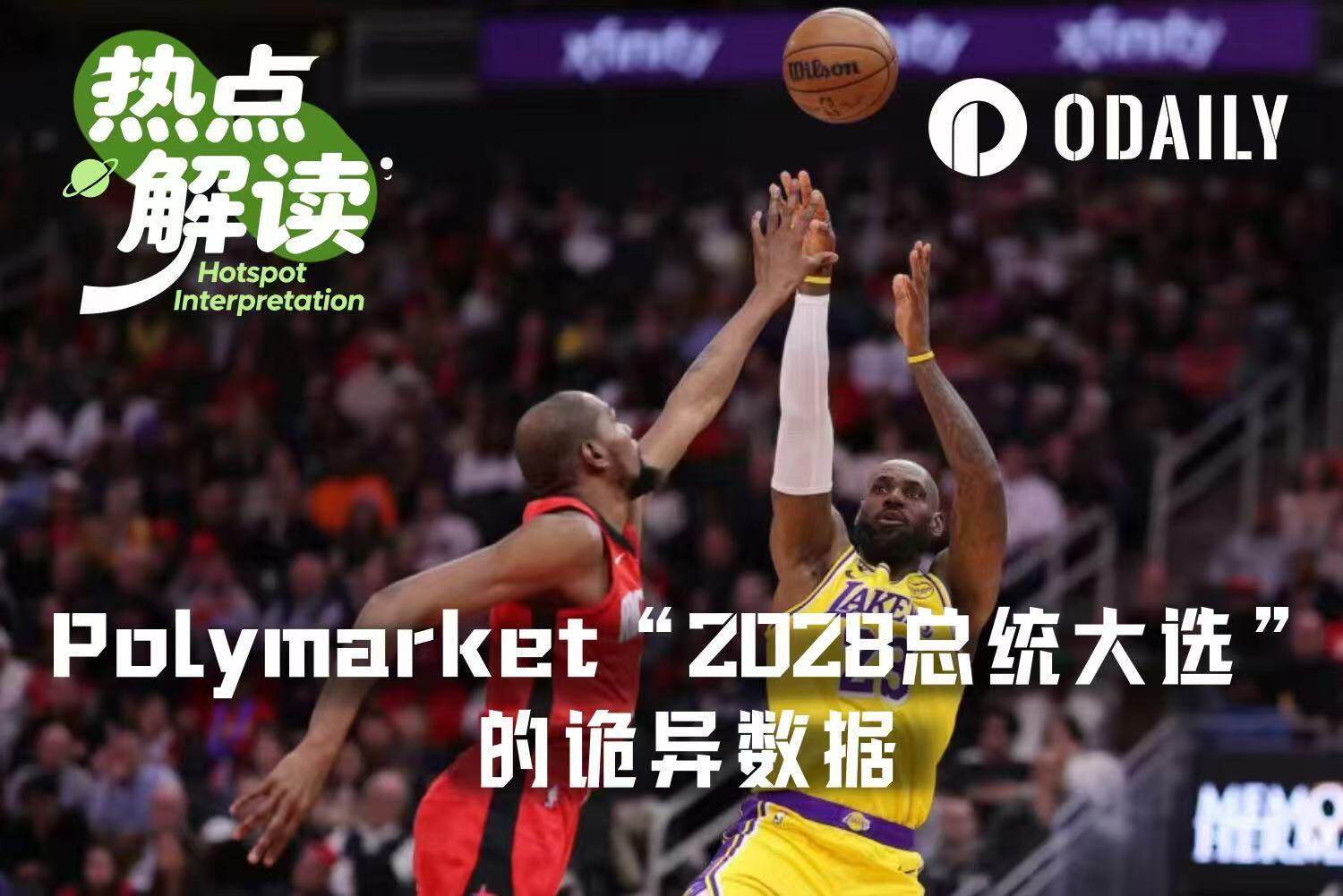
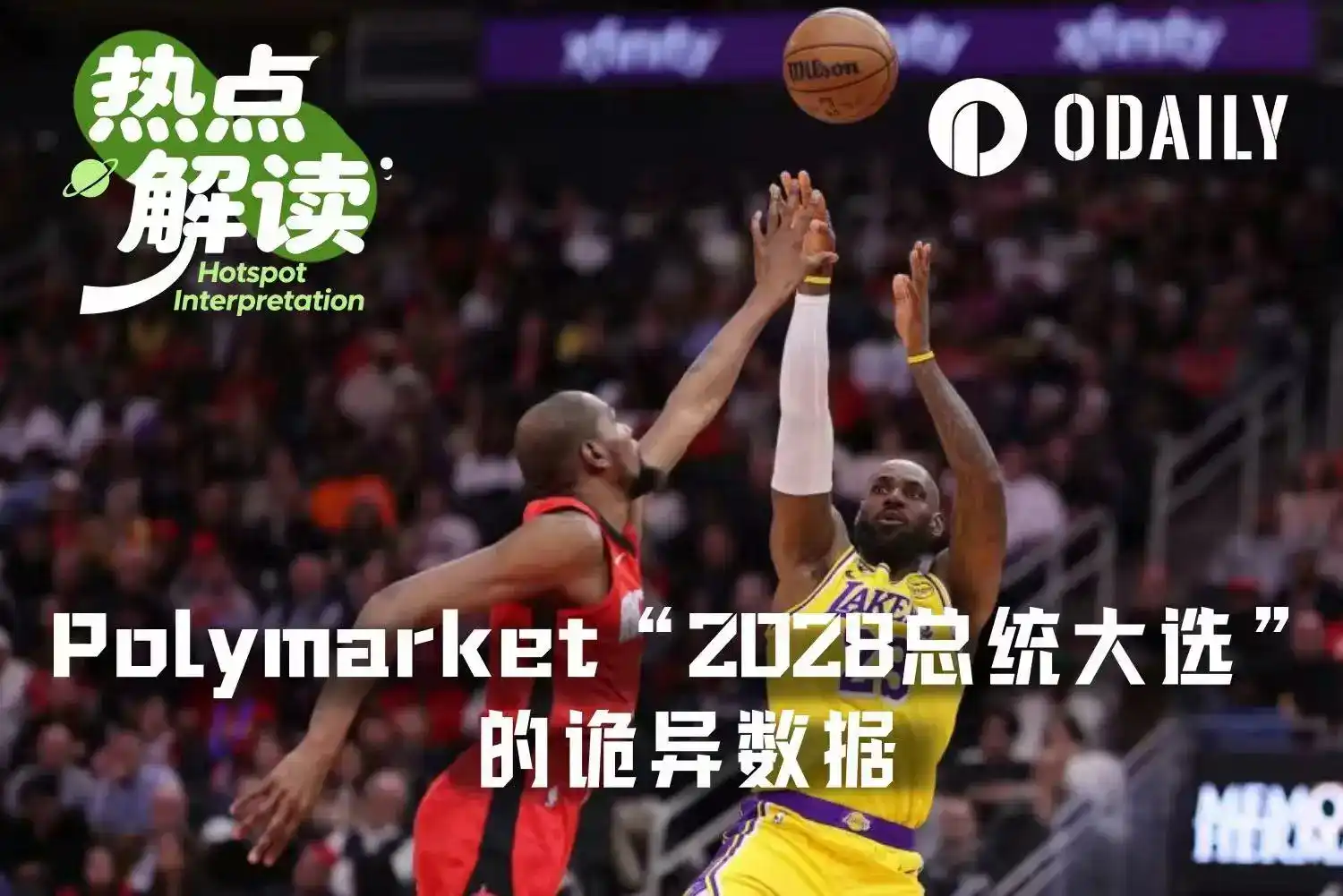
Polymarket's "2028 Presidential Election" Volume King Is... LeBron James???

An article from Odaily Planet Daily, authored by Azuma, discusses a peculiar phenomenon observed on the prediction market platform Polymarket regarding the "2028 US Presidential Election" event. Despite having a real-time probability of less than 1%, unlikely candidates such as NBA star LeBron James (with $48.41 million in trading volume), celebrity Kim Kardashian ($33.84 million), and even ineligible figures like Elon Musk ($23.14 million) and New York City Mayor Zohran Mamdani ($18.39 million) account for approximately 70% of the total trading volume. In contrast, high-probability candidates like Vice President JD Vance ($10.58 million), California Governor Gavin Newsom ($15.71 million), and Secretary of State Marco Rubio ($9.32 million) have significantly lower trading activity. The article explains that this counterintuitive trend is not driven by irrational speculation but by rational strategies. Polymarket offers a 4% annualized holding reward for certain markets, including the 2028 election, to maintain long-term pricing accuracy. This yield exceeds the current 5-year US Treasury rate (3.98%), attracting large investors ("whales") to hold "NO" shares on low-probability candidates for risk-free returns. Additionally, some users utilize a platform feature that allows converting a set of "NO" shares into corresponding "YES" shares for better liquidity or pricing efficiency, rather than directly buying "YES" shares for their preferred candidates. Thus, the seemingly absurd trading activity is strategically motivated.

marsbit29 dk önce

Polymarket's "2028 Presidential Election" Volume King Is... LeBron James???

marsbit29 dk önce

Dialogue with ViaBTC CEO Yang Haipo: Is the Essence of Blockchain a Libertarian Experiment?

"ViaBTC CEO Yang Haipo: Blockchain as a Hardcore Libertarian Experiment" In a deep-dive interview, ViaBTC CEO Yang Haipo reframes the essence of blockchain, arguing it is not merely a new technology or infrastructure but a hardcore libertarian experiment. This experiment, born from the 2008 financial crisis and decades of cypherpunk ideology, tests a fundamental question: to what extent can freedom and self-organization exist without centralized trust? The discussion highlights the experiment's verified outcomes. On one hand, it has proven its core value of censorship resistance, providing critical financial lifelines for entities like WikiLeaks and individuals in hyperinflationary or sanctioned countries via tools like stablecoins. However, Yang points out a key paradox: the most successful product, USDT, is itself a centralized compromise, showing users prioritize a less-controlled pipeline over pure decentralization. On the other hand, the experiment has exposed the severe costs of this freedom—a "dark forest" without safeguards. Events like the collapses of LUNA, Celsius, and FTX, resulting in massive wealth destruction and prison sentences for founders, underscore the system's fragility and the inherent risks of an unregulated environment. Yang observes that despite decentralized protocols, human nature inevitably recreates centralized power structures, speculative frenzies, and narrative-driven cycles (from ICOs to Meme coins), where emotion and belonging often trump technological substance. Looking forward, he believes blockchain's future is significant but niche. Its real value lies in serving specific, real-world needs for financial sovereignty and bypassing traditional controls, not as a universal infrastructure replacing all centralized systems. For the average participant, Yang's crucial advice is to cultivate independent judgment. True freedom is not holding a crypto wallet, but possessing a mind resilient to groupthink and narrative hype in a high-risk, often irrational market.

marsbit43 dk önce

Dialogue with ViaBTC CEO Yang Haipo: Is the Essence of Blockchain a Libertarian Experiment?

marsbit43 dk önce

İşlemler

Spot
Futures
活动图片