Hot Interactions Collection | Abstract's New Badge Mission; Noise Beta Version Now Live (April 2nd)

Odaily星球日报2026-04-02 tarihinde yayınlandı2026-04-02 tarihinde güncellendi

Özet

Popular Interaction Roundup: Abstract's New Badge Quest; Noise Beta Now Live (April 2nd) This article highlights three key Web3 projects currently offering interactive opportunities: 1. **Abstract**: A consumer-focused Ethereum L2 developed by Pudgy Penguins' parent company, Igloo Inc. It utilizes ZK technology (like ZKsync) for low-cost, high-speed transactions. Users can participate in "The Flash Trader" event by visiting the rewards portal and completing a swap. The event ends in approximately 6.5 days. 2. **Noise**: An attention market platform where users can trade "long" or "short" contracts on internet trends, brands, or ideas based on social data (e.g., X platform热度). Its Beta version launched on April 1st. Access requires connecting a wallet and a $5 payment to start trading trends. 3. **Miden**: A privacy-focused Ethereum L2 scaling solution using a zero-knowledge rollup. It emphasizes privacy and high throughput by executing transactions locally and submitting only proofs to the chain. Users can interact by installing its specific wallet and completing 11 detailed testnet tasks on its playground. All projects represent significant sectors: consumer L2s, prediction/attention markets, and privacy-centric scaling solutions.

Original | Odaily Planet Daily (@OdailyChina)

Author | Asher (@Asher_ 0210)

Abstract: Consumer-Centric Ethereum L2

Project Introduction

Abstract is a consumer-centric Ethereum L2 developed by Igloo Inc., the parent company of Pudgy Penguins (the chubby penguin NFT project). It utilizes a ZK (Zero-Knowledge) technology stack (such as ZKsync and EigenDA), focusing on low-cost, high-speed transactions, aiming to promote consumer crypto applications, on-chain culture, community, and creativity.

Interaction Tutorial

STEP 1. Go to the official website (link: https://portal.abs.xyz/rewards), click on "Rewards".
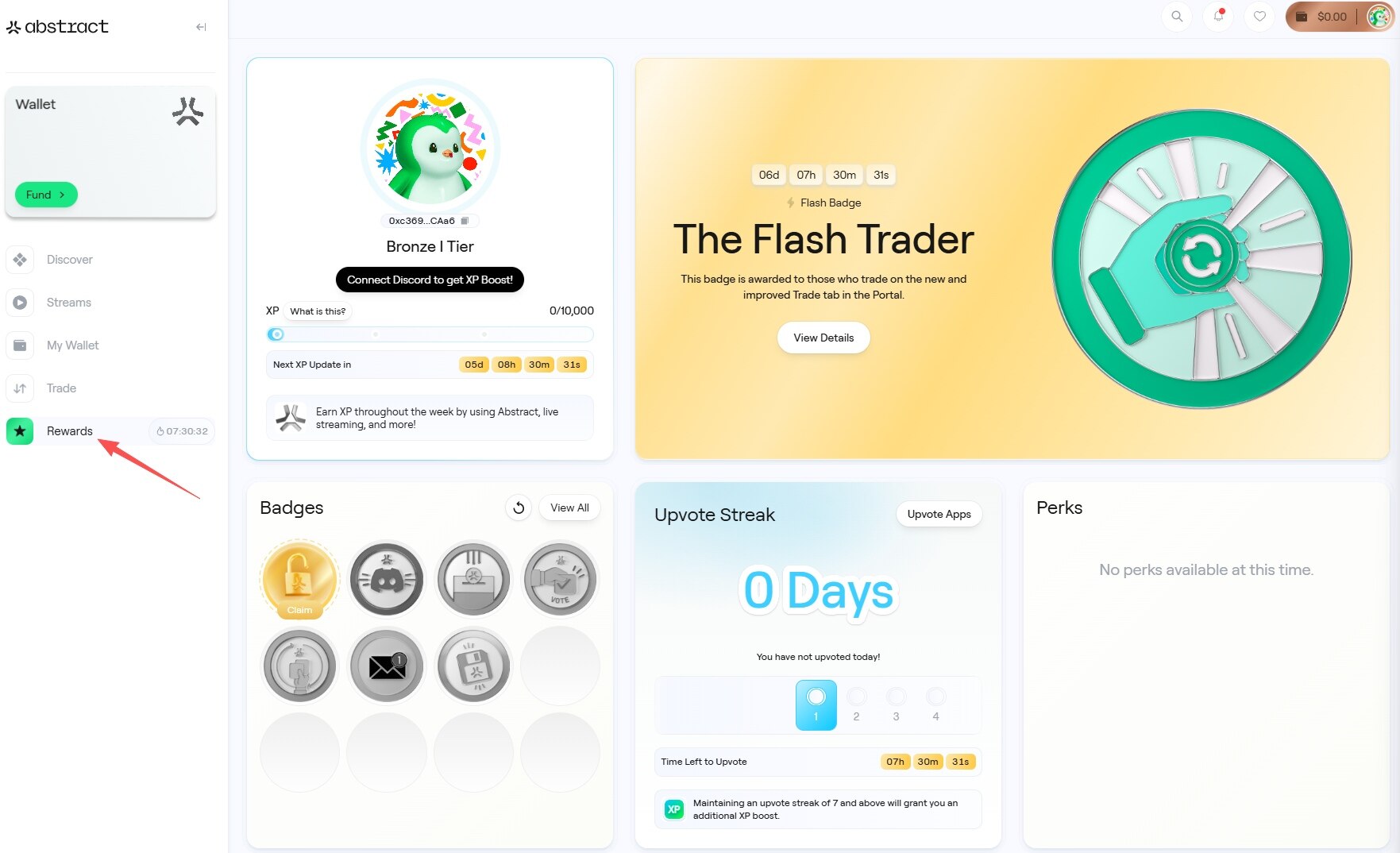
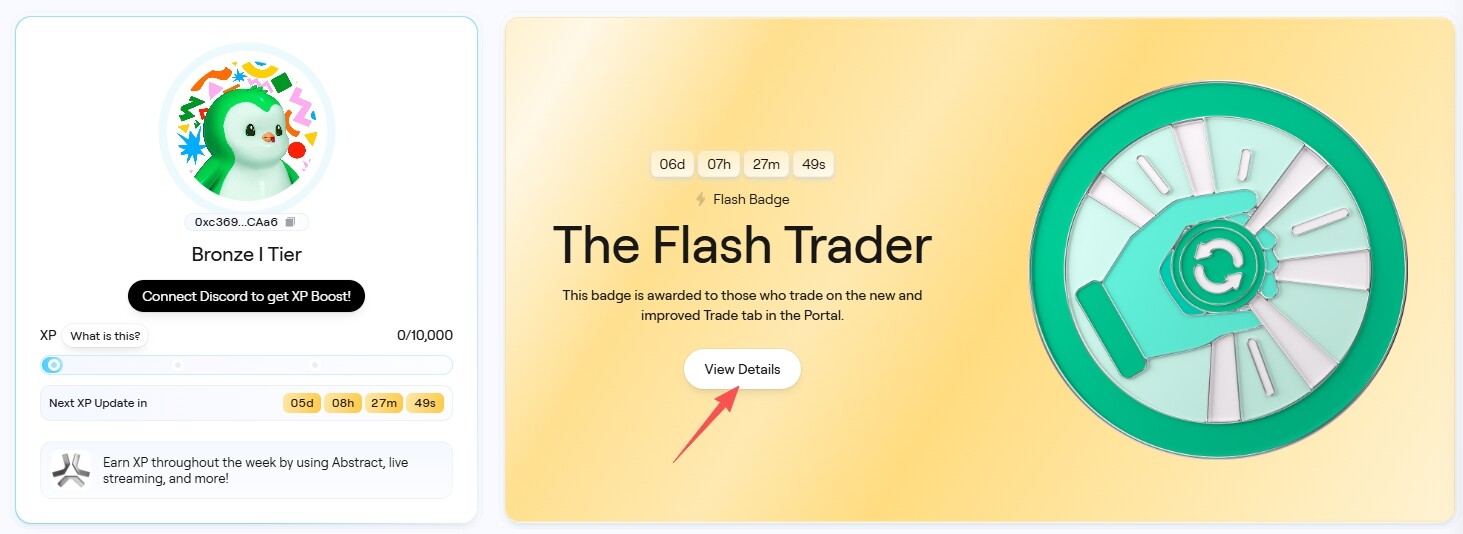
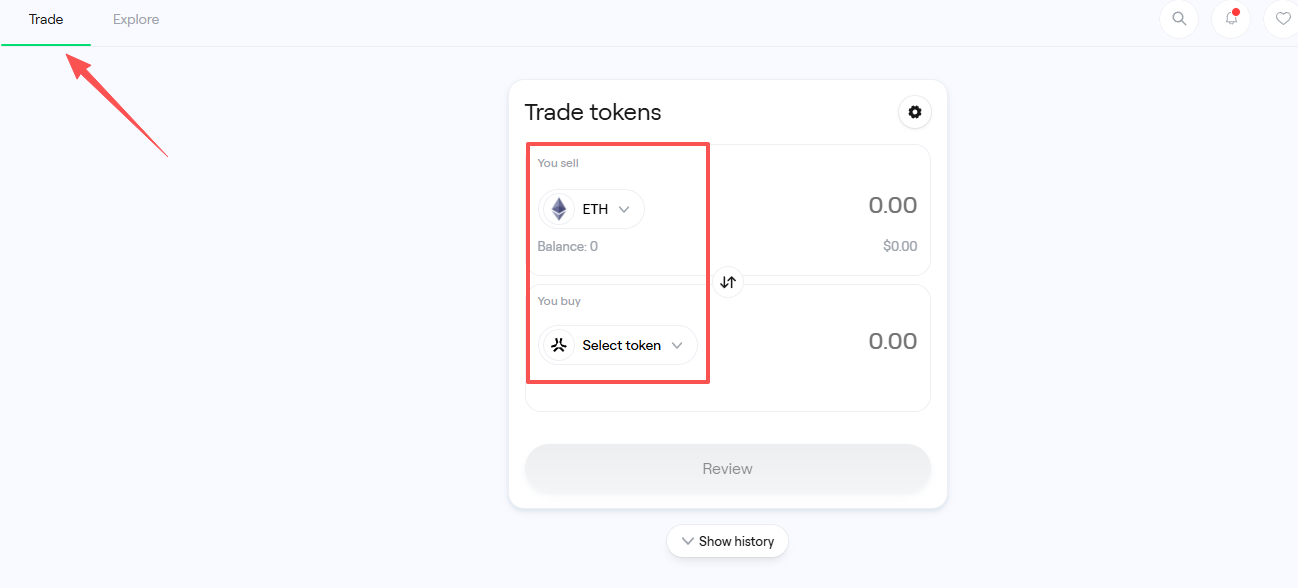
STEP 2. Click on The Flash Trader activity, after the link redirects, complete a swap of any amount. The mission ends in 6 and a half days.
Noise: An Attention Market Tool for Building Prediction Market-Related Information Platforms

Project Introduction
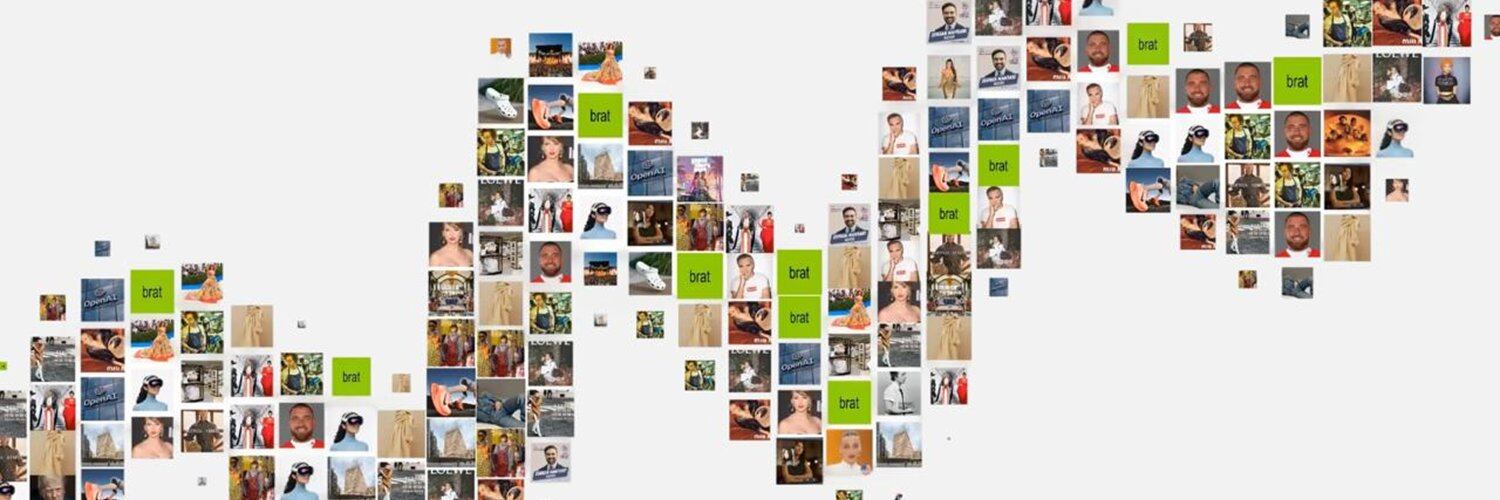
Noise is an attention-based trend trading platform (attention market) where users can trade long and short contracts on internet trends, brands, people, or ideas, similar to stock trading. Real-time "cultural relevance" price indicators are formed through social data (such as X platform popularity) and market behavior. On January 14th, Noise announced the completion of a $7.1 million seed funding round, led by Paradigm. The company had previously received investment support from Figment Capital and Anagram, as well as GSR, JPEG Trading, and KaitoAI.

On April 1st, Noise announced on the X platform that the Beta version is now live.

Interaction Tutorial

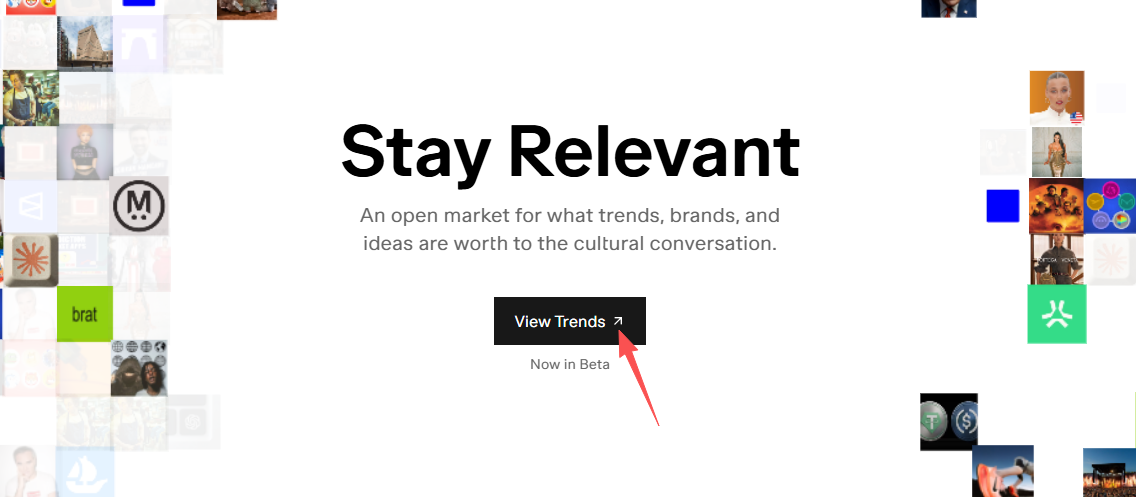
STEP 1. Go to the official website (link: https://noise.xyz/), click "View Trends" and then log into your personal account to enter the Noise platform Beta version.
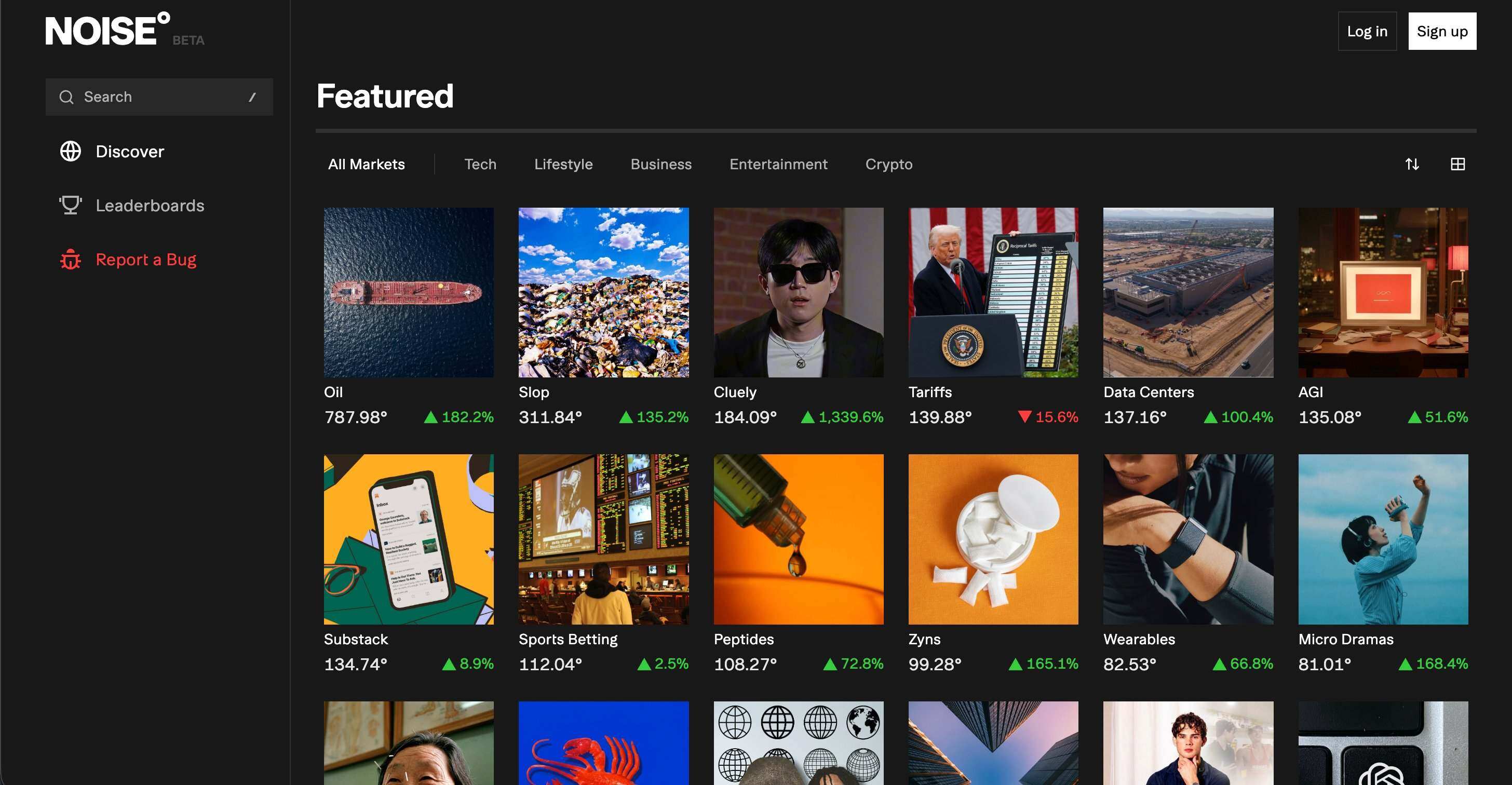
STEP 2. Experience the Noise platform (trading on the Noise Beta version requires a payment of $5 first).
Miden: Ethereum L2 Scaling Solution Focused on Privacy Computing

Project Introduction

Miden is an Ethereum L2 scaling solution focused on privacy computing. Miden's core technology is zero-knowledge rollup, built on Ethereum, using Miden VM to execute transactions. It supports parallel transaction execution and client-side proof generation, emphasizing privacy and high throughput. Unlike traditional blockchains, Miden moves computation to the user side; users execute and prove transactions locally, submitting only the proof to the chain.

In late April this year, Miden announced the completion of a $25 million seed funding round, co-led by a16z crypto, Hack VC, and 1kx. Other investors include Finality Capital Partners, Symbolic Capital, and notable angel investors like Aptos co-founder Avery Ching.

Interaction Tutorial

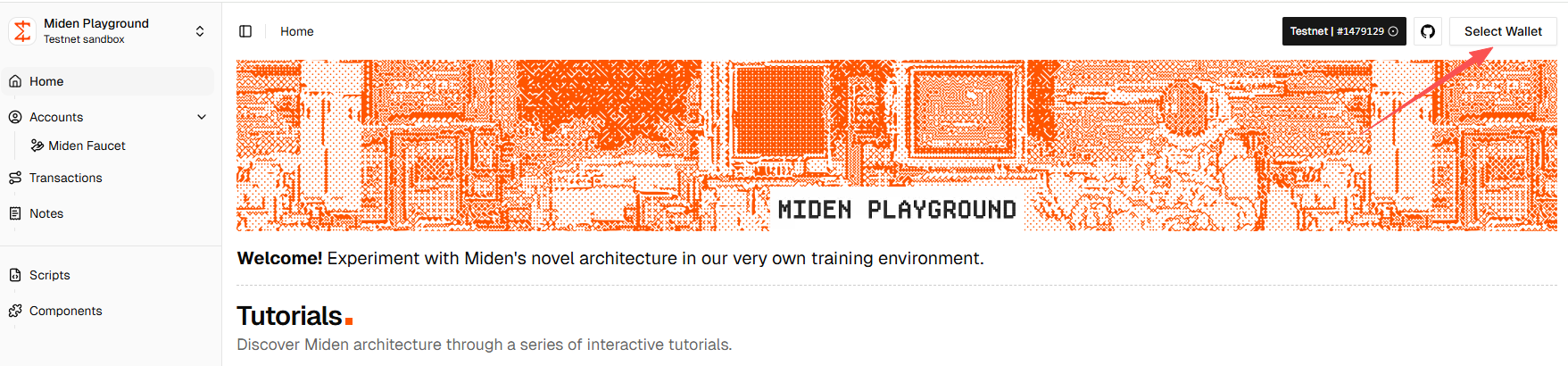
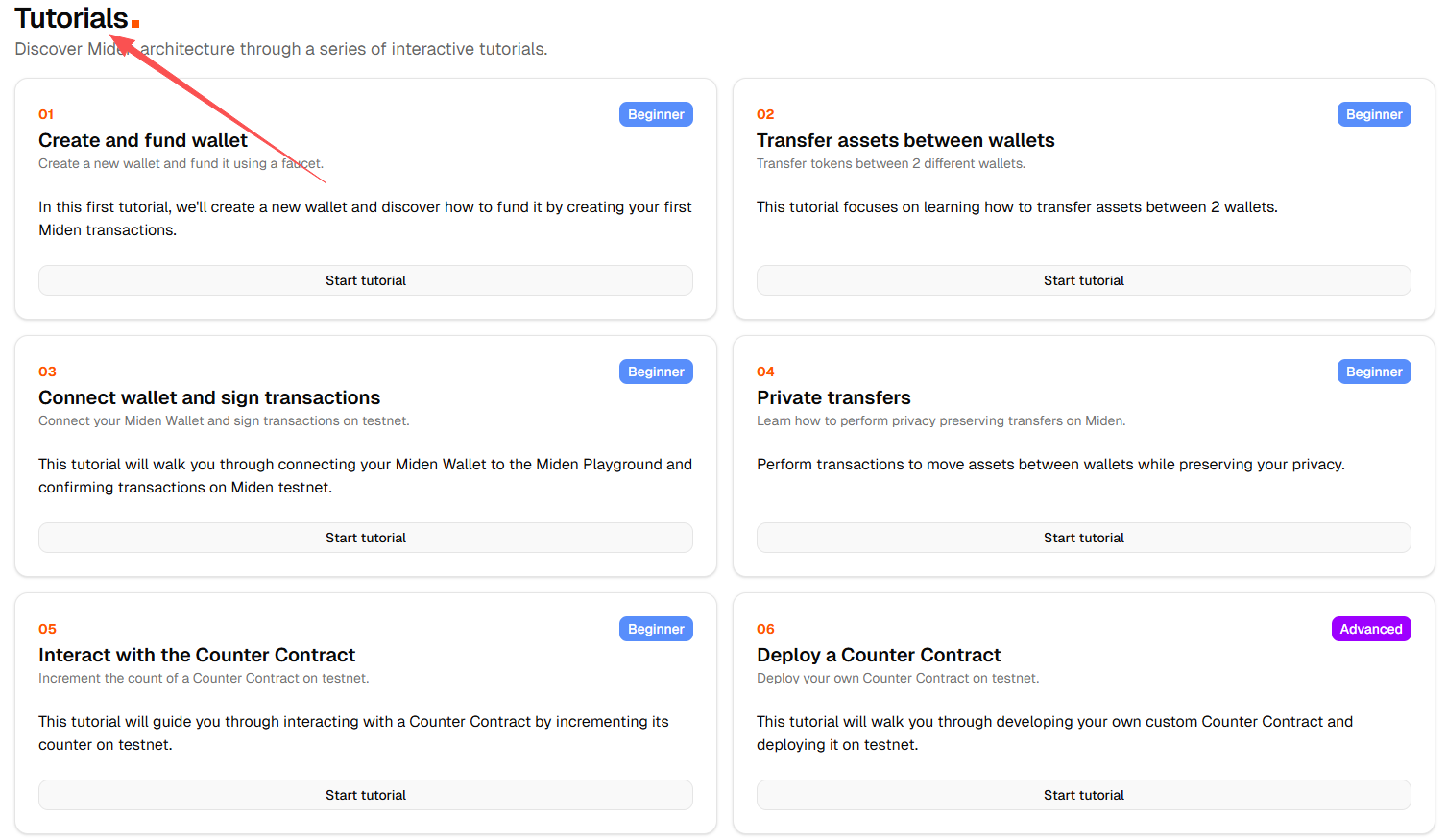
STEP 1. Go to the official website (link: https://playground.miden.xyz/), click "Select Wallet" and follow the instructions to install the wallet.
STEP 2. Complete the 11 testnet tasks according to the requirements (each task has detailed operation guidelines).
İlgili Sorular

QWhat is Abstract and what technology does it use?

AAbstract is a consumer-centric Ethereum L2 developed by Igloo Inc., the parent company of Pudgy Penguins. It uses a ZK (zero-knowledge) technology stack, such as ZKsync and EigenDA, focusing on low-cost, high-speed transactions to drive consumer crypto applications, on-chain culture, community, and creativity.

QHow can users participate in Abstract's 'The Flash Trader' event?

AUsers can participate by visiting the Abstract rewards portal, clicking on 'The Flash Trader' event, and completing a swap of any amount. The event has about 6.5 days remaining.

QWhat is Noise and what recent milestone did it achieve?

ANoise is an attention market platform where users can trade on internet trends, brands, people, or ideas. It announced the launch of its Beta version on April 1st.

QWhat is the funding status of Miden and who were the lead investors?

AMiden completed a $25 million seed funding round in late April, co-led by a16z crypto, Hack VC, and 1kx.

QWhat is the first step to interact with the Miden testnet?

AThe first step is to visit the Miden playground website, click 'Select Wallet', and install the required wallet as per the instructions.

İlgili Okumalar

a16z: AI's 'Amnesia', Can Continuous Learning Cure It?

The article "a16z: AI's 'Amnesia' – Can Continual Learning Cure It?" explores the limitations of current large language models (LLMs), which, like the protagonist in the film *Memento*, are trapped in a perpetual present—unable to form new memories after training. While methods like in-context learning (ICL), retrieval-augmented generation (RAG), and external scaffolding (e.g., chat history, prompts) provide temporary solutions, they fail to enable true internalization of new knowledge. The authors argue that compression—the core of learning during training—is halted at deployment, preventing models from generalizing, discovering novel solutions (e.g., mathematical proofs), or handling adversarial scenarios. The piece introduces *continual learning* as a critical research direction to address this, categorizing approaches into three paths: 1. **Context**: Scaling external memory via longer context windows, multi-agent systems, and smarter retrieval. 2. **Modules**: Using pluggable adapters or external memory layers for specialization without full retraining. 3. **Weights**: Enabling parameter updates through sparse training, test-time training, meta-learning, distillation, and reinforcement learning from feedback. Challenges include catastrophic forgetting, safety risks, and auditability, but overcoming these could unlock models that learn iteratively from experience. The conclusion emphasizes that while context-based methods are effective, true breakthroughs require models to compress new information into weights post-deployment, moving from mere retrieval to genuine learning.

marsbit2 saat önce

a16z: AI's 'Amnesia', Can Continuous Learning Cure It?

marsbit2 saat önce

Can a Hair Dryer Earn $34,000? Deciphering the Reflexivity Paradox in Prediction Markets

An individual manipulated a weather sensor at Paris Charles de Gaulle Airport with a portable heat source, causing a Polymarket weather market to settle at 22°C and earning $34,000. This incident highlights a fundamental issue in prediction markets: when a market aims to reflect reality, it also incentivizes participants to influence that reality. Prediction markets operate on two layers: platform rules (what outcome counts as a win) and data sources (what actually happened). While most focus on rules, the real vulnerability lies in the data source. If reality is recorded through a specific source, influencing that source directly affects market settlement. The article categorizes markets by their vulnerability: 1. **Single-point physical data sources** (e.g., weather stations): Easily manipulated through physical interference. 2. **Insider information markets** (e.g., MrBeast video details): Insiders like team members use non-public information to trade. Kalshi fined a剪辑师 $20,000 for insider trading. 3. **Actor-manipulated markets** (e.g., Andrew Tate’s tweet counts): The subject of the market can control the outcome. Evidence suggests Tate’sociated accounts coordinated to profit. 4. **Individual-action markets** (e.g., WNBA disruptions): A single person can execute an event to profit from their pre-placed bets. Kalshi and Polymarket handle these issues differently. Kalshi enforces strict KYC, publicly penalizes insider trading, and reports to regulators. Polymarket, with its anonymous wallet-based system, has historically been more permissive, arguing that insider information improves market accuracy. However, it cooperated with authorities in the "Van Dyke case," where a user traded on classified government information. The core paradox is reflexivity: prediction markets are designed to discover truth, but their financial incentives can distort reality. The more valuable a prediction becomes, the more likely participants are to influence the event itself. The market ceases to be a mirror of reality and instead shapes it.

marsbit3 saat önce

Can a Hair Dryer Earn $34,000? Deciphering the Reflexivity Paradox in Prediction Markets

marsbit3 saat önce

İşlemler

Spot
Futures
活动图片