Glassnode: Bitcoin Weak and Volatile, Big Fluctuations Coming?

marsbit2025-12-12 tarihinde yayınlandı2025-12-12 tarihinde güncellendi

Özet

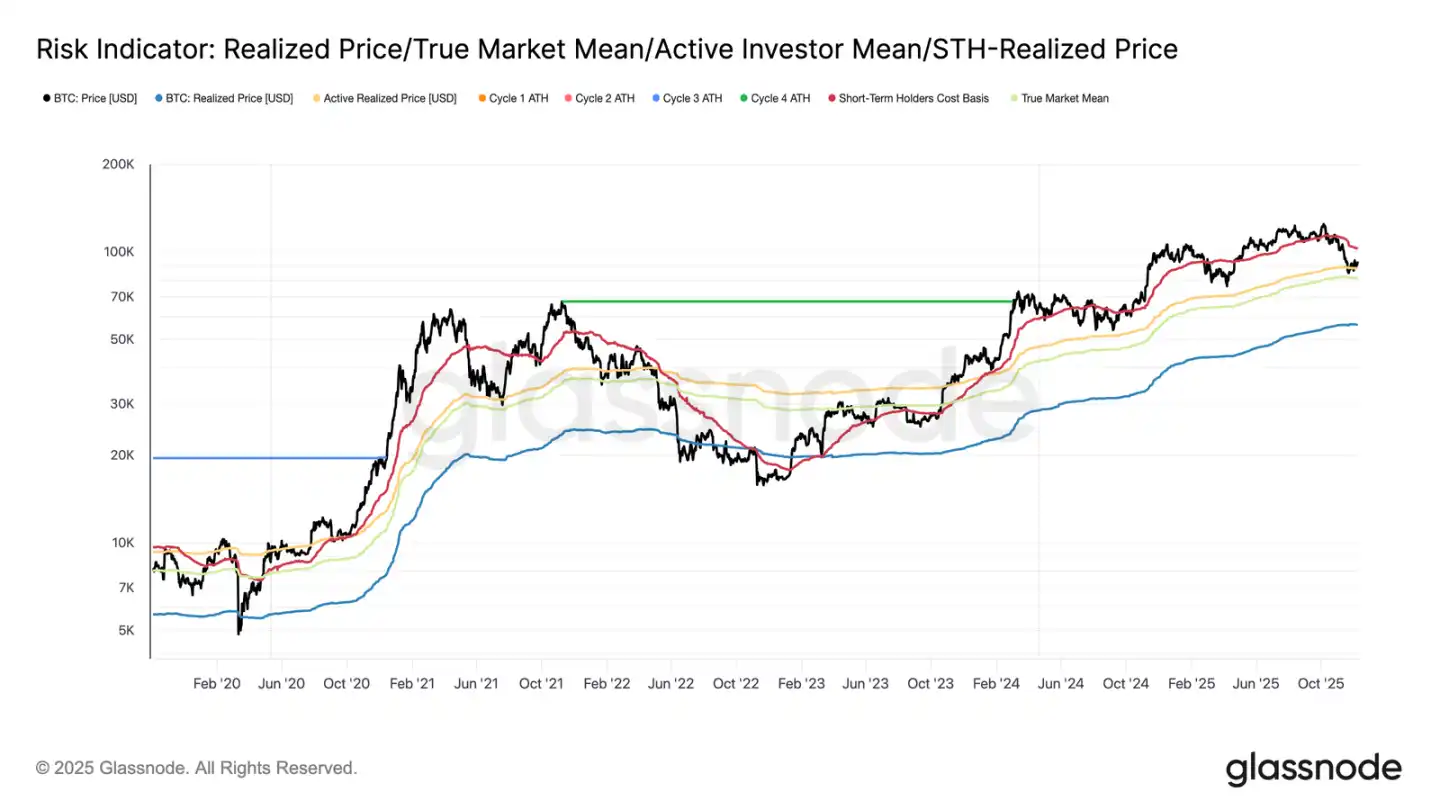
Bitcoin remains trapped in a structurally fragile range, pressured by rising unrealized losses, elevated realized losses, and significant profit-taking by long-term holders. Despite persistent selling pressure, patient demand has anchored the price above the Realized Price (~$81.3K), though reclaiming the Short-Term Holder cost basis (~$102.7K) remains a key resistance level. On-chain metrics show increased capitulation from recent buyers and sustained distribution by long-term investors. Off-chain conditions are weak, with negative ETF flows, thin spot liquidity, and muted speculative interest in futures markets. Options traders are pricing in near-term volatility, accumulating downside protection ahead of the FOMC meeting. The market’s direction hinges on whether liquidity improves and selling pressure subsides, or if the current time-driven bearish pressure persists. Post-FOMC, implied volatility is expected to decay into year-end barring a hawkish surprise.

Bitcoin remains trapped in a fragile range, with increasing unrealized losses, long-term holders selling, and persistently weak demand. ETF and liquidity remain sluggish, futures markets are weak, and options traders are pricing in short-term volatility. The market is currently stable, but confidence is still lacking.

Summary

Bitcoin remains in a structurally fragile range, pressured by increasing unrealized losses, high realized losses, and significant profit-taking by long-term holders. Despite this, demand is anchoring the price above the true market mean.

The market has failed to reclaim key thresholds, particularly the short-term holder cost basis, reflecting ongoing selling pressure from recent high buyers and experienced holders. If signs of seller exhaustion emerge, a retest of these levels is possible in the near term.

Off-chain indicators remain weak. ETF flows are negative, spot liquidity is thin, and futures positioning shows a lack of speculative confidence, making prices more sensitive to macro catalysts.

The options market shows a defensive setup, with traders buying short-term implied volatility (IV) and consistently showing demand for downside protection. Volatility surface signals indicate short-term caution, but longer-term sentiment is more balanced.

With the FOMC meeting as the last major catalyst of the year, implied volatility is expected to gradually decay in late December. Market direction depends on whether liquidity improves and sellers step back, or whether the current time-driven bearish pressure persists.

On-Chain Insights

Bitcoin entered the week still confined within a structurally fragile range, bounded above by the short-term holder cost basis ($102.7k) and below by the true market mean ($81.3k). Last week, we highlighted weakening on-chain conditions, thin demand, and a cautious derivatives landscape, collectively echoing the market setup of early 2022.

Although the price is barely holding above the true market mean, unrealized losses continue to expand, realized losses are rising, and spending by long-term investors remains elevated. The key ceiling to reclaim is the 0.75 cost basis quantile ($95k), followed by the short-term holder cost basis. Until then, barring a new macro shock, the true market mean remains the most likely area for bottom formation.
Time is Not on the Bulls' Side

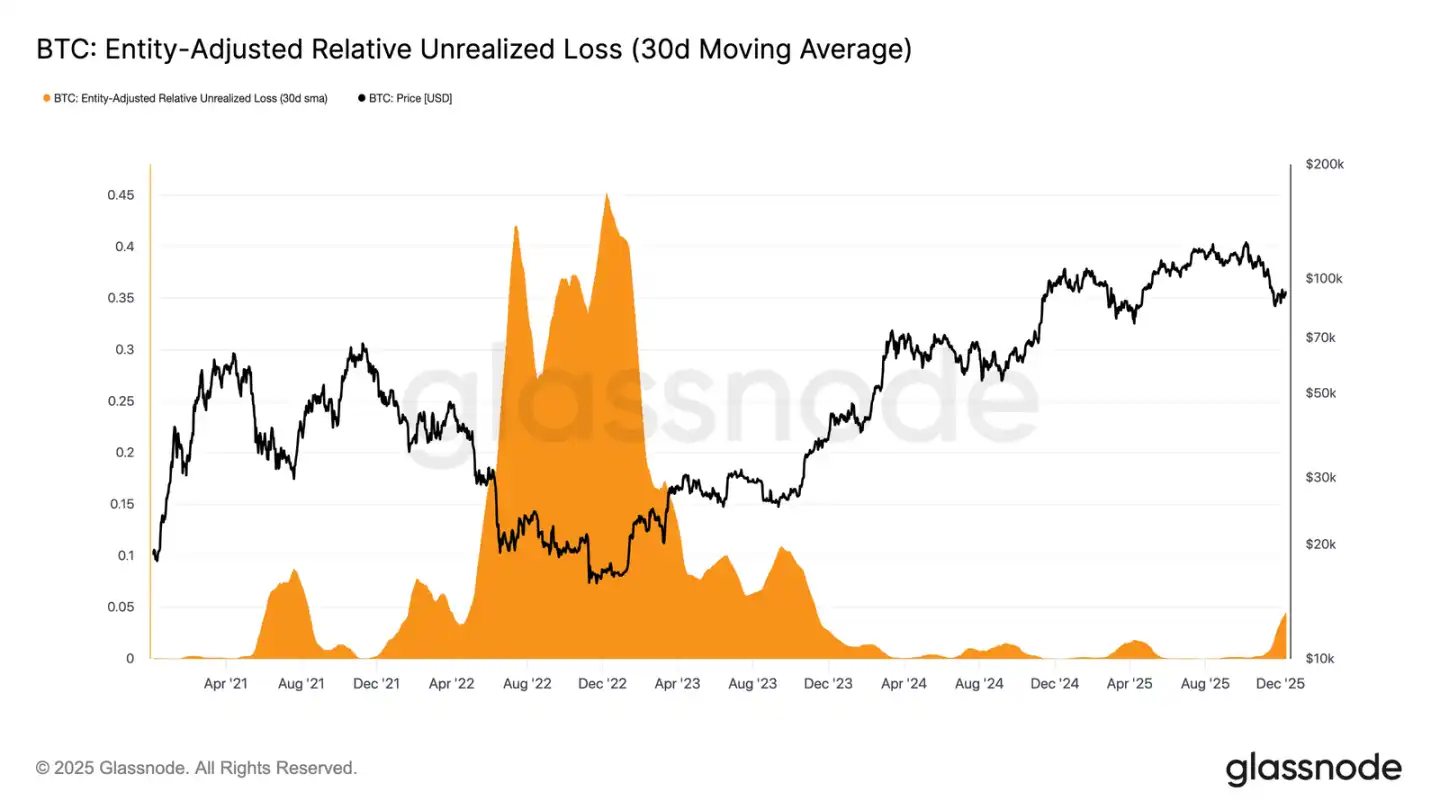
The market is stuck in a mild bearish phase, reflecting the tension between modest capital inflows and persistent selling pressure from high buyers. As the market drifts within a weak but bounded range, time becomes a negative force, making it harder for investors to bear unrealized losses and increasing the likelihood of realizing losses.

The Relative Unrealized Loss (30-day SMA) has climbed to 4.4%, after staying below 2% for nearly two years, marking a shift from a euphoric phase to one of increased stress and uncertainty. This indecision currently defines the price range, and resolving it will require a fresh wave of liquidity and demand to rebuild confidence.
Losses Mounting

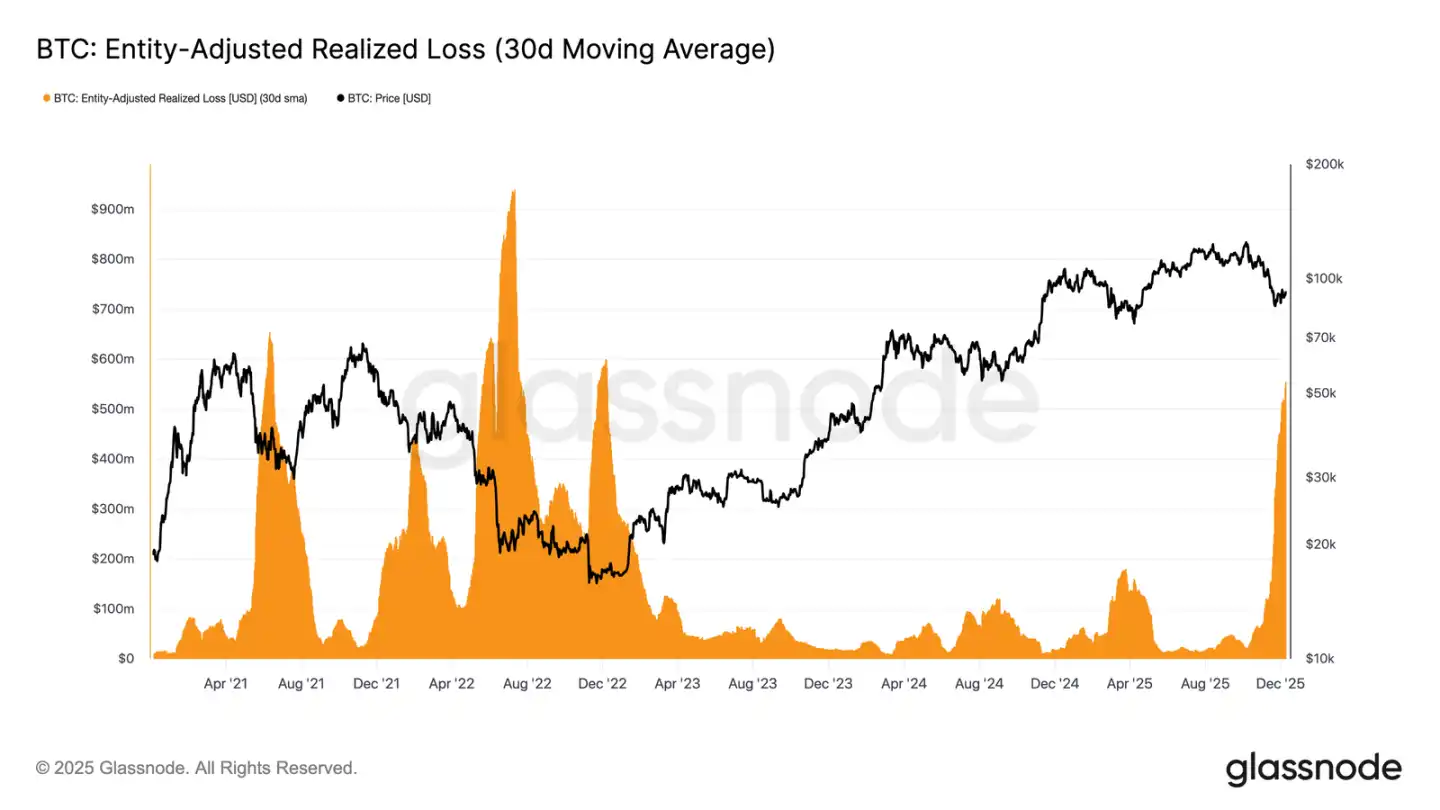
This time-driven pressure is even more evident in spending behavior. Although Bitcoin has rebounded from the November 22nd low to around $92.7k, the 30-day SMA of entity-adjusted realized losses continues to climb, reaching $555 million per day, the highest level since the FTX collapse.

Such high realized losses during a modest price recovery reflect the growing discouragement of high buyers, who are choosing to capitulate as the market strengthens, rather than holding through the rebound.
Headwinds to a Reversal

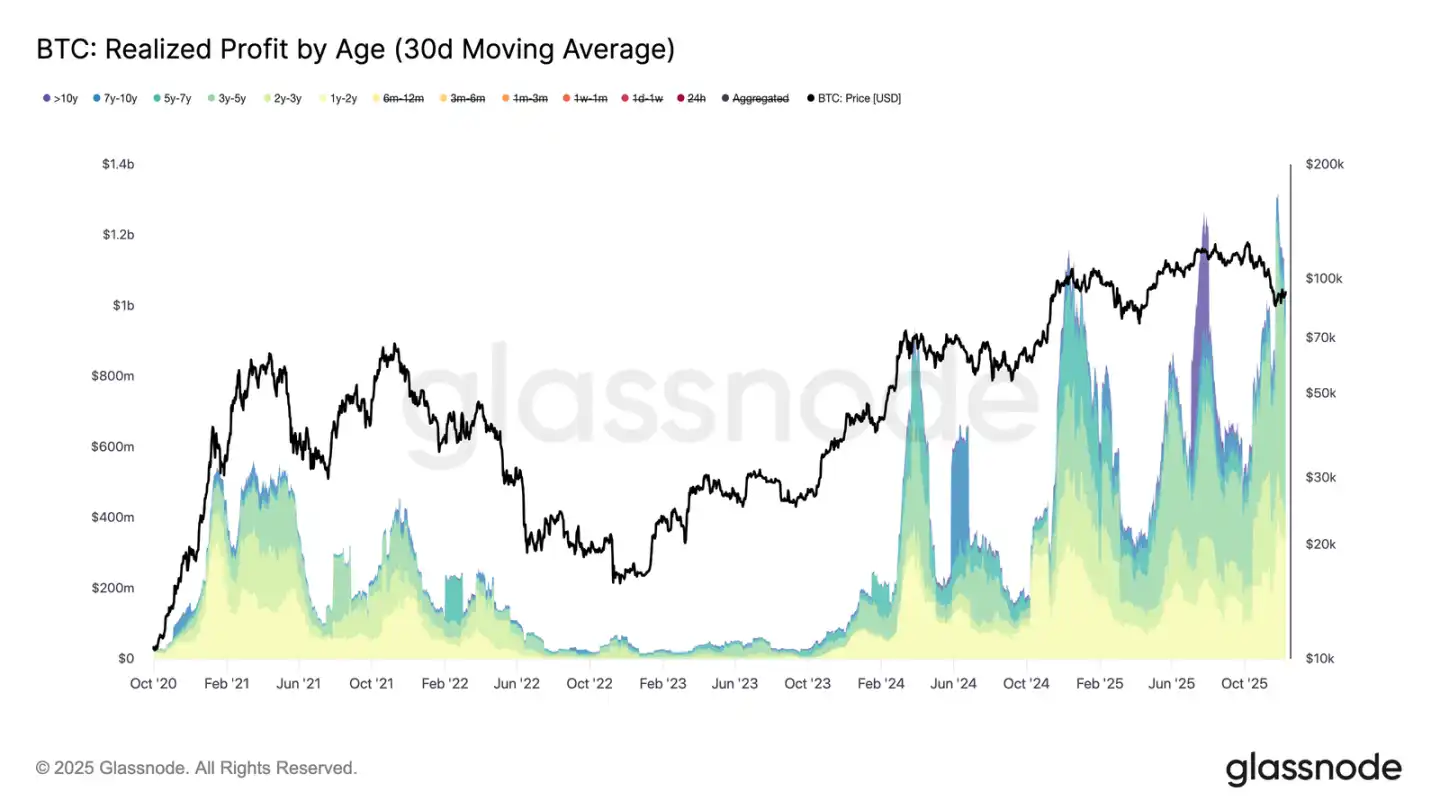
Rising realized losses further hinder recovery, especially as they coincide with a surge in realized profits from veteran investors. During the recent bounce, realized profits from holders of over 1 year (30-day SMA) exceeded $1 billion per day, peaking at over $1.3 billion at the new all-time high. These two forces—capitulation by high buyers and massive profit-taking by long-term holders—explain why the market is still struggling to reclaim the short-term holder cost basis.

However, despite such significant selling pressure, the price has stabilized and even slightly recovered above the true market mean, suggesting that sustained and patient demand is absorbing the sell-off. In the near term, if sellers begin to show signs of exhaustion, this underlying buying pressure could drive a retest of the 0.75 quantile (~$95k) and even the short-term holder cost basis.
Off-Chain Insights

ETF Struggles

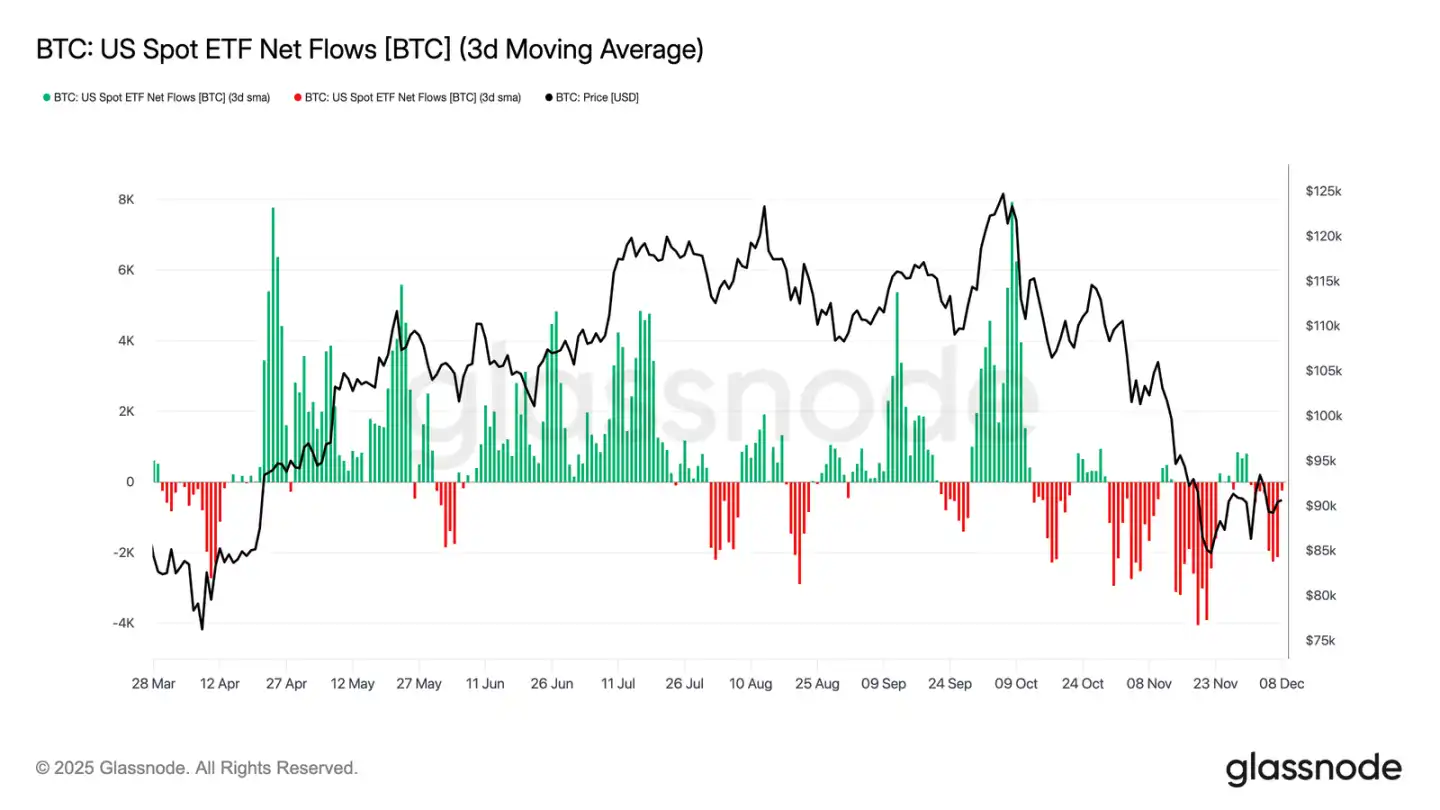
Turning to the spot market, U.S. Bitcoin ETFs had another quiet week, with the three-day average net inflows remaining negative. This continues the cooling trend that began in late November, marking a clear departure from the strong inflow regime that supported price appreciation earlier this year. Redemptions from several major issuers remained steady, highlighting a more risk-off stance from institutional allocators amid a shaky broader market environment.

As a result, the demand buffer in the spot market has thinned, reducing immediate buyer support and leaving prices more vulnerable to macro catalysts and volatility shocks.
Liquidity Remains Depressed

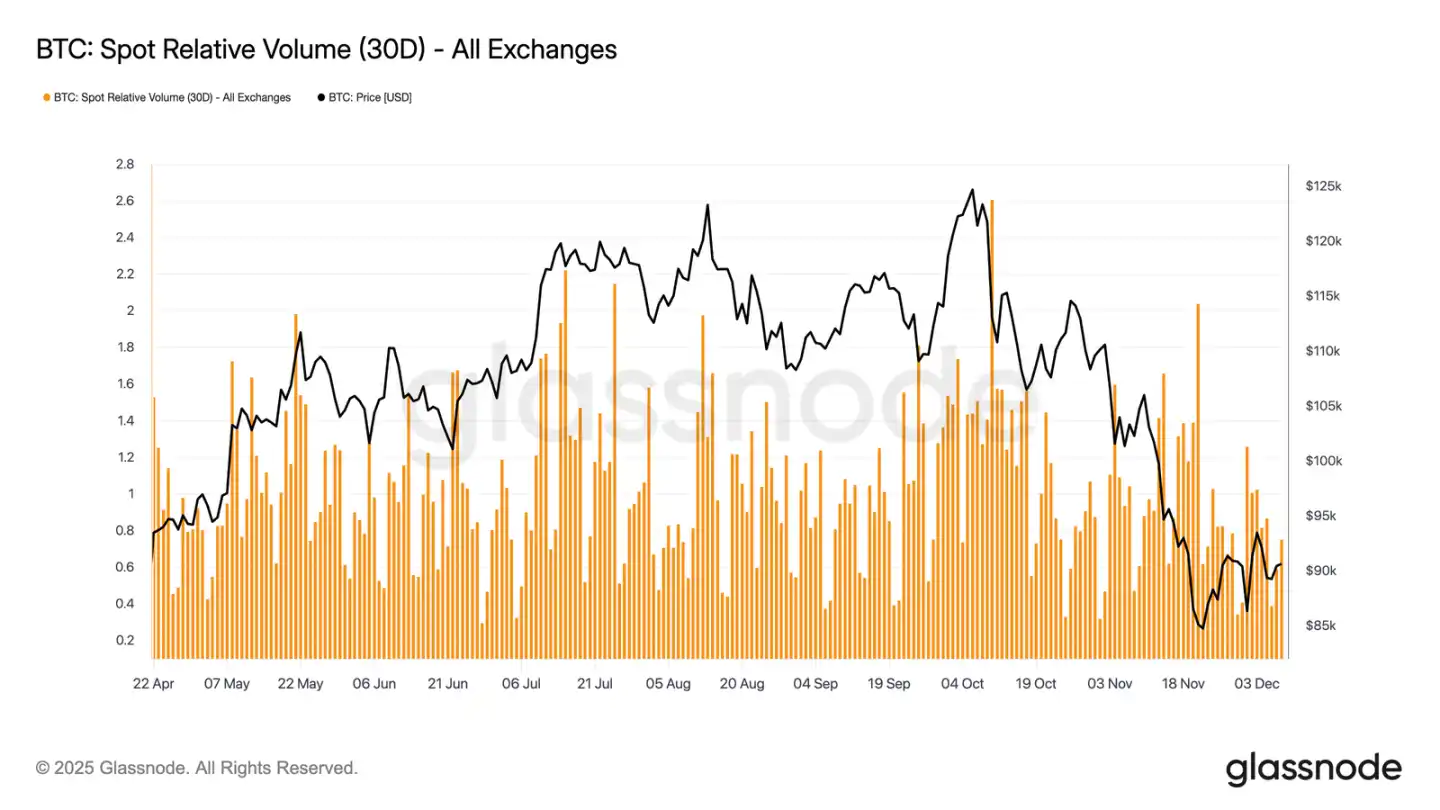
Parallel to weak ETF flows, Bitcoin's spot relative volume continues to hover near the lower end of its 30-day range. Trading activity has been weakening since November through December, reflecting both price declines and reduced market participation. The contraction in volume reflects a more defensive positioning overall, with fewer liquidity-driven flows available to absorb volatility or sustain directional moves.

With spot markets quiet, attention now turns to the upcoming FOMC meeting, which could serve as a catalyst to reactivate market participation, depending on its policy tone.
Futures Market Muted

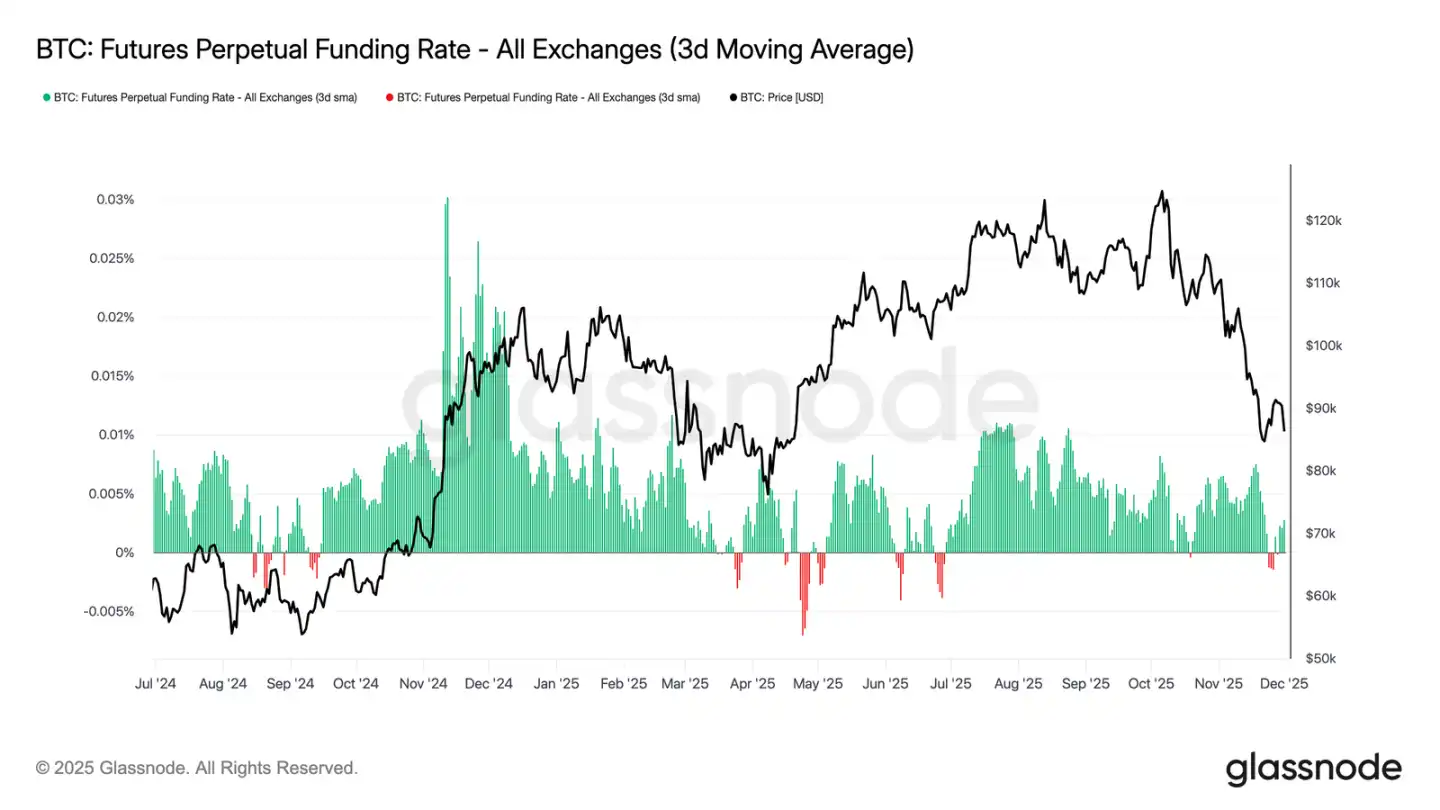
Continuing the theme of subdued market participation, futures markets also show limited interest in leverage, with open interest failing to rebuild substantially and funding rates holding near neutral. These dynamics highlight a derivatives environment defined by caution rather than conviction.

In the perpetual swap markets, funding rates hovered around zero to slightly negative this week, highlighting a continued exodus of speculative long positions. Traders maintain a neutral or defensive stance, applying little directional pressure via leverage.

With derivative activity muted, price discovery leans more on spot flows and macro catalysts rather than speculative expansion.
Short-Term Implied Volatility Spikes

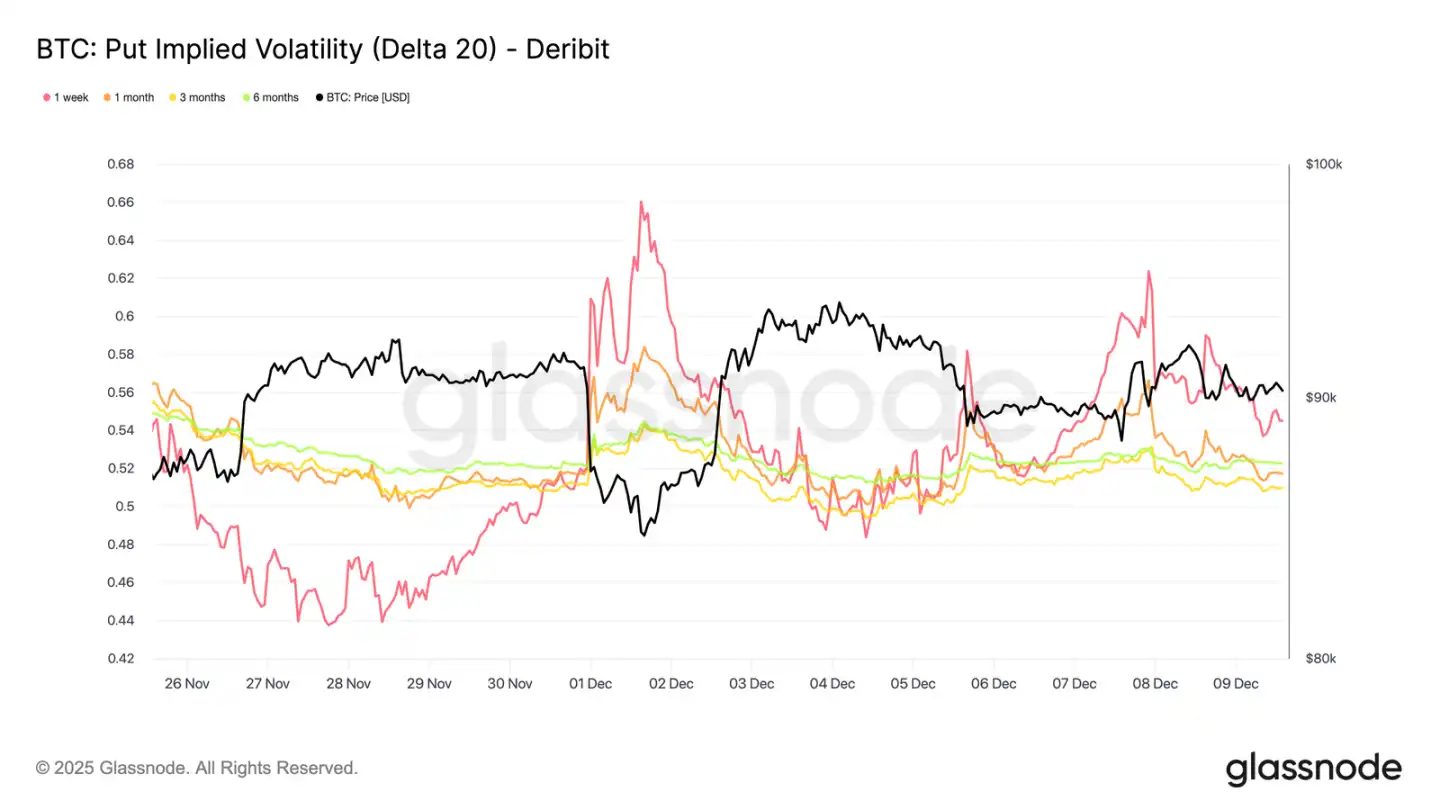
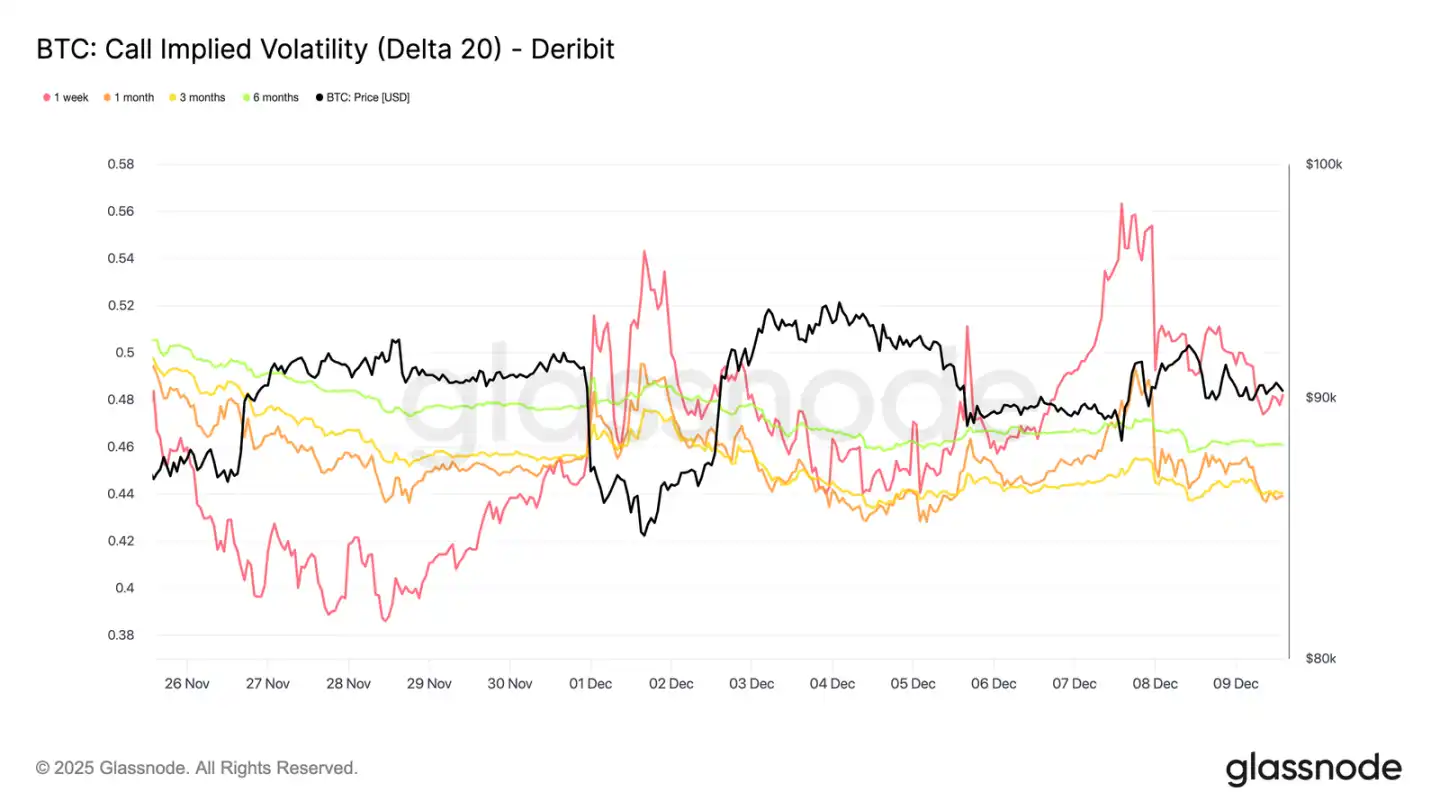
Turning to the options market, Bitcoin's flat spot activity contrasts with a sudden rise in short-term implied volatility, as traders position for larger price moves. Interpolated Implied Volatility (which estimates IV by fixing delta values rather than relying on listed strikes) provides a clearer view of how risk is priced across tenors.

On 20-Delta calls, 1-week tenor IV rose by roughly 10 volatility points from last week, while longer tenors remained relatively flat. The same pattern holds for 20-Delta puts, with short-term downside IV rising while longer tenors stay calm.

Overall, traders are accumulating volatility where they expect stress, favoring convexity over selling into the December 10th FOMC meeting.
Downside Demand Returns

Accompanying the rise in short-term volatility is the return of a premium for downside protection. The 25-delta skew, which measures the relative cost of puts versus calls at the same delta, has climbed to around 11% for the 1-week tenor, indicating a clear increase in demand for short-term downside insurance ahead of the FOMC.

Skew remains tightly clustered across tenors, ranging from 10.3% to 13.6%. This compression suggests that the preference for put protection is curve-wide, reflecting a consistent risk-off tilt rather than isolated pressure at the short end.

Volatility Accumulation

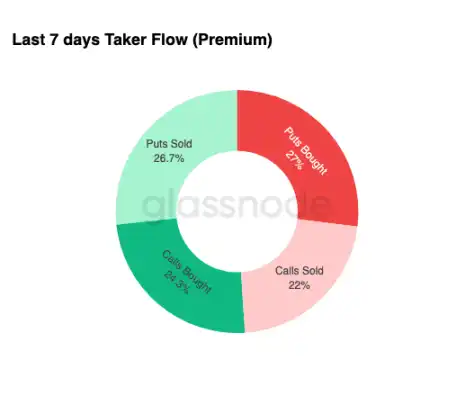
Summarizing the options market conditions, weekly flow data reinforces a clear pattern: traders are buying volatility, not selling it. Paid option premiums dominate the total notional flow, with puts slightly leading. This does not reflect a directional bias, but a state of volatility accumulation. When traders buy both sides, it signals hedging and convexity-seeking behavior, not sentiment-driven speculation.

Combined with rising implied volatility and a downside-leaning skew, the flow picture suggests market participants are preparing for a volatility event with a downward bias.
Post-FOMC

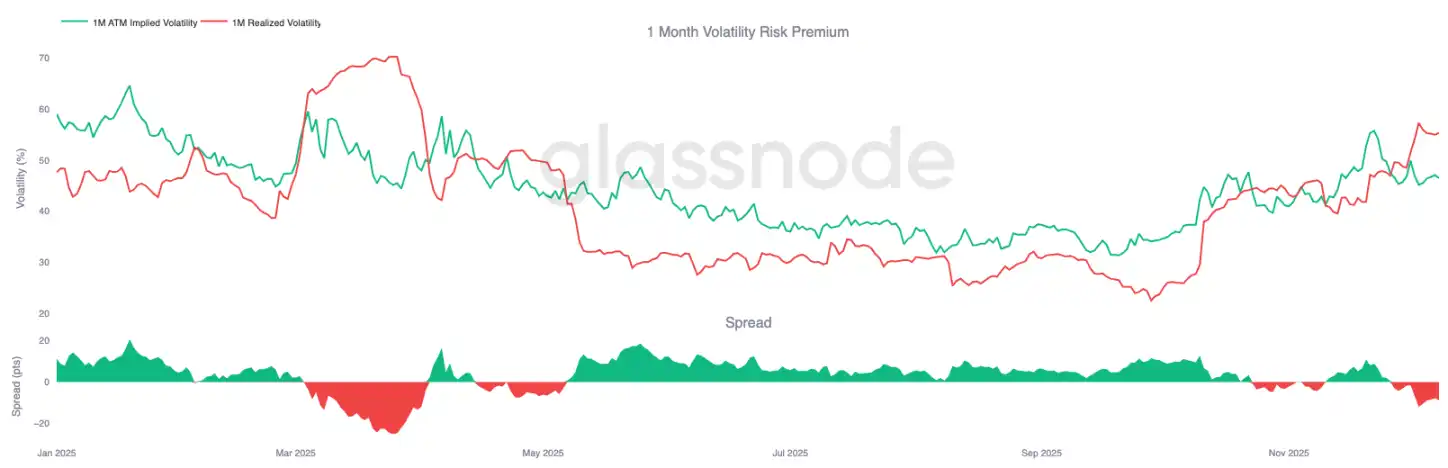
Looking ahead, implied volatility has already begun to ease, and historically, IV tends to compress further once the last major macro event of the year passes. With the December 10th FOMC meeting as the last meaningful catalyst, markets are preparing to transition into a low-liquidity, mean-reverting environment.

Post-announcement, sellers typically re-enter, accelerating IV decay into year-end. Barring a hawkish surprise or a significant shift in guidance, the path of least resistance points to lower implied volatility and a flatter volatility surface persisting through late December.
Conclusion

Bitcoin continues to trade in a structurally fragile environment, with rising unrealized losses, high realized losses, and significant profit-taking by long-term holders collectively anchoring price action. Despite persistent selling pressure, demand remains resilient enough to hold price above the true market mean, suggesting patient buyers are still absorbing the distribution. If signs of seller exhaustion begin to appear, a near-term push toward $95k and the short-term holder cost basis remains possible.

Off-chain conditions echo this cautious tone. ETF flows remain negative, spot liquidity is depressed, and futures markets lack speculative participation. The options market reinforces the defensive posture, with traders accumulating volatility, buying short-term downside protection, and positioning for a near-term volatility event around the FOMC meeting.

Taken together, the market structure suggests a weak but stable range, supported by patient demand but constrained by persistent selling pressure. The near-term path depends on whether liquidity improves and sellers step back, while the longer-term outlook hinges on the market's ability to reclaim key cost basis thresholds and move beyond this time-driven, psychologically taxing phase.


Trend Kriptolar

İlgili Sorular

QWhat are the key on-chain factors currently pressuring Bitcoin's price according to Glassnode?

ABitcoin is under pressure from increasing unrealized losses, elevated realized losses, and significant profit-taking by long-term holders, which are anchoring the price within a structurally fragile range.

QWhat is the significance of the Realized Price and the Short-Term Holder Cost Basis for Bitcoin's current market structure?

AThe Realized Price (approx. $81.3K) acts as a likely floor, while the Short-Term Holder Cost Basis (approx. $102.7K) represents a key upper resistance level that the market must reclaim to signal a stronger recovery.

QHow are traders in the options market positioning themselves ahead of the FOMC meeting?

AOptions traders are accumulating volatility, buying short-term implied volatility (IV), and showing a clear preference for downside protection (put skew), indicating a defensive and hedging posture in anticipation of a potential volatility event.

QWhat does the high level of realized losses during a price rebound indicate about market sentiment?

AThe high realized losses during a modest price rebound indicate growing frustration among investors who bought near the highs, leading them to capitulate and sell into strength rather than hold through the recovery, reflecting weak conviction.

QWhat is the expected trajectory for market volatility after the final FOMC meeting of the year?

AAfter the FOMC meeting, implied volatility is historically expected to decay into year-end, leading to a lower volatility, mean-reverting environment unless there is a significant hawkish surprise or shift in guidance.

İlgili Okumalar

U.S. Bonds, AI, Inflation: You Can't Have All Three – What's Bitcoin Betting On?

Title: U.S. Treasury Bonds, AI, and Inflation: A Trilemma Facing Washington, and Where BTC Fits In Core Thesis: The U.S. government faces a trilemma: stabilizing the Treasury market, sustaining the AI investment cycle, and controlling inflation. The likely political choice is to prioritize the first two, accepting higher inflation for longer. This creates a sustained tailwind for both gold and Bitcoin by injecting liquidity and shifting duration risk away from the private sector. Key Pressures on Treasuries: * Long-term yields (e.g., 10-year ~4.70%) are near multi-decade highs due to persistent inflation risks, high fiscal supply, weaker demand for long duration, and new competition from AI infrastructure financing. * AI investment, requiring massive capital (estimated ~$300B in investment-grade bond issuance), is now competing directly with the Treasury in long-duration debt markets. * Geopolitical tensions (e.g., Iran conflict) add upward pressure on oil prices and defense spending. Policy Response: The Treasury, under Secretary Besant, is focusing on market stability through measures like supporting the Yen (to prevent forced Japanese Treasury sales), increasing repo operations for long-dated bonds, and potentially shifting issuance toward the short end. This "aggressive Treasury issuance" can function like "stealth QE," easing financial conditions. Impact on Assets: * **Gold** has already benefited (up ~90% from Aug 2024 to Aug 2026), driven by declining trust in the USD, inflation fears, and a "monetary debasement" narrative. * **Bitcoin** is now showing stronger correlation with this theme. Recent outperformance vs. gold (BTC +22.2% vs. Gold +5.9% in late Aug) coincided with Treasury's enhanced repo actions, suggesting the market may be pricing it as a liquidity/ debasement hedge, not just a speculative tech asset. Conclusion: If high inflation, large deficits, and AI capital demands persist, the cost of stabilizing bonds and growth will be shorter debt maturity, constant liquidity support, and tolerance for higher inflation—a favorable environment for gold and BTC. This view would be challenged only by a return to ~2% inflation, credible fiscal consolidation, or AI becoming self-funding.

marsbit19 dk önce

U.S. Bonds, AI, Inflation: You Can't Have All Three – What's Bitcoin Betting On?

marsbit19 dk önce

HBM is Being Redefined

HBM is being redefined as AI-driven demand for computing power shifts the performance bottleneck from processing units to memory bandwidth, making High Bandwidth Memory the critical component for advanced AI hardware. At HotChips 2026, Samsung and SK Hynix unveiled new technical roadmaps for HBM4, moving away from the traditional approach of simply increasing DRAM speed and stacking layers. The focus for HBM4 has shifted from DRAM optimization to a comprehensive system-level redesign of the Base Die. Key innovations include upgrading the Base Die to advanced logic processes (e.g., Samsung's 4nm), adopting hybrid bonding for 3D stacking, and exploring heterogeneous packaging solutions like Intel's EMIB alongside the established CoWoS. This marks HBM's evolution from a simple memory component into an integrated system involving "memory + logic + packaging + IP + EDA." This transition brings benefits like better signal integrity, higher I/O bandwidth (up to 2048-bit), and potential for in-memory computing. However, it also introduces significant complexity. DRAM manufacturers now must deeply collaborate with logic foundries, extending design cycles and increasing supply chain challenges. Furthermore, the industry is moving towards multiple advanced packaging paths, with EMIB emerging as an alternative to CoWoS to alleviate capacity constraints, while hybrid bonding is being developed for future ultra-high (16+ layer) stacks. New core barriers have emerged beyond manufacturing. High-speed PHY/SERDES IP, crucial for HBM4's higher data rates, is concentrated among a few established players, creating an entry barrier for smaller firms. Similarly, the industry lacks mature 3D heterogeneous EDA toolchains capable of co-simulating the coupled electrical, thermal, and mechanical effects across the logic base, memory stacks, and interposer. These "soft" capabilities in IP and EDA are now critical determinants of HBM4's performance and yield. In summary, the HBM industry is entering a new era of systemic competition. The standardized approach is giving way to divergent vendor roadmaps, with multiple technologies coexisting. Success will depend on integrated architecture, packaging, process, and ecosystem capabilities, fundamentally reshaping the competitive landscape for AI memory.

marsbit24 dk önce

HBM is Being Redefined

marsbit24 dk önce

The Era of Earning 200,000 from a 3,000 Investment Is Over; AI Comic Dramas Are Not a Get-Rich-Quick Trend

The era of turning 3,000 yuan into 200,000 yuan is over. AI-generated comic dramas are no longer a low-barrier gold rush. A wave of sudden account suspensions has hit creators in AI comic dramas, AI art, and AI tutorials, primarily triggered by new content and copyright compliance rules implemented by Tomato Novel on August 17. This "last straw" exposed the underlying issues: tightening platform rules, rising copyright requirements, increasing costs, and severe content homogenization. The business model was fundamentally unsustainable for most creators. One creator detailed the math: producing five minutes of content daily cost around 510 yuan in AI computing and editing, while a video with 60,000 views might only earn 45 yuan. While a few early viral hits like "Huo Qubing" and "Zombie Cleaner" achieved high returns with minimal investment, they were exceptions. The reality for most solo creators was barely covering costs or operating at a loss. The new regulations mandate formal authorization from original authors for adaptations, limit video length and the amount of原著 content used, and ban terms like "Episode 1" in titles. This directly dismantled the previous "produce first, authorize later" model. Faced with the inability to afford版权 costs and the threat of penalty, many creators chose to halt updates. While some fans expressed frustration, the rules protect original authors who often faced侵权 with little recourse. The shutdowns signal not the failure of AI technology, but an inevitable industry shift from wild growth to regulated refinement. The previous model prioritized quick cash over quality content, leading to formulaic, "AI-face" saturated dramas that audiences grew tired of. The future belongs to creators who use AI as a tool to serve solid storytelling, not replace it. Some are now seeking formal licenses, a slower but necessary process. Upcoming national regulations further underscore this move towards standardization, weeding out those seeking only fast money and making space for genuine creators.

marsbit25 dk önce

The Era of Earning 200,000 from a 3,000 Investment Is Over; AI Comic Dramas Are Not a Get-Rich-Quick Trend

marsbit25 dk önce

İşlemler

Spot

Popüler Makaleler

BITCOIN Nedir

HarryPotterObamaSonic10Inu (ERC-20)'yu ve Kripto Alanındaki Yerini Anlamak Son yıllarda, kripto para piyasası, hem ticaret yapanların hem de topluluk etkileşimi ve eğlence değeri arayanların ilgisini çeken meme coin'lerin popülaritesinde bir artış gördü. Bu benzersiz token'lar arasında, kripto para dokusuna kültürel referansları harmanlayan ilginç bir proje olan HarryPotterObamaSonic10Inu (ERC-20) bulunmaktadır. Bu makale, HarryPotterObamaSonic10Inu'nun temel yönlerini, mekanizmalarını, topluluk odaklı ethosunu ve daha geniş kripto manzarasıyla etkileşimini incelemektedir. HarryPotterObamaSonic10Inu (ERC-20) Nedir? Adından da anlaşılacağı gibi, HarryPotterObamaSonic10Inu, Ethereum blok zinciri üzerinde inşa edilen bir meme coin'dir ve ERC-20 standardı altında sınıflandırılmaktadır. Geleneksel kripto paraların pratik kullanılabilirlik veya yatırım potansiyeline odaklandığı durumların aksine, bu token eğlence değeri ve topluluğunun gücü üzerine kuruludur. Proje, bağlı kullanıcıların bir araya gelebileceği, fikirlerini paylaşabileceği ve çeşitli kültürel fenomenlerden ilham alan etkinliklere katılabileceği bir ortam yaratmayı hedeflemektedir. HarryPotterObamaSonic10Inu'nun dikkate değer özelliklerinden biri işlemlerde sıfır vergi olmasıdır. Bu çekici unsur, küçük ölçekli yatırımcıları caydırabilecek ek ücretlerden yoksun olarak ticareti ve topluluk katılımını teşvik etmeyi amaçlamaktadır. Coin'in toplam arzı bir milyar token olarak belirlenmiştir; bu, topluluk içinde önemli bir dolaşım sağlama niyetini göstermektedir. HarryPotterObamaSonic10Inu (ERC-20) Yaratıcısı HarryPotterObamaSonic10Inu'nun kökenleri bir miktar gizemlidir; yaratıcısı hakkında spesifik bilgilerin ne olduğu bilinmemektedir. Bu token'ın geliştirilmesi, belirli bir ekip veya açık bir plan eksikliği ile gerçekleşmiştir; bu durum, meme coin sektöründe oldukça yaygındır. Proje, topluluğunun heyecanı ve katılımına dayalı olarak organik bir şekilde ortaya çıkmıştır. HarryPotterObamaSonic10Inu (ERC-20) Yatırımcıları Dış yatırımlar ve destekler söz konusu olduğunda, HarryPotterObamaSonic10Inu da belirsiz kalmaktadır. Token, bilinen herhangi bir yatırım fonunu veya önemli bir kurumsal desteği listelememektedir. Bunun yerine, projenin can damarı, kolektif eylem ve kripto alanındaki katılım yoluyla büyüme ve sürdürülebilirlik sağlayan temel topluluğudur. HarryPotterObamaSonic10Inu (ERC-20) Nasıl Çalışır? Bir meme coin olarak, HarryPotterObamaSonic10Inu, genellikle varlık değerini yöneten geleneksel çerçevelerin dışında çalışmaktadır. Projenin nasıl çalıştığını tanımlayan birkaç özelliği vardır: Sıfır Vergi İşlemleri: İşlemlerde vergi ücreti olmadan, kullanıcılar gizli maliyet endişesi olmadan token'ı serbestçe alıp satabilirler. Topluluk Etkileşimi: Proje, topluluk etkileşimi üzerine kuruludur ve sosyal medya platformlarını kullanarak heyecan yaratarak katılımı kolaylaştırır. Tartışmalar, içerik paylaşımı ve katılım, projenin erişimini genişletmeye ve destekleyiciler arasında sadakat oluşturmaya yardımcı olan kritik unsurlardır. Pratik Kullanılabilirlik Yok: HarryPotterObamaSonic10Inu'nun mali ekosistem içinde somut bir kullanılabilirlik sunmadığı belirtilmelidir. Daha ziyade, eğlence ve topluluk etkinlikleri için bir token olarak sınıflandırılmaktadır. Kültürel Referans: Token, popüler kültürden unsurları zekice harmanlayarak ilgi çekmektedir ve hem meme meraklıları hem de kripto takipçileriyle bağlantı kurmaktadır. HarryPotterObamaSonic10Inu, meme coin'lerin, daha geleneksel kripto para projelerinden nasıl farklı çalıştığını örneklendirmektedir; bu projeler, utilitarist varlıklar yerine yenilikçi sosyal yapıların bir parçası olarak piyasaya girmektedir. HarryPotterObamaSonic10Inu (ERC-20) Zaman Çizelgesi HarryPotterObamaSonic10Inu'nun tarihi, birkaç dikkate değer kilometre taşı ile işaretlenmiştir: Oluşum: Token, birçok kripto meraklısının hayal gücünü yakalayan bir viral meme'den ortaya çıkmıştır. Spesifik yaratım tarihleri mevcut değildir ve bu onun organik yükselişini vurgulamaktadır. Borsa Listelemeleri: HarryPotterObamaSonic10Inu, topluluğun daha kolay erişim ve ticaret yapabilmesini sağlamak için çeşitli borsalarda yer bulmuştur. Topluluk Katılım İnisiyatifleri: Yarışmalar, sosyal medya kampanyaları ve hayranlar ile destekçilerden içerik üretimini içeren topluluk etkileşimini artırmayı amaçlayan devam eden etkinlikler. Gelecek Genişleme Planları: Projenin yol haritası, kültürel temalarına ilişkin bir NFT koleksiyonu, ticari ürünler ve bir e-ticaret sitesi başlatılmasını içermektedir; bu da topluluğun daha fazla katılımını sağlamayı ve ekosistemine daha fazla boyut kazandırmayı hedeflemektedir. HarryPotterObamaSonic10Inu (ERC-20) Hakkında Kilit Noktalar Topluluk Odaklı Doğası: Proje, kullanıcı katılımını geliştirme önceliği taşır ve böylece kullanıcıların sürecin en önünde yer almasını sağlar. Meme Coin Sınıflandırması: Eğlenceye dayalı kripto paranın doruk noktasıdır ve geleneksel yatırım araçlarından ayrılmaktadır. Bitcoin ile Doğrudan İlişki Yok: Ticker ismindeki benzeliğe rağmen, HarryPotterObamaSonic10Inu ayırt edicidir ve Bitcoin veya diğer yerleşik kripto paralarla herhangi bir ilişkisi yoktur. İşbirliğine Odaklanma: HarryPotterObamaSonic10Inu, sahipleri arasında işbirliği ve hikaye paylaşımı için bir alan oluşturmak üzere tasarlanmıştır ve bu da yaratıcılık ve topluluk bağlarını sağlamaktadır. Gelecek Beklentileri: Başlangıçta belirlendiği temalardan NFTs ve ticari ürünlere genişleme arzusu, projenin dijital kültürde daha ana akıma girebilmesi için bir yol haritası çizmektedir. Meme coin'ler, kripto para topluluğunun hayal gücünü çalmaya devam ederken, HarryPotterObamaSonic10Inu (ERC-20), kültürel bağları ve topluluk merkezli yaklaşımıyla öne çıkmaktadır. Geleneksel bir hizmet odaklı token modeliyle uyumlu olmasa da, özünde destekçileri arasında sağlanan neşe ve dostluğu vurgulayarak, giderek dijitalleşen bir çağda kripto paraların evrilen doğasını göstermektedir. Proje gelişmeye devam ettikçe, topluluk dinamiklerinin blockchain teknolojisi dünyasındaki seyrini nasıl etkilediğini izlemek önemli olacaktır.

2.7k Toplam GörüntülenmeYayınlanma 2024.04.01Güncellenme 2024.12.03

BITCOIN Nedir

BTC Nasıl Satın Alınır

HTX.com’a hoş geldiniz! Bitcoin (BTC) satın alma işlemlerini basit ve kullanışlı bir hâle getirdik. Adım adım açıkladığımız rehberimizi takip ederek kripto yolculuğunuza başlayın. 1. Adım: HTX Hesabınızı OluşturunHTX'te ücretsiz bir hesap açmak için e-posta adresinizi veya telefon numaranızı kullanın. Sorunsuzca kaydolun ve tüm özelliklerin kilidini açın. Hesabımı Aç2. Adım: Kripto Satın Al Bölümüne Gidin ve Ödeme Yönteminizi SeçinKredi/Banka Kartı: Visa veya Mastercard'ınızı kullanarak anında Bitcoin (BTC) satın alın.Bakiye: Sorunsuz bir şekilde işlem yapmak için HTX hesap bakiyenizdeki fonları kullanın.Üçüncü Taraflar: Kullanımı kolaylaştırmak için Google Pay ve Apple Pay gibi popüler ödeme yöntemlerini ekledik.P2P: HTX'teki diğer kullanıcılarla doğrudan işlem yapın.Borsa Dışı (OTC): Yatırımcılar için kişiye özel hizmetler ve rekabetçi döviz kurları sunuyoruz.3. Adım: Bitcoin (BTC) Varlıklarınızı SaklayınBitcoin (BTC) satın aldıktan sonra HTX hesabınızda saklayın. Alternatif olarak, blok zinciri transferi yoluyla başka bir yere gönderebilir veya diğer kripto para birimlerini takas etmek için kullanabilirsiniz.4. Adım: Bitcoin (BTC) Varlıklarınızla İşlem YapınHTX'in spot piyasasında Bitcoin (BTC) ile kolayca işlemler yapın.Hesabınıza erişin, işlem çiftinizi seçin, işlemlerinizi gerçekleştirin ve gerçek zamanlı olarak izleyin. Hem yeni başlayanlar hem de deneyimli yatırımcılar için kullanıcı dostu bir deneyim sunuyoruz.

8.8k Toplam GörüntülenmeYayınlanma 2024.12.12Güncellenme 2026.06.02

BTC Nasıl Satın Alınır

$BITCOIN Nedir

DİJİTAL ALTIN ($BITCOIN): Kapsamlı Bir Analiz DİJİTAL ALTIN ($BITCOIN) Tanıtımı DİJİTAL ALTIN ($BITCOIN), geleneksel değerli metallerin özelliklerini merkeziyetsiz teknolojilerin yeniliği ile birleştirmeyi amaçlayan Solana ağı üzerinde çalışan blockchain tabanlı bir projedir. Bitcoin ile aynı isme sahip olmasına rağmen, genellikle bir değer saklama aracı olarak algılandığı için “dijital altın” olarak anılmaktadır; DİJİTAL ALTIN, Web3 ortamında benzersiz bir ekosistem yaratmak için tasarlanmış ayrı bir tokendir. Hedefi, uygulanabilir bir alternatif dijital varlık olarak kendini konumlandırmaktır, ancak uygulamaları ve işlevleri ile ilgili ayrıntılar hala gelişmektedir. DİJİTAL ALTIN ($BITCOIN) Nedir? DİJİTAL ALTIN ($BITCOIN), Solana blockchain'inde kullanılmak üzere açıkça tasarlanmış bir kripto para tokenidir. Bitcoin'in yaygın olarak tanınan bir değer saklama rolü sağlamasının aksine, bu token daha geniş uygulamalara ve özelliklere odaklanıyor gibi görünmektedir. Dikkate değer yönler şunlardır: Blockchain Altyapısı: Token, yüksek hızlı ve düşük maliyetli işlemleri yönetme kapasitesi ile bilinen Solana blockchain'inde inşa edilmiştir. Arz Dinamikleri: DİJİTAL ALTIN'ın maksimum arzı 100 katrilyon token (100P $BITCOIN) ile sınırlıdır, ancak dolaşımdaki arzı ile ilgili ayrıntılar şu anda açıklanmamıştır. Kullanım Alanı: Kesin işlevler açıkça belirtilmemiş olsa da, token'ın merkeziyetsiz uygulamalar (dApps) veya varlık tokenizasyon stratejileri ile ilgili çeşitli uygulamalar için kullanılabileceğine dair işaretler bulunmaktadır. DİJİTAL ALTIN ($BITCOIN) Yaratıcısı Kimdir? Şu anda, DİJİTAL ALTIN ($BITCOIN) arkasındaki yaratıcıların ve geliştirme ekibinin kimliği bilinmemektedir. Bu durum, merkeziyetsiz finans ve meme coin fenomenleriyle uyumlu olan birçok yenilikçi proje arasında yaygındır. Böyle bir anonimlik, topluluk odaklı bir kültürü teşvik edebilirken, yönetişim ve hesap verebilirlik konusundaki endişeleri artırmaktadır. DİJİTAL ALTIN ($BITCOIN) Yatırımcıları Kimlerdir? Mevcut bilgiler, DİJİTAL ALTIN ($BITCOIN) için bilinen herhangi bir kurumsal destekçi veya önde gelen risk sermayesi yatırımı olmadığını göstermektedir. Proje, geleneksel finansman yolları yerine topluluk desteği ve benimsemeye odaklanan bir eşler arası modelde çalışıyor gibi görünmektedir. Faaliyetleri ve likiditesi esas olarak PumpSwap gibi merkeziyetsiz borsalarda (DEX'ler) yer almakta olup, bu da onun taban hareketine vurgu yapmaktadır. DİJİTAL ALTIN ($BITCOIN) Nasıl Çalışır DİJİTAL ALTIN ($BITCOIN) 'ın operasyonel mekanikleri, blockchain tasarımı ve ağ özellikleri temelinde açıklanabilir: Konsensüs Mekanizması: Solana'nın benzersiz tarih kanıtı (PoH) ile bir hisse kanıtı (PoS) modelini birleştirerek, proje ağın yüksek performansına katkıda bulunan verimli işlem doğrulamasını sağlar. Tokenomik: Belirli deflasyonist mekanizmalar kapsamlı bir şekilde detaylandırılmamış olsa da, geniş maksimum token arzı, henüz tanımlanmamış mikro işlemler veya niş kullanım durumlarına hitap edebileceğini ima etmektedir. Etkileşim: Solana'nın daha geniş ekosistemi ile entegrasyon potansiyeli bulunmaktadır; bu, çeşitli merkeziyetsiz finans (DeFi) platformlarını içermektedir. Ancak, belirli entegrasyonlarla ilgili ayrıntılar belirtilmemiştir. Önemli Olayların Zaman Çizelgesi DİJİTAL ALTIN ($BITCOIN) ile ilgili önemli kilometre taşlarını vurgulayan bir zaman çizelgesi: 2023: Token'ın Solana blockchain'inde ilk dağıtımı, sözleşme adresi ile işaretlenmiştir. 2024: DİJİTAL ALTIN, PumpSwap gibi merkeziyetsiz borsalarda işlem görmeye başladıkça görünürlük kazanır ve kullanıcıların bunu SOL karşısında ticaret yapmasına olanak tanır. 2025: Proje, topluluk odaklı etkileşimlere yönelik potansiyel ilgi ve ara sıra ticaret faaliyetleri görür, ancak şu ana kadar dikkate değer ortaklıklar veya teknik ilerlemeler belgelenmemiştir. Kritik Analiz Güçlü Yönler Ölçeklenebilirlik: Temel Solana altyapısı, yüksek işlem hacimlerini destekleyerek $BITCOIN'in çeşitli işlem senaryolarındaki faydasını artırabilir. Erişilebilirlik: Token başına potansiyel düşük ticaret fiyatı, perakende yatırımcıları çekebilir ve parçalı mülkiyet fırsatları sayesinde daha geniş katılımı kolaylaştırabilir. Riskler Şeffaflık Eksikliği: Kamuya açık olarak bilinen destekçilerin, geliştiricilerin veya bir denetim sürecinin olmaması, projenin sürdürülebilirliği ve güvenilirliği konusunda şüpheler doğurabilir. Piyasa Volatilitesi: Ticaret faaliyeti büyük ölçüde spekülatif davranışa dayanmakta olup, bu da yatırımcılar için önemli fiyat dalgalanmalarına ve belirsizliklere yol açabilir. Sonuç DİJİTAL ALTIN ($BITCOIN), hızla gelişen Solana ekosisteminde ilginç ama belirsiz bir proje olarak ortaya çıkmaktadır. “Dijital altın” anlatısını kullanmaya çalışırken, Bitcoin'in değer saklama rolünden ayrılması, amaçlanan faydasının ve yönetişim yapısının daha net bir şekilde tanımlanması gerekliliğini vurgulamaktadır. Gelecekteki kabul ve benimseme, mevcut belirsizliklerin giderilmesine ve operasyonel ile ekonomik stratejilerinin daha açık bir şekilde tanımlanmasına bağlı olacaktır. Not: Bu rapor, Ekim 2023 itibarıyla mevcut olan sentezlenmiş bilgileri kapsamaktadır ve araştırma döneminin ötesinde gelişmeler yaşanmış olabilir.

583 Toplam GörüntülenmeYayınlanma 2025.05.13Güncellenme 2025.05.13

$BITCOIN Nedir

Tartışmalar

HTX Topluluğuna hoş geldiniz. Burada, en son platform gelişmeleri hakkında bilgi sahibi olabilir ve profesyonel piyasa görüşlerine erişebilirsiniz. Kullanıcıların BTC (BTC) fiyatı hakkındaki görüşleri aşağıda sunulmaktadır.

活动图片