From Yen Interest Rate Hikes to Mining Farms Shutting Down: Why Bitcoin Continues to Fall

marsbit2025-12-16 tarihinde yayınlandı2025-12-16 tarihinde güncellendi

Özet

This article analyzes the recent decline in Bitcoin's price, which fell to around $85,600, attributing it to a combination of macro-economic pressures. The primary factor is the Bank of Japan's (BOJ) anticipated interest rate hike, its first since January 2025. Historically, such hikes have triggered 20-30% Bitcoin sell-offs. As the largest foreign holder of U.S. Treasuries, Japan's policy shift could unwind massive yen carry trades, forcing global deleveraging and impacting risk assets like crypto. Uncertainty around the U.S. Federal Reserve's future rate-cutting path post its first cut is another key factor. Upcoming U.S. non-farm payroll and CPI data are critical; weak jobs data might make the Fed cautious, while sticky inflation could prompt faster balance sheet reduction (quantitative tightening), effectively tightening liquidity. Finally, sustained selling pressure is evident from large outflows in Bitcoin and Ethereum ETFs, significant BTC deposits to exchanges like Binance, and miner capitulation. Data shows long-term holders are accelerating disposals, and a reported shutdown of mining operations in Xinjiang, causing a 17% drop in network hash rate, confirms miner distress. These factors collectively create a bearish environment of tightening global liquidity and institutional selling.

The start after the rate cut hasn't been promising.

Bitcoin fell back to around $85,600, Ethereum lost the $3,000 mark; crypto-related stocks also faced pressure, with Strategy and Circle both falling nearly 7% intraday, Coinbase down over 5%, while mining companies CLSK, HUT, and WULF saw declines exceeding 10%.

From expectations of a Bank of Japan rate hike to uncertainties about the Federal Reserve's future rate cut path, and the systematic de-risking by long-term holders, miners, and market makers, the reasons for this decline lean more towards the macro level.

Yen Rate Hike: The Underestimated First 'Domino'

The Japanese rate hike is the biggest factor in this decline, potentially the last major event in the financial industry this year.

Historical data shows that when Japan hikes rates, Bitcoin holders tend to suffer.

After the past three Bank of Japan rate hikes, Bitcoin fell 20%–30% within 4–6 weeks. As analyst Quinten detailed: Bitcoin fell about 27% after the March 2024 Yen rate hike, 30% after the July hike, and another 30% after the January 2025 hike.
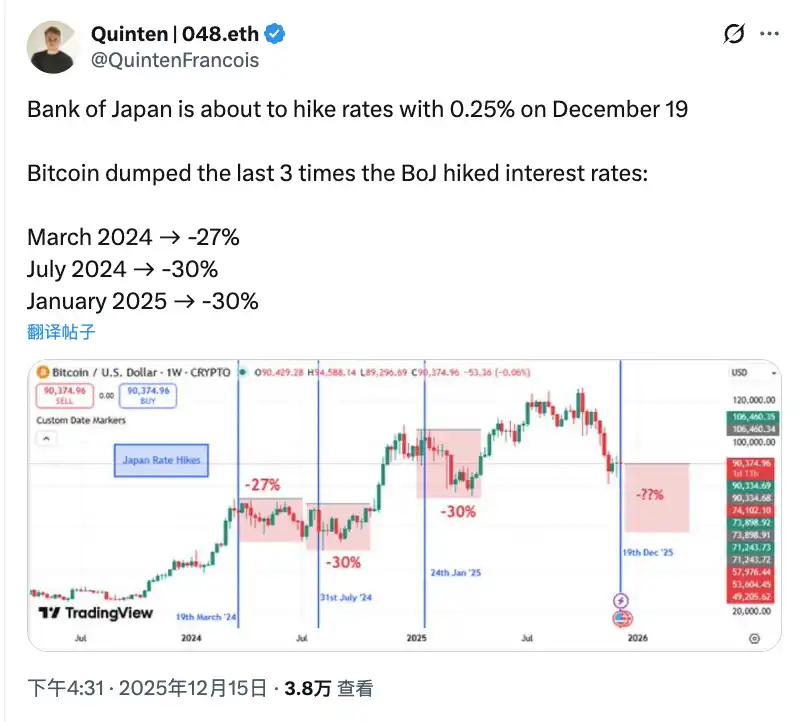
This time, it's Japan's first rate hike since January 2025, potentially reaching a 30-year high. Prediction markets currently indicate a 97% probability of a 25 basis point hike, almost certain. The meeting that day might just be a formality, as the market has already reacted with a decline.

Analyst Hanzo stated that the crypto market's neglect of the Bank of Japan's动向 was a major mistake. He pointed out that Japan, as the largest overseas holder of U.S. Treasury bonds (holdings exceeding $1.1 trillion), its central bank policy changes could affect global dollar supply, Treasury yields, and risk assets like Bitcoin.

Several Twitter users focused on macro analysis also noted that the Yen is the second largest player in the foreign exchange market after the U.S. dollar, potentially having a greater impact on capital markets than the Euro. The nearly thirty-year bull market in U.S. stocks has been significantly related to Yen carry trades. For years, investors borrowed low-interest Yen loans to invest in U.S. stocks, bonds, or high-yield assets like cryptocurrencies. When Japanese interest rates rise, these positions can be quickly unwound, leading to forced liquidations and deleveraging across all markets.

Furthermore, the current market backdrop is: most major central banks are cutting rates, while the Bank of Japan is hiking. This contrast will trigger the unwinding of carry trades, meaning such hikes could lead to renewed turmoil in the cryptocurrency market.

More importantly, the Yen hike itself might not be the key risk; the signal sent by the Bank of Japan's policy guidance for 2026 is more critical. The Bank of Japan has already confirmed it will sell approximately $550 billion worth of ETF holdings starting January 2026. If the Bank of Japan hikes rates again or multiple times in 2026, it would mean more hikes and accelerated bond sales, further unwinding Yen carry trades, triggering a sell-off in risk assets and a回流 of Yen, potentially causing sustained冲击 to stocks and cryptocurrencies.

But if we're lucky, if the Bank of Japan pauses further rate hikes after this one in future meetings, the market flash crash might end, followed by a period of反弹行情.

Uncertainty Over Future U.S. Rate Cut Expectations

Of course, any decline is never due to a single factor or variable. During this period of the Bank of Japan hike and Bitcoin's暴跌, the following conditions also coexisted: leverage reaching peak levels; U.S. dollar liquidity tightening; extreme positioning levels; the impact of global liquidity and leverage, etc.

Let's turn our attention back to the United States.

In the first week after the rate cut靴子落地, Bitcoin began to weaken. Because the market's focus has shifted to "how many more times can rates be cut in 2026, and will the pace be forced to slow down?". Two data points to be released this week: the U.S. macro data Non-Farm Payrolls report and CPI data, are core variables in repricing this expectation.

With the U.S. government ending its long shutdown, the Bureau of Labor Statistics (BLS) will release October and November employment data this week, with the most watched being the Non-Farm Payrolls report released tonight at 21:30. The current expectation is: +55k new non-farm jobs, significantly lower than the previous +110k.

On the surface, this is a typical data structure "beneficial for rate cuts," but the problem lies precisely in: if employment cools too quickly, will the Fed worry about the economy stalling and choose to adjust policy more cautiously? Once employment data shows a "cliff-like cooling" or structural deterioration, the Fed might choose to wait and see instead of accelerating easing.

Then there's the CPI data. Compared to employment data, the point repeatedly discussed by the market regarding the CPI data released on December 18th is: will CPI give the Fed a reason to "also accelerate QT (quantitative tightening)" to offset the Bank of Japan's tightening?

If inflation data rebounds or shows increased stickiness, even if the Fed maintains its rate cut stance, it might accelerate QT to回收流动性, thus balancing between "nominal easing" and "actual liquidity tightening."

The next truly certain rate cut is earliest at the January 2026 FOMC window, and the time span is still relatively far. Currently, Polymarket predicts a 78% probability of unchanged rates on January 28th, with the probability of a rate cut only 22%. The uncertainty of rate cut expectations is too high.

Additionally, the Bank of England and the European Central Bank will also hold their respective monetary policy meetings this week to discuss their stances. With Japan率先转向, the U.S. hesitating, and Europe and the U.K.观望, global monetary policy is in a highly fragmented stage,难以形成合力.

For Bitcoin, this "non-unified liquidity environment" is often more damaging than clear tightening.

Mining Farms Shutting Down, 'Old Money' Continues Exiting

Another common analytical view is: long-term holders are still持续抛售, and the pace of减持 accelerated this week.

First is the selling by ETF institutions. On that day, Bitcoin spot ETFs saw a net outflow of approximately $350 million (about 4,000 BTC), primarily from Fidelity's FBTC and Grayscale's GBTC/ETHE; for Ethereum ETFs, the cumulative net outflow was about $65 million (about 21,000 ETH).

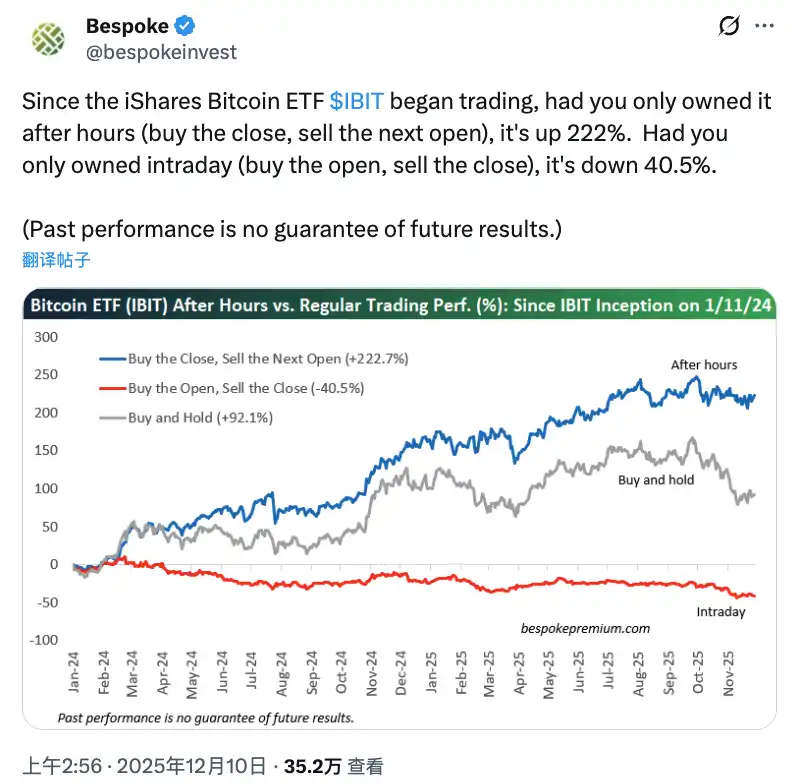
For example, a very interesting point is that Bitcoin's performance during U.S. trading hours was relatively weaker. Data from Bespoke Investment stated: "Since BlackRock's IBIT Bitcoin ETF began trading, holding it after hours yielded 222%, but holding it only during market hours resulted in a 40.5% loss."
Following this, a more direct selling signal appeared on the链上层面.

On December 15th, Bitcoin exchange net inflows reached 3,764 BTC (approx. $340 million), hitting a阶段性高点. Among them, Binance alone had a net inflow of 2,285 BTC,放大 about 8 times compared to the previous period, clearly indicating large holders集中充值, preparing to sell.


Furthermore, changes in market makers' positions also构成重要的背景因素. Taking Wintermute as an example, between late November and early December, it transferred over $1.5 billion in assets to trading platforms. Although between December 10th and 16th, its BTC holdings saw a net increase of 271 BTC, the market was still somewhat panicked about its large transfer behavior.

On the other hand, selling by long-term holders and miners has also attracted significant attention.

On-chain monitoring platform CheckOnChain detected a rotation in Bitcoin's hashrate, a phenomenon often associated with periods of miner pressure and liquidity tightening. On-chain analyst CryptoCondom pointed out: "A friend asked me if miners and OGs are really selling their BTC. The objective answer is yes, check Glassnode's data on miner net position changes and OG long-term BTC holdings."

Glassnode data shows that OGs (coins not moved for over 6 months) selling Bitcoin has been ongoing for months, with a noticeable acceleration from late November to mid-February.
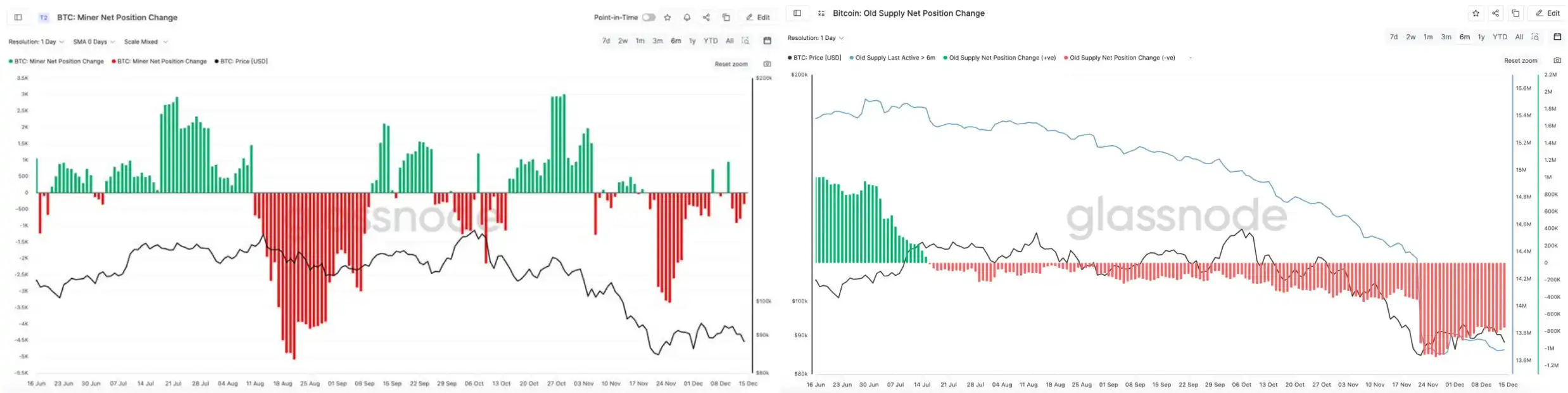
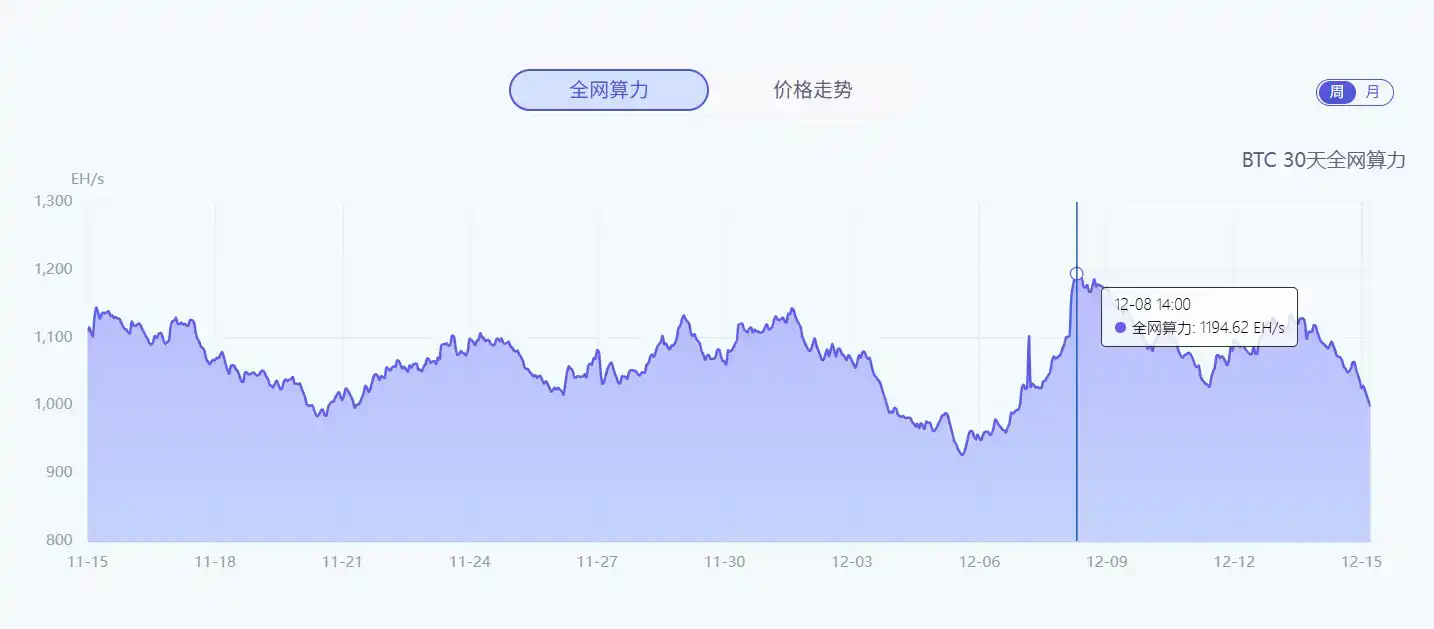
Coupled with the drop in Bitcoin's global hashrate, as of December 15th, according to F2pool data, Bitcoin's global hashrate was temporarily reported at 988.49 EH/s, down 17.25% from the same time last week.

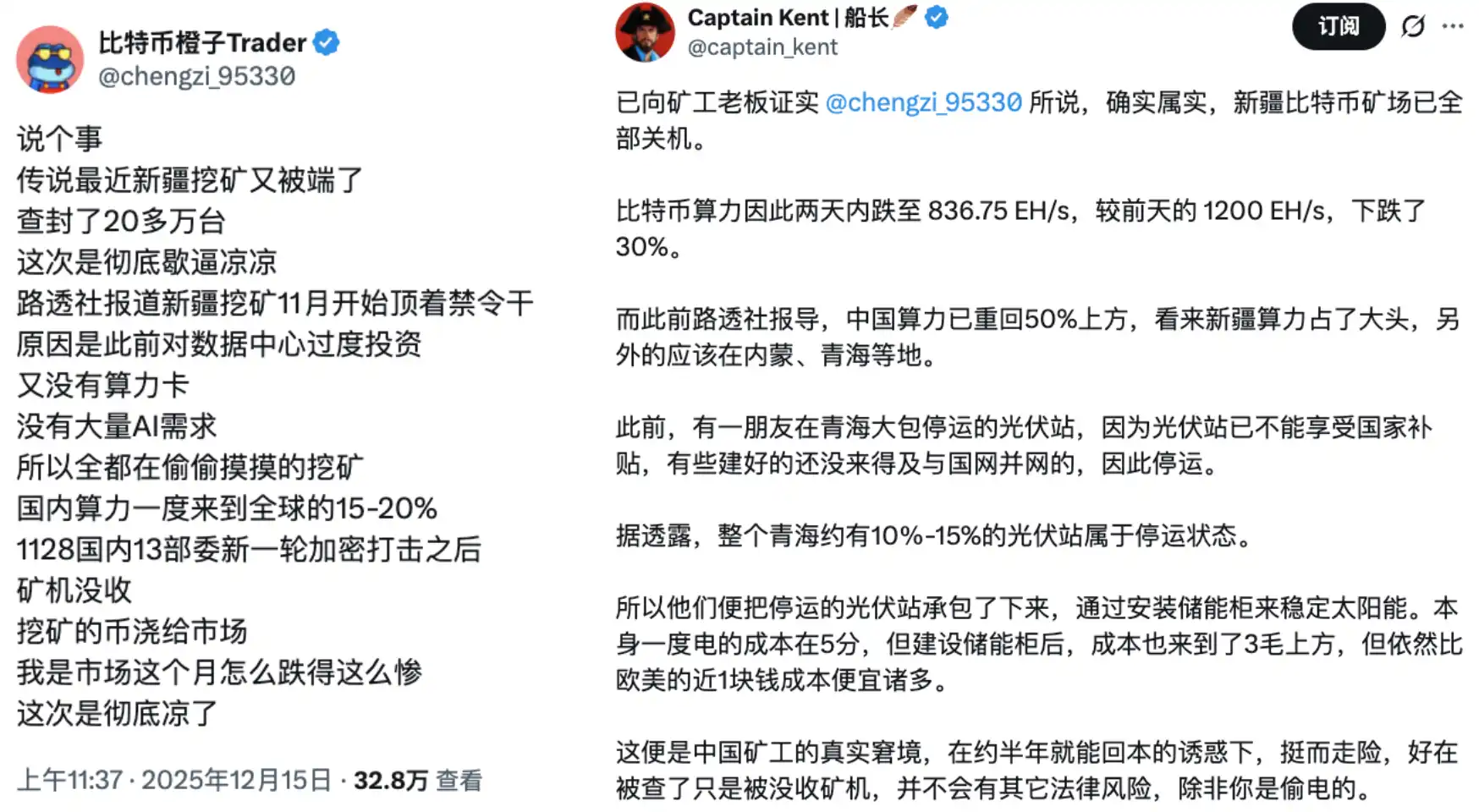
This data also aligns with the current rumors of "Bitcoin mining farms in Xinjiang陆续关机." Kong Jianping, founder and chairman of Nano Labs, also commented on the recent drop in Bitcoin's hashrate, stating that based on an average of 250T per machine, at least 400,000 Bitcoin miners have recently shut down.
In summary, the factors in this round of decline include: the Bank of Japan率先转向紧缩, loosening Yen carry trades; the Federal Reserve, after completing the first rate cut, failing to provide a clear subsequent path, leading the market to actively lower expectations for 2026 liquidity; and on the链上层面, the behavior of long-term holders, miners, and market makers further amplified the price's sensitivity to liquidity changes.


Trend Kriptolar

İlgili Sorular

QWhat is the main reason for the recent decline in Bitcoin's price according to the article?

AThe main reason is the Bank of Japan's interest rate hike, which is expected to trigger the unwinding of yen carry trades and lead to forced liquidations in risk assets like Bitcoin.

QHow have Bitcoin's previous performances been affected by the Bank of Japan's rate hikes?

AHistorical data shows that Bitcoin fell by approximately 20%–30% within 4–6 weeks following the past three Bank of Japan rate hikes in March 2024, July 2024, and January 2025.

QWhat other major factor, besides the Bank of Japan's policy, is contributing to the uncertainty in the crypto market?

AUncertainty around the U.S. Federal Reserve's future interest rate cut path and the potential for it to slow down or pause its easing policy is a major contributing factor.

QWhat on-chain behavior indicates that long-term Bitcoin holders are selling?

AData from Glassnode shows that long-term holders (OGs) who haven't moved their Bitcoin in over 6 months have been selling for months, with a noticeable acceleration in late November.

QWhat evidence from the mining sector suggests additional selling pressure on Bitcoin?

AThere is a reported drop in Bitcoin's global hash rate, with data from F2pool showing a 17.25% decline, and reports of approximately 400,000 Bitcoin mining machines being shut down, particularly in Xinjiang, China.

İlgili Okumalar

Paradigm's New Playbook: Crypto in One Hand, AI and Robotics in the Other

Title: Paradigm's New Strategy: Crypto in One Hand, AI and Robotics in the Other On July 8, 2026, top-tier venture capital firm Paradigm announced the successful $12 billion close of its fourth fund, marking a strategic evolution beyond its pure-play crypto roots. While remaining committed to cryptocurrency, the firm is now formally extending its investment focus to include artificial intelligence, robotics, and other frontier technologies. This shift was foreshadowed by a subtle but significant change to its official social media description earlier in March, from "A research-driven crypto investment firm" to a broader "We build and invest in the companies and ideas shaping the frontier." The move is driven by the firm's recognition of transformative technological waves beyond crypto, particularly in AI and robotics, and a response to the shifting capital allocation landscape. Despite significant AI sector fundraising, Paradigm emphasizes its commitment remains grounded in deep technical rigor. A key intersection for Paradigm lies in AI Agents, where decentralized blockchain networks and stablecoins are seen as a natural financial infrastructure for autonomous digital operations. The firm is active in promoting open-source, decentralized AI (e.g., investing in Nous Research) and building agent-friendly blockchains (e.g., incubating Tempo). It is also developing tools like EVMbench (with OpenAI) and the Centaur AI Agent platform. Within its crypto stronghold, Paradigm will continue focusing on core infrastructure areas. These include derivatives and new liquidity layers (e.g., Hyperliquid), prediction markets (with plans for a proprietary trading terminal), and developer tools (continuing development of Reth and Foundry). In summary, Paradigm's expansion reflects a broader realignment in venture capital, where the intense capital concentration in AI and the search for exponential growth compel even crypto-native funds to broaden their narratives. However, this does not signify an abandonment of crypto; instead, the focus is sharpening on real-world financial applications like stablecoins, RWA, on-chain derivatives, prediction markets, and the convergence of Crypto and AI Agents.

Foresight News8 dk önce

Paradigm's New Playbook: Crypto in One Hand, AI and Robotics in the Other

Foresight News8 dk önce

The Preferred Stock Domino Effect: Strive Incurs a 7.08 Million Dollar Loss, Strategic Risk Spreading in a Chain Reaction

"Priority Stock Domino Effect": Strive's $7.08 Million Loss Reveals Chain-Reaction Risk in Bitcoin Reserve Sector Bitcoin reserve company-issued preferred shares are no longer just yield assets but a credit test for balance sheet health. While focus remains on Strategy, Strive, the 7th largest public Bitcoin holder, disclosed a tangible spillover effect: its holding of Strategy's (STRC) preferred shares lost $7.08 million in fair value over eight days, despite no change in share count. This exposes a clear cross-company risk transmission channel within the sector. Strive's filing shows its 505,000 STRC shares fell from ~$88.59 to ~$74.57 per share. While Strive remains solvent with 19,864 BTC and $141.7M cash, the loss signals that preferred stock risks can spread via inter-company holdings, shifting their perception from stable income to credit-like, high-risk assets dependent on issuer liquidity and dividend sustainability. In response, Strategy unveiled a "Digital Credit Capital Framework," raising STRC's annual dividend to 12%, mandating a 12-month cash reserve for dividends, and authorizing up to $1B each for STRC/common stock buybacks and a $1.25B Bitcoin sale plan to bolster reserves. This marks a shift to active credit risk management, formally incorporating potential Bitcoin sales to stabilize its capital structure. Third-party valuation tools, like Farside's calculator estimating STRC's net present value at ~$49.89, highlight that pricing now hinges critically on perpetual dividend sustainability and the issuer's ability to pay amid market volatility. Bitcoin's price (~$62k) remains below Strategy's average cost basis ($75,651), intensifying focus on reserve policies. The market faces two scenarios: 1) Contained risk, where STRC's discount narrows and stress is limited to Strategy; or 2) Systemic risk, where deep STRC discounts persist, dividend hikes fail, Bitcoin sales commence, and pressure spreads to other issuers like Strive's SATA shares. Key indicators to watch are STRC/SATA discount levels, dividend coverage credibility, equity issuance rates, and any actual Bitcoin divestment. Strive's future reports will be crucial in determining if its loss is an isolated event or the first sign of sector-wide credit risk contagion via preferred shares.

marsbit13 dk önce

The Preferred Stock Domino Effect: Strive Incurs a 7.08 Million Dollar Loss, Strategic Risk Spreading in a Chain Reaction

marsbit13 dk önce

Are the Frantic Acquisitions of Crypto Companies by Giants Good or Bad?

In a bear market, giants are actively acquiring crypto companies. Recent months have seen at least five major deals: Samsung Securities bought a 2% stake in Upbit operator Dunamu; Robinhood acquired WonderFi for $180 million to enter the Canadian market; Figure purchased Kiavi for $717 million to expand into on-chain real estate credit; Franklin Templeton bought 250Digital to launch Franklin Crypto; and Blockworks acquired data platform Messari at a steep discount—over 90% less than its 2022 $300 million valuation. These moves highlight a strategic shift. Cash-rich giants are consolidating resources at low cost, targeting companies with established compliance frameworks to navigate tightening global regulations. Acquisitions like WonderFi and the Upbit stake provide immediate market access and licensed user bases. Figure's deal signals real-world asset (RWA) tokenization moving from concept to large-scale implementation, with Kiavi's $7+ billion annual transaction volume being integrated into on-chain capital markets. Franklin Crypto's launch targets institutional investors like pension funds, offering them tailored, compliant crypto strategies. For these strategic players, bear markets present an ideal entry point: valuations are depressed, speculative noise is minimized, and they can acquire robust technology and compliance infrastructure at a fraction of the cost. This acquisition wave marks a transitional phase for crypto—from a wild frontier toward an institutional, regulated financial system. Giants are positioning themselves to capture future growth when macroeconomic conditions and liquidity improve, leaving latecomers behind.

marsbit1 saat önce

Are the Frantic Acquisitions of Crypto Companies by Giants Good or Bad?

marsbit1 saat önce

İşlemler

Spot

Popüler Makaleler

BITCOIN Nedir

HarryPotterObamaSonic10Inu (ERC-20)'yu ve Kripto Alanındaki Yerini Anlamak Son yıllarda, kripto para piyasası, hem ticaret yapanların hem de topluluk etkileşimi ve eğlence değeri arayanların ilgisini çeken meme coin'lerin popülaritesinde bir artış gördü. Bu benzersiz token'lar arasında, kripto para dokusuna kültürel referansları harmanlayan ilginç bir proje olan HarryPotterObamaSonic10Inu (ERC-20) bulunmaktadır. Bu makale, HarryPotterObamaSonic10Inu'nun temel yönlerini, mekanizmalarını, topluluk odaklı ethosunu ve daha geniş kripto manzarasıyla etkileşimini incelemektedir. HarryPotterObamaSonic10Inu (ERC-20) Nedir? Adından da anlaşılacağı gibi, HarryPotterObamaSonic10Inu, Ethereum blok zinciri üzerinde inşa edilen bir meme coin'dir ve ERC-20 standardı altında sınıflandırılmaktadır. Geleneksel kripto paraların pratik kullanılabilirlik veya yatırım potansiyeline odaklandığı durumların aksine, bu token eğlence değeri ve topluluğunun gücü üzerine kuruludur. Proje, bağlı kullanıcıların bir araya gelebileceği, fikirlerini paylaşabileceği ve çeşitli kültürel fenomenlerden ilham alan etkinliklere katılabileceği bir ortam yaratmayı hedeflemektedir. HarryPotterObamaSonic10Inu'nun dikkate değer özelliklerinden biri işlemlerde sıfır vergi olmasıdır. Bu çekici unsur, küçük ölçekli yatırımcıları caydırabilecek ek ücretlerden yoksun olarak ticareti ve topluluk katılımını teşvik etmeyi amaçlamaktadır. Coin'in toplam arzı bir milyar token olarak belirlenmiştir; bu, topluluk içinde önemli bir dolaşım sağlama niyetini göstermektedir. HarryPotterObamaSonic10Inu (ERC-20) Yaratıcısı HarryPotterObamaSonic10Inu'nun kökenleri bir miktar gizemlidir; yaratıcısı hakkında spesifik bilgilerin ne olduğu bilinmemektedir. Bu token'ın geliştirilmesi, belirli bir ekip veya açık bir plan eksikliği ile gerçekleşmiştir; bu durum, meme coin sektöründe oldukça yaygındır. Proje, topluluğunun heyecanı ve katılımına dayalı olarak organik bir şekilde ortaya çıkmıştır. HarryPotterObamaSonic10Inu (ERC-20) Yatırımcıları Dış yatırımlar ve destekler söz konusu olduğunda, HarryPotterObamaSonic10Inu da belirsiz kalmaktadır. Token, bilinen herhangi bir yatırım fonunu veya önemli bir kurumsal desteği listelememektedir. Bunun yerine, projenin can damarı, kolektif eylem ve kripto alanındaki katılım yoluyla büyüme ve sürdürülebilirlik sağlayan temel topluluğudur. HarryPotterObamaSonic10Inu (ERC-20) Nasıl Çalışır? Bir meme coin olarak, HarryPotterObamaSonic10Inu, genellikle varlık değerini yöneten geleneksel çerçevelerin dışında çalışmaktadır. Projenin nasıl çalıştığını tanımlayan birkaç özelliği vardır: Sıfır Vergi İşlemleri: İşlemlerde vergi ücreti olmadan, kullanıcılar gizli maliyet endişesi olmadan token'ı serbestçe alıp satabilirler. Topluluk Etkileşimi: Proje, topluluk etkileşimi üzerine kuruludur ve sosyal medya platformlarını kullanarak heyecan yaratarak katılımı kolaylaştırır. Tartışmalar, içerik paylaşımı ve katılım, projenin erişimini genişletmeye ve destekleyiciler arasında sadakat oluşturmaya yardımcı olan kritik unsurlardır. Pratik Kullanılabilirlik Yok: HarryPotterObamaSonic10Inu'nun mali ekosistem içinde somut bir kullanılabilirlik sunmadığı belirtilmelidir. Daha ziyade, eğlence ve topluluk etkinlikleri için bir token olarak sınıflandırılmaktadır. Kültürel Referans: Token, popüler kültürden unsurları zekice harmanlayarak ilgi çekmektedir ve hem meme meraklıları hem de kripto takipçileriyle bağlantı kurmaktadır. HarryPotterObamaSonic10Inu, meme coin'lerin, daha geleneksel kripto para projelerinden nasıl farklı çalıştığını örneklendirmektedir; bu projeler, utilitarist varlıklar yerine yenilikçi sosyal yapıların bir parçası olarak piyasaya girmektedir. HarryPotterObamaSonic10Inu (ERC-20) Zaman Çizelgesi HarryPotterObamaSonic10Inu'nun tarihi, birkaç dikkate değer kilometre taşı ile işaretlenmiştir: Oluşum: Token, birçok kripto meraklısının hayal gücünü yakalayan bir viral meme'den ortaya çıkmıştır. Spesifik yaratım tarihleri mevcut değildir ve bu onun organik yükselişini vurgulamaktadır. Borsa Listelemeleri: HarryPotterObamaSonic10Inu, topluluğun daha kolay erişim ve ticaret yapabilmesini sağlamak için çeşitli borsalarda yer bulmuştur. Topluluk Katılım İnisiyatifleri: Yarışmalar, sosyal medya kampanyaları ve hayranlar ile destekçilerden içerik üretimini içeren topluluk etkileşimini artırmayı amaçlayan devam eden etkinlikler. Gelecek Genişleme Planları: Projenin yol haritası, kültürel temalarına ilişkin bir NFT koleksiyonu, ticari ürünler ve bir e-ticaret sitesi başlatılmasını içermektedir; bu da topluluğun daha fazla katılımını sağlamayı ve ekosistemine daha fazla boyut kazandırmayı hedeflemektedir. HarryPotterObamaSonic10Inu (ERC-20) Hakkında Kilit Noktalar Topluluk Odaklı Doğası: Proje, kullanıcı katılımını geliştirme önceliği taşır ve böylece kullanıcıların sürecin en önünde yer almasını sağlar. Meme Coin Sınıflandırması: Eğlenceye dayalı kripto paranın doruk noktasıdır ve geleneksel yatırım araçlarından ayrılmaktadır. Bitcoin ile Doğrudan İlişki Yok: Ticker ismindeki benzeliğe rağmen, HarryPotterObamaSonic10Inu ayırt edicidir ve Bitcoin veya diğer yerleşik kripto paralarla herhangi bir ilişkisi yoktur. İşbirliğine Odaklanma: HarryPotterObamaSonic10Inu, sahipleri arasında işbirliği ve hikaye paylaşımı için bir alan oluşturmak üzere tasarlanmıştır ve bu da yaratıcılık ve topluluk bağlarını sağlamaktadır. Gelecek Beklentileri: Başlangıçta belirlendiği temalardan NFTs ve ticari ürünlere genişleme arzusu, projenin dijital kültürde daha ana akıma girebilmesi için bir yol haritası çizmektedir. Meme coin'ler, kripto para topluluğunun hayal gücünü çalmaya devam ederken, HarryPotterObamaSonic10Inu (ERC-20), kültürel bağları ve topluluk merkezli yaklaşımıyla öne çıkmaktadır. Geleneksel bir hizmet odaklı token modeliyle uyumlu olmasa da, özünde destekçileri arasında sağlanan neşe ve dostluğu vurgulayarak, giderek dijitalleşen bir çağda kripto paraların evrilen doğasını göstermektedir. Proje gelişmeye devam ettikçe, topluluk dinamiklerinin blockchain teknolojisi dünyasındaki seyrini nasıl etkilediğini izlemek önemli olacaktır.

2.1k Toplam GörüntülenmeYayınlanma 2024.04.01Güncellenme 2024.12.03

BITCOIN Nedir

BTC Nasıl Satın Alınır

HTX.com’a hoş geldiniz! Bitcoin (BTC) satın alma işlemlerini basit ve kullanışlı bir hâle getirdik. Adım adım açıkladığımız rehberimizi takip ederek kripto yolculuğunuza başlayın. 1. Adım: HTX Hesabınızı OluşturunHTX'te ücretsiz bir hesap açmak için e-posta adresinizi veya telefon numaranızı kullanın. Sorunsuzca kaydolun ve tüm özelliklerin kilidini açın. Hesabımı Aç2. Adım: Kripto Satın Al Bölümüne Gidin ve Ödeme Yönteminizi SeçinKredi/Banka Kartı: Visa veya Mastercard'ınızı kullanarak anında Bitcoin (BTC) satın alın.Bakiye: Sorunsuz bir şekilde işlem yapmak için HTX hesap bakiyenizdeki fonları kullanın.Üçüncü Taraflar: Kullanımı kolaylaştırmak için Google Pay ve Apple Pay gibi popüler ödeme yöntemlerini ekledik.P2P: HTX'teki diğer kullanıcılarla doğrudan işlem yapın.Borsa Dışı (OTC): Yatırımcılar için kişiye özel hizmetler ve rekabetçi döviz kurları sunuyoruz.3. Adım: Bitcoin (BTC) Varlıklarınızı SaklayınBitcoin (BTC) satın aldıktan sonra HTX hesabınızda saklayın. Alternatif olarak, blok zinciri transferi yoluyla başka bir yere gönderebilir veya diğer kripto para birimlerini takas etmek için kullanabilirsiniz.4. Adım: Bitcoin (BTC) Varlıklarınızla İşlem YapınHTX'in spot piyasasında Bitcoin (BTC) ile kolayca işlemler yapın.Hesabınıza erişin, işlem çiftinizi seçin, işlemlerinizi gerçekleştirin ve gerçek zamanlı olarak izleyin. Hem yeni başlayanlar hem de deneyimli yatırımcılar için kullanıcı dostu bir deneyim sunuyoruz.

8.0k Toplam GörüntülenmeYayınlanma 2024.12.12Güncellenme 2026.06.02

BTC Nasıl Satın Alınır

$BITCOIN Nedir

DİJİTAL ALTIN ($BITCOIN): Kapsamlı Bir Analiz DİJİTAL ALTIN ($BITCOIN) Tanıtımı DİJİTAL ALTIN ($BITCOIN), geleneksel değerli metallerin özelliklerini merkeziyetsiz teknolojilerin yeniliği ile birleştirmeyi amaçlayan Solana ağı üzerinde çalışan blockchain tabanlı bir projedir. Bitcoin ile aynı isme sahip olmasına rağmen, genellikle bir değer saklama aracı olarak algılandığı için “dijital altın” olarak anılmaktadır; DİJİTAL ALTIN, Web3 ortamında benzersiz bir ekosistem yaratmak için tasarlanmış ayrı bir tokendir. Hedefi, uygulanabilir bir alternatif dijital varlık olarak kendini konumlandırmaktır, ancak uygulamaları ve işlevleri ile ilgili ayrıntılar hala gelişmektedir. DİJİTAL ALTIN ($BITCOIN) Nedir? DİJİTAL ALTIN ($BITCOIN), Solana blockchain'inde kullanılmak üzere açıkça tasarlanmış bir kripto para tokenidir. Bitcoin'in yaygın olarak tanınan bir değer saklama rolü sağlamasının aksine, bu token daha geniş uygulamalara ve özelliklere odaklanıyor gibi görünmektedir. Dikkate değer yönler şunlardır: Blockchain Altyapısı: Token, yüksek hızlı ve düşük maliyetli işlemleri yönetme kapasitesi ile bilinen Solana blockchain'inde inşa edilmiştir. Arz Dinamikleri: DİJİTAL ALTIN'ın maksimum arzı 100 katrilyon token (100P $BITCOIN) ile sınırlıdır, ancak dolaşımdaki arzı ile ilgili ayrıntılar şu anda açıklanmamıştır. Kullanım Alanı: Kesin işlevler açıkça belirtilmemiş olsa da, token'ın merkeziyetsiz uygulamalar (dApps) veya varlık tokenizasyon stratejileri ile ilgili çeşitli uygulamalar için kullanılabileceğine dair işaretler bulunmaktadır. DİJİTAL ALTIN ($BITCOIN) Yaratıcısı Kimdir? Şu anda, DİJİTAL ALTIN ($BITCOIN) arkasındaki yaratıcıların ve geliştirme ekibinin kimliği bilinmemektedir. Bu durum, merkeziyetsiz finans ve meme coin fenomenleriyle uyumlu olan birçok yenilikçi proje arasında yaygındır. Böyle bir anonimlik, topluluk odaklı bir kültürü teşvik edebilirken, yönetişim ve hesap verebilirlik konusundaki endişeleri artırmaktadır. DİJİTAL ALTIN ($BITCOIN) Yatırımcıları Kimlerdir? Mevcut bilgiler, DİJİTAL ALTIN ($BITCOIN) için bilinen herhangi bir kurumsal destekçi veya önde gelen risk sermayesi yatırımı olmadığını göstermektedir. Proje, geleneksel finansman yolları yerine topluluk desteği ve benimsemeye odaklanan bir eşler arası modelde çalışıyor gibi görünmektedir. Faaliyetleri ve likiditesi esas olarak PumpSwap gibi merkeziyetsiz borsalarda (DEX'ler) yer almakta olup, bu da onun taban hareketine vurgu yapmaktadır. DİJİTAL ALTIN ($BITCOIN) Nasıl Çalışır DİJİTAL ALTIN ($BITCOIN) 'ın operasyonel mekanikleri, blockchain tasarımı ve ağ özellikleri temelinde açıklanabilir: Konsensüs Mekanizması: Solana'nın benzersiz tarih kanıtı (PoH) ile bir hisse kanıtı (PoS) modelini birleştirerek, proje ağın yüksek performansına katkıda bulunan verimli işlem doğrulamasını sağlar. Tokenomik: Belirli deflasyonist mekanizmalar kapsamlı bir şekilde detaylandırılmamış olsa da, geniş maksimum token arzı, henüz tanımlanmamış mikro işlemler veya niş kullanım durumlarına hitap edebileceğini ima etmektedir. Etkileşim: Solana'nın daha geniş ekosistemi ile entegrasyon potansiyeli bulunmaktadır; bu, çeşitli merkeziyetsiz finans (DeFi) platformlarını içermektedir. Ancak, belirli entegrasyonlarla ilgili ayrıntılar belirtilmemiştir. Önemli Olayların Zaman Çizelgesi DİJİTAL ALTIN ($BITCOIN) ile ilgili önemli kilometre taşlarını vurgulayan bir zaman çizelgesi: 2023: Token'ın Solana blockchain'inde ilk dağıtımı, sözleşme adresi ile işaretlenmiştir. 2024: DİJİTAL ALTIN, PumpSwap gibi merkeziyetsiz borsalarda işlem görmeye başladıkça görünürlük kazanır ve kullanıcıların bunu SOL karşısında ticaret yapmasına olanak tanır. 2025: Proje, topluluk odaklı etkileşimlere yönelik potansiyel ilgi ve ara sıra ticaret faaliyetleri görür, ancak şu ana kadar dikkate değer ortaklıklar veya teknik ilerlemeler belgelenmemiştir. Kritik Analiz Güçlü Yönler Ölçeklenebilirlik: Temel Solana altyapısı, yüksek işlem hacimlerini destekleyerek $BITCOIN'in çeşitli işlem senaryolarındaki faydasını artırabilir. Erişilebilirlik: Token başına potansiyel düşük ticaret fiyatı, perakende yatırımcıları çekebilir ve parçalı mülkiyet fırsatları sayesinde daha geniş katılımı kolaylaştırabilir. Riskler Şeffaflık Eksikliği: Kamuya açık olarak bilinen destekçilerin, geliştiricilerin veya bir denetim sürecinin olmaması, projenin sürdürülebilirliği ve güvenilirliği konusunda şüpheler doğurabilir. Piyasa Volatilitesi: Ticaret faaliyeti büyük ölçüde spekülatif davranışa dayanmakta olup, bu da yatırımcılar için önemli fiyat dalgalanmalarına ve belirsizliklere yol açabilir. Sonuç DİJİTAL ALTIN ($BITCOIN), hızla gelişen Solana ekosisteminde ilginç ama belirsiz bir proje olarak ortaya çıkmaktadır. “Dijital altın” anlatısını kullanmaya çalışırken, Bitcoin'in değer saklama rolünden ayrılması, amaçlanan faydasının ve yönetişim yapısının daha net bir şekilde tanımlanması gerekliliğini vurgulamaktadır. Gelecekteki kabul ve benimseme, mevcut belirsizliklerin giderilmesine ve operasyonel ile ekonomik stratejilerinin daha açık bir şekilde tanımlanmasına bağlı olacaktır. Not: Bu rapor, Ekim 2023 itibarıyla mevcut olan sentezlenmiş bilgileri kapsamaktadır ve araştırma döneminin ötesinde gelişmeler yaşanmış olabilir.

169 Toplam GörüntülenmeYayınlanma 2025.05.13Güncellenme 2025.05.13

$BITCOIN Nedir

Tartışmalar

HTX Topluluğuna hoş geldiniz. Burada, en son platform gelişmeleri hakkında bilgi sahibi olabilir ve profesyonel piyasa görüşlerine erişebilirsiniz. Kullanıcıların BTC (BTC) fiyatı hakkındaki görüşleri aşağıda sunulmaktadır.

活动图片