From Lloyd's Coffeehouse to Polymarket: Prediction Markets Are Reshaping the Insurance Industry

marsbit2026-02-21 tarihinde yayınlandı2026-02-21 tarihinde güncellendi

Özet

From the coffeehouses of 17th-century London to the blockchain-based prediction markets of today, the fundamental nature of risk management is being reimagined. The article begins with a contemporary crisis: major insurers like Farmers Insurance and State Farm are canceling hundreds of thousands of policies in states like Florida and California, a "great insurance withdrawal" driven by catastrophic losses from hurricanes and wildfires that have shattered traditional actuarial models. The narrative then returns to the origin of modern insurance at Lloyd's Coffee House, where merchants and shipowners gathered to collectively underwrite voyages, dispersing individual risk among a group. For centuries, this model of risk transfer, priced by expert actuaries, has dominated. However, climate change and unprecedented disasters are now exposing its limits. The article proposes looking beyond insurance to the financial concept of *hedging*—offsetting risk rather than transferring it. Examples include Ray Dalio's innovative solution for McDonald's to lock in corn and soybean meal prices to launch the McChicken, and Southwest Airlines' legendary fuel hedging strategy that saved it billions. This "elegant" mechanism turns future uncertainty into present-day certainty through open markets. The pivotal shift is embodied by Polymarket, a prediction market platform. Here, users can trade contracts on the outcome of real-world events, from elections to weather patterns. This creates a dece...

In 2023, a letter arrived in the mailboxes of one hundred thousand households in Florida, USA.

The letter, from the century-old insurance giant Farmers Insurance, was brief and brutal: one hundred thousand policies, from homes to cars, were voided effective immediately.

Promises in black and white turned into worthless paper overnight. Furious policyholders flooded social media, demanding answers from the company they had trusted for decades. But all they got was a cold announcement: "We must more effectively manage our risk exposure."

In California, the situation was worse. Insurance behemoths like State Farm and Allstate had already stopped accepting any new applications for home insurance, and over 2.8 million existing policies were denied renewal.

An unprecedented "Great Insurance Retreat" is underway in the United States. The very industry that once served as a social stabilizer, promising to be a safety net for all, is itself now in turmoil.

Why? Let's look at the following data.

Hurricane Helene may have caused over $53 billion in damages in North Carolina; Hurricane Milton, according to Goldman Sachs estimates, could result in insured losses exceeding $25 billion; and for a major fire in Los Angeles, AccuWeather estimated total economic losses between $250 and $275 billion, while CoreLogic estimated insurance payouts between $35 and $45 billion.

Insurance companies are finding themselves at the limits of their ability to pay. So, who can replace the traditional insurance industry?

A Wager in a Coffeehouse

The story begins over three hundred years ago in London.

In 1688, on the banks of the Thames, a coffeehouse named Lloyd's was shrouded in the same shadow for sailors, merchants, and shipowners. Merchant ships laden with goods sailed from London to distant Americas or Asia. A safe return meant immense wealth; but encountering a storm, pirates, or running aground meant total loss.

Risk, like an inescapable dark cloud, loomed over every seafarer.

The coffeehouse owner, Edward Lloyd, was a shrewd businessman. He realized these captains and cargo owners needed more than just coffee; they needed a place to share risk. So, he began encouraging a kind of "betting game."

A captain would write the ship and cargo details on a piece of paper and post it on the coffeehouse wall. Anyone willing to assume a portion of the risk could sign their name on this paper and write the amount they were willing to underwrite. If the ship returned safely, they would share a fee (the premium) paid by the captain proportionally; if the ship was lost, they had to compensate the captain for the losses proportionally.

If the ship returns, everyone celebrates; if it sinks, losses are shared.

This was the prototype of modern insurance. It had no complex actuarial models, only simple business wisdom—distributing one person's enormous risk for a group to share.

In 1774, 79 underwriters joined forces to form the Lloyd's Association, moving from the coffeehouse into the Royal Exchange. A modern financial industry worth trillions was born.
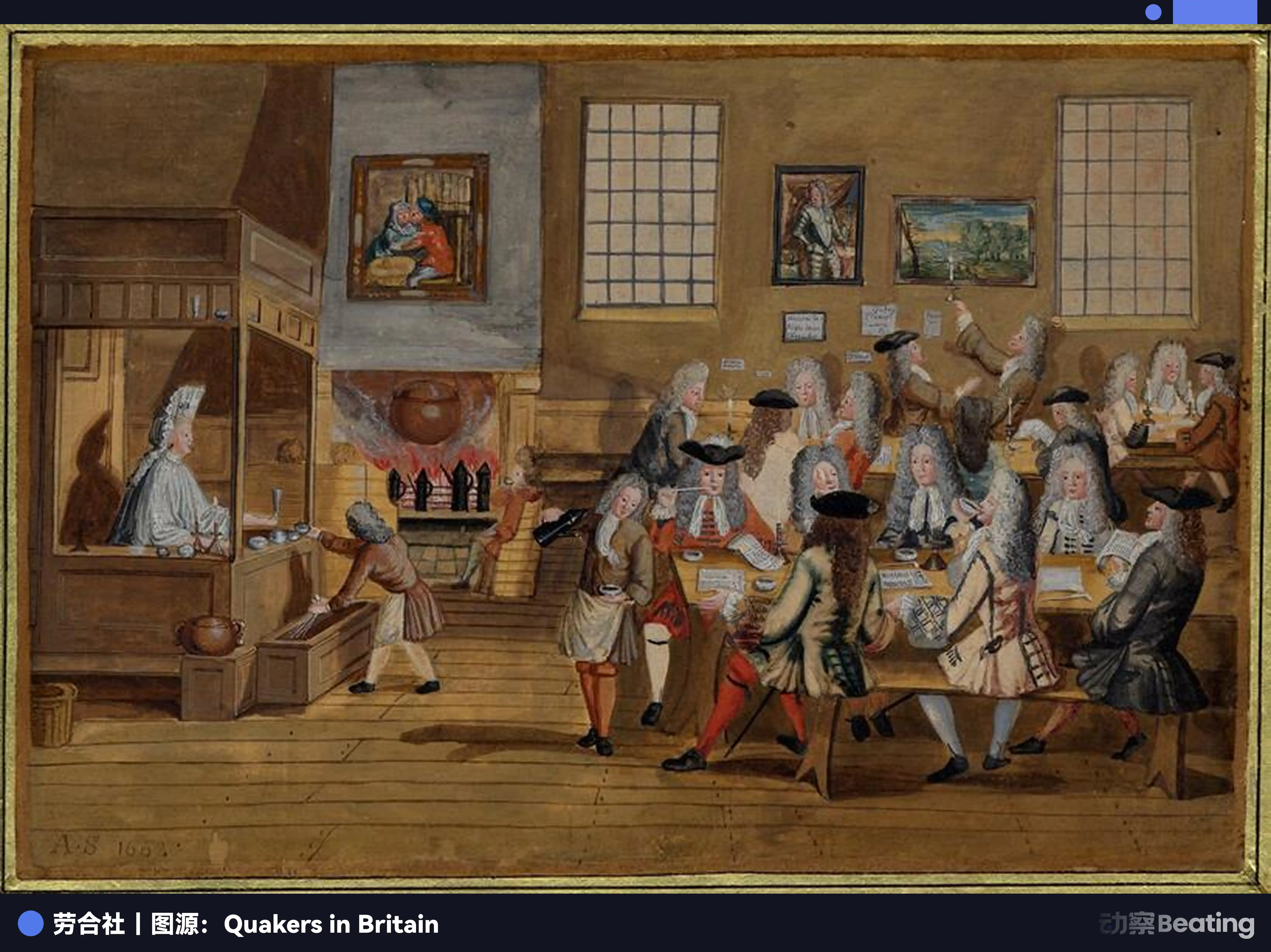
For over three hundred years, the essence of the insurance industry has never changed: it is a business of managing risk. Through actuarial science, it calculates the probability of various risks, prices that risk, and sells it to those seeking protection.

But today, this ancient business model faces unprecedented challenges.

When the frequency and intensity of hurricanes, floods, and wildfires far exceed the predictions of historical data and actuarial models, insurance companies find their measuring stick can no longer gauge the world's growing uncertainty.

They have only two choices: either drastically raise premiums, or retreat—as we saw in Florida and California.

A More Elegant Solution: Hedging Risk

While the insurance industry is stuck in the dilemma of "can't calculate accurately, can't afford to pay, dare not insure," we might step outside the insurance framework and look for answers in another ancient industry: finance.

In 1983, McDonald's planned to launch a revolutionary product: Chicken McNuggets. But a major problem faced management: chicken prices were too volatile. If they locked in menu prices and chicken prices soared, the company would face huge losses.

The tricky part was, there was no chicken futures market available to hedge this risk.

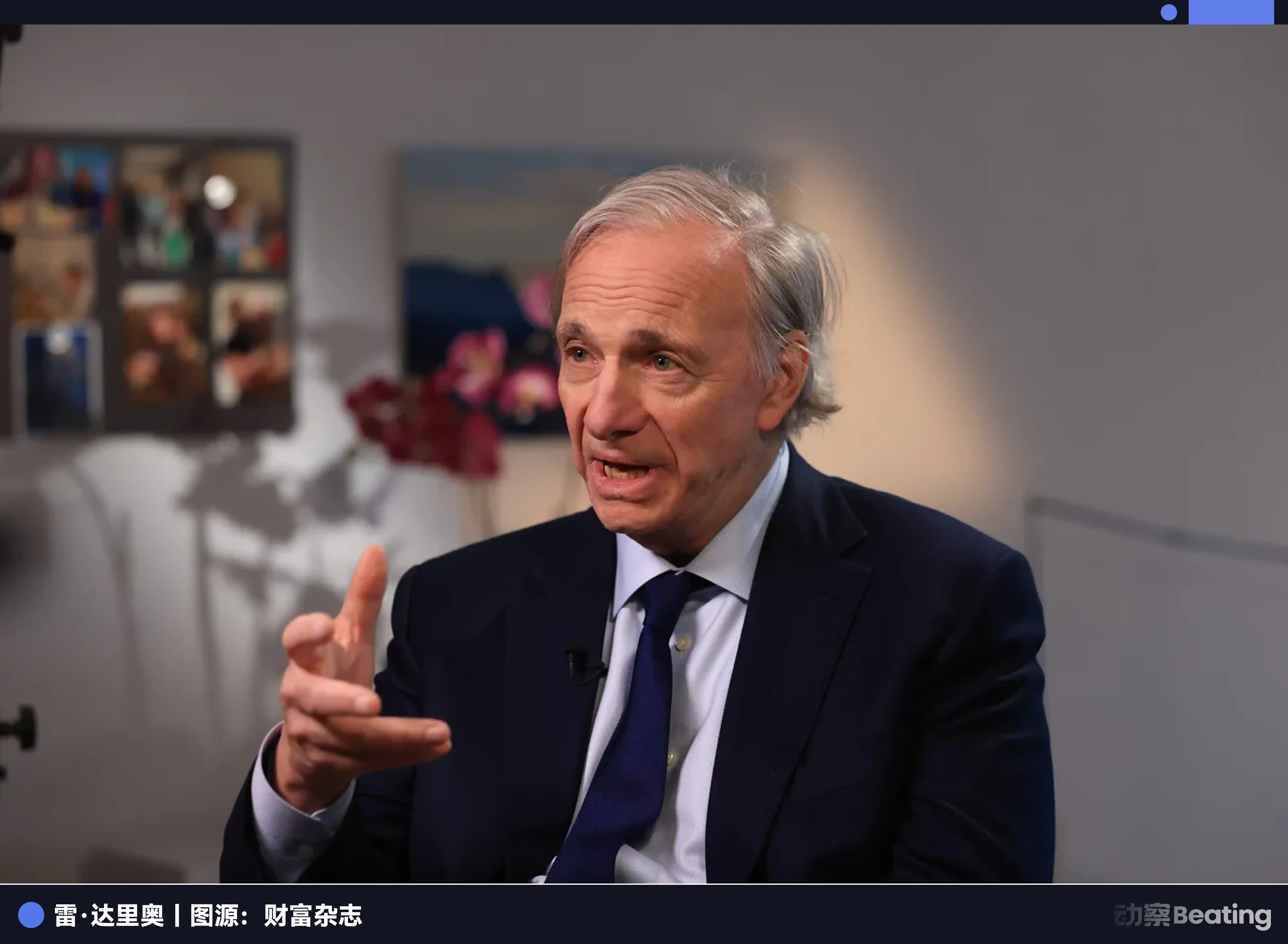
Ray Dalio, then a commodity trader, proposed a genius solution.

He said to McDonald's chicken suppliers: "Isn't the cost of a chicken just the chick, corn, and soybean meal? Chick prices are relatively stable; what really fluctuates are the prices of corn and soybean meal. You can go to the futures market and buy corn and soybean meal futures contracts, locking in your production costs. Then you can supply McDonald's with fixed-price chicken, right?"

This idea of a "synthetic future," commonplace today, was revolutionary at the time. It not only helped McDonald's successfully introduce Chicken McNuggets but also planted the seed for Ray Dalio to later found the world's largest hedge fund, Bridgewater Associates.
Another classic case comes from Southwest Airlines.

In 1993, then-CFO Gary Kelly began establishing a fuel hedging strategy for the company. From 1998 to 2008, this strategy saved Southwest approximately $3.5 billion in fuel costs, equivalent to 83% of the company's profits during the same period.

During the 2008 financial crisis, when oil prices soared to $130 per barrel, Southwest, through futures contracts, purchased 70% of its fuel at a locked-in price of $51 per barrel. This made it the only major U.S. airline that could maintain its "bags fly free" policy at the time.

Whether it was McDonald's chicken or Southwest's fuel, both reveal the same simple business wisdom: use financial markets to transform future uncertainty into present certainty.

This is hedging. Its goal is the same as insurance, but the underlying logic is completely different.

Insurance is the transfer of risk. You transfer a risk (e.g., a car accident, illness) to an insurance company and pay a premium for it. Hedging is the offsetting of risk.

You have a position in the spot market (e.g., need to buy fuel), so you establish an opposite position in the futures market (e.g., buy fuel futures). When the spot price rises, the profit from the futures offsets the loss on the spot.

Insurance is a relatively closed system, dominated by insurance companies and actuaries. Hedging is an open system, priced collectively by market participants.

So, if hedging is so elegant and efficient, why can't we use it to solve today's insurance dilemma? Why can't a Florida resident hedge the risk of a hurricane making landfall, just like Southwest Airlines hedged fuel risk?

The answer is simple: because such a market didn't exist.

Until a young entrepreneur, who started his business in a bathroom, brought it to us.

From "Risk Transfer" to "Risk Trading"

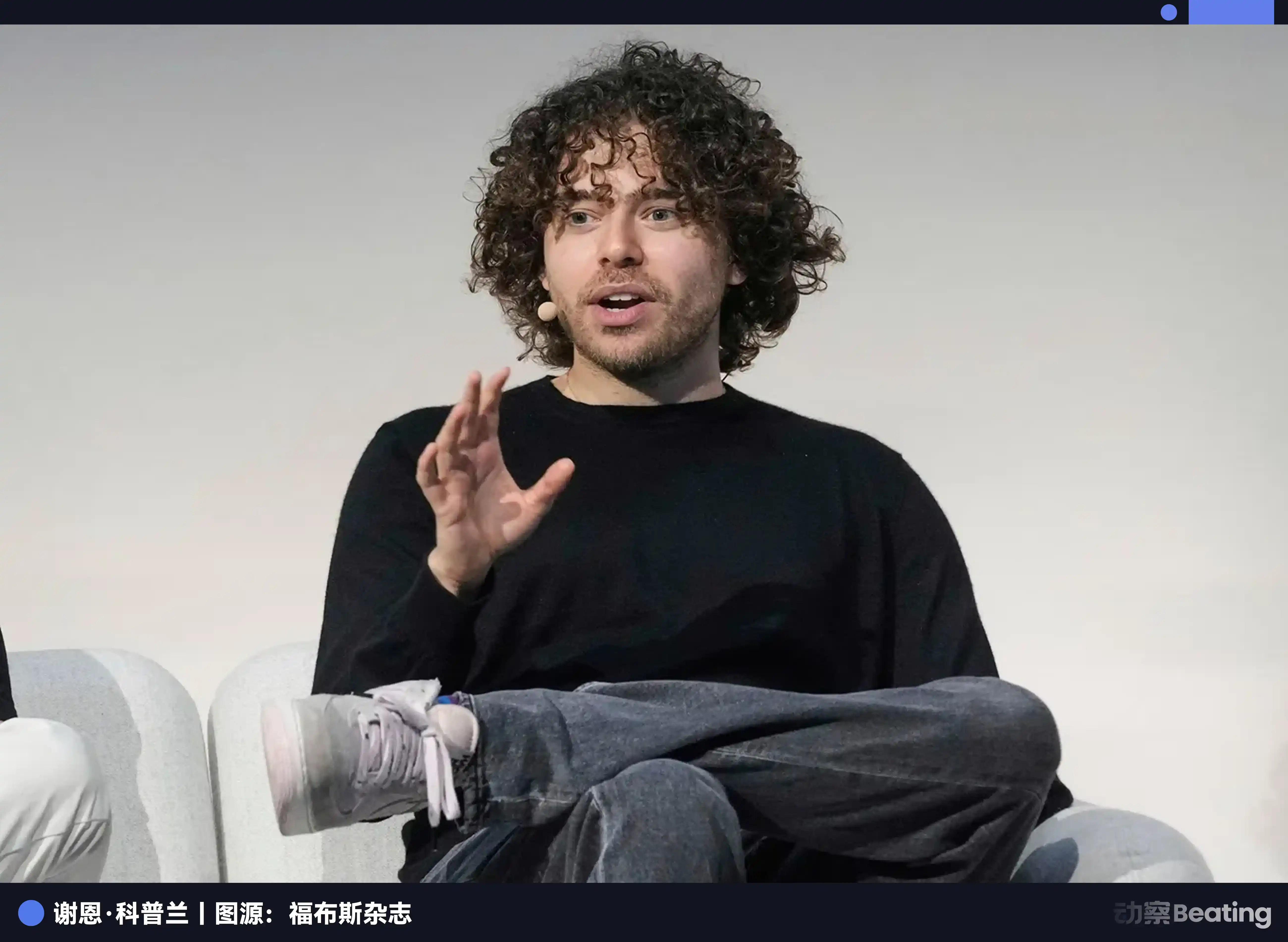
22-year-old Shayne Coplan founded Polymarket in a bathroom. This blockchain-based prediction market gained fame in 2024 during the U.S. presidential election, with annual trading volume exceeding $9 billion.
Beyond the political betting, Polymarket also hosts some intriguing markets. For example, will Houston's maximum temperature exceed 105 degrees Fahrenheit in August? Will California's nitrogen dioxide concentration be above average this week?

An anonymous trader named Neobrother accumulated profits of over $20,000 trading these weather contracts on Polymarket. He and his followers are known as "Weather Hunters."

While insurance companies are fleeing Florida because they can't predict the weather, a group of mysterious players are enthusiastically trading differences of 0.1 degrees Celsius.

Prediction markets are essentially a platform for "futurizing everything." They extend the function of traditional futures markets from standardized commodities (oil, corn, foreign exchange) to any event that can be publicly and objectively verified.

This provides a completely new way of thinking to solve the insurance industry's dilemma.

First, it replaces expert arrogance with the wisdom of the crowd.

Traditional insurance pricing relies on the actuarial models of insurance companies. But when the world becomes increasingly unpredictable, models based on historical data fail.

The price on a prediction market, however, is "voted" on by thousands of participants with real money. It reflects the aggregate information the market has on the probability of an event occurring. The price fluctuation of a contract on "whether a hurricane will make landfall in Florida in May" is itself the most sensitive, real-time measure of that risk.
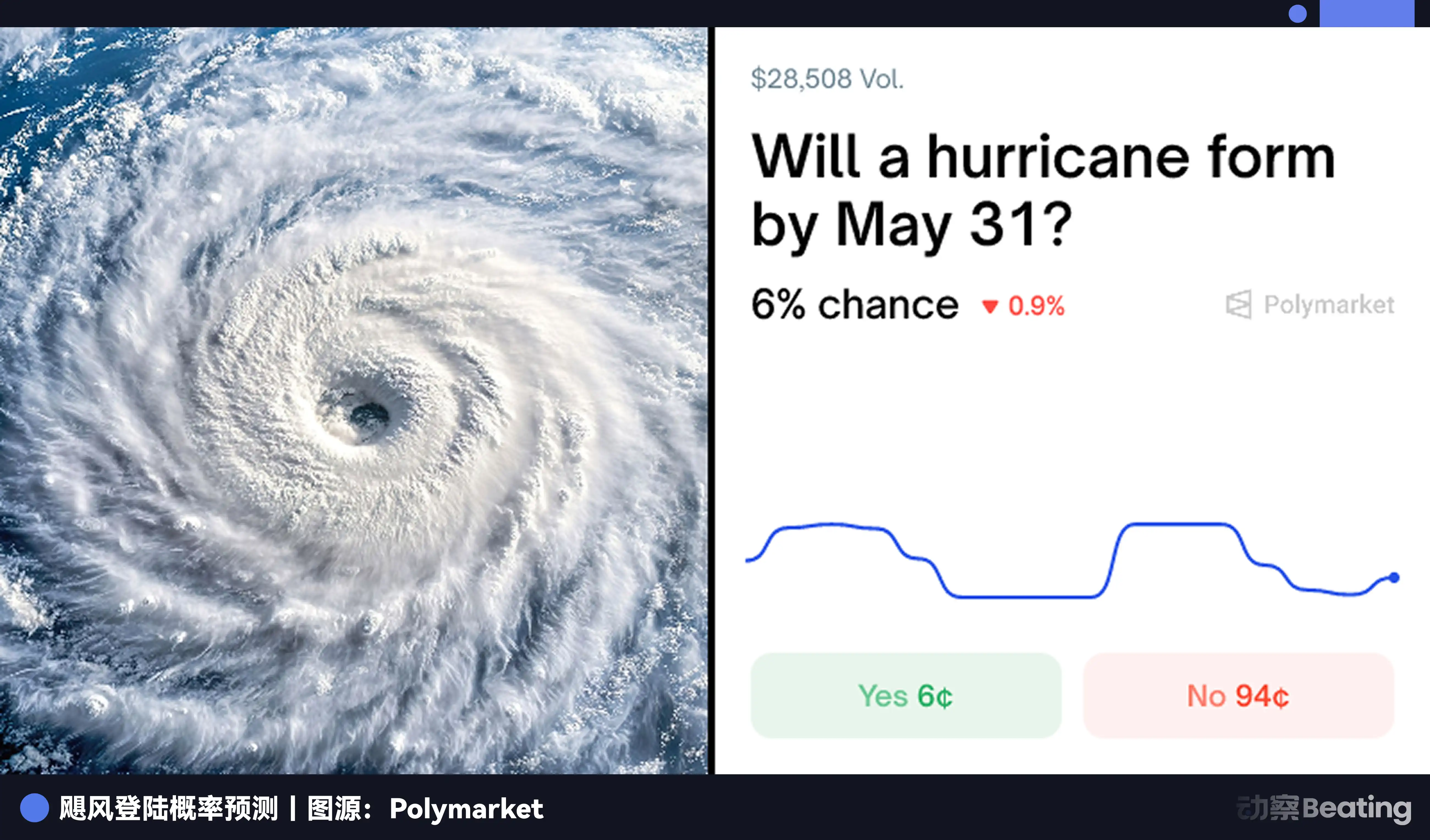
Second, it replaces the helplessness of bearing losses with the freedom to trade.

A Florida resident worried about their house being destroyed by a hurricane no longer has only the "buy insurance" option. They can go to the prediction market and buy a "hurricane will make landfall" contract. If the hurricane does hit, their profit on the contract can be used to cover the cost of damage to their home.

This is, in essence, a personalized risk hedge.

More importantly, they can also sell this contract at any time, locking in profits or cutting losses. Risk is no longer a heavy burden that needs to be packaged and transferred wholesale; it becomes an asset that can be sliced, traded, bought, and sold at will. They transform from risk bearers into risk traders.

This is not just a technical improvement; it's a paradigm shift in thinking. It liberates the pricing power of risk from the hands of a few elite institutions and returns it to everyone.

The End of Insurance, or a New Beginning?

Will this "universal risk trading platform" of prediction markets replace insurance?

On one hand, prediction markets are eroding the foundation of the traditional insurance industry in a fundamental way.

The core of traditional insurance is information asymmetry. Insurance companies have actuaries and massive data models; they need to understand risk better than you to price it. But when the pricing power of risk is replaced by a public, transparent market driven by collective wisdom—or even insider information—the information advantage of insurance companies vanishes.

A Florida resident no longer needs to blindly trust an insurance company's quote; they just need to look at the price of a hurricane contract on Polymarket to know the market's true assessment of the risk.

More crucially, the traditional insurance industry is a "heavy model"—sales, underwriting, claims assessment, payouts... every环节 is full of labor costs and friction. Prediction markets, in contrast, are an ultimate "light model," with only trading and settlement, and almost zero intermediate links.

On the other hand, we see that prediction markets are not a panacea; they cannot completely replace insurance.

They can only hedge risks that are clearly defined and objectively verifiable (e.g., weather, election outcomes). For more complex and subjective risks (e.g., accidents caused by driving behavior, personal health conditions), they are inadequate.

You can't open a contract on Polymarket for the world to predict "whether you will have a car accident next year."

Personalized risk assessment and management remain the core strength of the traditional insurance industry.

The future landscape might not be a war of "one replacing the other," but rather a new and sophisticated relationship of co-opetition.

Prediction markets will become the infrastructure for risk pricing. Like Bloomberg Terminals and Reuters today, they provide the fundamental data anchors for the financial world. Insurance companies might also become deep participants in prediction markets, using market prices to calibrate their models or hedge catastrophic risks they cannot absorb.

And insurance companies will return to the essence of service.

When the pricing advantage is gone, insurance companies must rethink their value. Their core competence will no longer be information asymmetry, but rather a deeper focus on areas requiring deep involvement, personalized management, and long-term service, such as health management, retirement planning, and wealth inheritance.

The giants of the old world are learning the dance of the new world. And the explorers of the new world need to find the route to the continents of the old.

Epilogue

Over three hundred years ago, in a London coffeehouse, a group of merchants used primitive wisdom to invent a mechanism for sharing risk.

Over three hundred years later, in the digital world, players are reshaping how we interact with risk.

History often completes its cycles in the most unexpected ways.

From forced trust to free trading. This might be another exciting moment in financial history. Each of us will evolve from passive risk acceptors to active risk managers.

And this is not just about insurance; it's about how each of us can better survive in this world full of uncertainty.


İlgili Sorular

QWhat is the core challenge facing the traditional insurance industry today, as described in the article?

AThe core challenge is that the frequency and intensity of catastrophic events like hurricanes, floods, and wildfires have far exceeded the predictions of historical data and actuarial models. This makes it impossible for insurers to accurately price risk, leading them to either drastically increase premiums or withdraw from markets entirely, as seen in Florida and California.

QHow did the coffeehouse owner Edward Lloyd contribute to the birth of the modern insurance industry?

AEdward Lloyd encouraged a 'betting game' in his 17th-century London coffeehouse. A ship's captain would post details of a voyage, and anyone willing to assume a portion of the risk would sign the paper and state the amount they would underwrite. If the ship returned safely, they shared the premium; if it was lost, they shared the loss. This was the雏形 of modern insurance, dispersing one person's large risk among a group.

QWhat is the fundamental difference between insurance and hedging, according to the article?

AInsurance is the transfer of risk, where an individual pays a premium to an insurance company to assume a specific risk (e.g., a car accident). Hedging is the offsetting of risk, where an entity with an exposure in the spot market (e.g., needing to buy fuel) establishes an opposite position in the futures market. If the spot price rises, the gain on the futures position offsets the loss on the physical purchase.

QWhat role does the prediction market Polymarket play in redefining risk management?

APolymarket, a blockchain-based prediction market, creates a platform for 'everything can be futures.' It allows anyone to trade contracts on the outcome of objectively verifiable events (e.g., weather, elections). This shifts risk pricing from closed, expert-led actuarial systems to an open system priced by the collective wisdom of market participants, enabling individuals to hedge personal risks directly.

QWill prediction markets completely replace the traditional insurance industry? What is the likely future relationship?

ANo, prediction markets will not completely replace traditional insurance. They are effective for hedging objective, verifiable risks (e.g., weather) but cannot handle complex, subjective risks (e.g., individual driving behavior). The future likely involves a symbiotic relationship: prediction markets will act as foundational infrastructure for real-time risk pricing, while insurers will focus on personalized risk management services like health and wealth planning, using market data to calibrate their models.

İlgili Okumalar

İşlemler

Spot
Futures

Popüler Makaleler

$S$ Nedir

SPERO'yu Anlamak: Kapsamlı Bir Genel Bakış SPERO'ya Giriş İnovasyonun manzarası gelişmeye devam ederken, web3 teknolojilerinin ve kripto para projelerinin ortaya çıkışı dijital geleceği şekillendirmede önemli bir rol oynamaktadır. Bu dinamik alanda dikkat çeken projelerden biri SPERO, $$s$$ olarak adlandırılmaktadır. Bu makale, SPERO hakkında ayrıntılı bilgi toplamak ve sunmak amacıyla, meraklılar ve yatırımcıların web3 ve kripto alanlarındaki temellerini, hedeflerini ve yeniliklerini anlamalarına yardımcı olmayı amaçlamaktadır. SPERO,$$s$$ Nedir? SPERO,$$s$$, kripto alanında merkeziyetsizlik ve blok zinciri teknolojisi ilkelerini kullanarak etkileşimi, faydayı ve finansal kapsayıcılığı teşvik eden bir ekosistem yaratmayı amaçlayan benzersiz bir projedir. Proje, kullanıcıların yenilikçi finansal çözümler ve hizmetler sunarak eşler arası etkileşimleri yeni yollarla kolaylaştırmayı hedeflemektedir. SPERO,$$s$$'nin temel amacı, bireyleri güçlendirmek ve kripto para alanındaki kullanıcı deneyimini artıran araçlar ve platformlar sağlamaktır. Bu, daha esnek işlem yöntemlerini mümkün kılmayı, topluluk odaklı girişimleri teşvik etmeyi ve merkeziyetsiz uygulamalar (dApp'ler) aracılığıyla finansal fırsatlar yaratmayı içermektedir. SPERO,$$s$$'nin temel vizyonu kapsayıcılık etrafında dönmekte olup, geleneksel finansal sistemlerdeki boşlukları kapatmayı ve blok zinciri teknolojisinin faydalarından yararlanmayı hedeflemektedir. SPERO,$$s$$'nin Yaratıcısı Kimdir? SPERO,$$s$$'nin yaratıcısının kimliği bir miktar belirsizdir, çünkü kurucusu(ları) hakkında ayrıntılı arka plan bilgisi sağlayan sınırlı kamuya açık kaynaklar bulunmaktadır. Bu şeffaflık eksikliği, projenin merkeziyetsizlik taahhüdünden kaynaklanabilir—birçok web3 projesinin paylaştığı bir etik anlayışı, bireysel tanınmanın yerine kolektif katkıları önceliklendirmektedir. Topluluk ve onun kolektif hedefleri etrafında tartışmaları merkezileştirerek, SPERO,$$s$$, belirli bireyleri öne çıkarmadan güçlendirme özünü taşımaktadır. Bu nedenle, SPERO'nun etik anlayışını ve misyonunu anlamak, tek bir yaratıcının kimliğini belirlemekten daha önemlidir. SPERO,$$s$$'nin Yatırımcıları Kimlerdir? SPERO,$$s$$, kripto sektöründe yeniliği teşvik etmeye adanmış girişim sermayedarlarından melek yatırımcılara kadar çeşitli yatırımcılar tarafından desteklenmektedir. Bu yatırımcıların odak noktası genellikle SPERO'nun misyonuyla uyumlu olup, toplumsal teknolojik ilerlemeyi, finansal kapsayıcılığı ve merkeziyetsiz yönetimi vaat eden projeleri önceliklendirmektedir. Bu yatırımcı temelleri, yalnızca yenilikçi ürünler sunan projelere değil, aynı zamanda blok zinciri topluluğuna ve ekosistemlerine olumlu katkılarda bulunan projelere de ilgi duymaktadır. Bu yatırımcıların desteği, SPERO,$$s$$'yi hızla gelişen kripto projeleri alanında dikkate değer bir rakip haline getirmektedir. SPERO,$$s$$ Nasıl Çalışır? SPERO,$$s$$, onu geleneksel kripto para projelerinden ayıran çok yönlü bir çerçeve kullanmaktadır. İşte benzersizliğini ve yeniliğini vurgulayan bazı temel özellikler: Merkeziyetsiz Yönetim: SPERO,$$s$$, kullanıcıların projenin geleceğiyle ilgili karar alma süreçlerine aktif olarak katılmalarını sağlayan merkeziyetsiz yönetim modellerini entegre etmektedir. Bu yaklaşım, topluluk üyeleri arasında sahiplik ve hesap verebilirlik duygusunu teşvik etmektedir. Token Kullanımı: SPERO,$$s$$, ekosistem içinde çeşitli işlevler sunmak üzere tasarlanmış kendi kripto para token'ını kullanmaktadır. Bu token'lar, işlemleri, ödülleri ve platformda sunulan hizmetlerin kolaylaştırılmasını sağlayarak genel etkileşimi ve faydayı artırmaktadır. Katmanlı Mimari: SPERO,$$s$$'nin teknik mimarisi, modülerlik ve ölçeklenebilirliği destekleyerek projenin evrimi sırasında ek özelliklerin ve uygulamaların sorunsuz bir şekilde entegrasyonuna olanak tanımaktadır. Bu uyum sağlama yeteneği, sürekli değişen kripto manzarasında geçerliliği sürdürmek için hayati öneme sahiptir. Topluluk Katılımı: Proje, işbirliği ve geri bildirim teşvik eden mekanizmalar kullanarak topluluk odaklı girişimlere vurgu yapmaktadır. Güçlü bir topluluk oluşturarak, SPERO,$$s$$, kullanıcı ihtiyaçlarını daha iyi karşılayabilir ve piyasa trendlerine uyum sağlayabilir. Kapsayıcılığa Odaklanma: Düşük işlem ücretleri ve kullanıcı dostu arayüzler sunarak, SPERO,$$s$$, daha önce kripto alanında yer almamış bireyler de dahil olmak üzere çeşitli bir kullanıcı tabanını çekmeyi hedeflemektedir. Bu kapsayıcılık taahhüdü, erişilebilirlik yoluyla güçlendirme misyonuyla uyumludur. SPERO,$$s$$ Zaman Çizelgesi Bir projenin tarihini anlamak, gelişim yolculuğu ve kilometre taşları hakkında kritik bilgiler sağlar. Aşağıda, SPERO,$$s$$'nin evriminde önemli olayları haritalayan önerilen bir zaman çizelgesi bulunmaktadır: Kavram Geliştirme ve Fikir Aşaması: SPERO,$$s$$'nin temelini oluşturan ilk fikirler, blok zinciri endüstrisindeki merkeziyetsizlik ve topluluk odaklılık ilkeleriyle yakından uyumlu olarak geliştirildi. Proje Beyaz Kağıdının Yayınlanması: Kavramsal aşamayı takiben, SPERO,$$s$$'nin vizyonunu, hedeflerini ve teknolojik altyapısını ayrıntılı bir şekilde açıklayan kapsamlı bir beyaz kağıt yayımlandı ve topluluk ilgisini ve geri bildirimini toplamak amacıyla sunuldu. Topluluk Oluşturma ve Erken Katılımlar: Projenin hedefleri etrafında tartışmalar yürüterek destek toplamak ve erken benimseyenler ile potansiyel yatırımcılar için bir topluluk oluşturmak amacıyla aktif iletişim çabaları gerçekleştirildi. Token Üretim Etkinliği: SPERO,$$s$$, yerel token'larını erken destekçilere dağıtmak ve ekosistem içinde başlangıç likiditesini sağlamak amacıyla bir token üretim etkinliği (TGE) gerçekleştirdi. İlk dApp'in Yayınlanması: SPERO,$$s$$ ile ilişkili ilk merkeziyetsiz uygulama (dApp) faaliyete geçti ve kullanıcıların platformun temel işlevleriyle etkileşimde bulunmalarını sağladı. Sürekli Gelişim ve Ortaklıklar: Projenin tekliflerine sürekli güncellemeler ve iyileştirmeler yapılmakta olup, blok zinciri alanındaki diğer oyuncularla stratejik ortaklıklar, SPERO,$$s$$'yi rekabetçi ve gelişen bir oyuncu haline getirmiştir. Sonuç SPERO,$$s$$, web3 ve kripto paranın finansal sistemleri devrim niteliğinde dönüştürme ve bireyleri güçlendirme potansiyelinin bir kanıtıdır. Merkeziyetsiz yönetime, topluluk katılımına ve yenilikçi tasarlanmış işlevselliğe olan bağlılığıyla, daha kapsayıcı bir finansal manzaraya doğru bir yol açmaktadır. Hızla gelişen kripto alanındaki herhangi bir yatırımda olduğu gibi, potansiyel yatırımcılar ve kullanıcılar, SPERO,$$s$$ içindeki devam eden gelişmelerle ilgili olarak kapsamlı bir araştırma yapmaları ve düşünceli bir şekilde katılmaları teşvik edilmektedir. Proje, kripto endüstrisinin yenilikçi ruhunu sergileyerek, sayısız olasılığını keşfetmeye davet etmektedir. SPERO,$$s$$'nin yolculuğu hala devam ederken, temel ilkeleri, teknoloji, finans ve birbirimizle etkileşim biçimimizi etkileyebilir.

89 Toplam GörüntülenmeYayınlanma 2024.12.17Güncellenme 2024.12.17

$S$ Nedir

AGENT S Nedir

Agent S: Web3'te Otonom Etkileşimin Geleceği Giriş Web3 ve kripto para dünyasında sürekli gelişen manzarada, yenilikler bireylerin dijital platformlarla etkileşim biçimlerini sürekli olarak yeniden tanımlıyor. Bu tür öncü projelerden biri olan Agent S, açık ajans çerçevesi aracılığıyla insan-bilgisayar etkileşimini devrim niteliğinde değiştirmeyi vaat ediyor. Otonom etkileşimlerin yolunu açarak, Agent S karmaşık görevleri basitleştirmeyi ve yapay zeka (AI) alanında dönüştürücü uygulamalar sunmayı hedefliyor. Bu detaylı inceleme, projenin karmaşıklıklarına, benzersiz özelliklerine ve kripto para alanındaki etkilerine dalacaktır. Agent S Nedir? Agent S, bilgisayar görevlerinin otomasyonunda üç temel zorluğu ele almak üzere özel olarak tasarlanmış çığır açıcı bir açık ajans çerçevesidir: Alan Spesifik Bilgi Edinimi: Çerçeve, çeşitli dış bilgi kaynaklarından ve iç deneyimlerden akıllıca öğrenir. Bu çift yönlü yaklaşım, alan spesifik bilgi açısından zengin bir veri havuzu oluşturmasını sağlar ve görev yürütmedeki performansını artırır. Uzun Görev Ufukları Üzerinde Planlama: Agent S, karmaşık görevlerin verimli bir şekilde parçalanmasını ve yürütülmesini kolaylaştıran deneyim artırımlı hiyerarşik planlama kullanır. Bu özellik, çoklu alt görevleri etkili ve verimli bir şekilde yönetme yeteneğini önemli ölçüde artırır. Dinamik, Homojen Olmayan Arayüzlerle Başlama: Proje, ajanlar ve kullanıcılar arasındaki etkileşimi geliştiren yenilikçi bir çözüm olan Ajan-Bilgisayar Arayüzü'ni (ACI) tanıtmaktadır. Çok Modlu Büyük Dil Modellerini (MLLM'ler) kullanarak, Agent S çeşitli grafik kullanıcı arayüzlerini sorunsuz bir şekilde gezinebilir ve manipüle edebilir. Bu öncü özellikler aracılığıyla, Agent S, makinelerle insan etkileşimini otomatikleştirmede karşılaşılan karmaşıklıkları ele alan sağlam bir çerçeve sunarak, AI ve ötesinde birçok uygulama için zemin hazırlıyor. Agent S'nin Yaratıcısı Kimdir? Agent S'nin kavramı temelde yenilikçi olsa da, yaratıcısı hakkında spesifik bilgiler belirsizliğini koruyor. Yaratıcı şu anda bilinmiyor, bu da projenin yeni aşamasını veya kurucu üyeleri gizli tutma stratejik tercihini vurguluyor. Anonimlikten bağımsız olarak, odak çerçevenin yetenekleri ve potansiyeli üzerinde kalıyor. Agent S'nin Yatırımcıları Kimlerdir? Agent S, kriptografik ekosistemde oldukça yeni olduğundan, yatırımcıları ve finansal destekçileri hakkında ayrıntılı bilgiler açıkça belgelenmemiştir. Projeyi destekleyen yatırım temelleri veya organizasyonları hakkında kamuya açık bilgilerdeki eksiklik, finansman yapısı ve gelişim yol haritası hakkında sorular doğuruyor. Destekleyicilerin anlaşılması, projenin sürdürülebilirliğini ve potansiyel pazar etkisini değerlendirmek için kritik öneme sahiptir. Agent S Nasıl Çalışır? Agent S'nin temelinde, çeşitli ortamlarda etkili bir şekilde çalışmasını sağlayan son teknoloji bir sistem yatmaktadır. İşleyiş modeli birkaç ana özellik etrafında inşa edilmiştir: İnsan Benzeri Bilgisayar Etkileşimi: Çerçeve, bilgisayarlarla etkileşimleri daha sezgisel hale getirmeyi amaçlayan gelişmiş AI planlaması sunar. Görev yürütmedeki insan davranışını taklit ederek, kullanıcı deneyimlerini yükseltmeyi vaat eder. Anlatı Belleği: Yüksek düzeyde deneyimlerden yararlanmak için kullanılan Agent S, görev geçmişlerini takip etmek amacıyla anlatı belleğini kullanarak karar verme süreçlerini geliştirir. Episodik Bellek: Bu özellik, kullanıcılara adım adım rehberlik sağlayarak, çerçevenin görevler gelişirken bağlamsal destek sunmasına olanak tanır. OpenACI Desteği: Yerel olarak çalışabilme yeteneği ile Agent S, kullanıcıların etkileşimleri ve iş akışları üzerinde kontrol sağlamasına olanak tanır ve Web3'ün merkeziyetsiz felsefesiyle uyumlu hale gelir. Dış API'lerle Kolay Entegrasyon: Çeşitli AI platformlarıyla uyumluluğu ve çok yönlülüğü, Agent S'nin mevcut teknolojik ekosistemlere sorunsuz bir şekilde entegre olmasını sağlar ve geliştiriciler ile organizasyonlar için cazip bir seçenek haline getirir. Bu işlevsellikler, Agent S'nin kripto alanındaki benzersiz konumuna katkıda bulunarak, karmaşık, çok aşamalı görevleri minimum insan müdahalesi ile otomatikleştirir. Proje geliştikçe, Web3'teki potansiyel uygulamaları dijital etkileşimlerin nasıl gelişeceğini yeniden tanımlayabilir. Agent S'nin Zaman Çizelgesi Agent S'nin gelişimi ve kilometre taşları, önemli olaylarını vurgulayan bir zaman çizelgesinde özetlenebilir: 27 Eylül 2024: Agent S'nin kavramı, “Bilgisayarları İnsan Gibi Kullanan Açık Bir Ajans Çerçevesi” başlıklı kapsamlı bir araştırma makalesi ile tanıtıldı ve projenin temelini sergiledi. 10 Ekim 2024: Araştırma makalesi arXiv'de kamuya açık olarak yayınlandı ve çerçevenin derinlemesine bir incelemesini ve OSWorld benchmark'ına dayalı performans değerlendirmesini sundu. 12 Ekim 2024: Agent S'nin yetenekleri ve özellikleri hakkında görsel bir içgörü sağlayan bir video sunumu yayımlandı ve potansiyel kullanıcılar ve yatırımcılarla daha fazla etkileşim sağlandı. Bu zaman çizelgesindeki işaretler, sadece Agent S'nin ilerlemesini değil, aynı zamanda şeffaflık ve topluluk katılımına olan bağlılığını da göstermektedir. Agent S Hakkında Ana Noktalar Agent S çerçevesi gelişmeye devam ederken, birkaç ana özellik öne çıkmakta ve yenilikçi doğasını ve potansiyelini vurgulamaktadır: Yenilikçi Çerçeve: İnsan etkileşimine benzer bir bilgisayar kullanımı sağlamak üzere tasarlanan Agent S, görev otomasyonuna yeni bir yaklaşım getiriyor. Otonom Etkileşim: GUI aracılığıyla bilgisayarlarla otonom olarak etkileşim kurabilme yeteneği, daha akıllı ve verimli hesaplama çözümlerine doğru bir sıçrama anlamına geliyor. Karmaşık Görev Otomasyonu: Sağlam metodolojisi ile karmaşık, çok aşamalı görevleri otomatikleştirerek süreçleri daha hızlı ve daha az hata payı ile gerçekleştirebilir. Sürekli İyileştirme: Öğrenme mekanizmaları, Agent S'nin geçmiş deneyimlerden öğrenmesini sağlar ve sürekli olarak performansını ve etkinliğini artırır. Çok Yönlülük: OSWorld ve WindowsAgentArena gibi farklı işletim ortamlarında uyumlu olması, geniş bir uygulama yelpazesine hizmet edebilmesini sağlar. Agent S, Web3 ve kripto alanında kendini konumlandırırken, etkileşim yeteneklerini artırma ve süreçleri otomatikleştirme potansiyeli, AI teknolojilerinde önemli bir ilerlemeyi temsil etmektedir. Yenilikçi çerçevesi aracılığıyla, Agent S dijital etkileşimlerin geleceğini örneklemekte ve çeşitli sektörlerde kullanıcılar için daha sorunsuz ve verimli bir deneyim vaat etmektedir. Sonuç Agent S, AI ve Web3'ün birleşiminde cesur bir sıçramayı temsil ediyor ve teknoloji ile etkileşim biçimimizi yeniden tanımlama kapasitesine sahip. Henüz erken aşamalarında olmasına rağmen, uygulama olanakları geniş ve çekici. Kritik zorlukları ele alan kapsamlı çerçevesi ile Agent S, otonom etkileşimleri dijital deneyimin ön plana çıkmasına taşımayı hedefliyor. Kripto para ve merkeziyetsizlik alanlarına daha derinlemesine girdikçe, Agent S gibi projelerin teknoloji ve insan-bilgisayar işbirliğinin geleceğini şekillendirmede önemli bir rol oynayacağı kesin.

450 Toplam GörüntülenmeYayınlanma 2025.01.14Güncellenme 2025.01.14

AGENT S Nedir

S Nasıl Satın Alınır

HTX.com’a hoş geldiniz! Sonic (S) satın alma işlemlerini basit ve kullanışlı bir hâle getirdik. Adım adım açıkladığımız rehberimizi takip ederek kripto yolculuğunuza başlayın. 1. Adım: HTX Hesabınızı OluşturunHTX'te ücretsiz bir hesap açmak için e-posta adresinizi veya telefon numaranızı kullanın. Sorunsuzca kaydolun ve tüm özelliklerin kilidini açın. Hesabımı Aç2. Adım: Kripto Satın Al Bölümüne Gidin ve Ödeme Yönteminizi SeçinKredi/Banka Kartı: Visa veya Mastercard'ınızı kullanarak anında Sonic (S) satın alın.Bakiye: Sorunsuz bir şekilde işlem yapmak için HTX hesap bakiyenizdeki fonları kullanın.Üçüncü Taraflar: Kullanımı kolaylaştırmak için Google Pay ve Apple Pay gibi popüler ödeme yöntemlerini ekledik.P2P: HTX'teki diğer kullanıcılarla doğrudan işlem yapın.Borsa Dışı (OTC): Yatırımcılar için kişiye özel hizmetler ve rekabetçi döviz kurları sunuyoruz.3. Adım: Sonic (S) Varlıklarınızı SaklayınSonic (S) satın aldıktan sonra HTX hesabınızda saklayın. Alternatif olarak, blok zinciri transferi yoluyla başka bir yere gönderebilir veya diğer kripto para birimlerini takas etmek için kullanabilirsiniz.4. Adım: Sonic (S) Varlıklarınızla İşlem YapınHTX'in spot piyasasında Sonic (S) ile kolayca işlemler yapın.Hesabınıza erişin, işlem çiftinizi seçin, işlemlerinizi gerçekleştirin ve gerçek zamanlı olarak izleyin. Hem yeni başlayanlar hem de deneyimli yatırımcılar için kullanıcı dostu bir deneyim sunuyoruz.

1.4k Toplam GörüntülenmeYayınlanma 2025.01.15Güncellenme 2025.03.21

S Nasıl Satın Alınır

Tartışmalar

HTX Topluluğuna hoş geldiniz. Burada, en son platform gelişmeleri hakkında bilgi sahibi olabilir ve profesyonel piyasa görüşlerine erişebilirsiniz. Kullanıcıların S (S) fiyatı hakkındaki görüşleri aşağıda sunulmaktadır.

活动图片