Former FTX Employee Secures $35 Million in Funding, This Time They Built a Special Exchange

marsbit2025-12-25 tarihinde yayınlandı2025-12-25 tarihinde güncellendi

Özet

Former FTX US President Brett Harrison's fintech firm, Architect Financial Technologies, has raised $35 million in Series A funding at a $187 million valuation. The round was led by MIAX and Tioga Capital, with participation from ARK Invest, Galaxy Ventures, VanEck, and Coinbase Ventures, among others. Founded in January 2023, Architect aims to bridge traditional and digital asset markets by offering brokerage services, trading technology, and post-trade solutions for institutional clients. A key product is AX, a perpetual futures exchange for traditional assets like forex, interest rates, and metals—bypassing strict U.S. crypto regulations. The platform provides API-driven tools, multi-asset brokerage, and compliance with U.S. financial standards. Architect, which operates as a B2B infrastructure provider rather than a crypto exchange, targets hedge funds and asset managers seeking to integrate TradFi and DeFi. Harrison, a Harvard graduate and ex-Jane Street executive, left FTX US in early 2022 before its collapse. Architect’s focus on regulated, institutional-grade technology positions it to capitalize on the convergence of traditional and blockchain-based finance.

Original Author: 1912212.eth, Foresight News

On December 23, Architect Financial Technologies (hereinafter referred to as Architect), a fintech company founded by former FTX US president Brett Harrison, completed a $35 million Series A funding round, reaching a valuation of $187 million. This round was led by MIAX and Tioga Capital, with participation from ARK Invest, Galaxy Ventures, VanEck, Coinbase Ventures, CMT Digital, and others. As early as February 2024, Architect completed a $12 million funding round led by BlockTower and Tioga Capital.

In the current bear market for cryptocurrencies, gaining the favor of venture capitalists and securing tens of millions of dollars in funding is quite rare across the entire industry. What makes Architect stand out?

Centralized Traditional Asset Perpetual Contract Exchange AX

Architect was established in January 2023, right as the aftershocks of the FTX collapse were still being felt. The company aims to bridge centralized and decentralized digital asset markets, helping financial institutions efficiently handle trading and post-trade processing for asset classes such as stocks, ETFs, futures, and options.

Specifically, Architect's platform covers three main modules: brokerage services, trading technology, and post-trade solutions. First, its brokerage business provides multi-asset brokerage services under US regulation, supporting stocks, stock options, futures, and futures options. The platform is equipped with a full-featured API, SDKs in various programming languages (such as Rust, Python, JavaScript), paper trading simulations, execution algorithms, and customizable trading dashboards. Users can access major global markets, including CME Group, Cboe, Nasdaq, Coinbase Derivatives, and the NYSE. This makes Architect a one-stop portal for institutional investors to access both traditional and digital assets.

In September 2023, Architect was approved by the National Futures Association (NFA) to register as an independent introducing broker, allowing it to provide derivatives brokerage services.

Secondly, one of Architect's core products is AX—a perpetual futures exchange specifically designed for traditional assets. Perpetual futures are widely popular in the crypto market, but in the US regulatory environment overseen by the SEC and CFTC, perpetual contracts for crypto assets face strict restrictions. AX cleverly sidesteps this pain point by focusing on perpetual contracts for traditional financial asset classes such as foreign exchange, interest rates, and metals.

Finally, the Post-Trade module, targeting digital assets and derivatives, provides advanced post-trade reconciliation, real-time profit and loss tracking, and detailed transaction cost analysis (TCA). This service is particularly suitable for hedge funds, family offices, asset managers, and trading firms, helping them optimize operational efficiency.

Overall, Architect's platform emphasizes flexibility in self-custody and custody options, supports multi-language APIs, and facilitates developers in building custom execution algorithms, streaming market data, and position management tools. The company also has its own regulatory entities: Architect Financial Derivatives LLC (NFA ID 0556853) and Architect Securities LLC (an SEC-registered broker-dealer and FINRA/SIPC member), ensuring all operations comply with US financial regulatory standards.

From a business model perspective, Architect is not a crypto exchange but rather more like a FinTech infrastructure provider. It does not issue tokens, does not rely on community governance, and instead profits through trading fees and similar means. This B2B-oriented strategy makes it more resilient in a bear market, avoiding the severe volatility of cryptocurrency prices.

According to the company's website, Architect's target customer base is institutional players, such as hedge funds and asset management groups, who need reliable technology stacks to bridge TradFi and DeFi. The integration of traditional assets and Crypto is already a trend, and SEC Chairman Paul Atkins predicts that within the next two years, the entire US financial market might migrate to blockchain-based technology.

Impressive Resume, Left Before the FTX Collapse

Architect founder Brett Harrison has extensive fintech experience. His career trajectory is exemplary: from traditional high-frequency trading to a crypto leadership role, and then to independent entrepreneurship.
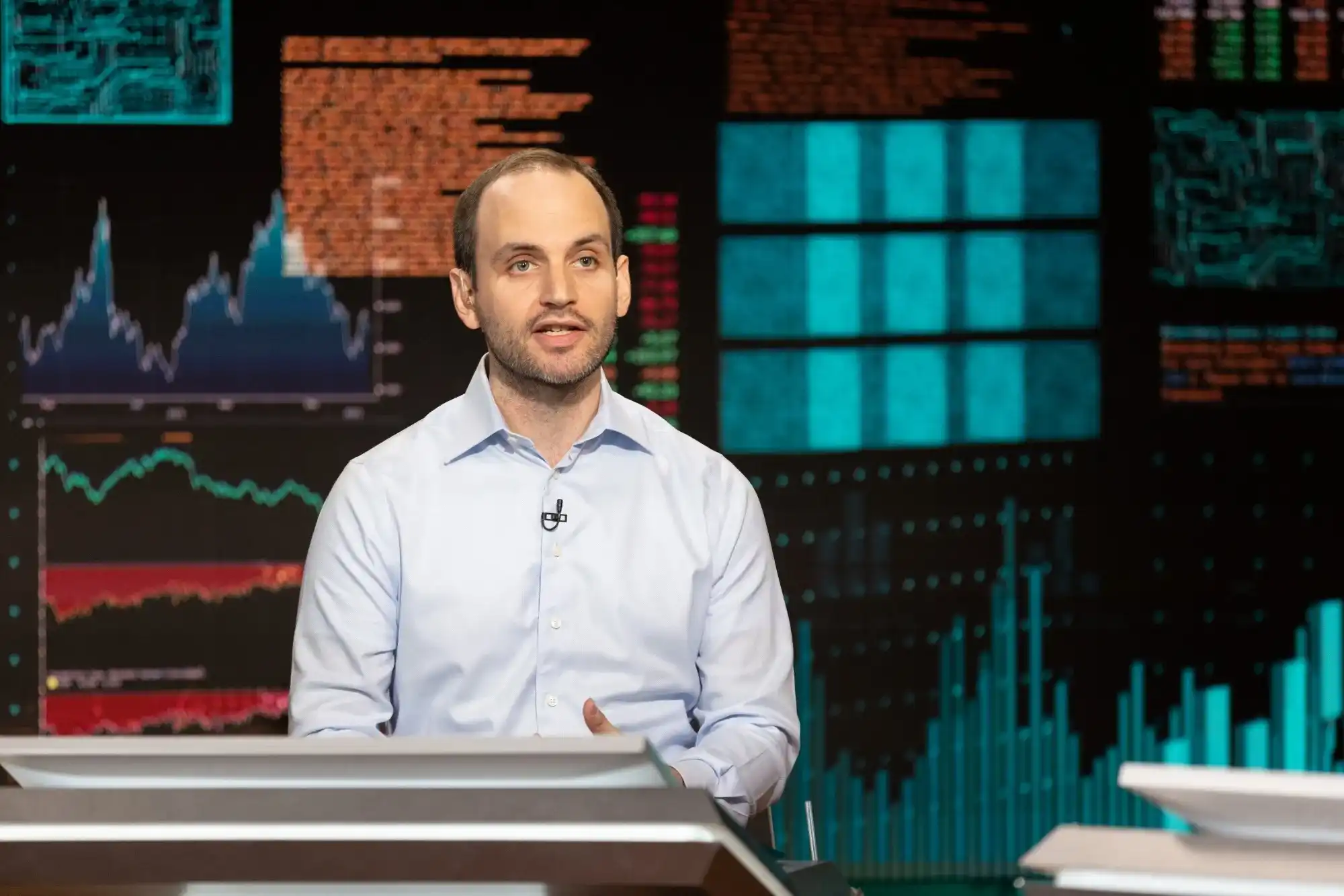
Harrison graduated from Harvard University with a Bachelor's and Master's degree in Computer Science. His career began at the top quantitative trading firm Jane Street, where from August 2010 to April 2021, he served as Head of Trading Systems Technology, responsible for building high-performance trading infrastructure. This experience gave him core skills in low-latency systems, algorithmic execution, and risk management.

In May 2021, Harrison joined FTX US as President, responsible for the expansion of the US business. At the time, FTX was at its peak, and he led the platform's technological upgrades and product innovations, including the development of derivatives tools. However, in January 2022, months before the FTX collapse, Harrison announced his resignation. In a public letter, he stated that the departure stemmed from management disagreements with founder SBF, not financial issues. According to the FTX report, it was due to a "lack of proper authorization, formal management structure, and key personnel."

This departure was seen as foresight, avoiding subsequent legal entanglements. During his time at FTX US, Harrison drove the platform's institutional transformation, attracting many traditional investors. Just months after leaving, Harrison founded Architect in January 2023 and completed a $5 million seed funding round the following month, with participation from Coinbase Ventures and others.

Currently, its AX exchange has opened its whitelist registration to both individual and institutional users.

In the macro environment of late 2025, Architect's rise is timely, coinciding with a collective surge in gold, silver, and stock assets. While the entire crypto asset market is languishing, tapping into the most profitable and fastest-growing markets, with compliance and technology as support, might be doing the right thing in the right direction.


İlgili Sorular

QWhat is Architect Financial Technologies and what recent funding milestone did it achieve?

AArchitect Financial Technologies is a fintech company founded by former FTX US president Brett Harrison, focusing on bridging centralized and decentralized digital asset markets. It recently completed a $35 million Series A funding round at a valuation of $187 million.

QWhat is the core product offered by Architect, and how does it differ from typical crypto exchanges?

AArchitect's core product is AX, a perpetual futures exchange designed for traditional assets like forex, interest rates, and metals, rather than cryptocurrencies. Unlike typical crypto exchanges, it operates as a B2B fintech infrastructure provider, emphasizing compliance, institutional services, and avoiding token issuance or community governance.

QWho led the Series A funding round for Architect, and which notable firms participated?

AThe Series A funding round was co-led by MIAX and Tioga Capital, with participation from ARK Invest, Galaxy Ventures, VanEck, Coinbase Ventures, CMT Digital, and others.

QWhat regulatory approvals has Architect obtained to operate its services?

AArchitect has registered as an independent introducing broker with the National Futures Association (NFA) and operates through its regulated entities: Architect Financial Derivatives LLC (NFA ID: 0556853) and Architect Securities LLC (an SEC-registered broker-dealer and FINRA/SIPC member).

QWhat is Brett Harrison's professional background prior to founding Architect?

ABrett Harrison has a computer science degree from Harvard and previously worked as the head of trading systems technology at Jane Street. He later served as president of FTX US before resigning in January 2022, months before FTX's collapse, due to management disagreements with founder SBF.

İlgili Okumalar

Raising Interest Rates Is Not a Tech Killer, EPS Is: A Strategy for Discarding the Weak and Retaining the Strong After the AI Theme's Sharp Decline

**Summary: Rising Interest Rates Are Not the Killer of Tech; EPS Is: The "Keep the Strong, Ditch the Weak" Strategy After the AI Theme Plunge** The author argues that the sharp sell-off in tech and AI-related stocks, triggered by a strong US jobs report that heightened Fed rate hike fears, represents a "pullback to pick up passengers" rather than a "car crash." The true end of a tech bull market is not determined by an extra 25 basis point hike, but by industry overcapacity and the disproval of earnings per share (EPS) expectations. Historical analysis shows that during past rate hike cycles, the Nasdaq-100 often outperformed, provided EPS growth remained strong. The current phase is seen as a shift from a "broad narrative-driven rally" to a "focused verification stage" for AI. The investment strategy should be to "keep the strong, ditch the weak." * **Retain exposure** to high-conviction AI infrastructure leaders with clear order visibility, stable margins, strong cash flow, and upward EPS revisions (e.g., AI servers, advanced packaging, optical modules, key cloud suppliers). * **Reduce exposure** to high-beta, narrative-driven stocks with unclear profit paths (e.g., some quantum computing, space, or speculative chip stocks), especially on rebounds. Valuation concerns should focus on whether earnings can catch up to high multiples, not on high P/E alone. Crowded positioning signals a concentration into quality assets, not necessarily a market top. The upcoming Q2 earnings season will be a key validation point. The core principle is to hold stocks with proven EPS, while using macro events (CPI data, central bank meetings) to manage timing and risk.

marsbit34 dk önce

Raising Interest Rates Is Not a Tech Killer, EPS Is: A Strategy for Discarding the Weak and Retaining the Strong After the AI Theme's Sharp Decline

marsbit34 dk önce

The Largest IPO in History Ignites Heated Debate: Is SpaceX Worth $1.77 Trillion?

SpaceX's potential IPO is priced at $135 per share, aiming to raise $75 billion and valuing the company at approximately $1.77 trillion, which would make it the largest IPO in history. This valuation has sparked intense debate among investors. Bullish analysts, including major underwriters Goldman Sachs and Morgan Stanley, argue the valuation is justified by SpaceX's long-term potential. They see it not just as a rocket company but as a future leader in space infrastructure, with key growth drivers being Starlink satellite internet, low-cost rocket launches, and future AI-related ventures. They project revenues reaching hundreds of billions to trillions of dollars by 2030-2040. ARK Invest's model suggests a 2030 enterprise value could reach $2.5 trillion. Bearish analysts from independent research firms like Morningstar, PitchBook, and New Constructs contend the IPO price is excessively high, already pricing in unrealistic future growth. Using DCF and sum-of-the-parts models, they estimate fair value between $780 billion and $1.7 trillion, significantly below the IPO target. They highlight risks such as the speculative nature of AI projections, over-dependence on Elon Musk, high growth expectations, and corporate governance concerns. Trefis set a target price of just $79 per share. While both sides acknowledge SpaceX's unique position in commercial space, the core disagreement centers on whether the $135 share price offers a reasonable margin of safety or is overly optimistic. Despite the valuation controversy, reported strong demand for the IPO indicates significant market interest.

marsbit2 saat önce

The Largest IPO in History Ignites Heated Debate: Is SpaceX Worth $1.77 Trillion?

marsbit2 saat önce

After the Passage of the GENIUS Act and the CLARITY Act, What Is the Correct Architecture for On-Chain Yield?

The article discusses the evolution of on-chain credit, distinguishing three markets: overcollateralized crypto lending, unsecured lending (largely unsuccessful), and asset-backed credit (ABC). ABC, backed by identifiable real-world collateral with legal recourse, is identified as the fastest-growing category and the only one credibly addressing adverse selection—the core problem in credit where the riskiest borrowers self-select. Current growth in on-chain Real World Assets (RWAs), particularly tokenized private credit funds (e.g., Maple Finance, Centrifuge), is substantial but often merely "wraps" existing fund structures, inheriting their risks rather than solving adverse selection at the protocol level. The regulatory landscape is a key driver, with the US GENIUS Act (prohibiting stablecoin issuers from paying yield) and the proposed CLARITY Act (closing loopholes on indirect yield) set to redefine permissible yield-bearing products. This makes vaults (like ERC-4626) the critical architecture—they become the primary compliant vehicle for delivering yield, functioning as issuance, disclosure, distribution, and recovery mechanisms. The author's thesis is that the correct post-GENIUS/CLARITY architecture involves building ABC solutions where credit assessment, structure, and recovery are encoded directly into the smart contract vault layer, moving beyond mere tokenized fund wrappers to solve adverse selection fundamentally and ensure regulatory compliance.

Foresight News2 saat önce

After the Passage of the GENIUS Act and the CLARITY Act, What Is the Correct Architecture for On-Chain Yield?

Foresight News2 saat önce

İşlemler

Spot
Futures

Popüler Makaleler

BILL Nasıl Satın Alınır

HTX.com’a hoş geldiniz! Billions Network (BILL) satın alma işlemlerini basit ve kullanışlı bir hâle getirdik. Adım adım açıkladığımız rehberimizi takip ederek kripto yolculuğunuza başlayın. 1. Adım: HTX Hesabınızı OluşturunHTX'te ücretsiz bir hesap açmak için e-posta adresinizi veya telefon numaranızı kullanın. Sorunsuzca kaydolun ve tüm özelliklerin kilidini açın. Hesabımı Aç2. Adım: Kripto Satın Al Bölümüne Gidin ve Ödeme Yönteminizi SeçinKredi/Banka Kartı: Visa veya Mastercard'ınızı kullanarak anında Billions Network (BILL) satın alın.Bakiye: Sorunsuz bir şekilde işlem yapmak için HTX hesap bakiyenizdeki fonları kullanın.Üçüncü Taraflar: Kullanımı kolaylaştırmak için Google Pay ve Apple Pay gibi popüler ödeme yöntemlerini ekledik.P2P: HTX'teki diğer kullanıcılarla doğrudan işlem yapın.Borsa Dışı (OTC): Yatırımcılar için kişiye özel hizmetler ve rekabetçi döviz kurları sunuyoruz.3. Adım: Billions Network (BILL) Varlıklarınızı SaklayınBillions Network (BILL) satın aldıktan sonra HTX hesabınızda saklayın. Alternatif olarak, blok zinciri transferi yoluyla başka bir yere gönderebilir veya diğer kripto para birimlerini takas etmek için kullanabilirsiniz.4. Adım: Billions Network (BILL) Varlıklarınızla İşlem YapınHTX'in spot piyasasında Billions Network (BILL) ile kolayca işlemler yapın.Hesabınıza erişin, işlem çiftinizi seçin, işlemlerinizi gerçekleştirin ve gerçek zamanlı olarak izleyin. Hem yeni başlayanlar hem de deneyimli yatırımcılar için kullanıcı dostu bir deneyim sunuyoruz.

269 Toplam GörüntülenmeYayınlanma 2026.05.07Güncellenme 2026.06.02

BILL Nasıl Satın Alınır

ATWO Nedir

I. Proje TanıtımıArena Two, hayranların gerçek zamanlı etkinlik sonuçlarında aktif, tokenleştirilmiş bir rol oynamasına olanak tanıyan merkeziyetsiz bir etkileşimli platformdur. Hayranları pasif izleyicilere indirgeyen geleneksel yayıncılık modellerinin aksine, Arena Two, hayranların doğrudan gerçek zamanlı oy kullanmalarını ve sahadaki sonuçları etkilemelerini sağlamak için blok zinciri teknolojisini kullanır.II. Token BilgileriToken adı: ATWO(Arena Two)III. İlgili BağlantılarWeb sitesi:https://arenatwo.com/Keşif araçları:https://basescan.org/token/0x499D35eBE6cEe9B2Ac35Fd003fcBbeeB9CFc7B32Twitter:https://x.com/arenatwoXNot: Proje tanıtımı, resmi proje ekibi tarafından yayınlanan veya sağlanan materyallerden gelmektedir ve yalnızca referans amaçlıdır, yatırım tavsiyesi niteliği taşımaz. HTX, ortaya çıkan doğrudan veya dolaylı kayıplardan sorumluluk kabul etmez.

241 Toplam GörüntülenmeYayınlanma 2026.05.18Güncellenme 2026.06.02

ATWO Nedir

ATWO Nasıl Satın Alınır

HTX.com’a hoş geldiniz! Arena Two (ATWO) satın alma işlemlerini basit ve kullanışlı bir hâle getirdik. Adım adım açıkladığımız rehberimizi takip ederek kripto yolculuğunuza başlayın. 1. Adım: HTX Hesabınızı OluşturunHTX'te ücretsiz bir hesap açmak için e-posta adresinizi veya telefon numaranızı kullanın. Sorunsuzca kaydolun ve tüm özelliklerin kilidini açın. Hesabımı Aç2. Adım: Kripto Satın Al Bölümüne Gidin ve Ödeme Yönteminizi SeçinKredi/Banka Kartı: Visa veya Mastercard'ınızı kullanarak anında Arena Two (ATWO) satın alın.Bakiye: Sorunsuz bir şekilde işlem yapmak için HTX hesap bakiyenizdeki fonları kullanın.Üçüncü Taraflar: Kullanımı kolaylaştırmak için Google Pay ve Apple Pay gibi popüler ödeme yöntemlerini ekledik.P2P: HTX'teki diğer kullanıcılarla doğrudan işlem yapın.Borsa Dışı (OTC): Yatırımcılar için kişiye özel hizmetler ve rekabetçi döviz kurları sunuyoruz.3. Adım: Arena Two (ATWO) Varlıklarınızı SaklayınArena Two (ATWO) satın aldıktan sonra HTX hesabınızda saklayın. Alternatif olarak, blok zinciri transferi yoluyla başka bir yere gönderebilir veya diğer kripto para birimlerini takas etmek için kullanabilirsiniz.4. Adım: Arena Two (ATWO) Varlıklarınızla İşlem YapınHTX'in spot piyasasında Arena Two (ATWO) ile kolayca işlemler yapın.Hesabınıza erişin, işlem çiftinizi seçin, işlemlerinizi gerçekleştirin ve gerçek zamanlı olarak izleyin. Hem yeni başlayanlar hem de deneyimli yatırımcılar için kullanıcı dostu bir deneyim sunuyoruz.

166 Toplam GörüntülenmeYayınlanma 2026.05.18Güncellenme 2026.06.02

ATWO Nasıl Satın Alınır

Tartışmalar

HTX Topluluğuna hoş geldiniz. Burada, en son platform gelişmeleri hakkında bilgi sahibi olabilir ve profesyonel piyasa görüşlerine erişebilirsiniz. Kullanıcıların A (A) fiyatı hakkındaki görüşleri aşağıda sunulmaktadır.

活动图片













