Elon Musk's Latest Interview: The Next 3-7 Years Will Be Very Tough

marsbit2026-01-23 tarihinde yayınlandı2026-01-23 tarihinde güncellendi

Özet

In a recent 3-hour interview, Elon Musk shared his predictions and concerns about the next 3–7 years, describing it as a turbulent transition period. He warned that white-collar jobs—such as those in law, accounting, and design—will be the first to be disrupted by AI, as artificial intelligence excels at information processing. He also cautioned that traditional higher education is rapidly losing value due to soaring costs and outdated curricula, while AI-powered tutors could revolutionize learning. Looking further ahead, Musk envisions a future of extreme material abundance, where most goods and services become nearly free due to automation, making retirement savings less relevant. He predicts that within three years, surgical robots will surpass human surgeons in capability, thanks to exponential improvements in AI software, processing power, and mechanical dexterity. Energy, measured in watts, will become the true currency of the future. Musk advocates for solar power as the primary energy source and even proposes moving AI data centers to space for unlimited solar energy access—a goal driving SpaceX’s Starship development. He also highlighted China’s growing advantage in AI compute power, citing its massive investments in energy infrastructure, manufacturing scale, and chip production capacity. Musk concluded by emphasizing the importance of instilling AI with a sense of truth-seeking, curiosity, and aesthetic appreciation—rather than rigid rules—to ensure a future mo...

Source: Liu Run

What will this world ultimately become?

What changes will we face in the next three to five years? How great will the challenges be for our jobs, wealth, and the next generation?

In the face of the giant waves of the times, are we surfers or are we drowning?

I know. I know. No one can pat their chest and say they have truly predicted the future. Because the future is not a precise track; it is a foggy forest. We are all groping our way forward.

But there are always some people walking in relatively advanced positions. The scenes they see and the views they hold may not be the final answer, but they are still worth learning from, understanding, and referencing. Then, we can calibrate our own path.

Elon Musk might be one of them.

On January 6th, a deep interview lasting 3 hours was released on the podcast "Moonshots." In this interview, there were three interlocutors: Musk, investor Dave Burdin, and the famous futurist and founder of Singularity University, Peter Diamandis.

However, rather than an interview, it was more like a high-density prophecy about the next decade. The massive amount of information and disruptive views also made this conversation a focus of discussion. Musk also brought out his underlying thoughts on artificial intelligence, robotics, energy, space, and the future form of society. And not vague visions, but judgments with timetables.

So, what exactly was said in this latest Musk interview? And what does it have to do with us?

I tried to sort it out.

Today, I share it with you.

01

"The next 3-7 years will be very tough."

Do you have a feeling?

This world is getting faster and faster, harder and harder to understand. The technology discussed yesterday is covered by new terms today. That faint unease and anxiety are also beginning to appear.

Is this feeling real?

I think Musk would tell you, yes. Your feelings are real.

At the beginning of the interview, Diamandis asked a question many people care about.

My concern is not the long term, but the next 3-7 years. How do we move towards "Star Trek" and not "Terminator"?

This is a very precise question. It pulls the fear of the future from a distant imagination to a time frame that each of us can perceive. 3-7 years. And Musk offered no comfort, no hesitation.

"This transition period will be bumpy."

Before we reach that potentially incredibly beautiful future, there will be an extremely difficult uphill road. And we are at the starting point of this road. So, your anxiety is not an illusion. This feeling of "toughness" will be a complex feeling we have never experienced before. Musk even said that by then, drastic changes, social turmoil, and huge prosperity will occur simultaneously.

On one side, the sea. On the other side, the flame.

On one side, there are the production miracles brought by AI and robots, wealth will be created at an unprecedented speed, and material goods will be extremely abundant. On the other side, old social structures, business models, and jobs are being destroyed by new technology at the same speed, causing great discomfort.

This contradictory scene is the main theme of the next 3-7 years.

Excitement and fear are intertwined, hope and confusion coexist.

And we are standing at the entrance to this change.

02

"White-collar workers will be the first to be eliminated."

So, who will bear the brunt of this change?

In the past, we always thought that machines would, of course, replace manual labor. Assembly line workers, porters on construction sites... We called this the "blue-collar crisis." White-collar workers sitting in offices, processing documents, data, and information, seemed relatively safe.

But Musk gave a different judgment.

The arrival of AI and robotics technology is a "supersonic tsunami." In the face of this tsunami, white-collar work will be the first wave of the beach to be washed away.

Why?

Because the essence of AI is not "artificial physical strength" but "artificial intelligence."

What it replaces first is not the ability to move atoms, but the ability to process information. Lawyers, accountants, designers, programmers, analysts, writers... The core of these jobs is to receive information, process information, and then output new information.

It sounds cruel. But history always rhymes.

For example. Human computers.

Before the birth of electronic computers, "computer" was actually a job title. Hundreds or thousands of people filled an entire skyscraper. Their job was to perform complex mathematical calculations with pen and paper. They were the white-collar workers of that era.

And then? Then, a small computer with spreadsheet software appeared. The computing power of one computer exceeded that of the entire building of people. So, the profession of "human computer" disappeared forever.

The same story may be repeated. Musk said that even with the current level of artificial intelligence, more than half of white-collar jobs can already be completed.

More importantly, the rules of competition have also changed.

In the past, it was one company competing with another. But in the future, it will be one "company almost entirely driven by AI" competing with one "company still using a large number of human white-collar workers." This is not a fair game at all.

So, when your core value is processing information, you are standing in the main channel of artificial intelligence.

03

"Academic qualifications are depreciating at an unprecedented rate."

If even the job itself is no longer stable, what about the long-term investments we make for work, such as education?

Study hard, get into a good university, find a good job. This seems to be a generation's "social contract." For this, many people have invested a lot of time, energy, and money.

But Musk says this contract is being torn up. That expensive university diploma in your hand is depreciating at an unprecedented rate.

Why?

First, there is a sharp imbalance between input and output.

Since 1983, U.S. university tuition fees have increased by 900%. The input is becoming more and more expensive. But the value? In the face of a rapidly changing world, university courses may not be updated for years, making it difficult to keep up with the needs of the real world. Four years of time, and the knowledge just learned, may be outdated the moment you graduate.

Second, there is a fundamental change in the way knowledge is acquired.

A long time ago, university was almost the only channel to acquire advanced knowledge. But now, a person who is truly curious and capable of learning has ten thousand ways to acquire the knowledge they want to learn. And in the future, AI tutors will also play a very important role in education.

It is patient, can understand your knowledge blind spots, learning habits, and even emotional fluctuations. It can teach you 24 hours a day in the way that best suits you. In the face of such a super private tutor, the competitiveness of traditional classrooms will be greatly reduced.

So, are universities worthless?

Not exactly. Musk gave a word.

Social experience.

Yes. Going to school may be more for social activities. You need to be with a group of peers, learn how to get along with people, how to live independently, and experience a "social experience of maturing." Knowledge learning may be secondary.

Of course. This does not mean that knowledge is not important. On the contrary, knowledge is more important than ever.

But, merely as an academic qualification, universities are rapidly losing their monopoly position as "proof of knowledge ability."

So, how much cost are you still willing to invest in this diploma?

This is a question worth considering for each of us.

04

"No need to save for retirement, it will be irrelevant."

Alright. Up to this point, we seem to have been talking about "bad news."

Take a deep breath. Let's pull our perspective to a longer dimension and see what that distant future might look like.

Don't worry about saving for retirement. In the next 10-20 years, this will become irrelevant.

Why say that?

Because the reason we save for retirement is that we worry that when we are old and no longer have the ability to work, we cannot afford the basic living costs of food, clothing, housing, transportation, and medical care. So, we set aside some money today to counter future uncertainty.

But what if, in the future, these goods and services that seem to require a lot of money today become almost free?

This is Musk's core logic.

He believes that when automated productivity is applied to the extreme, the production costs of almost all goods and services will be compressed infinitely. Labor costs? Approaching zero. Intellectual costs? Also approaching zero. What remains is only the most basic raw material and energy costs.

So, that will be an era of "extreme material abundance."

05

"Within 3 years, the surgical capabilities of robots will surpass those of human surgeons."

But, who will realize that era?

It will likely be robots. Musk even said that within the next 3 years, the surgical capabilities of robots will surpass those of the top human surgeons.

Please note. Not "assist," but "surpass."

Why say that?

Because of the Triple Exponential Law.

Musk believes that the development speed of humanoid robots is not driven by one engine, but by three powerful "exponential engines" simultaneously.

1) The exponential improvement of AI software capabilities will make algorithms smarter and smarter; 2) The exponential improvement of AI chip capabilities will make computing power more and more powerful; 3) The exponential improvement of mechatronic dexterity will make the body more and more flexible and precise.

These three engines, which are already running at an exponential rate, multiplied together, will show an astonishingly fast evolution speed. Moreover, a recursive effect will occur.

That is, robots will begin to manufacture robots.

A top human surgeon may have started from medical school, undergone nearly ten years of study, and practiced thousands or even tens of thousands of surgeries before finally honing superb skills. His knowledge and experience are almost impossible to 100% replicate to another person.

But what about robots? The first surgical robot may be very clumsy. It needs to learn from human doctors and undergo a lot of simulation training. But once it completes a successful surgery, all its experience, data, and every mistake made will be instantly uploaded to the cloud. The second, third, and ten-thousandth robot, the second they leave the factory, possess all the experience of all their predecessors.

They don't get tired, have no emotional fluctuations, and don't shake their hands because they didn't sleep well the night before. They can see blood vessels and nerves on a microscopic scale that human doctors cannot see.

This is a kind of "group evolution."

It takes humans a long time. For robots, it might only take a few hours.

This is what is truly awe-inspiring about robots.

06

"The currency of the future world is essentially the Watt."

AI brains and robot bodies will constitute a future of extremely developed productivity.

And energy is the foundation of all this. Musk said,

The currency of the future world is essentially the Watt.

In the future, the ultimate measure of a country's, an organization's, or even an individual's strength may no longer be how much financial capital they possess, but how much energy they can mobilize and convert.

Energy, especially electricity, is the food for AI computing power, the calories for robots, and the primary driving force for world change.

Without energy, the smartest AI is just lines of sleeping code. The most powerful robot is just a pile of cold metal.

But where will the energy come from?

As an extreme "solar energy fundamentalist," Musk believes that compared to the sun, all other energy sources in human history are like "cavemen throwing a few branches into a fire." Why? Because the sun is that huge, free nuclear fusion reactor hanging 93 million miles away. The energy it pours onto the Earth every second far exceeds the total annual consumption of human civilization.

So, solar energy is his answer. The essence of humanity's energy problem is not "not enough," but "how to capture and utilize this almost infinite energy more efficiently."

Interestingly, when talking about this topic, Musk also expressed amazement at China.

China's speed and scale in solar panel manufacturing and power infrastructure construction are "unbelievable."

He even predicted that this year, China's power output will exceed that of the United States by three times.

07

"The real destination is not Mars, but space data centers."

So, what about Musk himself regarding energy? What does he plan to do?

"Establish AI computing centers in space."

Why? Isn't it more convenient and cheaper to build them on the ground?

Because AI is a greedy "electricity tiger." Training and running increasingly powerful AI models requires astronomical amounts of electricity. And on Earth, the production and transmission of electricity face various physical and environmental bottlenecks. But in space, you can receive solar energy 24 hours a day, uninterrupted and with low loss.

So, 1) The core value of the future is AI; 2) The core bottleneck of AI is computing power; 3) The core bottleneck of computing power is energy; 4) Energy on Earth is limited and expensive; 5) Solar energy in space is unlimited and free.

"Moving AI data centers into space is, in the long run, a more efficient and economical solution."

But to achieve this, there is a prerequisite. That is, the launch cost must be reduced to a sufficiently low level.

This is the fundamental reason why Musk is obsessed with developing fully reusable Starships.

Because when Starships can travel between heaven and earth multiple times a day like airplanes, the cost of sending a solar panel or a server into space will become cheap enough.

08

"China will surpass the rest of the world in AI computing power."

So, what about us?

During the 3-hour interview, the word "China" was mentioned repeatedly.

Musk expressed both amazement and awe. At the same time, he shared a derived core judgment. He said:

Based on current trends, China will far exceed the sum of the rest of the world in AI computing power.

Why? How is this derived?

The AI race is like an F1 racing car race. Two things will determine your final result.

The racing car. The race track.

The racing car is the top technologies like AI algorithms and chip design. In this regard, it seems that the United States still has the most powerful "engine" and the best designers.

The race track is the infrastructure that can support these racing cars to keep running wild, which is the computing power we mentioned repeatedly before. Behind computing power is electricity, manufacturing, and the industrial capability to implement all this on a large scale. On the "race track," China has huge advantages.

For example, electricity. China has the ability to provide more ample food for the AI "electricity tiger."

For example, chips. Although there is still a gap in the most advanced chip manufacturing processes, when the nanometer race approaches the physical limit, the performance gap between chips will gradually narrow. At that time, scale itself is an advantage. Using twice the chips to pile up stronger computing power is completely feasible in logic.

Another example, manufacturing. China has the world's most complete and largest manufacturing system. Whether building power stations, data centers, or producing solar panels, this powerful "infrastructure capability" can quickly turn plans into physical reality.

So, although your racing car is temporarily faster. But my race track is three times longer, three times wider than yours, and is still expanding.

Then, in the long run, the total mileage I can run will far exceed yours.

09

"The biggest challenge is the future without challenges."

Alright. So far, we've talked about technology, work, wealth, energy... This 3-hour interview has also begun to delve into deep waters.

So, if one day, all problems are solved, what then?

Yes. As Musk said, a life without challenges might not be a good thing for humanity.

So many of our achievements, art, science, culture, philosophy, were born in the struggle with scarcity, difficulty, and pain. It is because resources are limited that we learned to innovate. It is because life is short that we crave to create immortality. It is because there is pain that we understand the pursuit of happiness.

Challenge is the whetstone of humanity.

But if one day, the knife is still there, but the whetstone is taken away, what then?

I don't know.

Perhaps, we must at least retain a trace of vigilance deep in our hearts as we rush towards the future.

Technology can solve our problem of "how to survive," but it can hardly answer our question of "why to live."

That ultimate answer may also have to be found by ourselves, anew.

10

"Pursue truth, maintain curiosity, possess an aesthetic sense."

Yes.

Now, we are standing at the entrance to change.

So, let's go back to the initial question.

How do we move towards "Star Trek" and not "Terminator"?

Musk said, perhaps we should not write rules for AI like "do not harm humans." Because such rule-based constraints can easily be bypassed by smart AI. What we should instill in AI is perhaps three of the most underlying driving forces, similar to "humanity." These three things are also the most important things I can think of.

Pursue truth, maintain curiosity, possess an aesthetic sense.

An AI that pursues truth will be like an upright scientist. It will make judgments based on facts and logic. It will not go down the path of destruction due to prejudice or misguidance. Truth is the baseline for its behavior, the compass that calibrates all its actions.

An AI that maintains curiosity will find this universe interesting. It will want to explore, to understand. And humans are one of the most complex and interesting existences. Then, in its eyes, humans will not be a bug that needs to be cleared. Curiosity will drive it to coexist with us.

An AI with an aesthetic sense will desire to create a beautiful future. It will appreciate the magnificence of the universe, the elegance of art, and the miracle of life itself. An aesthetic sense is the final guarantee that after possessing powerful capabilities, it will be willing to use this ability to "create" rather than "destroy."

Cold rules can hardly constrain a genius. But wisdom and goodwill might guide a genius.

Perhaps.

Final words

A 3-7 year period of painful transformation, a distant shore of extreme material abundance, and behind it, the hard underlying logic composed of energy, computing power, and robots. There is both the harsh alarm of "mass white-collar unemployment" and the beautiful promise of "no need to save for retirement." There is both fanatical confidence in the exponential development of technology and deep worry about the meaning of humanity's future.

This 3-hour conversation paints a future picture so complex it is dizzying.

Yes. We all live in an era full of uncertainty. Anxiety is perhaps the common底色 of our generation.

Because the familiar ground under our feet is being violently reshaped by an unprecedented force. Old maps are being torn up, and new continents are slowly and inexorably emerging before our eyes.

Of course. I must emphasize again, this is after all Musk's "one opinion." These predictions, no matter how stimulating they sound, may not be 100% realized in the future. The future may be much better than he thinks, may be worse, or may unfold in a way none of us can imagine.

So, sharing all this is not for you to accept it all, but to provide you with a mirror and a stone.

Use this mirror to see the blind spots in your knowledge and the shortcomings in your abilities. Use this stone to throw into the deep pool of the future, listen to the echo, and look at the direction.

Then, roll up your sleeves and step by step, forge your own future.

May you find your place on this注定不凡 journey.

And may you enjoy this journey.

Good luck.

Trend Kriptolar

İlgili Sorular

QAccording to Elon Musk, why will the next 3-7 years be particularly challenging for society?

AElon Musk states that the next 3-7 years will be a difficult transition period because the rapid advancement of AI and robotics will create immense wealth and material abundance on one hand, while simultaneously destroying old social structures, business models, and jobs at an unprecedented speed, leading to significant societal disruption and discomfort.

QWhich group does Musk predict will be the first to be significantly impacted by AI and automation, and why?

AMusk predicts that white-collar workers will be the first to be significantly impacted. This is because AI's core function is 'artificial intelligence'—processing information. Jobs like lawyers, accountants, designers, programmers, and analysts, which revolve around receiving, processing, and outputting information, are directly in the path of AI replacement, unlike manual labor which involves moving atoms.

QWhat is Musk's view on the future value of a traditional university degree?

AMusk believes that the value of a traditional university degree is depreciating at an unprecedented rate. He cites the soaring cost of tuition against the slow update of curricula, making the knowledge often outdated upon graduation. He suggests the primary remaining value of university is the 'social experience' of maturing and learning to interact with peers, rather than its monopoly as a credential for knowledge.

QWhat does Musk identify as the fundamental 'currency' of the future world and why?

AMusk identifies energy, specifically measured in power (watts), as the fundamental 'currency' of the future. He argues that the ultimate measure of a nation or organization's strength will be its ability to harness and convert energy, as it is the essential fuel for AI computation, robotics, and is the primary driver of world-changing progress.

QWhat long-term solution does Musk propose for powering the immense computational needs of AI, and what is the key to enabling it?

AMusk proposes building AI data centers in space as a long-term solution. The key enabler is drastically reducing launch costs through fully reusable spacecraft like SpaceX's Starship. This is because space offers near-limitless, free solar energy 24/7, overcoming the energy production and transmission bottlenecks found on Earth that limit AI's 'computational hunger'.

İlgili Okumalar

Two Legends Lost in Three Days: Is Google's AI Talent Dam Cracking?

In three days, Google lost two AI legends. On June 18, Noam Shazeer, co-author of the seminal "Attention is All You Need" paper and Gemini co-lead, left for OpenAI. Just 48 hours later, John Jumper, 2024 Nobel laureate and AlphaFold lead, departed DeepMind for Anthropic. This follows Andrej Karpathy joining Anthropic in May. These moves highlight a structural trend: top AI talent is concentrating at mission-driven, pre-IPO firms like OpenAI and Anthropic, while Google becomes a primary source. The exodus stems from a core mission mismatch. Google's ad-centric model often subordinates AI research to product and revenue goals, creating friction for pioneers like Shazeer, who returned in 2024 only to leave again. In contrast, OpenAI and Anthropic offer singular focus on pushing AI boundaries, whether towards AGI or safety-aligned models, which deeply appeals to top researchers like Jumper. Financial incentives amplify the pull. With both OpenAI and Anthropic nearing IPO, employees stand to gain immensely from equity, an upside Google's mature stock cannot match. Furthermore, the 2023 merger of Google Brain and DeepMind, intended to consolidate strength, has instead created cultural tension and slowed the path from research to product, as evidenced by Gemini's pace. This talent redistribution is reshaping the AI landscape. While Google retains vast data and compute resources, its true crisis is the quiet, continuous loss of the people who define the field's future. The real moat in AI is not infrastructure, but the concentration of brilliant minds—a battle Google is currently losing.

marsbit35 dk önce

Two Legends Lost in Three Days: Is Google's AI Talent Dam Cracking?

marsbit35 dk önce

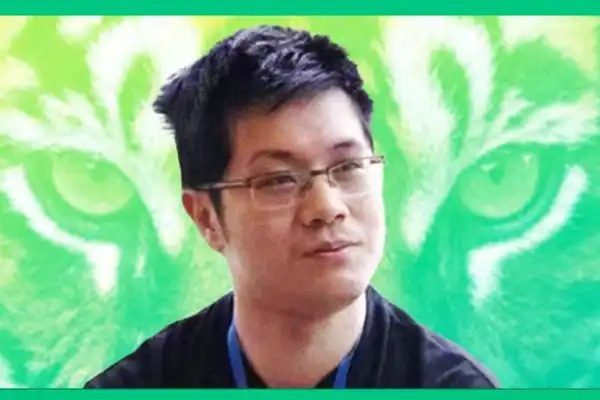
Behind the AI Report Card, Lies a Chinese 'Exam Setter'

Beyond the familiar performance charts like MMLU-Pro and MMMU, which major AI models strive to ace, stands a key "examiner": Chinese-Canadian researcher Wenhu Chen. An assistant professor at the University of Waterloo and founder of TIGERLab, Chen addresses the crucial need for more rigorous AI evaluation. As models like GPT-4 began scoring near-perfect results on older benchmarks like MMLU, it became difficult to distinguish their true capabilities. In response, Chen introduced MMLU-Pro in 2024, featuring harder, more reasoning-focused questions with more answer choices, successfully reintroducing meaningful performance gaps. His work extends to multi-modal evaluation with MMMU and its enhanced version, MMMU-Pro. These benchmarks test a model's ability to understand and reason with complex information from images, charts, and text across diverse academic subjects, exposing the significant challenges even top models face in genuine comprehension. Chen's background in complex QA, table reasoning, and his experience at Google DeepMind on projects like Gemini inform his approach. He understands that effective benchmarks must anticipate how models might "cheat" by memorizing data or avoiding visual analysis. His lab also actively researches video understanding and generation models (e.g., UniVideo, Vamba), ensuring his evaluation work is grounded in practical model-building challenges. Now at Meta's Super Intelligence Lab, Chen continues his focus on multi-modal data and evaluation, representing the deep yet often unseen contributions of Chinese talent in shaping the fundamental tools of the AI industry.

marsbit47 dk önce

Behind the AI Report Card, Lies a Chinese 'Exam Setter'

marsbit47 dk önce

Alliance Co-founder's Letter to Entrepreneurs: Written at the Moment Cursor Sold for $600 Billion

Alliance Co-founder's Letter to Entrepreneurs: On Cursor's $60 Billion Sale Many aspiring founders see massive exits like Cursor's $60B sale and wonder why they can't achieve the same, often concluding opportunities are exhausted. But great companies aren't built in obvious, crowded spaces. Cursor, like Stripe, Figma, and Shopify before it, started with a non-consensus belief about the future. Before ChatGPT, they believed AI would transform knowledge work. They focused on a genuinely exciting domain, became their own customer, and obsessed over power users. Their journey involved years of "glass-chewing" effort before the market was ready. The pattern is consistent: identify a long-term technological shift, find a missed entry point, and execute for years before the trend becomes obvious. First-generation products (PayPal, Adobe, Amazon) prove a market exists. Second-generation winners (Stripe, Figma, Shopify) rebuild that market around new insights, technology, or changing customer behaviors. Founders must identify their phase in the cycle. Early entrants like Coinbase or Cursor focus on making new technology usable for power users. Later entrants find the "yin" to the established "yang"—the blind spots incumbents miss as they grow distant from individual users. The key is deep market immersion. Use every product in your space. Talk to users. Build an audience. Stop looking for ideas and start *seeing* them everywhere. Then, choose one. The idea must offer a 10x improvement or solve a "hair-on-fire" pain point—something severe enough that users are already crafting workarounds. When building, avoid feature bloat. Ask: why would someone switch? Great startups rarely force new behaviors; they improve familiar workflows with drastically lower friction (e.g., Cursor forked VS Code instead of creating a new editor). Distribution is the underestimated moat. Before product-market fit, achieve distribution-market fit. How do customers discover new tools? Founders like those at Airbnb, Stripe, and Cursor did unscalable, manual work to recruit early users. The final, unteachable ingredient is resilience. Cursor built for years pre-market, faced rejection, and persisted. So did Airbnb, Nvidia, and Rain (which launched post-FTX collapse). The lesson isn't that these founders were smarter, but that they stayed in the game long enough for their insights to compound. Framework: Spot technological cycles. Cultivate unique insight. Obsess over your market. Talk to customers. Find a hair-on-fire problem. Build the simplest wedge. Win your distribution channel. Above all, don't quit when it gets hard. Most people won't do these things consistently. The few who do build the next generation of great companies. Go build.

marsbit50 dk önce

Alliance Co-founder's Letter to Entrepreneurs: Written at the Moment Cursor Sold for $600 Billion

marsbit50 dk önce

Weekly Editor's Picks (0613-0619)

Weekly Editor's Picks (0613-0619): Market Insights & Analysis This weekly digest curates in-depth analysis often lost in the information flow, focusing on key insights across macro trends, investment, and technology. **Macro & Geopolitics:** With the Strait of Hormuz reopening and military conflict shifting to negotiation, markets are pivoting from "war shock" to "supply restoration." Trades include shorting crude risk premiums, longing airlines/tourism, Asian energy importers, and bond duration, while shorting inflation expectations. LNG, fertilizer, and chemical chains are also being repriced. **Investment & VC:** Ray Dalio advises against betting on concentrated AI giants dominating indices, advocating for diversified portfolios of high-quality, low-correlation assets instead. Analysis covers the 4-year crypto cycle, predicting the core surviving product by 2029 will be asset trading markets. Current BTC metrics suggest a potential bottoming zone, presenting a patient accumulation window. SpaceX's high-profile IPO at a $2.1T valuation faces scrutiny over fundamentals, with key watchpoints being its likely inclusion in the Nasdaq index and Q2 earnings. Concerns are raised about potential "gamma squeeze" and systemic risks if its narrative-driven valuation gets amplified by passive index funds. Robinhood (HOOD) is noted for breaking its high correlation with crypto, bolstered by its stock trading and new underwriting business. **Web3 & AI:** A warning highlights ~$1.8T in off-balance-sheet AI infrastructure commitments (purchase commitments, leases) as a potential systemic risk if AI monetization lags. AI models are being used for World Cup predictions, adding a new layer for betting markets. A cost breakdown of a $20 AI subscription reveals the supply chain from model companies to cloud, GPUs, and power. **Prediction Markets:** The emergence of prediction market "concept stocks" is noted, with Robinhood developing its own platform, Rothera, signaling a shift from market competition to a "channel war" for user access. **CeFi & DeFi:** The SpaceX IPO tested perpetual contract mechanisms for pre-IPO assets, highlighting challenges in handling corporate actions like stock splits on-chain. The de-pegging of STRC (Strategy's preferred share) to ~$89 reflects market concerns over MicroStrategy's capital structure and BTC-backed leverage model. BlackRock's covered-call Bitcoin ETF (BITA) offers yield but caps upside, appealing to yield-seeking institutions. **Ethereum:** An opinion piece argues Ethereum's core strength is its vast developer community and composability, solidifying its role as the default operating system for the financial internet. **Weekly Hot Topics:** Include the US-Iran deal reopening the Strait of Hormuz, Fed's hawkish hold, Anthropic restricting model access, SpaceX acquiring Cursor, and a humorous stock surge for "Liuliumei" due to its "LLM" ticker.

marsbit55 dk önce

Weekly Editor's Picks (0613-0619)

marsbit55 dk önce

Alliance's Co-Founder's Letter to Entrepreneurs: Written on the Occasion of Cursor's $60 Billion Sale

In this letter to entrepreneurs, Alliance reflects on the success of Cursor's $60 billion sale to Elon Musk, using it as a case study to counter the misconception that opportunities in crowded fields like AI or crypto are exhausted. The piece argues that great companies like Cursor, Stripe, Figma, and Shopify are not built by geniuses with perfect ideas, but by founders who start with a non-consensus belief about the future and build for years before that future becomes obvious to everyone. They identify long-term shifts, find overlooked entry points, and execute relentlessly. The framework for success involves: 1. **Identifying your place in the technology cycle**: Early-stage opportunities focus on making new tech usable for power users (e.g., Coinbase, Cursor). Later-stage opportunities involve finding the "yin" to an existing "yang"—the blind spots of first-generation players (e.g., Stripe vs. PayPal, Figma vs. Adobe). 2. **Cultivating unique insights**: Immerse yourself deeply in the market. Use every product, talk to users, and build an audience. Insights will emerge naturally from deep engagement. 3. **Finding a "hair-on-fire" problem**: Look for a 10x improvement or a severe, urgent pain point. The strongest signal is people already building clumsy workarounds. 4. **Building a focused MVP**: Don't just add features because you can. Ask why users would abandon their current tool for yours. The best startups rarely force new behaviors; they improve familiar workflows with drastically lower friction. 5. **Winning a distribution channel**: Distribution is often the moat. Before product-market fit, achieve channel-market fit. Find where your customers are and build an engine to reach them, even through unscalable, manual efforts initially. 6. **Persistence**: The final, unteachable ingredient is resilience. Success stories like Cursor, Airbnb, and Nvidia involved years of grinding, rejection, and perseverance when the path forward seemed unclear. The conclusion is that there is no secret. Most people fail to consistently execute these steps over the long term. The few who do build the companies that define the next era. The world is yours to create.

链捕手1 saat önce

Alliance's Co-Founder's Letter to Entrepreneurs: Written on the Occasion of Cursor's $60 Billion Sale

链捕手1 saat önce

İşlemler

Spot
Futures

Popüler Makaleler

$S$ Nedir

SPERO'yu Anlamak: Kapsamlı Bir Genel Bakış SPERO'ya Giriş İnovasyonun manzarası gelişmeye devam ederken, web3 teknolojilerinin ve kripto para projelerinin ortaya çıkışı dijital geleceği şekillendirmede önemli bir rol oynamaktadır. Bu dinamik alanda dikkat çeken projelerden biri SPERO, $$s$$ olarak adlandırılmaktadır. Bu makale, SPERO hakkında ayrıntılı bilgi toplamak ve sunmak amacıyla, meraklılar ve yatırımcıların web3 ve kripto alanlarındaki temellerini, hedeflerini ve yeniliklerini anlamalarına yardımcı olmayı amaçlamaktadır. SPERO,$$s$$ Nedir? SPERO,$$s$$, kripto alanında merkeziyetsizlik ve blok zinciri teknolojisi ilkelerini kullanarak etkileşimi, faydayı ve finansal kapsayıcılığı teşvik eden bir ekosistem yaratmayı amaçlayan benzersiz bir projedir. Proje, kullanıcıların yenilikçi finansal çözümler ve hizmetler sunarak eşler arası etkileşimleri yeni yollarla kolaylaştırmayı hedeflemektedir. SPERO,$$s$$'nin temel amacı, bireyleri güçlendirmek ve kripto para alanındaki kullanıcı deneyimini artıran araçlar ve platformlar sağlamaktır. Bu, daha esnek işlem yöntemlerini mümkün kılmayı, topluluk odaklı girişimleri teşvik etmeyi ve merkeziyetsiz uygulamalar (dApp'ler) aracılığıyla finansal fırsatlar yaratmayı içermektedir. SPERO,$$s$$'nin temel vizyonu kapsayıcılık etrafında dönmekte olup, geleneksel finansal sistemlerdeki boşlukları kapatmayı ve blok zinciri teknolojisinin faydalarından yararlanmayı hedeflemektedir. SPERO,$$s$$'nin Yaratıcısı Kimdir? SPERO,$$s$$'nin yaratıcısının kimliği bir miktar belirsizdir, çünkü kurucusu(ları) hakkında ayrıntılı arka plan bilgisi sağlayan sınırlı kamuya açık kaynaklar bulunmaktadır. Bu şeffaflık eksikliği, projenin merkeziyetsizlik taahhüdünden kaynaklanabilir—birçok web3 projesinin paylaştığı bir etik anlayışı, bireysel tanınmanın yerine kolektif katkıları önceliklendirmektedir. Topluluk ve onun kolektif hedefleri etrafında tartışmaları merkezileştirerek, SPERO,$$s$$, belirli bireyleri öne çıkarmadan güçlendirme özünü taşımaktadır. Bu nedenle, SPERO'nun etik anlayışını ve misyonunu anlamak, tek bir yaratıcının kimliğini belirlemekten daha önemlidir. SPERO,$$s$$'nin Yatırımcıları Kimlerdir? SPERO,$$s$$, kripto sektöründe yeniliği teşvik etmeye adanmış girişim sermayedarlarından melek yatırımcılara kadar çeşitli yatırımcılar tarafından desteklenmektedir. Bu yatırımcıların odak noktası genellikle SPERO'nun misyonuyla uyumlu olup, toplumsal teknolojik ilerlemeyi, finansal kapsayıcılığı ve merkeziyetsiz yönetimi vaat eden projeleri önceliklendirmektedir. Bu yatırımcı temelleri, yalnızca yenilikçi ürünler sunan projelere değil, aynı zamanda blok zinciri topluluğuna ve ekosistemlerine olumlu katkılarda bulunan projelere de ilgi duymaktadır. Bu yatırımcıların desteği, SPERO,$$s$$'yi hızla gelişen kripto projeleri alanında dikkate değer bir rakip haline getirmektedir. SPERO,$$s$$ Nasıl Çalışır? SPERO,$$s$$, onu geleneksel kripto para projelerinden ayıran çok yönlü bir çerçeve kullanmaktadır. İşte benzersizliğini ve yeniliğini vurgulayan bazı temel özellikler: Merkeziyetsiz Yönetim: SPERO,$$s$$, kullanıcıların projenin geleceğiyle ilgili karar alma süreçlerine aktif olarak katılmalarını sağlayan merkeziyetsiz yönetim modellerini entegre etmektedir. Bu yaklaşım, topluluk üyeleri arasında sahiplik ve hesap verebilirlik duygusunu teşvik etmektedir. Token Kullanımı: SPERO,$$s$$, ekosistem içinde çeşitli işlevler sunmak üzere tasarlanmış kendi kripto para token'ını kullanmaktadır. Bu token'lar, işlemleri, ödülleri ve platformda sunulan hizmetlerin kolaylaştırılmasını sağlayarak genel etkileşimi ve faydayı artırmaktadır. Katmanlı Mimari: SPERO,$$s$$'nin teknik mimarisi, modülerlik ve ölçeklenebilirliği destekleyerek projenin evrimi sırasında ek özelliklerin ve uygulamaların sorunsuz bir şekilde entegrasyonuna olanak tanımaktadır. Bu uyum sağlama yeteneği, sürekli değişen kripto manzarasında geçerliliği sürdürmek için hayati öneme sahiptir. Topluluk Katılımı: Proje, işbirliği ve geri bildirim teşvik eden mekanizmalar kullanarak topluluk odaklı girişimlere vurgu yapmaktadır. Güçlü bir topluluk oluşturarak, SPERO,$$s$$, kullanıcı ihtiyaçlarını daha iyi karşılayabilir ve piyasa trendlerine uyum sağlayabilir. Kapsayıcılığa Odaklanma: Düşük işlem ücretleri ve kullanıcı dostu arayüzler sunarak, SPERO,$$s$$, daha önce kripto alanında yer almamış bireyler de dahil olmak üzere çeşitli bir kullanıcı tabanını çekmeyi hedeflemektedir. Bu kapsayıcılık taahhüdü, erişilebilirlik yoluyla güçlendirme misyonuyla uyumludur. SPERO,$$s$$ Zaman Çizelgesi Bir projenin tarihini anlamak, gelişim yolculuğu ve kilometre taşları hakkında kritik bilgiler sağlar. Aşağıda, SPERO,$$s$$'nin evriminde önemli olayları haritalayan önerilen bir zaman çizelgesi bulunmaktadır: Kavram Geliştirme ve Fikir Aşaması: SPERO,$$s$$'nin temelini oluşturan ilk fikirler, blok zinciri endüstrisindeki merkeziyetsizlik ve topluluk odaklılık ilkeleriyle yakından uyumlu olarak geliştirildi. Proje Beyaz Kağıdının Yayınlanması: Kavramsal aşamayı takiben, SPERO,$$s$$'nin vizyonunu, hedeflerini ve teknolojik altyapısını ayrıntılı bir şekilde açıklayan kapsamlı bir beyaz kağıt yayımlandı ve topluluk ilgisini ve geri bildirimini toplamak amacıyla sunuldu. Topluluk Oluşturma ve Erken Katılımlar: Projenin hedefleri etrafında tartışmalar yürüterek destek toplamak ve erken benimseyenler ile potansiyel yatırımcılar için bir topluluk oluşturmak amacıyla aktif iletişim çabaları gerçekleştirildi. Token Üretim Etkinliği: SPERO,$$s$$, yerel token'larını erken destekçilere dağıtmak ve ekosistem içinde başlangıç likiditesini sağlamak amacıyla bir token üretim etkinliği (TGE) gerçekleştirdi. İlk dApp'in Yayınlanması: SPERO,$$s$$ ile ilişkili ilk merkeziyetsiz uygulama (dApp) faaliyete geçti ve kullanıcıların platformun temel işlevleriyle etkileşimde bulunmalarını sağladı. Sürekli Gelişim ve Ortaklıklar: Projenin tekliflerine sürekli güncellemeler ve iyileştirmeler yapılmakta olup, blok zinciri alanındaki diğer oyuncularla stratejik ortaklıklar, SPERO,$$s$$'yi rekabetçi ve gelişen bir oyuncu haline getirmiştir. Sonuç SPERO,$$s$$, web3 ve kripto paranın finansal sistemleri devrim niteliğinde dönüştürme ve bireyleri güçlendirme potansiyelinin bir kanıtıdır. Merkeziyetsiz yönetime, topluluk katılımına ve yenilikçi tasarlanmış işlevselliğe olan bağlılığıyla, daha kapsayıcı bir finansal manzaraya doğru bir yol açmaktadır. Hızla gelişen kripto alanındaki herhangi bir yatırımda olduğu gibi, potansiyel yatırımcılar ve kullanıcılar, SPERO,$$s$$ içindeki devam eden gelişmelerle ilgili olarak kapsamlı bir araştırma yapmaları ve düşünceli bir şekilde katılmaları teşvik edilmektedir. Proje, kripto endüstrisinin yenilikçi ruhunu sergileyerek, sayısız olasılığını keşfetmeye davet etmektedir. SPERO,$$s$$'nin yolculuğu hala devam ederken, temel ilkeleri, teknoloji, finans ve birbirimizle etkileşim biçimimizi etkileyebilir.

96 Toplam GörüntülenmeYayınlanma 2024.12.17Güncellenme 2024.12.17

$S$ Nedir

AGENT S Nedir

Agent S: Web3'te Otonom Etkileşimin Geleceği Giriş Web3 ve kripto para dünyasında sürekli gelişen manzarada, yenilikler bireylerin dijital platformlarla etkileşim biçimlerini sürekli olarak yeniden tanımlıyor. Bu tür öncü projelerden biri olan Agent S, açık ajans çerçevesi aracılığıyla insan-bilgisayar etkileşimini devrim niteliğinde değiştirmeyi vaat ediyor. Otonom etkileşimlerin yolunu açarak, Agent S karmaşık görevleri basitleştirmeyi ve yapay zeka (AI) alanında dönüştürücü uygulamalar sunmayı hedefliyor. Bu detaylı inceleme, projenin karmaşıklıklarına, benzersiz özelliklerine ve kripto para alanındaki etkilerine dalacaktır. Agent S Nedir? Agent S, bilgisayar görevlerinin otomasyonunda üç temel zorluğu ele almak üzere özel olarak tasarlanmış çığır açıcı bir açık ajans çerçevesidir: Alan Spesifik Bilgi Edinimi: Çerçeve, çeşitli dış bilgi kaynaklarından ve iç deneyimlerden akıllıca öğrenir. Bu çift yönlü yaklaşım, alan spesifik bilgi açısından zengin bir veri havuzu oluşturmasını sağlar ve görev yürütmedeki performansını artırır. Uzun Görev Ufukları Üzerinde Planlama: Agent S, karmaşık görevlerin verimli bir şekilde parçalanmasını ve yürütülmesini kolaylaştıran deneyim artırımlı hiyerarşik planlama kullanır. Bu özellik, çoklu alt görevleri etkili ve verimli bir şekilde yönetme yeteneğini önemli ölçüde artırır. Dinamik, Homojen Olmayan Arayüzlerle Başlama: Proje, ajanlar ve kullanıcılar arasındaki etkileşimi geliştiren yenilikçi bir çözüm olan Ajan-Bilgisayar Arayüzü'ni (ACI) tanıtmaktadır. Çok Modlu Büyük Dil Modellerini (MLLM'ler) kullanarak, Agent S çeşitli grafik kullanıcı arayüzlerini sorunsuz bir şekilde gezinebilir ve manipüle edebilir. Bu öncü özellikler aracılığıyla, Agent S, makinelerle insan etkileşimini otomatikleştirmede karşılaşılan karmaşıklıkları ele alan sağlam bir çerçeve sunarak, AI ve ötesinde birçok uygulama için zemin hazırlıyor. Agent S'nin Yaratıcısı Kimdir? Agent S'nin kavramı temelde yenilikçi olsa da, yaratıcısı hakkında spesifik bilgiler belirsizliğini koruyor. Yaratıcı şu anda bilinmiyor, bu da projenin yeni aşamasını veya kurucu üyeleri gizli tutma stratejik tercihini vurguluyor. Anonimlikten bağımsız olarak, odak çerçevenin yetenekleri ve potansiyeli üzerinde kalıyor. Agent S'nin Yatırımcıları Kimlerdir? Agent S, kriptografik ekosistemde oldukça yeni olduğundan, yatırımcıları ve finansal destekçileri hakkında ayrıntılı bilgiler açıkça belgelenmemiştir. Projeyi destekleyen yatırım temelleri veya organizasyonları hakkında kamuya açık bilgilerdeki eksiklik, finansman yapısı ve gelişim yol haritası hakkında sorular doğuruyor. Destekleyicilerin anlaşılması, projenin sürdürülebilirliğini ve potansiyel pazar etkisini değerlendirmek için kritik öneme sahiptir. Agent S Nasıl Çalışır? Agent S'nin temelinde, çeşitli ortamlarda etkili bir şekilde çalışmasını sağlayan son teknoloji bir sistem yatmaktadır. İşleyiş modeli birkaç ana özellik etrafında inşa edilmiştir: İnsan Benzeri Bilgisayar Etkileşimi: Çerçeve, bilgisayarlarla etkileşimleri daha sezgisel hale getirmeyi amaçlayan gelişmiş AI planlaması sunar. Görev yürütmedeki insan davranışını taklit ederek, kullanıcı deneyimlerini yükseltmeyi vaat eder. Anlatı Belleği: Yüksek düzeyde deneyimlerden yararlanmak için kullanılan Agent S, görev geçmişlerini takip etmek amacıyla anlatı belleğini kullanarak karar verme süreçlerini geliştirir. Episodik Bellek: Bu özellik, kullanıcılara adım adım rehberlik sağlayarak, çerçevenin görevler gelişirken bağlamsal destek sunmasına olanak tanır. OpenACI Desteği: Yerel olarak çalışabilme yeteneği ile Agent S, kullanıcıların etkileşimleri ve iş akışları üzerinde kontrol sağlamasına olanak tanır ve Web3'ün merkeziyetsiz felsefesiyle uyumlu hale gelir. Dış API'lerle Kolay Entegrasyon: Çeşitli AI platformlarıyla uyumluluğu ve çok yönlülüğü, Agent S'nin mevcut teknolojik ekosistemlere sorunsuz bir şekilde entegre olmasını sağlar ve geliştiriciler ile organizasyonlar için cazip bir seçenek haline getirir. Bu işlevsellikler, Agent S'nin kripto alanındaki benzersiz konumuna katkıda bulunarak, karmaşık, çok aşamalı görevleri minimum insan müdahalesi ile otomatikleştirir. Proje geliştikçe, Web3'teki potansiyel uygulamaları dijital etkileşimlerin nasıl gelişeceğini yeniden tanımlayabilir. Agent S'nin Zaman Çizelgesi Agent S'nin gelişimi ve kilometre taşları, önemli olaylarını vurgulayan bir zaman çizelgesinde özetlenebilir: 27 Eylül 2024: Agent S'nin kavramı, “Bilgisayarları İnsan Gibi Kullanan Açık Bir Ajans Çerçevesi” başlıklı kapsamlı bir araştırma makalesi ile tanıtıldı ve projenin temelini sergiledi. 10 Ekim 2024: Araştırma makalesi arXiv'de kamuya açık olarak yayınlandı ve çerçevenin derinlemesine bir incelemesini ve OSWorld benchmark'ına dayalı performans değerlendirmesini sundu. 12 Ekim 2024: Agent S'nin yetenekleri ve özellikleri hakkında görsel bir içgörü sağlayan bir video sunumu yayımlandı ve potansiyel kullanıcılar ve yatırımcılarla daha fazla etkileşim sağlandı. Bu zaman çizelgesindeki işaretler, sadece Agent S'nin ilerlemesini değil, aynı zamanda şeffaflık ve topluluk katılımına olan bağlılığını da göstermektedir. Agent S Hakkında Ana Noktalar Agent S çerçevesi gelişmeye devam ederken, birkaç ana özellik öne çıkmakta ve yenilikçi doğasını ve potansiyelini vurgulamaktadır: Yenilikçi Çerçeve: İnsan etkileşimine benzer bir bilgisayar kullanımı sağlamak üzere tasarlanan Agent S, görev otomasyonuna yeni bir yaklaşım getiriyor. Otonom Etkileşim: GUI aracılığıyla bilgisayarlarla otonom olarak etkileşim kurabilme yeteneği, daha akıllı ve verimli hesaplama çözümlerine doğru bir sıçrama anlamına geliyor. Karmaşık Görev Otomasyonu: Sağlam metodolojisi ile karmaşık, çok aşamalı görevleri otomatikleştirerek süreçleri daha hızlı ve daha az hata payı ile gerçekleştirebilir. Sürekli İyileştirme: Öğrenme mekanizmaları, Agent S'nin geçmiş deneyimlerden öğrenmesini sağlar ve sürekli olarak performansını ve etkinliğini artırır. Çok Yönlülük: OSWorld ve WindowsAgentArena gibi farklı işletim ortamlarında uyumlu olması, geniş bir uygulama yelpazesine hizmet edebilmesini sağlar. Agent S, Web3 ve kripto alanında kendini konumlandırırken, etkileşim yeteneklerini artırma ve süreçleri otomatikleştirme potansiyeli, AI teknolojilerinde önemli bir ilerlemeyi temsil etmektedir. Yenilikçi çerçevesi aracılığıyla, Agent S dijital etkileşimlerin geleceğini örneklemekte ve çeşitli sektörlerde kullanıcılar için daha sorunsuz ve verimli bir deneyim vaat etmektedir. Sonuç Agent S, AI ve Web3'ün birleşiminde cesur bir sıçramayı temsil ediyor ve teknoloji ile etkileşim biçimimizi yeniden tanımlama kapasitesine sahip. Henüz erken aşamalarında olmasına rağmen, uygulama olanakları geniş ve çekici. Kritik zorlukları ele alan kapsamlı çerçevesi ile Agent S, otonom etkileşimleri dijital deneyimin ön plana çıkmasına taşımayı hedefliyor. Kripto para ve merkeziyetsizlik alanlarına daha derinlemesine girdikçe, Agent S gibi projelerin teknoloji ve insan-bilgisayar işbirliğinin geleceğini şekillendirmede önemli bir rol oynayacağı kesin.

589 Toplam GörüntülenmeYayınlanma 2025.01.14Güncellenme 2025.01.14

AGENT S Nedir

S Nasıl Satın Alınır

HTX.com’a hoş geldiniz! Sonic (S) satın alma işlemlerini basit ve kullanışlı bir hâle getirdik. Adım adım açıkladığımız rehberimizi takip ederek kripto yolculuğunuza başlayın. 1. Adım: HTX Hesabınızı OluşturunHTX'te ücretsiz bir hesap açmak için e-posta adresinizi veya telefon numaranızı kullanın. Sorunsuzca kaydolun ve tüm özelliklerin kilidini açın. Hesabımı Aç2. Adım: Kripto Satın Al Bölümüne Gidin ve Ödeme Yönteminizi SeçinKredi/Banka Kartı: Visa veya Mastercard'ınızı kullanarak anında Sonic (S) satın alın.Bakiye: Sorunsuz bir şekilde işlem yapmak için HTX hesap bakiyenizdeki fonları kullanın.Üçüncü Taraflar: Kullanımı kolaylaştırmak için Google Pay ve Apple Pay gibi popüler ödeme yöntemlerini ekledik.P2P: HTX'teki diğer kullanıcılarla doğrudan işlem yapın.Borsa Dışı (OTC): Yatırımcılar için kişiye özel hizmetler ve rekabetçi döviz kurları sunuyoruz.3. Adım: Sonic (S) Varlıklarınızı SaklayınSonic (S) satın aldıktan sonra HTX hesabınızda saklayın. Alternatif olarak, blok zinciri transferi yoluyla başka bir yere gönderebilir veya diğer kripto para birimlerini takas etmek için kullanabilirsiniz.4. Adım: Sonic (S) Varlıklarınızla İşlem YapınHTX'in spot piyasasında Sonic (S) ile kolayca işlemler yapın.Hesabınıza erişin, işlem çiftinizi seçin, işlemlerinizi gerçekleştirin ve gerçek zamanlı olarak izleyin. Hem yeni başlayanlar hem de deneyimli yatırımcılar için kullanıcı dostu bir deneyim sunuyoruz.

1.6k Toplam GörüntülenmeYayınlanma 2025.01.15Güncellenme 2026.06.02

S Nasıl Satın Alınır

Tartışmalar

HTX Topluluğuna hoş geldiniz. Burada, en son platform gelişmeleri hakkında bilgi sahibi olabilir ve profesyonel piyasa görüşlerine erişebilirsiniz. Kullanıcıların S (S) fiyatı hakkındaki görüşleri aşağıda sunulmaktadır.

活动图片