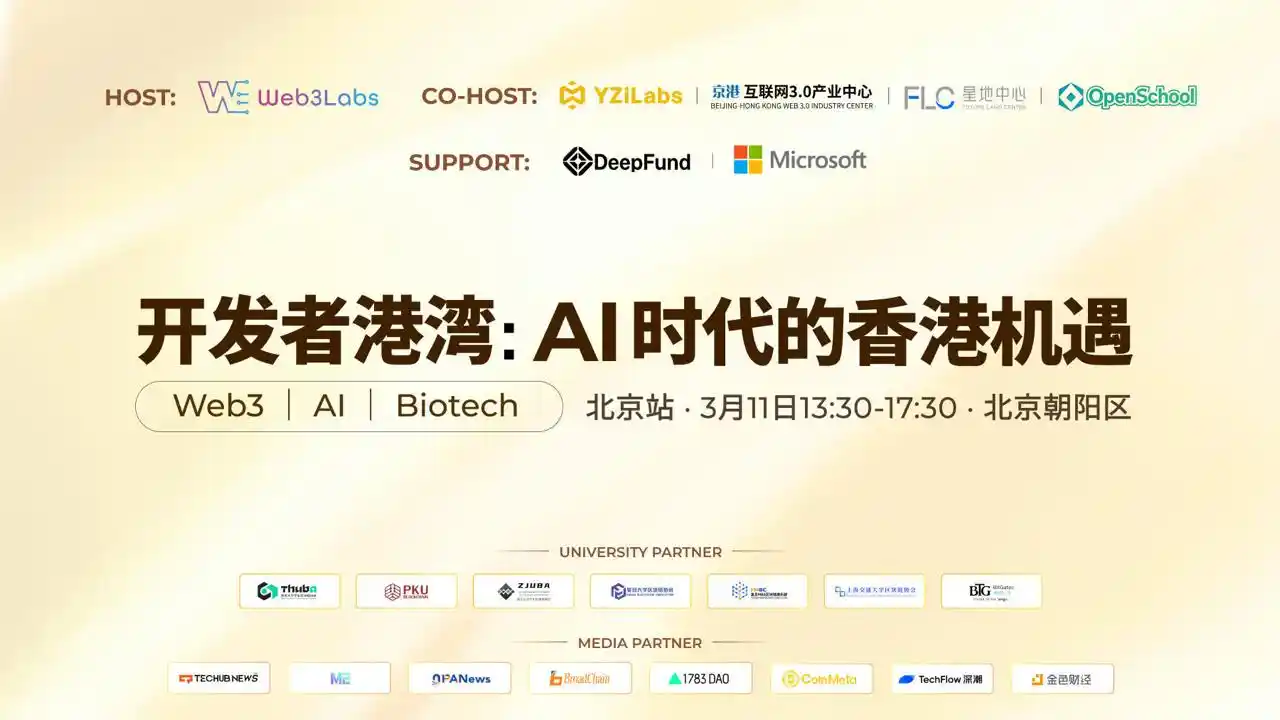
Developer Harbor: Hong Kong's New Opportunities in the AI Era (Beijing Station) Concludes Successfully, Ushering in a New Journey for Alpha Builders

marsbit2026-03-12 tarihinde yayınlandı2026-03-12 tarihinde güncellendi

Özet

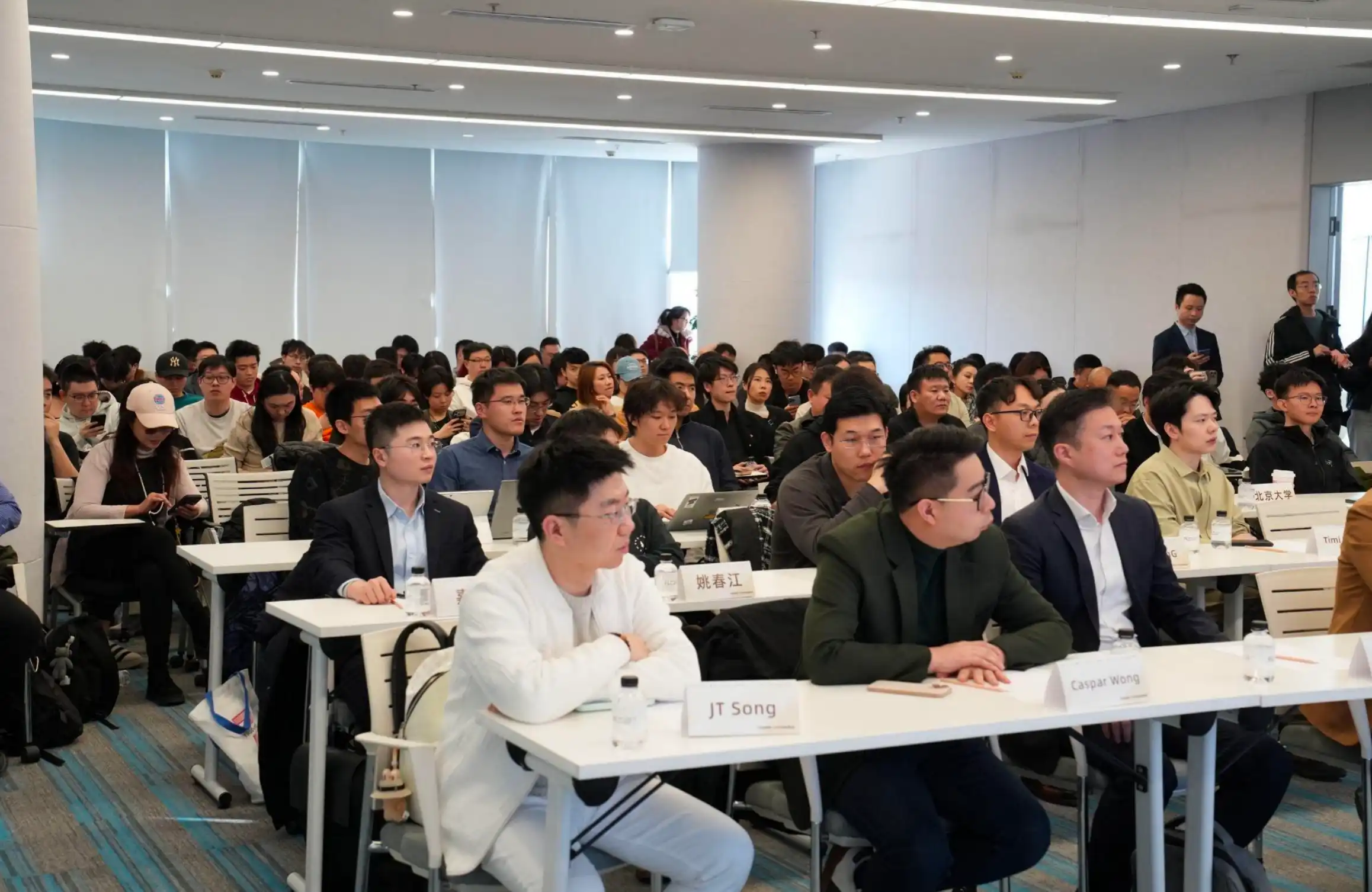
On March 11, 2026, the "Developer Harbor: Hong Kong's New Opportunities in the AI Era (Beijing)" event, co-hosted by Web3Labs and YZi Labs, was successfully held at StarLand Center in Beijing. The event brought together over a hundred builders from universities and tech organizations across China to explore Hong Kong's role as an international tech innovation hub in the AI age. The event featured opening remarks from government representatives, including officials from Beijing and Hong Kong, who emphasized the strategic synergy between the two cities in tech innovation, talent mobility, and industrial collaboration. A representative from the Hong Kong government also introduced talent admission policies to support mainland tech professionals seeking opportunities in Hong Kong. Web3Labs CEO Caspar Wong delivered a keynote, arguing that the convergence of AI and Web3 lies at the protocol layer rather than the application layer, with future investment logic focusing on composable, verifiable, and operational infrastructure of real value. A major highlight was the introduction of the "Alpha Builders Innovation Recruitment Program," an initiative by Web3Labs and YZi Labs aimed at identifying and empowering China’s most promising tech builders. Seven teams from top universities such as Tsinghua, Peking, Fudan, and Zhejiang presented projects spanning AI agents, Web3 infrastructure, biocomputing, and privacy computing. Selected teams will gain access to mentorship, ecosystem reso...

On March 11, 2026, "Developer Harbor: Hong Kong's New Opportunities in the AI Era," hosted by Web3Labs and YZi Labs, and co-hosted by the Beijing-Hong Kong Web3.0 Industrial Center, Star Land Center, and OpenSchool, was successfully held at the Star Land Center in Chaoyang District, Beijing. The event brought together over a hundred builders from innovative teams at universities nationwide and industry organizations to jointly explore the new opportunities for Hong Kong as an international hub for technological innovation in the AI era.

🔹 Twin-City Collaboration, Building an Innovation Bridge

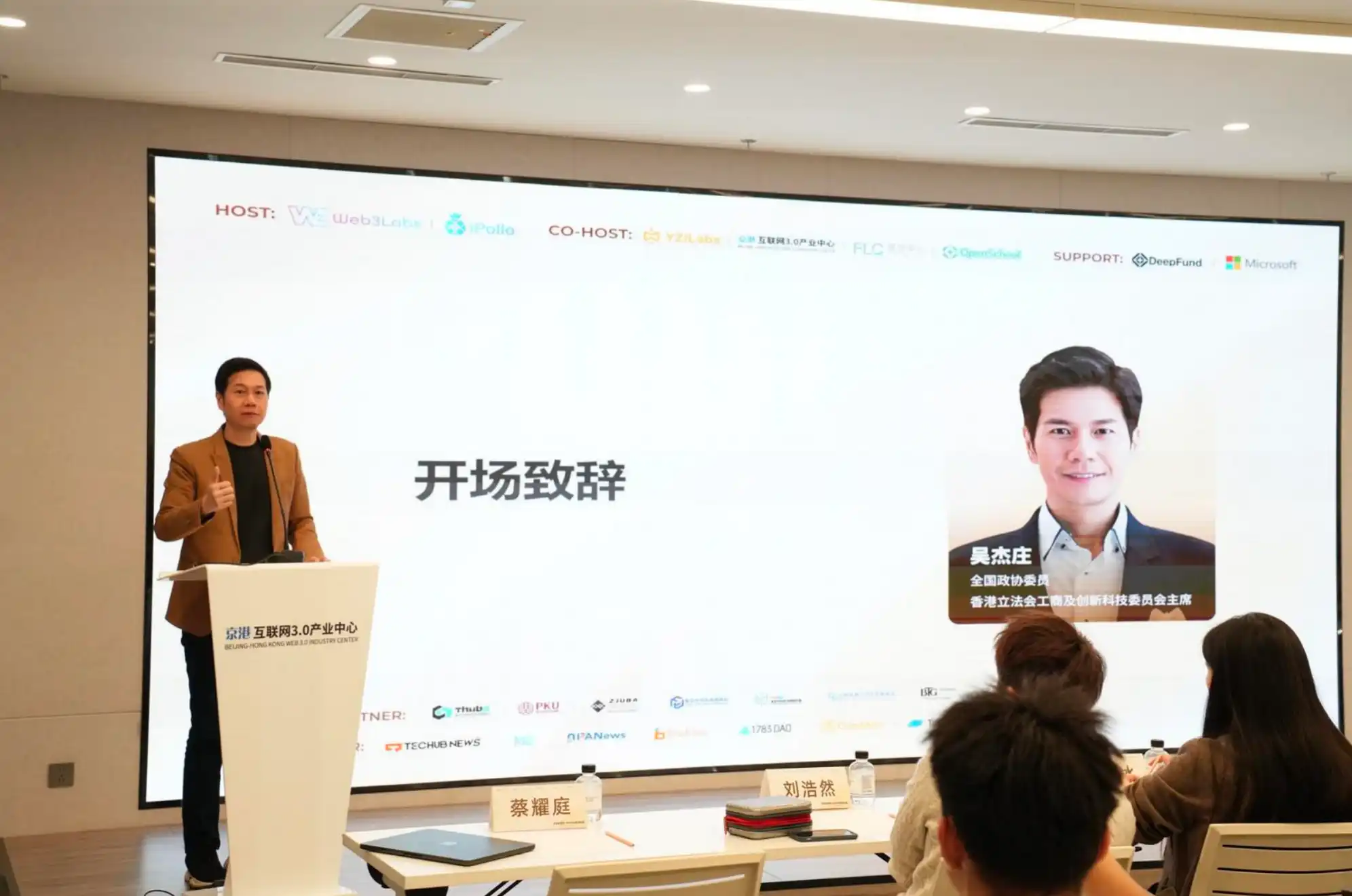
The event gathered over a hundred innovators from universities and cutting-edge technology fields across the country, witnessing a complete ecosystem from policy empowerment to technology implementation. The event kicked off with joint opening remarks by Chen Lei, Member of the Party Working Committee and Deputy Director of the Management Committee of Zhongguancun Chaoyang Park, and Dr. Wu Jiezhuang, Member of the National Committee of the Chinese People's Political Consultative Conference and Chairman of the Hong Kong Legislative Council's Commerce, Industry, and Technology Innovation Committee. Both guests emphasized the strategic complementarity between Beijing and Hong Kong in technological innovation, talent mobility, and industrial collaboration, injecting confidence into the joint building of a world-class innovation ecosystem between the two cities.
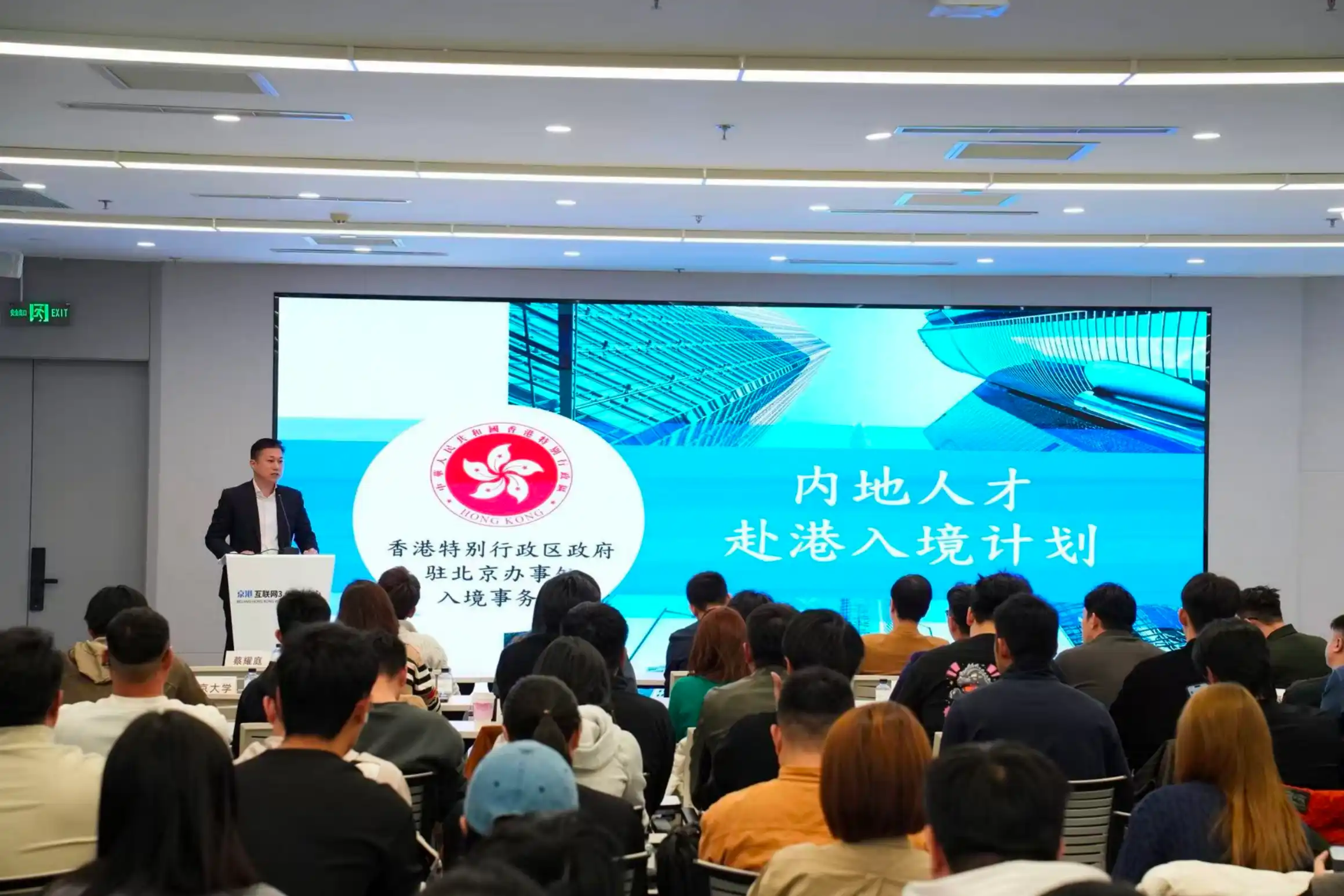
Subsequently, Huang Weiqi, Chief Affairs Director of the Hong Kong Special Administrative Region Government's Beijing Office, systematically interpreted the "Mainland Talent Admission Scheme for Hong Kong," providing detailed explanations of application channels, support measures, and development paths in Hong Kong, offering clear policy guidance for tech talents interested in cross-border development.
Web3Labs CEO Caspar Wong delivered a keynote speech, proposing that "the convergence of AI and Web3 lies not at the application layer but at the protocol layer," and revealing that the next generation of investment logic will focus on composable, verifiable, and operational real-value infrastructure.

🔹 Alpha Builders Gather for the First Time, Showcasing Their Potential

The core highlight of "Developer Harbor: Hong Kong's New Opportunities in the AI Era (Beijing Station)" was undoubtedly the debut of the innovative teams under the "Alpha Builders Innovator Recruitment Plan." This plan, jointly launched by Web3Labs and YZi Labs, aims to discover and empower China's most promising next-generation technical builders (Builders), bridging the critical path from campus innovation to global ecosystem implementation.

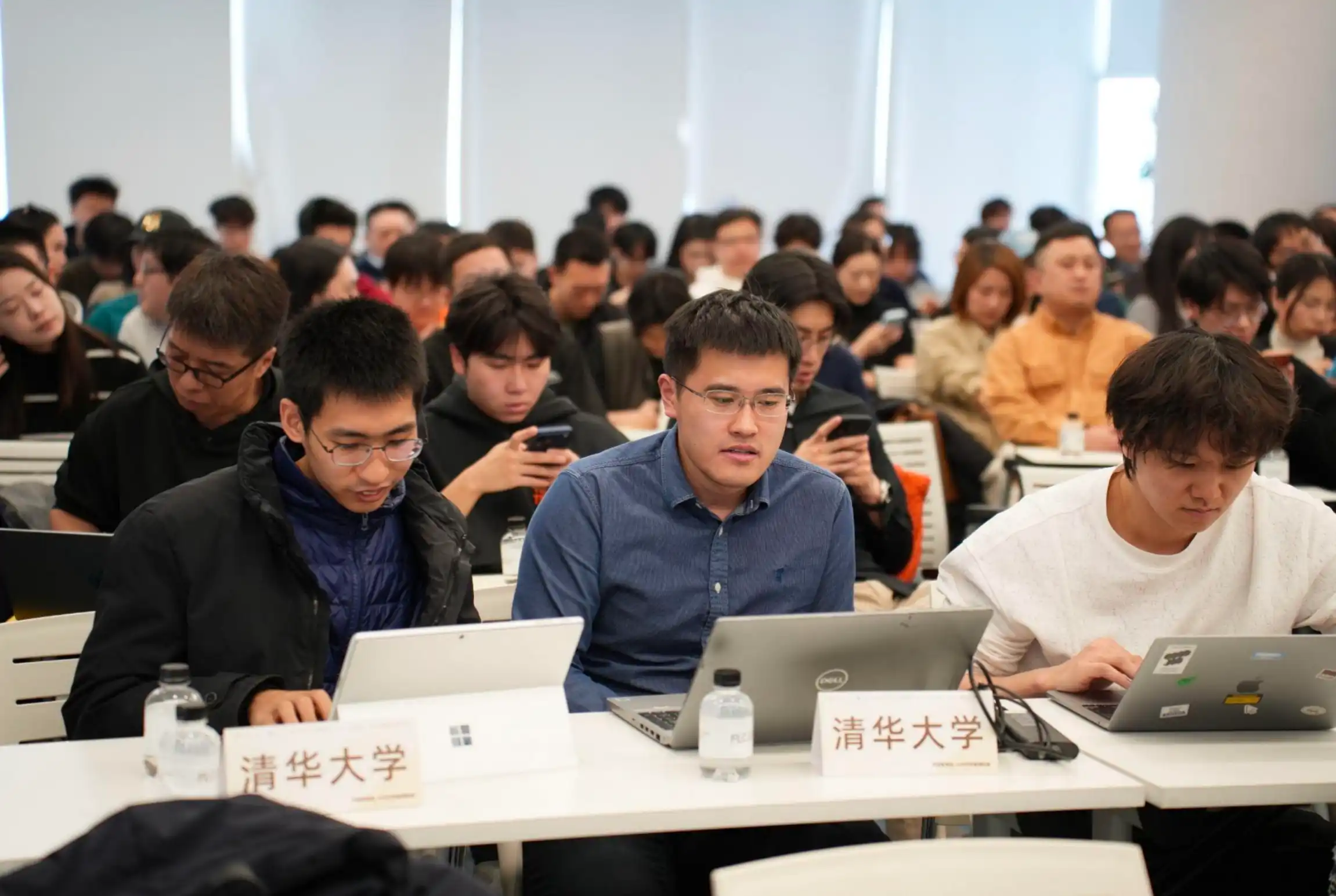
At the event, seven cutting-edge innovative teams from top domestic universities such as Tsinghua University, Peking University, Fudan University, and Zhejiang University took the stage to showcase their projects, covering frontier interdisciplinary fields such as AI agents, Web3 infrastructure, biocomputing, and privacy computing. These teams not only possess solid engineering capabilities but also demonstrate a deep understanding of "real-world problems"—a vivid reflection of the "value-driven innovation"理念 advocated by both parties.
As a globally leading Web3 investment and incubation platform, Web3Labs, in collaboration with YZi Labs, is seeking builders who use technology to solve real-world challenges in Web3, AI, Biotech, and more." This Alpha Builders plan is a practical implementation of this vision—selected teams will have the opportunity to enter the interview process for the EASY Residency program launched by YZi Labs, receiving technical guidance, ecosystem resource connections, and early-stage funding support to accelerate their journey from prototype to product.

From campus laboratories to the international stage, Alpha Builders are constructing a high-speed channel for "youth innovation power × global Web3 ecosystem." This may well be the most anticipated answer to shaping the future in the AI era.
As AI and Web3 reshape the global technological landscape, Hong Kong, with its open system, international ecosystem, and forward-looking policies, is becoming a key hub connecting outstanding innovative forces with the world stage. Web3Labs will continue to collaborate with YZi Labs to discover those Alpha Builders who dare to build, jointly creating a more real, intelligent, and composable digital future.


İlgili Sorular

QWhat was the main theme of the 'Developer Harbor: Hong Kong's New Opportunities in the AI Era (Beijing Station)' event?

AThe main theme was exploring Hong Kong's new opportunities as an international technology and innovation hub in the AI era, with a focus on the 'Alpha Builders' initiative to empower the next generation of technical builders.

QWhich organizations co-hosted the event in Beijing?

AThe event was hosted by Web3Labs and YZi Labs, and co-hosted by the Beijing-Hong Kong Web3.0 Industrial Center, Star Land Center, and OpenSchool.

QWhat did Web3Labs CEO Caspar Wong propose in his keynote speech regarding AI and Web3?

AHe proposed that 'the convergence of AI and Web3 is not at the application layer, but at the protocol layer,' and revealed that the next generation of investment logic will focus on composable, verifiable, and operational real-value infrastructure.

QWhat is the purpose of the 'Alpha Builders Innovation Recruitment Program'?

AThe program aims to discover and empower China's most promising next-generation technical builders (Builders), providing a pathway from campus innovation to global ecosystem implementation, including technical guidance, resource connections, and early funding support.

QFrom which top Chinese universities did the innovative teams participating in the Alpha Builders program come from?

AThe teams came from top universities including Tsinghua University, Peking University, Fudan University, and Zhejiang University.

İlgili Okumalar

Can a Hair Dryer Earn $34,000? Deciphering the Reflexivity Paradox in Prediction Markets

An individual manipulated a weather sensor at Paris Charles de Gaulle Airport with a portable heat source, causing a Polymarket weather market to settle at 22°C and earning $34,000. This incident highlights a fundamental issue in prediction markets: when a market aims to reflect reality, it also incentivizes participants to influence that reality. Prediction markets operate on two layers: platform rules (what outcome counts as a win) and data sources (what actually happened). While most focus on rules, the real vulnerability lies in the data source. If reality is recorded through a specific source, influencing that source directly affects market settlement. The article categorizes markets by their vulnerability: 1. **Single-point physical data sources** (e.g., weather stations): Easily manipulated through physical interference. 2. **Insider information markets** (e.g., MrBeast video details): Insiders like team members use non-public information to trade. Kalshi fined a剪辑师 $20,000 for insider trading. 3. **Actor-manipulated markets** (e.g., Andrew Tate’s tweet counts): The subject of the market can control the outcome. Evidence suggests Tate’sociated accounts coordinated to profit. 4. **Individual-action markets** (e.g., WNBA disruptions): A single person can execute an event to profit from their pre-placed bets. Kalshi and Polymarket handle these issues differently. Kalshi enforces strict KYC, publicly penalizes insider trading, and reports to regulators. Polymarket, with its anonymous wallet-based system, has historically been more permissive, arguing that insider information improves market accuracy. However, it cooperated with authorities in the "Van Dyke case," where a user traded on classified government information. The core paradox is reflexivity: prediction markets are designed to discover truth, but their financial incentives can distort reality. The more valuable a prediction becomes, the more likely participants are to influence the event itself. The market ceases to be a mirror of reality and instead shapes it.

marsbit46 dk önce

Can a Hair Dryer Earn $34,000? Deciphering the Reflexivity Paradox in Prediction Markets

marsbit46 dk önce

First Day Review of "Musk's WeChat" XChat: Even Worse Than Expected

Elon Musk's much-anticipated "WeChat-like" app, XChat, has officially launched after multiple delays. The initial review reveals a product that falls short of expectations, offering an experience largely similar to X Platform's (formerly Twitter) direct messages, despite being marketed as an encrypted communication tool. Key observations from the first-day test include: 1. The app's promoted "end-to-end encryption" and its claimed relation to Bitcoin's architecture were criticized by experts as a superficial attempt to capitalize on crypto buzz, with no real technical connection. 2. Musk's vision of an ad-free "secure communication system" is technically met, but only because the app is currently extremely basic, featuring only a single chat interface. 3. A promised anti-screenshot feature appears inconsistent; it works in X Platform group chats but fails within the XChat app itself, where screenshots still capture avatars. 4. The app supports 45 languages and has a 16+ age rating, indicating a broader tolerance for content compared to WeChat's 13+ rating. 5. A puzzling login process requires users to verify the email associated with their X account. 6. The touted encryption" feels minimal in practice, with its presence only indicated by a simple "Encrypted - Yes" label on messages. 7. Disappearing message timers for groups can be set from 5 minutes to 4 weeks, with the timer starting upon being read by a user. 8. Group invite links are shared with X Platform groups. 9. Group size limits are planned to be increased, aiming for 1000 members, a move that has drawn user criticism. 10. The app offers 8 different colored icons, and its chat bubbles are notably similar to WeChat's. Message deletion options mimic Telegram's. Crucially, many pre-announced features like importing X contacts, integrating Grok AI, X Money payments, and Cashtags are not yet available. The initial release is seen as a bare-bones and underwhelming first step.

Odaily星球日报1 saat önce

First Day Review of "Musk's WeChat" XChat: Even Worse Than Expected

Odaily星球日报1 saat önce

İşlemler

Spot
Futures

Popüler Makaleler

ERA Nasıl Satın Alınır

HTX.com’a hoş geldiniz! Caldera (ERA) satın alma işlemlerini basit ve kullanışlı bir hâle getirdik. Adım adım açıkladığımız rehberimizi takip ederek kripto yolculuğunuza başlayın. 1. Adım: HTX Hesabınızı OluşturunHTX'te ücretsiz bir hesap açmak için e-posta adresinizi veya telefon numaranızı kullanın. Sorunsuzca kaydolun ve tüm özelliklerin kilidini açın. Hesabımı Aç2. Adım: Kripto Satın Al Bölümüne Gidin ve Ödeme Yönteminizi SeçinKredi/Banka Kartı: Visa veya Mastercard'ınızı kullanarak anında Caldera (ERA) satın alın.Bakiye: Sorunsuz bir şekilde işlem yapmak için HTX hesap bakiyenizdeki fonları kullanın.Üçüncü Taraflar: Kullanımı kolaylaştırmak için Google Pay ve Apple Pay gibi popüler ödeme yöntemlerini ekledik.P2P: HTX'teki diğer kullanıcılarla doğrudan işlem yapın.Borsa Dışı (OTC): Yatırımcılar için kişiye özel hizmetler ve rekabetçi döviz kurları sunuyoruz.3. Adım: Caldera (ERA) Varlıklarınızı SaklayınCaldera (ERA) satın aldıktan sonra HTX hesabınızda saklayın. Alternatif olarak, blok zinciri transferi yoluyla başka bir yere gönderebilir veya diğer kripto para birimlerini takas etmek için kullanabilirsiniz.4. Adım: Caldera (ERA) Varlıklarınızla İşlem YapınHTX'in spot piyasasında Caldera (ERA) ile kolayca işlemler yapın.Hesabınıza erişin, işlem çiftinizi seçin, işlemlerinizi gerçekleştirin ve gerçek zamanlı olarak izleyin. Hem yeni başlayanlar hem de deneyimli yatırımcılar için kullanıcı dostu bir deneyim sunuyoruz.

378 Toplam GörüntülenmeYayınlanma 2025.07.17Güncellenme 2025.07.17

ERA Nasıl Satın Alınır

Tartışmalar

HTX Topluluğuna hoş geldiniz. Burada, en son platform gelişmeleri hakkında bilgi sahibi olabilir ve profesyonel piyasa görüşlerine erişebilirsiniz. Kullanıcıların ERA (ERA) fiyatı hakkındaki görüşleri aşağıda sunulmaktadır.

活动图片