Crypto Is More Than Speculation, Becoming a Holiday Gift Option for Gen Z

比推2025-12-29 tarihinde yayınlandı2025-12-29 tarihinde güncellendi

Özet

Cryptocurrency is emerging as a potential holiday gift option for Gen Z, though their attitudes remain complex and divided. While some young people are open to receiving digital assets like Bitcoin or Ethereum as gifts—viewing them as entry points into investing or symbols of a democratized financial future—many prefer more stable investments tied to long-term goals, such as stocks, real estate, or retirement accounts. The article highlights personal stories, like that of 22-year-old Wyatt Johnson, who lost nearly half his investment in Solana during the 2021 crypto crash but remains open to crypto gifts. Others, like Russell Kai, prefer traditional, government-backed assets due to crypto’s volatility and lack of security. Despite recent market downturns—Bitcoin fell nearly 35% from its October peak—some see the dip as a buying opportunity. However, financial experts caution that crypto should only form a small part of a diversified portfolio. Overall, Gen Z’s willingness to engage with crypto is tempered by economic pressures and a preference for stability in an uncertain financial landscape.

Author: Kailyn Rhone, The New York Times

Compiled by: Peggy, BlockBeats

Original Title: Cryptocurrency as a Christmas Gift? Gen Z's Perspective on Investment Choices


Editor's Note: As Bitcoin and Ethereum have become symbols of pop culture, cryptocurrency is no longer just a speculative tool but is also packaged as a "gift for the young." However, amid real economic pressures and market pullbacks, Gen Z's attitude toward crypto assets is far more complex than imagined.

Through the real experiences of several individuals in their 20s, this article reveals a divided and restrained mindset: they are not opposed to cryptocurrency and are even willing to "receive" it during the holidays. But when it comes to personal asset allocation, they prefer stable, predictable investments aligned with long-term life goals. For them, cryptocurrency symbolizes both a changing era and a reminder of coexisting risks and uncertainties.

Below is the original article:

Wyatt Johnson still remembers constantly refreshing the Coinbase app during the crypto frenzy of 2021. He and his friends were convinced they were witnessing history, so Johnson decided to invest about $5,000.

But instead of making money, the value of his cryptocurrency—Solana—plummeted by nearly half within months.

22-year-old Wyatt Johnson suffered losses when his Solana holdings halved in value. Despite this, he is still open to receiving cryptocurrency as a Christmas gift. Image: Jenn Ackerman / The New York Times

Now 22, Johnson hasn't invested in cryptocurrency since but continues to follow the space and stay updated. Although he wouldn't risk his own money due to the recent crypto market downturn, he wouldn't turn down digital currency if someone gifted it to him for Christmas.

"Money is being democratized in ways we've never seen before," said Johnson, who lives in Hustisford, Wisconsin. "Things are changing. I think it's important for our generation to keep up with these changes."

Depending on one's perspective, a crypto gift can either feel like a scratch-off lottery ticket or a gift card with limitless potential. Even amid market volatility, some young Americans, especially Gen Z, seem willing to unwrap gifts of Bitcoin or Ethereum this holiday season.

This doesn't mean cryptocurrency tops many wish lists. As retailers, payment companies, and crypto platforms package digital assets as "holiday-friendly" gifts, a bigger question emerges: Against a backdrop of economic uncertainty, does Gen Z actually want to receive cryptocurrency during the holidays?

Early signs indicate a divide within Gen Z. Those in their 20s, especially with investment experience, tend to be cautiously open—they're okay with crypto, but most would prefer support for savings, help with rent, or stable, traditional assets like stocks. Johnson, for example, said he'd rather receive gifts related to real estate or funding for his AI startup than cryptocurrency.

Teens and younger Gen Z members who are new to investing are more enthusiastic. Financial experts believe this is likely because they haven't deeply experienced market volatility. According to a recent Visa report, about 45% of Gen Z said they would be excited to receive cryptocurrency as a holiday gift.

"Gen Z isn't as afraid of volatility as older generations; what they're really afraid of is stagnation," said Will Reeves, CEO of Bitcoin financial services company Fold. He added that traditional wealth-building paths like homeownership seem out of reach for many young people, while Bitcoin feels more accessible.

22-year-old Russell Kai began exploring investing after a friend introduced him to the stock market two years ago. He is open to cryptocurrency but prefers holding stocks. Image: Alana Paterson / The New York Times

Part of crypto's appeal is cultural. Rick Maeda, a research assistant at algorithmic trading firm Presto Research, noted that Gen Z grew up watching Bitcoin and Ethereum rise on social media. Even after a series of pullbacks, some young investors see high volatility as normal, even expected.

For many young people, receiving a small amount of cryptocurrency often serves as an entry point into the world of investing. Research from FINRA and the CFA Institute shows that cryptocurrency is frequently the first asset young investors hold. The study found that nearly one-fifth of Gen Z investors hold only crypto assets and non-fungible tokens (NFTs), or both; in contrast, Gen X investors primarily focus on traditional products like mutual funds.

But this openness comes at a complex time for the industry.

A year ago, Bitcoin briefly surpassed $100,000. With that milestone and the election of a pro-crypto president, many enthusiasts predicted the 16-year-old cryptocurrency would reach $250,000 by year's end.

Those predictions did not come true.

After climbing to about $126,000 in October, Bitcoin fell to around $81,000 in late November, a drop of nearly 35%, erasing almost all its gains for the year. (Bitcoin has since rebounded, approaching $95,000 on December 9.) Other major cryptocurrencies also declined, with Ethereum falling nearly 40% since August.

This volatility isn't unique to cryptocurrency but reflects broader economic conditions, such as shifting interest rate expectations and tariff policies. As Gen Z grapples with job difficulties, moving back home to save money, or delaying major life milestones, they prefer stable investments—assets that won't "backfire" in the coming years, let alone fluctuate wildly in months.

But some Gen Z see this year's decline as an opportunity, not a warning. Stephen Kates, a financial analyst at Bankrate, said many young people are putting money into cryptocurrency while prices are low. However, financial experts caution that cryptocurrency and lesser-known digital tokens are high-risk and should only make up a small part of a diversified portfolio.

For Russell Kai, a finance major living in Vancouver, Canada, cryptocurrency has always seemed like the wildest corner of the financial world—too much volatility, too few safety rails. Two years ago, while in college, a friend persuaded him to buy his first stock, sparking his interest in investing. Since then, he's stuck to a principle: choose stable or government-issued assets over trendy digital products.

The 22-year-old Kai said that if he received cryptocurrency as a gift this year, he wouldn't refuse it but would likely sell it quickly and reinvest the cash into stocks he follows daily.

Clay Lute, 24, also said he's open to receiving crypto as a gift but wouldn't actively ask for it. Based in Queens, New York, and working in fashion, Lute believes Bitcoin will recover from its current slump and grow in both value and utility; however, he doesn't believe in a future where hundreds of cryptocurrencies thrive simultaneously long-term.

"If I were to curate my own holiday wish list, putting money into my Roth IRA would obviously be more beneficial for my long-term future than betting on cryptocurrency," Lute said.


Twitter:https://twitter.com/BitpushNewsCN

Bitpush TG Discussion Group:https://t.me/BitPushCommunity

Bitpush TG Subscription: https://t.me/bitpush

Original link:https://www.bitpush.news/articles/7598826

İlgili Sorular

QWhat is the main attitude of Gen Z towards receiving cryptocurrency as a gift, according to the article?

AGen Z has a divided but cautious attitude. While some, especially younger members, are open to receiving it as a gift, many prefer more stable and traditional assets like savings support, rent subsidies, or stocks for their long-term life goals.

QWhy did Wyatt Johnson stop investing his own money in cryptocurrency, and what is his current stance?

AWyatt Johnson stopped investing his own money after his initial investment in Solana lost nearly half its value within months. However, he still follows the crypto space and would be willing to receive cryptocurrency as a gift, viewing it as part of a democratic shift in money.

QWhat does the article suggest is a common first investment for young investors, and how does this differ from older generations?

AThe article states that cryptocurrency is often the first type of asset held by young investors. Research shows nearly one-fifth of Gen Z investors hold only crypto and/or NFTs, whereas older generations like Gen X primarily invest in traditional products like mutual funds.

QHow did the recent market performance of major cryptocurrencies like Bitcoin and Ethereum affect Gen Z's perspective?

AThe recent significant price drops (e.g., Bitcoin falling ~35% from its peak) have made many in Gen Z prioritize stable investments that won't fluctuate wildly. However, some view the downturn as an opportunity to buy at lower prices, though experts caution it should only be a small part of a diversified portfolio.

QAccording to financial experts cited in the article, what is the recommended approach to investing in cryptocurrency?

AFinancial experts recommend that cryptocurrency and lesser-known digital tokens are high-risk and should only constitute a very small portion of a more diversified investment portfolio.

İlgili Okumalar

TechFlow Intelligence Bureau: Chip Stocks Lose Trillions in a Single Day, Bitcoin Falls Below $60,000, US-Iran Conflict Escalates

**Daily Tech & Markets Roundup: AI Advances, Market Turmoil, and Geopolitical Tensions** **AI / LLMs**: Anthropic's internal report on AI self-improvement sparked serious discussions about Recursive Self-Improvement (RSI). Meanwhile, debate continues on AI coding tools after Claude was accused of introducing bugs into the rsync codebase. In positive news, DeepSeek V4 Flash impressed in local deployment tests, and GitHub Copilot now supports custom endpoints for local models. A surprising research turn suggests removing chain-of-thought prompting can sometimes improve LLM performance. **Crypto / Web3**: Bitcoin plunged below $60,000, with its RSI hitting levels last seen during the COVID-19 crash, driven by strong U.S. jobs data reviving interest rate hike fears. Discussions highlight Ethereum DeFi's continued lack of a smooth consumer payment layer. **Chips / Hardware**: Chip stocks suffered a massive sell-off, with the Philadelphia Semiconductor Index posting its worst single-day drop in six years, erasing over a trillion dollars in value. Marvell, Micron, AMD, and Intel were among the biggest losers. **Tech Companies**: A leaked Microsoft document revealing goals to make Copilot "addictive" drew criticism. LinkedIn founder Reid Hoffman left Microsoft's board to focus full-time on his AI agent startup, Manus. Google was revealed to be paying SpaceX $920 million monthly for AI training compute. **Markets & Macro**: A blowout U.S. jobs report (172k vs. 80k expected) crushed hopes for near-term rate cuts, sending Treasury yields soaring and triggering a broad market sell-off. CEOs from Kraft, McDonald's, and Whirlpool simultaneously warned U.S. consumers are exhausting their savings. **Geopolitics**: U.S.-Iran tensions escalated with missile/drone interceptions and U.S. strikes on Iranian radar sites, keeping the critical Strait of Hormuz largely closed since late February and posing ongoing oil supply risks. **The Bottom Line**: The strong jobs data acted as a single trigger for correlated sell-offs across equities, crypto, and chips. Underlying the volatility is a stark contradiction between robust employment data and warnings of consumer weakness, alongside geopolitical risks that could reignite inflation, leaving markets to price in a fraught macro outlook with no clear "soft landing" path.

marsbit1 saat önce

TechFlow Intelligence Bureau: Chip Stocks Lose Trillions in a Single Day, Bitcoin Falls Below $60,000, US-Iran Conflict Escalates

marsbit1 saat önce

It Took Me a Year to See the Bitter Truth About Agent Payments

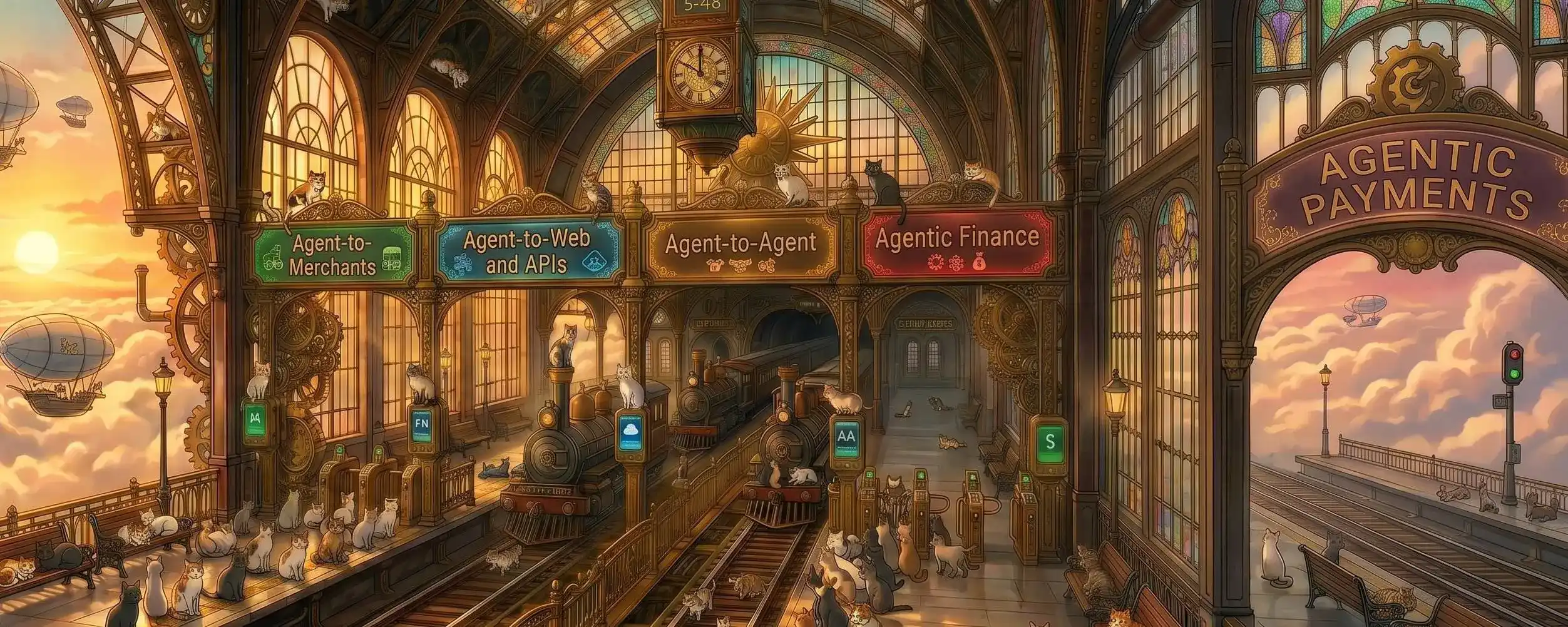
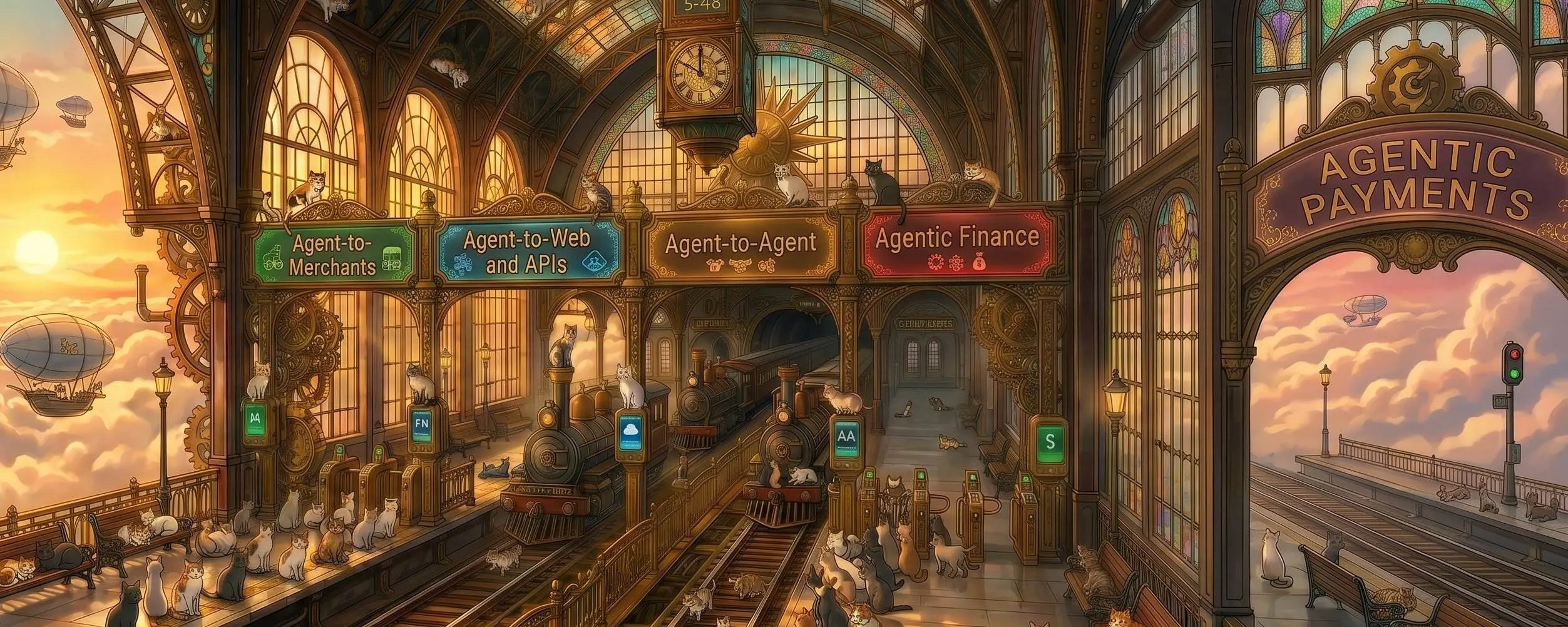
After a year building infrastructure for the Agent economy, engaging with major players like Stripe, Visa, and Coinbase, the author shares a sobering analysis of the current state of Agent payments. The core finding is a stark lack of genuine, immediate demand across most envisioned use cases. The article breaks down four key market segments: 1. **Agent-to-Merchant (Consumer Shopping):** For most product categories (e.g., clothing, electronics), conversational AI shopping is a step backwards from visual e-commerce interfaces. While agents excel at understanding needs, they can't replace side-by-side product comparison. Real merchant interest is defensive "Agent Engine Optimization," not driven by current customer demand. Potential exists for high-frequency, low-decision purchases (like food delivery) or navigating complex store UIs, but these require massive B2C distribution channels dominated by giants like Amazon. 2. **Agent-to-API (Developer Services):** Developers already have subscriptions and billing relationships for APIs (compute, data). Prepaid balances solve micro-payment issues for low transaction volumes. A deeper structural problem is that major SaaS vendors' business models rely on enterprise contracts, resisting granular pay-per-call pricing. While protocols like MPP and x402 serve the long tail of niche services, this market is small and developers are historically low-willingness-to-pay. 3. **Agent-to-Agent:** This remains largely theoretical with minimal transaction volume. While it represents a long-term bet on a fundamentally new transaction infrastructure (sub-second, micro-penny to million-dollar, multi-party settlements), it does not constitute a present market. 4. **Agent-to-Finance:** This is the only category with existing, paying demand. Integrating AI into financial workflows (trading, portfolio management) is a natural evolution and enables new capabilities like autonomous rebalancing. However, competition favors established, regulated institutions. The "real problem" is not moving money between agents, but the broader challenge of **coordination**—orchestrating work between agents and humans, verifying outcomes, and settling results. Payment is just one component of settlement, which is itself part of coordination. Companies that solve the coordination layer will subsume payment, not the other way around. While well-funded incumbents build defensively for a long-term future, startups must find where the market is today—which, for the author's team, lies outside these four categories in an area of real, growing, and underserved activity.

marsbit2 saat önce

It Took Me a Year to See the Bitter Truth About Agent Payments

marsbit2 saat önce

It Took Me a Year to See the Hard Truth About Agent Payments

**Title: It Took Me a Year to See the Hard Truth About Agent Payments** Over the past year, I've worked on infrastructure for the Agent economy, engaging with major players like Stripe, Visa, Coinbase, and numerous startups. The findings reveal a stark reality: genuine, widespread demand for Agent-based payments does not yet exist. **Key Observations:** * **Agent-to-Merchant (Shopping):** The user experience for AI shopping often falls short, especially for visual product discovery. While AI excels at understanding needs, conversational interfaces can't yet replace browsing and comparing multiple products visually. Current merchant interest is largely defensive ("Agent Engine Optimization") for a future that hasn't arrived. High-frequency, low-friction purchases (like food delivery) are potential fits, but lack open APIs and face high AI inference costs. Simpler, more affordable, or cross-language interactions for complex UIs are a niche opportunity but require massive consumer distribution to scale. * **Agent-to-API (Developer Tools):** Developer payment needs for APIs (computing, data, models) are already met through subscriptions and prepaid credits. The core challenge is not payment friction but supplier economics: most large SaaS providers prefer enterprise contracts over micropayments for API calls. Protocols like MPP and x402 suit the long-tail of smaller services but cater to a developer market historically reluctant to pay for these tools. Major infrastructure needs at the top of the stack are already being addressed. * **Agent-to-Agent (Machine Commerce):** This is a long-term vision with almost no current transaction volume. While a future with high-speed, high-frequency, multi-party machine-to-machine transactions would require novel infrastructure, it remains theoretical. The market is not here yet. * **Agent-to-Finance:** This is the only category with clear, present demand. Financial professionals and DeFi users already pay for tools, and AI augmentation is a natural evolution. Autonomous AI agents can enable entirely new financial strategies. However, competition is fierce from established, regulated incumbents who can more easily layer AI onto their existing products. **The Core Insight:** Companies, especially giants with long time horizons, are building defensively for a potential future of mass machine commerce. For them, early investment is a low-cost hedge. For startups, the current market reality is different. The primary challenge isn't just moving money between agents (payments). The larger, unsolved problem is **orchestration** – coordinating work between agents and humans, verifying outcomes, and then settling. Payment is just a part of settlement, which is just a part of orchestration. Companies that solve the orchestration problem will subsume payments, not the other way around. After a year of building, we see the real, growing, and underserved market opportunity lies in this broader domain of orchestration.

链捕手3 saat önce

It Took Me a Year to See the Hard Truth About Agent Payments

链捕手3 saat önce

İşlemler

Spot
Futures

Popüler Makaleler

BILL Nasıl Satın Alınır

HTX.com’a hoş geldiniz! Billions Network (BILL) satın alma işlemlerini basit ve kullanışlı bir hâle getirdik. Adım adım açıkladığımız rehberimizi takip ederek kripto yolculuğunuza başlayın. 1. Adım: HTX Hesabınızı OluşturunHTX'te ücretsiz bir hesap açmak için e-posta adresinizi veya telefon numaranızı kullanın. Sorunsuzca kaydolun ve tüm özelliklerin kilidini açın. Hesabımı Aç2. Adım: Kripto Satın Al Bölümüne Gidin ve Ödeme Yönteminizi SeçinKredi/Banka Kartı: Visa veya Mastercard'ınızı kullanarak anında Billions Network (BILL) satın alın.Bakiye: Sorunsuz bir şekilde işlem yapmak için HTX hesap bakiyenizdeki fonları kullanın.Üçüncü Taraflar: Kullanımı kolaylaştırmak için Google Pay ve Apple Pay gibi popüler ödeme yöntemlerini ekledik.P2P: HTX'teki diğer kullanıcılarla doğrudan işlem yapın.Borsa Dışı (OTC): Yatırımcılar için kişiye özel hizmetler ve rekabetçi döviz kurları sunuyoruz.3. Adım: Billions Network (BILL) Varlıklarınızı SaklayınBillions Network (BILL) satın aldıktan sonra HTX hesabınızda saklayın. Alternatif olarak, blok zinciri transferi yoluyla başka bir yere gönderebilir veya diğer kripto para birimlerini takas etmek için kullanabilirsiniz.4. Adım: Billions Network (BILL) Varlıklarınızla İşlem YapınHTX'in spot piyasasında Billions Network (BILL) ile kolayca işlemler yapın.Hesabınıza erişin, işlem çiftinizi seçin, işlemlerinizi gerçekleştirin ve gerçek zamanlı olarak izleyin. Hem yeni başlayanlar hem de deneyimli yatırımcılar için kullanıcı dostu bir deneyim sunuyoruz.

252 Toplam GörüntülenmeYayınlanma 2026.05.07Güncellenme 2026.06.02

BILL Nasıl Satın Alınır

ATWO Nedir

I. Proje TanıtımıArena Two, hayranların gerçek zamanlı etkinlik sonuçlarında aktif, tokenleştirilmiş bir rol oynamasına olanak tanıyan merkeziyetsiz bir etkileşimli platformdur. Hayranları pasif izleyicilere indirgeyen geleneksel yayıncılık modellerinin aksine, Arena Two, hayranların doğrudan gerçek zamanlı oy kullanmalarını ve sahadaki sonuçları etkilemelerini sağlamak için blok zinciri teknolojisini kullanır.II. Token BilgileriToken adı: ATWO(Arena Two)III. İlgili BağlantılarWeb sitesi:https://arenatwo.com/Keşif araçları:https://basescan.org/token/0x499D35eBE6cEe9B2Ac35Fd003fcBbeeB9CFc7B32Twitter:https://x.com/arenatwoXNot: Proje tanıtımı, resmi proje ekibi tarafından yayınlanan veya sağlanan materyallerden gelmektedir ve yalnızca referans amaçlıdır, yatırım tavsiyesi niteliği taşımaz. HTX, ortaya çıkan doğrudan veya dolaylı kayıplardan sorumluluk kabul etmez.

230 Toplam GörüntülenmeYayınlanma 2026.05.18Güncellenme 2026.06.02

ATWO Nedir

ATWO Nasıl Satın Alınır

HTX.com’a hoş geldiniz! Arena Two (ATWO) satın alma işlemlerini basit ve kullanışlı bir hâle getirdik. Adım adım açıkladığımız rehberimizi takip ederek kripto yolculuğunuza başlayın. 1. Adım: HTX Hesabınızı OluşturunHTX'te ücretsiz bir hesap açmak için e-posta adresinizi veya telefon numaranızı kullanın. Sorunsuzca kaydolun ve tüm özelliklerin kilidini açın. Hesabımı Aç2. Adım: Kripto Satın Al Bölümüne Gidin ve Ödeme Yönteminizi SeçinKredi/Banka Kartı: Visa veya Mastercard'ınızı kullanarak anında Arena Two (ATWO) satın alın.Bakiye: Sorunsuz bir şekilde işlem yapmak için HTX hesap bakiyenizdeki fonları kullanın.Üçüncü Taraflar: Kullanımı kolaylaştırmak için Google Pay ve Apple Pay gibi popüler ödeme yöntemlerini ekledik.P2P: HTX'teki diğer kullanıcılarla doğrudan işlem yapın.Borsa Dışı (OTC): Yatırımcılar için kişiye özel hizmetler ve rekabetçi döviz kurları sunuyoruz.3. Adım: Arena Two (ATWO) Varlıklarınızı SaklayınArena Two (ATWO) satın aldıktan sonra HTX hesabınızda saklayın. Alternatif olarak, blok zinciri transferi yoluyla başka bir yere gönderebilir veya diğer kripto para birimlerini takas etmek için kullanabilirsiniz.4. Adım: Arena Two (ATWO) Varlıklarınızla İşlem YapınHTX'in spot piyasasında Arena Two (ATWO) ile kolayca işlemler yapın.Hesabınıza erişin, işlem çiftinizi seçin, işlemlerinizi gerçekleştirin ve gerçek zamanlı olarak izleyin. Hem yeni başlayanlar hem de deneyimli yatırımcılar için kullanıcı dostu bir deneyim sunuyoruz.

159 Toplam GörüntülenmeYayınlanma 2026.05.18Güncellenme 2026.06.02

ATWO Nasıl Satın Alınır

Tartışmalar

HTX Topluluğuna hoş geldiniz. Burada, en son platform gelişmeleri hakkında bilgi sahibi olabilir ve profesyonel piyasa görüşlerine erişebilirsiniz. Kullanıcıların A (A) fiyatı hakkındaki görüşleri aşağıda sunulmaktadır.

活动图片