Coinbase Institutional | 2026 Crypto Market Outlook: Deep Financial Integration, Innovating with Cautious Optimism

深潮2025-12-22 tarihinde yayınlandı2025-12-22 tarihinde güncellendi

Özet

Coinbase Institutional's 2026 Crypto Market Outlook presents a cautiously optimistic view, drawing parallels to 1996’s steady growth rather than 1999’s exuberance. Key themes include clearer global regulation, deeper institutional adoption focusing on specialized digital asset management (DAT 2.0), and a shift toward sustainable, revenue-linked tokenomics. Technological advances like ZKPs and FHE will enhance privacy needs, while AI integration and application-specific chains drive innovation. Tokenization, particularly of equities, offers composability and higher capital efficiency. Emerging trends include crypto-native equity perpetuals, prediction markets, and stablecoin growth—potentially reaching $1.2T by 2028—fueled by cross-border payments and settlements. The industry is integrating deeply into mainstream finance, requiring excellence in execution, compliance, and user-centric design to broaden global access.

Author:Coinbase Institutional

Compiled by: Deep Tide TechFlow

Our annual crypto market outlook delves into the various factors that will shape the crypto economy over the coming year. From detailed perspectives on BTC (Bitcoin), ETH (Ethereum), and SOL (Solana), to comprehensive analyses of regulatory dynamics, market structure, and the latest developments in tokenization, we cover all critical areas. Additionally, we provide in-depth insights into the impact of Bitcoin's four-year cycle, the potential risks posed by quantum computing, and the profound implications of major platform upgrades such as Ethereum's Fusaka hard fork and Solana's Alpenglow.

Welcome to click the link to download the full report
Highlights include:

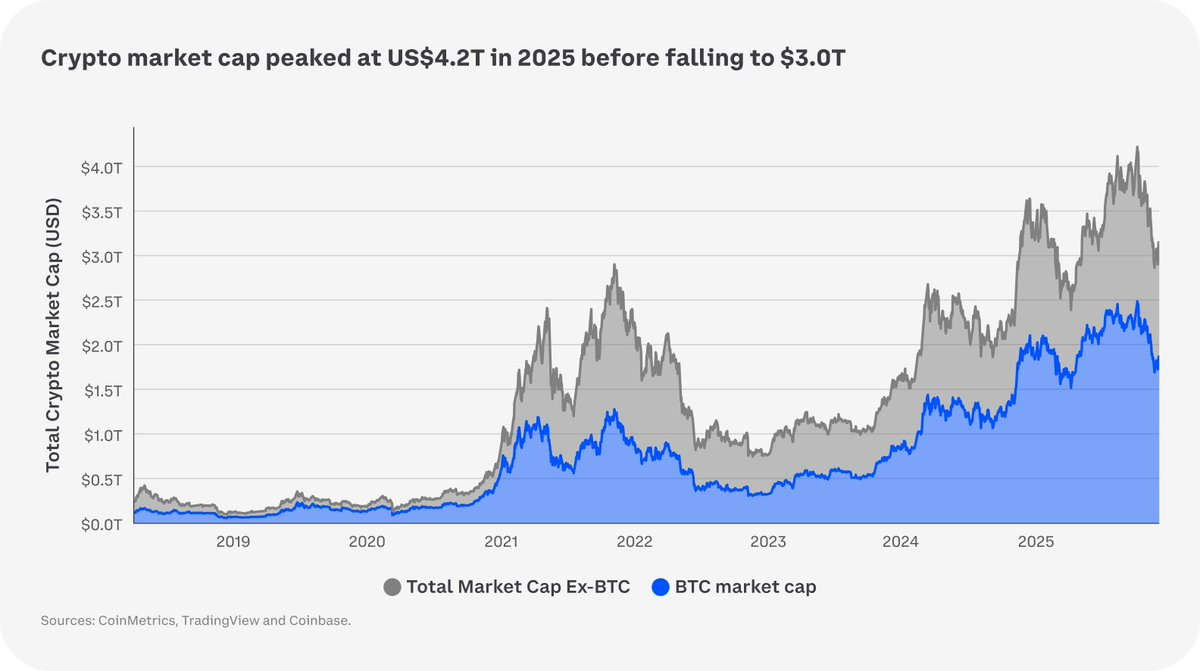
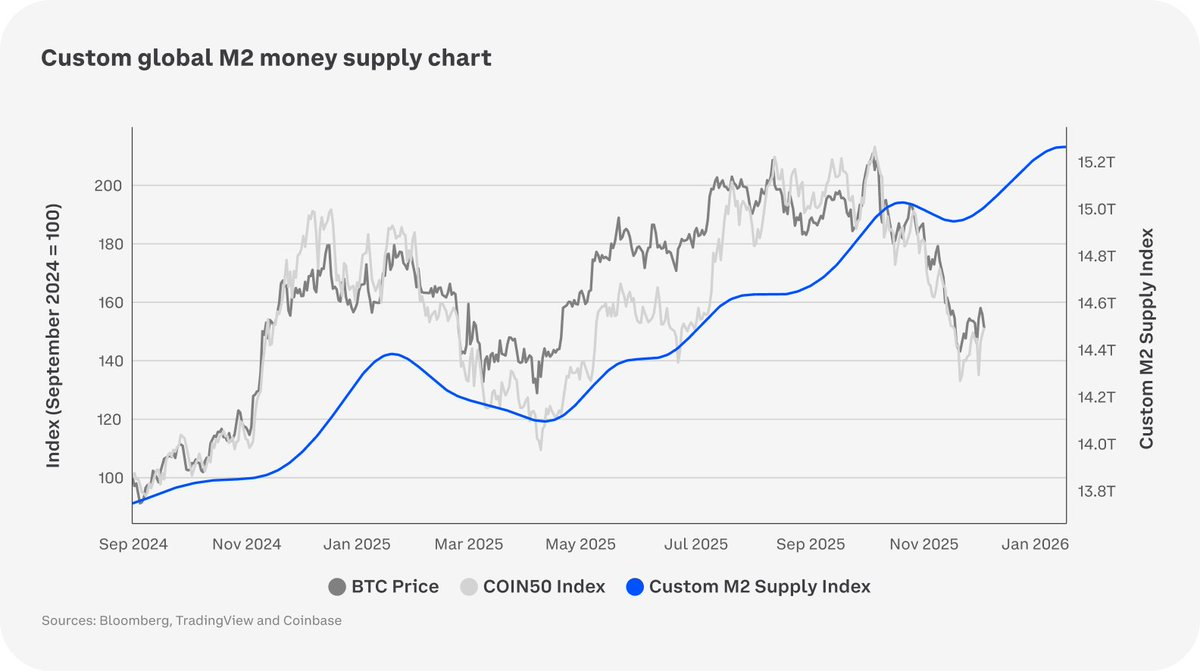
  • Cautious Optimism: We maintain a cautiously optimistic view on the resilience of the U.S. economy, believing that rising labor productivity can provide a buffer amid slowing overall economic data. Therefore, we view the crypto market in the first half of 2026 (1H26) as more akin to "1996" rather than "1999," although uncertainty remains high.
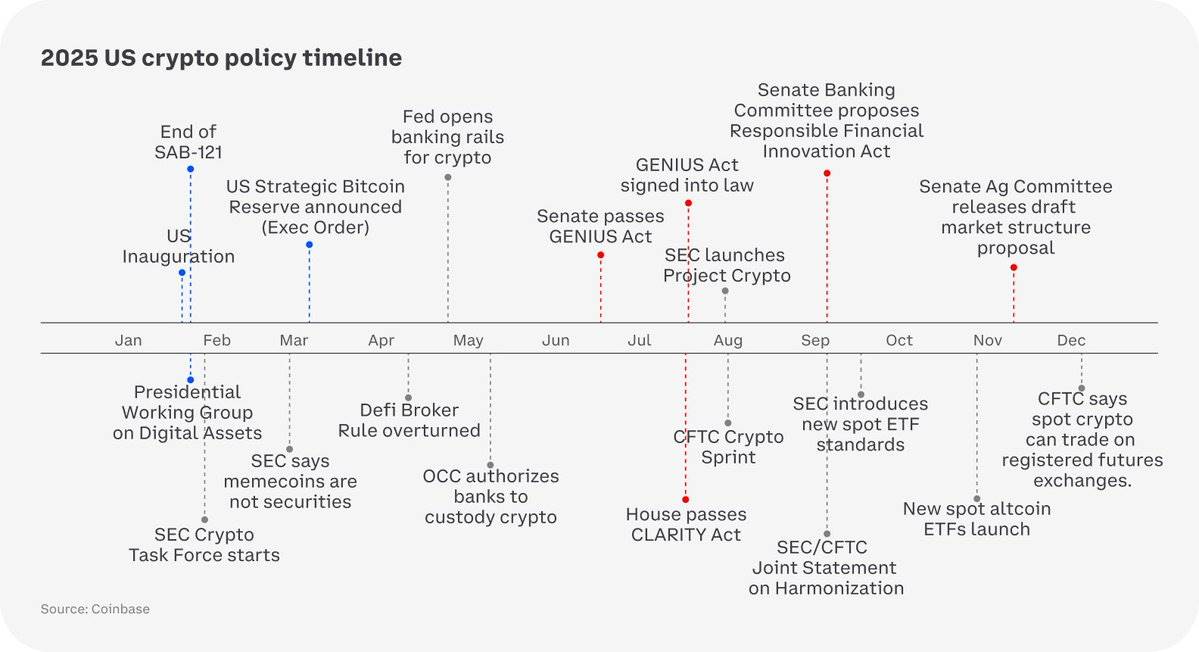
  • Regulatory Progress: We anticipate that clearer global regulatory frameworks in 2026 will change how institutions approach strategy, risk, and compliance.
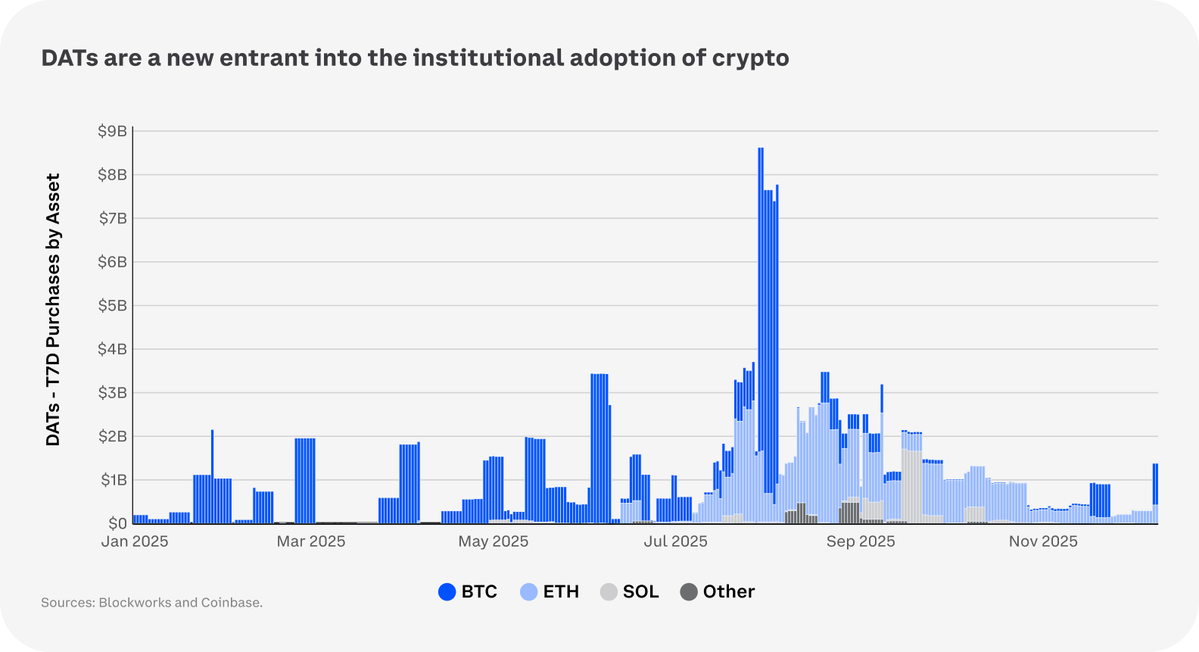
  • Institutional Adoption: We predict the emergence of a "DAT 2.0" model in 2026, which will move beyond simple asset accumulation to focus on the professional trading, storage, and procurement of sovereign block space, treating it as a critical resource for the digital economy.
  • Tokenomics 2.0: As protocols increasingly shift towards value capture, we observe an emerging transition from a purely narrative-driven, high-volatility model to a more sustainable one linked to revenue.

Technological Transformation

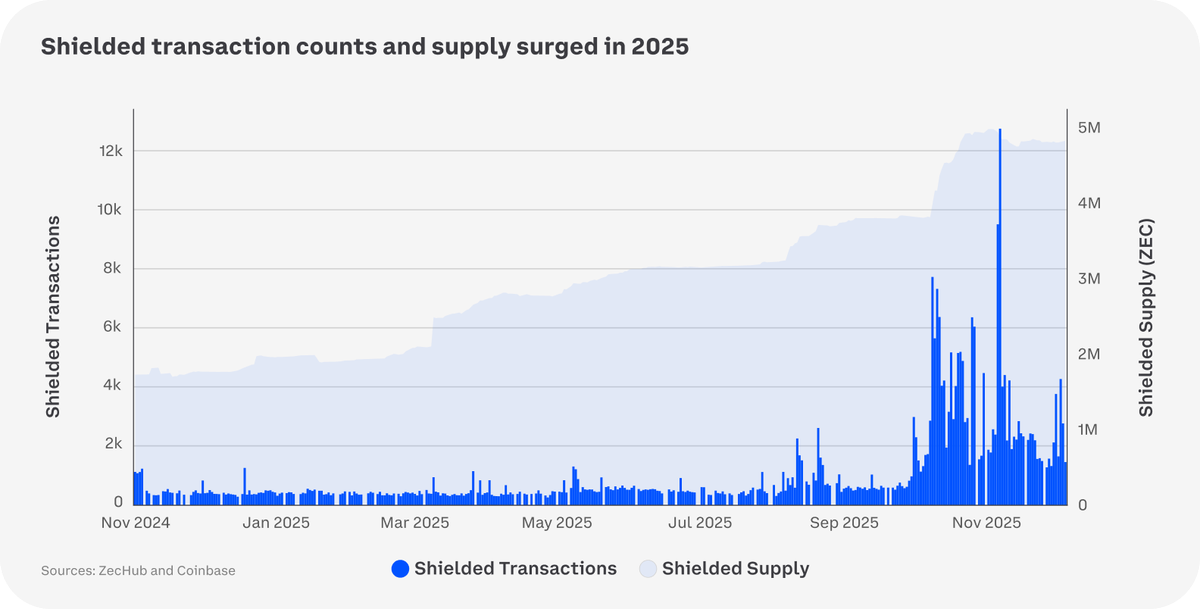
Privacy Demand: With increasing institutional adoption, we expect continued development in technologies like Zero-Knowledge Proofs (ZKPs) and Fully Homomorphic Encryption (FHE), alongside significant growth in the use of on-chain privacy tools.
AI × Crypto: Autonomous trading agent systems require open and programmable payment methods. Protocols like x402 can enable high-frequency microtransaction settlements and support intelligent agents that initiate, govern, and secure on-chain services.

Application-Specific Chains: Although the proliferation of dedicated blockchain networks is reshaping the competitive landscape of crypto infrastructure, we believe the ultimate direction will be a networked architecture with native interoperability and shared security, rather than an endless network of isolated systems.

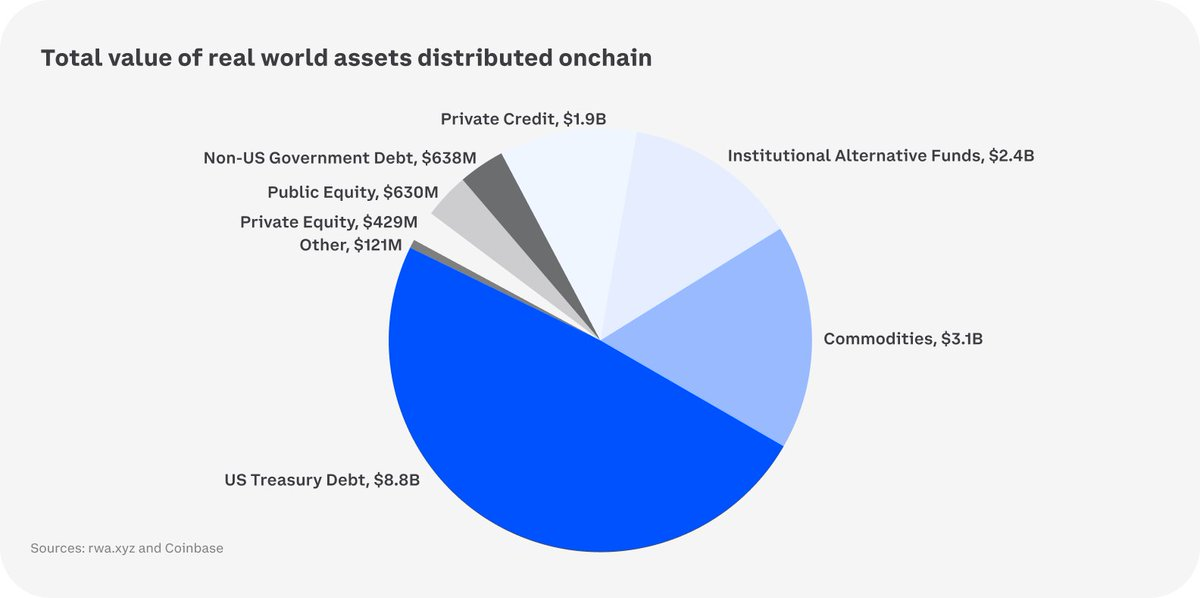
Tokenization: The advantages of atomic composability make the rapid growth prospects of tokenized stocks highly attractive. In many cases, the loan-to-value (LTV) ratios in this DeFi-style model are significantly higher than those in traditional margin frameworks.
The Next Big Trends

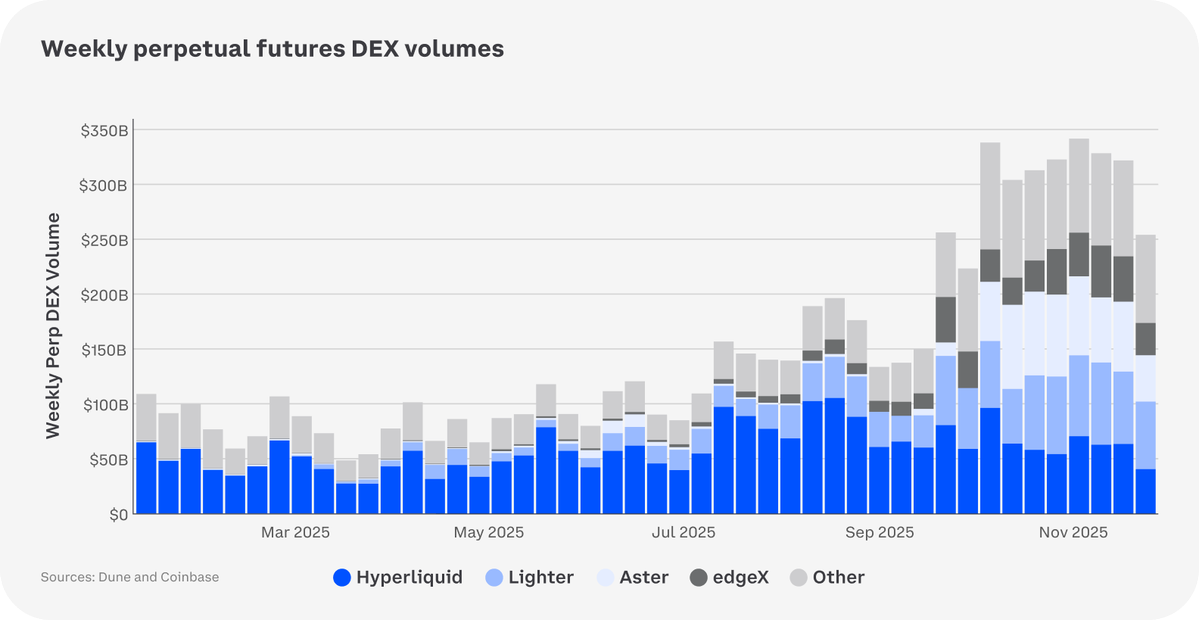
Composability of Crypto Derivatives: As the trend of global retail investors participating in U.S. stock markets continues to rise, we believe equity perpetual contracts (equity perps) could become the preferred choice for a new generation of retail traders, combining the convenience of 24/7 trading with capital efficiency.
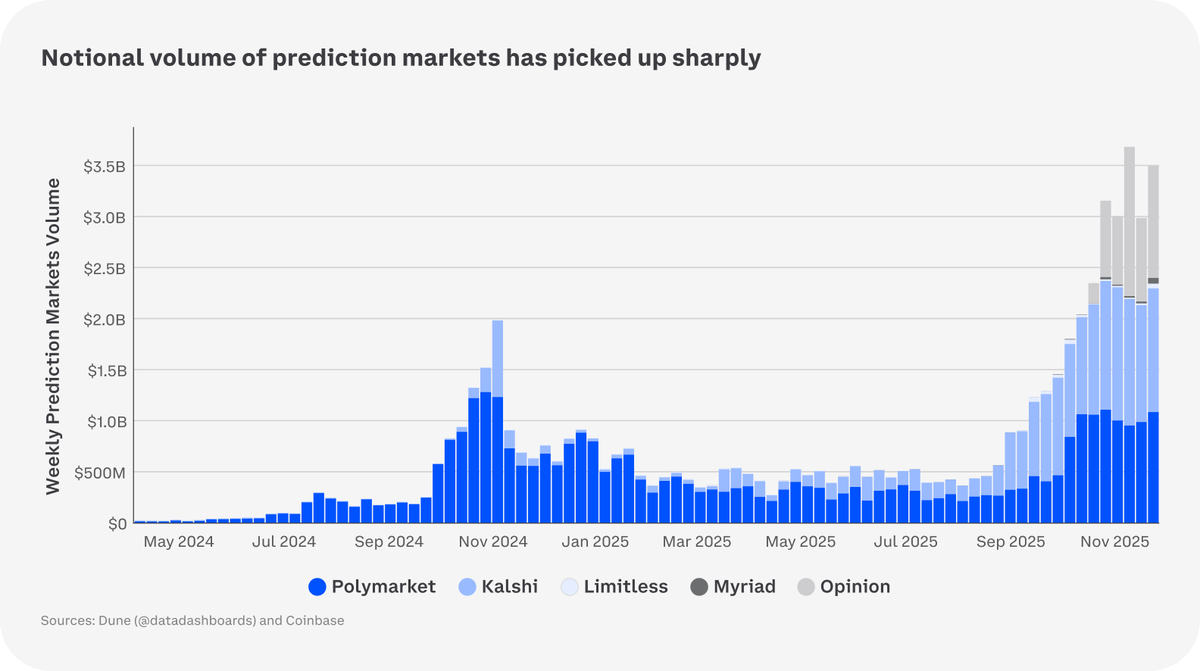
Prediction Markets: Trading volume in prediction markets is expected to grow further in 2026, potentially driven by changes in U.S. tax policy, which may attract more users to these derivatives-linked markets. We believe prediction market aggregators could become the dominant interface layer.
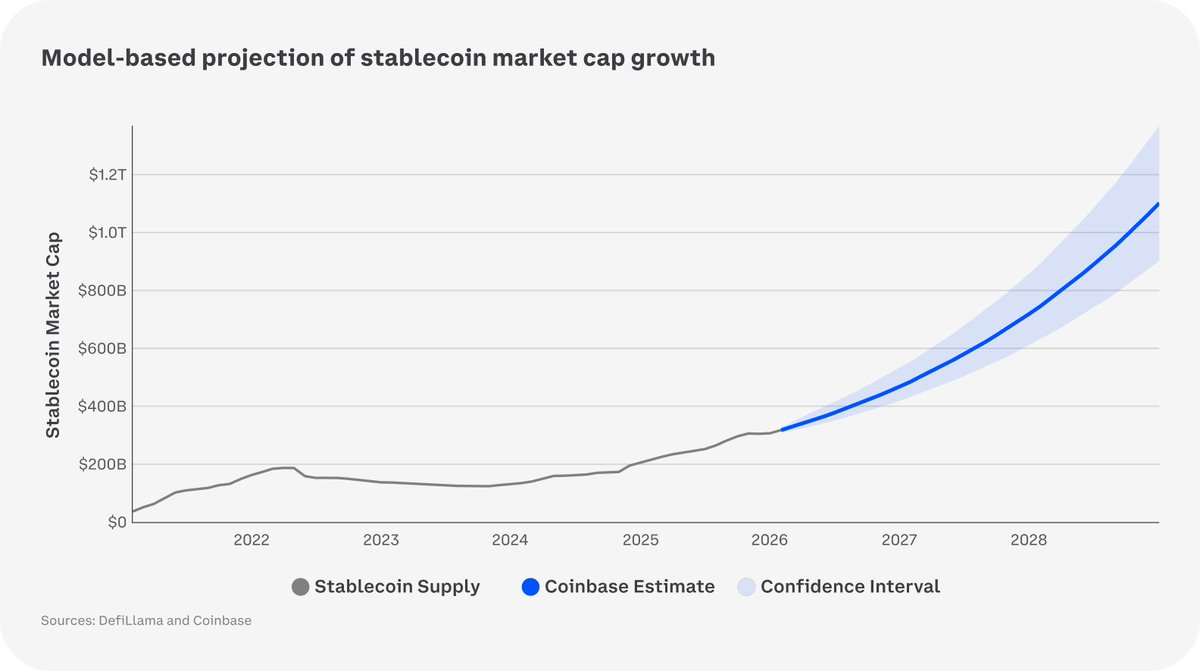
Stablecoins & Payments: Our stochastic models project that the total market capitalization of stablecoins could reach a target range of $1.2 trillion by the end of 2028. Growth is expected in emerging use cases such as cross-border transaction settlements, remittances, and payroll platforms.
We believe the crypto industry is at a critical juncture of deep integration with the core of finance. Seizing this opportunity requires excellence in execution across product quality, compliance, and user-centric design. By focusing on these areas, we can ensure that the next wave of innovation benefits everyone, everywhere, with seamless convenience.


İlgili Sorular

QWhat is the overall market outlook for crypto in 2026 according to Coinbase Institutional?

ACoinbase Institutional holds a 'cautiously optimistic' outlook for the crypto market in 2026. They believe the resilience of the U.S. economy and rising labor productivity will provide a buffer even as broader economic data softens. They liken the first half of 2026 (1H26) more to '1996' than '1999,' indicating expectations of steady growth rather than an irrational bubble, though uncertainty remains high.

QWhat key technological developments are expected to grow with increased crypto adoption?

AWith increased institutional adoption, technologies like Zero-Knowledge Proofs (ZKPs) and Fully Homomorphic Encryption (FHE) are expected to see continued development. There will also be significant growth in the use of on-chain privacy tools to meet the demand for confidentiality.

QWhat is 'DAT 2.0' and how will it change institutional involvement in 2026?

A'DAT 2.0' refers to a new mode of institutional adoption that moves beyond simple asset accumulation. It focuses on the professional trading, storage, and procurement of sovereign block space, treating it as a critical resource for the digital economy.

QHow does the report view the future of tokenization, particularly for assets like stocks?

AThe report states that the advantages of atomic composability make the rapid growth prospects for tokenized stocks highly attractive. In many cases, the loan-to-value (LTV) ratios for DeFi-style lending in this model are significantly higher than those in traditional margin frameworks.

QWhat is the projected growth for the stablecoin market according to the report's model?

AThe report's stochastic model projects that the total market capitalization of stablecoins could reach a target range of $1.2 trillion by the end of 2028. Growth is expected in emerging use cases like cross-border transaction settlements, remittances, and payroll platforms.

İlgili Okumalar

Podcast Notes | Conversation with GSR Asset Management Head: To Determine if This Crypto Rally is Real, Just Watch the Lending Rates on Aave

Podcast Summary: Dialogue with GSR's Head of Asset Management: To Determine if This Crypto Rally is Real, Just Check Lending Rates on Aave Andy Baehr, Managing Director of Asset Management at GSR, discusses the current crypto market, characterizing it as stuck in a state of "ambivalence" with short-lived, unsustainable rallies. He outlines a simple framework: the market moves between "ambivalence" and "conviction" (sustained upward momentum). Currently, every rally resembles a single-stage rocket booster that quickly fizzles out. Baehr identifies three key signals to watch: 1) DeFi lending rates, 2) the potential passage of the CLARITY Act, and 3) the market forming a consensus on the "Fed hawkish peak." He emphasizes that the most immediate indicator for the sustainability of the recent CPI-triggered rally is the USDC borrowing rate on Aave, currently around 3.75%—close to U.S. Treasury yields. The absence of a credit spread indicates low leverage demand and a lack of market energy. He explains that a healthy, sustained rally requires layered buying pressure. Last year's rally progressed from an ETH short squeeze to crypto-native trader influx and finally to ETF inflows. Currently, this structure is missing. Other potential structural buyers like Digital Asset Treasury (DAT) companies are absent, and ETF flows have proven transient. Baehr notes that while small-cap crypto tokens outperformed large caps in Q2—a potential sign of capitation in major assets—capital is also flowing to more exciting opportunities like AI stocks and tech IPOs, leaving crypto sidelined. Regarding DeFi, he highlights that platforms like Aave provide a clear, real-time signal of leverage demand through their supply/demand-driven interest rates. A significant, sustained rate increase would signal genuine market conviction. He also observes the quiet emergence of fixed-income-like products and vaults in DeFi. On regulation, the probability of the CLARITY Act passing before the August 7th deadline has dropped linearly from 75% to below 40% on Polymarket. Baehr suggests its passage would be treated as a bullish surprise, a potent driver for price movement. However, political hurdles, including ethical clause debates and disclosures about the First Family's crypto profits, remain significant obstacles. Ultimately, the market awaits clarity on the Fed's terminal rate under Chair Warsh. Until the "Fed Solstice"—the point where the market collectively understands the peak of hawkish policy—sustained conviction will be difficult to achieve.

marsbit4 dk önce

Podcast Notes | Conversation with GSR Asset Management Head: To Determine if This Crypto Rally is Real, Just Watch the Lending Rates on Aave

marsbit4 dk önce

7 Months After the Collapse of Huiwang, Southeast Asia's Escrow Platforms Undergo a Major Reshuffle

Following the collapse of Huione Pay—dubbed the "Alipay of Southeast Asia"—seven months ago, the region's underground financial guarantee platform sector is undergoing a significant reshuffle. This power vacuum has been swiftly filled by emerging platforms such as XinBi, Tiger/Navigator, JinBei (renamed JinBo), Dali/Tiancheng, and FullyLight. These platforms, operating largely via Telegram and offering services like escrow for illicit transactions, have absorbed the vast user base and markets left behind by Huione. While positioning themselves as "trust intermediaries," their primary clientele consists of networks involved in online scams, money laundering, illegal gambling, and even human trafficking. For instance, the Tiger/Navigator platform explicitly provides "escrow" services for kidnapping-for-ransom operations ("强押车交易"). Data underscores the immense scale: Huione alone processed over $103 billion in cryptocurrency payments and facilitated over $31 billion through its escrow market before its downfall, linking it to Cambodia's notorious Prince Group. Since its collapse, competitors have seen explosive growth. For example, the XinBi platform has accumulated over $1.6 billion in total USDT revenue, while platforms like NewPay, OkPay (under Dali), and FullyLight Wallet collectively processed over $4.8 billion in USDT in a single year. This ecosystem thrives in regions like Cambodia and Myanmar, where regulatory gaps allow these platforms to act as critical financial infrastructure for sprawling cybercrime industries, from scam compounds to online casinos. The article concludes that the moniker "Southeast Asian Alipay" is a misnomer, obscuring the platforms' fundamental role in enabling serious criminal enterprises rather than representing legitimate financial innovation.

Odaily星球日报1 saat önce

7 Months After the Collapse of Huiwang, Southeast Asia's Escrow Platforms Undergo a Major Reshuffle

Odaily星球日报1 saat önce

The Changing Landscape: What Are Crypto VCs Experiencing?

Title: The Shifting Landscape of Crypto Venture Capital The era of dedicated crypto venture capital funds is undergoing a significant transformation. Once essential for navigating the sector's complexity and high risk, these specialized funds are now facing an identity crisis as the market matures. This shift mirrors historical patterns in other specialized investment classes like cleantech and SPACs, where initial information advantages dissipate as technologies become mainstream and integrated into existing industry frameworks. The article argues that crypto is reaching a critical inflection point, transitioning from a "building phase" to an "integration phase." Major players like Stripe, BlackRock, and Visa now engage with crypto not for its novel mechanics but as a foundational financial infrastructure. Their needs—regulatory compliance, banking partnerships, distribution channels—align with traditional fintech, a domain easily understood by large, generalist funds like Sequoia and Founders Fund. This evolution creates a "barbell effect" within the VC landscape. On one end are massive, diversified platforms that can incorporate crypto as one vertical among many. On the other are small, nimble funds focused on niche, experimental projects. The middle ground—medium-sized dedicated crypto funds—is being squeezed out. Their typical fund size makes it impossible to generate sufficient returns solely from early-stage crypto bets, yet they cannot compete with giants for later-stage deals. Consequently, leading crypto-native firms like Paradigm and Framework Ventures are expanding into AI, robotics, and other sectors, driven partly by LP pressure for better returns amid a broader VC DPI crisis. Others, like Dragonfly and a16z, have narrowed their crypto focus predominantly to financial infrastructure like stablecoins, reframing the sector's core narrative. For crypto entrepreneurs, this consolidation presents challenges. While generalist funds offer larger checks and broader resources, crypto projects now compete fiercely with AI for attention and capital within these firms. Furthermore, the long-term, non-commercial foundational work that built the ecosystem—funded by dedicated crypto VCs—is less likely to attract generalist capital focused on direct returns. The conclusion is that "crypto investor" as a standalone category is becoming obsolete, akin to "internet investor." Crypto is becoming a baseline infrastructure layer. The future will see a barbell structure: large-scale growth financing handled by generalist funds, while pioneering, speculative projects are funded by small, specialized vehicles. The dedicated crypto funds of the 2017-2021 boom, which incubated core infrastructure, are giving way to this new, bifurcated reality.

Foresight News1 saat önce

The Changing Landscape: What Are Crypto VCs Experiencing?

Foresight News1 saat önce

İşlemler

Spot
活动图片




