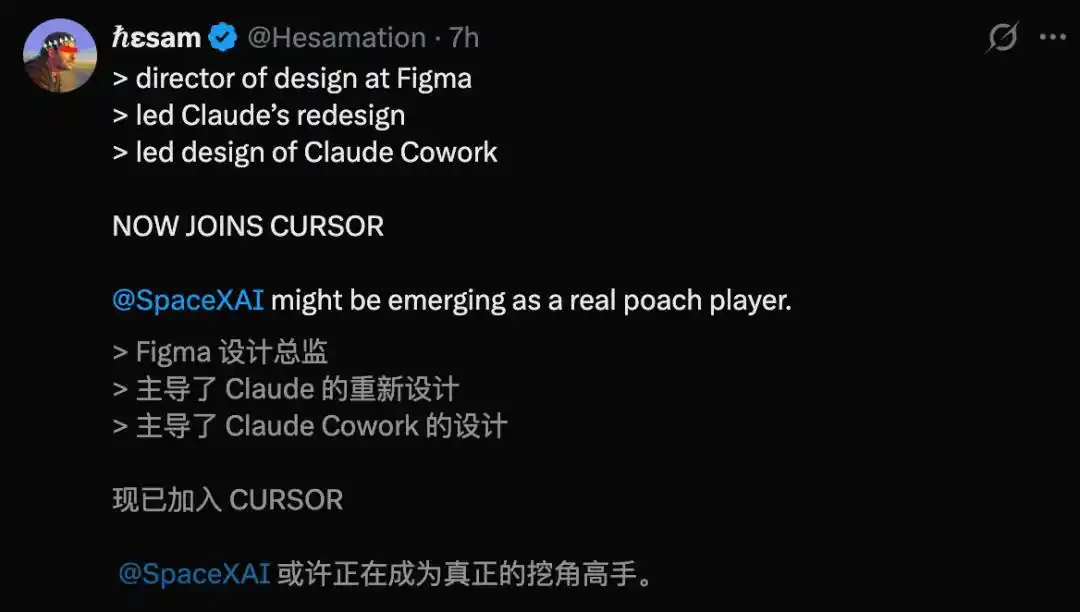
Cursor poached someone from Anthropic's house!
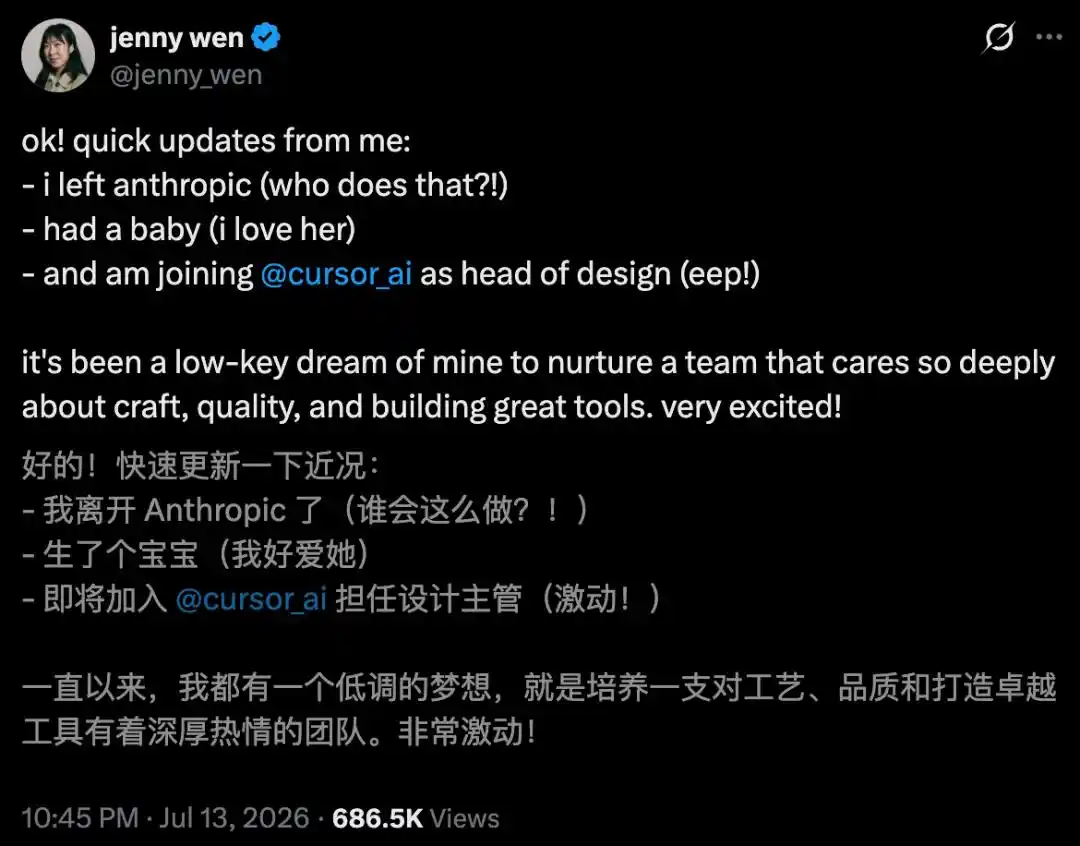
Just now, Claude's core designer number one, Jenny Wen, officially announced her departure. Her next stop—
Becoming Cursor's "Head of Design".

In this public post, Jenny briefly mentioned three major events in her life recently: had a baby, quit a job, changed a company.
She added her wish: to lead a team that genuinely cares about craft, quality, and "building great tools".
Cursor will undoubtedly be her new stage to shine.
But this battlefield just changed owners.
Just a few weeks ago, Anysphere, Cursor's parent company, was fully acquired by SpaceXAI in an all-stock deal.
This means Jenny's move essentially brings her directly under Musk's command.

She Made Claude's "Face"
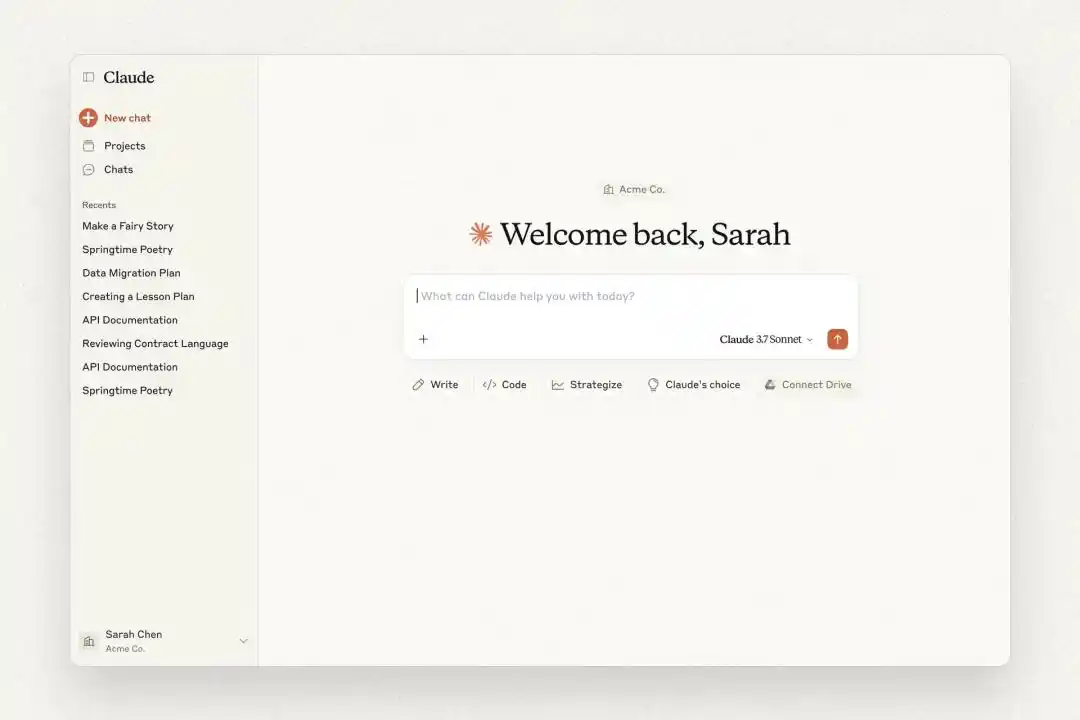
At Anthropic, the first thing Jenny Wen did was completely redesign Claude.ai.
In March 2025, that visual overhaul—
refreshing the feel, cutting redundant features, tightening countless small details, making an explosively growing product feel "like a whole" again.

The way Claude looks when you open it today was largely defined by that overhaul.
The real heavy lifting came later.
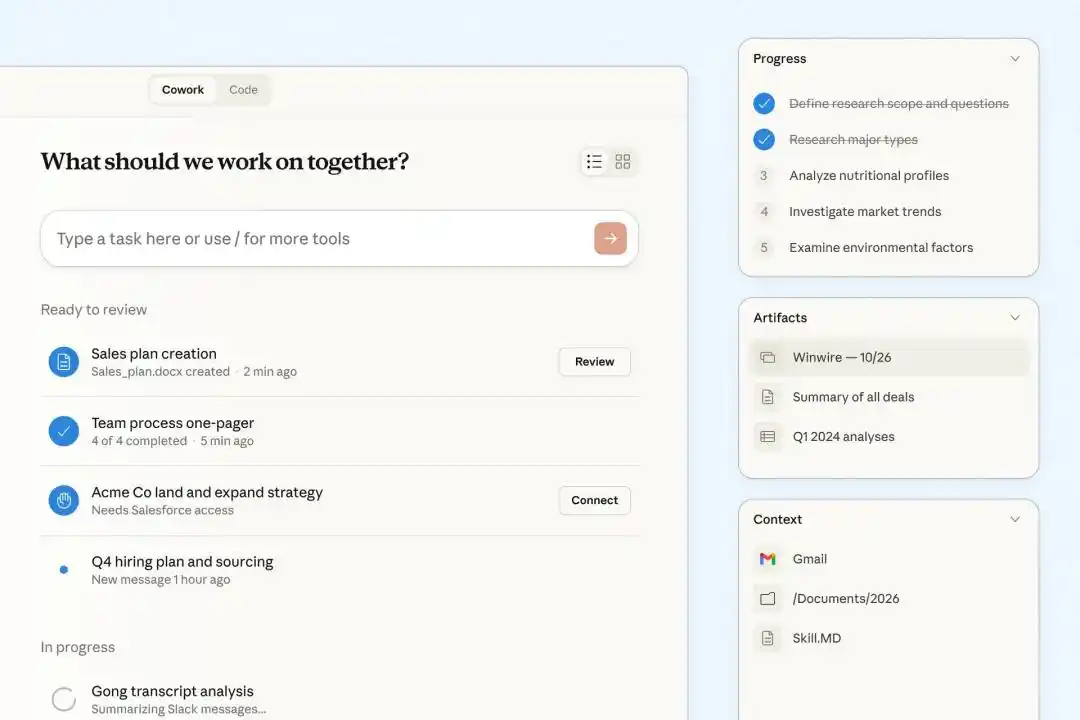
In January 2026, Anthropic released the general-purpose agent, Cowork.
The vision for this general-purpose Agent product was something Jenny defined back in 2025.
After its launch, she personally pushed PR and drove growth, turning it from an internal prototype into Anthropic's most aggressive strategic move—
evolving Claude from a "chatbox" to a "workspace".
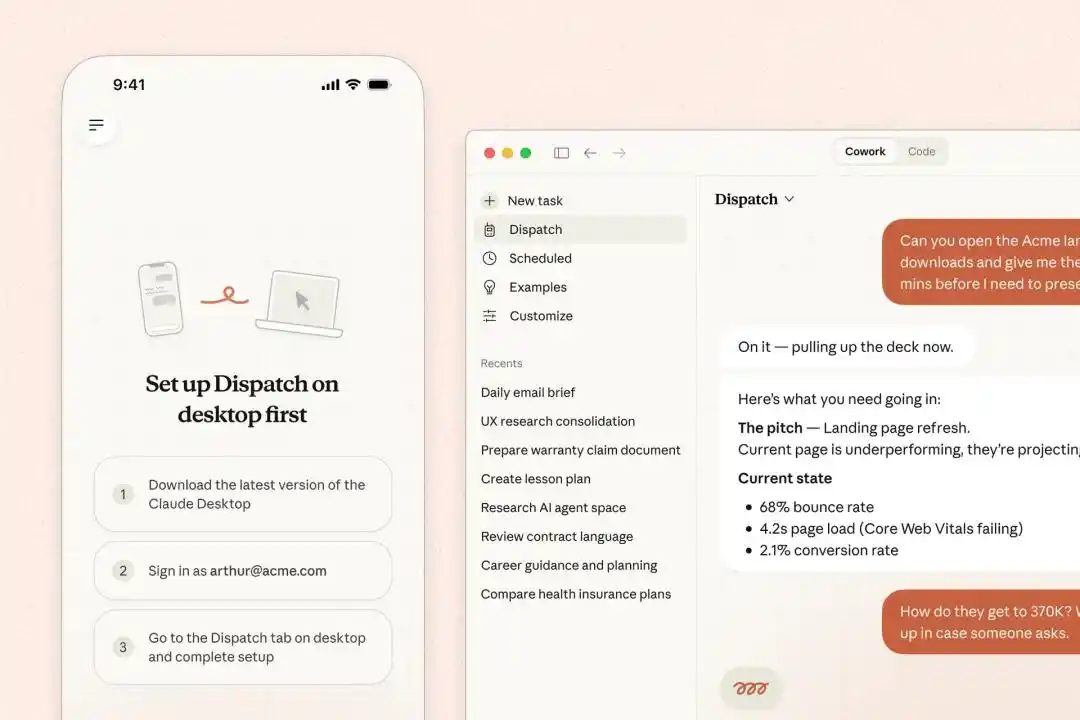
By March, Cowork and Claude Code together launched Dispatch: Claude keeps working even when you're away from your computer.
In other words, she knows better than most where Anthropic is heading next.
And it was precisely at this time that she uttered the phrase that made the entire design community uneasy.
7 Claudes Running, The Design Process is Dead
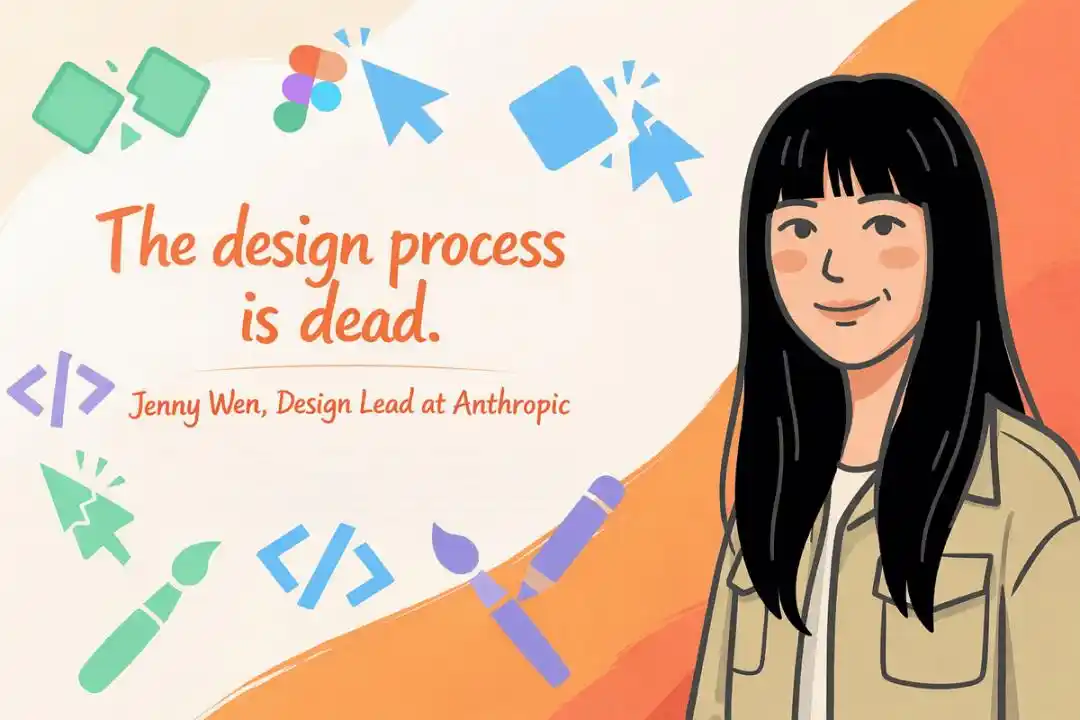
On "Lenny's Podcast" in March this year, she started by giving everyone a blow—
The design process that designers have been taught for years and held as gospel is basically dead.
Her logic was chillingly cold: "This change wasn't initiated by the design community; it was forced by the engineering side."
When an engineer can run seven Claudes simultaneously and push features live in hours, if a designer tries to hold them back with months of "divergence-convergence" process, it's suicidal.
She gave a painful number—
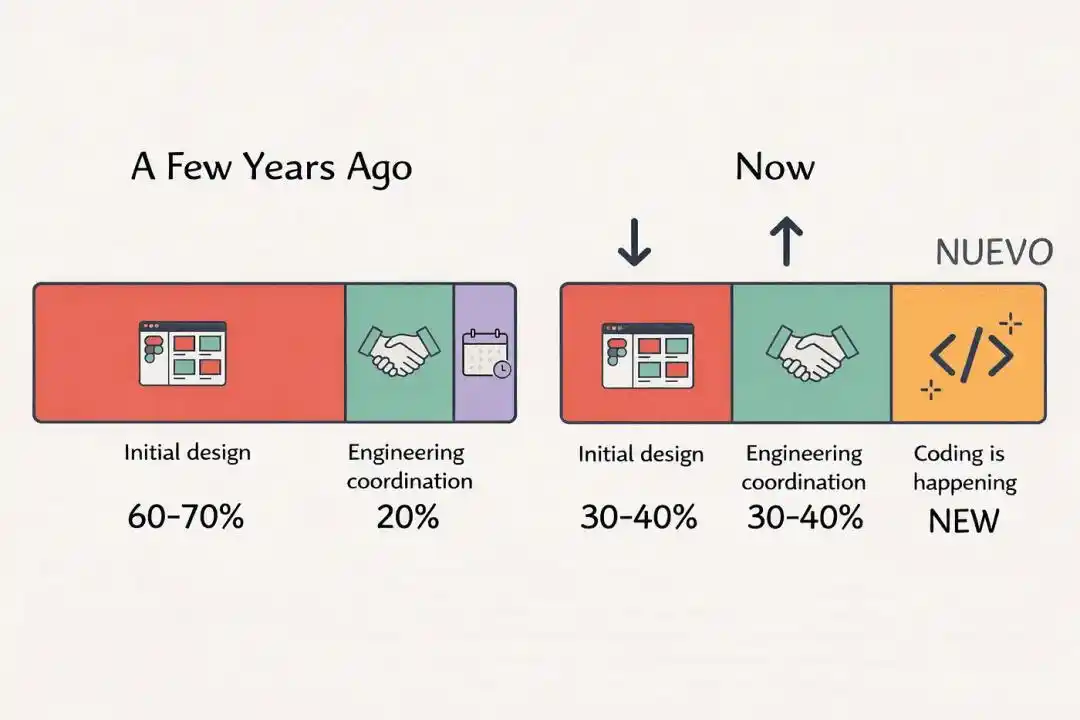
A few years ago, designers spent 60%~70% of their time on sketching and prototyping. Now it's down to 30%~40%.
Where did the saved time go? To pairing with engineers, to writing code themselves, to wrestling directly with models.
This statement was retweeted, debated, and pinned on Slack as a battle cry by countless people.
No one imagined it was actually an onboarding declaration written three months in advance.
Because the only thing left for someone who personally declared the old rules dead is to set the new ones.
A Person Willing to "Go Down"
To understand the weight of this move, we need to rewind the clock.
Before 2025, Jenny Wen's position at Figma was already excellent—
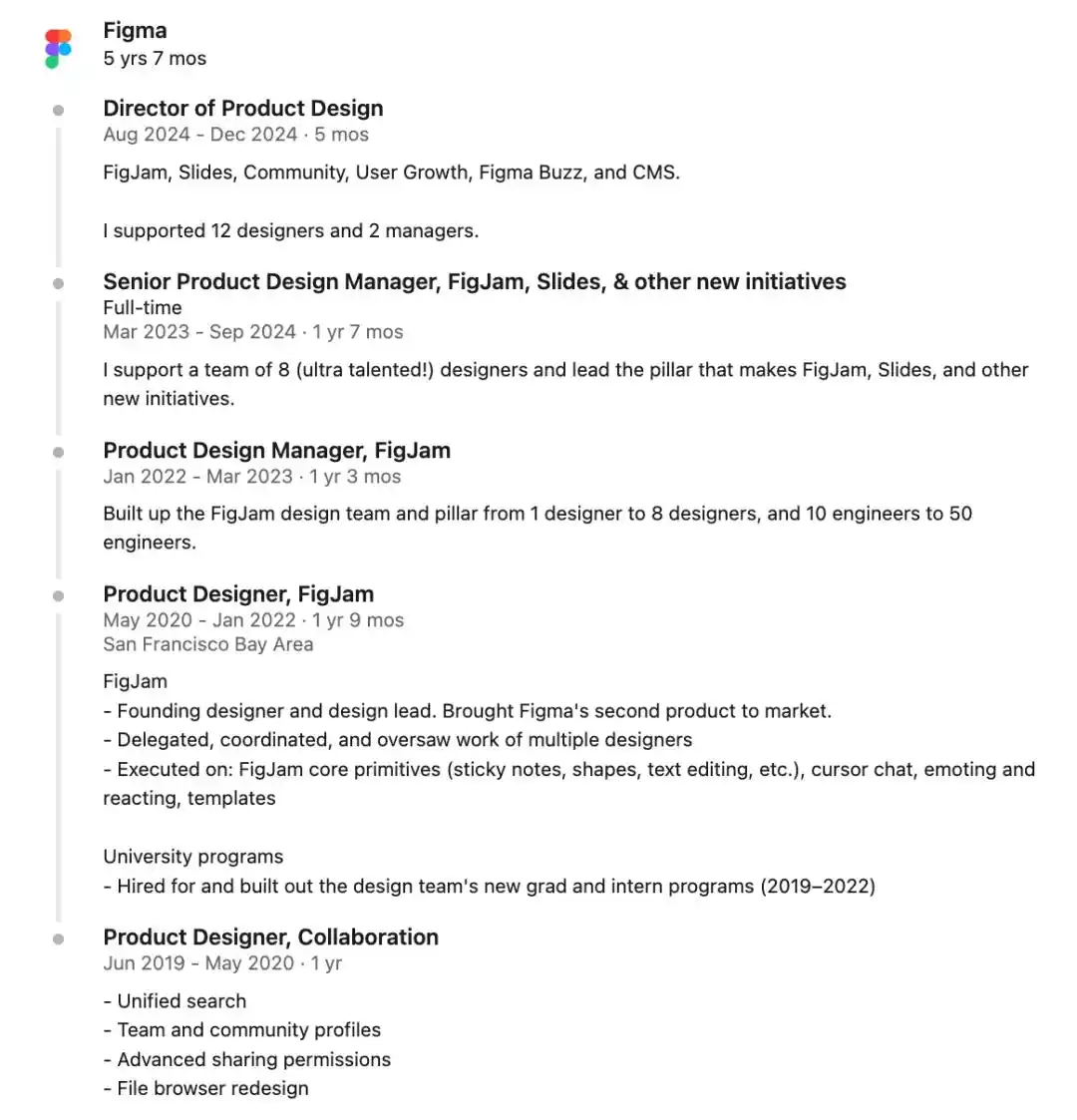
Design Director, overseeing FigJam, Slides, Buzz, Sites CMS, all of Figma's most future-facing businesses.
The shapes in FigJam, sticky notes, cursor chat, emoji reactions—she drew them stroke by stroke.

Managing a team of over a dozen people, working on the most envied products in the industry.
Then she resigned and went to Anthropic. And, voluntarily demoted: from Director back to a hands-on IC (Individual Contributor).
This was nearly "rebellious" in the design circle. Others desperately climb the management ladder, she went down.
Her reasons were later stated bluntly: This industry changes too fast, middle management might not be safe in the future; a manager who doesn't personally use AI tools will quickly lose empathy and guidance for their team.
She wanted to be closer to the product, to the code, to the models.
Timing for AI Coding, Perfectly Aligned
Why does Cursor, at this critical juncture, insist on snatching a Head of Design?
Looking back at its rise, Cursor relied on three axes: hardcore engineering ability, extremely fast model integration speed, and terrifyingly unreasonable iteration efficiency.
A new model gets released, Cursor integrates it first; competitors are still in meetings, Cursor has already shipped an update.
But the advantages of this playbook are visibly thinning.
The gap between underlying models from different companies is being compressed to "weeks". Whoever tops the leaderboard today gets caught up next month.
Developer switching costs are almost zero—changing tools is a matter of minutes.
So the moat has shifted to "quality".
What truly makes a developer want to stay for eight hours a day is how smooth the workflow is, how thoughtful the interaction details are, and whether the software has a sense of "premium feel".
These things cannot be built with parameters or brute-force compute.
They can only be polished bit by bit by a group of people willing to obsess over a corner radius, a transition, a loading animation.
Cursor figured this out, then precisely poached one of the people in the world who best understands "how to build interfaces for AI".
This article is from the WeChat official account "Xinzhiyuan", author: ASI Apocalypse