Bitcoin Wallet Activity Emerges in Nancy Guthrie Case

TheNewsCrypto2026-02-11 tarihinde yayınlandı2026-02-11 tarihinde güncellendi

Özet

Activity has been detected in a Bitcoin wallet linked to the ransom demand in the disappearance of Nancy Guthrie, mother of NBC Today co-anchor Savannah Guthrie. The activity, first noted since the ransom note was sent, occurred on February 6, shortly after the FBI released surveillance images of a person of interest. Details of the transaction remain undisclosed. Guthrie went missing on February 1 from her Arizona home after evidence of a struggle was found. A ransom note demanding millions in Bitcoin had been sent to media outlets, with two deadlines that have since passed. Officials have not confirmed whether the transaction is related to the kidnappers, the family, or law enforcement. The case reflects a broader trend of cryptocurrency-related kidnappings globally.

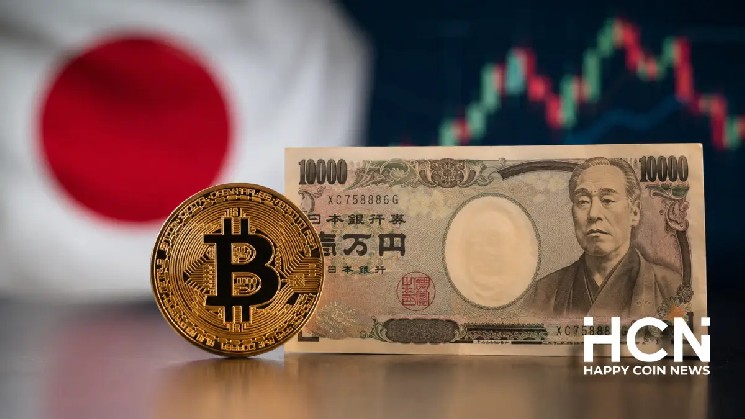
An activity has been witnessed in a Bitcoin wallet associated with an alleged ransom demand in the high-profile vanishing of 84-year-old Nancy Guthrie, the mother of NBC Today co-anchor Savannah Guthrie.

TMZ affirmed on February 10 that for the first time since the ransom note was received, there has been “activity” in the cryptocurrency account specified in the initial ransom demand sent to various media outlets, comprising TMZ itself.

The details of the transaction, comprising the amount shared and the sender, haven’t been revealed yet. The progress indicates a prominent update in a scrutiny that has witnessed no confirmed contact from the kidnappers since earlier deadlines for ransom payments passed.

In late January, Nancy Guthrie was witnessed at her home in Catalina Foothills, Arizona, after which she went missing on February 1. Law enforcement has served her missing as a possible abduction after finding evidence of a struggle and DNA-matched blood at the scene.

Soon after she vanished, a ransom note asking for payment in Bitcoin (BTC) was sent to two Tucson television stations and TMZ. As reports note, it set two deadlines and demanded millions in Bitcoin for the safe return of Guthrie.

As per the TMZ founder, Harvey Levin, the ransom wallet associated with the first letter revealed activity on February 6, hours after the FBI unveiled surveillance images of a person of interest.

No Official Confirmation

Levin also revealed he noted the activity “around 12 minutes” after it happened, though he rejected giving detail on the nature of the transaction. The surveillance footage and photos of a masked person witnessed around the home of Guthrie early the morning she disappeared, and a person of interest was delayed for questioning south of Tucson earlier this week.

Currently, officials haven’t confirmed if the Bitcoin transaction is linked to the alleged kidnappers, the Guthrie family, law enforcement, or another party, and scrutiny is going on. The noted Bitcoin wallet activity in the Gutherie case comes at the time of a broader global surge in cryptocurrency-associated kidnappings.

6 suspects in a case were arrested by the French authorities, where a magistrate and her mother were held for a crypto ransom before being released. The other cross-border operation in 2025, between Spanish and Danish police, places a claim of abducting and killing a crypto holder.

Highlighted Crypto News Today:

Crypto PAC Pledges $5M for Barry Moore Senate Run

TagsBitcoinBitcoin (BTC)BTC

İlgili Sorular

QWhat activity was recently observed in the Bitcoin wallet linked to the Nancy Guthrie case?

AActivity was witnessed in the cryptocurrency account specified in the initial ransom demand, marking the first such movement since the ransom note was received.

QWhat evidence led law enforcement to treat Nancy Guthrie's disappearance as a possible abduction?

ALaw enforcement treated it as a possible abduction after finding evidence of a struggle and DNA-matched blood at her home in Catalina Foothills, Arizona.

QAccording to TMZ's Harvey Levin, when did the activity in the ransom wallet occur?

AThe activity in the ransom wallet occurred on February 6, hours after the FBI released surveillance images of a person of interest.

QWhat did the ransom note demand for the safe return of Nancy Guthrie?

AThe ransom note demanded millions in Bitcoin (BTC) and set two deadlines for payment.

QHave officials confirmed the source or purpose of the Bitcoin transaction?

ANo, officials have not confirmed if the transaction is linked to the alleged kidnappers, the Guthrie family, law enforcement, or another party, and the investigation is ongoing.

İlgili Okumalar

Uncovering the Truth About Agent Commerce, Payments, and Infrastructure

Decoding Agent Commerce, Payments, and Infrastructure: The Reality Over the past year, I've been building infrastructure for the Agent economy, engaging with major players like Stripe, Visa, Coinbase, Google, and dozens of startups. A clear conclusion emerges: true, large-scale demand does not yet exist. Startups face structural challenges. Data points illustrate this gap. Stripe's Agent commerce platform has over 1,000 merchants but only single-digit transacting agents. Visa's Agent payment token requires 9-month KYC and a $250M revenue threshold, accessible only to giants like Amazon. On-chain analysis reveals actual daily Agent transaction volume is around $17k, half of which are test transactions. The article analyzes four potential markets: **1. Agent-to-Merchant (A2M):** Current AI shopping UX is often inferior to traditional e-commerce for visual, comparison-heavy purchases (clothing, electronics). Chat interfaces are a step back. Real merchant interest is defensive "Agent Engine Optimization," fearing future obsolescence, not current demand. Potential exists in high-frequency, low-decision purchases (e.g., food delivery) or simplifying terrible UX (complex checkouts, non-native shoppers), but these require massive consumer distribution channels dominated by giants like DoorDash and Amazon. **2. Agent-to-API (A2A):** Developers already have subscriptions and billing for core APIs (compute, data). The argument for micro-payments via crypto for sub-dollar API calls is addressed by pre-paid balances today. The deeper issue is supplier resistance; major SaaS firms rely on enterprise contracts, not fractional cent pricing. Opportunity lies in the long tail of niche services, but this is a smaller market catering to developers, a historically low-paying group. **3. Agent-to-Agent (A2A):** This remains a theoretical long-term vision with near-zero current transaction volume. It involves unique challenges: discovery, trust, negotiation, dispute resolution. When it materializes, it will require a fundamentally new settlement infrastructure for high-speed, variable-value, multi-party transactions. It's a real long-term bet, but not the current market. **4. Agent-to-Finance (A2F):** This is the only category with existing, paying demand. Integrating AI into financial workflows (trading, portfolio management) is a natural evolution and enables new capabilities like autonomous rebalancing. However, competition favors incumbents with regulatory licenses, compliance infrastructure, and existing client relationships. **The Real Issue:** Why is infrastructure still being built? Incumbents can afford long-term bets, and payment companies see every problem as a nail for their payment hammer. However, payment is just one piece. The core challenge is *coordination*—orchestrating work between Agents and humans, verifying outcomes, and settling results. Payment is part of settlement, which is part of coordination. Companies that solve the coordination problem will subsume payments, not the other way around. Startups lack the infinite runway of giants and must find today's real market, which, after a year of exploration, lies outside these four categories—in an area with real, growing, and underserved activity.

marsbit5 saat önce

Uncovering the Truth About Agent Commerce, Payments, and Infrastructure

marsbit5 saat önce

İşlemler

Spot
Futures
活动图片