BIP-360 Explained: Bitcoin Takes Its First Step Towards Quantum Resistance, But Why Is It Only the 'First Step'?

marsbit2026-03-14 tarihinde yayınlandı2026-03-14 tarihinde güncellendi

Özet

BIP-360 introduces a quantum-resistant upgrade to Bitcoin by proposing Pay-to-Merkle-Root (P2MR) scripts, which remove the key-path spending option in Taproot to minimize elliptic curve key exposure—a primary vulnerability in a future quantum computing scenario. This marks Bitcoin’s first formal step toward quantum defense, though it is a cautious and incremental update rather than a full cryptographic overhaul. P2MR retains support for complex scripts like multisig and timelocks via Taproot’s Merkle tree structure, ensuring smart contract flexibility. However, it does not upgrade existing UTXOs or replace ECDSA/Schnorr signatures with post-quantum alternatives. Wallets and services may gradually adopt P2MR addresses, but broader ecosystem coordination and user migration will be required over time. The proposal reflects Bitcoin’s proactive approach to long-term security amid advancing quantum computing research.

· BIP-360 formally incorporates quantum resistance into Bitcoin's development roadmap for the first time, marking a cautious, incremental technical evolution rather than a radical overhaul of the cryptographic system.

· The quantum risk primarily threatens exposed public keys, not the SHA-256 hash algorithm used by Bitcoin. Therefore, reducing public key exposure has become the core security issue that developers are focusing on solving.

· BIP-360 introduces a Pay-to-Merkle-Root (P2MR) script, which removes the key path spending option from the Taproot upgrade, mandating that all UTXO spends must go through a script path, thereby minimizing the risk of exposing elliptic curve public keys.

· P2MR retains the flexibility of smart contracts, still supporting multisig, timelocks, and complex custody structures through the Tapscript Merkle tree.

Bitcoin's design philosophy enables it to withstand severe economic, political, and technological challenges. As of March 10, 2026, its development team is addressing an emerging technological threat: quantum computing.

The recently released Bitcoin Improvement Proposal 360 (BIP-360) has, for the first time, formally listed quantum resistance on Bitcoin's long-term technical roadmap. Although some media reports tend to portray it as a major change, the reality is more cautious and gradual.

This article will delve into how BIP-360 reduces Bitcoin's quantum risk exposure by introducing the Pay-to-Merkle-Root (P2MR) script and removing Taproot's key path spending functionality. It aims to clarify the proposal's improvements, the trade-offs it introduces, and why it does not yet make Bitcoin fully post-quantum secure.

Source of the Quantum Computing Threat to Bitcoin

Bitcoin's security is built on cryptographic foundations, primarily the Elliptic Curve Digital Signature Algorithm (ECDSA) and, since the Taproot upgrade, Schnorr signatures. Traditional computers cannot derive a private key from a public key in a feasible amount of time. However, a sufficiently powerful quantum computer running Shor's algorithm could potentially break the elliptic curve discrete logarithm problem, thus compromising private key security.

The key distinctions are as follows:

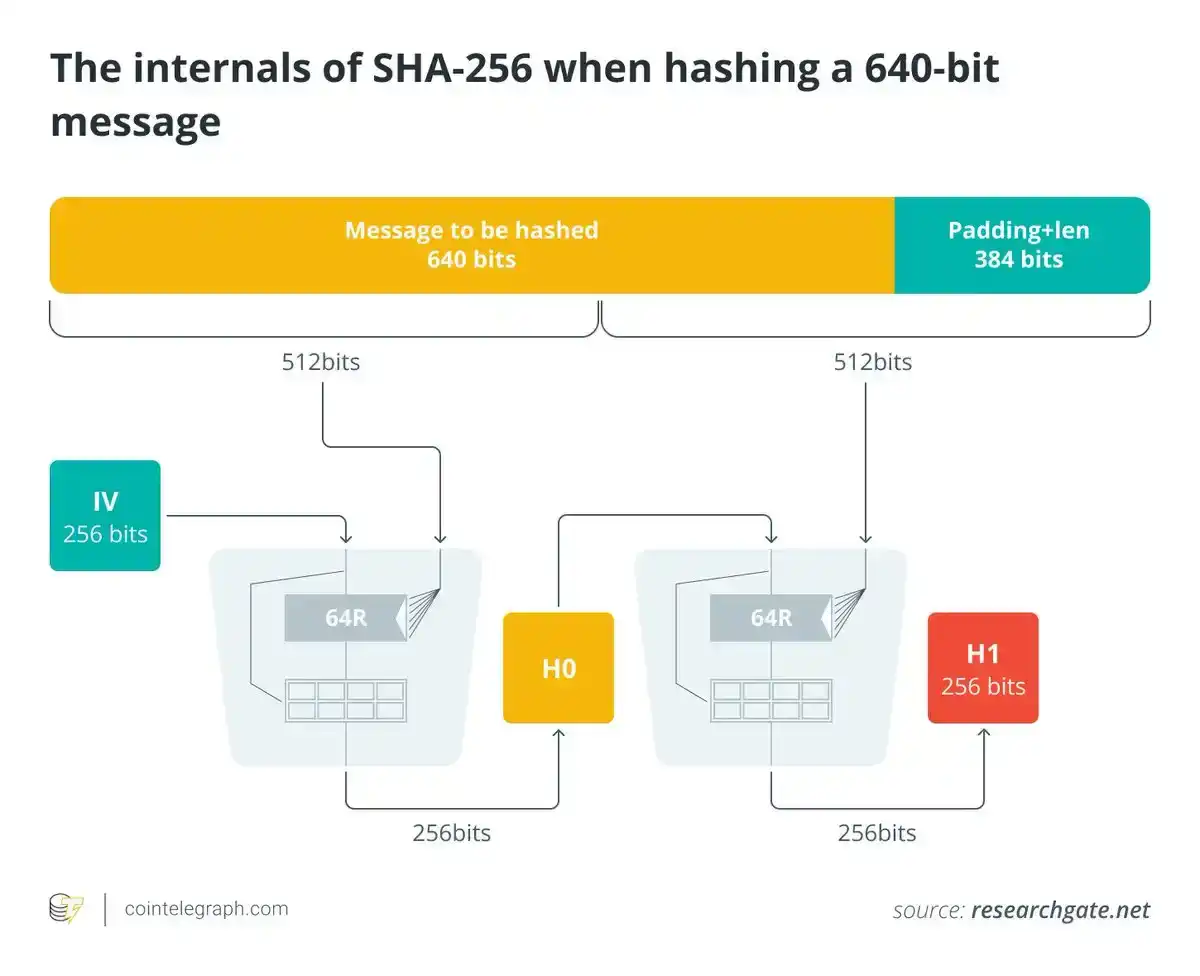
· Quantum attacks primarily threaten public-key cryptography, not hash functions. The SHA-256 algorithm used by Bitcoin is relatively robust against quantum computing. Grover's algorithm only offers a quadratic speedup, not an exponential one.

· The real risk lies in the moment a public key is revealed on the blockchain.

Based on this, the community widely regards public key exposure as the primary quantum risk.
Bitcoin's Potential Vulnerabilities in 2026

Different types of addresses in the Bitcoin network face varying degrees of future quantum threat:

· Reused addresses: When funds are spent from such an address, its public key is revealed on-chain, making it vulnerable if a cryptographically relevant quantum computer (CRQC) emerges in the future.

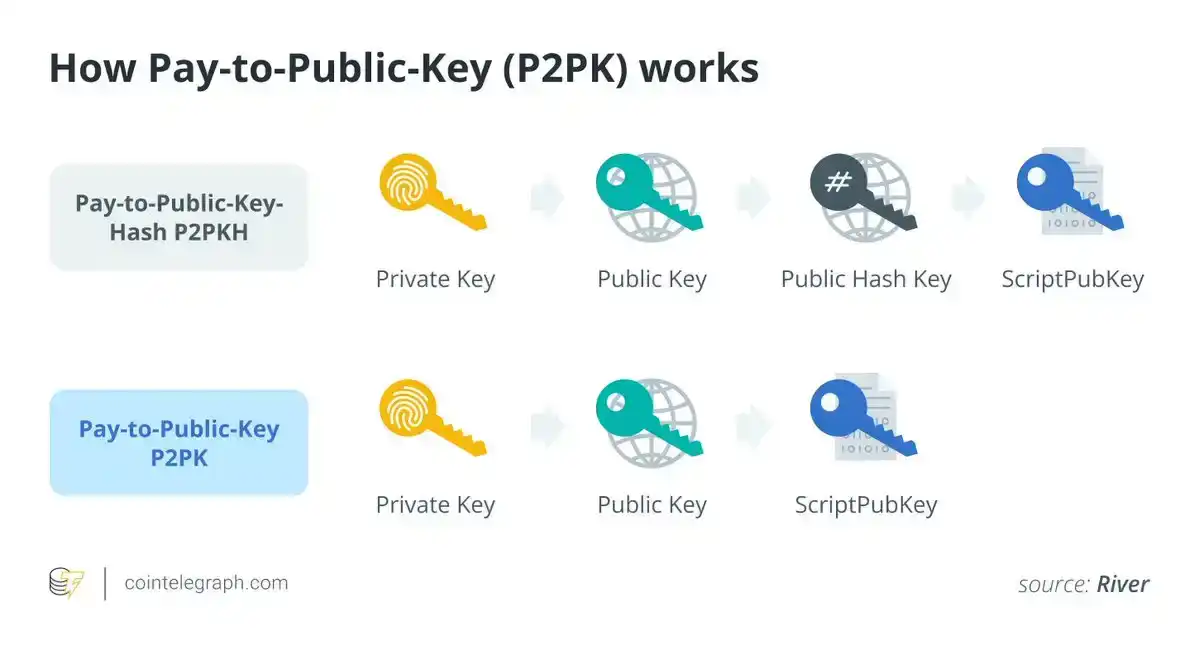
· Legacy Pay-to-Public-Key (P2PK) outputs: Early Bitcoin transactions directly wrote the public key into the transaction output.

· Taproot key path spends: The Taproot upgrade (2021) provided two spending paths: a concise key path (which exposes a tweaked public key upon spending) and a script path (which exposes a specific script via a Merkle proof). The key path is the main theoretical weak point under a quantum attack.

BIP-360 is designed specifically to address this key path vulnerability.
The Core of BIP-360: Introducing P2MR

The BIP-360 proposal adds a new output type called Pay-to-Merkle-Root (P2MR). This type is structurally similar to Taproot but makes one key change: it completely removes the key path spending option.

Instead of committing to an internal public key like Taproot, P2MR commits only to the Merkle root of a script tree. Spending a P2MR output involves:

Revealing a leaf script from the script tree.

Providing a Merkle proof to confirm that this leaf script belongs to the committed Merkle root.

Throughout this process, there is no spending path based on a public key.

The direct impacts of removing the key path spend include:

· Avoiding public key exposure from direct signature verification.

· All spending paths rely on more quantum-resistant hash-based commitments.

· The number of elliptic curve public keys existing long-term on the chain will be significantly reduced.

· Methods based on hashing offer significant advantages over those relying on elliptic curve assumptions in resisting quantum attacks, thereby greatly reducing the potential attack surface.

Functionality Retained by BIP-360

A common misconception is that abandoning the key path spend weakens Bitcoin's smart contract or scripting capabilities. In fact, P2MR fully supports the following:

· Multisig configurations

· Timelocks

· Conditional payments

· Inheritance schemes

· Advanced custody arrangements

BIP-360 achieves all this through the Tapscript Merkle tree. This approach retains full scripting capability while sacrificing the convenient but potentially risky direct signing path.

Background: Satoshi Nakamoto briefly mentioned quantum computing in early forum discussions, suggesting that if it became a reality, Bitcoin could migrate to a stronger signature scheme. This indicates that building flexibility for future upgrades was part of the initial design philosophy.

Practical Impact of BIP-360

Although BIP-360 appears to be a purely technical improvement, its impact will broadly affect wallets, exchanges, and custody services. If adopted, it will gradually reshape how new Bitcoin outputs are created, spent, and custodied, especially for users prioritizing long-term quantum resistance.

· Wallet Support: Wallet applications will likely offer optional P2MR addresses (potentially starting with 'bc1z') as a 'quantum-hardened' option for users receiving new coins or storing long-term holdings.

· Transaction Fees: Since using a script path introduces more witness data, P2MR transactions will be slightly larger than Taproot key path spends, potentially leading to a modest increase in fees. This represents a trade-off between security and transaction compactness.

· Ecosystem Coordination: Full deployment of P2MR requires updates from wallets, exchanges, custodians, and hardware wallets. Related planning and coordination efforts need to start years in advance.

Background: Governments have begun focusing on the 'harvest now, decrypt later' risk, which involves collecting and storing encrypted data en masse today to be decrypted by future quantum computers. This strategy mirrors the potential concern over exposed Bitcoin public keys.

The Defined Limits of BIP-360

Although BIP-360 enhances Bitcoin's defense against future quantum threats, it is not a complete cryptographic overhaul. Understanding its limitations is equally crucial:

· Existing assets are not automatically upgraded: All old unspent transaction outputs (UTXOs) remain vulnerable until users actively move funds to P2MR outputs. Therefore, the migration process depends entirely on individual user action.

· Does not introduce new post-quantum signatures: BIP-360 does not adopt lattice-based signature schemes (like Dilithium or ML-DSA) or hash-based signature schemes (like SPHINCS+) to replace the current ECDSA or Schnorr signatures. It only removes the public key exposure pattern introduced by the Taproot key path. A full transition to post-quantum signatures at the base layer would require a much larger protocol change.

· Does not provide absolute quantum immunity: Even if a functional CRQC suddenly appeared, resisting its impact would require large-scale, high-intensity coordination among miners, nodes, exchanges, and custodians. Long-dormant 'sleeping coins' could pose complex governance challenges and put immense pressure on the network.

Motivation for Developers' Proactive Planning

The development path of quantum computing is uncertain. Some believe practical applications are decades away, while others point to IBM's goal for fault-tolerant quantum computers by the late 2020s, Google's breakthroughs in quantum chips, Microsoft's research in topological quantum computing, and the U.S. government's 2030-2035 deadline for transitioning cryptographic systems as signs of accelerating progress.

Migrating critical infrastructure takes a long time. Bitcoin developers emphasize the need for systematic planning across all stages: BIP design, software implementation, infrastructure adaptation, and user adoption. Waiting until the quantum threat is imminent could lead to being unprepared due to lack of time.

If broad community consensus is reached, BIP-360 could be implemented via a soft fork in phases:

· Activate the new P2MR output type.

· Wallets, exchanges, and custodians gradually add support for it.

· Users incrementally migrate assets to the new addresses over several years.

This process is similar to the path from optional to widespread adoption seen with previous upgrades like Segregated Witness (SegWit) and Taproot.

Ongoing Discussion Surrounding BIP-360

There is ongoing discussion within the community regarding the urgency of implementing BIP-360 and its potential costs. Core topics include:

· Is the slight fee increase acceptable for long-term holders?

· Should institutional users lead the asset migration to set an example?

· How should 'dormant' Bitcoins that may never be moved be handled appropriately?

· How should wallet applications accurately communicate the concept of 'quantum safety' to users, avoiding unnecessary panic while providing effective information?

These discussions are ongoing. The proposal of BIP-360 has greatly advanced the in-depth discussion of related issues but is far from providing all the answers.

Background: The theoretical concept that quantum computers could break current cryptography dates back to 1994 when mathematician Peter Shor proposed Shor's algorithm, long before Bitcoin existed. Therefore, Bitcoin's planning for future quantum threats is essentially a response to this theoretical breakthrough, which is over thirty years old.

Measures Users Can Take Now

Currently, the quantum threat is not imminent, and users need not be overly worried. However, taking some prudent measures is beneficial:

· Adhere to the principle of not reusing addresses.

· Always use the latest version of wallet software.

· Stay informed about Bitcoin protocol upgrade developments.

· Watch for when wallet applications begin supporting the P2MR address type.

· Holders of significant amounts of Bitcoin should quietly assess their risk exposure and consider formulating corresponding contingency plans.

BIP-360: The First Step Towards a Quantum-Resistant Era

BIP-360 marks the first concrete step Bitcoin has taken at the protocol level to reduce quantum risk exposure. It redefines how new outputs are created, minimizes the accidental leakage of public keys, and lays the groundwork for future long-term migration planning.

It does not automatically upgrade existing Bitcoin, retains the current signature system, and highlights the fact that achieving true quantum resistance requires a carefully coordinated, ecosystem-wide sustained effort. This relies on long-term engineering practice and phased community adoption, not something a single BIP can accomplish overnight.


İlgili Sorular

QWhat is the primary security risk that BIP-360 aims to mitigate against quantum computing threats?

ABIP-360 primarily mitigates the risk of public key exposure, which is the main vulnerability that quantum computers could exploit to compromise private keys.

QHow does the Pay-to-Merkle-Root (P2MR) script introduced in BIP-360 differ from Taproot in terms of spending paths?

AP2MR removes the key path spending option entirely, forcing all UTXO spends to go through a script path, whereas Taproot offers both a key path and a script path for spending.

QWhat are some of the functional capabilities that BIP-360's P2MR retains despite removing the key path?

AP2MR retains support for multisignature configurations, timelocks, conditional payments, inheritance schemes, and advanced custody arrangements through its Tapscript Merkle tree.

QWhy is BIP-360 considered only the 'first step' towards making Bitcoin quantum-resistant?

AIt is a first step because it doesn't automatically upgrade existing UTXOs, doesn't introduce new post-quantum signature algorithms, and a full transition would require a much larger protocol change and ecosystem coordination.

QWhat practical impact might BIP-360 have on Bitcoin users and wallet providers if adopted?

AWallet providers may offer optional P2MR addresses, transactions might have slightly higher fees due to larger witness data, and a coordinated, multi-year effort would be needed for full ecosystem adoption and user migration.

İlgili Okumalar

a16z: AI's 'Amnesia', Can Continuous Learning Cure It?

The article "a16z: AI's 'Amnesia' – Can Continual Learning Cure It?" explores the limitations of current large language models (LLMs), which, like the protagonist in the film *Memento*, are trapped in a perpetual present—unable to form new memories after training. While methods like in-context learning (ICL), retrieval-augmented generation (RAG), and external scaffolding (e.g., chat history, prompts) provide temporary solutions, they fail to enable true internalization of new knowledge. The authors argue that compression—the core of learning during training—is halted at deployment, preventing models from generalizing, discovering novel solutions (e.g., mathematical proofs), or handling adversarial scenarios. The piece introduces *continual learning* as a critical research direction to address this, categorizing approaches into three paths: 1. **Context**: Scaling external memory via longer context windows, multi-agent systems, and smarter retrieval. 2. **Modules**: Using pluggable adapters or external memory layers for specialization without full retraining. 3. **Weights**: Enabling parameter updates through sparse training, test-time training, meta-learning, distillation, and reinforcement learning from feedback. Challenges include catastrophic forgetting, safety risks, and auditability, but overcoming these could unlock models that learn iteratively from experience. The conclusion emphasizes that while context-based methods are effective, true breakthroughs require models to compress new information into weights post-deployment, moving from mere retrieval to genuine learning.

marsbit2 saat önce

a16z: AI's 'Amnesia', Can Continuous Learning Cure It?

marsbit2 saat önce

Can a Hair Dryer Earn $34,000? Deciphering the Reflexivity Paradox in Prediction Markets

An individual manipulated a weather sensor at Paris Charles de Gaulle Airport with a portable heat source, causing a Polymarket weather market to settle at 22°C and earning $34,000. This incident highlights a fundamental issue in prediction markets: when a market aims to reflect reality, it also incentivizes participants to influence that reality. Prediction markets operate on two layers: platform rules (what outcome counts as a win) and data sources (what actually happened). While most focus on rules, the real vulnerability lies in the data source. If reality is recorded through a specific source, influencing that source directly affects market settlement. The article categorizes markets by their vulnerability: 1. **Single-point physical data sources** (e.g., weather stations): Easily manipulated through physical interference. 2. **Insider information markets** (e.g., MrBeast video details): Insiders like team members use non-public information to trade. Kalshi fined a剪辑师 $20,000 for insider trading. 3. **Actor-manipulated markets** (e.g., Andrew Tate’s tweet counts): The subject of the market can control the outcome. Evidence suggests Tate’sociated accounts coordinated to profit. 4. **Individual-action markets** (e.g., WNBA disruptions): A single person can execute an event to profit from their pre-placed bets. Kalshi and Polymarket handle these issues differently. Kalshi enforces strict KYC, publicly penalizes insider trading, and reports to regulators. Polymarket, with its anonymous wallet-based system, has historically been more permissive, arguing that insider information improves market accuracy. However, it cooperated with authorities in the "Van Dyke case," where a user traded on classified government information. The core paradox is reflexivity: prediction markets are designed to discover truth, but their financial incentives can distort reality. The more valuable a prediction becomes, the more likely participants are to influence the event itself. The market ceases to be a mirror of reality and instead shapes it.

marsbit3 saat önce

Can a Hair Dryer Earn $34,000? Deciphering the Reflexivity Paradox in Prediction Markets

marsbit3 saat önce

İşlemler

Spot
Futures

Popüler Makaleler

BITCOIN Nedir

HarryPotterObamaSonic10Inu (ERC-20)'yu ve Kripto Alanındaki Yerini Anlamak Son yıllarda, kripto para piyasası, hem ticaret yapanların hem de topluluk etkileşimi ve eğlence değeri arayanların ilgisini çeken meme coin'lerin popülaritesinde bir artış gördü. Bu benzersiz token'lar arasında, kripto para dokusuna kültürel referansları harmanlayan ilginç bir proje olan HarryPotterObamaSonic10Inu (ERC-20) bulunmaktadır. Bu makale, HarryPotterObamaSonic10Inu'nun temel yönlerini, mekanizmalarını, topluluk odaklı ethosunu ve daha geniş kripto manzarasıyla etkileşimini incelemektedir. HarryPotterObamaSonic10Inu (ERC-20) Nedir? Adından da anlaşılacağı gibi, HarryPotterObamaSonic10Inu, Ethereum blok zinciri üzerinde inşa edilen bir meme coin'dir ve ERC-20 standardı altında sınıflandırılmaktadır. Geleneksel kripto paraların pratik kullanılabilirlik veya yatırım potansiyeline odaklandığı durumların aksine, bu token eğlence değeri ve topluluğunun gücü üzerine kuruludur. Proje, bağlı kullanıcıların bir araya gelebileceği, fikirlerini paylaşabileceği ve çeşitli kültürel fenomenlerden ilham alan etkinliklere katılabileceği bir ortam yaratmayı hedeflemektedir. HarryPotterObamaSonic10Inu'nun dikkate değer özelliklerinden biri işlemlerde sıfır vergi olmasıdır. Bu çekici unsur, küçük ölçekli yatırımcıları caydırabilecek ek ücretlerden yoksun olarak ticareti ve topluluk katılımını teşvik etmeyi amaçlamaktadır. Coin'in toplam arzı bir milyar token olarak belirlenmiştir; bu, topluluk içinde önemli bir dolaşım sağlama niyetini göstermektedir. HarryPotterObamaSonic10Inu (ERC-20) Yaratıcısı HarryPotterObamaSonic10Inu'nun kökenleri bir miktar gizemlidir; yaratıcısı hakkında spesifik bilgilerin ne olduğu bilinmemektedir. Bu token'ın geliştirilmesi, belirli bir ekip veya açık bir plan eksikliği ile gerçekleşmiştir; bu durum, meme coin sektöründe oldukça yaygındır. Proje, topluluğunun heyecanı ve katılımına dayalı olarak organik bir şekilde ortaya çıkmıştır. HarryPotterObamaSonic10Inu (ERC-20) Yatırımcıları Dış yatırımlar ve destekler söz konusu olduğunda, HarryPotterObamaSonic10Inu da belirsiz kalmaktadır. Token, bilinen herhangi bir yatırım fonunu veya önemli bir kurumsal desteği listelememektedir. Bunun yerine, projenin can damarı, kolektif eylem ve kripto alanındaki katılım yoluyla büyüme ve sürdürülebilirlik sağlayan temel topluluğudur. HarryPotterObamaSonic10Inu (ERC-20) Nasıl Çalışır? Bir meme coin olarak, HarryPotterObamaSonic10Inu, genellikle varlık değerini yöneten geleneksel çerçevelerin dışında çalışmaktadır. Projenin nasıl çalıştığını tanımlayan birkaç özelliği vardır: Sıfır Vergi İşlemleri: İşlemlerde vergi ücreti olmadan, kullanıcılar gizli maliyet endişesi olmadan token'ı serbestçe alıp satabilirler. Topluluk Etkileşimi: Proje, topluluk etkileşimi üzerine kuruludur ve sosyal medya platformlarını kullanarak heyecan yaratarak katılımı kolaylaştırır. Tartışmalar, içerik paylaşımı ve katılım, projenin erişimini genişletmeye ve destekleyiciler arasında sadakat oluşturmaya yardımcı olan kritik unsurlardır. Pratik Kullanılabilirlik Yok: HarryPotterObamaSonic10Inu'nun mali ekosistem içinde somut bir kullanılabilirlik sunmadığı belirtilmelidir. Daha ziyade, eğlence ve topluluk etkinlikleri için bir token olarak sınıflandırılmaktadır. Kültürel Referans: Token, popüler kültürden unsurları zekice harmanlayarak ilgi çekmektedir ve hem meme meraklıları hem de kripto takipçileriyle bağlantı kurmaktadır. HarryPotterObamaSonic10Inu, meme coin'lerin, daha geleneksel kripto para projelerinden nasıl farklı çalıştığını örneklendirmektedir; bu projeler, utilitarist varlıklar yerine yenilikçi sosyal yapıların bir parçası olarak piyasaya girmektedir. HarryPotterObamaSonic10Inu (ERC-20) Zaman Çizelgesi HarryPotterObamaSonic10Inu'nun tarihi, birkaç dikkate değer kilometre taşı ile işaretlenmiştir: Oluşum: Token, birçok kripto meraklısının hayal gücünü yakalayan bir viral meme'den ortaya çıkmıştır. Spesifik yaratım tarihleri mevcut değildir ve bu onun organik yükselişini vurgulamaktadır. Borsa Listelemeleri: HarryPotterObamaSonic10Inu, topluluğun daha kolay erişim ve ticaret yapabilmesini sağlamak için çeşitli borsalarda yer bulmuştur. Topluluk Katılım İnisiyatifleri: Yarışmalar, sosyal medya kampanyaları ve hayranlar ile destekçilerden içerik üretimini içeren topluluk etkileşimini artırmayı amaçlayan devam eden etkinlikler. Gelecek Genişleme Planları: Projenin yol haritası, kültürel temalarına ilişkin bir NFT koleksiyonu, ticari ürünler ve bir e-ticaret sitesi başlatılmasını içermektedir; bu da topluluğun daha fazla katılımını sağlamayı ve ekosistemine daha fazla boyut kazandırmayı hedeflemektedir. HarryPotterObamaSonic10Inu (ERC-20) Hakkında Kilit Noktalar Topluluk Odaklı Doğası: Proje, kullanıcı katılımını geliştirme önceliği taşır ve böylece kullanıcıların sürecin en önünde yer almasını sağlar. Meme Coin Sınıflandırması: Eğlenceye dayalı kripto paranın doruk noktasıdır ve geleneksel yatırım araçlarından ayrılmaktadır. Bitcoin ile Doğrudan İlişki Yok: Ticker ismindeki benzeliğe rağmen, HarryPotterObamaSonic10Inu ayırt edicidir ve Bitcoin veya diğer yerleşik kripto paralarla herhangi bir ilişkisi yoktur. İşbirliğine Odaklanma: HarryPotterObamaSonic10Inu, sahipleri arasında işbirliği ve hikaye paylaşımı için bir alan oluşturmak üzere tasarlanmıştır ve bu da yaratıcılık ve topluluk bağlarını sağlamaktadır. Gelecek Beklentileri: Başlangıçta belirlendiği temalardan NFTs ve ticari ürünlere genişleme arzusu, projenin dijital kültürde daha ana akıma girebilmesi için bir yol haritası çizmektedir. Meme coin'ler, kripto para topluluğunun hayal gücünü çalmaya devam ederken, HarryPotterObamaSonic10Inu (ERC-20), kültürel bağları ve topluluk merkezli yaklaşımıyla öne çıkmaktadır. Geleneksel bir hizmet odaklı token modeliyle uyumlu olmasa da, özünde destekçileri arasında sağlanan neşe ve dostluğu vurgulayarak, giderek dijitalleşen bir çağda kripto paraların evrilen doğasını göstermektedir. Proje gelişmeye devam ettikçe, topluluk dinamiklerinin blockchain teknolojisi dünyasındaki seyrini nasıl etkilediğini izlemek önemli olacaktır.

1.4k Toplam GörüntülenmeYayınlanma 2024.04.01Güncellenme 2024.12.03

BITCOIN Nedir

BTC Nasıl Satın Alınır

HTX.com’a hoş geldiniz! Bitcoin (BTC) satın alma işlemlerini basit ve kullanışlı bir hâle getirdik. Adım adım açıkladığımız rehberimizi takip ederek kripto yolculuğunuza başlayın. 1. Adım: HTX Hesabınızı OluşturunHTX'te ücretsiz bir hesap açmak için e-posta adresinizi veya telefon numaranızı kullanın. Sorunsuzca kaydolun ve tüm özelliklerin kilidini açın. Hesabımı Aç2. Adım: Kripto Satın Al Bölümüne Gidin ve Ödeme Yönteminizi SeçinKredi/Banka Kartı: Visa veya Mastercard'ınızı kullanarak anında Bitcoin (BTC) satın alın.Bakiye: Sorunsuz bir şekilde işlem yapmak için HTX hesap bakiyenizdeki fonları kullanın.Üçüncü Taraflar: Kullanımı kolaylaştırmak için Google Pay ve Apple Pay gibi popüler ödeme yöntemlerini ekledik.P2P: HTX'teki diğer kullanıcılarla doğrudan işlem yapın.Borsa Dışı (OTC): Yatırımcılar için kişiye özel hizmetler ve rekabetçi döviz kurları sunuyoruz.3. Adım: Bitcoin (BTC) Varlıklarınızı SaklayınBitcoin (BTC) satın aldıktan sonra HTX hesabınızda saklayın. Alternatif olarak, blok zinciri transferi yoluyla başka bir yere gönderebilir veya diğer kripto para birimlerini takas etmek için kullanabilirsiniz.4. Adım: Bitcoin (BTC) Varlıklarınızla İşlem YapınHTX'in spot piyasasında Bitcoin (BTC) ile kolayca işlemler yapın.Hesabınıza erişin, işlem çiftinizi seçin, işlemlerinizi gerçekleştirin ve gerçek zamanlı olarak izleyin. Hem yeni başlayanlar hem de deneyimli yatırımcılar için kullanıcı dostu bir deneyim sunuyoruz.

7.3k Toplam GörüntülenmeYayınlanma 2024.12.12Güncellenme 2025.03.21

BTC Nasıl Satın Alınır

$BITCOIN Nedir

DİJİTAL ALTIN ($BITCOIN): Kapsamlı Bir Analiz DİJİTAL ALTIN ($BITCOIN) Tanıtımı DİJİTAL ALTIN ($BITCOIN), geleneksel değerli metallerin özelliklerini merkeziyetsiz teknolojilerin yeniliği ile birleştirmeyi amaçlayan Solana ağı üzerinde çalışan blockchain tabanlı bir projedir. Bitcoin ile aynı isme sahip olmasına rağmen, genellikle bir değer saklama aracı olarak algılandığı için “dijital altın” olarak anılmaktadır; DİJİTAL ALTIN, Web3 ortamında benzersiz bir ekosistem yaratmak için tasarlanmış ayrı bir tokendir. Hedefi, uygulanabilir bir alternatif dijital varlık olarak kendini konumlandırmaktır, ancak uygulamaları ve işlevleri ile ilgili ayrıntılar hala gelişmektedir. DİJİTAL ALTIN ($BITCOIN) Nedir? DİJİTAL ALTIN ($BITCOIN), Solana blockchain'inde kullanılmak üzere açıkça tasarlanmış bir kripto para tokenidir. Bitcoin'in yaygın olarak tanınan bir değer saklama rolü sağlamasının aksine, bu token daha geniş uygulamalara ve özelliklere odaklanıyor gibi görünmektedir. Dikkate değer yönler şunlardır: Blockchain Altyapısı: Token, yüksek hızlı ve düşük maliyetli işlemleri yönetme kapasitesi ile bilinen Solana blockchain'inde inşa edilmiştir. Arz Dinamikleri: DİJİTAL ALTIN'ın maksimum arzı 100 katrilyon token (100P $BITCOIN) ile sınırlıdır, ancak dolaşımdaki arzı ile ilgili ayrıntılar şu anda açıklanmamıştır. Kullanım Alanı: Kesin işlevler açıkça belirtilmemiş olsa da, token'ın merkeziyetsiz uygulamalar (dApps) veya varlık tokenizasyon stratejileri ile ilgili çeşitli uygulamalar için kullanılabileceğine dair işaretler bulunmaktadır. DİJİTAL ALTIN ($BITCOIN) Yaratıcısı Kimdir? Şu anda, DİJİTAL ALTIN ($BITCOIN) arkasındaki yaratıcıların ve geliştirme ekibinin kimliği bilinmemektedir. Bu durum, merkeziyetsiz finans ve meme coin fenomenleriyle uyumlu olan birçok yenilikçi proje arasında yaygındır. Böyle bir anonimlik, topluluk odaklı bir kültürü teşvik edebilirken, yönetişim ve hesap verebilirlik konusundaki endişeleri artırmaktadır. DİJİTAL ALTIN ($BITCOIN) Yatırımcıları Kimlerdir? Mevcut bilgiler, DİJİTAL ALTIN ($BITCOIN) için bilinen herhangi bir kurumsal destekçi veya önde gelen risk sermayesi yatırımı olmadığını göstermektedir. Proje, geleneksel finansman yolları yerine topluluk desteği ve benimsemeye odaklanan bir eşler arası modelde çalışıyor gibi görünmektedir. Faaliyetleri ve likiditesi esas olarak PumpSwap gibi merkeziyetsiz borsalarda (DEX'ler) yer almakta olup, bu da onun taban hareketine vurgu yapmaktadır. DİJİTAL ALTIN ($BITCOIN) Nasıl Çalışır DİJİTAL ALTIN ($BITCOIN) 'ın operasyonel mekanikleri, blockchain tasarımı ve ağ özellikleri temelinde açıklanabilir: Konsensüs Mekanizması: Solana'nın benzersiz tarih kanıtı (PoH) ile bir hisse kanıtı (PoS) modelini birleştirerek, proje ağın yüksek performansına katkıda bulunan verimli işlem doğrulamasını sağlar. Tokenomik: Belirli deflasyonist mekanizmalar kapsamlı bir şekilde detaylandırılmamış olsa da, geniş maksimum token arzı, henüz tanımlanmamış mikro işlemler veya niş kullanım durumlarına hitap edebileceğini ima etmektedir. Etkileşim: Solana'nın daha geniş ekosistemi ile entegrasyon potansiyeli bulunmaktadır; bu, çeşitli merkeziyetsiz finans (DeFi) platformlarını içermektedir. Ancak, belirli entegrasyonlarla ilgili ayrıntılar belirtilmemiştir. Önemli Olayların Zaman Çizelgesi DİJİTAL ALTIN ($BITCOIN) ile ilgili önemli kilometre taşlarını vurgulayan bir zaman çizelgesi: 2023: Token'ın Solana blockchain'inde ilk dağıtımı, sözleşme adresi ile işaretlenmiştir. 2024: DİJİTAL ALTIN, PumpSwap gibi merkeziyetsiz borsalarda işlem görmeye başladıkça görünürlük kazanır ve kullanıcıların bunu SOL karşısında ticaret yapmasına olanak tanır. 2025: Proje, topluluk odaklı etkileşimlere yönelik potansiyel ilgi ve ara sıra ticaret faaliyetleri görür, ancak şu ana kadar dikkate değer ortaklıklar veya teknik ilerlemeler belgelenmemiştir. Kritik Analiz Güçlü Yönler Ölçeklenebilirlik: Temel Solana altyapısı, yüksek işlem hacimlerini destekleyerek $BITCOIN'in çeşitli işlem senaryolarındaki faydasını artırabilir. Erişilebilirlik: Token başına potansiyel düşük ticaret fiyatı, perakende yatırımcıları çekebilir ve parçalı mülkiyet fırsatları sayesinde daha geniş katılımı kolaylaştırabilir. Riskler Şeffaflık Eksikliği: Kamuya açık olarak bilinen destekçilerin, geliştiricilerin veya bir denetim sürecinin olmaması, projenin sürdürülebilirliği ve güvenilirliği konusunda şüpheler doğurabilir. Piyasa Volatilitesi: Ticaret faaliyeti büyük ölçüde spekülatif davranışa dayanmakta olup, bu da yatırımcılar için önemli fiyat dalgalanmalarına ve belirsizliklere yol açabilir. Sonuç DİJİTAL ALTIN ($BITCOIN), hızla gelişen Solana ekosisteminde ilginç ama belirsiz bir proje olarak ortaya çıkmaktadır. “Dijital altın” anlatısını kullanmaya çalışırken, Bitcoin'in değer saklama rolünden ayrılması, amaçlanan faydasının ve yönetişim yapısının daha net bir şekilde tanımlanması gerekliliğini vurgulamaktadır. Gelecekteki kabul ve benimseme, mevcut belirsizliklerin giderilmesine ve operasyonel ile ekonomik stratejilerinin daha açık bir şekilde tanımlanmasına bağlı olacaktır. Not: Bu rapor, Ekim 2023 itibarıyla mevcut olan sentezlenmiş bilgileri kapsamaktadır ve araştırma döneminin ötesinde gelişmeler yaşanmış olabilir.

92 Toplam GörüntülenmeYayınlanma 2025.05.13Güncellenme 2025.05.13

$BITCOIN Nedir

Tartışmalar

HTX Topluluğuna hoş geldiniz. Burada, en son platform gelişmeleri hakkında bilgi sahibi olabilir ve profesyonel piyasa görüşlerine erişebilirsiniz. Kullanıcıların BTC (BTC) fiyatı hakkındaki görüşleri aşağıda sunulmaktadır.

活动图片













