Balancing Compliance and Innovation: A Study of France's Crypto Asset Taxation and Regulatory System

marsbit2026-01-19 tarihinde yayınlandı2026-01-19 tarihinde güncellendi

Özet

This research examines France's evolving regulatory and tax framework for crypto assets, balancing compliance and innovation. As a key EU member, France has developed a system aligned with EU directives while retaining national characteristics. Key developments include the 2019 PACTE Law, which established the legal status of crypto assets, and the transition from the DASP (Digital Asset Service Provider) regime to the EU's MiCAR (Markets in Crypto-Assets Regulation) framework by December 2024. Additionally, the implementation of DAC8 and CARF will enable automatic exchange of crypto transaction information from 2026, ending anonymity for tax purposes. France employs a categorized taxation approach: occasional investors face a flat 30% tax rate, while professional investors are subject to progressive income tax rates (0%–45%). Different rules apply to miners, DeFi participants, NFT traders, exchanges, and institutional investors based on their activities. For instance, mining rewards are taxed as non-commercial profits (BNC), and crypto-to-crypto trades are not taxable events for individuals until converted to fiat. The regulatory landscape involves the AMF (financial markets authority) and ACRP (prudential supervision), with stricter capital and operational requirements under MiCAR. The upcoming DAC8/CARF framework will mandate CASPs to collect and report user data from 2026, enhancing tax transparency. However, areas like DeFi and NFT taxation remain uncertain and lack cl...

Author: FinTax

1 Introduction

Against the backdrop of the rapidly evolving global digital asset market, France, as a core member of the European Union, has initially established a crypto asset regulatory and taxation system that aligns with the EU's unified framework while retaining its own tax characteristics. From the enactment of the Action Plan for Business Growth and Transformation Law (PACTE Law) in 2019 to the full implementation of the EU's Markets in Crypto-Assets Regulation (MiCAR) in December 2024, France's institutional framework has evolved from pioneering national-level exploration to unified EU-wide standards. Concurrently, the advancement of the EU's Eighth Directive on Administrative Cooperation (DAC8) and the OECD's Crypto-Asset Reporting Framework (CARF) signals the dawn of the era of tax transparency for crypto assets. In this article, we梳理 (sort out) the existing French regulatory architecture, tax policies, and their convergence path with international standards.

2 Overview of France's Crypto Asset Regulatory and Tax Landscape

France's governance of crypto assets is characterized by regulation first and categorized taxation. On the regulatory front, France took the lead within the EU by establishing a registration system for Digital Asset Service Providers (DASPs), achieving compliant management of crypto service institutions. From December 30, 2024, the DASP framework officially transitions to the Crypto-Asset Service Provider (CASP) framework to comply with the EU's MiCAR requirements. This transition marks a shift in French crypto regulation from a voluntary registration system to a mandatory licensing system, imposing stricter capital, governance, and risk management requirements on service providers, custodians, and others.

On the tax front, the French General Tax Directorate (DGFiP) categorizes participants based on the nature and frequency of their transactions, applying different tax calculation logics and rates. Occasional investors are subject to a flat tax rate of 30%, while professional investors are subject to a progressive tax rate of 0%-45%. Furthermore, different participants such as crypto mining enterprises, DeFi participants, NFT traders, and exchanges are subject to different tax regimes like Non-Commercial Profits (BNC) and Corporate Income Tax, reflecting their differing economic substance. This refined categorized taxation system acknowledges the diversity of crypto activities and provides relatively transparent tax expectations for different participants.

In the evolution of France's crypto tax system, the 2019 PACTE Law established the legal status of crypto assets. In 2023, the tax regime for professional investors was shifted from Industrial and Commercial Profits (BIC) to the Non-Commercial Profits framework. With the implementation of the DAC8/CARF framework, 2026 will be the first year for the automatic cross-border exchange of crypto transaction information, potentially ending the era of tax avoidance through the anonymity of crypto assets. A series of institutional changes reflect France's continuous adjustments in balancing innovation support and tax compliance. The table below outlines key timelines in French crypto asset regulation and taxation:
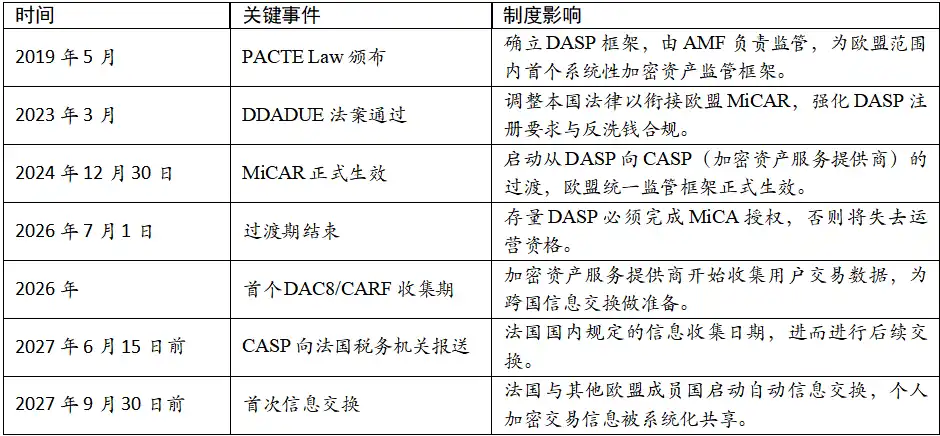
Table 1: Timeline of French Crypto Asset Regulation and Taxation

3 Current Regulatory System: The Institutional Leap from DASP to CASP

3.1 Core Regulatory Bodies and Division of Labor

Crypto asset regulation in France is carried out collaboratively by two main authorities: the Financial Markets Authority (AMF) and the Prudential Supervision and Resolution Authority (ACPR). The AMF is the core regulatory entity, responsible for the registration and authorization of digital asset service providers and the approval of Initial Coin Offerings (ICOs). Its regulatory focus is on market access, information disclosure, and investor protection. The ACPR, on the other hand, focuses on anti-money laundering (AML) and countering the financing of terrorism (CFT) compliance reviews, ensuring crypto asset transactions are not used for illegal purposes.

3.2 Legal Framework and Alignment with MiCAR

Before MiCAR came into effect, the French crypto market was primarily regulated under the PACTE Law. This law defined crypto assets as digital assets and required institutions providing services like custody and fiat currency exchange in France to register with the AMF. With the formal implementation of MiCAR on December 30, 2024, France is currently in a critical transition period from the DASP framework to the EU's unified CASP framework.

According to France's DDADUE law, DASP institutions registered with the AMF before December 30, 2024, can benefit from a transition period lasting until July 1, 2026, at the latest. During this period, these institutions can continue to operate within France, but if they need an EU passport to operate across the entire EU, they must apply for and obtain MiCA authorization in advance. CASPs under MiCAR must meet stricter capital requirements, governance standards, risk management, and customer protection measures.

3.3 International Cooperation Framework: DAC8/CARF and Tax Transparency

To further enhance the transparency of the crypto asset market, France is implementing the EU's DAC8 and the OECD's CARF. According to current plans, CASPs will need to start collecting user transaction data from 2026 and submit their first annual report to the French tax authorities by June 15, 2027.

This means that from 2027 onwards, an automatic information exchange mechanism will be activated between France and other EU member states, systematically sharing individuals' cross-border crypto transaction information with the respective tax authorities. This shift marks the end of anonymity for crypto asset transactions conducted through centralized platforms, moving tax compliance from reliance on taxpayer self-declaration to systematic reporting by CASPs and cross-border information sharing.

4 Crypto Asset Tax System: Categorized Taxation and Declaration Logic

4.1 Taxation Principles and Triggering Conditions

For individuals, France taxes crypto assets based on the principle that a taxable event is triggered only upon conversion into fiat currency or use for purchasing goods or services. That is, tax obligations arise only when crypto assets are sold for fiat currency or used to buy goods or services. Swaps between crypto assets (Crypto-to-Crypto) do not create an immediate tax obligation under the current system, a policy that greatly promotes the activity of the on-chain ecosystem.

For institutional investors and companies, France taxes crypto assets following the realization principle of corporate accounting standards. Crypto-to-Crypto transactions typically require recognizing profits and losses based on fair value changes, potentially creating immediate tax obligations even without conversion to fiat. This treatment is consistent with the accounting standards for traditional financial assets, requiring companies to value their held crypto assets at the end of each accounting period and include unrealized capital gains or losses in their current taxable income. Furthermore, capital losses for institutional investors can be carried forward to offset the company's total profits in future years, providing greater tax planning space for businesses.

4.2 Participant Classification and Tax Rate Structure

French tax law categorizes participants based on their nature and activity characteristics, with each category subject to different tax calculation rules. The following discusses occasional investors, professional investors and professional traders, crypto mining enterprises and pool operators, DeFi participants and liquidity providers, NFT traders, crypto exchanges and custodians, and institutional investors and fund managers.

4.2.1 Occasional Investors

Occasional investors are individual investors with low trading frequency, small scale, and non-professional nature. The French tax authorities use qualitative rather than quantitative criteria for determination, typically considering comprehensive factors such as: the complexity of transactions, tools used, transaction frequency, transaction scale, and its proportion in the taxpayer's total income.

Occasional investors are subject to the Flat-Rate Withholding Tax (PFU, Prélèvement Forfaitaire Unique). The rate is 30%, which includes 12.8% income tax and 17.2% social security contributions. Additionally, the portion of the annual sales total below €305 is exempt from tax. Losses generated from crypto trading within the same year can offset gains from the same year. Occasional investors calculate capital gains using the global cost proportion method (Portfolio Method). The specific formula is:

Net Capital Gain = Sale Price - (Total Acquisition Cost × Sale Price) / (Total Asset Market Value on Transaction Date)

This method allows taxpayers to consider the cost basis of the entire portfolio when calculating gains, rather than calculating transaction by transaction, which greatly simplifies the declaration process in practice. Meanwhile, occasional investors can choose to forgo the flat tax rate and instead be taxed according to the progressive income tax rate (0%-45%) plus 17.2% social security contributions. This option provides potential tax optimization space for low- and middle-income taxpayers.

4.2.2 Professional Investors and Professional Traders

Professional investors are individuals or entities with high trading frequency, large transaction size, crypto asset income constituting a high proportion of total income, use of professional equipment, and commercial characteristics. From January 1, 2023, the tax regime for professional investors has been shifted from Industrial and Commercial Profits (BIC) to the Non-Commercial Profits (BNC) framework.

Professional investors are subject to progressive income tax rates (0%-45%) plus 17.2% social security contributions. This means the tax burden increases with total income, reaching a maximum income tax rate of 45%. The taxable income for professional investors is the net capital gain, i.e., total gains minus total losses. Unlike occasional investors, professional investors can deduct losses within the same tax year, but losses cannot be carried forward to subsequent years.
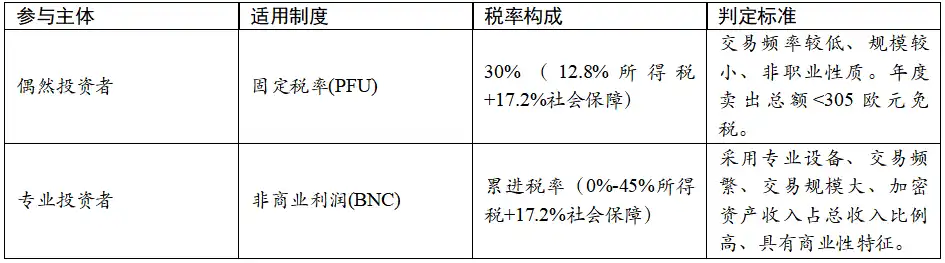
Table 2: Comparison of Occasional and Professional Investors

The distinction between professional and occasional is based on qualitative criteria, not quantitative standards. The French tax authorities typically consider comprehensive factors such as the complexity of transactions, tools used, transaction frequency, transaction scale, and its proportion in the taxpayer's total income.

4.2.3 Crypto Mining Enterprises and Mining Pool Operators

Mining income for crypto mining enterprises is treated under Non-Commercial Profits (BNC) rules and must be included in annual total income at the market value at the time of receipt. According to DGFiP guidance issued in August 2019, mining income does not create Value Added Tax (VAT) obligations.

Mining income is recognized as income at the market price of the crypto asset on the day it is received by the miner. For example, if a miner receives 1 Bitcoin on a certain day, the market price of Bitcoin on that day should be used as taxable income. Mining enterprises can deduct costs directly related to mining activities, including but not limited to electricity costs, hardware equipment depreciation, maintenance costs, cooling system operating costs, etc. The deduction of these costs follows general business expense deduction principles.

According to DGFiP guidance, mining activity is not considered a VAT-taxable transaction in the absence of providing personalized services for a specific beneficiary. Therefore, miners are not required to pay VAT on the digital asset rewards received, nor can they claim VAT deduction rights. The tax treatment for individuals or entities participating in mining pools is the same as for independent miners, i.e., taxed under BNC rules. Mining pool operators, as intermediaries, need to provide participants with detailed records of profit distribution for accurate declaration.
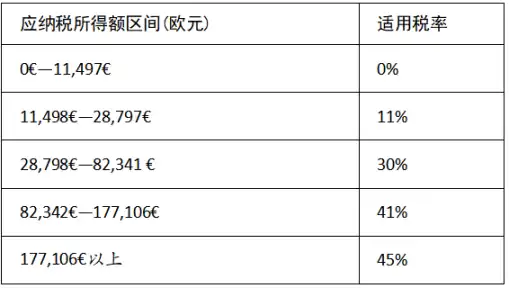
Table 3: 2026 French BNC Net Income Progressive Tax Rate Table

4.2.4 Crypto Exchanges and Custodians

Crypto exchanges and custodians are subject to strict regulation in France. From December 30, 2024, these institutions need to transition from the DASP framework to the CASP framework to comply with the EU's MiCAR requirements.

As commercial entities, the income of crypto exchanges and custodians (including transaction fees, custody fees, interest, etc.) should be taxed according to French corporate income tax rules. The standard corporate income tax rate is 25% (since 2022). According to EU and French VAT rules, the exchange of crypto assets is generally considered a financial service and may be exempt from VAT. However, certain ancillary services (such as consulting, custody, etc.) may be subject to VAT.

CASPs need to meet stricter capital requirements, governance standards, risk management, and customer protection measures. However, we anticipate that these compliance costs may be deductible as business expenses.

4.2.5 Institutional Investors and Fund Managers

Capital gains from crypto asset transactions by institutional investors should be taxed according to French corporate income tax rules. Companies or funds registered in France must include gains generated from crypto asset transactions in their annual profits. Gains are treated as ordinary business income, with a standard tax rate of 25%. Depending on the specific structure of the fund (e.g., UCITS, AIF, etc.), the tax treatment may differ. Certain types of funds may enjoy special tax treatments; for institutions under specific accounting standards, a "Mark-to-Market" system may also apply, requiring the valuation and taxation of unrealized gains at the end of each accounting year.

Unlike the 30% flat tax (PFU) applicable to individual investors, France offers a preferential tax rate of 15% for the first €42,500 of profits for small and medium-sized enterprises (SMEs) with turnover below a certain threshold (usually €7,630,000) that meet the conditions, with the excess portion taxed at 25%.
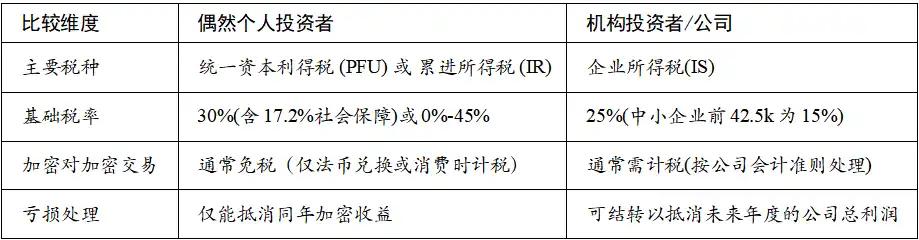
Table 4: Comparison of Individual and Institutional Investors

Simultaneously, institutional investors engaging in cross-border crypto transactions need to consider the relevant countries' tax treaties and information exchange obligations under the CARF/DAC8 framework (see section 3.3 for details).

4.2.6 DeFi and NFT: Tax Categories Not Yet Clarified in French Tax Law

DeFi participants include all participants who earn returns by locking crypto assets in smart contracts, such as stakers, yield farming participants, and lending platform users. The legal characterization of Staking and Yield Farming is not yet clear in French tax law, lacking specific legal provisions or tax guidance. Based on existing tax guidance, since staking and yield farming contribute to the maintenance of the blockchain system, their returns might be taxed under BNC rules, requiring recognition at market value upon receipt, but this interpretation still needs further confirmation.

Until legally clarified, DeFi participants should keep detailed transaction records, including staking time, return amount, market price on the return date, etc., and consult professional tax advisors when filing.

There is significant uncertainty regarding the tax characterization of NFTs in France, lacking specific legal provisions or tax guidance. Depending on the specific legal characterization of the NFT, the tax rate could vary greatly: If characterized as a digital asset (like cryptocurrency), it would be subject to the 30% flat tax or progressive rates (0%-45%) depending on the participant category; If characterized as a work of art, it would be subject to a very favorable fixed rate of only 6.5% on the gross sales price. This simplified, very preferential rate in France is a special regime for specific movable property like artworks, aimed at encouraging art transactions.

Given the uncertainty of characterization, NFT traders should keep detailed transaction records, including purchase price, sale price, transaction date, specific characteristics of the NFT, etc., and consult professional tax advisors when filing tax returns to determine the most reasonable characterization scheme.

5 Summary and Outlook

France's institutional development in the crypto asset field reflects an approach that balances regulation and incentives. Through the implementation of MiCAR and the advancement of DAC8/CARF, France is transforming its pioneering regulatory advantage into a competitive edge within the EU. However, this process also marks the end of the era of anonymity in crypto asset trading, as the entire market gradually moves towards openness and transparency. To adapt to regulatory changes, individual investors and institutions have different response paths:

Individual investors should establish a well-maintained transaction ledger, using professional tax software to record each transaction. Beyond the €305 tax-free allowance, they should ensure accurate declaration to avoid compliance risks arising from undeclared foreign accounts. They should also monitor the progress of DAC8/CARF to understand the impact of automatic information exchange starting in 2027 in advance.

Crypto service institutions should accelerate the transition from DASP to CASP, focusing on strengthening internal AML/CFT audit processes to meet the stricter capital and operational requirements under MiCAR. Simultaneously, they should establish robust data collection and reporting systems in preparation for DAC8/CARF data collection starting in 2026. Furthermore, both institutions and individuals should consistently monitor policymakers' stance on the legal characterization of DeFi and NFTs, coordination with other EU member states, and the consistency and effectiveness of DAC8/CARF implementation.


İlgili Sorular

QWhat are the key differences between the DASP and CASP regulatory frameworks for crypto asset service providers in France?

AThe DASP (Digital Asset Service Provider) framework was France's national registration system under the PACTE Law, which was voluntary and focused on market entry and investor protection. The CASP (Crypto Asset Service Provider) framework, mandated by the EU's MiCAR regulation, is a compulsory licensing system with stricter requirements. Key differences include: DASP was a registration system, while CASP is an authorization/licensing system; CASP imposes more rigorous capital, governance, risk management, and client protection requirements; and CASP providers must obtain MiCAR to operate across the EU (passporting), whereas DASP registration was only for France.

QHow does the French tax system classify individual crypto investors, and what are the tax implications for each category?

AFrench tax law classifies individual crypto investors into two main categories based on activity nature and frequency. 'Occasional Investors' engage in infrequent, non-professional trading and are subject to a flat tax rate of 30% (PFU), comprising 12.8% income tax and 17.2% social contributions. They benefit from a €305 annual exemption and can use the portfolio method for cost basis calculation. 'Professional Investors' are high-frequency, large-scale traders and are taxed under the non-commercial profits (BNC) regime at progressive income tax rates (0%-45%) plus 17.2% social contributions. Their classification is based on qualitative factors like transaction complexity, frequency, and proportion of total income.

QWhat significant change in international tax transparency for crypto assets is expected to begin in 2026 according to the article?

ABeginning in 2026, the international tax transparency era for crypto assets will commence with the implementation of the EU's DAC8 directive and the OECD's Crypto Asset Reporting Framework (CARF). From this date, Crypto Asset Service Providers (CASPs) in France will be required to start systematically collecting user transaction data. The first annual reports based on this data must be submitted to the French tax authorities by June 15, 2027. This will initiate an automatic exchange of information mechanism between France and other EU member states, effectively ending the anonymity of cross-border crypto transactions conducted on centralized platforms.

QHow are crypto mining activities taxed for individuals and businesses in France?

AIncome from crypto mining for both individuals and businesses is treated as non-commercial profits (BNC) under French tax law. The mining reward is taxed as income at its fair market value on the day it is received by the miner. Miners can deduct directly related operational costs, such as electricity, hardware depreciation, and maintenance, from this income. Importantly, according to a 2019 DGFiP guidance, mining activity is not subject to Value Added Tax (VAT) as it is not considered a supply of personalized services to a specific beneficiary.

QWhat is the current state of tax regulation for DeFi activities and NFT transactions in France?

AThe tax treatment of DeFi activities (like staking and liquidity mining) and NFT transactions remains largely uncertain and unclarified in French tax law. There is a lack of specific legal provisions or official tax guidance for these areas. For DeFi, rewards from staking and yield farming could potentially be taxed as non-commercial profits (BNC), but this interpretation awaits confirmation. For NFTs, the applicable tax rate depends entirely on their legal qualification, which is unclear. If classified similarly to cryptocurrencies, standard income tax rates apply; if classified as artwork, they could benefit from a preferential fixed tax rate of 6.5%. Participants in these areas are advised to maintain detailed records and seek professional tax advice.

İlgili Okumalar

İşlemler

Spot
Futures

Popüler Makaleler

$S$ Nedir

SPERO'yu Anlamak: Kapsamlı Bir Genel Bakış SPERO'ya Giriş İnovasyonun manzarası gelişmeye devam ederken, web3 teknolojilerinin ve kripto para projelerinin ortaya çıkışı dijital geleceği şekillendirmede önemli bir rol oynamaktadır. Bu dinamik alanda dikkat çeken projelerden biri SPERO, $$s$$ olarak adlandırılmaktadır. Bu makale, SPERO hakkında ayrıntılı bilgi toplamak ve sunmak amacıyla, meraklılar ve yatırımcıların web3 ve kripto alanlarındaki temellerini, hedeflerini ve yeniliklerini anlamalarına yardımcı olmayı amaçlamaktadır. SPERO,$$s$$ Nedir? SPERO,$$s$$, kripto alanında merkeziyetsizlik ve blok zinciri teknolojisi ilkelerini kullanarak etkileşimi, faydayı ve finansal kapsayıcılığı teşvik eden bir ekosistem yaratmayı amaçlayan benzersiz bir projedir. Proje, kullanıcıların yenilikçi finansal çözümler ve hizmetler sunarak eşler arası etkileşimleri yeni yollarla kolaylaştırmayı hedeflemektedir. SPERO,$$s$$'nin temel amacı, bireyleri güçlendirmek ve kripto para alanındaki kullanıcı deneyimini artıran araçlar ve platformlar sağlamaktır. Bu, daha esnek işlem yöntemlerini mümkün kılmayı, topluluk odaklı girişimleri teşvik etmeyi ve merkeziyetsiz uygulamalar (dApp'ler) aracılığıyla finansal fırsatlar yaratmayı içermektedir. SPERO,$$s$$'nin temel vizyonu kapsayıcılık etrafında dönmekte olup, geleneksel finansal sistemlerdeki boşlukları kapatmayı ve blok zinciri teknolojisinin faydalarından yararlanmayı hedeflemektedir. SPERO,$$s$$'nin Yaratıcısı Kimdir? SPERO,$$s$$'nin yaratıcısının kimliği bir miktar belirsizdir, çünkü kurucusu(ları) hakkında ayrıntılı arka plan bilgisi sağlayan sınırlı kamuya açık kaynaklar bulunmaktadır. Bu şeffaflık eksikliği, projenin merkeziyetsizlik taahhüdünden kaynaklanabilir—birçok web3 projesinin paylaştığı bir etik anlayışı, bireysel tanınmanın yerine kolektif katkıları önceliklendirmektedir. Topluluk ve onun kolektif hedefleri etrafında tartışmaları merkezileştirerek, SPERO,$$s$$, belirli bireyleri öne çıkarmadan güçlendirme özünü taşımaktadır. Bu nedenle, SPERO'nun etik anlayışını ve misyonunu anlamak, tek bir yaratıcının kimliğini belirlemekten daha önemlidir. SPERO,$$s$$'nin Yatırımcıları Kimlerdir? SPERO,$$s$$, kripto sektöründe yeniliği teşvik etmeye adanmış girişim sermayedarlarından melek yatırımcılara kadar çeşitli yatırımcılar tarafından desteklenmektedir. Bu yatırımcıların odak noktası genellikle SPERO'nun misyonuyla uyumlu olup, toplumsal teknolojik ilerlemeyi, finansal kapsayıcılığı ve merkeziyetsiz yönetimi vaat eden projeleri önceliklendirmektedir. Bu yatırımcı temelleri, yalnızca yenilikçi ürünler sunan projelere değil, aynı zamanda blok zinciri topluluğuna ve ekosistemlerine olumlu katkılarda bulunan projelere de ilgi duymaktadır. Bu yatırımcıların desteği, SPERO,$$s$$'yi hızla gelişen kripto projeleri alanında dikkate değer bir rakip haline getirmektedir. SPERO,$$s$$ Nasıl Çalışır? SPERO,$$s$$, onu geleneksel kripto para projelerinden ayıran çok yönlü bir çerçeve kullanmaktadır. İşte benzersizliğini ve yeniliğini vurgulayan bazı temel özellikler: Merkeziyetsiz Yönetim: SPERO,$$s$$, kullanıcıların projenin geleceğiyle ilgili karar alma süreçlerine aktif olarak katılmalarını sağlayan merkeziyetsiz yönetim modellerini entegre etmektedir. Bu yaklaşım, topluluk üyeleri arasında sahiplik ve hesap verebilirlik duygusunu teşvik etmektedir. Token Kullanımı: SPERO,$$s$$, ekosistem içinde çeşitli işlevler sunmak üzere tasarlanmış kendi kripto para token'ını kullanmaktadır. Bu token'lar, işlemleri, ödülleri ve platformda sunulan hizmetlerin kolaylaştırılmasını sağlayarak genel etkileşimi ve faydayı artırmaktadır. Katmanlı Mimari: SPERO,$$s$$'nin teknik mimarisi, modülerlik ve ölçeklenebilirliği destekleyerek projenin evrimi sırasında ek özelliklerin ve uygulamaların sorunsuz bir şekilde entegrasyonuna olanak tanımaktadır. Bu uyum sağlama yeteneği, sürekli değişen kripto manzarasında geçerliliği sürdürmek için hayati öneme sahiptir. Topluluk Katılımı: Proje, işbirliği ve geri bildirim teşvik eden mekanizmalar kullanarak topluluk odaklı girişimlere vurgu yapmaktadır. Güçlü bir topluluk oluşturarak, SPERO,$$s$$, kullanıcı ihtiyaçlarını daha iyi karşılayabilir ve piyasa trendlerine uyum sağlayabilir. Kapsayıcılığa Odaklanma: Düşük işlem ücretleri ve kullanıcı dostu arayüzler sunarak, SPERO,$$s$$, daha önce kripto alanında yer almamış bireyler de dahil olmak üzere çeşitli bir kullanıcı tabanını çekmeyi hedeflemektedir. Bu kapsayıcılık taahhüdü, erişilebilirlik yoluyla güçlendirme misyonuyla uyumludur. SPERO,$$s$$ Zaman Çizelgesi Bir projenin tarihini anlamak, gelişim yolculuğu ve kilometre taşları hakkında kritik bilgiler sağlar. Aşağıda, SPERO,$$s$$'nin evriminde önemli olayları haritalayan önerilen bir zaman çizelgesi bulunmaktadır: Kavram Geliştirme ve Fikir Aşaması: SPERO,$$s$$'nin temelini oluşturan ilk fikirler, blok zinciri endüstrisindeki merkeziyetsizlik ve topluluk odaklılık ilkeleriyle yakından uyumlu olarak geliştirildi. Proje Beyaz Kağıdının Yayınlanması: Kavramsal aşamayı takiben, SPERO,$$s$$'nin vizyonunu, hedeflerini ve teknolojik altyapısını ayrıntılı bir şekilde açıklayan kapsamlı bir beyaz kağıt yayımlandı ve topluluk ilgisini ve geri bildirimini toplamak amacıyla sunuldu. Topluluk Oluşturma ve Erken Katılımlar: Projenin hedefleri etrafında tartışmalar yürüterek destek toplamak ve erken benimseyenler ile potansiyel yatırımcılar için bir topluluk oluşturmak amacıyla aktif iletişim çabaları gerçekleştirildi. Token Üretim Etkinliği: SPERO,$$s$$, yerel token'larını erken destekçilere dağıtmak ve ekosistem içinde başlangıç likiditesini sağlamak amacıyla bir token üretim etkinliği (TGE) gerçekleştirdi. İlk dApp'in Yayınlanması: SPERO,$$s$$ ile ilişkili ilk merkeziyetsiz uygulama (dApp) faaliyete geçti ve kullanıcıların platformun temel işlevleriyle etkileşimde bulunmalarını sağladı. Sürekli Gelişim ve Ortaklıklar: Projenin tekliflerine sürekli güncellemeler ve iyileştirmeler yapılmakta olup, blok zinciri alanındaki diğer oyuncularla stratejik ortaklıklar, SPERO,$$s$$'yi rekabetçi ve gelişen bir oyuncu haline getirmiştir. Sonuç SPERO,$$s$$, web3 ve kripto paranın finansal sistemleri devrim niteliğinde dönüştürme ve bireyleri güçlendirme potansiyelinin bir kanıtıdır. Merkeziyetsiz yönetime, topluluk katılımına ve yenilikçi tasarlanmış işlevselliğe olan bağlılığıyla, daha kapsayıcı bir finansal manzaraya doğru bir yol açmaktadır. Hızla gelişen kripto alanındaki herhangi bir yatırımda olduğu gibi, potansiyel yatırımcılar ve kullanıcılar, SPERO,$$s$$ içindeki devam eden gelişmelerle ilgili olarak kapsamlı bir araştırma yapmaları ve düşünceli bir şekilde katılmaları teşvik edilmektedir. Proje, kripto endüstrisinin yenilikçi ruhunu sergileyerek, sayısız olasılığını keşfetmeye davet etmektedir. SPERO,$$s$$'nin yolculuğu hala devam ederken, temel ilkeleri, teknoloji, finans ve birbirimizle etkileşim biçimimizi etkileyebilir.

89 Toplam GörüntülenmeYayınlanma 2024.12.17Güncellenme 2024.12.17

$S$ Nedir

AGENT S Nedir

Agent S: Web3'te Otonom Etkileşimin Geleceği Giriş Web3 ve kripto para dünyasında sürekli gelişen manzarada, yenilikler bireylerin dijital platformlarla etkileşim biçimlerini sürekli olarak yeniden tanımlıyor. Bu tür öncü projelerden biri olan Agent S, açık ajans çerçevesi aracılığıyla insan-bilgisayar etkileşimini devrim niteliğinde değiştirmeyi vaat ediyor. Otonom etkileşimlerin yolunu açarak, Agent S karmaşık görevleri basitleştirmeyi ve yapay zeka (AI) alanında dönüştürücü uygulamalar sunmayı hedefliyor. Bu detaylı inceleme, projenin karmaşıklıklarına, benzersiz özelliklerine ve kripto para alanındaki etkilerine dalacaktır. Agent S Nedir? Agent S, bilgisayar görevlerinin otomasyonunda üç temel zorluğu ele almak üzere özel olarak tasarlanmış çığır açıcı bir açık ajans çerçevesidir: Alan Spesifik Bilgi Edinimi: Çerçeve, çeşitli dış bilgi kaynaklarından ve iç deneyimlerden akıllıca öğrenir. Bu çift yönlü yaklaşım, alan spesifik bilgi açısından zengin bir veri havuzu oluşturmasını sağlar ve görev yürütmedeki performansını artırır. Uzun Görev Ufukları Üzerinde Planlama: Agent S, karmaşık görevlerin verimli bir şekilde parçalanmasını ve yürütülmesini kolaylaştıran deneyim artırımlı hiyerarşik planlama kullanır. Bu özellik, çoklu alt görevleri etkili ve verimli bir şekilde yönetme yeteneğini önemli ölçüde artırır. Dinamik, Homojen Olmayan Arayüzlerle Başlama: Proje, ajanlar ve kullanıcılar arasındaki etkileşimi geliştiren yenilikçi bir çözüm olan Ajan-Bilgisayar Arayüzü'ni (ACI) tanıtmaktadır. Çok Modlu Büyük Dil Modellerini (MLLM'ler) kullanarak, Agent S çeşitli grafik kullanıcı arayüzlerini sorunsuz bir şekilde gezinebilir ve manipüle edebilir. Bu öncü özellikler aracılığıyla, Agent S, makinelerle insan etkileşimini otomatikleştirmede karşılaşılan karmaşıklıkları ele alan sağlam bir çerçeve sunarak, AI ve ötesinde birçok uygulama için zemin hazırlıyor. Agent S'nin Yaratıcısı Kimdir? Agent S'nin kavramı temelde yenilikçi olsa da, yaratıcısı hakkında spesifik bilgiler belirsizliğini koruyor. Yaratıcı şu anda bilinmiyor, bu da projenin yeni aşamasını veya kurucu üyeleri gizli tutma stratejik tercihini vurguluyor. Anonimlikten bağımsız olarak, odak çerçevenin yetenekleri ve potansiyeli üzerinde kalıyor. Agent S'nin Yatırımcıları Kimlerdir? Agent S, kriptografik ekosistemde oldukça yeni olduğundan, yatırımcıları ve finansal destekçileri hakkında ayrıntılı bilgiler açıkça belgelenmemiştir. Projeyi destekleyen yatırım temelleri veya organizasyonları hakkında kamuya açık bilgilerdeki eksiklik, finansman yapısı ve gelişim yol haritası hakkında sorular doğuruyor. Destekleyicilerin anlaşılması, projenin sürdürülebilirliğini ve potansiyel pazar etkisini değerlendirmek için kritik öneme sahiptir. Agent S Nasıl Çalışır? Agent S'nin temelinde, çeşitli ortamlarda etkili bir şekilde çalışmasını sağlayan son teknoloji bir sistem yatmaktadır. İşleyiş modeli birkaç ana özellik etrafında inşa edilmiştir: İnsan Benzeri Bilgisayar Etkileşimi: Çerçeve, bilgisayarlarla etkileşimleri daha sezgisel hale getirmeyi amaçlayan gelişmiş AI planlaması sunar. Görev yürütmedeki insan davranışını taklit ederek, kullanıcı deneyimlerini yükseltmeyi vaat eder. Anlatı Belleği: Yüksek düzeyde deneyimlerden yararlanmak için kullanılan Agent S, görev geçmişlerini takip etmek amacıyla anlatı belleğini kullanarak karar verme süreçlerini geliştirir. Episodik Bellek: Bu özellik, kullanıcılara adım adım rehberlik sağlayarak, çerçevenin görevler gelişirken bağlamsal destek sunmasına olanak tanır. OpenACI Desteği: Yerel olarak çalışabilme yeteneği ile Agent S, kullanıcıların etkileşimleri ve iş akışları üzerinde kontrol sağlamasına olanak tanır ve Web3'ün merkeziyetsiz felsefesiyle uyumlu hale gelir. Dış API'lerle Kolay Entegrasyon: Çeşitli AI platformlarıyla uyumluluğu ve çok yönlülüğü, Agent S'nin mevcut teknolojik ekosistemlere sorunsuz bir şekilde entegre olmasını sağlar ve geliştiriciler ile organizasyonlar için cazip bir seçenek haline getirir. Bu işlevsellikler, Agent S'nin kripto alanındaki benzersiz konumuna katkıda bulunarak, karmaşık, çok aşamalı görevleri minimum insan müdahalesi ile otomatikleştirir. Proje geliştikçe, Web3'teki potansiyel uygulamaları dijital etkileşimlerin nasıl gelişeceğini yeniden tanımlayabilir. Agent S'nin Zaman Çizelgesi Agent S'nin gelişimi ve kilometre taşları, önemli olaylarını vurgulayan bir zaman çizelgesinde özetlenebilir: 27 Eylül 2024: Agent S'nin kavramı, “Bilgisayarları İnsan Gibi Kullanan Açık Bir Ajans Çerçevesi” başlıklı kapsamlı bir araştırma makalesi ile tanıtıldı ve projenin temelini sergiledi. 10 Ekim 2024: Araştırma makalesi arXiv'de kamuya açık olarak yayınlandı ve çerçevenin derinlemesine bir incelemesini ve OSWorld benchmark'ına dayalı performans değerlendirmesini sundu. 12 Ekim 2024: Agent S'nin yetenekleri ve özellikleri hakkında görsel bir içgörü sağlayan bir video sunumu yayımlandı ve potansiyel kullanıcılar ve yatırımcılarla daha fazla etkileşim sağlandı. Bu zaman çizelgesindeki işaretler, sadece Agent S'nin ilerlemesini değil, aynı zamanda şeffaflık ve topluluk katılımına olan bağlılığını da göstermektedir. Agent S Hakkında Ana Noktalar Agent S çerçevesi gelişmeye devam ederken, birkaç ana özellik öne çıkmakta ve yenilikçi doğasını ve potansiyelini vurgulamaktadır: Yenilikçi Çerçeve: İnsan etkileşimine benzer bir bilgisayar kullanımı sağlamak üzere tasarlanan Agent S, görev otomasyonuna yeni bir yaklaşım getiriyor. Otonom Etkileşim: GUI aracılığıyla bilgisayarlarla otonom olarak etkileşim kurabilme yeteneği, daha akıllı ve verimli hesaplama çözümlerine doğru bir sıçrama anlamına geliyor. Karmaşık Görev Otomasyonu: Sağlam metodolojisi ile karmaşık, çok aşamalı görevleri otomatikleştirerek süreçleri daha hızlı ve daha az hata payı ile gerçekleştirebilir. Sürekli İyileştirme: Öğrenme mekanizmaları, Agent S'nin geçmiş deneyimlerden öğrenmesini sağlar ve sürekli olarak performansını ve etkinliğini artırır. Çok Yönlülük: OSWorld ve WindowsAgentArena gibi farklı işletim ortamlarında uyumlu olması, geniş bir uygulama yelpazesine hizmet edebilmesini sağlar. Agent S, Web3 ve kripto alanında kendini konumlandırırken, etkileşim yeteneklerini artırma ve süreçleri otomatikleştirme potansiyeli, AI teknolojilerinde önemli bir ilerlemeyi temsil etmektedir. Yenilikçi çerçevesi aracılığıyla, Agent S dijital etkileşimlerin geleceğini örneklemekte ve çeşitli sektörlerde kullanıcılar için daha sorunsuz ve verimli bir deneyim vaat etmektedir. Sonuç Agent S, AI ve Web3'ün birleşiminde cesur bir sıçramayı temsil ediyor ve teknoloji ile etkileşim biçimimizi yeniden tanımlama kapasitesine sahip. Henüz erken aşamalarında olmasına rağmen, uygulama olanakları geniş ve çekici. Kritik zorlukları ele alan kapsamlı çerçevesi ile Agent S, otonom etkileşimleri dijital deneyimin ön plana çıkmasına taşımayı hedefliyor. Kripto para ve merkeziyetsizlik alanlarına daha derinlemesine girdikçe, Agent S gibi projelerin teknoloji ve insan-bilgisayar işbirliğinin geleceğini şekillendirmede önemli bir rol oynayacağı kesin.

442 Toplam GörüntülenmeYayınlanma 2025.01.14Güncellenme 2025.01.14

AGENT S Nedir

S Nasıl Satın Alınır

HTX.com’a hoş geldiniz! Sonic (S) satın alma işlemlerini basit ve kullanışlı bir hâle getirdik. Adım adım açıkladığımız rehberimizi takip ederek kripto yolculuğunuza başlayın. 1. Adım: HTX Hesabınızı OluşturunHTX'te ücretsiz bir hesap açmak için e-posta adresinizi veya telefon numaranızı kullanın. Sorunsuzca kaydolun ve tüm özelliklerin kilidini açın. Hesabımı Aç2. Adım: Kripto Satın Al Bölümüne Gidin ve Ödeme Yönteminizi SeçinKredi/Banka Kartı: Visa veya Mastercard'ınızı kullanarak anında Sonic (S) satın alın.Bakiye: Sorunsuz bir şekilde işlem yapmak için HTX hesap bakiyenizdeki fonları kullanın.Üçüncü Taraflar: Kullanımı kolaylaştırmak için Google Pay ve Apple Pay gibi popüler ödeme yöntemlerini ekledik.P2P: HTX'teki diğer kullanıcılarla doğrudan işlem yapın.Borsa Dışı (OTC): Yatırımcılar için kişiye özel hizmetler ve rekabetçi döviz kurları sunuyoruz.3. Adım: Sonic (S) Varlıklarınızı SaklayınSonic (S) satın aldıktan sonra HTX hesabınızda saklayın. Alternatif olarak, blok zinciri transferi yoluyla başka bir yere gönderebilir veya diğer kripto para birimlerini takas etmek için kullanabilirsiniz.4. Adım: Sonic (S) Varlıklarınızla İşlem YapınHTX'in spot piyasasında Sonic (S) ile kolayca işlemler yapın.Hesabınıza erişin, işlem çiftinizi seçin, işlemlerinizi gerçekleştirin ve gerçek zamanlı olarak izleyin. Hem yeni başlayanlar hem de deneyimli yatırımcılar için kullanıcı dostu bir deneyim sunuyoruz.

1.3k Toplam GörüntülenmeYayınlanma 2025.01.15Güncellenme 2025.03.21

S Nasıl Satın Alınır

Tartışmalar

HTX Topluluğuna hoş geldiniz. Burada, en son platform gelişmeleri hakkında bilgi sahibi olabilir ve profesyonel piyasa görüşlerine erişebilirsiniz. Kullanıcıların S (S) fiyatı hakkındaki görüşleri aşağıda sunulmaktadır.

活动图片