Andre Cronje Departs Sonic Labs Board Amid Token Slump

bitcoinist2026-06-21 tarihinde yayınlandı2026-06-21 tarihinde güncellendi

Özet

Key DeFi developer Andre Cronje and two other directors have resigned from the board of Sonic Labs, formerly the Fantom Foundation. The departures raise governance questions for the high-speed EVM scaling project, coinciding with a significant decline in its native token, S/FTM, which trades approximately 97% below its all-time high. Despite the board shake-up, developers state that technical execution and protocol launch timelines remain unaffected. The project's new CEO is focused on operational restructuring. The situation underscores the volatility and governance challenges within the DeFi space, with future stability dependent on transparent leadership and adherence to the technical roadmap.

Prominent Decentralized Finance (DeFi) developer Andre Cronje, a key figure in the space, has resigned from the board of Sonic Labs, formerly known as the Fantom Foundation. The corporate registry updates also show two other directors have stepped down from their positions.

  • Andre Cronje and two other directors have left the Sonic Labs board.
  • This occurs as Sonic Labs’ native token, S/FTM, trades about 97% below its all-time high.
  • Sonic Labs, the rebrand of Fantom, is focused on high-speed EVM scaling, and the departures raise governance questions.

Governance Questions Emerge

The departures come at a critical juncture for Sonic Labs, which rebranded from Fantom Foundation and aims to provide high-speed EVM scaling solutions. These board changes introduce governance questions for the project, especially as a newly appointed CEO has pledged operational restructuring. The project’s underlying token, S/FTM, has seen a significant downturn, currently trading approximately 97% below its peak value, leaving it with just 1% of its former high.

Technical Outlook Unchanged

Despite the high-profile resignations and the token’s performance, developers associated with Sonic Labs have stated that technical execution plans and protocol launch timelines remain on track. This indicates that day-to-day development and future roadmap adherence are not expected to be impacted by the board shake-up. The focus remains on delivering the technology, even as the corporate structure evolves.

Broader Community Impact

For the broader DeFi community, these events highlight the inherent volatility and governance challenges within rapidly developing blockchain ecosystems. The significant drop in token value alongside changes in leadership structures warrants attention from users and stakeholders regarding the project’s long-term stability and direction. Transparency and clear communication from the new leadership will be crucial as Sonic Labs navigates this period. You can find more details on this development in an official announcement found here: TradingView post.

Future Operational Steps

While the exact timeline for when these changes were formally enacted is not detailed beyond the June 20, 2026, context of the registry updates, the project’s new CEO is focused on restructuring operations. The team’s commitment to their technical roadmap suggests a continued effort to build and deploy their scaling solutions, regardless of the recent board changes. The coming months will likely reveal more about the new governance structure and its effectiveness in guiding Sonic Labs forward.

This article was written by the News Desk and edited by Samuel Rae.

This article is based on registry disclosures published by Sonic Labs. at Sonic Labs Registry Disclosures

Trend Kriptolar

İlgili Sorular

QWho resigned from the Sonic Labs board and what is their significance in the DeFi space?

AAndre Cronje, a prominent DeFi developer, resigned from the board of Sonic Labs. He is a key figure in the decentralized finance space. Additionally, two other directors also stepped down from their positions on the board.

QWhat is the current status of Sonic Labs' native token, S/FTM, and how does it compare to its peak value?

ASonic Labs' native token, S/FTM, is currently trading approximately 97% below its all-time high, meaning it retains only about 3% of its former peak value.

QWhat is Sonic Labs' primary technological focus and what key question do the recent board departures raise?

ASonic Labs, which rebranded from the Fantom Foundation, is focused on providing high-speed EVM (Ethereum Virtual Machine) scaling solutions. The recent board departures raise significant governance questions for the project's future direction and stability.

QAccording to the article, has the development team's technical execution plan been affected by the board changes?

ANo, according to developers associated with Sonic Labs, the technical execution plans and protocol launch timelines remain on track and are not expected to be impacted by the recent board shake-up. The focus on delivering the technology continues.

QWhat does the article highlight about the broader DeFi community in relation to events at Sonic Labs?

AThe article highlights that these events underscore the inherent volatility and governance challenges within rapidly developing blockchain ecosystems. It warns users and stakeholders to pay attention to the project's long-term stability and direction following leadership changes and a significant token value drop.

İlgili Okumalar

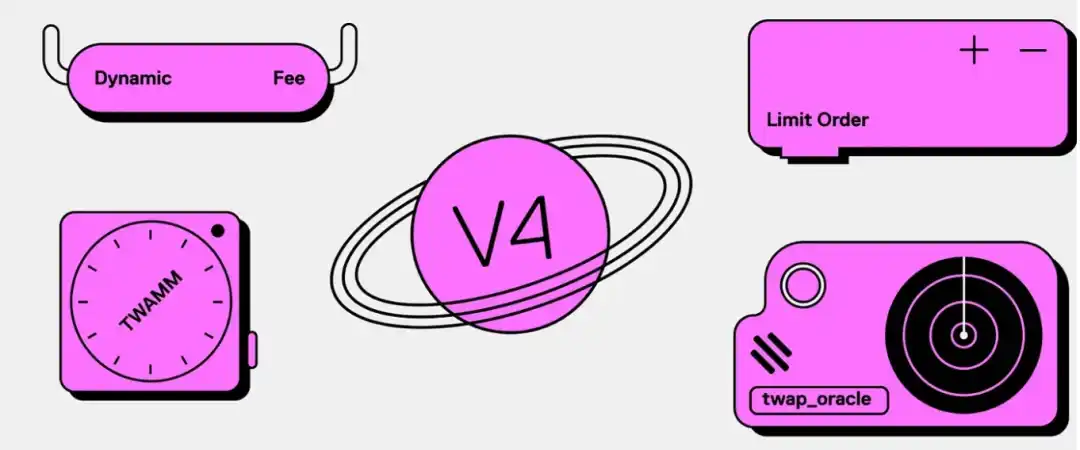
Uniswap v4 Hook Analysis: Architecture Design, Common Vulnerabilities, and Protection Practices

Uniswap v4's Hook mechanism is a major innovation, enabling custom logic injection into liquidity pool lifecycle events like swaps and liquidity provisioning. This transforms the AMM into programmable infrastructure, shifting the security model from protocol-level to pool-level, as each pool's safety now depends on its bound Hook contract. The core architecture revolves around the singleton PoolManager contract, which manages all pools via a flash accounting system. State changes are tracked in transient storage and must be settled by the end of a transaction. Hook contracts are permanently bound to pools via a PoolKey, with their permissions encoded directly into their address via specific low-order bits. This design introduces unique security considerations and challenges for future upgrades. Key vulnerabilities and best practices identified include: - **Access Control Gaps:** Early versions of the BaseHook abstract contract only protect `unlockCallback()`, leaving other lifecycle functions (`beforeSwap`, `afterSwap`, etc.) exposed unless explicitly secured by developers. - **Unrestricted Pool Binding:** The `initialize()` function does not validate if a Hook "consents" to a new pool. Hooks must implement their own whitelisting in `beforeInitialize` to prevent unauthorized pool creation. - **Async/Custom Curve Hooks:** These high-risk Hooks can completely replace Uniswap's swap logic. Their security depends entirely on their own implementation, as they operate outside the native protocol's pricing safeguards. - **Delta Accounting Risks:** The system ensures final balance (NonzeroDeltaCount == 0) but cannot guarantee the *correctness* of intermediate delta states, which attackers could manipulate. - **Token Confusion:** Protocols must implement semantic validation for tokens in user-created markets, not just interface checks, to prevent cross-market confusion attacks. The article emphasizes that Hook auditing requires a "sub-protocol" approach due to extended interaction chains, highlighting a significant shift in security methodology for the v4 ecosystem.

marsbit12 dk önce

Uniswap v4 Hook Analysis: Architecture Design, Common Vulnerabilities, and Protection Practices

marsbit12 dk önce

Chips, Open-Source Models, and $50 Trillion: Joe Tsai Reassesses Alibaba Once Again

Alibaba Executive Chairman Joe Tsai recently outlined the company's comprehensive AI strategy in a public discussion. He believes AI represents a massive opportunity, estimating its potential economic impact at up to $50 trillion, stemming from the automation of human intelligence and productivity. Tsai detailed Alibaba's four-layer investment approach across the AI stack: starting from the chip level, moving to cloud infrastructure (Alibaba Cloud), then the model layer with its open-source Qwen model, and finally applications within its vast digital ecosystem (e-commerce, logistics, etc.). The company avoids the energy layer due to China's efficient infrastructure. This broad strategy is designed to ensure Alibaba captures value regardless of where it ultimately concentrates in the AI value chain. He dismissed concerns about an AI investment bubble, pointing to the enormous $50 trillion opportunity. While acknowledging U.S. cloud giants' higher capital expenditure, he argued Chinese firms, including Alibaba (funded by its cash-generative e-commerce core), need to invest more in AI infrastructure. A key theme was technological sovereignty. Tsai positioned open-source models like Qwen as a solution for companies, especially in Europe, seeking independence from proprietary U.S. models and greater data privacy control. He contrasted this with the trend of U.S. giants keeping their models closed-source. Tsai highlighted Alibaba's collaborations with European manufacturers like Bosch and Siemens, using AI for design and quality control. He concluded with an optimistic vision of AI agents enhancing productivity, ultimately freeing up human time for leisure, family, and experiences like live entertainment.

marsbit27 dk önce

Chips, Open-Source Models, and $50 Trillion: Joe Tsai Reassesses Alibaba Once Again

marsbit27 dk önce

İşlemler

Spot
Futures

Popüler Makaleler

T Nasıl Satın Alınır

HTX.com’a hoş geldiniz! Threshold Network Token (T) satın alma işlemlerini basit ve kullanışlı bir hâle getirdik. Adım adım açıkladığımız rehberimizi takip ederek kripto yolculuğunuza başlayın. 1. Adım: HTX Hesabınızı OluşturunHTX'te ücretsiz bir hesap açmak için e-posta adresinizi veya telefon numaranızı kullanın. Sorunsuzca kaydolun ve tüm özelliklerin kilidini açın. Hesabımı Aç2. Adım: Kripto Satın Al Bölümüne Gidin ve Ödeme Yönteminizi SeçinKredi/Banka Kartı: Visa veya Mastercard'ınızı kullanarak anında Threshold Network Token (T) satın alın.Bakiye: Sorunsuz bir şekilde işlem yapmak için HTX hesap bakiyenizdeki fonları kullanın.Üçüncü Taraflar: Kullanımı kolaylaştırmak için Google Pay ve Apple Pay gibi popüler ödeme yöntemlerini ekledik.P2P: HTX'teki diğer kullanıcılarla doğrudan işlem yapın.Borsa Dışı (OTC): Yatırımcılar için kişiye özel hizmetler ve rekabetçi döviz kurları sunuyoruz.3. Adım: Threshold Network Token (T) Varlıklarınızı SaklayınThreshold Network Token (T) satın aldıktan sonra HTX hesabınızda saklayın. Alternatif olarak, blok zinciri transferi yoluyla başka bir yere gönderebilir veya diğer kripto para birimlerini takas etmek için kullanabilirsiniz.4. Adım: Threshold Network Token (T) Varlıklarınızla İşlem YapınHTX'in spot piyasasında Threshold Network Token (T) ile kolayca işlemler yapın.Hesabınıza erişin, işlem çiftinizi seçin, işlemlerinizi gerçekleştirin ve gerçek zamanlı olarak izleyin. Hem yeni başlayanlar hem de deneyimli yatırımcılar için kullanıcı dostu bir deneyim sunuyoruz.

485 Toplam GörüntülenmeYayınlanma 2024.12.10Güncellenme 2026.06.02

T Nasıl Satın Alınır

Tartışmalar

HTX Topluluğuna hoş geldiniz. Burada, en son platform gelişmeleri hakkında bilgi sahibi olabilir ve profesyonel piyasa görüşlerine erişebilirsiniz. Kullanıcıların T (T) fiyatı hakkındaki görüşleri aşağıda sunulmaktadır.

活动图片