A7A5 Outlines Conditions for Development of Non-Dollar Stablecoin Market

RBK-crypto2025-12-15 tarihinde yayınlandı2025-12-15 tarihinde güncellendi

Özet

A7A5, the issuer of the largest ruble-backed stablecoin by market capitalization (over $524 million), has outlined the necessary conditions for the development of the non-dollar stablecoin market. According to Oleg Ogienko, Director of International and Regulatory Affairs, expanding this ecosystem requires connecting different legal regimes to enable businesses to operate "without friction." He made these remarks at the Global Blockchain Show in Abu Dhabi, noting a growing interest from Middle Eastern countries in collaborating with Russia and the CIS, where demand for non-dollar payment corridors is increasing. The company is focusing on global expansion, recently participating in key industry events in India and the UAE. A7A5 sees India as a crucial hub for international payments and Web3 ecosystems, and the Middle East as a dynamic center for digital finance innovation connecting Asia, CIS, Africa, and Europe. Ogienko emphasized that true innovation is only possible through partnership with regulators, not opposition. Transparency, auditability, and clear rules are key to building trust. He stated that ecosystems like A7A5 are becoming primary tools for regional economic integration. To improve the accessibility of its ruble stablecoin for users and businesses in Asia, Africa, and South America, the company plans integrations with international platforms and wallets that support stablecoins. In a significant regulatory development, the A7A5 stablecoin was the first in R...

To expand the ecosystem of non-dollar stablecoins, it is necessary to learn how to connect different legal regimes so that businesses "can operate without friction," stated Oleg Ogienko, Director of International and Regulatory Affairs at A7A5, during his speech at the Global Blockchain Show crypto conference in Abu Dhabi. He noted the growing interest of Middle Eastern countries in cooperation with Russia and the CIS, where the emergence of payment corridors not tied to the dollar is becoming increasingly in demand.

The ruble-based stablecoin A7A5 is the largest by market cap among stablecoins pegged to assets other than the U.S. dollar. According to CoinMarketCap, its market capitalization exceeds $524 million.

With the aim of expanding its global presence, the company behind the issuance of A7A5 participated in two significant crypto industry events in early December: the India Blockchain Week 2025 conference in India and the Global Blockchain Show in the UAE. A7A5 noted that it sees India as an important intersection point for international payments, trade routes, and Web3 ecosystems, and the Middle East as one of the most dynamic hubs for innovation in digital finance, connecting Asia, the CIS, Africa, and Europe.

In his speech, Ogienko focused on how the industry is moving towards creating a sustainable, secure, and scalable infrastructure. He noted that true innovation is only possible when companies work in partnership with regulators, not in opposition to them. He shared that A7A5's experience in several jurisdictions shows that transparency, auditing, and clear rules are becoming a key factor of trust.

Ecosystems like A7A5 are becoming a primary tool for regional economic integration, Ogienko noted. To increase the accessibility of the ruble stablecoin for users and businesses in Asia, Africa, and South America, the company plans integrations with international platforms, wallets, and services that support stablecoins.

At the end of September, the A7A5 stablecoin was the first in Russia to be recognized by the CFA. This gave Russian importers and exporters the legal ability to use A7A5 tokens as a means of payment for cross-border settlements.

Experts named the most profitable Bitcoin mining equipment

YouTube launched content creator payments in a stablecoin from PayPal

Do Kwon received 15 years in prison for the collapse of the $40 billion Terra crypto project

İlgili Sorular

QWhat conditions did A7A5 identify as necessary for the development of the non-dollar stablecoin market?

AA7A5 stated that to expand the ecosystem of non-dollar stablecoins, it is necessary to learn how to connect different legal regimes so that businesses 'can work without friction'.

QWhat is the market capitalization of the A7A5 ruble stablecoin according to CoinMarketCap?

AAccording to CoinMarketCap, the market capitalization of the A7A5 ruble stablecoin is over $524 million.

QWhich two major crypto industry events did the company behind A7A5 participate in for global expansion in early December?

AThe company participated in the India Blockchain Week 2025 conference in India and the Global Blockchain Show in the UAE.

QWhat significant regulatory milestone did the A7A5 stablecoin achieve in Russia at the end of September?

AAt the end of September, the A7A5 stablecoin became the first in Russia to be recognized by the CFA, allowing Russian importers and exporters to legally use A7A5 tokens as a means for cross-border settlements.

QAccording to Oleg Ogienko, what is the key factor for building trust in the stablecoin industry?

AOleg Ogienko stated that transparency, audit, and clear rules are the key factors for building trust, based on A7A5's experience in multiple jurisdictions.

İlgili Okumalar

72-Hour Countdown: Can the CLARITY Act Pass 'Miracleously' Before the Senate Recess?

"CLARITY Act Faces 72-Hour Deadline as Senate Recess Looms The U.S. Senate has released its schedule for the week, omitting the crucial CLARITY Act and instead prioritizing another resolution for a procedural vote. With the Senate set to recess on August 7th, the bill now has only about 72 hours to advance. Senate procedural hurdles are steep. First, a cloture petition requires signatures from 16 Senators. Second, a vote requires 60 votes, meaning the Republican's 53 votes need at least 7 Democratic supporters—a key sticking point that has stalled the bill for two months. If passed, a further 30 hours of debate is required before a vote to proceed to consideration. If 16 signatures are not secured by Wednesday, the bill won't even face a vote. Even if filed Wednesday, the earliest vote would be Friday, leaving no time for actual consideration before recess. The major divide remains ethical provisions. The draft bans certain senior officials from issuing or sponsoring digital assets until 2029, but Democrats argue enforcement loopholes are too large, failing to constrain existing holdings and family arrangements. The White House has not formally responded to the revised draft. The Trump family's substantial crypto profits have further eroded Democratic trust. Stablecoin rewards remain contentious. Banks liken them to deposit interest, fearing capital flight, while crypto firms see them as anti-competitive protection for banks. A current compromise bans passive interest but allows rewards for trading, staking, and platform activity. Polymarket data shows the bill's probability of passing by 2026 has fallen to 31%, down 7 points in a week. Betting volume is around $3.7 million. Analyst Bernstein warns failure to advance the bill could trigger a 'bad news' sell-off, pressuring Bitcoin and crypto valuations. Industry advocates, including Grayscale and Treasury Secretary (presumably Yellen, though 'Besant' appears in text), have urged swift action with thousands of contacts to Congress, but progress remains slow. If missed this week, the bill delays until September, where a busier schedule and approaching midterms complicate passage. Democrats suggest a procedural vote this week could keep hope alive for September, but that hope is fading hourly. Market sentiment appears resigned to delay, though a surprise passage could trigger a significant positive reaction. The bill's arduous journey underscores its potential impact on the industry."

marsbit1 dk önce

72-Hour Countdown: Can the CLARITY Act Pass 'Miracleously' Before the Senate Recess?

marsbit1 dk önce

George Santos Settles Dispute with Commodity Futures Trading Commission (CFTC) Over Trading on His Own Kalshi Market

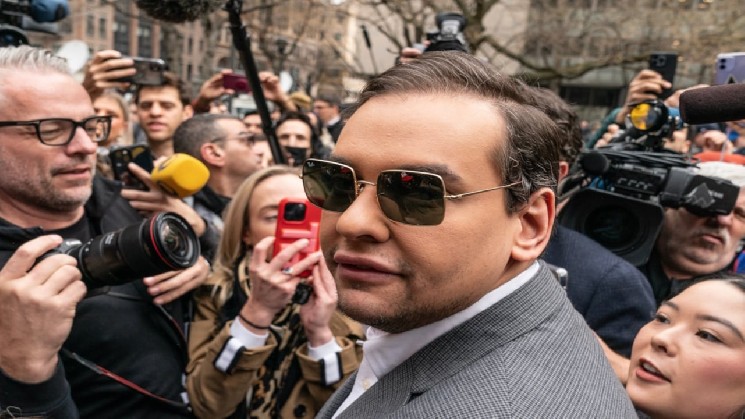
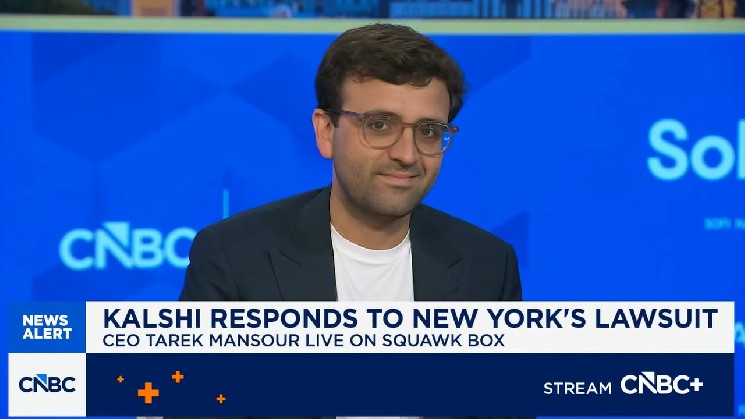
Former U.S. Representative George Santos has settled with the Commodity Futures Trading Commission (CFTC) over allegations he manipulated a futures contract on the Kalshi prediction market related to his potential attendance at a presidential State of the Union address. According to a July 31 order, Santos must repay $17,569.98, pay a $17,500 civil penalty, and is barred from trading on any CFTC-registered exchange for three years. The CFTC found that Santos made misleading public statements about his plans to attend the event while trading on the outcome. He first built a profitable position betting he would attend, then reversed course and profited by betting against his own attendance after travel disruptions. Santos earned profits totaling over $17,000 from these trades. Santos agreed to the settlement without admitting to the findings. His attorney stated Santos initially intended to attend but changed plans due to winter weather, denying any intent to mislead traders or manipulate the market. Kalshi detected the suspicious activity, froze his account, and provided evidence to the CFTC. The exchange is considering further actions and potential restitution for affected traders. While Kalshi also referred the matter to the Justice Department, a spokesperson has denied an investigation exists. The CFTC settlement remains the only confirmed federal action regarding these trades.

cryptonews.ru6 dk önce

George Santos Settles Dispute with Commodity Futures Trading Commission (CFTC) Over Trading on His Own Kalshi Market

cryptonews.ru6 dk önce

İşlemler

Spot
活动图片