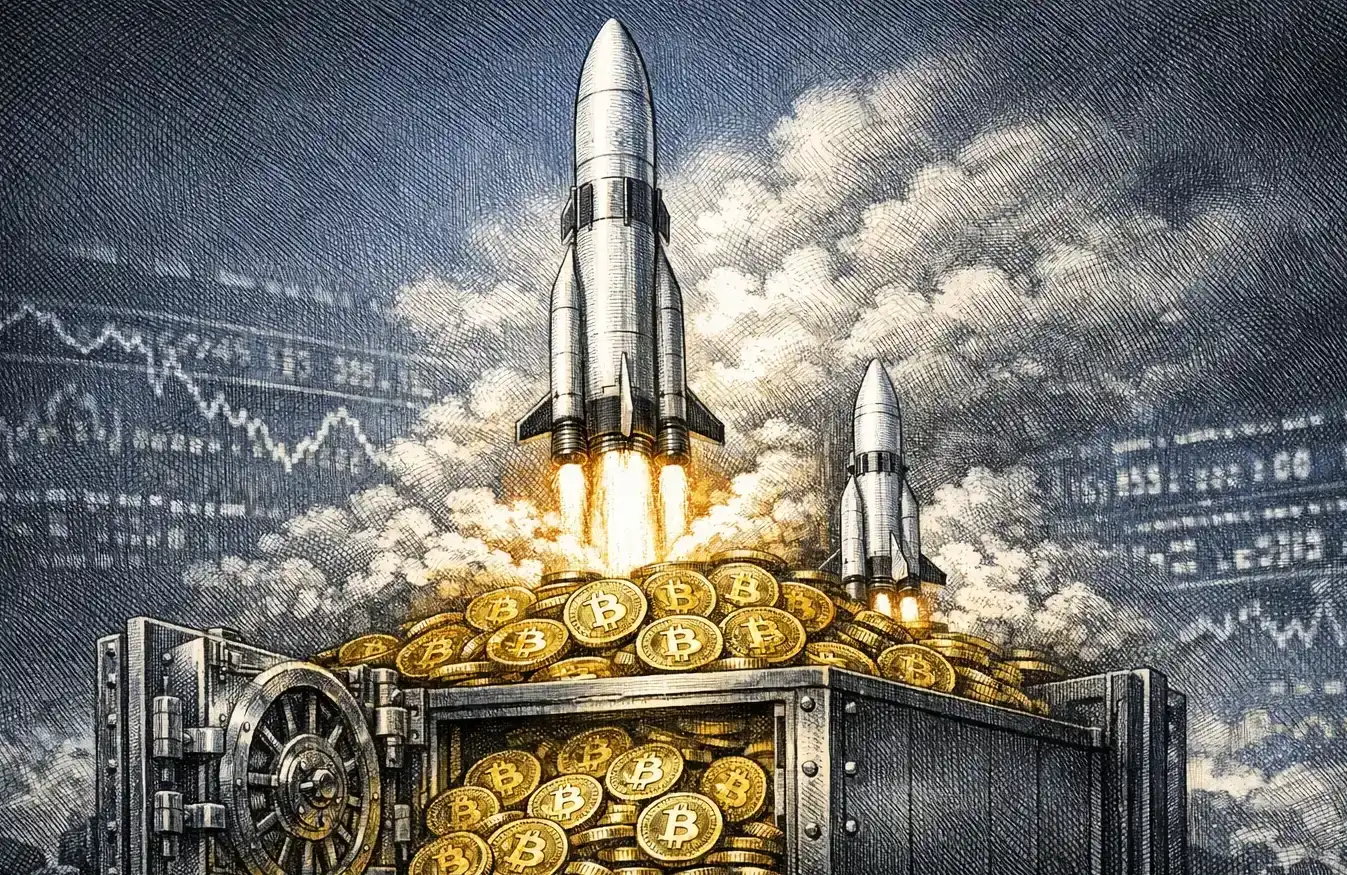
a16z Proposes "Staked Media": A New Game Using Deposits to Combat Misinformation

比推2025-12-17 tarihinde yayınlandı2025-12-17 tarihinde güncellendi

Özet

a16z has proposed a concept called "Staked Media" to combat misinformation using cryptographic technology and economic incentives. In an era where AI-generated content and fake news are widespread, the idea requires content creators or media organizations to cryptographically sign and stake a certain amount of cryptocurrency (such as ETH or USDC) when publishing content. This acts as a verifiable and unchangeable commitment on-chain. If the content is proven false, the staked funds are slashed; if true, the stake can be returned or even rewarded. The staking amount may vary based on the creator’s influence and content importance. To determine truthfulness, a combination of community voting (by users who also stake tokens) and algorithmic analysis is used. Disputes can be escalated to an expert committee. Malicious voters or creators may also face penalties. Repeat offenders would suffer reputational damage and higher staking requirements in the future. The system aims to incentivize truthfulness through financial stakes, reputation mechanisms, and potential legal accountability. It is suggested that such a model could be implemented within two years.

Recently, a16z proposed a concept called "Staked Media," which is quite interesting. Considering that social media is now filled with AI accounts, and fake news looks as real as the truth, ordinary users simply don't have the time or energy to distinguish between what's true and false.

The prediction of "Staked Media" is not far-fetched. It might emerge within the next two years.

So, what is Staked Media?

Simply put, it uses encryption technologies like zk to allow media or individuals to prove their credibility, similar to "making a written pledge" online. This "pledge" would be recorded on the blockchain, making it tamper-proof. But just making a pledge isn't enough; there also needs to be "staking something" as collateral, such as ETH, USDC, or other crypto tokens. This serves as proof that the published content is true and reliable. If the content is proven to be false, the staked assets would be slashed. This creates an environment that encourages truth-telling.

Nowadays, AI-generated articles and videos are everywhere, and fake news is rampant. Staked Media aims to make content publishers more cautious rather than speaking recklessly. For a simple example, imagine a YouTuber posting a video praising a certain product. They would have to "make a pledge" on the Ethereum chain and stake some ETH or USDC. If the video is fake, the money is lost, and viewers can rest assured. Another example: suppose you're a blogger recommending a mobile phone. You'd need to stake $100 worth of ETH on the Ethereum chain, making a pledge like, "If the phone's beauty filter doesn't achieve a certain effect, I will compensate." Viewers see that you've staked money and consider you trustworthy. If the video is fabricated by AI, the $100 is gone.

How could staking be implemented? Let's imagine.

Whether it's a big V/influential media or a small V, when posting content, they would need to "make a pledge" on the chain (e.g., Ethereum) (by signing for verification) and simultaneously deposit a certain amount of tokens (like ETH/USDT) into a specific smart contract. If the content is false, this money would be slashed (given to victims or burned). If the content is verified as true, the money could be returned after a certain period, and they might even receive rewards (such as tokens issued by the Staked Media platform itself or funds slashed from other fake content).

The specific amount staked could be determined based on the platform's rules. For major media/influencers publishing important news, the staked token amount would be higher, perhaps worth hundreds or thousands of dollars or even more. For small V's posting daily content, maybe a few dozen dollars would suffice. It could be linked to the content's influence (with a floating algorithm)—the greater the influence, the more that needs to be staked.

For media, staking indeed adds a financial cost, but it can gain the trust of the audience, which is a necessary cost in the era of fake news.

However, how to determine truth or falsehood? Through a dual verification system of community and algorithms. On the community side, users with voting rights (who need to stake crypto assets) would vote on the chain. If a certain threshold, say 60% or higher, votes that the content is false, it would be deemed false. Additionally, algorithms would analyze data to assist. If the content publisher disagrees, they can initiate arbitration, which would then be handled by an expert committee. If voters are found to be maliciously manipulating, their funds would be slashed. Participating in voting and being a member of the expert committee would come with rewards. Rewards would come from slashed funds and the media's own tokens, etc.

Furthermore, content creators could use zk technology to generate proof of authentic source from the very beginning, such as creating videos with zk technology.

What if wealthy individuals cheat? A wealthy person might stake a large amount to spread fake news, as long as the benefits are substantial enough.

It's not just about staking funds; there's also historical record and a reputation system. Accounts with slashing records would be labeled, and the required staking amount for their future content would increase. If an account is slashed 3 or 4 times, people would be less likely to trust their content later on. There could also be legal accountability. Therefore, falsifying information carries significant costs—not only financial but also the trust built over time, historical records, reputation systems, and real-world legal responsibilities.

Perhaps Staked Media projects are already on the way.


Twitter:https://twitter.com/BitpushNewsCN

Bitpush TG Discussion Group:https://t.me/BitPushCommunity

Bitpush TG Subscription: https://t.me/bitpush

Original link:https://www.bitpush.news/articles/7596328

İlgili Sorular

QWhat is the core concept of 'Staked Media' proposed by a16z?

AStaked Media requires content creators to cryptographically prove their credibility by staking assets (like ETH or USDC) as collateral when publishing content. If the content is proven false, the staked assets are slashed, creating an incentive for truthfulness.

QHow does the staking mechanism work in Staked Media to combat misinformation?

AContent creators must sign a verifiable 'pledge' on a blockchain (e.g., Ethereum) and lock tokens in a smart contract. If the content is deemed false through community voting and algorithmic analysis, the staked tokens are forfeited. Honest content results in the return of tokens or potential rewards.

QWhat role does the community play in verifying content truthfulness in Staked Media?

ACommunity members with voting rights (who also stake crypto assets) vote on-chain to determine if content is false. A threshold (e.g., 60% votes) triggers penalties. Malicious voters risk losing their staked funds, while honest participants may receive rewards from slashed tokens or platform incentives.

QHow does Staked Media address potential abuse by wealthy actors who might stake large amounts to spread false news?

ABeyond financial stakes, the system incorporates historical record and reputation tracking. Accounts with prior penalties face higher staking requirements and distrust. Repeated violations (e.g., 3-4 slashes) lead to loss of credibility and potential legal accountability, making abuse costly and unsustainable.

QWhat technological tools are suggested to enhance content authenticity in Staked Media?

AZero-knowledge (zk) cryptography is proposed to generate proof of authentic content origin, such as zk-based video verification, ensuring the content's integrity from creation to publication.

İlgili Okumalar

Will the Next Crypto Bull Run Start with On-Chain Trading of SpaceX?

This article presents a scenario-based forecast for the crypto industry from 2026 to 2029, arguing that the next major cycle will be driven not by technological narratives but by legal access to real-world assets. The author predicts that by mid-2026, pre-IPO perpetual contracts for top private companies like SpaceX, OpenAI, and Anthropic on platforms like Hyperliquid will become the primary gateway for accessing quality assets, as most crypto-native tokens fail to capture real value. The much-hyped AI x Crypto intersection largely fails except for prediction markets, which thrive on betting on AI model supremacy. By 2027, public blockchain foundations are forced to choose between catering to retail speculation or building compliant infrastructure for institutions, with many opting for the latter. Growth in stablecoins and tokenized private credit/equity hits a "triple ceiling" due to regulatory and political uncertainty rather than market demand. The pivotal shift is forecast for 2028. A major liquidation event in pre-IPO perpetuals exposes the structural flaw of synthetic markets lacking a real underlying asset anchor. In response, regulatory changes finally allow the public solicitation of private securities resales to verified accredited investors. This creates a legitimate secondary market for real company equity, which then becomes the core asset class of the new bull market, relegating synthetic perps to a niche role. By 2029, the industry becomes "boring" but foundational. Tokens without claims on real cash flows or assets cease trading. Stablecoin growth is steady but politically capped. Crypto infrastructure fades from view as it gets absorbed into traditional finance backends. The article's central thesis is that the key bottleneck for crypto's next phase is legal and regulatory channels for real asset ownership, not technology.

marsbit1 saat önce

Will the Next Crypto Bull Run Start with On-Chain Trading of SpaceX?

marsbit1 saat önce

The Value Distribution of Stablecoins

**Summary: The Value Distribution of Stablecoins** The article argues that stablecoins are evolving from mere trading tools into broader channels for dollar access. It divides the stablecoin ecosystem into four layers to analyze how value is distributed: 1. **Issuance Layer:** Mints stablecoins, holds reserve assets, and captures the spread between reserve yield and user costs (e.g., Tether, Circle). This layer currently earns the largest profit margin. 2. **Infrastructure Layer:** Connects stablecoins to the traditional financial system, handling fiat on/off-ramps, banking integration, compliance (KYC/AML), and asset management (e.g., Bridge, BVNK). This is the "unglamorous" but critical work, building the essential bridges between crypto and real-world finance. 3. **Acquiring/Distribution Layer:** Integrates stablecoins into merchant systems, manages payment flows, and provides enterprise financial software (e.g., Stripe, Coinbase). They act as the access point for businesses. 4. **Application Layer:** The end-users and businesses that ultimately use stablecoins for payments, settlements, or as a store of value. They benefit from convenience but have little pricing power. The core thesis is that while the issuance layer currently dominates profits, the often-overlooked **infrastructure layer holds significant long-term potential**. The real challenge and barrier to mass adoption is not the on-chain transfer of stablecoins (which is simple), but the complex "last mile" integration into existing business workflows, banking systems, and regulatory frameworks across different countries. Companies in this layer are currently in a "land grab" phase, investing heavily to build networks, secure bank partnerships, and establish compliance pathways. While their position is currently pressured by the profitable issuers above and distribution platforms below, the article suggests that if stablecoins become a default financial rail for businesses, the infrastructure providers who have done the hard work of integration will ultimately gain strong pricing power and become entrenched, essential players.

marsbit7 saat önce

The Value Distribution of Stablecoins

marsbit7 saat önce

The Value Distribution of Stablecoins

The Value Distribution of Stablecoins The article argues that stablecoins are evolving from a mere trading tool into a broad "dollar channel." It analyzes the industry's value chain through four layers: 1. **Issuance Layer (e.g., Tether, Circle):** The top layer that mints stablecoins, holds reserve assets, and captures the thickest interest rate spread. 2. **Infrastructure Layer (e.g., Bridge, BVNK):** Connects stablecoins to the traditional financial system, handling critical but complex "dirty work" like fiat on/off-ramps, banking integration, compliance (KYC/AML), and cross-border settlement. 3. **Acquiring/Distribution Layer (e.g., Stripe, Coinbase):** Embeds stablecoins into merchant systems, manages payment flows, and integrates with enterprise software. 4. **Application Layer:** End-users and businesses that ultimately use stablecoins for payments, settlement, or storing value. The author posits that while the issuance layer currently captures the most profit, the most overlooked and potentially critical layer is infrastructure. The core challenge for stablecoin adoption isn't the on-chain transfer (which is simple), but bridging the gap between blockchain and the real-world financial system. This involves solving practical problems for businesses: fiat conversion, reconciliation, tax handling, and user onboarding. Infrastructure companies are currently in a difficult "land-grab" phase—building networks, securing banking relationships, and achieving compliance country-by-country. They face pressure from both the profitable issuance layer above and distribution platforms below. However, the author suggests this layer is building a crucial moat. Once stablecoins become a default business rail, the infrastructure players who have done the hard work of integration may gain significant, durable value and pricing power.

链捕手7 saat önce

The Value Distribution of Stablecoins

链捕手7 saat önce

İşlemler

Spot
Futures

Popüler Makaleler

ATWO Nedir

I. Proje TanıtımıArena Two, hayranların gerçek zamanlı etkinlik sonuçlarında aktif, tokenleştirilmiş bir rol oynamasına olanak tanıyan merkeziyetsiz bir etkileşimli platformdur. Hayranları pasif izleyicilere indirgeyen geleneksel yayıncılık modellerinin aksine, Arena Two, hayranların doğrudan gerçek zamanlı oy kullanmalarını ve sahadaki sonuçları etkilemelerini sağlamak için blok zinciri teknolojisini kullanır.II. Token BilgileriToken adı: ATWO(Arena Two)III. İlgili BağlantılarWeb sitesi:https://arenatwo.com/Keşif araçları:https://basescan.org/token/0x499D35eBE6cEe9B2Ac35Fd003fcBbeeB9CFc7B32Twitter:https://x.com/arenatwoXNot: Proje tanıtımı, resmi proje ekibi tarafından yayınlanan veya sağlanan materyallerden gelmektedir ve yalnızca referans amaçlıdır, yatırım tavsiyesi niteliği taşımaz. HTX, ortaya çıkan doğrudan veya dolaylı kayıplardan sorumluluk kabul etmez.

274 Toplam GörüntülenmeYayınlanma 2026.05.18Güncellenme 2026.06.02

ATWO Nedir

ATWO Nasıl Satın Alınır

HTX.com’a hoş geldiniz! Arena Two (ATWO) satın alma işlemlerini basit ve kullanışlı bir hâle getirdik. Adım adım açıkladığımız rehberimizi takip ederek kripto yolculuğunuza başlayın. 1. Adım: HTX Hesabınızı OluşturunHTX'te ücretsiz bir hesap açmak için e-posta adresinizi veya telefon numaranızı kullanın. Sorunsuzca kaydolun ve tüm özelliklerin kilidini açın. Hesabımı Aç2. Adım: Kripto Satın Al Bölümüne Gidin ve Ödeme Yönteminizi SeçinKredi/Banka Kartı: Visa veya Mastercard'ınızı kullanarak anında Arena Two (ATWO) satın alın.Bakiye: Sorunsuz bir şekilde işlem yapmak için HTX hesap bakiyenizdeki fonları kullanın.Üçüncü Taraflar: Kullanımı kolaylaştırmak için Google Pay ve Apple Pay gibi popüler ödeme yöntemlerini ekledik.P2P: HTX'teki diğer kullanıcılarla doğrudan işlem yapın.Borsa Dışı (OTC): Yatırımcılar için kişiye özel hizmetler ve rekabetçi döviz kurları sunuyoruz.3. Adım: Arena Two (ATWO) Varlıklarınızı SaklayınArena Two (ATWO) satın aldıktan sonra HTX hesabınızda saklayın. Alternatif olarak, blok zinciri transferi yoluyla başka bir yere gönderebilir veya diğer kripto para birimlerini takas etmek için kullanabilirsiniz.4. Adım: Arena Two (ATWO) Varlıklarınızla İşlem YapınHTX'in spot piyasasında Arena Two (ATWO) ile kolayca işlemler yapın.Hesabınıza erişin, işlem çiftinizi seçin, işlemlerinizi gerçekleştirin ve gerçek zamanlı olarak izleyin. Hem yeni başlayanlar hem de deneyimli yatırımcılar için kullanıcı dostu bir deneyim sunuyoruz.

190 Toplam GörüntülenmeYayınlanma 2026.05.18Güncellenme 2026.06.02

ATWO Nasıl Satın Alınır

ZEST Nedir

I. Proje Tanıtımı1. Zest Protocol Nedir?Zest Protocol, kullanıcıların BTC ile getiri kazanmasına veya BTC'yi teminat göstererek varlık ödünç almasına olanak tanıyan, Stacks Layer 2 üzerinde inşa edilmiş Bitcoin yerel bir kredi protokolüdür. Protokolün akıllı sözleşmeleri Clarity dilinde yazılmıştır, tamamen zincir üzerinde çalışır ve açık kaynaklıdır; tasarımı Aave v3'ten ilham alınarak yapılmıştır. Zest, şu anda 800'den fazla BTC'nin yatırıldığı ve zirve TVL'sinin 100 milyon doları aştığı Stacks'teki en büyük DeFi protokolüdür. Mayıs 2026'da protokol, Stacks'tan Bitcoin ana ağına kredi verme yeteneklerini genişleten Bitcoin Teminat Kasaları'nı tanıttı. Bu, kullanıcıların BTC'yi Bitcoin ağından çıkarmadan stabilcoin ödünç almasına olanak tanır ve kendine ait saklama ile kredi vermeyi mümkün kılar.2. Zest Protocol Nasıl Çalışır?Zest Protocol, iki piyasadan oluşmaktadır. Stacks piyasası, kullanıcıların sBTC, STX ve USDC gibi varlıkları yatırarak getiri kazanmasına veya aşırı teminatlı krediler almasına olanak tanıyan Aave v3 üzerine inşa edilmiştir. Varsayılan maksimum LTV %50'dir (%70 sBTC için). Bitcoin piyasası, yeni başlatılan Bitcoin Teminat Kasaları aracılığıyla çalışır. Kullanıcılar, Bitcoin zincirinde kendine ait saklama kasalarında BTC'yi kilitleyerek stabilcoin ödünç alırlar. Teminat, tüm süreç boyunca Bitcoin ana ağında kalır ve kullanıcılar pozisyon tasfiye edilmedikçe saklama hakkını korur.3. Zest Protocol'ü Kim Kurdu?Tycho Onnasch (Kurucu Ortak): Oxford Üniversitesi'nden mezun. Stacks Açık İnternet Vakfı için araştırma ve hibe çalışmalarında yer aldı. Trust Machines'da eski yönetici ve Deedmob'un kurucusu. LinkedIn Profili: https://www.linkedin.com/in/tychokoonnasch/.Fernando Foy (Kurucu Ortak): Daha önce Objectif Emploi'de IT danışmanlığı yaptı. LinkedIn Profili: https://www.linkedin.com/in/fernando-foy/.Emil E. (Kurucu Ortak): Warwick Üniversitesi'nden Fizik alanında Yüksek Lisans derecesine sahiptir. Trust Machines'da eski mühendislik ortağı, Web3 projeleri için tam yığın geliştirici ve HSBC'de veri bilimcisi olarak çalıştı. LinkedIn Profili: https://www.linkedin.com/in/emil-e-49771a145/.Finansman Detayları: Mayıs 2024'te, Zest Protocol, Tim Draper liderliğindeki 3.5 milyon dolarlık bir tohum finansmanı turunun tamamlandığını duyurdu; Binance Labs, Flow Traders, Trust Machines ve diğerlerinin katılımıyla.4. $ZEST Tokenomikası$ZEST, Zest Protocol'ün yerel token'ıdır ve toplam arzı 1 milyar token ile sabit olup enflasyon mekanizması yoktur.Topluluk (27.83%): Airdrop'lar ve kullanıcı teşvikleri için kullanılır;Eko Sistem Gelişimi (24.82%): Likidite, ortaklıklar, pazarlama, borsa listelemeleri vb. için kullanılır;Yatırımcılar (22.35%): Zest Protocol'ün erken gelişimini destekleyen yatırımcı taraflarını destekler;Takım (25%): Ana katkıda bulunanlar için ayrılmıştır.Vesting Takvimi: Takım ve Yatırımcı token'ları, 1 yıllık bir kilitlenme süresine tabi olup ardından 3 yıl boyunca lineer olarak serbest bırakılacaktır.5. Anahtar Dönüm Noktalarının Zaman Çizelgesi2022: Zest Protocol resmi olarak kuruldu.Mart 2024: Güvenlik denetimi tamamlandı ve Stacks kredi piyasası ana ağda başlatıldı.Şubat 2026'da, Stacks Market V2 başlatıldı ve Risk Grupları tanıtıldı.Mayıs 2026'da, Bitcoin Teminat Kasaları tanıtıldı ve şu anda operasyonel bir ana ağ prototipi mevcuttur. Bu, kullanıcıların kendine ait saklama BTC'lerini Bitcoin L1 üzerinde teminat olarak kullanarak EVM zincirlerinde stabilcoin ödünç almalarını sağlar; köprüleme, sarma ve üçüncü taraf saklama işlemlerini sona erdirir. Bu dağıtım iki aşamaya ayrılmıştır. Aşama 1: BTC hareketini kısıtlamak için önceden imzalanmış işlemleri kullanır; Aşama 2: Doğrulama için BitVM kullanır. II. Token BilgisiToken adı: ZEST(Zest Protocol)III. İlgili BağlantılarWeb sitesi:https://www.zestprotocol.com/Keşif Araçları:https://bscscan.com/token/0x5506599c722389a60580b5213ea1da60d64754a1Twitter:https://twitter.com/ZestProtocolNot: Proje tanıtımı, resmi proje ekibi tarafından yayımlanan veya sağlanan materyallerden alınmıştır, yalnızca referans amaçlıdır ve yatırım tavsiyesi niteliği taşımaz. HTX, sonuçlanan doğrudan veya dolaylı kayıplardan sorumluluk kabul etmez.

194 Toplam GörüntülenmeYayınlanma 2026.05.19Güncellenme 2026.06.02

ZEST Nedir

Tartışmalar

HTX Topluluğuna hoş geldiniz. Burada, en son platform gelişmeleri hakkında bilgi sahibi olabilir ve profesyonel piyasa görüşlerine erişebilirsiniz. Kullanıcıların A (A) fiyatı hakkındaki görüşleri aşağıda sunulmaktadır.

活动图片