a16z Gathering: 7 Key Rules to Become a Top KOL

marsbit2026-01-11 tarihinde yayınlandı2026-01-11 tarihinde güncellendi

Özet

Hosted by a16z and Tech Week, a gathering of 50 creators—including meme lords, TikTokers, bloggers, and podcasters—revealed key strategies for success in the creator economy. Seven core insights emerged: 1. Own your audience through email lists to ensure direct, lasting connections beyond algorithmic platforms. 2. Build offline touchpoints like events and dinners to deepen community trust and explore high-value collaborations. 3. Bundle sponsorships across newsletters, podcasts, and social media for predictable income and integrated campaigns. 4. Focus on niche markets; specialized audiences often yield stronger, more valuable businesses. 5. Collaborate through cross-promotion and joint ventures to accelerate growth and expand reach. 6. Dominate one primary platform first before expanding, as it remains the core of community connection. 7. Distribution is the ultimate moat—combining brand and distribution creates a competitive edge. The creator economy is maturing, with refined strategies and larger opportunities. Success hinges on ownership, offline engagement, strategic partnerships, and distribution power.

Original Title: 7 Insights from Hosting 50 Creators at a16z

Original Author: Ish Verduzco

Original Compilation: Deep Tide TechFlow

Last night, I hosted a gathering with the Tech Week team at a16z, inviting about 50 creators to participate.

Participants included meme lords, TikTok creators, lifestyle bloggers, cinematic video creators, Substack authors, email newsletter operators, podcast producers, YouTube bloggers, social media managers, and more.

Almost covering the entire spectrum of internet content creators.

In this article, I will share 7 key insights summarized from multiple conversations.
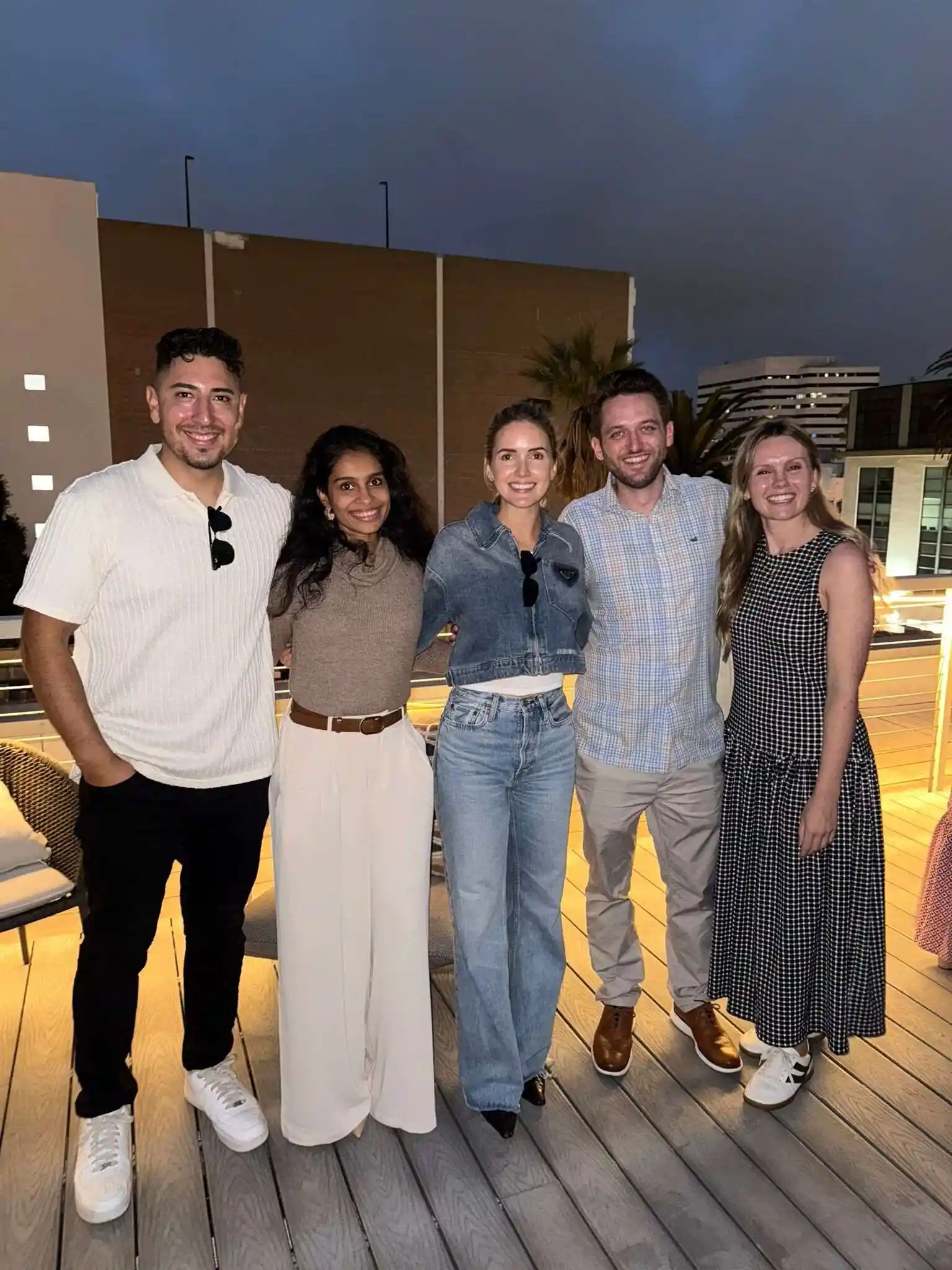
a16z and Tech Week team

1. Own Your Audience

Everyone is building an email list.

Even creators focused on short-form videos like TikTok or Instagram see email as the core foundation of their business.

Some attract new subscribers through events, some through paid ads, creating lead magnets, or using ManyChat to turn Instagram DMs into a growth engine.

Frequency doesn't matter; some publish weekly, some monthly, some quarterly, or even occasionally.

What matters is ownership.

Every creator seems to desire a direct, lasting way to connect with their audience, rather than relying on algorithm changes.

2. Build Offline Touchpoints

Offline interactions are heating up.

Many creators have spent years building their audience, community, and fan base online.

Now, they are looking for ways to turn these connections into offline interactions.

Podcast producers are starting to host live recording events; social media creators organize private dinners, local meetups, and even retreats.

These are not just "fan events" but channels to deepen relationships, build trust, and explore higher-value collaborations.

The flywheel effect of online-to-offline interaction is showing its powerful force.

3. Package Sponsorship Deals

The advertising sponsorship model is being packaged.

Creators are gradually moving away from single-ad deals.

They choose to integrate their newsletters, podcasts, social media content, and offline events into a packaged sponsorship deal.

This model is more beneficial for creators: more predictable income, less negotiation, building long-term relationships, and better multi-platform integration with the audience.

It's also better for brands: one partnership can cover multiple channels, generate a large amount of reusable content, and provide more creative collaboration methods than traditional ad placements.

This shift marks the maturity of the industry, and I really appreciate it.

4. Deep Dive into Niche Markets

Wealth lies in niche markets.

The more precise the niche, the stronger the business.

Just like the Car Dealership Guy, whom I recently invited on my podcast and met for the first time yesterday.

His total target audience is 155,000 car dealerships and their employees, but he has built a huge business because his content and products are completely focused on his ideal customer profile (ICP).

Many people think their niche is too small, but in reality, as long as the positioning is precise, its value is often beyond imagination.
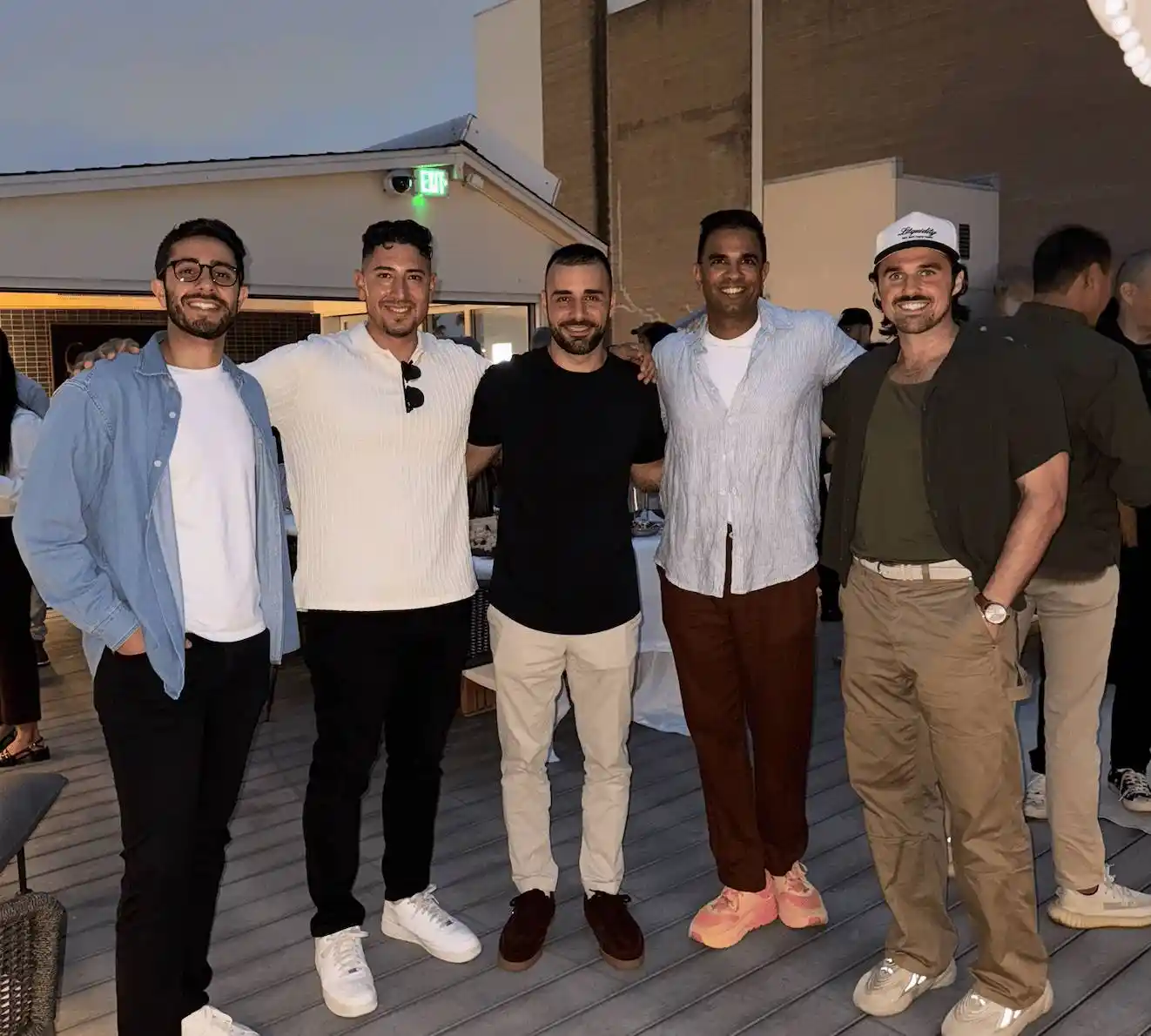
Adam (Blueprint), Yossi (Car Dealership), Avi (Creator Logic), Litquidity

5. Collaboration Leads to Win-Win

Collaboration accelerates growth.

1 + 1 = 3.

Creators are actively seeking collaboration.

Newsletter swaps, podcast guest exchanges, joint events, and cross-promotion of products.

If you can find partners with similar target audiences, growth speed increases exponentially. This is not only faster but also more fun than going it alone.

Although this strategy is not new, it is still reassuring to see it happening in reality.

More and more people are choosing the "make the cake bigger" mindset.

6. Dominate One Platform

Platform dominance still matters.

Almost every creator has a "home base."

Although they may have expanded across platforms, the platform that initially brought them traffic remains their core—whether it's YouTube, Substack, Instagram, or TikTok.

This is where their community has the strongest connection with them.

Expansion is important, but dominance is key.

Some creators even hire teams to fill gaps on other platforms while still firmly controlling the platform that initially made them successful.

First build your empire on one platform.

7. Distribution is the Ultimate Moat

This is something almost everyone agrees on.

In an era where anyone can launch a product, tool, or service, what distinguishes creators is not what they create, but how they distribute it.

Brand + Distribution = Moat.

This is a point I have been emphasizing and will continue to insist on until more people realize its importance.

Honestly, it's refreshing to see such a strong consensus—especially considering that many industries outside the creator economy are still lagging behind this idea.

Summary

The creator economy is maturing.

Strategies are becoming more sophisticated, business models are more complex, and opportunities are greater than ever.

If you are building content online, please pay attention to the following points:

  • Own your audience (email)

  • Build offline touchpoints

  • Package sponsorship deals

  • Deep dive into niche markets

  • Collaborate for win-win outcomes

  • Dominate one platform

  • View distribution as a moat

This is the successful playbook I've seen in practice.

Looking forward to the next wave of innovation and breakthroughs from creators!

Recommended reading:

RootData 2025 Web3 Industry Annual Report

Xiao Hong: From Small-Town Youth to Manus CEO, a Bitcoin Believer's Long-Termism

Binance Power Shift: The Dilemma of a 300 Million User Empire

Has the Project Buyback红利 Really Come to an End?

İlgili Sorular

QWhat is the first key insight for becoming a top KOL according to the a16z event?

AThe first key insight is to own your audience, primarily through building an email list to establish a direct and lasting connection with your audience, independent of algorithm changes.

QHow are creators enhancing their relationships with their audience beyond online interactions?

ACreators are building offline touchpoints by organizing events such as live podcast recordings, private dinners, local meetups, and even retreats to deepen relationships and build trust.

QWhat shift is happening in the sponsorship model for creators?

ACreators are moving away from one-off ad deals and instead bundling their newsletters, podcasts, social media content, and offline events into packaged sponsorship deals for more predictable income and better integration.

QWhy is focusing on a niche market considered valuable for creators?

AFocusing on a niche market is valuable because the more specific the niche, the stronger the business, as it allows creators to tailor their content and products precisely to their ideal customer profile, often yielding higher value than expected.

QWhat is identified as the ultimate moat for creators in the content economy?

ADistribution is identified as the ultimate moat, as the key differentiator is not what creators create but how they distribute it, combining brand and distribution to build a sustainable competitive advantage.

İlgili Okumalar

Why Do You Always Lose Money on Polymarket? Because You're Betting on News, While the Pros Read the Rules

Why do you always lose money on Polymarket? Because you bet on news, while the pros study the rules. This article explains how top traders ("che tou") profit by meticulously analyzing market rules, not just predicting events. Polymarket, a prediction market platform, often sees disputes over event outcomes due to ambiguous rule wording. For instance, a market asking "Who will be the leader of Venezuela by the end of 2026?" was misinterpreted by many who bet on Delcy Rodríguez, assuming she held power. However, the rules specified "officially holds" as the formally appointed, sworn-in individual. Since Nicolás Maduro was still recognized as president officially, he won the market—even being in prison. To resolve such disputes, Polymarket uses a decentralized arbitration system via UMA protocol. The process involves: 1. Proposal: Anyone can propose a market outcome by staking 750 USDC, earning 5 USDC if unchallenged. 2. Dispute: A 2-hour window allows challenges with a 750 USDC stake; successful challengers earn 250 USDC. 3. Discussion: A 48-hour period on UMA Discord for evidence and debate. 4. Voting: UMA token holders vote in two 24-hour phases (blind then public). Outcomes require >65% consensus and 5M tokens voted; otherwise, four re-votes occur before Polymarket intervention. 5. Settlement: Results are final and automatic. Unlike traditional courts, Polymarket’s system lacks separation between arbitrators and stakeholders—voters often hold market positions, creating conflicts of interest. This leads to herd mentality in discussions and non-transparent outcomes without explanatory rulings, preventing precedent formation. Thus, success on Polymarket hinges on deep rule interpretation, not just event prediction, exploiting gaps between reality and contractual wording.

marsbit28 dk önce

Why Do You Always Lose Money on Polymarket? Because You're Betting on News, While the Pros Read the Rules

marsbit28 dk önce

DeepSeek Funding: Liang Wenfeng's 'Realist' Pivot

DeepSeek, a leading Chinese AI company, has initiated its first external funding round, aiming to raise at least $300 million at a valuation of no less than $10 billion. This move marks a significant shift from its founder Liang Wenfeng’s previous idealistic stance of rejecting external capital to maintain independence. Despite strong financial backing from its parent company, quantitative trading firm幻方量化 (Huanfang Quant), which provided an estimated $700 million in revenue in 2025 alone, DeepSeek faces mounting challenges. Key issues include a 15-month gap in major model updates, delays in its flagship V4 release, and the loss of several core researchers to competitors offering significantly higher compensation. The company is also undergoing a strategic pivot by migrating its infrastructure from NVIDIA’s CUDA to Huawei’s Ascend platform, a move aligned with China’s push for technological self-reliance amid U.S. export controls. However, DeepSeek lags behind rivals like智谱AI and MiniMax—both now publicly listed—in areas such as product ecosystem, multimodal capabilities, and commercialization. The funding round, though relatively small in scale, is seen as a way to establish a market-validated valuation anchor, making employee stock options more competitive and facilitating talent retention. It also signals DeepSeek’s transition from a pure research-oriented organization to a commercially-driven player in the global AI ecosystem.

marsbit1 saat önce

DeepSeek Funding: Liang Wenfeng's 'Realist' Pivot

marsbit1 saat önce

İşlemler

Spot
Futures
活动图片