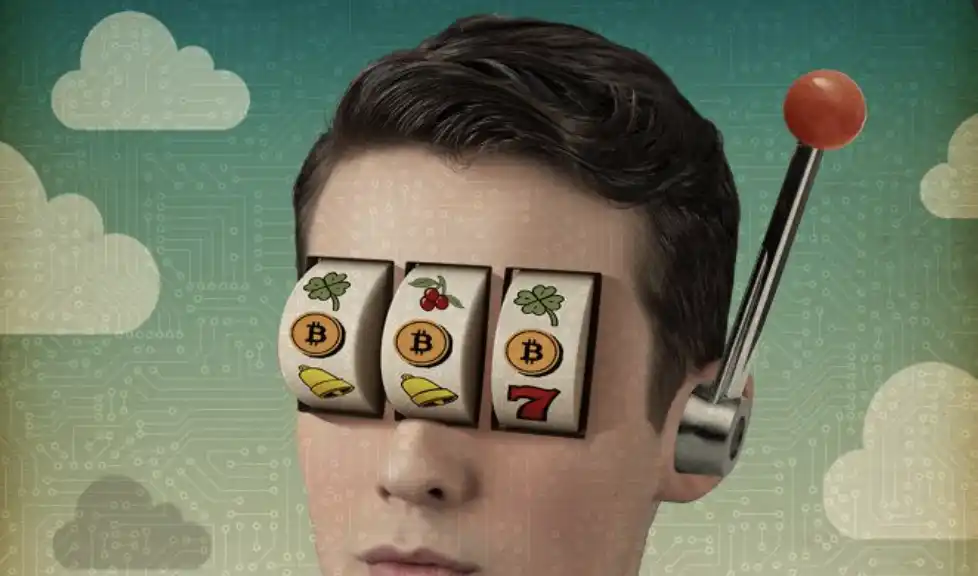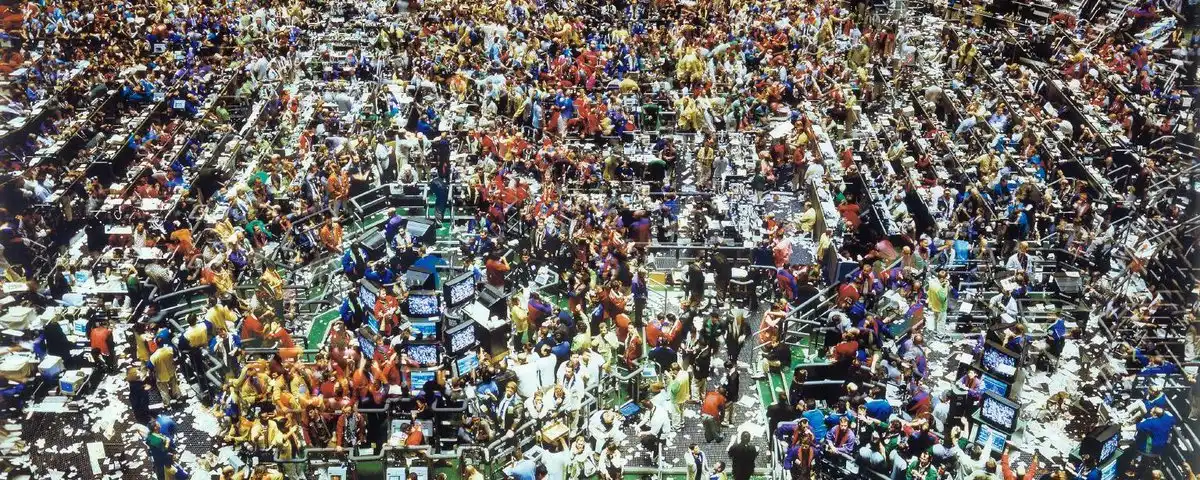
Variant Founder: Everything is a Market, the Endgame of Finance is 'Invisible'

marsbit2026-02-23 tarihinde yayınlandı2026-02-23 tarihinde güncellendi

Özet

Jesse Walden, founder of Variant Fund, argues that crypto is fundamentally about finance—but in a radically expanded sense. He identifies three core drivers reshaping finance: mass participation, permissionless markets, and programmable endpoints. Mass participation is lowering barriers, intertwining finance with culture as trading becomes a form of expressive, accessible engagement. Permissionless innovation allows new markets to emerge outside traditional systems, forcing regulatory evolution—as seen with prediction markets, stablecoins, and ICOs. Programmable markets, combined with AI, are evolving from outputs into infrastructure. Markets generate real-time, hard-to-fake data that AI and applications can consume as APIs, enabling new products and automated decision-making. Ultimately, finance is transitioning from a vertical industry to a horizontal, invisible infrastructure layer embedded into the fabric of culture and technology.

Author: Jesse Walden, Founder of Variant

Compiled by: Yuliya, PANews

Editor's Note: Variant Fund founder Jesse Walden presents the forward-looking view that "everything is a market" in this article, arguing that cryptocurrency is expanding the boundaries of finance into the cultural realm, becoming a horizontal infrastructure layer. The article explores the three core drivers—mass participation, permissionless innovation, and market programmability—to discuss how finance is evolving into a ubiquitous infrastructure, and paints a future vision of finance becoming invisible as crypto technology integrates with artificial intelligence.

Full text below:

There has been much debate about whether cryptocurrency is purely for finance or has a grander purpose. My view is: yes, cryptocurrency is for finance. But the key point is that the connotation of finance is becoming much broader than commonly understood.

Behind this transformation lie three fundamental drivers:

  • Mass Participation: As market access barriers lower, finance is increasingly intertwining with and being deeply influenced by culture.

  • Permissionless Markets: This force acts as an agent of change, allowing global users to exhibit new behavioral patterns and, in the process, forcing regulators and traditional institutions to evolve.

  • Programmable Endpoints: Financial markets are evolving from discrete venues into APIs. They embed economic data, generate real-time information that other systems cannot produce and is extremely difficult to fake, and are seamlessly available for use by AI Agents.

Mass participation changes who uses markets; permissionless innovation changes which markets can exist; and the programmability of new markets opens up a new design space for how we (and AI agents) use them.

In summary, as value in the world becomes increasingly software-based, finance is undergoing a radical transformation, requiring us to adopt a more expansive perspective on its endgame.
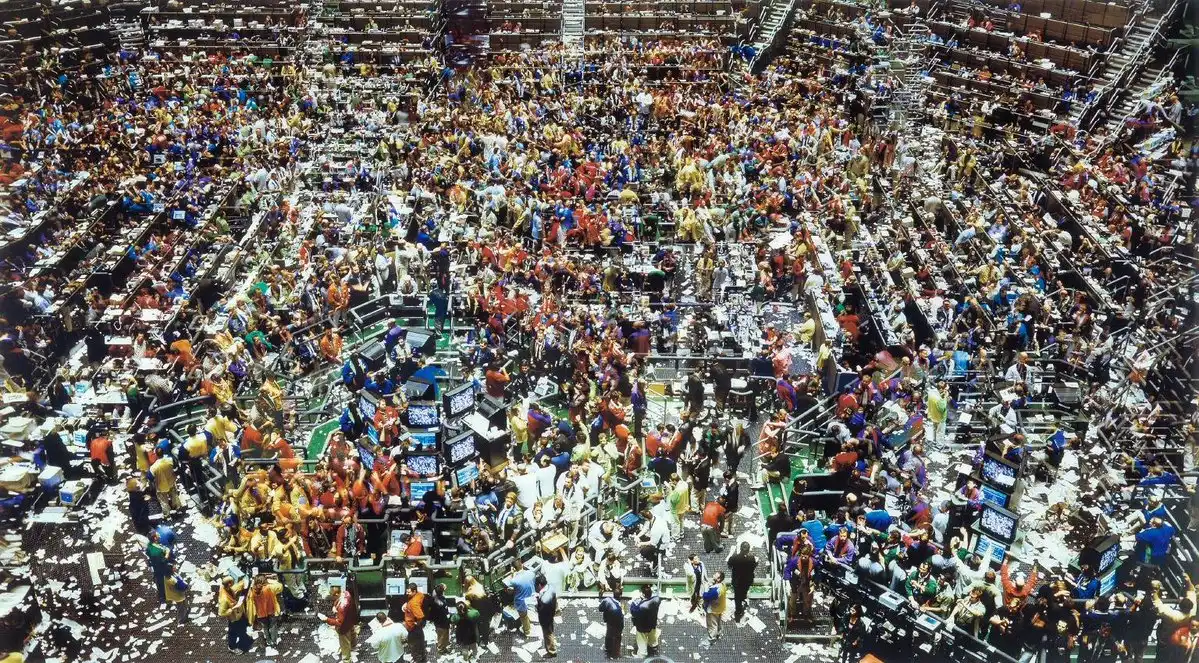
Towards a Billion Traders

In 2020, Variant proposed the vision of the "Ownership Economy" at its inception, aiming to make a billion users become owners: owning their identity, funds, data, and the products and services they use daily. Today, user ownership has been realized in some important but vertical software areas, primarily focused on financial attributes: such as store-of-value assets (BTC/ETH), decentralized blockchains, and financial markets (Solana, Uniswap, Morpho, Hyperliquid)—we are fortunate to be investors in these projects.

In hindsight, the 2020 thesis was correct: people want economic upside in things they understand and care about. But I originally thought this would extend to all products users engage with daily, similar to employee stock options; however, the opportunity turned out to be making a "stake" in anything you have conviction in.

Today, "trading" has become a broader, non-skeuomorphic way for users to participate in economic upside (and downside). It turns out that trading provides more immediate and expressive feedback compared to owning digital identity, money, data, or platforms.

Trading is often the gateway to participating in broader markets. Many of the talented people I've met in crypto follow a similar growth trajectory:

  • Learning a lesson on a volatile altcoin;

  • Learning to manage risk like a trader;

  • Eventually becoming a more mature long-term investor.

Even failed experiences are meaningful: a gambler who loses everything becomes a trader if they decide to only bet on what they understand; a trader becomes an investor if they develop conviction and extend their time horizon.

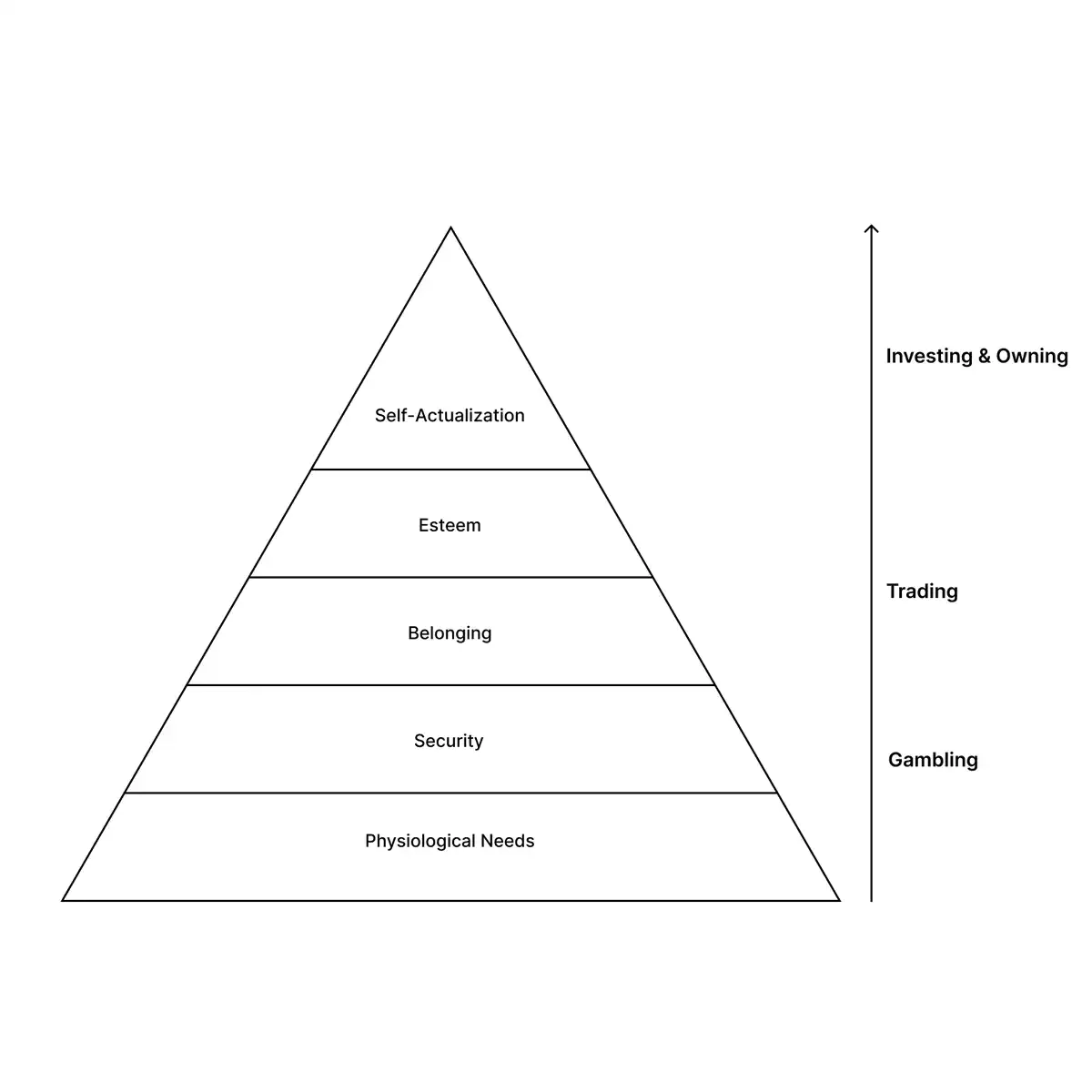
We can view this continuum of risk-taking through the lens of Maslow's hierarchy of needs:

  • Gambling and trading satisfy lower-level needs: security (escaping economic hardship by making a big win), or a sense of belonging (like WallStreetBets trying to fight Citadel, or you and your friends betting on a team).

  • Investing is closer to self-actualization and purpose at the top. Owning a home is the American Dream; investing in a company is expressing belief in its future. But it's hard to achieve this conviction if your attention is still focused on lower-level needs.

PANews Note: WallStreetBets (WSB) is a famous subreddit known as a hub for retail investors famous for high-risk, aggressive investing, and meme stock trading. It is renowned for encouraging the use of leveraged options trading and pursuing short-term, high returns, gaining global financial notoriety in 2021 for orchestrating the GameStop (GME) short squeeze. Citadel is a top-tier hedge fund and financial services company, known for its rigorous risk control and high returns, and is one of the most influential financial giants on Wall Street.
Due to short timeframes and high volatility, trading can satisfy more urgent needs for more people. And, because permissionless markets can exist for almost anything—from derivatives to memes to political outcomes—the channels for people to access economic gains have never been broader.

In many of these markets, life experience can (at least briefly) become an advantage. A kid who understands TikTok trends understands memes better than Citadel; a player living in a virtual economy understands the game better than a game analyst.

The old adage "invest in what you know" is becoming increasingly feasible today. The result is that market participation is no longer a professional career but a mass-participation culture with its own status games, memes, heroes, villains, subcultures, and language. Due to this newfound expressiveness and accessibility, financial markets are increasingly intertwining with culture. And culture—from trends to political events—is increasingly expressed through markets.

(Image: Balenciaga S2023 fashion show at the New York Stock Exchange)

We are witnessing exponential expansion of global economic access through stablecoins; at the other end of the spectrum, financial risk-taking through trading and markets is also expanding, moving towards a scale of a billion daily active traders.

Markets as Agents of Change

In the 1960s, the average holding period for stocks was over 8 years. By 2020, this average had fallen to less than a year. This is the world we live in today: a mass-participation market where trading has become the main artery for people trying to capture economic gains.

This world hasn't entirely emerged within the boundaries of the traditional financial system. New markets have been built primarily outside, often intentionally and out of necessity. Leveraging new technology and free markets to pressure regulators and institutions is one of the most reliable patterns for the adaptation and evolution of traditional systems.

As I wrote in the original thesis:

"The history of protocol adoption follows a pattern: first, early adopters use the new protocol to do things that were impossible before the new technology enabled them. This new behavior often involves breaking the rules. Then, the winning strategy for founders is to build products that make these new patterns accessible to a broader audience."

A classic example is BitTorrent, invented in 2003. It enabled streaming, and at its peak, piracy via this protocol accounted for a third of total internet traffic. Later, Spotify productized streaming by striking compliant deals (and actually used BitTorrent technology underneath initially).

Cryptocurrency is doing to value what BitTorrent did to information: remaking it permissionlessly.

  • Prediction Markets: Polymarket operated for years on offshore crypto rails when prediction markets were banned in the US. Today, thanks to new regulatory clarity, they have a mobile app in the US (though not on-chain).

  • Stablecoins: Similarly survived in a regulatory gray area, initially bootstrapping liquidity on offshore exchanges. Last year, the GENIUS bill brought them inside the system.

  • ICOs & Fundraising: In 2017, ICOs enabled permissionless crowdfunding when early-stage venture investment was restricted. A hostile SEC subsequently cracked down, but this highlighted a problem: the returns from technological innovation and growth were captured privately, with diminishing opportunities for public participation in the upside. But this year, Congress is working on market structure legislation in the CLARITY Act, explicitly allowing founders to raise funds broadly via public token sales and share ownership.

Permissionless markets constantly try to "break the rules," allowing people to access the economic gains of private companies (wouldn't you want to own a piece of Claude or ChatGPT?). Robinhood recently tried to launch tokenized exposure to private companies like OpenAI and SpaceX on crypto rails in Europe and applied to the SEC to bring private market funds to US retail investors. Startups are trying to offer synthetic exposure to private companies through novel products.

This could be a path back to the original "Ownership Economy" thesis, where users actually get economic exposure to the products and services they use daily. But as we've seen with other markets, forcing regulatory change takes time and often relies on scaled and proven market demand.

More directly, I expect we will see many new, net-add markets take off, which raises the question: what is the full design space of these new markets? How are they different from previous ones? And who, or what, is trading and consuming them?

Markets as APIs

What makes this moment different from previous waves of financial innovation is the simultaneous expansion of two representations in software:

  • Cryptocurrency (Crypto): Provides the most powerful rails for new markets—permissionless creation, programmable settlement, composable liquidity, and global access, with costs rapidly approaching zero. Now, we can tokenize and trade things that were previously illiquid, inaccessible, or simply didn't exist.

  • Artificial Intelligence (AI): Makes it possible to build, model, and automate things that were previously unmanageable.

Crypto + AI creates a combinatorial design space: every price generated by a market is a signal an AI can act on, and every new thing an AI can model is an object a market can use to price.

Arguably, intelligence is the ability to predict or make informed decisions. Markets and crypto provide the best "prediction" mechanisms we know. AI can use these prices to understand and simulate the future and make decisions.

This design space is why markets are evolving from "outputs" to "infrastructure." The last decade, crypto built the underlying infrastructure enabling an explosion of new markets. The next decade, markets will increasingly become infrastructure themselves; endpoints consumed as inputs by applications and agents.
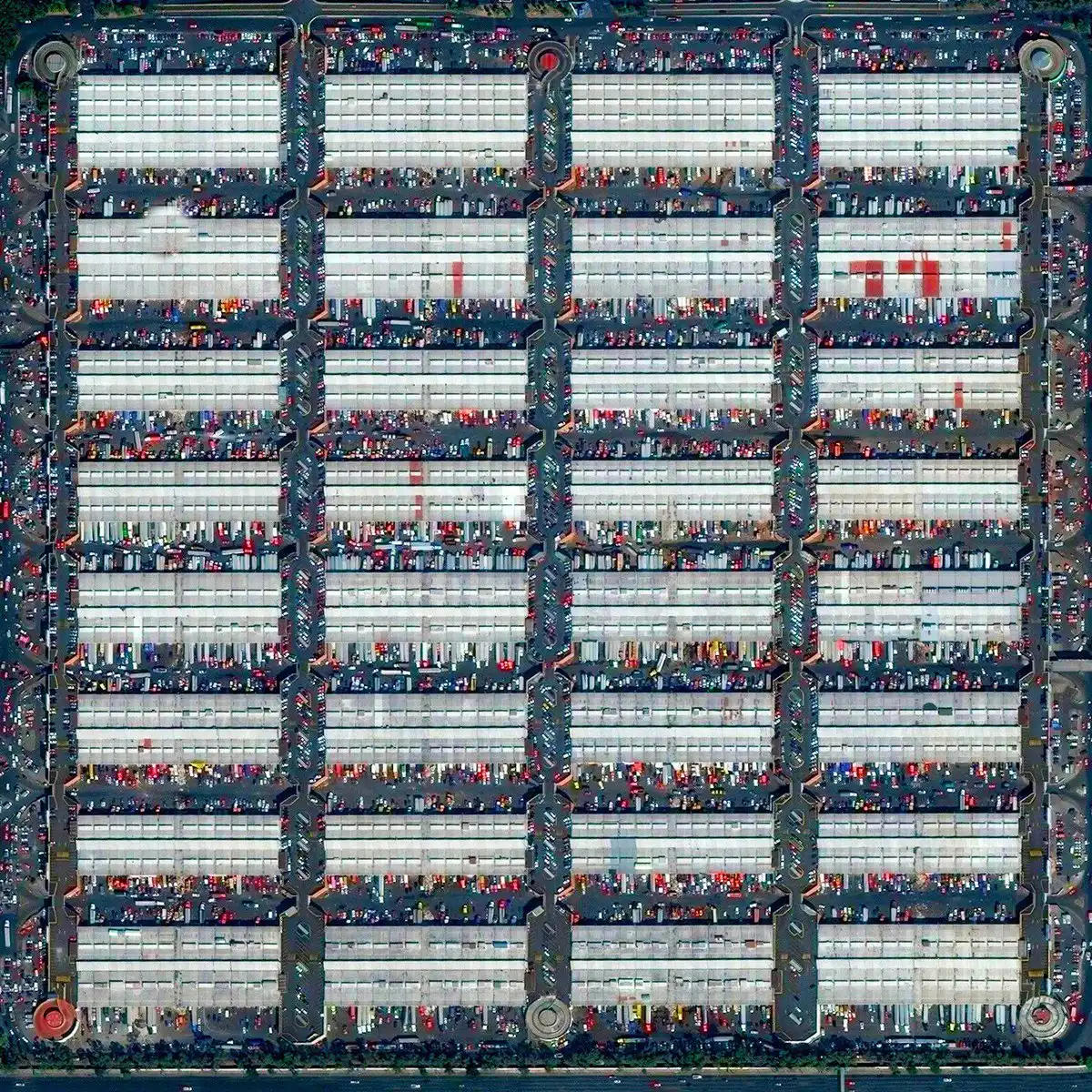
(Image: Central de Abasto food wholesale market in Mexico City)

Traditional APIs return stored data. As APIs, markets generate real-time data through adversarial competition between participants willing to risk capital on their convictions. This makes markets more expressive than ordinary APIs; they don't just provide information, they generate it. And because the information generated by markets is costly to produce, it is also harder to fake.

On-chain markets are even superior to traditional APIs because, by default, they are permissionless and composable (anyone can call them), globalized, and use standardized interfaces.

Composing markets directly into products has already begun in finance, known as the "DeFi Mullet": fintech products with familiar front-end experiences built on DeFi back-end rails, like Morpho vaults. Coinbase's borrow and earn products offer users dynamic interest rates, which are paid or earned by querying Morpho's on-chain lending markets. Users enjoy these features without needing to understand the underlying lending market dynamics.

Beyond financial services, Polymarket's odds for the Golden Globes are a recent intuitive example of this phenomenon. The API provides real-time prices, composed into entertainment products (the market accurately predicted 26 out of 27 winners).
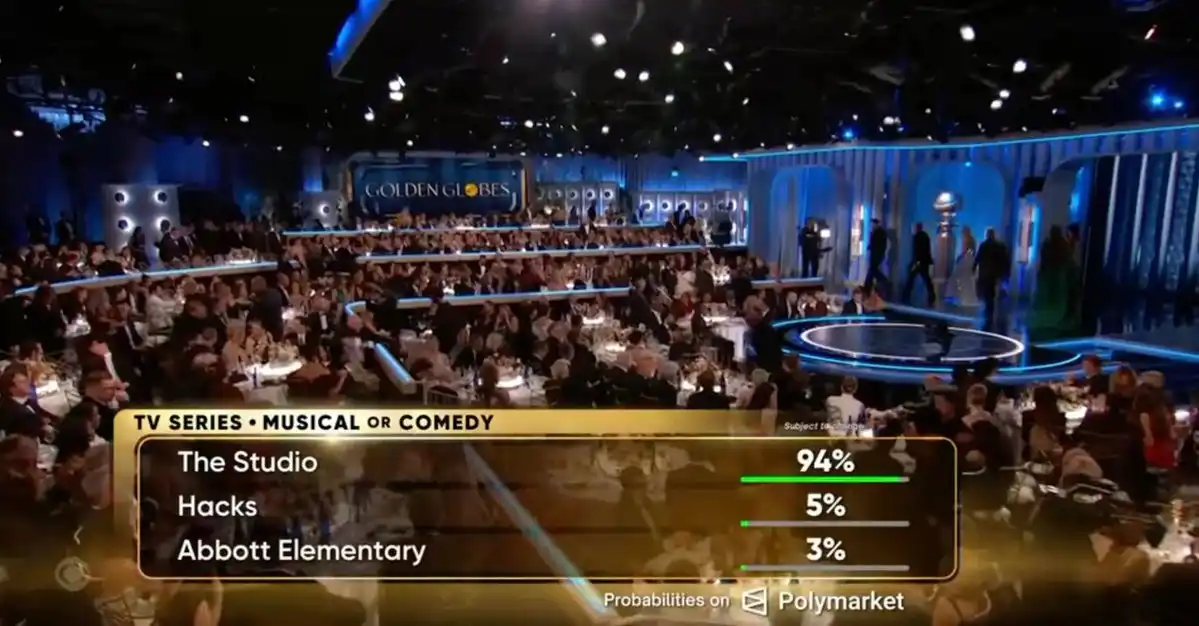
As we tokenize more of the world's value and bring new markets on-chain, this pattern will expand beyond fintech wrappers or live event odds. Although not currently on-chain, Apple's "Clean Energy Charging" is an illustrative mainstream example. In the US, when you plug in your phone to charge, Apple uses real-time predictions of grid carbon intensity to schedule charging times for maximum energy and cost efficiency. You never see the underlying energy market, but Apple's product is calling an endpoint for market data, using its signal as an input to make decisions and optimize the product.

MetaDAO, a crowdfunding platform powered by prediction markets, takes this idea further. When faced with a governance decision, it creates two conditional markets: one assuming the token price if the proposal passes, another if it fails. Whichever market price is higher determines the outcome: the proposal automatically takes effect or is rejected. The DAO no longer decides by voting but calls upon markets to make decisions, with participants betting real money on the future outcome they believe is better. Here, the underlying market is not just an input to the decision but the decision mechanism itself.

If you assume all finance and markets are becoming programmable while AI is becoming more powerful, then holding an expansive view of finance's endgame is reasonable and exciting. Price signals, prediction market outcomes, on-chain capital flows, etc., will become inputs that any application or agent can read, interpret, and act upon. If an agent can earn a penny more than its inference cost by creating or participating in a market, it becomes rational to do so.

When we factor in the consumption and market participation of AI agents, "a billion active traders" might be a severe underestimate of the scale of the future.

The Endgame of Finance

Finance is undergoing a transformation from a unique vertical industry into a horizontal foundational layer.

As markets become more expressive and accessible, finance is embedding itself into culture, and culture itself is increasingly expressed through finance. Simultaneously, as markets become permissionless software, they accelerate their role as agents of change, opening new opportunities for users seeking economic upside (and downside) in things they understand and love. And users will also want their AI agents to participate in markets to improve their lives.

As markets become more programmable, finance is becoming increasingly ubiquitous as a new building block of information infrastructure. The most successful infrastructure is often invisible, and finance is on a path to being woven into the fabric of everything.

This is why I'm willing to hold an extremely grand, expansive perspective on the endgame of "finance."

İlgili Sorular

QWhat are the three fundamental drivers behind the expansion of finance's meaning according to Jesse Walden?

AThe three fundamental drivers are: 1) Mass participation, as lower market access barriers intertwine finance with culture; 2) Permissionless markets, which act as change agents allowing global users to exhibit new behaviors; 3) Programmable endpoints, where financial markets evolve from discrete venues into APIs embedded with economic data.

QHow does the author describe the evolution of a participant's journey in the crypto space?

AThe author describes a common trajectory: starting with a lesson from a volatile altcoin, learning to manage risk like a trader, and eventually maturing into a long-term investor. Even failed experiences are meaningful, transforming a gambler into a trader who bets on what they know, and then into an investor with conviction and a longer time horizon.

QWhat role do permissionless markets play in driving regulatory and institutional change?

APermissionless markets, often built outside traditional financial systems, act as change agents by allowing new behaviors that 'break the rules.' This forces regulators and traditional institutions to adapt and evolve. Examples include prediction markets (Polymarket), stablecoins, and ICOs, which eventually lead to new legislation and regulatory clarity after demonstrating proven market demand.

QHow does the combination of Crypto and AI create a new design space for markets?

ACrypto provides the infrastructure for permissionless, programmable, and globally accessible markets, while AI enables the modeling and automation of previously unmanageable things. This combination creates a design space where every price generated by a market becomes actionable data for AI, and every new thing AI can model becomes an object that markets can price. Markets evolve from outputs to infrastructure, serving as APIs that applications and AI agents can consume.

QWhat is the ultimate vision for the future of finance as presented in the article?

AThe ultimate vision is that finance is transitioning from a distinct vertical industry into a horizontal infrastructure layer that becomes 'invisible.' It is increasingly embedded into culture and expressed through it, driven by mass participation and permissionless innovation. As markets become more accessible and programmable, finance will integrate into the fabric of everything, serving as a universal information infrastructure for both humans and AI agents to consume and act upon.

İlgili Okumalar

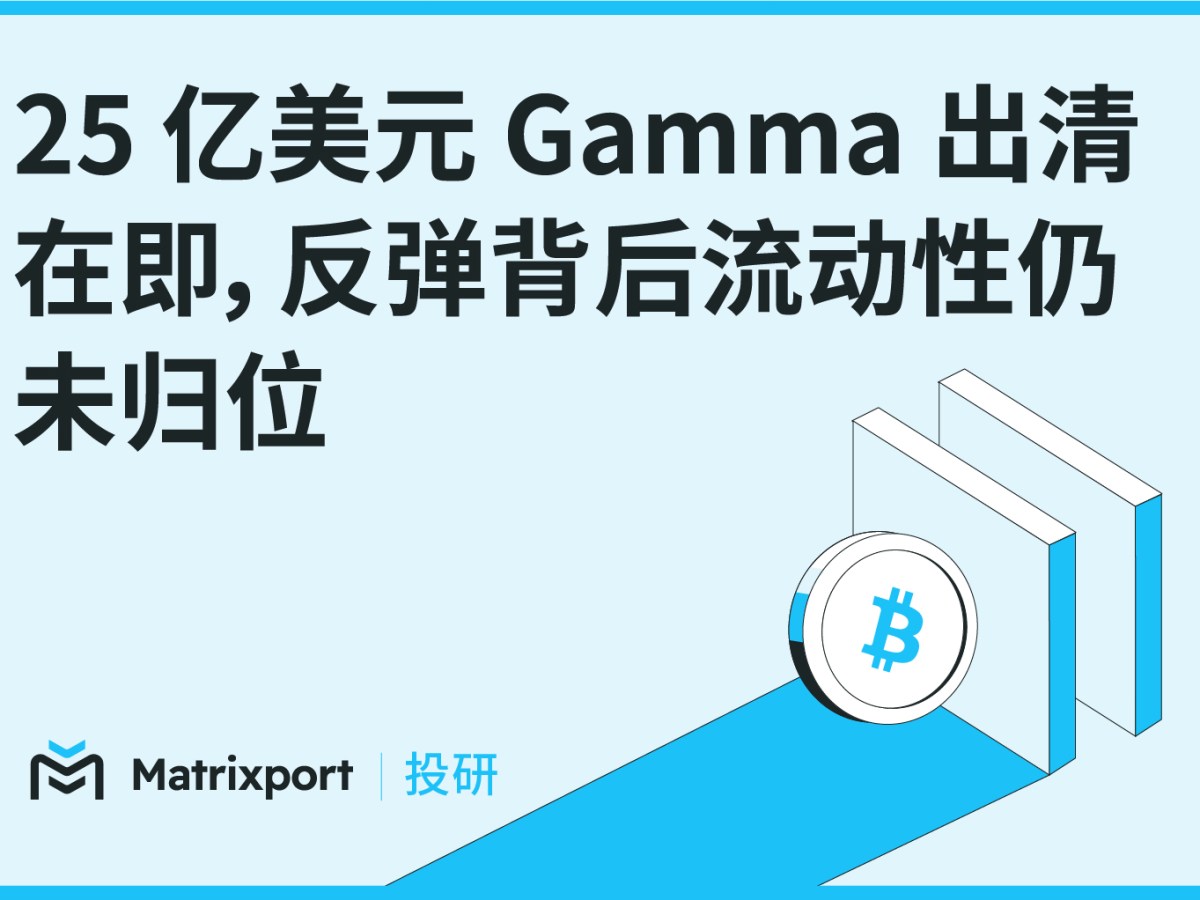
Matrixport Research: $25 Billion Gamma Liquidation Imminent, Liquidity Yet to Return Despite Rebound

Based on Matrixport's research, Bitcoin's recent breakdown below a key support level, as indicated in the October 31, 2025, report, has confirmed a bearish trend. The magnitude and rhythm of this pullback are comparable to previous bear market phases. The market focus has shifted from debating a potential trend reversal to anticipating the next optimal window for asset allocation. The analysis, utilizing a cyclical framework, identifies that Bitcoin likely entered a confirmed bear market phase after multiple characteristics of a late fifth bull cycle emerged and key support level was lost. A critical development was Bitcoin's break below its one-year moving average in November 2025, a historical signal often marking the start of a bear market that typically lasts around 12 months. This projects the next potential bull cycle to begin in Q4 2026, with a cyclical low possibly arriving earlier in Q3 2026. The report posits that Bitcoin's "four-year cycle" is less driven by halving events and is more likely synchronized with the rhythm of U.S. mid-term election cycles, which bring regulatory and political uncertainty that better explains the timing of market tops and bottoms. From a technical perspective, key monthly indicators have not yet reached crucial oversold thresholds that have historically signaled a market bottom. The monthly Stochastic oscillator, which often completed its bottoming process after falling below 15%, currently sits at approximately 39%. Similarly, the monthly RSI, which finds key support near 48, is currently around 50. A true bottoming signal often requires a "break below key support followed by an upward reversal" confirmation, which is not yet present. The research concludes that the final low of this bear market may not yet be in. History suggests Bitcoin more commonly bottoms during phases of low volume, receding selling pressure, and falling market enthusiasm. The recent rapid decline, accompanied by liquidations and falling volumes, resembles a capitulation event rather than a final cyclical low. Therefore, the truly worthwhile window for re-accumulation requires patience, waiting for key monthly indicators to hit extreme oversold zones and show confirmed reversal signals. The prerequisite for an orderly recovery is confirmed downward momentum exhaustion, not merely judging a trend reversal based on price proximity to historical lows.

Matrixport24 dk önce

Matrixport Research: $25 Billion Gamma Liquidation Imminent, Liquidity Yet to Return Despite Rebound

Matrixport24 dk önce

İşlemler

Spot
Futures

Popüler Makaleler

$S$ Nedir

SPERO'yu Anlamak: Kapsamlı Bir Genel Bakış SPERO'ya Giriş İnovasyonun manzarası gelişmeye devam ederken, web3 teknolojilerinin ve kripto para projelerinin ortaya çıkışı dijital geleceği şekillendirmede önemli bir rol oynamaktadır. Bu dinamik alanda dikkat çeken projelerden biri SPERO, $$s$$ olarak adlandırılmaktadır. Bu makale, SPERO hakkında ayrıntılı bilgi toplamak ve sunmak amacıyla, meraklılar ve yatırımcıların web3 ve kripto alanlarındaki temellerini, hedeflerini ve yeniliklerini anlamalarına yardımcı olmayı amaçlamaktadır. SPERO,$$s$$ Nedir? SPERO,$$s$$, kripto alanında merkeziyetsizlik ve blok zinciri teknolojisi ilkelerini kullanarak etkileşimi, faydayı ve finansal kapsayıcılığı teşvik eden bir ekosistem yaratmayı amaçlayan benzersiz bir projedir. Proje, kullanıcıların yenilikçi finansal çözümler ve hizmetler sunarak eşler arası etkileşimleri yeni yollarla kolaylaştırmayı hedeflemektedir. SPERO,$$s$$'nin temel amacı, bireyleri güçlendirmek ve kripto para alanındaki kullanıcı deneyimini artıran araçlar ve platformlar sağlamaktır. Bu, daha esnek işlem yöntemlerini mümkün kılmayı, topluluk odaklı girişimleri teşvik etmeyi ve merkeziyetsiz uygulamalar (dApp'ler) aracılığıyla finansal fırsatlar yaratmayı içermektedir. SPERO,$$s$$'nin temel vizyonu kapsayıcılık etrafında dönmekte olup, geleneksel finansal sistemlerdeki boşlukları kapatmayı ve blok zinciri teknolojisinin faydalarından yararlanmayı hedeflemektedir. SPERO,$$s$$'nin Yaratıcısı Kimdir? SPERO,$$s$$'nin yaratıcısının kimliği bir miktar belirsizdir, çünkü kurucusu(ları) hakkında ayrıntılı arka plan bilgisi sağlayan sınırlı kamuya açık kaynaklar bulunmaktadır. Bu şeffaflık eksikliği, projenin merkeziyetsizlik taahhüdünden kaynaklanabilir—birçok web3 projesinin paylaştığı bir etik anlayışı, bireysel tanınmanın yerine kolektif katkıları önceliklendirmektedir. Topluluk ve onun kolektif hedefleri etrafında tartışmaları merkezileştirerek, SPERO,$$s$$, belirli bireyleri öne çıkarmadan güçlendirme özünü taşımaktadır. Bu nedenle, SPERO'nun etik anlayışını ve misyonunu anlamak, tek bir yaratıcının kimliğini belirlemekten daha önemlidir. SPERO,$$s$$'nin Yatırımcıları Kimlerdir? SPERO,$$s$$, kripto sektöründe yeniliği teşvik etmeye adanmış girişim sermayedarlarından melek yatırımcılara kadar çeşitli yatırımcılar tarafından desteklenmektedir. Bu yatırımcıların odak noktası genellikle SPERO'nun misyonuyla uyumlu olup, toplumsal teknolojik ilerlemeyi, finansal kapsayıcılığı ve merkeziyetsiz yönetimi vaat eden projeleri önceliklendirmektedir. Bu yatırımcı temelleri, yalnızca yenilikçi ürünler sunan projelere değil, aynı zamanda blok zinciri topluluğuna ve ekosistemlerine olumlu katkılarda bulunan projelere de ilgi duymaktadır. Bu yatırımcıların desteği, SPERO,$$s$$'yi hızla gelişen kripto projeleri alanında dikkate değer bir rakip haline getirmektedir. SPERO,$$s$$ Nasıl Çalışır? SPERO,$$s$$, onu geleneksel kripto para projelerinden ayıran çok yönlü bir çerçeve kullanmaktadır. İşte benzersizliğini ve yeniliğini vurgulayan bazı temel özellikler: Merkeziyetsiz Yönetim: SPERO,$$s$$, kullanıcıların projenin geleceğiyle ilgili karar alma süreçlerine aktif olarak katılmalarını sağlayan merkeziyetsiz yönetim modellerini entegre etmektedir. Bu yaklaşım, topluluk üyeleri arasında sahiplik ve hesap verebilirlik duygusunu teşvik etmektedir. Token Kullanımı: SPERO,$$s$$, ekosistem içinde çeşitli işlevler sunmak üzere tasarlanmış kendi kripto para token'ını kullanmaktadır. Bu token'lar, işlemleri, ödülleri ve platformda sunulan hizmetlerin kolaylaştırılmasını sağlayarak genel etkileşimi ve faydayı artırmaktadır. Katmanlı Mimari: SPERO,$$s$$'nin teknik mimarisi, modülerlik ve ölçeklenebilirliği destekleyerek projenin evrimi sırasında ek özelliklerin ve uygulamaların sorunsuz bir şekilde entegrasyonuna olanak tanımaktadır. Bu uyum sağlama yeteneği, sürekli değişen kripto manzarasında geçerliliği sürdürmek için hayati öneme sahiptir. Topluluk Katılımı: Proje, işbirliği ve geri bildirim teşvik eden mekanizmalar kullanarak topluluk odaklı girişimlere vurgu yapmaktadır. Güçlü bir topluluk oluşturarak, SPERO,$$s$$, kullanıcı ihtiyaçlarını daha iyi karşılayabilir ve piyasa trendlerine uyum sağlayabilir. Kapsayıcılığa Odaklanma: Düşük işlem ücretleri ve kullanıcı dostu arayüzler sunarak, SPERO,$$s$$, daha önce kripto alanında yer almamış bireyler de dahil olmak üzere çeşitli bir kullanıcı tabanını çekmeyi hedeflemektedir. Bu kapsayıcılık taahhüdü, erişilebilirlik yoluyla güçlendirme misyonuyla uyumludur. SPERO,$$s$$ Zaman Çizelgesi Bir projenin tarihini anlamak, gelişim yolculuğu ve kilometre taşları hakkında kritik bilgiler sağlar. Aşağıda, SPERO,$$s$$'nin evriminde önemli olayları haritalayan önerilen bir zaman çizelgesi bulunmaktadır: Kavram Geliştirme ve Fikir Aşaması: SPERO,$$s$$'nin temelini oluşturan ilk fikirler, blok zinciri endüstrisindeki merkeziyetsizlik ve topluluk odaklılık ilkeleriyle yakından uyumlu olarak geliştirildi. Proje Beyaz Kağıdının Yayınlanması: Kavramsal aşamayı takiben, SPERO,$$s$$'nin vizyonunu, hedeflerini ve teknolojik altyapısını ayrıntılı bir şekilde açıklayan kapsamlı bir beyaz kağıt yayımlandı ve topluluk ilgisini ve geri bildirimini toplamak amacıyla sunuldu. Topluluk Oluşturma ve Erken Katılımlar: Projenin hedefleri etrafında tartışmalar yürüterek destek toplamak ve erken benimseyenler ile potansiyel yatırımcılar için bir topluluk oluşturmak amacıyla aktif iletişim çabaları gerçekleştirildi. Token Üretim Etkinliği: SPERO,$$s$$, yerel token'larını erken destekçilere dağıtmak ve ekosistem içinde başlangıç likiditesini sağlamak amacıyla bir token üretim etkinliği (TGE) gerçekleştirdi. İlk dApp'in Yayınlanması: SPERO,$$s$$ ile ilişkili ilk merkeziyetsiz uygulama (dApp) faaliyete geçti ve kullanıcıların platformun temel işlevleriyle etkileşimde bulunmalarını sağladı. Sürekli Gelişim ve Ortaklıklar: Projenin tekliflerine sürekli güncellemeler ve iyileştirmeler yapılmakta olup, blok zinciri alanındaki diğer oyuncularla stratejik ortaklıklar, SPERO,$$s$$'yi rekabetçi ve gelişen bir oyuncu haline getirmiştir. Sonuç SPERO,$$s$$, web3 ve kripto paranın finansal sistemleri devrim niteliğinde dönüştürme ve bireyleri güçlendirme potansiyelinin bir kanıtıdır. Merkeziyetsiz yönetime, topluluk katılımına ve yenilikçi tasarlanmış işlevselliğe olan bağlılığıyla, daha kapsayıcı bir finansal manzaraya doğru bir yol açmaktadır. Hızla gelişen kripto alanındaki herhangi bir yatırımda olduğu gibi, potansiyel yatırımcılar ve kullanıcılar, SPERO,$$s$$ içindeki devam eden gelişmelerle ilgili olarak kapsamlı bir araştırma yapmaları ve düşünceli bir şekilde katılmaları teşvik edilmektedir. Proje, kripto endüstrisinin yenilikçi ruhunu sergileyerek, sayısız olasılığını keşfetmeye davet etmektedir. SPERO,$$s$$'nin yolculuğu hala devam ederken, temel ilkeleri, teknoloji, finans ve birbirimizle etkileşim biçimimizi etkileyebilir.

89 Toplam GörüntülenmeYayınlanma 2024.12.17Güncellenme 2024.12.17

AGENT S Nedir

Agent S: Web3'te Otonom Etkileşimin Geleceği Giriş Web3 ve kripto para dünyasında sürekli gelişen manzarada, yenilikler bireylerin dijital platformlarla etkileşim biçimlerini sürekli olarak yeniden tanımlıyor. Bu tür öncü projelerden biri olan Agent S, açık ajans çerçevesi aracılığıyla insan-bilgisayar etkileşimini devrim niteliğinde değiştirmeyi vaat ediyor. Otonom etkileşimlerin yolunu açarak, Agent S karmaşık görevleri basitleştirmeyi ve yapay zeka (AI) alanında dönüştürücü uygulamalar sunmayı hedefliyor. Bu detaylı inceleme, projenin karmaşıklıklarına, benzersiz özelliklerine ve kripto para alanındaki etkilerine dalacaktır. Agent S Nedir? Agent S, bilgisayar görevlerinin otomasyonunda üç temel zorluğu ele almak üzere özel olarak tasarlanmış çığır açıcı bir açık ajans çerçevesidir: Alan Spesifik Bilgi Edinimi: Çerçeve, çeşitli dış bilgi kaynaklarından ve iç deneyimlerden akıllıca öğrenir. Bu çift yönlü yaklaşım, alan spesifik bilgi açısından zengin bir veri havuzu oluşturmasını sağlar ve görev yürütmedeki performansını artırır. Uzun Görev Ufukları Üzerinde Planlama: Agent S, karmaşık görevlerin verimli bir şekilde parçalanmasını ve yürütülmesini kolaylaştıran deneyim artırımlı hiyerarşik planlama kullanır. Bu özellik, çoklu alt görevleri etkili ve verimli bir şekilde yönetme yeteneğini önemli ölçüde artırır. Dinamik, Homojen Olmayan Arayüzlerle Başlama: Proje, ajanlar ve kullanıcılar arasındaki etkileşimi geliştiren yenilikçi bir çözüm olan Ajan-Bilgisayar Arayüzü'ni (ACI) tanıtmaktadır. Çok Modlu Büyük Dil Modellerini (MLLM'ler) kullanarak, Agent S çeşitli grafik kullanıcı arayüzlerini sorunsuz bir şekilde gezinebilir ve manipüle edebilir. Bu öncü özellikler aracılığıyla, Agent S, makinelerle insan etkileşimini otomatikleştirmede karşılaşılan karmaşıklıkları ele alan sağlam bir çerçeve sunarak, AI ve ötesinde birçok uygulama için zemin hazırlıyor. Agent S'nin Yaratıcısı Kimdir? Agent S'nin kavramı temelde yenilikçi olsa da, yaratıcısı hakkında spesifik bilgiler belirsizliğini koruyor. Yaratıcı şu anda bilinmiyor, bu da projenin yeni aşamasını veya kurucu üyeleri gizli tutma stratejik tercihini vurguluyor. Anonimlikten bağımsız olarak, odak çerçevenin yetenekleri ve potansiyeli üzerinde kalıyor. Agent S'nin Yatırımcıları Kimlerdir? Agent S, kriptografik ekosistemde oldukça yeni olduğundan, yatırımcıları ve finansal destekçileri hakkında ayrıntılı bilgiler açıkça belgelenmemiştir. Projeyi destekleyen yatırım temelleri veya organizasyonları hakkında kamuya açık bilgilerdeki eksiklik, finansman yapısı ve gelişim yol haritası hakkında sorular doğuruyor. Destekleyicilerin anlaşılması, projenin sürdürülebilirliğini ve potansiyel pazar etkisini değerlendirmek için kritik öneme sahiptir. Agent S Nasıl Çalışır? Agent S'nin temelinde, çeşitli ortamlarda etkili bir şekilde çalışmasını sağlayan son teknoloji bir sistem yatmaktadır. İşleyiş modeli birkaç ana özellik etrafında inşa edilmiştir: İnsan Benzeri Bilgisayar Etkileşimi: Çerçeve, bilgisayarlarla etkileşimleri daha sezgisel hale getirmeyi amaçlayan gelişmiş AI planlaması sunar. Görev yürütmedeki insan davranışını taklit ederek, kullanıcı deneyimlerini yükseltmeyi vaat eder. Anlatı Belleği: Yüksek düzeyde deneyimlerden yararlanmak için kullanılan Agent S, görev geçmişlerini takip etmek amacıyla anlatı belleğini kullanarak karar verme süreçlerini geliştirir. Episodik Bellek: Bu özellik, kullanıcılara adım adım rehberlik sağlayarak, çerçevenin görevler gelişirken bağlamsal destek sunmasına olanak tanır. OpenACI Desteği: Yerel olarak çalışabilme yeteneği ile Agent S, kullanıcıların etkileşimleri ve iş akışları üzerinde kontrol sağlamasına olanak tanır ve Web3'ün merkeziyetsiz felsefesiyle uyumlu hale gelir. Dış API'lerle Kolay Entegrasyon: Çeşitli AI platformlarıyla uyumluluğu ve çok yönlülüğü, Agent S'nin mevcut teknolojik ekosistemlere sorunsuz bir şekilde entegre olmasını sağlar ve geliştiriciler ile organizasyonlar için cazip bir seçenek haline getirir. Bu işlevsellikler, Agent S'nin kripto alanındaki benzersiz konumuna katkıda bulunarak, karmaşık, çok aşamalı görevleri minimum insan müdahalesi ile otomatikleştirir. Proje geliştikçe, Web3'teki potansiyel uygulamaları dijital etkileşimlerin nasıl gelişeceğini yeniden tanımlayabilir. Agent S'nin Zaman Çizelgesi Agent S'nin gelişimi ve kilometre taşları, önemli olaylarını vurgulayan bir zaman çizelgesinde özetlenebilir: 27 Eylül 2024: Agent S'nin kavramı, “Bilgisayarları İnsan Gibi Kullanan Açık Bir Ajans Çerçevesi” başlıklı kapsamlı bir araştırma makalesi ile tanıtıldı ve projenin temelini sergiledi. 10 Ekim 2024: Araştırma makalesi arXiv'de kamuya açık olarak yayınlandı ve çerçevenin derinlemesine bir incelemesini ve OSWorld benchmark'ına dayalı performans değerlendirmesini sundu. 12 Ekim 2024: Agent S'nin yetenekleri ve özellikleri hakkında görsel bir içgörü sağlayan bir video sunumu yayımlandı ve potansiyel kullanıcılar ve yatırımcılarla daha fazla etkileşim sağlandı. Bu zaman çizelgesindeki işaretler, sadece Agent S'nin ilerlemesini değil, aynı zamanda şeffaflık ve topluluk katılımına olan bağlılığını da göstermektedir. Agent S Hakkında Ana Noktalar Agent S çerçevesi gelişmeye devam ederken, birkaç ana özellik öne çıkmakta ve yenilikçi doğasını ve potansiyelini vurgulamaktadır: Yenilikçi Çerçeve: İnsan etkileşimine benzer bir bilgisayar kullanımı sağlamak üzere tasarlanan Agent S, görev otomasyonuna yeni bir yaklaşım getiriyor. Otonom Etkileşim: GUI aracılığıyla bilgisayarlarla otonom olarak etkileşim kurabilme yeteneği, daha akıllı ve verimli hesaplama çözümlerine doğru bir sıçrama anlamına geliyor. Karmaşık Görev Otomasyonu: Sağlam metodolojisi ile karmaşık, çok aşamalı görevleri otomatikleştirerek süreçleri daha hızlı ve daha az hata payı ile gerçekleştirebilir. Sürekli İyileştirme: Öğrenme mekanizmaları, Agent S'nin geçmiş deneyimlerden öğrenmesini sağlar ve sürekli olarak performansını ve etkinliğini artırır. Çok Yönlülük: OSWorld ve WindowsAgentArena gibi farklı işletim ortamlarında uyumlu olması, geniş bir uygulama yelpazesine hizmet edebilmesini sağlar. Agent S, Web3 ve kripto alanında kendini konumlandırırken, etkileşim yeteneklerini artırma ve süreçleri otomatikleştirme potansiyeli, AI teknolojilerinde önemli bir ilerlemeyi temsil etmektedir. Yenilikçi çerçevesi aracılığıyla, Agent S dijital etkileşimlerin geleceğini örneklemekte ve çeşitli sektörlerde kullanıcılar için daha sorunsuz ve verimli bir deneyim vaat etmektedir. Sonuç Agent S, AI ve Web3'ün birleşiminde cesur bir sıçramayı temsil ediyor ve teknoloji ile etkileşim biçimimizi yeniden tanımlama kapasitesine sahip. Henüz erken aşamalarında olmasına rağmen, uygulama olanakları geniş ve çekici. Kritik zorlukları ele alan kapsamlı çerçevesi ile Agent S, otonom etkileşimleri dijital deneyimin ön plana çıkmasına taşımayı hedefliyor. Kripto para ve merkeziyetsizlik alanlarına daha derinlemesine girdikçe, Agent S gibi projelerin teknoloji ve insan-bilgisayar işbirliğinin geleceğini şekillendirmede önemli bir rol oynayacağı kesin.

247 Toplam GörüntülenmeYayınlanma 2025.01.14Güncellenme 2025.01.14

S Nasıl Satın Alınır

HTX.com’a hoş geldiniz! Sonic (S) satın alma işlemlerini basit ve kullanışlı bir hâle getirdik. Adım adım açıkladığımız rehberimizi takip ederek kripto yolculuğunuza başlayın. 1. Adım: HTX Hesabınızı OluşturunHTX'te ücretsiz bir hesap açmak için e-posta adresinizi veya telefon numaranızı kullanın. Sorunsuzca kaydolun ve tüm özelliklerin kilidini açın. Hesabımı Aç2. Adım: Kripto Satın Al Bölümüne Gidin ve Ödeme Yönteminizi SeçinKredi/Banka Kartı: Visa veya Mastercard'ınızı kullanarak anında Sonic (S) satın alın.Bakiye: Sorunsuz bir şekilde işlem yapmak için HTX hesap bakiyenizdeki fonları kullanın.Üçüncü Taraflar: Kullanımı kolaylaştırmak için Google Pay ve Apple Pay gibi popüler ödeme yöntemlerini ekledik.P2P: HTX'teki diğer kullanıcılarla doğrudan işlem yapın.Borsa Dışı (OTC): Yatırımcılar için kişiye özel hizmetler ve rekabetçi döviz kurları sunuyoruz.3. Adım: Sonic (S) Varlıklarınızı SaklayınSonic (S) satın aldıktan sonra HTX hesabınızda saklayın. Alternatif olarak, blok zinciri transferi yoluyla başka bir yere gönderebilir veya diğer kripto para birimlerini takas etmek için kullanabilirsiniz.4. Adım: Sonic (S) Varlıklarınızla İşlem YapınHTX'in spot piyasasında Sonic (S) ile kolayca işlemler yapın.Hesabınıza erişin, işlem çiftinizi seçin, işlemlerinizi gerçekleştirin ve gerçek zamanlı olarak izleyin. Hem yeni başlayanlar hem de deneyimli yatırımcılar için kullanıcı dostu bir deneyim sunuyoruz.

721 Toplam GörüntülenmeYayınlanma 2025.01.15Güncellenme 2025.03.21

Tartışmalar

HTX Topluluğuna hoş geldiniz. Burada, en son platform gelişmeleri hakkında bilgi sahibi olabilir ve profesyonel piyasa görüşlerine erişebilirsiniz. Kullanıcıların S (S) fiyatı hakkındaki görüşleri aşağıda sunulmaktadır.

活动图片