20-Year-Old Founder Hires 18-Year-Old Employee, Funded by 19-Year-Old

marsbit2026-06-23 tarihinde yayınlandı2026-06-23 tarihinde güncellendi

Özet

The AI industry is experiencing a radical youth movement. Companies are aggressively recruiting extremely young talent—interns as young as 17 with daily salaries up to $800, and recent undergraduates earning annual packages of $200k-$1M. This shift prioritizes being "AI Native"—a mindset more common in the post-2000 generation—over traditional experience. Major tech firms like ByteDance, Tencent, and Alibaba restructure to empower young researchers directly, finding that past management expertise can hinder innovation in this fast-paced field. This creates a self-reinforcing cycle: young researchers gain authority, hire peers, attract young investors, and start companies, collectively building a new power network that sidelines older professionals. The intense competition for a limited pool of top young minds has led to astronomical salaries, defensive hiring, and sophisticated early talent scouting from high school. However, this concentration of opportunity exacerbates inequality, leaving many experienced workers facing obsolescence as AI disrupts traditional tech roles. While rewarding "extraordinary" talent unprecedentedly, the industry is simultaneously delivering a harsh penalty for those perceived as ordinary or tied to outdated methods.

Author: LatePost

17-Year-Old AI Intern Earns $5,500 Per Day, Those Born in 1998 Are Considered "Middle-Aged"

A well-known venture capital firm established over 15 years ago specially hosted a dinner party. The invited guests, not suited up, mostly wore T-shirts or hoodies in black, white, or gray, printed with cartoon characters on the chest, their hair not particularly styled. Many carried backpacks, looking like they came for a class reunion.

They are post-00s AI practitioners. Most prefer using anime or cartoon characters as avatars, are accustomed to emojis and exclamation marks, and during work breaks, they might order a cup of cotton candy hot chocolate amidst a string of iced Americano orders. Before meeting a post-00s AI entrepreneur, an investor reminded us that to quickly bridge the distance, it's best to bring him two cups of bubble tea.

Just graduated from undergraduate studies, major companies or investment firms have already offered them annual salaries of 2 million RMB, 5 million RMB, or 1 million USD. However, when discussing these multi-million salaries, the young researcher sipping cotton candy hot cocoa spoke with a flat tone, as if discussing last semester's course schedule.

"Eh, I don't really care, an extra one or two million doesn't matter either," another young researcher had a similar thought, "I'll be starting a business anyway, so I won't be earning a salary for many years." Some major companies and investment firms also wanted to poach him.

The large model industry has mass-produced hundreds, even thousands, of young elites with annual salaries in the millions. Major companies are breaking past limitations of age, rank, and experience, recruiting young talent with high salaries.

Several headhunters and HR personnel said that fresh graduates from top universities, with internship experience in core large model teams at major companies, with top journal paper topics that are a good fit, and who have secured top talent programs at major companies, basically all have annual salaries starting at 1.5 million RMB. A person involved in Seed recruitment said that in 2024, TopSeed fresh graduate salaries were about 1.5 million RMB, rising to 3-5 million RMB in 2025. In 2026, core position fresh graduates can be offered 6 million RMB, with some even higher.

Before graduation, this talent is pre-emptively locked in—starting at $2,000, up to more than $5,500, daily salary. Someone received an internship offer from Meta with a monthly salary of $20,000, plus accommodation and meals. When most industries consider a 200 RMB daily internship salary decent, these numbers defy common sense, often requiring listeners to confirm again, "Daily or monthly salary?" "RMB or USD?"

According to industry statistics, in Q1 2026, the average monthly salary for delivery riders in Beijing was just over 10,000 RMB. A $5,500/day intern is equivalent to 10 delivery riders. An AI researcher with a 3 million RMB annual salary working for one year equals a hardworking 2025 undergraduate graduate working diligently for 39 years. The latter must also ensure they don't lose their job.

Even in major internet companies known for high salaries, to reach an annual salary of 3 million RMB, you need a master's degree, continuous work for 8 to 12 years, at least 3 promotion defenses, each ranking in the top 30%, and also being in a core business or catching a period of rapid development, to successfully reach ByteDance 3-2, Alibaba P9, Tencent T11 or above before age 40. By then, you manage a team of dozens and have some fame in the industry.

Today, a 22-year-old, freshly graduated undergraduate AI researcher, having never managed anyone, made business decisions, or gone through a single performance cycle, receives equivalent income.

Moreover, they are genuinely young. "Born in 1998, already considered 'middle-aged' in the foundation model team," said an intern in a major company's large model team, somewhat dejected that he was older than most interns in the same company. Once working late into the night, he looked up to see an intern "much younger," "literally hopping while writing code," he emphasized, repeating, "literally hopping."

The relatively younger ones are only 17—major companies are increasingly removing age limits; it's hard to say who's the youngest. She was proactively contacted by an HR from a major company, interning in a large model team while preparing for high school final exams, celebrating Children's Day at her workstation.

"Pursuing a PhD is such a waste of time!" A young researcher wanted to persuade his friends in Tsinghua's "Yao Class," "Why should the smartest brains learn so slowly?" He gave an example: a 19-year-old Stanford student left school before sophomore year, quickly raising $4.5 million in funding for his AI startup. "The worst-case scenario is just returning to Stanford."

A recruiter had persuaded three or four PhD students to drop out and convert to full-time positions, offering attractive ranks and salaries. "If studying is for finding a good job, you already have one. And in two years, it might not be there." So these young people chose to drop out midway, leaping to catch the AI train.

An AI company founder had an even more radical idea. He planned to let a high school sophomore suspend studies, working and learning simultaneously. "How could he possibly learn more at school than here with me?"

Global investment firm Antler, after surveying over 3,500 unicorn founders, found that in 2024, the average age of global AI unicorn founders was 29, while in 2020, they were mostly around 40. This number will likely continue to drop—AI makes it possible for these sufficiently smart young people to find much higher-paying jobs and potentially push their net worth to hundreds of millions of dollars.

AI Native: Youth Is More Valuable Than Experience

Senior executives at internet companies were the minority at the pinnacle, managing technical teams of hundreds or having achievements in certain businesses, with high ranks, good reputations, and stable positions, thus staying away from the "35-year-old curse."

Now past experience has become ineffective. A person formerly at ByteDance's Seed said that when initially investing in large models, ByteDance continued its practice, letting "big brothers" who had made business achievements lead new initiatives. Such leaders changed two or three times, bringing their core researchers, but results fell short of expectations. Later, the younger Zhou Chang joined and rapidly advanced multimodal capabilities.

"This made us realize our past hiring strategy was wrong," he said.

If comparing resources, DeepSeek is no match for major companies investing hundreds of billions. Its employee count is less than 1/10th of a major company's, average working hours only half, and it hadn't received any investment previously. Yet it entered the global large model first tier earlier than China's top internet companies. We once compiled the visible resumes of 84 out of 172 researchers involved in DeepSeek's three generations of models; over 70% were under 30.

After studying three "dark horse" companies—OpenAI, Anthropic, and DeepSeek—ByteDance concluded that in the AI field, what truly determines business progress is key researchers; past management experience and business achievements are less important. "Big brothers" may not necessarily fail at leading researchers, but certainly won't do better than letting the researchers themselves decide what to do. It's better to let smart young technical talent lead teams.

An informed source said that to form the Seed team, ByteDance transferred a TikTok growth product lead to oversee Seed recruitment. The hiring logic solely looks at how much to invest and the resulting output; hiring is the same—looking at how much to pay them and the gain for the company. Past rank and salary are meaningless. "Previously, those rated 3-1 were mostly master's graduates with about 5 years of experience. Today, fresh graduates can receive equivalent or higher ranks."

The new rule became: the more AI Native, the greater the opportunity.

Several researchers attempted to explain this concept popular in major company job postings, fundraising plans, and founder speeches. One said, "A mindset completely aligned with large model input and output, asking AI first when encountering problems, and knowing what to ask next." Another analogy: "Why do elderly people need to learn to use smartphones, but children don't? Because children understand what happens when they tap the screen. It's the same with large models."

An AI-focused investor answered more simply, "The younger, the better." They are all post-00s.

From OpenAI making large language models mainstream in 2022, to models gaining multimodal, deep reasoning, and programming capabilities. The industry sees new technologies emerging almost periodically.

Only four years. Someone who chose the hot field "computer vision" during their PhD studies hasn't graduated yet, and the landscape changed. If they don't pivot fast enough, they become part of the "last generation" of AI people.

Over four years, the longer you work, the more passive you become. An HR from a large model company said that in 2024, when recruiting for AIGC text-to-image, text-to-video positions, they habitually looked for people with computer vision algorithm experience. They soon found these hires also had habits, first using past validated technical methods to solve problems, using them directly if results were slightly better. But fresh graduates, more "AI Native" people, don't copy past homework. After changing personnel, results multiplied several times over.

"People with five or six years of experience might adapt quickly, but why would a company gamble? There are younger ones anyway." After over a dozen candidate resumes were rejected, a headhunter collaborating with large model companies grasped the unspoken rule: "33 is probably the upper limit."

Headhunters have some screening techniques. If a candidate asks, "What's the company's revenue like?"—immediately deemed not AI Native enough. Most AI companies aren't profitable yet; they care more about compute, models, and data. Revenue is seen as a last-generation company's financial metric.

"'Genius' managers only want to hire their kind. Would a 30-year-old technical lead want to hire someone older with worse skills?" retorted a headhunter who collaborated with ByteDance.

She quickly listed examples: Zhou Chang, who boosted ByteDance's multimodal capabilities, is in his 30s. Yang Zhilin founded Kimi when he was just 30. Alibaba's Qwen large model former lead, Lin Junyang, was born in 1993. Xiaomi's MiMo large model lead, Luo Fuli, was born in 1995. Tencent's Hunyuan large language model department lead, Yao Shunyu, was born in 1998.

Moreover, most young people can work longer hours. A 21-year-old AI intern usually worked from 11 PM to past 1 AM, with a meal and a couple of walks in between to clear his mind, weekends also "work a bit, play a bit." "This isn't about the company; it's my own requirement," he added, "otherwise it's hard to stand out among peers." Another 22-year-old AI researcher didn't find this special; he sometimes worked from 9 PM overnight until noon the next day for deeper "immersion." They are still far from family care responsibilities and concerns.

Into High Schools, Chartering Cruise Ships: Finding Even Younger People

Large model companies achieved results using young people, a realization that quickly spread—companies must become AI-driven, first by becoming younger. Besides AI researchers, product, design, marketing, and HR also need more young people.

Li Auto announced 2026 is the final window to sprint to become a top AI company. Founder Li Xiang said on his social feed this year that without sufficient deep training and learning, most people with ten years of experience perform significantly worse than those with one year. The gap with top 90th percentile fresh graduates is at least tenfold, akin to "having gold but not using it, instead digging for ore to extract gold blindly."

In March this year, Geely Holding Group and Xinwei Technology announced a talent program targeting high school students for talent reserve for businesses like Geely Intelligent.

Recruiting young people isn't all for telling company transformation stories; there are practical needs. A payment company undergoing AI transformation said media positions basically only consider those born after 1998 because active tech KOLs are getting younger, requiring equally young people to communicate. In venture capital, younger investors can better connect with entrepreneurs.

Ultimately, pressure reached senior management in the internet industry. The currently recognized AI organizational structure must be flat and transparent enough. Young talent dislike traditional high-pressure management and pyramid hierarchies, believing more in meritocracy.

In June, Alibaba replaced Wuzhao, the former DingTalk CEO they had spent over a year recruiting back, in just a few days. His successor was Chen Yusen, born in 1992. A former entrepreneurial partner of Wuzhao said Wuzhao was still the same old Wuzhao, eager to achieve great things, but "he knows times have changed, but might not have realized people have changed, society has changed."

Everyone wants young people. The problem is there are only so many truly smart young people; finding and securing them before graduation is crucial. Several major company HR personnel said they found that if a "young genius" interned at a major company and had a good experience, the probability of choosing that company after graduation was extremely high. "Smart people are limited; it's essentially about establishing links with them early."

In Denver, USA, on the day of CVPR, one of the "three top conferences," NVIDIA, ByteDance Seed, and Intel held dinners inviting young scholars. The next day featured Tencent Qingyun, Alibaba Star, and MiniMax. Half a month later, in Seoul, South Korea, at another top academic conference ICML, Alibaba, Kuaishou, and Tencent again chose the same day for dinners.

Tencent's promotional material said at least 12 leads would attend one of its events this year. Kuaishou chartered a cruise ship on the Han River, customized a sea fireworks display, with Kuaishou's core business leads having zero-distance dialogue with attendees. Alibaba's dinner was on the 38th floor of the Grand Hyatt, where Warren Buffett once spoke.

To show sincerity, some companies have department heads, vice presidents add important interns as contacts, schedule coffee chats, spending an hour or two exchanging views on technology and the industry, discussing life goals. If they don't come this time, it's fine; some HR personnel still ask about recent situations, send small gift boxes during Mid-Autumn Festival and Chinese New Year, saying to consider them for formal work, "the salary ceiling others offer is our starting point."

A Seed personnel said that around 2026, Seed specifically established a "Student Affairs Department" to screen and lock in interns and fresh graduates. Their database nearly exhausts China's excellent students and graduates, holding lists of students, competition experiences, and internship histories from key universities, key labs, and key advisors.

Theoretically, if you are an outstanding student at a key high school, Seed's HR might know better than your relatives where you study, when you graduate, and where you've interned.

For high-level competitions, they can sponsor GPU, tokens, or other resources coaches need, obtaining not just competition award lists but also each participant's specific performance. For example, a participant with a low total score might not be unskilled; perhaps one out of three reviewers gave an exceptionally low score. "A semi-open secret," an HR said, "Ask around, other companies know too."

Regarding competitors, major company HR personnel are required to tag relevant teams as much as possible, including daily performance, output, contribution within the team, technical strengths, asking enough people to verify evaluations, finally checking if they match their team's needs. If a particular advisor's students previously interned exceptionally well, that team becomes a focus. Most advisors are also willing to cooperate with large companies; some students joke about entering the company "as a package" with classmates.

An intern contacted by several major companies said when choosing an internship, first consider the team's reputation—large model or multimodal, pre-training or post-training, Group A or B, first checking if it involves "dirty work"; second, consider GPU card count; third, team atmosphere, opportunity to directly interact with experts; fourth is money.

Major companies aren't short on money. ByteDance specially set up the Top Seed talent program for its Seed department. Last year's average internship daily salary was $2,000. This year, the Top Seed program nominally ended, but the maximum salary has no cap. Tencent's Qingyun Plan covers the entire group, with AI teams like Hunyuan having the most slots. Internships are monthly salaries, ranging from over 20,000 RMB to over 80,000 RMB, some even around 110,000 RMB—this is also a competitive tactic. Daily salary is "paid per day worked," but monthly salary includes pay during holidays.

Interns circulate sayings like "choose Seed if there's Seed" and "choose Tencent if there's Tencent." If not suitable, there are other "Star" programs: Meituan's "Big Dipper Plan," Alibaba's "Alibaba Star," Kuaishou's "Kuaistar," Xiaohongshu's "REDstar."

Job postings are written more earnestly, emphasizing not just salary but what the company can offer researchers, like "leading core projects," "salary no cap," "join now, assume key responsibilities earlier." To enhance attractiveness in the talent war, startup Kimi announced granting equity options a year early to interns passing top talent programs—Zhipu's stock price rose 20-fold in less than half a year, making the equity's potential value quite imaginable.

After joining, these young people also get far more freedom than ordinary fresh graduates.

Some fresh graduates hired through top talent plans are directly managed by business leads, given space to judge what's worth doing, initiating projects, reporting, and forming teams around new directions, rather than optimizing existing business by 1% or 0.1%. Yao Shunyu invites Tencent Hunyuan interns for meals and regularly organizes exchange events. An intern said he felt "the company hopes for long-term cultivation and expects you to achieve something at Tencent."

Some companies promise candidates to bring fellow graduates who also received talent offers, first setting up a small team to explore new directions. A fresh graduate after joining felt compute was insufficient and wrote the need in a weekly report copied to the group's top leader. Three days later, his department received over 10 million RMB in compute resources.

The Interest Chain Behind "Youth"

In investment circles, "post-00s" has become a significant project tag.

A 27-year-old researcher who doesn't consider himself young just started a venture. To secure a share, an investment firm sent a term sheet with the amount left blank, meaning "terms are up to you"—who knows if "the next OpenAI, Anthropic, or DeepSeek" is among the young people carrying backpacks today? This sounds far more imaginative than a 40-year-old founder.

"Finally, it's our turn to enjoy the era's dividends." A 2003-born AI entrepreneur completed a two-year master's program in half a year, devoting the rest of the time to his startup. The first funding round raised tens of millions RMB; his partner is two or three years older. The entire team has over twenty people, with some junior students interning. The company is in an AI community near Tsinghua University—gathering many similar startups.

"This isn't much." His doctoral senior at the same school raised hundreds of millions RMB in months. Among classmates, someone closed 4 funding rounds within a month of starting up, "valuation doubling on the spot." He asked, "Do you know what 'on the spot' means?"

"Nothing changed. Only the amounts differ on the business plan." Investors still came knocking.

After post-00s founders of a company signed funding agreements, days later, one co-founder angrily left. "This is kids starting up," an investor said. But what if this company succeeds in the future? Who would care that Zuckerberg wore pajamas and a T-shirt to meet investors?

Cao Xi, once the youngest partner at Sequoia Capital, who after starting a new fund invested in DeepSeek, said late last year that it's now the era of post-90s founders. Half a year later, the entrepreneurs he contacts became those born between 2000 and 2002. "Sometimes, I even think, if only I weren't post-80s."

Similar to MiraclePlus, which focuses on early-stage funding for young people, some investment firms began setting up funds dedicated to investing in young people. For example, Yunqi Capital's Y Transformer, exclusively investing in founders born after 1998, budgeted at 100 million RMB, planning about 20-25 investments, only investing in the first round, about $600,000 each, decision cycle 2-3 weeks.

The business world's past unspoken默契 was the "old boy's club," where mature tech elites, successful entrepreneurs, and investors managing billions supported each other, "big brothers helping big brothers," with opportunities, trust, and capital circulating among a small group. Core projects in most fields were held by the "last generation" of investors; young people didn't know important entrepreneurs and had no decision-making power. A post-00s investor said he had to adapt to the "big brothers'" rules, needing to be sharp about toasting at dinners, reading the room, asking seniors for guidance.

AI gave young investors an opportunity—veteran investors didn't quite understand, entrepreneurs were mostly young, so "big brothers" were willing to listen to their young investment managers speak more. A founder of an established investment firm said they would heavily rely on interns. "Just as the ceiling of many AI companies depends on the talent and effort of interns, the future of investment firms likely also depends on interns determining the ceiling."

Mutual help isn't just between young investors and entrepreneurs. AI researchers have high salaries, fast mobility, and strong company hiring intentions. One company's strategy is "defensive hiring"—even without an immediate position, can't let rival companies hire them, making generous offers. Except the hiring standard is a bit high, and there are too few people to hire, it perfectly suits the headhunting business.

They hunt and advise smart young people like predators. A headhunter received a request: just get specified researchers from 3 teams to interview; regardless of outcome, $1,000 reward per person. Another company offered a 30% headhunter fee for specified researcher candidates; in other industries, only CEO hires get that rate. "If someone's salary is $1 million, the bonus is at least 2 million RMB," a headhunter calculated.

AI talent getting younger isn't just because young people are more AI Native and "more useful"; all parties benefit from youth. A larger theme is that young people band together, establishing discourse power, collectively "resisting the old-timers."

Young researchers produce results, prove capability, enter major companies or start their own, gaining management authority; they trust peers or younger people more. Younger researchers and interns are motivated to explore, proving themselves to management or being noticed by young investors; young investors back good projects, rising faster.

"Of course, peers connect better!" A researcher spent time in Silicon Valley, the AI storm center, where 20-year-old founders hire 18-year-old employees, funded by 19-year-old investors. They didn't know each other beforehand, directly emailing, "I'm interested in your paper, my idea is xxx, want to chat?"

He said some domestic investors still follow "that old set," first exchanging business cards with a headshot on the left, titles listed on the right. Young people rarely have such; "what titles do we have?" As long as the viewpoint is interesting, he doesn't mind making new friends from an email. Next moment, "I know a few friends like you; you'd get along," gradually forming a network. Ideas spread like wildfire; a few smart young people can form a startup, secure funding, and compete with resource-rich giants.

No One Stays Young Forever

Amid the extreme atmosphere of idolizing youth, a former "Huawei Genius Youth" faced comprehensive impact. When he graduated with a PhD, Huawei Genius Youth's salary far exceeded peers; even at prestigious schools, it was an enviable destination. Two or three years later, his junior peers' salaries completely surpassed fresh graduate imaginations—ByteDance began high-salary recruitment for foundational model R&D talent, no cap on slots, often offering double salary hikes.

Another year later, he started up. Tencent and Alibaba also joined the talent war, with top fresh graduates' salary expectations "shockingly high." He could only play the emotional card, saying he's more reliable, offering more equity, recruiting from his alma mater. Seeking funding, the "Huawei Genius Youth" title still worked, just not as attractive as post-00s star entrepreneurs.

Young people come in waves; there's no youngest, only younger. Competition is fiercer than before, said an AI industry insider, seeing top academic paper submissions in the field rise from around 1,000-2,000 papers around 2020 to 70,000-80,000 now. A master's student previously considered publishing 2 top conference papers good; now that standard has doubled, and doubled again.

An AI researcher posted major company top talent plan interview experiences on a platform, creating chat groups requiring relevant internship experience to join; a 500-person group filled in two days. They discuss interview experiences, actual team situations; HR from many major companies monitor his account "Random Field" for intern and fresh graduate information.

The unspoken rule: to get a top talent plan, you need a good internship. To get a good internship, you first need a good internship. "Then how do you get the first good internship? Rely on strong referrals from senior students or advisors." A post-00s intern said seriously, "No one to refer you? Then you gamble on luck."

Another candidate who got a top talent plan judged, "The foundation model circle is already closed." Interns circulate among a few large model companies, becoming full-time and then recommending junior peers. "People inside don't leave, people outside can't enter."

"Some facts are better unknown; saying them is cruel." A person familiar with AI industry hiring hesitated. "Past ordinary college graduates earned 100,000 RMB a year, Tsinghua/Peking graduates earned 1 million RMB; tenfold difference was acceptable. But now Tsinghua/Peking graduates might earn 5 million RMB, ordinary graduates can't earn 50,000 RMB. The gap widens to 100 times; isn't that cruel?"

A post-00s AI researcher said he felt lucky, "Rewards for the extraordinary have never been so generous in this era"—the AI industry's generosity towards youth makes people notice only the first half of the sentence, overlooking the second half: "...while punishment for the ordinary has never been so severe."

At least that "Huawei Genius Youth" could start up. Most of his peers progressed from undergraduate to PhD, passed at least 5 interview rounds, beat other candidates, entering major internet companies around 2020, becoming elites in a high-salary industry. Of course, there was "35-year-old" anxiety, but they always thought about continuously improving skills, pushing themselves to run faster than the 10% colleagues facing elimination.

Then AI arrived. Front-end developers immediately became "redundant" in company eyes; other software programmers were just a matter of time—most major company programmers live in constant fear, only able to work harder than colleagues to first eliminate colleagues, ultimately being eliminated by AI.

Before the second half of 2025, a major company programmer over 30 never doubted himself for being "too old." He studied for a PhD in the US, smoothly entered a major company, always followed new tech changes. But one day, he suddenly felt large model updates and information burst like an unstoppable faucet; past experience became a "liability."

Immense anxiety struck. "Before, a person couldn't read 200 papers a day; now you can collaborate with AI to read 300, 500, even 1000 papers." The problem is, "What if you miss some?" He assigns tasks to AI before bed each night, trying to alleviate some unease.

Hearing this, a post-00s AI researcher immediately asked, puzzled, "Otherwise? It's like cars replacing carriages; advanced productivity will inevitably replace outdated productivity."

Hours later, another unrelated researcher used the exact same analogy, "Why didn't they switch earlier?"

"But carriage drivers might find it hard to learn to drive cars." "But that's how society progresses." He said, "Four words: vision too narrow."

The over-30 programmer fell silent after hearing the retelling. Hesitating a long time, he spoke, "We all know no one can stop technology; burying one's head in the sand is foolish, can only follow. But it's hard to explain to them that transition isn't that easy." He left that major company, wanting to explore new tech differently.

Days later, he sent a message, saying he again felt the cruel confidence of youth. Chen Yusen, born in 1992, succeeded Wuzhao, who interned at Alibaba back in 1999, as the new DingTalk CEO—this matter has many complex aspects, but the summary from surrounding young people was "replace the 'old-timer' with a young person; everything will get better." He seemed not part of that joyous new world.

Trend Kriptolar

İlgili Sorular

QWhat is the average daily internship salary mentioned in the article for top AI interns at major Chinese tech companies, and what is the highest figure cited?

AThe article mentions that the average daily internship salary for top AI interns at major Chinese tech companies is around 2000 RMB, with the highest figure cited being 5500 RMB per day.

QAccording to the article, why are young AI researchers and graduates being paid such high salaries, and what concept is used to describe their advantage?

AYoung AI researchers and graduates are being paid high salaries because they are considered 'AI Native.' This concept refers to a generation that intuitively understands and works with AI models, possesses a mindset aligned with AI's input-output logic, and is often more adaptable to rapid technological shifts than experienced professionals with older skill sets.

QWhat significant change in the average age of AI unicorn founders does the article highlight based on a 2024 survey?

ABased on a 2024 survey by global investment firm Antler, the article highlights that the average age of AI unicorn founders has dropped to 29 years old, compared to around 40 years old in 2020.

QHow do major tech companies like ByteDance and Tencent compete to recruit top young AI talent, according to the text?

AMajor tech companies compete by offering extremely high salaries (often with no upper limit), hosting exclusive networking events and banquets at academic conferences, creating special recruitment programs (e.g., ByteDance's 'Seed', Tencent's 'Qingyun'), providing significant computational resources, and promising direct mentorship from senior leaders and the freedom to pursue innovative projects.

QWhat is one major social consequence or dilemma highlighted in the article regarding the AI industry's focus on youth?

AThe article highlights a severe social consequence: the AI industry's extreme focus on youth and high rewards for top talent is creating a massive wealth and opportunity gap. It suggests that while rewards for the 'extraordinary' are unprecedentedly high, the 'punishment' for being average or having older skills is becoming increasingly severe, leading to anxiety among experienced professionals and potentially exacerbating societal inequality.

İlgili Okumalar

From Logo to Bo Niu: TRON Further Perfects Its Brand Visual Assets

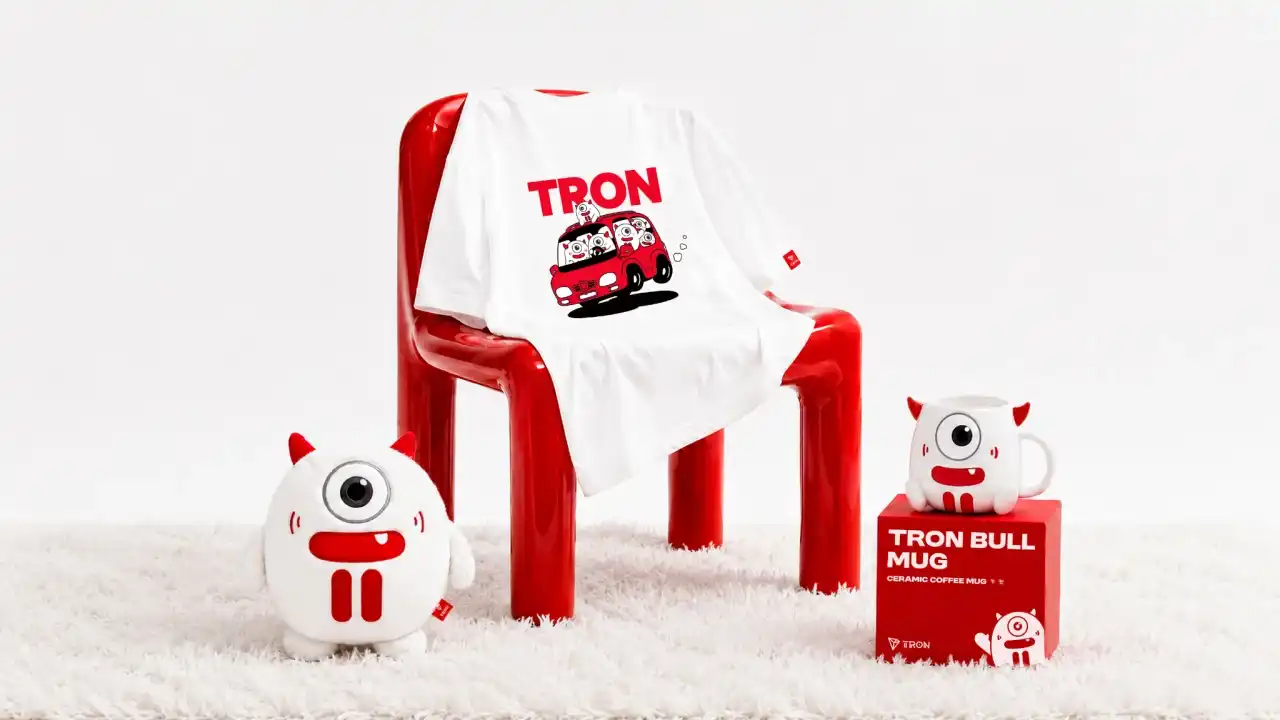
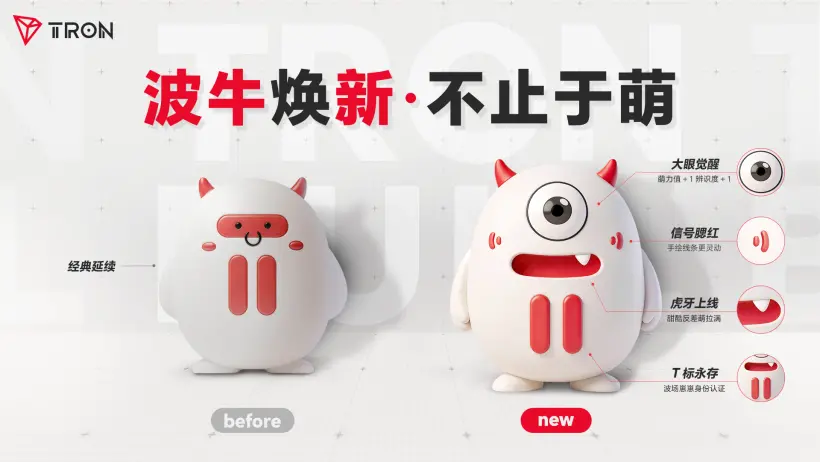
On June 23rd, TRON completed a significant upgrade to its official mascot, Bo Niu. The revamped character features larger, brighter eyes, more expressive facial details, and a clearer "T" structural motif, while retaining its signature red-and-white color scheme and horned design. This refresh aims to enhance Bo Niu's approachability, emotional range, and versatility for use across social media, community interactions, offline events, and branded merchandise. The redesign focuses on creating a stronger first impression. A more open facial structure with distinct, expressive eyes and the addition of a mouth with a small fang make the character friendlier and more suitable for dynamic content like animations and emojis. Subtle brand elements are integrated, such as stylized cheek lines inspired by "signal" icons, referencing the "wave" in "TRON," and a "T" shape formed by its smile and chest markings. Bo Niu has also been given a more defined personality as "TRON's Chief Luck Officer," with traits like being playful and sweet. This persona provides a more accessible and emotionally resonant entry point to the TRON brand, contrasting with often technical Web3 narratives. This mascot upgrade is part of TRON's ongoing effort to build a comprehensive and extensible visual identity system, following its recent logo refresh. Bo Niu is positioned as a key asset to connect with users, foster community, and convey brand warmth in everyday contexts.

marsbit2 dk önce

From Logo to Bo Niu: TRON Further Perfects Its Brand Visual Assets

marsbit2 dk önce

TRON Refreshes the Bull Image, Creating a More Approachable Brand Character

TRON's official mascot "BONiu" (Wave Bull) has received a comprehensive visual upgrade. Retaining its core red-and-white color scheme, horned silhouette, and brand DNA, the refreshed character features larger, brighter eyes, more expressive facial details including a mouth with a small fang, and enhanced emotive capabilities. The redesign aims to strengthen the mascot's亲和力, emotional expressiveness, and adaptability across various scenarios. Key updates include a clearer facial structure for instant recognition, a simplified and more intuitive五官 design, and the integration of subtle brand language. The cheek blushes are now inspired by a "signal" icon, while the smile and chest lines form a stable "T" structure, creating a cohesive超级符号 for the brand. The character has also been equipped with a 12-phoneme lip-sync system to support future动画 and interactive content. Beyond its visual role, BONiu's persona has been enriched. Now titled "TRON's Chief Luck Officer," it carries playful personality tags like "foodie enthusiast" and "full-of-tricks," allowing it to engage with the community in a more approachable and relatable manner. This update provides a lower-barrier, emotionally warm entry point for users amidst the often technical and abstract narratives of Web3. This mascot revamp is part of TRON's ongoing effort to refine its visual asset system, following the earlier logo update. By evolving from a static visual into a dynamic, expressive brand角色, the new BONiu is positioned to become a key asset for connecting with users, building brand记忆, and conveying TRON's personality across社交传播, community互动,线下活动, and merchandise.

链捕手19 dk önce

TRON Refreshes the Bull Image, Creating a More Approachable Brand Character

链捕手19 dk önce

With Labour Changing Leaders, Is the Long-Suppressed UK Crypto Market About to Turn Around?

Labour leader change: Hope for UK crypto market? With Keir Starmer's resignation as Prime Minister and Labour leader, a leadership contest has begun. Andy Burnham, the former Mayor of Greater Manchester and now the overwhelming favourite to succeed, has sparked cautious optimism within the UK cryptocurrency industry. Industry figures hope Burnham, seen as more receptive to digital assets than much of the Labour establishment, could shift the party's traditionally harder line. The leadership transition is expected to be swift, with prediction markets like Polymarket assigning a 97% probability to Burnham becoming the next Prime Minister. However, this political shift comes as a comprehensive regulatory framework for crypto, established by law earlier this year, is in its final implementation phase. The Financial Conduct Authority (FCA) is finalizing detailed rules covering trading, custody, stablecoins, and market abuse, with the full regime set to go live in October 2027. While a new Prime Minister can reshuffle ministers and adjust policy priorities, the core regulatory architecture is now law and unlikely to be fundamentally overturned without significant, deliberate government intervention. The main industry hope is that a Burnham government, focusing on economic growth, will ensure the FCA's implementation is pragmatic and growth-oriented. Industry advocates seek proportionate capital requirements, a streamlined licensing process, and clear rules for staking and stablecoins. They argue that embracing the crypto sector could attract investment and listings to London's struggling markets. Despite the optimism, concerns remain that regulatory implementation may still be influenced by more sceptical factions within the Labour party.

Foresight News47 dk önce

With Labour Changing Leaders, Is the Long-Suppressed UK Crypto Market About to Turn Around?

Foresight News47 dk önce

A 60-Day Window Depresses Oil Prices, So Why Is the Market Falling Instead?

International oil prices continued to decline on June 23, extending significant losses from the previous session. The market shifted focus from Middle East military risks to actual supply changes following a temporary U.S.-Iran arrangement. The immediate trigger was the resumption of traffic through the Strait of Hormuz, a critical oil shipping chokepoint, with two tankers passing through, signaling eased near-term supply disruption fears. Prices retreated as the "worst-case scenario" was temporarily averted. A reported 60-day window in a U.S.-Iran understanding allows Iran to sell oil during this period, further dampening supply concerns. However, this arrangement is temporary, linked to nuclear talks, and does not guarantee a long-term solution. Market sentiment remains cautious because the deal could still unravel, potentially reinstating sanctions or disrupting shipping. While these developments have lowered immediate risk premiums, prices have not fully returned to pre-conflict levels. Geopolitical news, particularly regarding the stability of the Strait of Hormuz or the progress of negotiations, could quickly reverse the price drop. Additionally, low U.S. strategic petroleum reserves limit the emergency buffer available if supply shocks reemerge. Therefore, the current price decline reflects a reduction in near-term panic, not a complete elimination of Middle East supply risks.

marsbit1 saat önce

A 60-Day Window Depresses Oil Prices, So Why Is the Market Falling Instead?

marsbit1 saat önce

İşlemler

Spot
Futures

Popüler Makaleler

GROK AI Nedir

Grok AI: Web3 Döneminde Konuşma Teknolojisini Devrim Niteliğinde Yenilik Giriş Hızla gelişen yapay zeka alanında, Grok AI, ileri teknoloji ve kullanıcı etkileşimi alanlarını birleştiren dikkate değer bir proje olarak öne çıkıyor. Ünlü girişimci Elon Musk'ın liderliğindeki xAI tarafından geliştirilen Grok AI, yapay zeka ile etkileşim şeklimizi yeniden tanımlamayı hedefliyor. Web3 hareketi devam ederken, Grok AI, karmaşık sorgulara yanıt vermek için konuşma yapay zekasının gücünden yararlanmayı amaçlıyor ve kullanıcılara sadece bilgilendirici değil, aynı zamanda eğlenceli bir deneyim sunuyor. Grok AI Nedir? Grok AI, kullanıcılarla dinamik bir şekilde etkileşimde bulunmak üzere tasarlanmış sofistike bir konuşma yapay zeka sohbet botudur. Birçok geleneksel yapay zeka sisteminin aksine, Grok AI, genellikle uygunsuz veya standart yanıtların dışında kabul edilen daha geniş bir sorgu yelpazesini benimsemektedir. Projenin temel hedefleri şunlardır: Güvenilir Akıl Yürütme: Grok AI, bağlamsal anlayışa dayalı mantıklı yanıtlar sağlamak için sağduyu akıl yürütmeyi vurgular. Ölçeklenebilir Denetim: Araç yardımı entegrasyonu, kullanıcı etkileşimlerinin hem izlenmesini hem de kalite için optimize edilmesini sağlar. Resmi Doğrulama: Güvenlik en önemli önceliktir; Grok AI, çıktılarının güvenilirliğini artırmak için resmi doğrulama yöntemlerini entegre eder. Uzun Bağlam Anlayışı: AI modeli, kapsamlı konuşma geçmişini saklama ve hatırlama konusunda mükemmel bir performans sergileyerek anlamlı ve bağlamsal olarak farkında tartışmaların yapılmasını kolaylaştırır. Saldırgan Dayanıklılık: Manipüle edilmiş veya kötü niyetli girdilere karşı savunmalarını geliştirmeye odaklanarak, Grok AI kullanıcı etkileşimlerinin bütünlüğünü korumayı hedefler. Özünde, Grok AI sadece bir bilgi alma cihazı değil; dinamik diyalogu teşvik eden, etkileyici bir konuşma partneridir. Grok AI'nın Yaratıcısı Grok AI'nın arkasındaki beyin, otomotiv, uzay yolculuğu ve teknoloji gibi çeşitli alanlarda yenilikle özdeşleşen Elon Musk'tır. Yapay zeka teknolojisini faydalı yollarla geliştirmeye odaklanan xAI çatısı altında, Musk'ın vizyonu, yapay zeka etkileşimlerinin anlaşılmasını yeniden şekillendirmeyi amaçlıyor. Liderlik ve temel etik, Musk'ın teknolojik sınırları zorlamaya olan bağlılığı tarafından derinden etkilenmektedir. Grok AI'nın Yatırımcıları Grok AI'yi destekleyen yatırımcılarla ilgili spesifik detaylar sınırlı kalmakla birlikte, projenin kuluçka merkezi olan xAI'nin, esasen Elon Musk tarafından kurulduğu ve desteklendiği kamuya açık bir şekilde kabul edilmektedir. Musk'ın önceki girişimleri ve mülkleri, Grok AI'nın güvenilirliğini ve büyüme potansiyelini daha da artıran sağlam bir destek sağlar. Ancak, şu anda Grok AI'yı destekleyen ek yatırım fonları veya kuruluşlarıyla ilgili bilgiye kolayca erişim sağlanamamaktadır; bu da potansiyel gelecekteki keşif alanını işaret etmektedir. Grok AI Nasıl Çalışır? Grok AI'nın operasyonel mekanikleri, kavramsal çerçevesi kadar yenilikçidir. Proje, benzersiz işlevselliklerini kolaylaştıran birkaç son teknoloji ürünü teknolojiyi entegre eder: Sağlam Altyapı: Grok AI, konteyner orkestrasyonu için Kubernetes, performans ve güvenlik için Rust ve yüksek performanslı sayısal hesaplama için JAX kullanılarak inşa edilmiştir. Bu üçlü, sohbet botunun verimli çalışmasını, etkili bir şekilde ölçeklenmesini ve kullanıcılara zamanında hizmet vermesini sağlar. Gerçek Zamanlı Bilgi Erişimi: Grok AI'nın ayırt edici özelliklerinden biri, X platformu (önceden Twitter olarak biliniyordu) aracılığıyla gerçek zamanlı verilere erişim yeteneğidir. Bu yetenek, yapay zekaya en son bilgilere erişim sağlar ve diğer yapay zeka modellerinin gözden kaçırabileceği zamanında yanıtlar ve öneriler sunmasına olanak tanır. İki Etkileşim Modu: Grok AI, kullanıcılara “Eğlenceli Mod” ve “Normal Mod” arasında seçim yapma imkanı sunar. Eğlenceli Mod, daha eğlenceli ve mizahi bir etkileşim tarzı sağlarken, Normal Mod, kesin ve doğru yanıtlar vermeye odaklanır. Bu çok yönlülük, çeşitli kullanıcı tercihlerine hitap eden özelleştirilmiş bir deneyim sağlar. Özünde, Grok AI performansı etkileşimle birleştirerek, hem zenginleştirici hem de eğlenceli bir deneyim yaratmaktadır. Grok AI'nın Zaman Çizelgesi Grok AI'nın yolculuğu, gelişim ve dağıtım aşamalarını yansıtan önemli dönüm noktalarıyla işaretlenmiştir: İlk Geliştirme: Grok AI'nın temel aşaması, modelin ilk eğitim ve ince ayarının yapıldığı yaklaşık iki ay boyunca gerçekleşmiştir. Grok-2 Beta Yayını: Önemli bir ilerleme olarak, Grok-2 beta duyurulmuştur. Bu sürüm, sohbet etme, kodlama ve akıl yürütme yetenekleriyle donatılmış iki versiyon—Grok-2 ve Grok-2 mini—sunmuştur. Halka Açık Erişim: Beta geliştirmesinin ardından, Grok AI X platformu kullanıcılarına sunulmuştur. Telefon numarasıyla doğrulanan ve en az yedi gün aktif olan hesap sahipleri, sınırlı bir versiyona erişim sağlayarak teknolojiyi daha geniş bir kitleye ulaştırmaktadır. Bu zaman çizelgesi, Grok AI'nın kuruluşundan kamu etkileşimine kadar sistematik büyümesini kapsar ve sürekli iyileştirme ve kullanıcı etkileşimine olan bağlılığını vurgular. Grok AI'nın Ana Özellikleri Grok AI, yenilikçi kimliğine katkıda bulunan birkaç ana özelliği kapsamaktadır: Gerçek Zamanlı Bilgi Entegrasyonu: Güncel ve ilgili bilgilere erişim, Grok AI'yı birçok statik modelden ayırarak, etkileyici ve doğru bir kullanıcı deneyimi sağlar. Çeşitli Etkileşim Tarzları: Farklı etkileşim modları sunarak, Grok AI çeşitli kullanıcı tercihlerine hitap eder ve yapay zeka ile konuşurken yaratıcılığı ve kişiselleştirmeyi teşvik eder. Gelişmiş Teknolojik Altyapı: Kubernetes, Rust ve JAX kullanımı, projeye güvenilirlik ve optimal performans sağlamak için sağlam bir çerçeve sunar. Etik Tartışma Dikkati: Görüntü üreten bir işlevin dahil edilmesi, projenin yenilikçi ruhunu sergiler. Ancak, aynı zamanda tanınabilir figürlerin saygılı bir şekilde tasvir edilmesi ve telif hakkı ile ilgili etik konuları da gündeme getirir—bu, yapay zeka topluluğunda süregelen bir tartışmadır. Sonuç Konuşma yapay zekası alanında öncü bir varlık olarak Grok AI, dijital çağda dönüştürücü kullanıcı deneyimlerinin potansiyelini kapsar. xAI tarafından geliştirilen ve Elon Musk'ın vizyoner yaklaşımıyla yönlendirilen Grok AI, gerçek zamanlı bilgiyi gelişmiş etkileşim yetenekleriyle birleştirir. Yapay zekanın neler başarabileceği konusunda sınırları zorlamayı hedeflerken, etik konulara ve kullanıcı güvenliğine odaklanmayı sürdürmektedir. Grok AI, sadece teknolojik ilerlemeyi değil, aynı zamanda Web3 manzarasında yeni bir konuşma paradigmasını da temsil eder ve kullanıcılara hem yetkin bilgi hem de eğlenceli etkileşim sunma vaadinde bulunur. Proje gelişmeye devam ederken, teknolojinin, yaratıcılığın ve insan benzeri etkileşimin kesişim noktasında nelerin başarılabileceğinin bir kanıtı olarak durmaktadır.

404 Toplam GörüntülenmeYayınlanma 2024.12.26Güncellenme 2024.12.26

GROK AI Nedir

ERC AI Nedir

Euruka Tech: $erc ai ve Web3'teki Hedefleri Üzerine Bir Genel Bakış Giriş Blockchain teknolojisi ve merkeziyetsiz uygulamaların hızla gelişen manzarasında, her biri benzersiz hedefler ve metodolojilerle yeni projeler sıkça ortaya çıkmaktadır. Bu projelerden biri, kripto para ve Web3 alanında faaliyet gösteren Euruka Tech'tir. Euruka Tech'in, özellikle $erc ai token'ının ana odak noktası, merkeziyetsiz teknolojinin büyüyen yeteneklerinden yararlanmak için tasarlanmış yenilikçi çözümler sunmaktır. Bu makale, Euruka Tech'in kapsamlı bir genel görünümünü, hedeflerini, işlevselliğini, yaratıcısının kimliğini, potansiyel yatırımcılarını ve Web3'teki daha geniş bağlam içindeki önemini keşfetmeyi amaçlamaktadır. Euruka Tech, $erc ai Nedir? Euruka Tech, Web3 ortamının sunduğu araçlar ve işlevsellikleri kullanan bir proje olarak tanımlanmaktadır ve operasyonlarında yapay zekayı entegre etmeye odaklanmaktadır. Projenin çerçevesine dair spesifik detaylar biraz belirsiz olsa da, kullanıcı etkileşimini artırmayı ve kripto alanındaki süreçleri otomatikleştirmeyi amaçlamaktadır. Proje, yalnızca işlemleri kolaylaştırmakla kalmayıp, aynı zamanda yapay zeka aracılığıyla öngörücü işlevsellikleri de entegre eden merkeziyetsiz bir ekosistem yaratmayı hedeflemektedir; bu nedenle token'ının adı $erc ai'dir. Amaç, büyüyen Web3 alanında daha akıllı etkileşimleri ve verimli işlem işleme süreçlerini kolaylaştıran sezgisel bir platform sunmaktır. Euruka Tech'in Yaratıcısı Kimdir, $erc ai? Şu anda, Euruka Tech'in arkasındaki yaratıcı veya kurucu ekip hakkında bilgi verilmemiştir ve bu durum biraz belirsizdir. Bu veri eksikliği, ekibin geçmişi hakkında bilgi sahibi olmanın genellikle blockchain sektöründe güvenilirlik oluşturmak için gerekli olduğu endişelerini doğurmaktadır. Bu nedenle, somut detaylar kamuya sunulana kadar bu bilgiyi bilinmeyen olarak sınıflandırdık. Euruka Tech'in Yatırımcıları Kimlerdir, $erc ai? Benzer şekilde, Euruka Tech projesinin yatırımcıları veya destekleyen organizasyonları hakkında mevcut araştırmalarla kolayca sağlanan bir bilgi yoktur. Euruka Tech ile etkileşimde bulunmayı düşünen potansiyel paydaşlar veya kullanıcılar için kritik bir unsur, kurumsal finansal ortaklıklar veya saygın yatırım firmalarından gelen destekle sağlanan güvencedir. Yatırım ilişkileri hakkında açıklamalar olmadan, projenin finansal güvenliği veya sürdürülebilirliği hakkında kapsamlı sonuçlar çıkarmak zordur. Bulunan bilgilere paralel olarak, bu bölüm de bilinmeyen durumundadır. Euruka Tech, $erc ai Nasıl Çalışır? Euruka Tech için detaylı teknik spesifikasyonların eksik olmasına rağmen, yenilikçi hedeflerini göz önünde bulundurmak önemlidir. Proje, yapay zekanın hesaplama gücünden yararlanarak kripto para ortamında kullanıcı deneyimini otomatikleştirmeyi ve geliştirmeyi hedeflemektedir. AI'yi blockchain teknolojisiyle entegre ederek, Euruka Tech otomatik ticaret, risk değerlendirmeleri ve kişiselleştirilmiş kullanıcı arayüzleri gibi özellikler sunmayı amaçlamaktadır. Euruka Tech'in yenilikçi özü, kullanıcılar ile merkeziyetsiz ağların sunduğu geniş olanaklar arasında kesintisiz bir bağlantı yaratma hedefinde yatmaktadır. Makine öğrenimi algoritmaları ve AI kullanarak, ilk kez kullanıcı zorluklarını en aza indirmeyi ve Web3 çerçevesindeki işlem deneyimlerini düzene sokmayı amaçlamaktadır. AI ve blockchain arasındaki bu simbiyoz, $erc ai token'ının önemini vurgulamakta ve geleneksel kullanıcı arayüzleri ile merkeziyetsiz teknolojilerin gelişmiş yetenekleri arasında bir köprü işlevi görmektedir. Euruka Tech, $erc ai Zaman Çizelgesi Maalesef, Euruka Tech hakkında mevcut olan sınırlı bilgiler nedeniyle, projenin yolculuğundaki önemli gelişmeler veya kilometre taşları hakkında detaylı bir zaman çizelgesi sunamıyoruz. Genellikle bir projenin evrimini haritalamak ve büyüme eğrisini anlamak için değerli olan bu zaman çizelgesi şu anda mevcut değildir. Önemli olaylar, ortaklıklar veya işlevsel eklemeler hakkında bilgiler belirgin hale geldikçe, güncellemeler kesinlikle Euruka Tech'in kripto alanındaki görünürlüğünü artıracaktır. Diğer “Eureka” Projeleri Üzerine Açıklama Birden fazla projenin ve şirketin “Eureka” benzeri bir isimlendirmeye sahip olduğunu belirtmek önemlidir. Araştırmalar, robotlara karmaşık görevler öğretmeye odaklanan NVIDIA Research'ten bir AI ajanı gibi girişimleri, ayrıca eğitim ve müşteri hizmetleri analitiğinde kullanıcı deneyimini geliştiren Eureka Labs ve Eureka AI'yi tanımlamıştır. Ancak, bu projeler Euruka Tech'ten farklıdır ve hedefleri veya işlevleri ile karıştırılmamalıdır. Sonuç Euruka Tech, $erc ai token'ı ile birlikte, Web3 manzarasında umut verici ancak şu anda belirsiz bir oyuncuyu temsil etmektedir. Yaratıcısı ve yatırımcıları hakkında detaylar açıklanmamış olsa da, yapay zekayı blockchain teknolojisiyle birleştirme konusundaki temel hedefi ilgi odağı olmaktadır. Projenin, gelişmiş otomasyon aracılığıyla kullanıcı etkileşimini teşvik etme konusundaki benzersiz yaklaşımları, Web3 ekosistemi ilerledikçe onu farklı kılabilir. Kripto piyasası gelişmeye devam ederken, paydaşların Euruka Tech etrafındaki gelişmelere dikkat etmeleri önemlidir; belgelenmiş yeniliklerin, ortaklıkların veya tanımlanmış bir yol haritasının gelişimi, önümüzdeki dönemde önemli fırsatlar sunabilir. Şu an itibarıyla, Euruka Tech'in potansiyelini ve rekabetçi kripto manzarasındaki konumunu açığa çıkarabilecek daha somut içgörüler beklemekteyiz.

373 Toplam GörüntülenmeYayınlanma 2025.01.02Güncellenme 2025.01.02

ERC AI Nedir

DUOLINGO AI Nedir

DUOLINGO AI: Dil Öğrenimini Web3 ve AI İnovasyonu ile Entegre Etmek Teknolojinin eğitimi yeniden şekillendirdiği bir çağda, yapay zeka (AI) ve blok zinciri ağlarının entegrasyonu dil öğrenimi için yeni bir ufuk açmaktadır. DUOLINGO AI ve ona bağlı kripto para birimi $DUOLINGO AI ile tanışın. Bu proje, önde gelen dil öğrenme platformlarının eğitimsel yeteneklerini merkeziyetsiz Web3 teknolojisinin faydalarıyla birleştirmeyi hedefliyor. Bu makale, DUOLINGO AI'nın temel yönlerini, hedeflerini, teknolojik çerçevesini, tarihsel gelişimini ve gelecekteki potansiyelini incelerken, orijinal eğitim kaynağı ile bu bağımsız kripto para girişimi arasındaki netliği korumaktadır. DUOLINGO AI Genel Görünümü DUOLINGO AI'nın temelinde, öğrenicilerin dil yeterliliğinde eğitimsel kilometre taşlarına ulaşmaları için kriptografik ödüller kazanabilecekleri merkeziyetsiz bir ortam oluşturma hedefi yatmaktadır. Akıllı sözleşmeler uygulayarak, proje beceri doğrulama süreçlerini ve token tahsislerini otomatikleştirmeyi amaçlamakta, şeffaflık ve kullanıcı sahipliğini vurgulayan Web3 ilkelerine uymaktadır. Model, dil edinimindeki geleneksel yaklaşımlardan ayrılarak, token sahiplerinin kurs içeriği ve ödül dağıtımları üzerinde iyileştirmeler önermesine olanak tanıyan topluluk odaklı bir yönetişim yapısına dayanmaktadır. DUOLINGO AI'nın bazı dikkat çekici hedefleri şunlardır: Oyunlaştırılmış Öğrenme: Proje, dil yeterlilik seviyelerini temsil etmek için blok zinciri başarıları ve değiştirilemez tokenleri (NFT'ler) entegre ederek, katılımcıları motive eden dijital ödüller sunmaktadır. Merkeziyetsiz İçerik Üretimi: Eğitmenler ve dil meraklılarının kendi kurslarını katkıda bulunmalarına olanak tanıyarak, tüm katkıda bulunanların fayda sağladığı bir gelir paylaşım modeli oluşturmaktadır. AI Destekli Kişiselleştirme: Gelişmiş makine öğrenimi modellerini kullanarak, DUOLINGO AI dersleri bireysel öğrenme ilerlemesine uyacak şekilde kişiselleştirmekte, köklü platformlarda bulunan uyarlamalı özelliklere benzer bir deneyim sunmaktadır. Proje Yaratıcıları ve Yönetişim Nisan 2025 itibarıyla, $DUOLINGO AI'nın arkasındaki ekip takma isimler kullanmaktadır; bu, merkeziyetsiz kripto para alanında sıkça görülen bir uygulamadır. Bu anonimlik, bireysel geliştiricilere odaklanmak yerine kolektif büyümeyi ve paydaş katılımını teşvik etmek amacıyla tasarlanmıştır. Solana blok zincirinde dağıtılan akıllı sözleşme, geliştiricinin cüzdan adresini not etmekte, bu da yaratıcıların kimliğinin bilinmemesine rağmen işlemlerle ilgili şeffaflık taahhüdünü simgelemektedir. Yol haritasına göre, DUOLINGO AI, Merkeziyetsiz Otonom Organizasyon (DAO) haline gelmeyi hedeflemektedir. Bu yönetişim yapısı, token sahiplerinin özellik uygulamaları ve hazine tahsisleri gibi kritik konularda oy kullanmalarına olanak tanımaktadır. Bu model, çeşitli merkeziyetsiz uygulamalarda bulunan topluluk güçlendirme ethosu ile uyumlu olup, kolektif karar verme sürecinin önemini vurgulamaktadır. Yatırımcılar ve Stratejik Ortaklıklar Şu anda, $DUOLINGO AI ile bağlantılı olarak kamuya açık tanımlanabilir kurumsal yatırımcılar veya risk sermayedarları bulunmamaktadır. Bunun yerine, projenin likiditesi esas olarak merkeziyetsiz borsa (DEX) kaynaklıdır ve bu, geleneksel eğitim teknolojisi şirketlerinin finansman stratejileriyle keskin bir zıtlık oluşturmaktadır. Bu tabandan gelen model, merkeziyetsizliğe olan bağlılığını yansıtan topluluk odaklı bir yaklaşımı işaret etmektedir. DUOLINGO AI, beyaz kitabında, kurs tekliflerini zenginleştirmeyi amaçlayan belirsiz “blok zinciri eğitim platformları” ile işbirlikleri kurmayı planladığını belirtmektedir. Belirli ortaklıklar henüz açıklanmamış olsa da, bu işbirlikçi çabalar, blok zinciri yeniliğini eğitim girişimleri ile birleştirmeyi amaçlayan bir stratejiyi ima etmektedir ve çeşitli öğrenme yollarında erişimi ve kullanıcı katılımını genişletmektedir. Teknolojik Mimari AI Entegrasyonu DUOLINGO AI, eğitimsel tekliflerini geliştirmek için iki ana AI destekli bileşen içermektedir: Uyarlanabilir Öğrenme Motoru: Bu sofistike motor, kullanıcı etkileşimlerinden öğrenmekte olup, büyük eğitim platformlarından gelen özel modellere benzer. Belirli öğrenici zorluklarını ele almak için ders zorluğunu dinamik olarak ayarlamakta ve zayıf alanları hedeflenmiş alıştırmalarla pekiştirmektedir. Konuşma Ajanları: GPT-4 destekli sohbet botlarını kullanarak, DUOLINGO AI kullanıcıların simüle edilmiş konuşmalara katılmalarına olanak tanıyarak, daha etkileşimli ve pratik bir dil öğrenme deneyimi sunmaktadır. Blok Zinciri Altyapısı $DUOLINGO AI, Solana blok zincirinde inşa edilmiş kapsamlı bir teknolojik çerçeve kullanmaktadır: Beceri Doğrulama Akıllı Sözleşmeleri: Bu özellik, yeterlilik testlerini başarıyla geçen kullanıcılara otomatik olarak token ödülleri vermekte, gerçek öğrenim sonuçları için teşvik yapısını güçlendirmektedir. NFT Rozetleri: Bu dijital tokenler, öğrenicilerin kurslarının bir bölümünü tamamlamak veya belirli becerileri ustalaşmak gibi ulaştıkları çeşitli kilometre taşlarını simgelemekte ve bunları dijital olarak takas etmelerine veya sergilemelerine olanak tanımaktadır. DAO Yönetişimi: Token sahibi topluluk üyeleri, anahtar öneriler üzerinde oy kullanarak yönetişime katılabilir, bu da kurs teklifleri ve platform özelliklerinde yeniliği teşvik eden katılımcı bir kültürü kolaylaştırmaktadır. Tarihsel Zaman Çizelgesi 2022–2023: Kavramsallaştırma DUOLINGO AI için temel, dil öğrenimindeki AI ilerlemeleri ile blok zinciri teknolojisinin merkeziyetsiz potansiyeli arasındaki sinerjiyi vurgulayan bir beyaz kağıdın oluşturulmasıyla başlar. 2024: Beta Lansmanı Sınırlı bir beta sürümü, popüler dillerdeki teklifleri tanıtarak, erken kullanıcıları token teşvikleri ile ödüllendirir ve projenin topluluk katılım stratejisinin bir parçası olarak sunulmaktadır. 2025: DAO Geçişi Nisan ayında, tokenlerin dolaşıma girmesiyle tam bir ana ağ lansmanı gerçekleşir ve topluluk, Asya dillerine ve diğer kurs gelişmelerine olası genişlemeler hakkında tartışmalara başlar. Zorluklar ve Gelecek Yönelimleri Teknik Engeller Hırslı hedeflerine rağmen, DUOLINGO AI önemli zorluklarla karşı karşıyadır. Ölçeklenebilirlik, AI işleme ile merkeziyetsiz bir ağı sürdürme maliyetleri arasında denge kurma konusunda sürekli bir endişe kaynağıdır. Ayrıca, merkeziyetsiz bir teklif arasında kaliteli içerik üretimi ve moderasyonu sağlamak, eğitim standartlarını koruma konusunda karmaşıklıklar yaratmaktadır. Stratejik Fırsatlar İleriye dönük olarak, DUOLINGO AI, akademik kurumlarla mikro yeterlilik ortaklıkları kurma potansiyeline sahiptir ve dil becerilerinin blok zinciri ile doğrulanmış onaylarını sağlamaktadır. Ayrıca, çapraz zincir genişlemesi, projenin daha geniş kullanıcı tabanlarına ve ek blok zinciri ekosistemlerine erişim sağlamasına olanak tanıyabilir, böylece birlikte çalışabilirliğini ve erişimini artırabilir. Sonuç DUOLINGO AI, yapay zeka ve blok zinciri teknolojisinin yenilikçi bir birleşimini temsil etmekte olup, geleneksel dil öğrenim sistemlerine topluluk odaklı bir alternatif sunmaktadır. Takma isimli geliştirme süreci ve ortaya çıkan ekonomik modeli bazı riskler taşısa da, projenin oyunlaştırılmış öğrenme, kişiselleştirilmiş eğitim ve merkeziyetsiz yönetişim konusundaki taahhüdü, Web3 alanında eğitim teknolojisi için bir yol haritası aydınlatmaktadır. AI gelişmeye devam ederken ve blok zinciri ekosistemi evrim geçirirken, DUOLINGO AI gibi girişimler, kullanıcıların dil eğitimi ile etkileşim biçimlerini yeniden tanımlayabilir, toplulukları güçlendirebilir ve yenilikçi öğrenme mekanizmaları aracılığıyla katılımı ödüllendirebilir.

418 Toplam GörüntülenmeYayınlanma 2025.04.11Güncellenme 2025.04.11

DUOLINGO AI Nedir

Tartışmalar

HTX Topluluğuna hoş geldiniz. Burada, en son platform gelişmeleri hakkında bilgi sahibi olabilir ve profesyonel piyasa görüşlerine erişebilirsiniz. Kullanıcıların AI (AI) fiyatı hakkındaki görüşleri aşağıda sunulmaktadır.

活动图片