Kalshi's Clash in Tennessee Could Become an Important Potential Turning Point for Prediction Markets

cryptonews.ru2026-08-27 tarihinde yayınlandı2026-08-27 tarihinde güncellendi

Özet

The conflict over predictive markets in Tennessee may become a pivotal moment for the industry. State regulators have taken action against platforms like Kalshi, Polymarket, and Crypto.com, demanding they stop offering Tennesseans markets on sports events. The state argues these contracts are essentially sports betting and must comply with state licensing, taxation, age restrictions, and consumer protections. Market operators counter that their event contracts are federally regulated financial instruments overseen by the CFTC. If this interpretation prevails, states could lose their authority to regulate them as gambling products. This legal distinction, which hinges on whether a peer-to-peer exchange model differs fundamentally from a traditional sportsbook setting odds, will determine billions in revenue and whether a unified national market or a patchwork of state-by-state systems emerges. The core question is whether calling a transaction a "bet" or an "event contract" makes a legal difference when the economic outcome for users appears strikingly similar.

At the heart of the regulatory debate is a question that seems simple at first glance: when someone puts money on whether the Tennessee Titans will win a football game, does it matter whether the platform calls that transaction a 'bet' or an 'event contract'?

Tennessee believes it does.

In January, the state's Sports Wagering Council took action against companies Kalshi, Polymarket, and Crypto.com, ordering these platforms to stop offering Tennessee residents prediction markets related to sports. Regulators argued that such contracts are essentially sports bets and therefore cannot be offered without complying with Tennessee's requirements for licensing, taxation, age restrictions, and consumer protection.

Prediction market operators see this quite differently. Their argument is that event contracts are financial instruments regulated at the federal level and overseen by the Commodity Futures Trading Commission (CFTC). If this interpretation prevails, states might have no authority to regulate them as gambling products at all.

This distinction may seem purely technical, but it could determine billions of dollars and the future development of the sports betting industry in the US.

This dispute has also exposed an increasingly uncomfortable reality: as prediction markets actively expand their activities into sports, many of their products are becoming practically indistinguishable for the average user from what they can already find on DraftKings, FanDuel, or BetMGM.

The question now before the courts is: is the fact that they are built as an exchange enough to consider them legally distinct?

On January 9th, the Tennessee Sports Wagering Council sent cease-and-desist letters concerning sports event contracts offered by Kalshi, Polymarket, and Crypto.com.

The state demanded that the platforms stop offering these products to customers in Tennessee, void active contracts, and return client funds.

Tennessee's position is clear. According to the state's Sports Wagering Act, companies accepting bets on sporting events must have a state license and comply with a regulatory framework that includes consumer protections, minimum age requirements, responsible gaming measures, and taxation.

Kalshi meets none of these requirements as a Tennessee bookmaker, as it insists it is not a bookmaker.

Instead, Kalshi operates a federally recognized market for contracts. Users buy and sell contracts that settle based on whether an event occurs. A contract that asks whether an NFL team will win a specific game might trade for 65 cents, roughly corresponding to a market probability of 65%. If the event occurs, the winning contract settles at $1. If not—at zero value.

From an economic standpoint, for the customer, this process may look surprisingly similar to gambling.

However, the market structure is different.

A traditional bookmaker accepts a bet opposite to the client's and sets odds calculated to manage its own risk. On the Kalshi platform, users typically trade with each other. The exchange facilitates the transactions, and prices are formed based on the interaction of buyers and sellers, not set by a bookmaker determining odds.

It is precisely this distinction that underpins Kalshi's legal defense.

It may be this distinction that ultimately determines whether America will form a unified national system for prediction markets or dozens of separate gambling systems in each state.

Trend Kriptolar

İlgili Sorular

QWhat is the core legal dispute between Tennessee regulators and prediction market platforms like Kalshi, as described in the article?

AThe core dispute is whether contracts offered by platforms like Kalshi, which are based on the outcome of events like a football game, should be legally classified as 'sports betting' (regulated by state laws) or as 'event contracts' (potentially regulated as financial instruments by the federal CFTC). Tennessee regulators argue they are sports betting and must follow state licensing and consumer protection rules, while the platforms argue they are federally-regulated financial contracts.

QWhat action did the Tennessee Sports Wagering Council take in January regarding Kalshi, Polymarket, and Crypto.com?

AIn January, the Tennessee Sports Wagering Council issued cease-and-desist letters to Kalshi, Polymarket, and Crypto.com. It demanded these platforms stop offering sports-related prediction markets to Tennessee residents, void existing contracts, and return customer funds.

QAccording to the article, what is a key operational difference between a platform like Kalshi and a traditional sportsbook like DraftKings?

AA key difference is in how the wager or contract is handled. A traditional sportsbook takes the opposite side of the customer's bet and sets odds to manage its own risk. On Kalshi, users primarily trade contracts with each other on an exchange, with prices set by buyer-seller interaction, not by a bookmaker setting odds.

QHow does the article describe the potential industry-wide significance of the Tennessee case?

AThe article states the case could be an important potential turning point for prediction markets. The outcome may determine whether the U.S. develops a single national system for prediction markets (if regulated as federal financial instruments) or remains a patchwork of dozens of separate state-regulated gambling systems.

QWhat specific Tennessee state law requirements do platforms like Kalshi not comply with, according to the regulators?

AAccording to Tennessee regulators, platforms like Kalshi do not comply with the state's sports betting law requirements, which include obtaining a state license and adhering to regulations concerning consumer protections, minimum age requirements, responsible gambling measures, and taxation.

İlgili Okumalar

Gold Price Achieves Strongest Rally in 46 Years, Tokenized Gold Trading Volume Already Exceeds Full-Year 2025

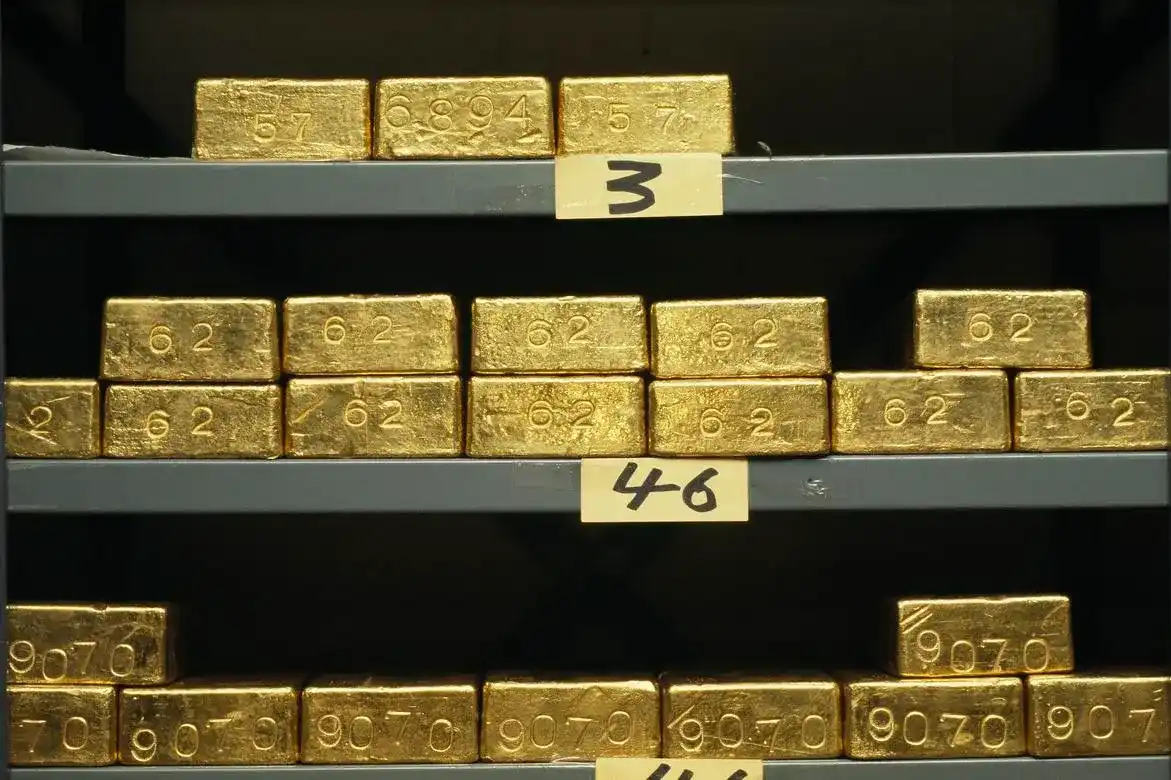
Gold is experiencing its strongest rally since 1979, with prices reaching a record high near $5,600 per ounce in January. This surge is driven primarily by central banks, not retail investors. In 2025, central banks net purchased 863 tonnes of gold, with a similar increase expected in 2026. Traditional gold investment methods—physical bullion and ETFs—present trade-offs like storage issues, limited access, or management fees. Tokenized gold emerges as a third option: digital tokens representing ownership of physical bars stored in professional vaults. These tokens are globally transferable in seconds, divisible, and redeemable for physical metal. The potential impact mirrors that of dollar stablecoins. Stablecoins digitized the dollar, enabling cheap, instant, global transfers and driving adoption from $27 billion in 2020 to over $3 trillion today. Similarly, tokenized gold solves gold's "form problem"—its lack of divisibility, portability, and accessibility. Adoption is accelerating. In Q1 2026, tokenized gold trading volume hit $90.7 billion, surpassing the $84.6 billion for all of 2025. Its market cap exceeded $6 billion, growing 5.5 times faster than physical gold holdings in the quarter. While concerns about counterparty risk exist, tokenized gold represents a direct claim on allocated bars, with major issuers providing regular attestation reports. Just as stablecoins placed dollars on a digital, global rail, tokenized gold now offers a more practical form for this ancient asset, potentially expanding access to billions.

marsbit3 dk önce

Gold Price Achieves Strongest Rally in 46 Years, Tokenized Gold Trading Volume Already Exceeds Full-Year 2025

marsbit3 dk önce

Japanese Rates Return to 1996 Levels, Can Bitcoin Withstand the September Rate Hike?

Japanese borrowing costs have hit their highest levels since 1996, with yields on 30-year bonds reaching 4.185%. This marks a significant shift for a country long reliant on negative rates. Concurrently, Bitcoin surged 22% past $80,000, seemingly decoupled from the bond market turmoil. Historically, the massive yen carry trade has fueled global risk assets, predicated on near-zero Japanese rates. This assumption is now challenged. A potential rate hike by the Bank of Japan in September could strengthen the yen, forcing carry trade unwinds and potentially triggering a global deleveraging event, as seen in August 2024 when Bitcoin fell sharply. Conversely, if the yen weakens further, Bitcoin could attract Japanese investors as a hedge against currency depreciation and the country's massive debt burden. Institutional adoption in Japan is growing, with regulatory changes paving the way for potential crypto ETFs by 2027. The key variable is the BoJ's September policy signal. If it hints at a rapid tightening cycle to combat inflation and support the yen, risk assets like Bitcoin may face selling pressure from carry trade liquidation. However, if debt sustainability concerns limit its hawkishness, leading to a weaker yen, Bitcoin could benefit. Currently, the market is betting on a slow-motion debt crisis, not a sudden collapse. While Bitcoin shows resilience, its fate remains tied to the direction of the yen and the scale of any carry trade unwind.

marsbit6 dk önce

Japanese Rates Return to 1996 Levels, Can Bitcoin Withstand the September Rate Hike?

marsbit6 dk önce

How Can Bitcoin Resist Quantum Computers? A Comparison of Three Lattice-Based Signature Schemes

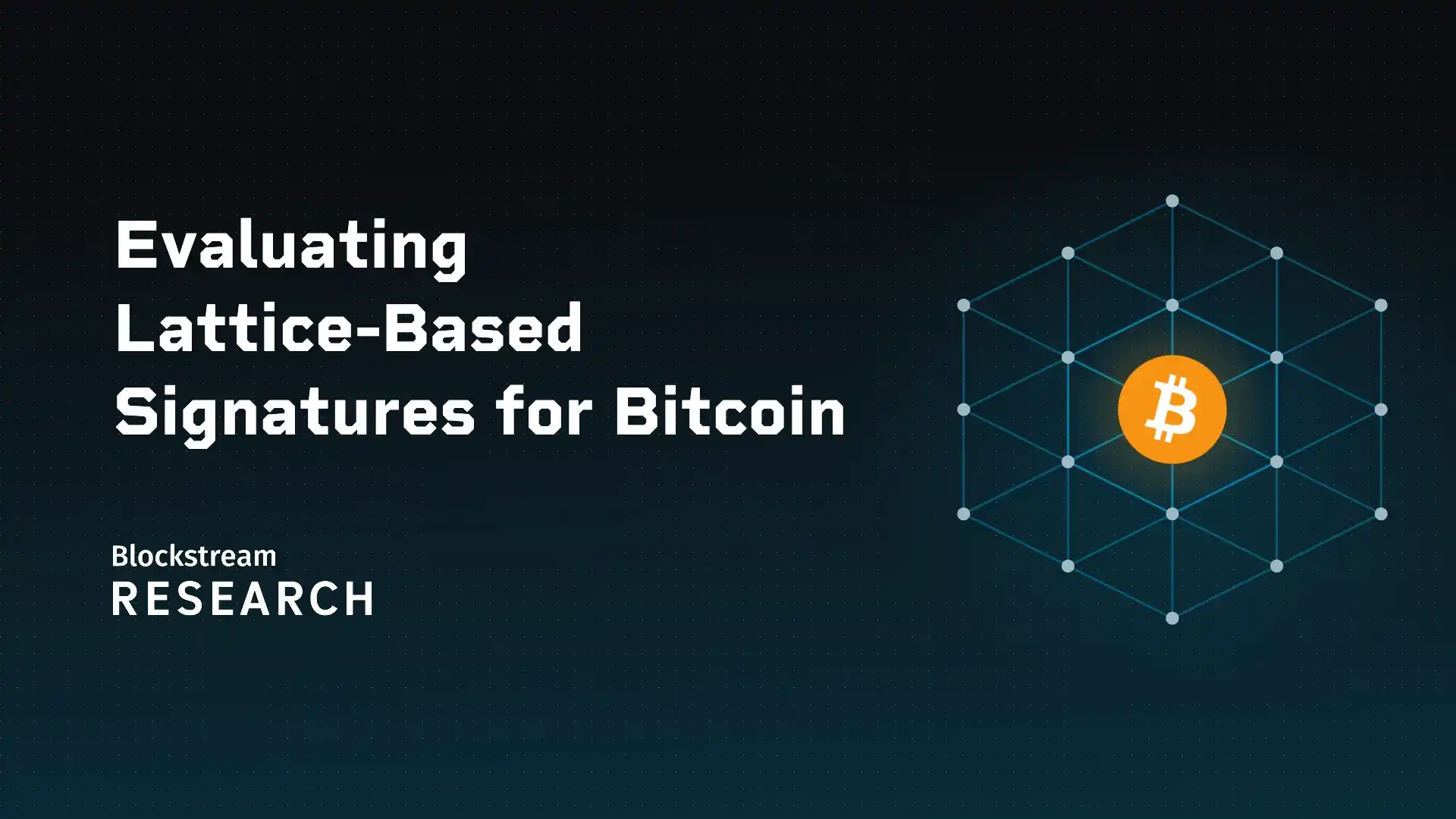
"Bitcoin's Quantum Defense: A Comparison of Three Lattice-Based Signature Schemes" by the Blockstream Research Team explores how Bitcoin can transition to quantum-resistant digital signatures, as current schemes like Schnorr and ECDSA are vulnerable to quantum computers. The report evaluates three lattice-based signature candidates—Dilithium, Falcon, and Hawk—against criteria like on-chain cost (key/signature size), implementation complexity, deployment risks, and support for Bitcoin's key derivation standard (BIP-32). The analysis recommends a minimum Security Level 3 for Bitcoin due to its long-term security needs. Dilithium (ML-DSA) is praised for its simplicity and integer-only operations, making it easier to implement securely, but it has the largest signature size (~5.3 KB for Level 3). Falcon (FN-DSA) offers the most compact signatures (e.g., ~3.1 KB for Level 5) and the fastest verification, though its signing requires complex floating-point sampling—a solvable engineering challenge. Hawk, despite its small size, was withdrawn from NIST standardization after a security vulnerability was discovered, highlighting the importance of conservative security margins. Currently, neither Dilithium nor Falcon has a fully viable, production-ready BIP-32 key derivation method. The report concludes that if a lattice-based scheme had to be chosen now, Falcon-1024 would be the preferred option for its balance of size, speed, and mature security assumptions. However, the short-term recommendation remains hash-based signatures (like SPHINCS+) for their lower risk, with a potential future hybrid or full transition to Falcon once its standard (FN-DSA) is finalized and well-supported.

marsbit8 dk önce

How Can Bitcoin Resist Quantum Computers? A Comparison of Three Lattice-Based Signature Schemes

marsbit8 dk önce

İşlemler

Spot

Popüler Makaleler

G Nasıl Satın Alınır

HTX.com’a hoş geldiniz! Gravity (G) satın alma işlemlerini basit ve kullanışlı bir hâle getirdik. Adım adım açıkladığımız rehberimizi takip ederek kripto yolculuğunuza başlayın. 1. Adım: HTX Hesabınızı OluşturunHTX'te ücretsiz bir hesap açmak için e-posta adresinizi veya telefon numaranızı kullanın. Sorunsuzca kaydolun ve tüm özelliklerin kilidini açın. Hesabımı Aç2. Adım: Kripto Satın Al Bölümüne Gidin ve Ödeme Yönteminizi SeçinKredi/Banka Kartı: Visa veya Mastercard'ınızı kullanarak anında Gravity (G) satın alın.Bakiye: Sorunsuz bir şekilde işlem yapmak için HTX hesap bakiyenizdeki fonları kullanın.Üçüncü Taraflar: Kullanımı kolaylaştırmak için Google Pay ve Apple Pay gibi popüler ödeme yöntemlerini ekledik.P2P: HTX'teki diğer kullanıcılarla doğrudan işlem yapın.Borsa Dışı (OTC): Yatırımcılar için kişiye özel hizmetler ve rekabetçi döviz kurları sunuyoruz.3. Adım: Gravity (G) Varlıklarınızı SaklayınGravity (G) satın aldıktan sonra HTX hesabınızda saklayın. Alternatif olarak, blok zinciri transferi yoluyla başka bir yere gönderebilir veya diğer kripto para birimlerini takas etmek için kullanabilirsiniz.4. Adım: Gravity (G) Varlıklarınızla İşlem YapınHTX'in spot piyasasında Gravity (G) ile kolayca işlemler yapın.Hesabınıza erişin, işlem çiftinizi seçin, işlemlerinizi gerçekleştirin ve gerçek zamanlı olarak izleyin. Hem yeni başlayanlar hem de deneyimli yatırımcılar için kullanıcı dostu bir deneyim sunuyoruz.

581 Toplam GörüntülenmeYayınlanma 2024.12.10Güncellenme 2026.06.02

G Nasıl Satın Alınır

@G Nedir

Graphite Ağı, $@G: Geleneksel Finans ve Web3 Arasında Köprü Kurma Graphite Ağı, $@G'ye Giriş Kripto para birimleri ve web3 projeleriyle dolu canlı dünyada, Graphite Ağı yeniliğin bir simgesi olarak ortaya çıkıyor. Yerel token'ı $@G ile bu Katman-1, Yetki Kanıtı (PoA) blok zinciri, geleneksel finans (TradFi) ile hızla gelişen Web3 ekosistemi arasındaki boşluğu kapatmak için tasarlanmıştır. Dijital para birimleri popülerlik kazandıkça, Graphite Ağı güvenlik, uyum ve hız önceliği olan bir blok zinciri platformu sunmayı hedefliyor ve kendisini güven ve hesap verebilirliğin bir kolaylaştırıcısı olarak tanıtıyor. Graphite Ağı, $@G Nedir? Graphite Ağı, yalnızca başka bir blok zinciri projesi değildir; dijital finans alanında merkeziyetsizlik, güvenlik ve kullanıcı hesap verebilirliğinin nasıl algılandığını yeniden tanımlamayı amaçlamaktadır. Proje, bir dizi ayırt edici özellik sunmaktadır: İtibara Dayalı Blok Zinciri: Graphite Ağı, entegre Müşterinizi Tanıyın (KYC) doğrulama ve puanlama mekanizmaları ile güçlendirilmiş bir kullanıcı başına bir hesap politikası uygular. Bu tasarım, kullanıcı gizliliği ile şeffaflık arasında bir denge sağlar; bu, günümüz dijital dünyasında finansal işlemlerin kritik bir yönüdür. Giriş Noktası Düğüm Geliri: Ağ, kullanıcıları giriş noktası düğümleri kurmaya teşvik eder ve operatörlerin ağ işlemlerinden ödüller kazanmasını sağlar. Bu gelir modeli yalnızca kullanıcı katılımını artırmakla kalmaz, aynı zamanda ağ sağlığını ve merkeziyetsizliği de güçlendirir. EVM Uyumluluğu: Ethereum uyumlu sanal makine (VM) ile Graphite Ağı, mevcut Solidity merkeziyetsiz uygulamaların (dApps) ve akıllı sözleşmelerin sorunsuz entegrasyonunu sağlar ve geliştiricilerin kapsamlı değişiklikler yapmadan yeteneklerinden yararlanmalarını davet eder. KYC Entegrasyonu: Uyumun en önemli olduğu bir çağda, çoklu doğrulama katmanları ile entegre KYC çerçevesi, zorunlu katılım olmaksızın finansal işlemler üzerindeki kontrolü artırır ve kullanıcı özerkliği için bir örnek teşkil eder. Graphite Ağı, $@G'nin Yaratıcısı Kimdir? Graphite Ağı, Graphite Vakfı'nın çabalarıyla doğmuştur; bu, Graphite Ağı'nın geliştirilmesi, bakımı ve evrimine adanmış kar amacı gütmeyen bir kuruluştur. Vakfın taahhüdü, projenin güvenli ve sürdürülebilir bir blok zinciri ortamı yaratma vizyonunu vurgular ve gerçek kullanıcı katılımı ile uyum odaklıdır. Graphite Ağı, $@G'nin Yatırımcıları Kimlerdir? Şu anda, Graphite Ağı girişimini destekleyen belirli yatırımcılar hakkında sınırlı bilgi bulunmaktadır. Kurucu kuruluş olan Graphite Vakfı, projenin büyümesini teşvik etmek için bağımsız olarak çalışmakta ve uyumlu ve erişilebilir bir blok zinciri platformu vizyonuna uygun ortaklıklar aramaktadır. Graphite Ağı, $@G Nasıl Çalışır? Graphite Ağı'nın işletimi, yüksek verimlilik ile merkeziyetsizlik arasında etkileyici bir denge kuran benzersiz Yetki Kanıtı konsensüs mekanizmasına dayanır. İşleyişini tanımlayan çeşitli bileşenlere bakalım: Taşıma Düğümleri: Giriş noktası düğümleri olarak hizmet eden bu düğümler, ekosistem için kritik öneme sahiptir. Operatörler, ağdan geçen işlemlerden gelir elde edebilir; bu, bireysel kullanıcıları güçlendirirken ağın merkeziyetsizliğini de artırır. Yetkili Düğümler: Graphite Ağı'nın kalbinde, sağlam KYC doğrulaması ve teknik değerlendirmeleri içeren titiz uyum testlerinden geçen temel doğrulayıcılar bulunmaktadır. Bu güven katmanı, ağ içindeki işlemlerin yüksek bir bütünlük seviyesini korumasını sağlamak için gereklidir. Ticker Sistemi: Graphite Ağı, sarılmış token'ları için @G olarak adlandırılan ayırt edici bir ticker sistemi kullanır. Bu özellik, varlık entegrasyonunda netliği artırarak kullanıcı işlemlerini anlaşılır ve basit hale getirir. Graphite Ağı'nın yenilikçi yaklaşımı, dijital finansın kritik sorunlarını ele almakta önemli bir adım olarak yansıyor ve daha fazla kullanıcının geleneksel finans biçimlerinden merkeziyetsiz uygulamalar dünyasına geçiş yapmasıyla gelecekte kendini olumlu bir şekilde konumlandırıyor. Graphite Ağı, $@G'nin Zaman Çizelgesi Graphite Ağı'nın ilerlemesini ve kilometre taşlarını anlamak için zaman çizelgesindeki önemli olayları gözden geçirmek faydalıdır: 2021: Graphite Vakfı tarafından Graphite Ağı'nın kuruluşu, uyum ve kullanıcı güçlendirmeye odaklanan blok zinciri geliştirme alanında yeni bir bölümün başlangıcını işaret eder. Ana Gelişmeler: Lansmanının ardından, giriş noktası düğüm geliri, itibara dayalı modelin kurulması, entegre KYC doğrulaması ve EVM uyumluluğunun sağlanması, projede önemli ilerlemeleri temsil eder. Son Faaliyetler: Graphite Vakfı'nın sürekli gelişim ve bakım çabaları, ağ özelliklerini artırmaya ve ekosistemin büyümesini teşvik etmeye odaklanarak sürdürülebilirlik ve yenilik için uzun vadeli bir taahhüt göstermektedir. Ek Anahtar Noktalar Temel bileşenlerinin ötesinde, Graphite Ağı, kullanılabilirliğini artıran birkaç araç ve özellik içermektedir: Graphite Cüzdanı: Kullanıcıların Ethereum uyumlu zincirler üzerindeki çeşitli ağ özelliklerine ve uygulamalarına erişimini kolaylaştıran kullanıcı dostu bir Chrome uzantısıdır. Graphite Köprüsü: Bu araç, Graphite varlıklarının farklı ağlar arasında sorunsuz bir şekilde transfer edilmesini sağlar ve entegre ve birlikte çalışabilir bir ekosistem oluşturur. Graphite Explorer: Ekosistem içinde temel bir araç olarak hizmet veren bu özellik, kullanıcıların akıllı sözleşme kaynak kodunu görüntülemesine ve doğrulamasına, işlemleri takip etmesine ve diğer önemli bilgileri gerçek zamanlı olarak keşfetmesine olanak tanır. Graphite Testnet: Proje, geliştiricilere ana ağ dağıtımından önce stabilite ve ölçeklenebilirliği sağlama imkanı sunan sağlam bir test ortamı sağlar. Bu girişim, yalnızca geliştiricileri güçlendirmekle kalmaz, aynı zamanda tüm ağın güvenilirliğini artırır. Sonuç Graphite Ağı, yerel token'ı $@G ile birlikte, geleneksel finans ile en son blok zinciri teknolojisi arasında köprü kurma yolunda önemli bir adımı temsil etmektedir. Güvenlik, uyum ve merkeziyetsizlik odaklı bu yenilikçi platform, Web3 dönemine geçişte liderlik yapmaya hazırdır. Kullanıcı katılımı arttıkça ve daha fazla proje yeteneklerinden yararlandıkça, Graphite Ağı hızla gelişen dijital manzaraya kalıcı katkılarda bulunmaya hazırlanıyor. Sonuç olarak, Graphite Ağı, yenilikçi düşüncenin modern finans ve teknolojinin artan talepleriyle buluştuğunda nelerin başarılabileceğinin bir kanıtıdır. Dünya merkeziyetsiz finansın potansiyelini keşfederken, Graphite Ağı bu alanda dikkate değer bir oyuncu olmaya devam edecektir.

114 Toplam GörüntülenmeYayınlanma 2025.01.06Güncellenme 2025.01.06

@G Nedir

Tartışmalar

HTX Topluluğuna hoş geldiniz. Burada, en son platform gelişmeleri hakkında bilgi sahibi olabilir ve profesyonel piyasa görüşlerine erişebilirsiniz. Kullanıcıların G (G) fiyatı hakkındaki görüşleri aşağıda sunulmaktadır.

活动图片