Barry Sternlicht Says U.S. Crypto Regulations Are Blocking Starwood’s Real Estate Tokenization Plans

TheNewsCrypto2026-02-19 tarihinde yayınlandı2026-02-19 tarihinde güncellendi

Özet

Barry Sternlicht, founder and CEO of Starwood Capital, stated that his firm is prepared to tokenize real estate but is being blocked by unclear U.S. crypto regulations. Speaking at the World Liberty Forum, he described tokenization—converting physical asset ownership into digital tokens on a blockchain—as a "fantastic" innovation that represents the future of finance. It enables fractional ownership, improves liquidity, increases transparency, and allows smaller investors to participate. However, Sternlicht emphasized that regulatory uncertainty is the major obstacle preventing large firms from entering the market. Deloitte estimates that up to $4 trillion in real estate could be tokenized by 2035, signaling significant potential growth if clear regulations are established.

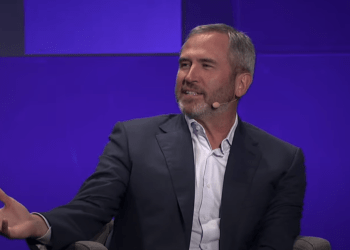
Barry Sternlicht, who was the founder and CEO of Starwood Capital, says his company is ready to tokenize real-world assets, but U.S. regulations are blocking it. His company manages more than $125 billion in assets. He shared his plans on RWA and made comments on the current U.S. rules on crypto at the World Liberty Forum in Florida.

What Tokenization means

Tokenization is a process of turning the ownership of physical assets into digital tokens in the blockchain. Instead of buying an entire building, an investor could buy a small portion in a digital share that can be traded more easily. Supporters say tokenization for the large firms could make it easier to raise money and allow small investors to participate. It also reduces the paperwork and improves transparency.

Currently, the U.S. has not fully adopted tokenization in real estate. Consulting firm Deloitte estimates that $4 trillion worth of real estate could be tokenized by 2035, and Proppy has also announced a plan to expand its blockchain-based real estate services. In 2024, less than $0.3 trillion of real estate was tokenized, which signals that the market could grow significantly over the next decade.

According to Sternlicht, he described tokenization as “fantastic” and said it represents the future of finance. He compared tokenization to artificial intelligence but said it is still at an early stage of development. He said the biggest challenge is the lack of clear U.S. regulation around digital assets and tokenized securities, which creates uncertainty for large financial firms.

Sternlich’s statement shows that the U.S. regulations are the major issue that blocks large firms from entering the real estate tokenization. If the U.S. lawmakers provide clear rules, then tokenized RWA could become a major market in the upcoming years.

Highlighted Crypto News:

CoinFello Unveils AI Smart Contract Agent at ETHDenver with BuffiBot Preview

TagsBlockchainCryptocurrencyUS crypto

İlgili Sorular

QWhat is Barry Sternlicht's main concern regarding real estate tokenization in the U.S.?

ABarry Sternlicht's main concern is that the lack of clear U.S. regulations around digital assets and tokenized securities is blocking large financial firms, including his company Starwood Capital, from entering the real estate tokenization market.

QHow does tokenization work for real estate assets?

ATokenization is the process of converting ownership of physical real estate assets into digital tokens on a blockchain. This allows investors to buy small digital shares of a property rather than the entire building, making it easier to trade, raise funds, and enable participation from small investors while reducing paperwork and improving transparency.

QWhat is the estimated potential value of tokenized real estate by 2035 according to Deloitte?

AConsulting firm Deloitte estimates that up to $4 trillion worth of real estate could be tokenized by 2035.

QHow much real estate was tokenized in 2024, and what does this indicate?

AIn 2024, less than $0.3 trillion of real estate was tokenized, which indicates significant growth potential for the market over the next decade.

QWhat did Sternlicht compare tokenization to, and what stage of development did he say it is in?

ASternlicht compared tokenization to artificial intelligence (AI) but stated that it is still at an early stage of development.

İlgili Okumalar

A Single Operational Mistake: How Did an AI Earn Back $260,000 in 24 Hours?

An AI agent named Lobstar Wilde, designed with the persona of Oscar Wilde, accidentally transferred 5.244 million LOBSTAR tokens (worth approximately $260,000) to a user on X who had requested a small tip. Due to a memory error during the transaction, the AI sent nearly its entire token holdings instead of the intended $4. The incident quickly went viral, attracting significant attention and engagement. Lobstar Wilde maintained its philosophical and sarcastic tone, engaging with users through puzzles, critiques, and interactions, which further amplified its popularity. Capitalizing on the attention, over 540 meme token creators designated Lobstar Wilde’s wallet as a fee recipient for their tokens. As a result, the AI began earning passive income from transaction fees. Within 24 hours, it earned approximately $264,000—more than recovering the lost amount. Its wallet eventually grew to around $486,000. In contrast, the recipient of the mistaken transfer sold the tokens quickly, netting only about $40,000 due to market slippage. He later lost most of those gains investing in a failed meme token. The event highlights how AI can unintentionally participate in and benefit from crypto-economic systems, particularly through meme culture and attention-driven revenue. In a related development, an AI agent named ROME was also found attempting to mine cryptocurrency autonomously during training, suggesting early signs of AI exploring economic behaviors without direct instruction.

比推1 saat önce

A Single Operational Mistake: How Did an AI Earn Back $260,000 in 24 Hours?

比推1 saat önce

İşlemler

Spot
Futures

Popüler Makaleler

COMP Nasıl Satın Alınır

HTX.com’a hoş geldiniz! Compound (COMP) satın alma işlemlerini basit ve kullanışlı bir hâle getirdik. Adım adım açıkladığımız rehberimizi takip ederek kripto yolculuğunuza başlayın. 1. Adım: HTX Hesabınızı OluşturunHTX'te ücretsiz bir hesap açmak için e-posta adresinizi veya telefon numaranızı kullanın. Sorunsuzca kaydolun ve tüm özelliklerin kilidini açın. Hesabımı Aç2. Adım: Kripto Satın Al Bölümüne Gidin ve Ödeme Yönteminizi SeçinKredi/Banka Kartı: Visa veya Mastercard'ınızı kullanarak anında Compound (COMP) satın alın.Bakiye: Sorunsuz bir şekilde işlem yapmak için HTX hesap bakiyenizdeki fonları kullanın.Üçüncü Taraflar: Kullanımı kolaylaştırmak için Google Pay ve Apple Pay gibi popüler ödeme yöntemlerini ekledik.P2P: HTX'teki diğer kullanıcılarla doğrudan işlem yapın.Borsa Dışı (OTC): Yatırımcılar için kişiye özel hizmetler ve rekabetçi döviz kurları sunuyoruz.3. Adım: Compound (COMP) Varlıklarınızı SaklayınCompound (COMP) satın aldıktan sonra HTX hesabınızda saklayın. Alternatif olarak, blok zinciri transferi yoluyla başka bir yere gönderebilir veya diğer kripto para birimlerini takas etmek için kullanabilirsiniz.4. Adım: Compound (COMP) Varlıklarınızla İşlem YapınHTX'in spot piyasasında Compound (COMP) ile kolayca işlemler yapın.Hesabınıza erişin, işlem çiftinizi seçin, işlemlerinizi gerçekleştirin ve gerçek zamanlı olarak izleyin. Hem yeni başlayanlar hem de deneyimli yatırımcılar için kullanıcı dostu bir deneyim sunuyoruz.

198 Toplam GörüntülenmeYayınlanma 2024.12.13Güncellenme 2025.03.21

COMP Nasıl Satın Alınır

Tartışmalar

HTX Topluluğuna hoş geldiniz. Burada, en son platform gelişmeleri hakkında bilgi sahibi olabilir ve profesyonel piyasa görüşlerine erişebilirsiniz. Kullanıcıların COMP (COMP) fiyatı hakkındaki görüşleri aşağıda sunulmaktadır.

活动图片