Federal Reserve Experiment Shows How Bitcoin's Rise Attracts New Cryptocurrency Buyers

cryptonews.ru2026-08-25 tarihinde yayınlandı2026-08-25 tarihinde güncellendi

Özet

A Federal Reserve experiment found that showing U.S. households data on Bitcoin's 14% price increase over the previous year raised the likelihood they would buy cryptocurrency, indicating past performance can attract new investors. In a 2025 survey, participants were shown either Bitcoin's returns, its price chart, or other financial data. Exposure to Bitcoin information increased subsequent reported cryptocurrency ownership by approximately 2.4-2.5 percentage points—a 23% rise from the baseline 11% ownership rate. It also immediately raised respondents' desired portfolio allocation to crypto by about 2 percentage points, largely offset by reduced allocations to cash and savings. Expected crypto returns for the next year increased by up to 3.2 percentage points. The effect was strongest among those who previously avoided crypto due to lack of knowledge, but had no impact on those already viewing it as a bad investment. A chart of S&P 500 performance similarly increased later crypto ownership. The authors suggest this demonstrates a mechanism for speculative bubbles: rising prices boost return expectations, attract new buyers, and potentially push prices higher, with investors extrapolating past gains into the future.

Showing American households that Bitcoin had risen by 14% over the previous year increased the likelihood of purchasing cryptocurrency, indicating that past performance can attract new investors to the market.

According to a working paper from the Federal Reserve Bank of Cleveland, researchers randomly split 2025 survey participants into a control group and 6 groups that were shown information about Bitcoin, the S&P 500 index, GameStop, or the Federal Reserve's inflation forecast.

One group was told about Bitcoin's returns over the past 12 months, while another was shown a chart of its price.

The Bitcoin data increased the likelihood that respondents reported owning cryptocurrency in a subsequent survey by 2.41% and 2.48%, respectively. About 11% owned cryptocurrency before the experiment, representing an increase of roughly 23% from the baseline.

In Q2-Q4 2025, the ownership analysis covered 5,352 respondents and accounted for whether they held cryptocurrency before receiving the information. The study used self-reported data on cryptocurrency ownership, not transaction data.

Furthermore, the conducted study immediately increased respondents' desired allocation to cryptocurrency by about 2% compared to the average of 4.3% in the control group.

Respondents largely compensated for this by reducing their desired allocation to cash, checking, and savings accounts, while increasing their planned investments in stocks.

Information about Bitcoin's positive performance increased the expected return on cryptocurrencies over the next year by 3.2% compared to the control group. The price chart raised expectations by 1.2 points.

The strongest effect was observed among people who stated they avoided cryptocurrencies because they didn't know enough about them. The combined impact of Bitcoin had no statistically significant effect on those who already considered cryptocurrency a bad investment.

A chart of the S&P 500's performance also increased subsequent cryptocurrency ownership, although information about stock returns did not change the desired portfolio allocation.

"Positive returns attract new participants, which further drives up the price," the authors write. "The experience of high past returns does not seem to make people expect mean reversion; extrapolating past returns into the future appears to be the rule."

The study's authors stated that the findings demonstrate one mechanism through which speculative bubbles can form: rising value increases expectations about returns, attracts new buyers, and potentially pushes prices upward.


İlgili Sorular

QWhat is the main finding of the Federal Reserve Bank of Cleveland's working paper regarding bitcoin and cryptocurrency purchases?

AThe main finding is that showing American households that bitcoin's price increased by 14% over the previous year raised their likelihood of purchasing cryptocurrency, suggesting that past performance can attract new investors to the market.

QHow did providing information about bitcoin's performance affect reported cryptocurrency ownership in the study's follow-up survey?

AProviding the bitcoin return data or its price chart increased the probability that respondents reported owning cryptocurrency in a subsequent survey by 2.41% and 2.48% respectively. Given a baseline of about 11%, this represents roughly a 23% increase from the original ownership rate.

QAccording to the study, how did respondents adjust their desired portfolio allocations after receiving positive information about bitcoin?

ARespondents mostly compensated for increasing their desired cryptocurrency allocation by about 2% (from a control group average of 4.3%) by reducing desired allocations to cash, checking, and savings accounts, while also increasing their planned stock investments.

QWhich group of people showed the strongest effect from the bitcoin performance information, and which group showed no significant impact?

AThe strongest effect was observed among people who said they avoided cryptocurrency because they didn't know enough about it. The information had no statistically significant impact on those who already considered cryptocurrency a bad investment.

QWhat broader market mechanism do the study's authors suggest is demonstrated by their findings?

AThe authors suggest the findings demonstrate one mechanism through which speculative bubbles can form: rising prices boost return expectations, attract new buyers, and potentially push prices even higher, as people extrapolate past returns into the future.

İlgili Okumalar

“Economic Outcast”: US Treasury Takes Aim at Iran's Cryptocurrency, Technology, and Gold

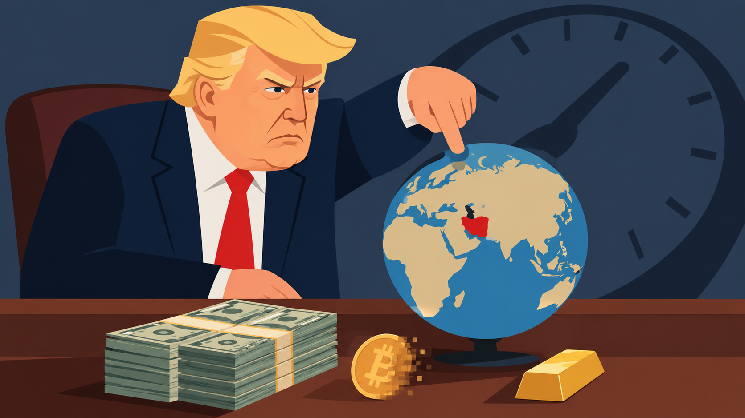
On August 24, 2026, the U.S. Treasury Department, under Secretary Scott Bessent, launched "Operation Economic Outcast," a major campaign targeting the financial networks of the Islamic Republic of Iran and its affiliates. The primary goal is to cut off revenue streams supporting the Iranian regime, with a specific focus on denying funding to the Islamic Revolutionary Guard Corps (IRGC). The Office of Foreign Assets Control (OFAC) activated authorities to sanction any entities, regardless of location, operating in or servicing five key Iranian economic sectors: digital assets (cryptocurrency), technology, gold, aviation, and shipping. OFAC noted Iran's increasing use of cryptocurrency to evade sanctions, including for operations linked to the IRGC and government officials. Initial measures targeted nearly 60 organizations, individuals, and vessels across multiple jurisdictions involved in procuring nuclear/missile technology, conducting cyber operations, and facilitating illicit oil sales. The U.S. State Department joined the campaign, announcing additional sanctions against Iranian military officials, intelligence entities targeting U.S. forces, and networks moving Iranian oil. Treasury warned foreign partners that they have a specific deadline to halt identified Iran-related activities, or face unilateral U.S. action. Entities facilitating sanctions evasion risk being cut off from the U.S. financial system and the dollar economy. The operation consolidates sanctions against Iran's crypto, tech, and commodity financing into a unified campaign with clear deadlines. It expands OFAC's reach to crypto brokers and payment networks handling Iranian oil. Analysis suggests crypto tools are already embedded in Iran's trade practices, as seen with capital flight from the Nobitex exchange and discussions of Bitcoin payments for Strait of Hormuz transit, indicating new OFAC powers target existing, not hypothetical, evasion channels.

cryptonews.ru15 dk önce

“Economic Outcast”: US Treasury Takes Aim at Iran's Cryptocurrency, Technology, and Gold

cryptonews.ru15 dk önce

Upbit Accelerates Token Listings: Total Trading Volume Halved, New Tokens Support Nearly 30% Share

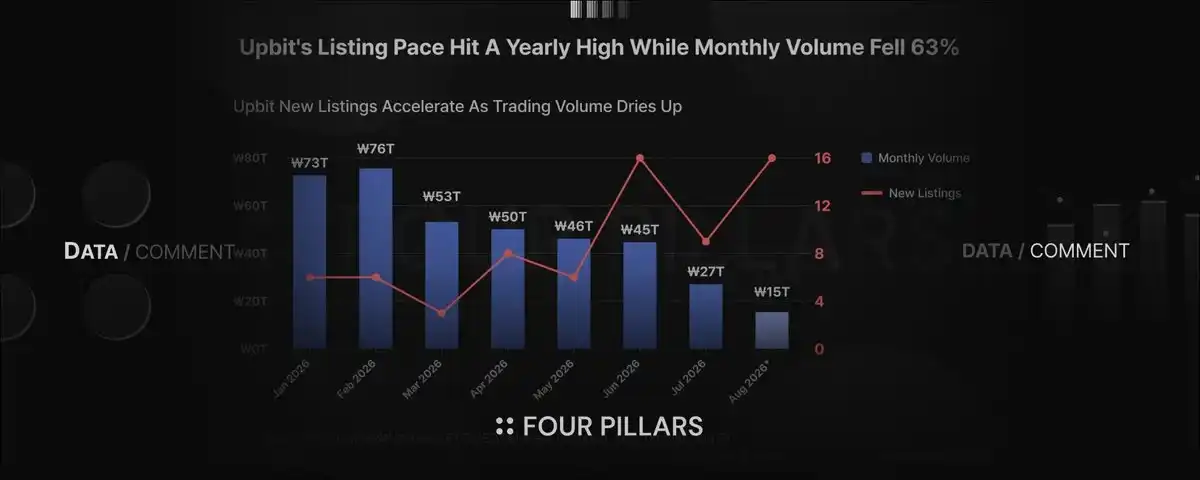
In the second half of 2026, Upbit significantly accelerated its pace of listing new cryptocurrencies, even as the overall Korean won-denominated trading market cooled rapidly. Monthly trading volume on Upbit plunged 63%, from KRW 72.7 trillion in January to KRW 27.1 trillion in July, with Bitcoin prices also falling. Contrary to the conventional logic of listing more during bull markets, Upbit intensified new listings during this downturn. New listings have become a crucial lever for Upbit to sustain trading activity in a bear market. By August, 61 new tokens listed in 2026 were collectively contributing nearly 30% of Upbit's total won trading volume, up from just 5% in January. This means roughly a quarter of the platform's fee revenue now comes from these newly listed assets. Standout performers like CHIP, RE, SLX, and CAP achieved significant individual market share shortly after listing, while new stablecoin listings contributed negligible volume. This strategy highlights a shift: the "Upbit listing premium," once a sought-after event to attract new capital, is increasingly used as a defensive tool to stabilize fee income amid shrinking overall volume. While the premium effect persists, indicating remaining genuine demand, its frequent use risks diluting the long-term strategic value and scarcity of Korean won liquidity access. Upbit's approach reflects a broader challenge for Asian centralized exchanges: relying on short-term listing tools to maintain operations during macro weakness, potentially at the cost of eroding long-term competitive foundations.

marsbit35 dk önce

Upbit Accelerates Token Listings: Total Trading Volume Halved, New Tokens Support Nearly 30% Share

marsbit35 dk önce

İşlemler

Spot
活动图片