70% of the Public Opposes AI, Americans Hope the U.S. Loses the AI War

marsbit2026-06-06 tarihinde yayınlandı2026-06-06 tarihinde güncellendi

Özet

70% of Americans believe AI development is moving too fast, with growing public resistance evolving from online criticism to real-world protests and violence. This widespread anti-AI sentiment stems from fears of job losses, rising utility costs, environmental damage, threats to democracy, and financial instability. Key incidents illustrate the backlash: Google's former CEO Eric Schmidt was loudly booed at a graduation for promoting AI; AI company ads are vandalized; protests and even violent attacks target AI firms and data centers. Polls show deep public pessimism and strong local opposition to data center construction, often surpassing resistance to nuclear power plants. The core grievances are economic and practical: AI is seen as automating jobs, concentrating wealth, and increasing household electricity and water bills due to massive data center resource demands. Environmentalists also oppose AI's high energy use and carbon emissions. This opposition has turned AI into a major political issue in the US. While the Trump administration prioritizes AI innovation for global competition, bipartisan pushback is growing. Democrats and factions within the MAGA movement are forming temporary alliances to support stricter regulations and local bans on new data centers, pressuring the administration to choose between its tech industry backers and its voter base. The situation highlights a profound national divide over AI's future.

"Young people, you shouldn't ask if AI will reshape the world—it definitely will. The question is whether you can participate in and influence AI's development."

If this were said at a Chinese student's graduation ceremony, most would probably think it sounds quite reasonable. That's the trend of the times, and one should indeed actively embrace AI.

But when American students heard it, they just wanted to punch the speaker.

I. The Great Anti-AI Unification

The opening quote came from former Google CEO Eric Schmidt during his speech at the University of Arizona's graduation ceremony. After he said it, the students in the audience collectively let out piercing boos. Every subsequent mention of AI was met with jeers, making the scene extremely awkward.
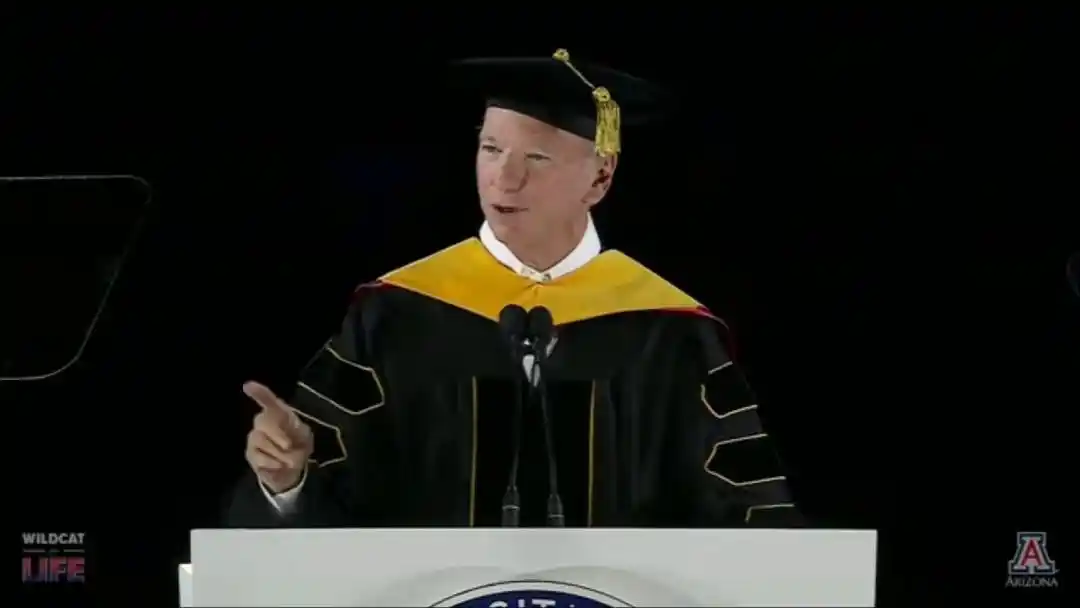
Unsurprisingly, the video was uploaded online, and the unfortunate Schmidt suffered secondary damage. On social media platforms like X and others, a large number of people criticized him, calling him too evil, saying he wanted to be a slave owner, and even accusing Schmidt of being anti-human.

American netizens who love sarcasm also posted a bunch of memes mocking him, basically implying that Schmidt, as a capitalist, wants to squeeze dry these future wage laborers.
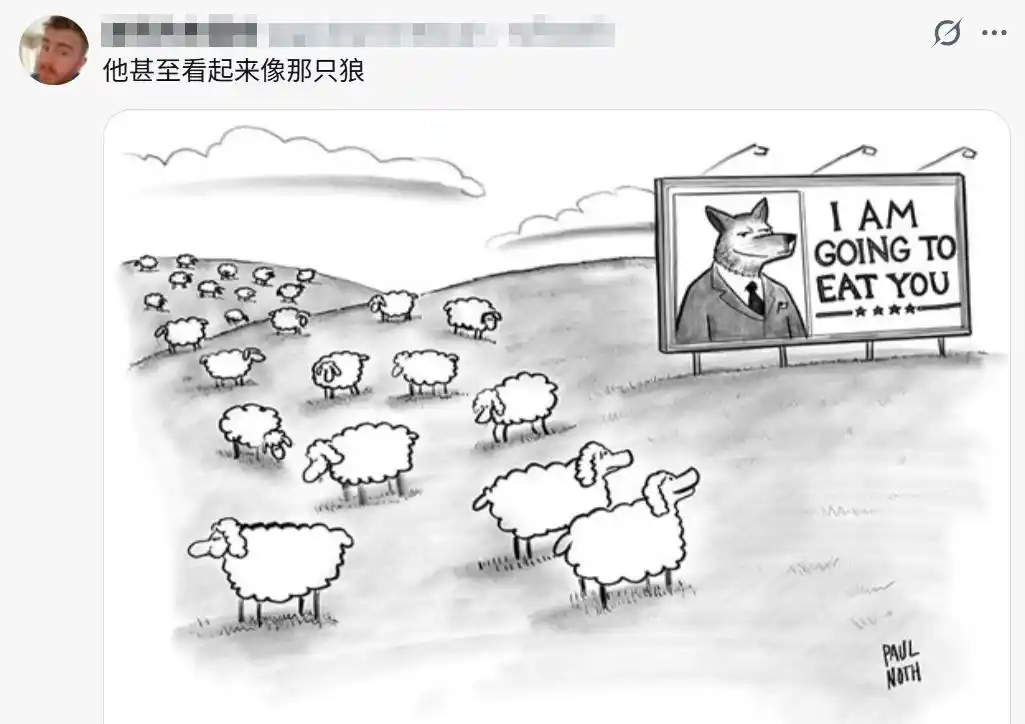
As a tech industry big shot, talking to young people about the importance of AI—how did that become a heinous crime?

This touches on something counter-intuitive. Although the U.S. is proudly one of the countries with the most advanced AI technology, many ordinary people deeply dislike this technology, and the anti-AI sentiment is also the strongest in the world.

Yes, you heard that right. A recent large-scale poll by The Economist and YouGov shows that a staggering 70% of Americans believe AI development is currently "too fast," requiring stronger regulation, cautious project analysis, and a pause to wait for the people. Moreover, people are increasingly pessimistic about AI's prospects and long-term social impact. The proportion of respondents holding a pessimistic view is as high as 51%, with another 24% unsure. Only 25% are truly optimistic.

Another polling organization, Gallup, revealed in a March poll a phenomenon that has alarmed all AI giants: Now 71% of Americans oppose building AI data centers in their local communities, with 48% strongly opposing, making them widely disliked. The most ironic part is that this proportion even exceeds those who oppose building nuclear power plants locally. When faced with the risk of a Fukushima-like disaster versus a data center, people would rather choose the former.

(Gallup)

American aversion and resistance to AI isn't just online talk. It has now rapidly developed to the real-life, offline stage.

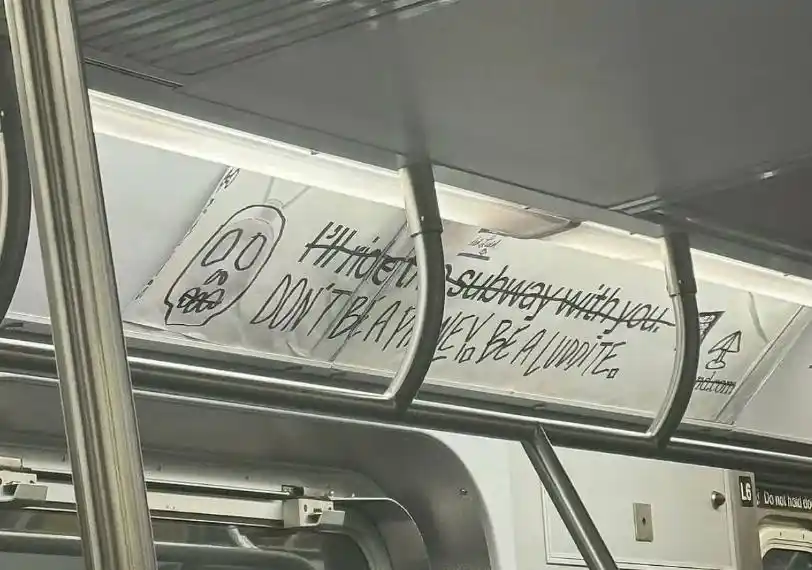
Late last year, the American AI startup Friend spent over a million dollars placing large ads in the New York subway to promote their wearable AI companion pendant. But they soon discovered their ads were vandalized with graffiti, covered in various mocking words. Since the brand is called Friend, opponents directly added, "AI is not your friend."

Besides witty additions, there were threatening messages referencing past scandals, like writing "AI suggested suicide"; sarcastic ones saying "AI friends can't shower with you, they're not waterproof"; and random scribbles, directly turning the product pendant into a skull. The wildly different styles clearly came from different people. A million dollars in ad money ended up as an anti-AI message board.
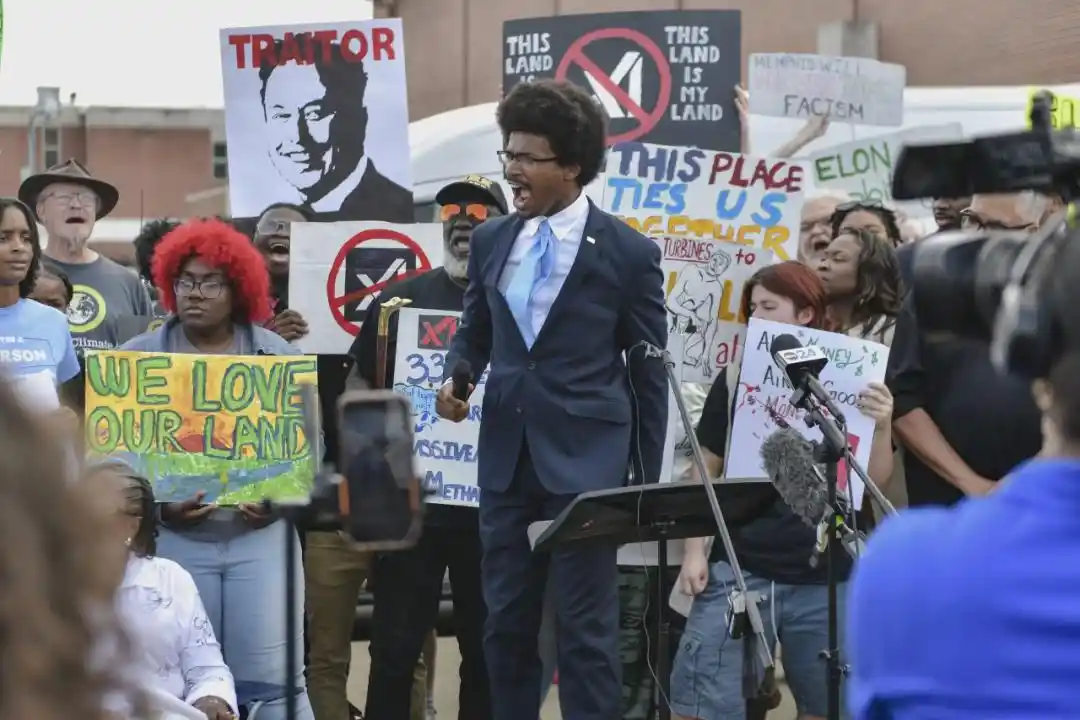
But Friend is considered lucky—at least they weren't confronted directly. Previously, Silicon Valley has seen multiple anti-AI protests and demonstrations. Participants, holding high banners with slogans like "Stop the AI Race" and "Pause AI," marched in large numbers towards the headquarters of these tech companies to give them a hard time.

Photos of big shots like Elon Musk and Sam Altman were also tagged with "traitor" labels and paraded through bustling areas, which was very humiliating.
But for these big shots, being publicly shamed isn't the worst. In more remote areas, people's resistance to data centers is what's truly deadly.

Virginia, Pennsylvania, North Carolina, and several other states have all seen local residents obstructing data center construction. They not only held signs pressuring local government offices but also continuously harassed construction sites and workers. Last year, at least 48 data center projects were delayed or canceled due to local resident protests, involving a total investment of $156 billion. In the first quarter of 2026, a record-breaking 20 data center projects were canceled for the same reason.

Even if local officials like Commissioner Smith try to push data center projects despite pressure, it's hard to succeed because the public will vote you out. In April 2026, residents of Festus, Missouri, directly voted to recall half of the city council members because the council approved an AI data center project. That's how tough they are.
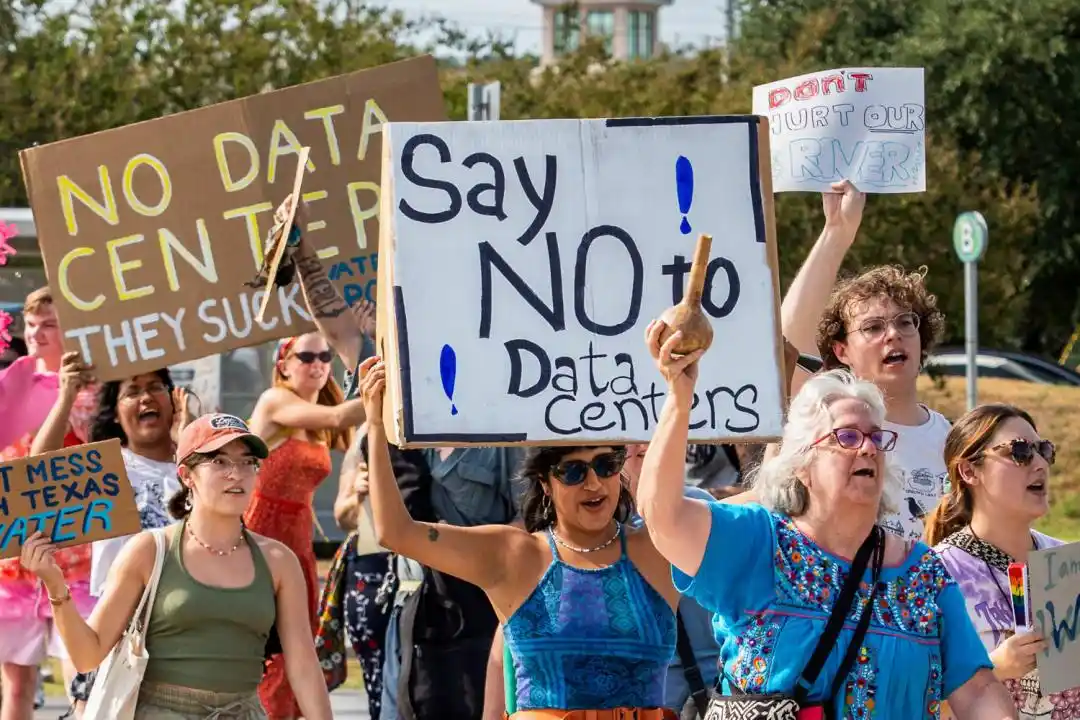
Those who frequently use AI can probably feel that popular large models like Claude and ChatGPT have long faced insufficient computing power, often experiencing queues, crashes, and sometimes directly limiting user usage. Even paying for a PRO membership only slightly increases the quota, far from unlimited output freedom. That's why American tech giants are building data centers everywhere to fill the gap. Now, with inefficient construction, equipment shortages, and resident resistance, how can they expand computing power?

What worries American media more is that protest activities are showing a trend of extremization and gradually turning violent.

In April this year, two security incidents targeting OpenAI occurred in San Francisco. Someone threw a Molotov cocktail at CEO Sam Altman's private residence. Less than an hour later, the same person appeared outside OpenAI headquarters, openly threatening to burn down the building. Fortunately, they were subdued by police. Altman himself was terrified, directly posting a photo of his children as a shield, "I don't care what you think of me, my family is inside!"

Indianapolis City Councilor Ron Gibson also became a target. He was recently approved an AI data center project and was fiercely condemned by local residents. His residence was even shot at, with the suspect firing 13 shots at the front door. Then, they left a note under the doormat saying, "No data center."

We usually only focus on the speed of American AI development, never expecting that hatred for AI has also quietly intensified in the shadows, spreading like wildfire.

II. Ten Thousand Reasons to Hate AI

One crucial reason Americans hate AI is the fear that AI will take jobs.

Even before AI became popular, Americans generally distrusted tech billionaires because they monopolized and manipulated the internet, constantly amassing wealth. Conspiracy theories like Bill Gates controlling humanity with vaccines or Mark Zuckerberg being a lizard person in disguise are classics. Now that these conspiracy theory protagonists have brought out AI, people instinctively think they must have ulterior motives. Nearly 3/4 of Americans expect AI to significantly reduce employment, and about 65% of the public don't believe the economic benefits created by AI will benefit everyone—only making the bosses richer.
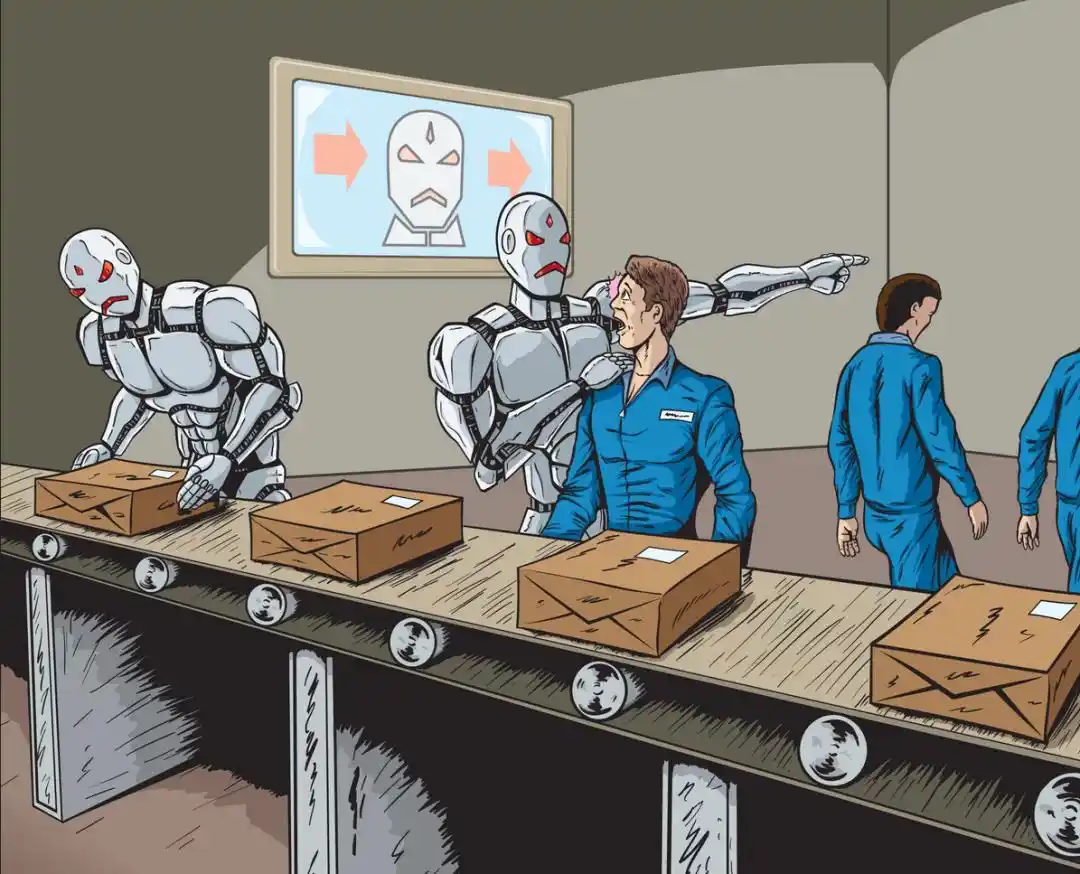
Looking at various layoff news, their suspicions aren't wrong. For example, after Dell introduced AI, it massively cut non-technical departments like sales, laying off 12,500 people over time. A commercial software company, Salesforce, laid off 4,000 customer service employees at once due to AI automation. In 2026, the well-known fintech company Block laid off nearly 40% of its staff, with the boss openly promoting that using AI tools allows small teams to achieve higher efficiency, so there's no need to keep so many people.

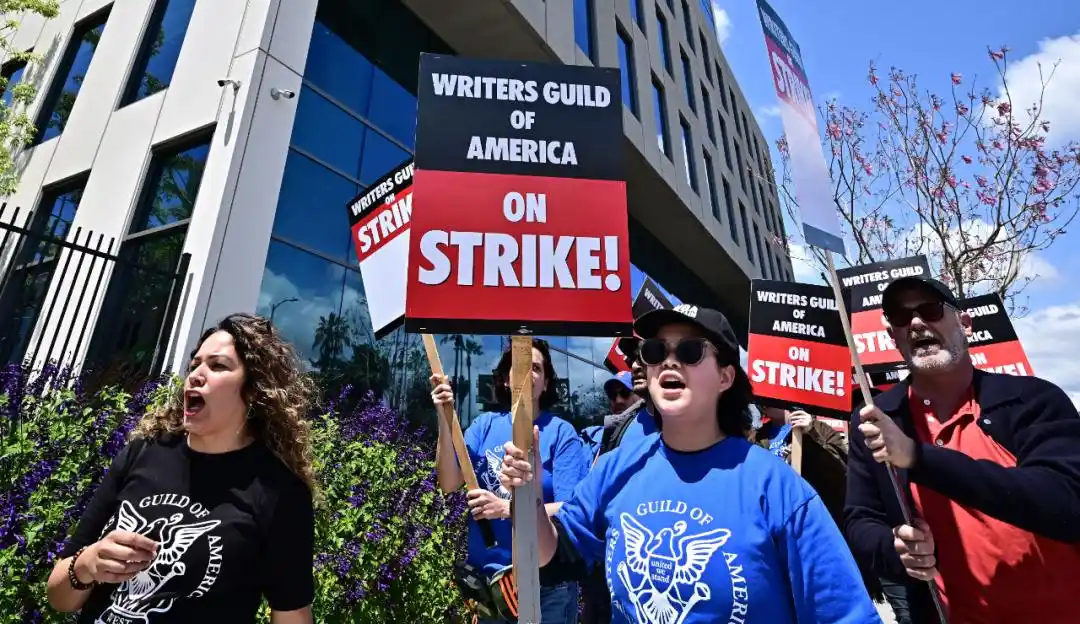
Hollywood started using AI to write scripts several years ago, trying to cut screenwriters' pay, which led to major strikes.
In the eyes of ordinary Americans, the current AI business logic is brutal. The efficiency gains it brings reduce jobs, achieving so-called cost reduction and efficiency improvement, concentrating wealth in the hands of a few tech giants while the public bears the cost—jobs "optimized," incomes lowered.
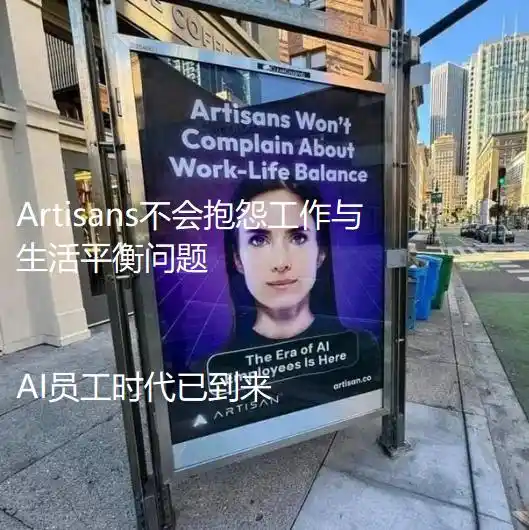
While AI's prosperity has also created some new computer engineering jobs and brought a long-awaited boom to the construction industry through large-scale infrastructure, from the netizens' perspective, it's still causing some jobs to disappear, people losing their livelihoods—it has original sin. Especially for college students, AI has impacted many white-collar jobs. In 2026, the unemployment rate for American college graduates climbed to 5.6%, the highest post-pandemic graduation season for employment pressure.

Against this backdrop, the "high EQ" Schmidt came asking for trouble. He said to the extremely anxious students: "Your generation has this fear that the future is already written, that machines are coming, jobs are disappearing, the climate is collapsing, politics are dividing, and you've inherited a mess you didn't create..." At this point, the audience was already getting restless. Coupled with his later advice for students to embrace AI, it was a complete disaster. The truth really hurts.

Thinking about a hopeless future and unpaid student loans, it was polite of the graduates not to go up and punch him.

But Schmidt did mention climate, and coincidentally, that's another reason Americans, especially the white left, dislike AI.

To meet the enormous 24/7 power demands of AI data centers, coal and natural gas power plants in many parts of the U.S. have been forced to delay retirement or even increase generation, directly causing carbon emissions to soar. Carbon neutrality? That can only be a dream. This led over 200 environmental groups across the U.S. to launch a joint action in February, demanding the government suspend approval of new data centers and harshly criticizing tech giants for ignoring climate change.

Many of these are familiar radical environmental groups, like "Greenpeace" and "Friends of the Earth"... it's like an NGO export-import business.

Of course, many Americans don't care about human survival, but they must care about their hometowns.

As AI enters the "computing infrastructure" phase of competing with large models, the load on the power grid and the consumption of cooling water by super data centers have expanded rapidly. This crazy absorption of macro-industrial and energy resources directly touches the survival bottom line of local communities. The most obvious change is that electricity bills are rising quickly. The following price increase map from Fox News shows that from 2024 to mid-2025, only five states didn't see average electricity price increases. It's estimated that in the next three years, AI expansion will add at least $23 billion in electricity costs to ordinary American households.
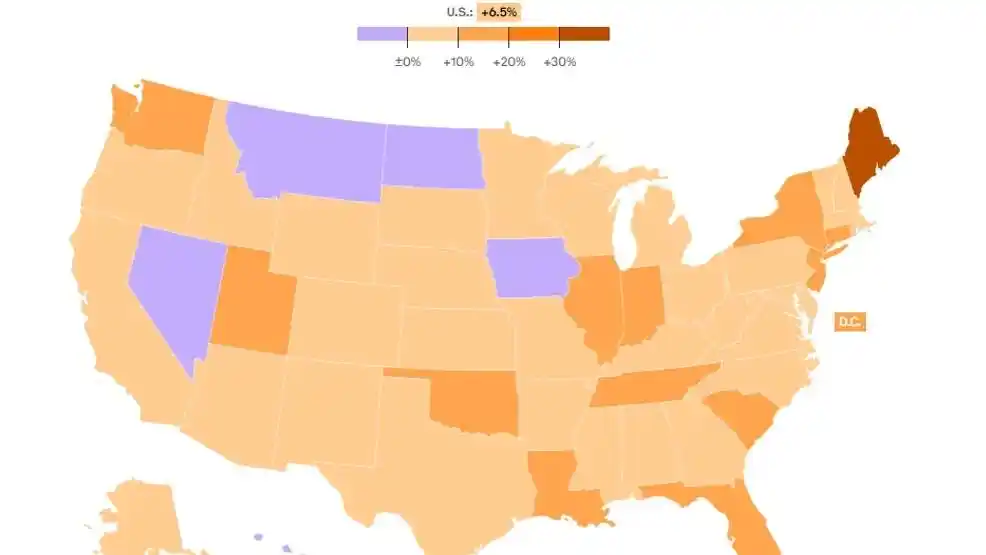
(Fox News)

But, tech giants using electricity—what does that have to do with household users?

This relates to America's magical cost-sharing mechanism. To meet the insane electricity demands of data centers, power companies must invest heavily in expanding and upgrading the grid and building new power plants. This infrastructure upgrade cost is recovered through electricity price increases, meaning it's directly shared among all end-users. Essentially, everyone pays for AI.

The situation with water resources is similar. Data centers maintaining chip cooling require vast amounts of water, and it must be clean water. In some data centers using "evaporative cooling" systems, millions of gallons of water can evaporate. This not only requires water supply companies to massively upgrade water treatment and supply pipeline facilities, driving up residents' water prices, but in some inherently water-scarce Midwest states and counties, it also causes agricultural irrigation stress.

Local residents also worry about the chain effects of data centers on the environment. Cooling systems must forcibly expel waste heat from chips into the external atmosphere, significantly raising surface temperatures in surrounding areas, affecting up to 10 kilometers or more. For example, around AI data centers in Silicon Valley, surface temperatures are 9°C higher than other areas. The destruction of ecosystems and impact on plants and animals aside, how are nearby residents supposed to live in such heat during summer?

Now you understand why Americans would rather have a nuclear power plant than a data center. Nuclear power only affects life during an accident, but a data center next door is a daily nuisance, not to mention worrying about utility bills.

Additionally, Americans have two very realistic concerns. One is worry that AI affects their democracy. First, AI's internal workings are a black box; no one can clearly explain how its responses are generated. Even its own engineers sometimes can't figure it out. Many netizens worry AI has hidden biases and can create various fabricated information, with the ability to change public opinion and even influence elections. After all, many people's fact-checking method is typing in the comments, "@grok, is this true?"...

Speaking of this, Mr. Musk has to take the blame again. After buying X (formerly Twitter), he helped Trump gain momentum on social media and reposted AI-generated spoof videos of Harris and Biden. It's hard for Americans not to be suspicious.

The other concern is investments and pensions. Economically, AI has become the ultimate hot topic in capital markets. Even if you don't believe in AI, the fate of your public pensions and retirement accounts now depends on AI's prosperity. The government is also using large amounts of funds to subsidize related companies. About 30% of the S&P 500 index consists of six companies—Apple, Meta, Alphabet, Microsoft, Nvidia, and Amazon—all betting their future on AI applications. Moreover, the data center infrastructure boom has boosted the performance of equipment manufacturers like Caterpillar.

Tech stocks rising is great for now, but if artificial intelligence ultimately proves to be a bubble, it could trigger a massive economic recession in the U.S., bankrupting countless families and pushing them over the edge.

III. Trump's Dilemma

The development of AI is inherently an extremely complex technological issue, involving employment, environment, energy, finance, and many other aspects—a tangled mess.

The most ridiculous part is that in the U.S., AI has become a political issue, directly related to whether Trump's position is secure and could even become the trigger for another MAGA civil war.
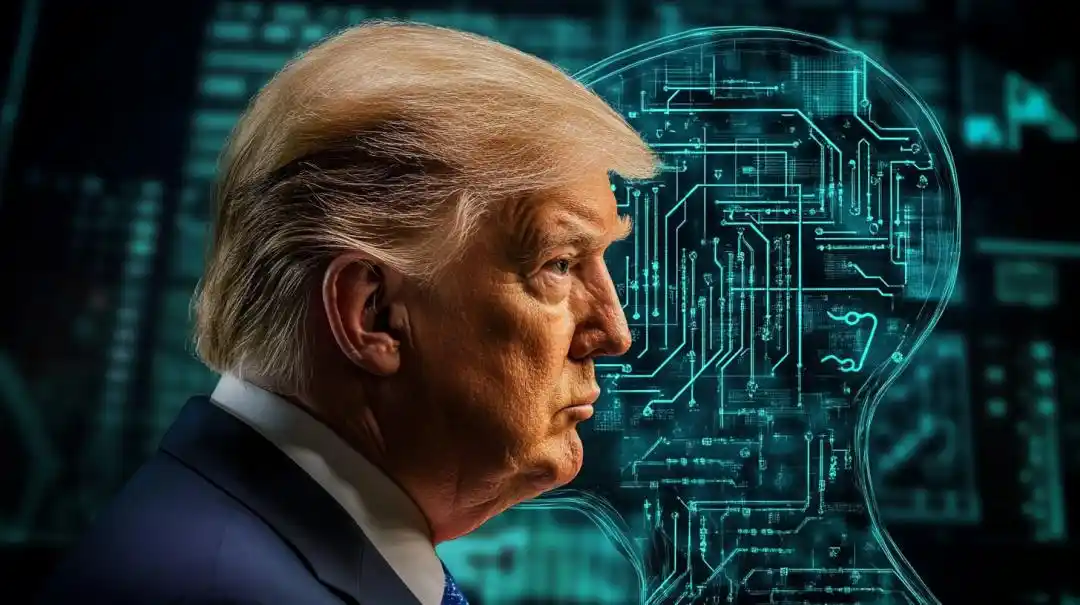
Remember? On January 20, 2025, inauguration day, Trump, with a stroke of his pen, revoked a bunch of executive orders left by the Biden administration, including one called "Executive Order on the Safe, Secure, and Trustworthy Development and Use of Artificial Intelligence," which aimed to strengthen AI regulation and scrutiny.

He replaced it with his own new executive order, "Removing Barriers to American AI Leadership," demanding that "innovation and competitiveness" be prioritized, comprehensively eliminating regulations hindering AI development. Subsequently, he significantly compressed state-level AI project approval and regulatory authority, centralizing it all at the federal level to ensure efficient project operation and outpace China.

This was undoubtedly suggested by the Silicon Valley faction within MAGA, as they are all investing in AI. Removing regulations would allow them to completely let loose.

The Silicon Valley faction's reasoning: Forget about ethics, morality, or employment crises. AI genuinely boosts productivity. If we don't do it, China will. America's superpower status is already precarious, manufacturing is a mess, technology is constantly being overtaken. If we lose to China on this track as well, better days are ahead! AI National Salvation Plan, activate!

This view, and the anti-AI view, are not inherently wrong—they just look at the issue from different angles (and sit in different positions).

But political discussions are never just about right or wrong; they also involve factions.

Many in the Democratic Party want to regulate AI, as their base includes many young graduates and white leftists concerned about climate change. On the Republican side, the far-right MAGA faction doesn't get along with the Silicon Valley faction, having huge disagreements on tariffs, immigration, etc., each thinking the other is a treacherous minister around Trump, constantly thinking of "purging the court."

Now that AI is causing public outrage, they see an opportunity to defeat their opponents.

In Congress, Democrats have introduced the "Safeguarding and Upholding Americans' Determinations on Responsible Artificial Intelligence Laws and Standards Act"—you don't need to remember this long, convoluted name. Just know it aims to overturn Trump's previous executive order and once again strengthen state-level regulatory authority over AI. The bill is currently in the review stage.

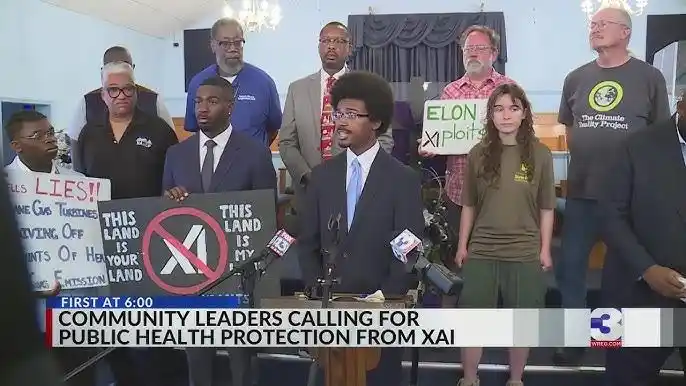
The Maine State Legislature, led by Democrats, passed the nation's first bill suspending the construction of new large data centers. The ban will last until the end of 2027 to mitigate the impact of rising water and electricity prices within the state. Several blue states are now considering similar bills.

Some Democratic politicians have even personally joined the anti-AI movement, standing with protesters in front of the media, condemning tech giants for being inhumane, first enjoying the wave of attention. Democrats who love social media have also started podcasts targeting rural voters, preaching the dangers of data centers, trying to shake Trump's solid support base.
As for the far-right MAGA, its leader Steve Bannon has repeatedly attacked AI and the tech giants behind it on his show, inciting listeners to resist data center projects in their hometowns. The video titles are alarmingly sensational: "Stop AI from Stealing Our Humanity" and "Use an Iron Fist Like Nuclear Weapons to Control AI." Just a few days ago, he gathered over 60 die-hard MAGA supporters to write a joint letter to the White House, urging Trump to issue a mandatory order requiring all AI models to undergo government review and testing before release to ensure they pose no danger to humanity.

The more abstract part is that these two groups, once mortal enemies, have now formed a temporary alliance on the AI issue. Maine's ban received support from local lawmakers of both parties. Laws blocking data center construction in other places are mostly the same. The white left goes up and says, "What about the birds? What about the fish?" The redneck goes up and says, "The cost of living is too high, how am I supposed to live?" Different methods, same goal.

Some scholars studying politics marvel that in this divisive era, where Americans can argue over watching TV or choosing a car, they can actually agree on the data center issue—and agree to oppose it. It's truly both laughable and ironic.
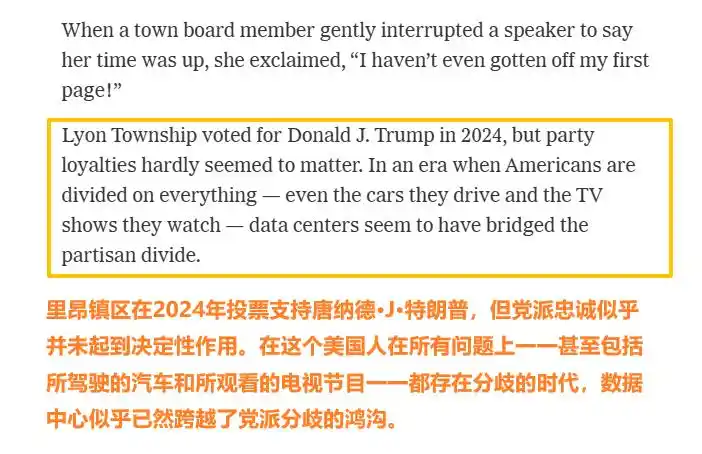
(The New York Times)

Who's most panicked about this situation? No need to say more.

If the situation continues, Trump may be forced to choose between "donors" and "voter base." Tech giants needing AI expansion versus traditional rednecks opposing AI invading their homes—he can only choose one. Choosing the former could lead to a major defeat in the midterm elections; choosing the latter would lose the support of the Silicon Valley right and could cause the U.S. to gradually fall behind in the AI race.

This is a dilemma Trump must solve.

This article is from the WeChat public account "Cool Play Lab," author: Cool Play Lab

İlgili Sorular

QAccording to the article, what percentage of Americans believe AI development is happening 'too quickly'?

AAccording to an Economist/YouGov poll cited in the article, 70% of Americans believe AI development is happening 'too quickly'.

QWhat are some of the main reasons Americans are opposed to AI development, as outlined in the text?

AThe main reasons for opposition include fears of job displacement, increased utility costs for residents, environmental concerns (water use, heat emissions, carbon footprint), distrust of tech billionaires, and concerns about AI's impact on democracy and the potential for an economic bubble.

QWhat specific actions have American citizens taken to protest against AI, beyond online criticism?

AActions have included booing a pro-AI speaker at a graduation, vandalizing AI company advertisements, organizing street protests and demonstrations, lobbying and protesting against local data center projects (leading to cancellations), and in extreme cases, violent acts like arson and gunfire targeting AI executives and politicians.

QHow has the AI issue become a political problem for Donald Trump, according to the article?

AThe AI issue has created a dilemma for Trump, forcing him to potentially choose between his 'donors' (the pro-AI Silicon Valley faction of the MAGA movement) and his 'voter base' (traditional supporters who oppose local data centers due to cost and lifestyle impacts). This split threatens his political support and could influence elections.

QWhat unusual political alignment has formed regarding opposition to AI data centers?

AAn unusual, temporary alliance has formed between Democrats (concerned about climate and young voters' job prospects) and the far-right faction of the MAGA movement (concerned about rising living costs and community impact). They have found common ground in opposing local data center projects.

İlgili Okumalar

Codex Goal Mode Usage Guide: How to Make AI Continuously Pursue a Specific Objective

"Codex Goal Mode: How to Make AI Work Continuously Toward a Specific Goal" OpenAI's Codex "goal mode" (/goal) transforms the AI from a reactive code assistant into a proactive execution agent capable of working autonomously for hours or even days to achieve a defined objective. To maximize its effectiveness, follow these key principles: 1. **Define Clear, Verifiable Exit Criteria:** The goal prompt should be a concise, measurable success condition, not a lengthy specification. Use quantifiable metrics like "reduce build time by 30%" or "achieve 100% test parity." 2. **Provide Initial Guidance and Tools:** Direct Codex toward likely problem areas and specify available tools (e.g., browsers, testing environments) to prevent it from exploring unproductive paths. 3. **Enable Progress Measurement:** Equip Codex with ways to track advancement, such as creating comparison tools for visual tasks or evaluation sets, ensuring it can gauge its own progress. 4. **Use a Realistic Execution Environment:** For tasks like performance optimization, provide access to environments that closely mimic production (e.g., similar configs, databases) to yield valid results. 5. **Be Cautious with Visual Goals:** Avoid vague "pixel-perfect" instructions. Instead, supplement visual references with functional checklists or design system specifications to prevent Codex from obsessing over minor details. 6. **Implement Progress Tracking:** For long-running tasks, have Codex commit code to draft PRs, update progress documents, or send Slack updates to maintain visibility into its work. 7. **Review and Consolidate Results:** Once the goal is met, instruct Codex to review its work, clean up ineffective experimental code, and reflect on what strategies succeeded or failed. Ultimately, using goal mode shifts the developer's role from writing prompts to managing a persistent engineering agent—defining objectives, establishing metrics, configuring environments, and conducting final reviews.

marsbit5 dk önce

Codex Goal Mode Usage Guide: How to Make AI Continuously Pursue a Specific Objective

marsbit5 dk önce

From Ethereum to AI's 'CROPS': What Exactly Is This 'Slow Variable' That Vitalik Has Repeatedly Emphasized?

Recently, Vitalik Buterin has frequently emphasized the concept of "CROPS," first outlined in the Ethereum Foundation's March mandate as core principles guiding its focus: Censorship Resistance, Capture Resistance, Open Source, Privacy, and Security. CROPS represents Ethereum's commitment to providing foundational capabilities for user sovereignty—enabling asset ownership, identity expression, and coordination without reliance on centralized platforms or surrendering ultimate control. This framework is gaining new urgency with the rise of AI, particularly AI agents managing digital assets and automating transactions. While AI offers convenience, it risks centralizing user data, intent, and control if dependent on opaque, centralized services. Vitalik argues for "CROPS AI"—AI that is open, privacy-preserving, secure, and capable of local execution to maintain user agency. He highlights convergence between "CROPS Ethereum access layers" and "CROPS AI," such as using zero-knowledge proofs for private remote LLM calls and Ethereum RPC reads, ensuring users can access services without exposing sensitive information. Ultimately, CROPS is not just an abstract ideal but a practical guide for Ethereum's development and AI integration. It addresses the critical long-term question: as digital systems grow more powerful, how can users retain control over their privacy, assets, and autonomy? In an AI-driven era, these principles may define Ethereum's enduring value—prioritizing verifiable, secure, and user-centric design over short-term optimizations like speed and cost alone.

marsbit9 dk önce

From Ethereum to AI's 'CROPS': What Exactly Is This 'Slow Variable' That Vitalik Has Repeatedly Emphasized?

marsbit9 dk önce

İşlemler

Spot
Futures

Popüler Makaleler

GROK AI Nedir

Grok AI: Web3 Döneminde Konuşma Teknolojisini Devrim Niteliğinde Yenilik Giriş Hızla gelişen yapay zeka alanında, Grok AI, ileri teknoloji ve kullanıcı etkileşimi alanlarını birleştiren dikkate değer bir proje olarak öne çıkıyor. Ünlü girişimci Elon Musk'ın liderliğindeki xAI tarafından geliştirilen Grok AI, yapay zeka ile etkileşim şeklimizi yeniden tanımlamayı hedefliyor. Web3 hareketi devam ederken, Grok AI, karmaşık sorgulara yanıt vermek için konuşma yapay zekasının gücünden yararlanmayı amaçlıyor ve kullanıcılara sadece bilgilendirici değil, aynı zamanda eğlenceli bir deneyim sunuyor. Grok AI Nedir? Grok AI, kullanıcılarla dinamik bir şekilde etkileşimde bulunmak üzere tasarlanmış sofistike bir konuşma yapay zeka sohbet botudur. Birçok geleneksel yapay zeka sisteminin aksine, Grok AI, genellikle uygunsuz veya standart yanıtların dışında kabul edilen daha geniş bir sorgu yelpazesini benimsemektedir. Projenin temel hedefleri şunlardır: Güvenilir Akıl Yürütme: Grok AI, bağlamsal anlayışa dayalı mantıklı yanıtlar sağlamak için sağduyu akıl yürütmeyi vurgular. Ölçeklenebilir Denetim: Araç yardımı entegrasyonu, kullanıcı etkileşimlerinin hem izlenmesini hem de kalite için optimize edilmesini sağlar. Resmi Doğrulama: Güvenlik en önemli önceliktir; Grok AI, çıktılarının güvenilirliğini artırmak için resmi doğrulama yöntemlerini entegre eder. Uzun Bağlam Anlayışı: AI modeli, kapsamlı konuşma geçmişini saklama ve hatırlama konusunda mükemmel bir performans sergileyerek anlamlı ve bağlamsal olarak farkında tartışmaların yapılmasını kolaylaştırır. Saldırgan Dayanıklılık: Manipüle edilmiş veya kötü niyetli girdilere karşı savunmalarını geliştirmeye odaklanarak, Grok AI kullanıcı etkileşimlerinin bütünlüğünü korumayı hedefler. Özünde, Grok AI sadece bir bilgi alma cihazı değil; dinamik diyalogu teşvik eden, etkileyici bir konuşma partneridir. Grok AI'nın Yaratıcısı Grok AI'nın arkasındaki beyin, otomotiv, uzay yolculuğu ve teknoloji gibi çeşitli alanlarda yenilikle özdeşleşen Elon Musk'tır. Yapay zeka teknolojisini faydalı yollarla geliştirmeye odaklanan xAI çatısı altında, Musk'ın vizyonu, yapay zeka etkileşimlerinin anlaşılmasını yeniden şekillendirmeyi amaçlıyor. Liderlik ve temel etik, Musk'ın teknolojik sınırları zorlamaya olan bağlılığı tarafından derinden etkilenmektedir. Grok AI'nın Yatırımcıları Grok AI'yi destekleyen yatırımcılarla ilgili spesifik detaylar sınırlı kalmakla birlikte, projenin kuluçka merkezi olan xAI'nin, esasen Elon Musk tarafından kurulduğu ve desteklendiği kamuya açık bir şekilde kabul edilmektedir. Musk'ın önceki girişimleri ve mülkleri, Grok AI'nın güvenilirliğini ve büyüme potansiyelini daha da artıran sağlam bir destek sağlar. Ancak, şu anda Grok AI'yı destekleyen ek yatırım fonları veya kuruluşlarıyla ilgili bilgiye kolayca erişim sağlanamamaktadır; bu da potansiyel gelecekteki keşif alanını işaret etmektedir. Grok AI Nasıl Çalışır? Grok AI'nın operasyonel mekanikleri, kavramsal çerçevesi kadar yenilikçidir. Proje, benzersiz işlevselliklerini kolaylaştıran birkaç son teknoloji ürünü teknolojiyi entegre eder: Sağlam Altyapı: Grok AI, konteyner orkestrasyonu için Kubernetes, performans ve güvenlik için Rust ve yüksek performanslı sayısal hesaplama için JAX kullanılarak inşa edilmiştir. Bu üçlü, sohbet botunun verimli çalışmasını, etkili bir şekilde ölçeklenmesini ve kullanıcılara zamanında hizmet vermesini sağlar. Gerçek Zamanlı Bilgi Erişimi: Grok AI'nın ayırt edici özelliklerinden biri, X platformu (önceden Twitter olarak biliniyordu) aracılığıyla gerçek zamanlı verilere erişim yeteneğidir. Bu yetenek, yapay zekaya en son bilgilere erişim sağlar ve diğer yapay zeka modellerinin gözden kaçırabileceği zamanında yanıtlar ve öneriler sunmasına olanak tanır. İki Etkileşim Modu: Grok AI, kullanıcılara “Eğlenceli Mod” ve “Normal Mod” arasında seçim yapma imkanı sunar. Eğlenceli Mod, daha eğlenceli ve mizahi bir etkileşim tarzı sağlarken, Normal Mod, kesin ve doğru yanıtlar vermeye odaklanır. Bu çok yönlülük, çeşitli kullanıcı tercihlerine hitap eden özelleştirilmiş bir deneyim sağlar. Özünde, Grok AI performansı etkileşimle birleştirerek, hem zenginleştirici hem de eğlenceli bir deneyim yaratmaktadır. Grok AI'nın Zaman Çizelgesi Grok AI'nın yolculuğu, gelişim ve dağıtım aşamalarını yansıtan önemli dönüm noktalarıyla işaretlenmiştir: İlk Geliştirme: Grok AI'nın temel aşaması, modelin ilk eğitim ve ince ayarının yapıldığı yaklaşık iki ay boyunca gerçekleşmiştir. Grok-2 Beta Yayını: Önemli bir ilerleme olarak, Grok-2 beta duyurulmuştur. Bu sürüm, sohbet etme, kodlama ve akıl yürütme yetenekleriyle donatılmış iki versiyon—Grok-2 ve Grok-2 mini—sunmuştur. Halka Açık Erişim: Beta geliştirmesinin ardından, Grok AI X platformu kullanıcılarına sunulmuştur. Telefon numarasıyla doğrulanan ve en az yedi gün aktif olan hesap sahipleri, sınırlı bir versiyona erişim sağlayarak teknolojiyi daha geniş bir kitleye ulaştırmaktadır. Bu zaman çizelgesi, Grok AI'nın kuruluşundan kamu etkileşimine kadar sistematik büyümesini kapsar ve sürekli iyileştirme ve kullanıcı etkileşimine olan bağlılığını vurgular. Grok AI'nın Ana Özellikleri Grok AI, yenilikçi kimliğine katkıda bulunan birkaç ana özelliği kapsamaktadır: Gerçek Zamanlı Bilgi Entegrasyonu: Güncel ve ilgili bilgilere erişim, Grok AI'yı birçok statik modelden ayırarak, etkileyici ve doğru bir kullanıcı deneyimi sağlar. Çeşitli Etkileşim Tarzları: Farklı etkileşim modları sunarak, Grok AI çeşitli kullanıcı tercihlerine hitap eder ve yapay zeka ile konuşurken yaratıcılığı ve kişiselleştirmeyi teşvik eder. Gelişmiş Teknolojik Altyapı: Kubernetes, Rust ve JAX kullanımı, projeye güvenilirlik ve optimal performans sağlamak için sağlam bir çerçeve sunar. Etik Tartışma Dikkati: Görüntü üreten bir işlevin dahil edilmesi, projenin yenilikçi ruhunu sergiler. Ancak, aynı zamanda tanınabilir figürlerin saygılı bir şekilde tasvir edilmesi ve telif hakkı ile ilgili etik konuları da gündeme getirir—bu, yapay zeka topluluğunda süregelen bir tartışmadır. Sonuç Konuşma yapay zekası alanında öncü bir varlık olarak Grok AI, dijital çağda dönüştürücü kullanıcı deneyimlerinin potansiyelini kapsar. xAI tarafından geliştirilen ve Elon Musk'ın vizyoner yaklaşımıyla yönlendirilen Grok AI, gerçek zamanlı bilgiyi gelişmiş etkileşim yetenekleriyle birleştirir. Yapay zekanın neler başarabileceği konusunda sınırları zorlamayı hedeflerken, etik konulara ve kullanıcı güvenliğine odaklanmayı sürdürmektedir. Grok AI, sadece teknolojik ilerlemeyi değil, aynı zamanda Web3 manzarasında yeni bir konuşma paradigmasını da temsil eder ve kullanıcılara hem yetkin bilgi hem de eğlenceli etkileşim sunma vaadinde bulunur. Proje gelişmeye devam ederken, teknolojinin, yaratıcılığın ve insan benzeri etkileşimin kesişim noktasında nelerin başarılabileceğinin bir kanıtı olarak durmaktadır.

377 Toplam GörüntülenmeYayınlanma 2024.12.26Güncellenme 2024.12.26

GROK AI Nedir

ERC AI Nedir

Euruka Tech: $erc ai ve Web3'teki Hedefleri Üzerine Bir Genel Bakış Giriş Blockchain teknolojisi ve merkeziyetsiz uygulamaların hızla gelişen manzarasında, her biri benzersiz hedefler ve metodolojilerle yeni projeler sıkça ortaya çıkmaktadır. Bu projelerden biri, kripto para ve Web3 alanında faaliyet gösteren Euruka Tech'tir. Euruka Tech'in, özellikle $erc ai token'ının ana odak noktası, merkeziyetsiz teknolojinin büyüyen yeteneklerinden yararlanmak için tasarlanmış yenilikçi çözümler sunmaktır. Bu makale, Euruka Tech'in kapsamlı bir genel görünümünü, hedeflerini, işlevselliğini, yaratıcısının kimliğini, potansiyel yatırımcılarını ve Web3'teki daha geniş bağlam içindeki önemini keşfetmeyi amaçlamaktadır. Euruka Tech, $erc ai Nedir? Euruka Tech, Web3 ortamının sunduğu araçlar ve işlevsellikleri kullanan bir proje olarak tanımlanmaktadır ve operasyonlarında yapay zekayı entegre etmeye odaklanmaktadır. Projenin çerçevesine dair spesifik detaylar biraz belirsiz olsa da, kullanıcı etkileşimini artırmayı ve kripto alanındaki süreçleri otomatikleştirmeyi amaçlamaktadır. Proje, yalnızca işlemleri kolaylaştırmakla kalmayıp, aynı zamanda yapay zeka aracılığıyla öngörücü işlevsellikleri de entegre eden merkeziyetsiz bir ekosistem yaratmayı hedeflemektedir; bu nedenle token'ının adı $erc ai'dir. Amaç, büyüyen Web3 alanında daha akıllı etkileşimleri ve verimli işlem işleme süreçlerini kolaylaştıran sezgisel bir platform sunmaktır. Euruka Tech'in Yaratıcısı Kimdir, $erc ai? Şu anda, Euruka Tech'in arkasındaki yaratıcı veya kurucu ekip hakkında bilgi verilmemiştir ve bu durum biraz belirsizdir. Bu veri eksikliği, ekibin geçmişi hakkında bilgi sahibi olmanın genellikle blockchain sektöründe güvenilirlik oluşturmak için gerekli olduğu endişelerini doğurmaktadır. Bu nedenle, somut detaylar kamuya sunulana kadar bu bilgiyi bilinmeyen olarak sınıflandırdık. Euruka Tech'in Yatırımcıları Kimlerdir, $erc ai? Benzer şekilde, Euruka Tech projesinin yatırımcıları veya destekleyen organizasyonları hakkında mevcut araştırmalarla kolayca sağlanan bir bilgi yoktur. Euruka Tech ile etkileşimde bulunmayı düşünen potansiyel paydaşlar veya kullanıcılar için kritik bir unsur, kurumsal finansal ortaklıklar veya saygın yatırım firmalarından gelen destekle sağlanan güvencedir. Yatırım ilişkileri hakkında açıklamalar olmadan, projenin finansal güvenliği veya sürdürülebilirliği hakkında kapsamlı sonuçlar çıkarmak zordur. Bulunan bilgilere paralel olarak, bu bölüm de bilinmeyen durumundadır. Euruka Tech, $erc ai Nasıl Çalışır? Euruka Tech için detaylı teknik spesifikasyonların eksik olmasına rağmen, yenilikçi hedeflerini göz önünde bulundurmak önemlidir. Proje, yapay zekanın hesaplama gücünden yararlanarak kripto para ortamında kullanıcı deneyimini otomatikleştirmeyi ve geliştirmeyi hedeflemektedir. AI'yi blockchain teknolojisiyle entegre ederek, Euruka Tech otomatik ticaret, risk değerlendirmeleri ve kişiselleştirilmiş kullanıcı arayüzleri gibi özellikler sunmayı amaçlamaktadır. Euruka Tech'in yenilikçi özü, kullanıcılar ile merkeziyetsiz ağların sunduğu geniş olanaklar arasında kesintisiz bir bağlantı yaratma hedefinde yatmaktadır. Makine öğrenimi algoritmaları ve AI kullanarak, ilk kez kullanıcı zorluklarını en aza indirmeyi ve Web3 çerçevesindeki işlem deneyimlerini düzene sokmayı amaçlamaktadır. AI ve blockchain arasındaki bu simbiyoz, $erc ai token'ının önemini vurgulamakta ve geleneksel kullanıcı arayüzleri ile merkeziyetsiz teknolojilerin gelişmiş yetenekleri arasında bir köprü işlevi görmektedir. Euruka Tech, $erc ai Zaman Çizelgesi Maalesef, Euruka Tech hakkında mevcut olan sınırlı bilgiler nedeniyle, projenin yolculuğundaki önemli gelişmeler veya kilometre taşları hakkında detaylı bir zaman çizelgesi sunamıyoruz. Genellikle bir projenin evrimini haritalamak ve büyüme eğrisini anlamak için değerli olan bu zaman çizelgesi şu anda mevcut değildir. Önemli olaylar, ortaklıklar veya işlevsel eklemeler hakkında bilgiler belirgin hale geldikçe, güncellemeler kesinlikle Euruka Tech'in kripto alanındaki görünürlüğünü artıracaktır. Diğer “Eureka” Projeleri Üzerine Açıklama Birden fazla projenin ve şirketin “Eureka” benzeri bir isimlendirmeye sahip olduğunu belirtmek önemlidir. Araştırmalar, robotlara karmaşık görevler öğretmeye odaklanan NVIDIA Research'ten bir AI ajanı gibi girişimleri, ayrıca eğitim ve müşteri hizmetleri analitiğinde kullanıcı deneyimini geliştiren Eureka Labs ve Eureka AI'yi tanımlamıştır. Ancak, bu projeler Euruka Tech'ten farklıdır ve hedefleri veya işlevleri ile karıştırılmamalıdır. Sonuç Euruka Tech, $erc ai token'ı ile birlikte, Web3 manzarasında umut verici ancak şu anda belirsiz bir oyuncuyu temsil etmektedir. Yaratıcısı ve yatırımcıları hakkında detaylar açıklanmamış olsa da, yapay zekayı blockchain teknolojisiyle birleştirme konusundaki temel hedefi ilgi odağı olmaktadır. Projenin, gelişmiş otomasyon aracılığıyla kullanıcı etkileşimini teşvik etme konusundaki benzersiz yaklaşımları, Web3 ekosistemi ilerledikçe onu farklı kılabilir. Kripto piyasası gelişmeye devam ederken, paydaşların Euruka Tech etrafındaki gelişmelere dikkat etmeleri önemlidir; belgelenmiş yeniliklerin, ortaklıkların veya tanımlanmış bir yol haritasının gelişimi, önümüzdeki dönemde önemli fırsatlar sunabilir. Şu an itibarıyla, Euruka Tech'in potansiyelini ve rekabetçi kripto manzarasındaki konumunu açığa çıkarabilecek daha somut içgörüler beklemekteyiz.

347 Toplam GörüntülenmeYayınlanma 2025.01.02Güncellenme 2025.01.02

ERC AI Nedir

DUOLINGO AI Nedir

DUOLINGO AI: Dil Öğrenimini Web3 ve AI İnovasyonu ile Entegre Etmek Teknolojinin eğitimi yeniden şekillendirdiği bir çağda, yapay zeka (AI) ve blok zinciri ağlarının entegrasyonu dil öğrenimi için yeni bir ufuk açmaktadır. DUOLINGO AI ve ona bağlı kripto para birimi $DUOLINGO AI ile tanışın. Bu proje, önde gelen dil öğrenme platformlarının eğitimsel yeteneklerini merkeziyetsiz Web3 teknolojisinin faydalarıyla birleştirmeyi hedefliyor. Bu makale, DUOLINGO AI'nın temel yönlerini, hedeflerini, teknolojik çerçevesini, tarihsel gelişimini ve gelecekteki potansiyelini incelerken, orijinal eğitim kaynağı ile bu bağımsız kripto para girişimi arasındaki netliği korumaktadır. DUOLINGO AI Genel Görünümü DUOLINGO AI'nın temelinde, öğrenicilerin dil yeterliliğinde eğitimsel kilometre taşlarına ulaşmaları için kriptografik ödüller kazanabilecekleri merkeziyetsiz bir ortam oluşturma hedefi yatmaktadır. Akıllı sözleşmeler uygulayarak, proje beceri doğrulama süreçlerini ve token tahsislerini otomatikleştirmeyi amaçlamakta, şeffaflık ve kullanıcı sahipliğini vurgulayan Web3 ilkelerine uymaktadır. Model, dil edinimindeki geleneksel yaklaşımlardan ayrılarak, token sahiplerinin kurs içeriği ve ödül dağıtımları üzerinde iyileştirmeler önermesine olanak tanıyan topluluk odaklı bir yönetişim yapısına dayanmaktadır. DUOLINGO AI'nın bazı dikkat çekici hedefleri şunlardır: Oyunlaştırılmış Öğrenme: Proje, dil yeterlilik seviyelerini temsil etmek için blok zinciri başarıları ve değiştirilemez tokenleri (NFT'ler) entegre ederek, katılımcıları motive eden dijital ödüller sunmaktadır. Merkeziyetsiz İçerik Üretimi: Eğitmenler ve dil meraklılarının kendi kurslarını katkıda bulunmalarına olanak tanıyarak, tüm katkıda bulunanların fayda sağladığı bir gelir paylaşım modeli oluşturmaktadır. AI Destekli Kişiselleştirme: Gelişmiş makine öğrenimi modellerini kullanarak, DUOLINGO AI dersleri bireysel öğrenme ilerlemesine uyacak şekilde kişiselleştirmekte, köklü platformlarda bulunan uyarlamalı özelliklere benzer bir deneyim sunmaktadır. Proje Yaratıcıları ve Yönetişim Nisan 2025 itibarıyla, $DUOLINGO AI'nın arkasındaki ekip takma isimler kullanmaktadır; bu, merkeziyetsiz kripto para alanında sıkça görülen bir uygulamadır. Bu anonimlik, bireysel geliştiricilere odaklanmak yerine kolektif büyümeyi ve paydaş katılımını teşvik etmek amacıyla tasarlanmıştır. Solana blok zincirinde dağıtılan akıllı sözleşme, geliştiricinin cüzdan adresini not etmekte, bu da yaratıcıların kimliğinin bilinmemesine rağmen işlemlerle ilgili şeffaflık taahhüdünü simgelemektedir. Yol haritasına göre, DUOLINGO AI, Merkeziyetsiz Otonom Organizasyon (DAO) haline gelmeyi hedeflemektedir. Bu yönetişim yapısı, token sahiplerinin özellik uygulamaları ve hazine tahsisleri gibi kritik konularda oy kullanmalarına olanak tanımaktadır. Bu model, çeşitli merkeziyetsiz uygulamalarda bulunan topluluk güçlendirme ethosu ile uyumlu olup, kolektif karar verme sürecinin önemini vurgulamaktadır. Yatırımcılar ve Stratejik Ortaklıklar Şu anda, $DUOLINGO AI ile bağlantılı olarak kamuya açık tanımlanabilir kurumsal yatırımcılar veya risk sermayedarları bulunmamaktadır. Bunun yerine, projenin likiditesi esas olarak merkeziyetsiz borsa (DEX) kaynaklıdır ve bu, geleneksel eğitim teknolojisi şirketlerinin finansman stratejileriyle keskin bir zıtlık oluşturmaktadır. Bu tabandan gelen model, merkeziyetsizliğe olan bağlılığını yansıtan topluluk odaklı bir yaklaşımı işaret etmektedir. DUOLINGO AI, beyaz kitabında, kurs tekliflerini zenginleştirmeyi amaçlayan belirsiz “blok zinciri eğitim platformları” ile işbirlikleri kurmayı planladığını belirtmektedir. Belirli ortaklıklar henüz açıklanmamış olsa da, bu işbirlikçi çabalar, blok zinciri yeniliğini eğitim girişimleri ile birleştirmeyi amaçlayan bir stratejiyi ima etmektedir ve çeşitli öğrenme yollarında erişimi ve kullanıcı katılımını genişletmektedir. Teknolojik Mimari AI Entegrasyonu DUOLINGO AI, eğitimsel tekliflerini geliştirmek için iki ana AI destekli bileşen içermektedir: Uyarlanabilir Öğrenme Motoru: Bu sofistike motor, kullanıcı etkileşimlerinden öğrenmekte olup, büyük eğitim platformlarından gelen özel modellere benzer. Belirli öğrenici zorluklarını ele almak için ders zorluğunu dinamik olarak ayarlamakta ve zayıf alanları hedeflenmiş alıştırmalarla pekiştirmektedir. Konuşma Ajanları: GPT-4 destekli sohbet botlarını kullanarak, DUOLINGO AI kullanıcıların simüle edilmiş konuşmalara katılmalarına olanak tanıyarak, daha etkileşimli ve pratik bir dil öğrenme deneyimi sunmaktadır. Blok Zinciri Altyapısı $DUOLINGO AI, Solana blok zincirinde inşa edilmiş kapsamlı bir teknolojik çerçeve kullanmaktadır: Beceri Doğrulama Akıllı Sözleşmeleri: Bu özellik, yeterlilik testlerini başarıyla geçen kullanıcılara otomatik olarak token ödülleri vermekte, gerçek öğrenim sonuçları için teşvik yapısını güçlendirmektedir. NFT Rozetleri: Bu dijital tokenler, öğrenicilerin kurslarının bir bölümünü tamamlamak veya belirli becerileri ustalaşmak gibi ulaştıkları çeşitli kilometre taşlarını simgelemekte ve bunları dijital olarak takas etmelerine veya sergilemelerine olanak tanımaktadır. DAO Yönetişimi: Token sahibi topluluk üyeleri, anahtar öneriler üzerinde oy kullanarak yönetişime katılabilir, bu da kurs teklifleri ve platform özelliklerinde yeniliği teşvik eden katılımcı bir kültürü kolaylaştırmaktadır. Tarihsel Zaman Çizelgesi 2022–2023: Kavramsallaştırma DUOLINGO AI için temel, dil öğrenimindeki AI ilerlemeleri ile blok zinciri teknolojisinin merkeziyetsiz potansiyeli arasındaki sinerjiyi vurgulayan bir beyaz kağıdın oluşturulmasıyla başlar. 2024: Beta Lansmanı Sınırlı bir beta sürümü, popüler dillerdeki teklifleri tanıtarak, erken kullanıcıları token teşvikleri ile ödüllendirir ve projenin topluluk katılım stratejisinin bir parçası olarak sunulmaktadır. 2025: DAO Geçişi Nisan ayında, tokenlerin dolaşıma girmesiyle tam bir ana ağ lansmanı gerçekleşir ve topluluk, Asya dillerine ve diğer kurs gelişmelerine olası genişlemeler hakkında tartışmalara başlar. Zorluklar ve Gelecek Yönelimleri Teknik Engeller Hırslı hedeflerine rağmen, DUOLINGO AI önemli zorluklarla karşı karşıyadır. Ölçeklenebilirlik, AI işleme ile merkeziyetsiz bir ağı sürdürme maliyetleri arasında denge kurma konusunda sürekli bir endişe kaynağıdır. Ayrıca, merkeziyetsiz bir teklif arasında kaliteli içerik üretimi ve moderasyonu sağlamak, eğitim standartlarını koruma konusunda karmaşıklıklar yaratmaktadır. Stratejik Fırsatlar İleriye dönük olarak, DUOLINGO AI, akademik kurumlarla mikro yeterlilik ortaklıkları kurma potansiyeline sahiptir ve dil becerilerinin blok zinciri ile doğrulanmış onaylarını sağlamaktadır. Ayrıca, çapraz zincir genişlemesi, projenin daha geniş kullanıcı tabanlarına ve ek blok zinciri ekosistemlerine erişim sağlamasına olanak tanıyabilir, böylece birlikte çalışabilirliğini ve erişimini artırabilir. Sonuç DUOLINGO AI, yapay zeka ve blok zinciri teknolojisinin yenilikçi bir birleşimini temsil etmekte olup, geleneksel dil öğrenim sistemlerine topluluk odaklı bir alternatif sunmaktadır. Takma isimli geliştirme süreci ve ortaya çıkan ekonomik modeli bazı riskler taşısa da, projenin oyunlaştırılmış öğrenme, kişiselleştirilmiş eğitim ve merkeziyetsiz yönetişim konusundaki taahhüdü, Web3 alanında eğitim teknolojisi için bir yol haritası aydınlatmaktadır. AI gelişmeye devam ederken ve blok zinciri ekosistemi evrim geçirirken, DUOLINGO AI gibi girişimler, kullanıcıların dil eğitimi ile etkileşim biçimlerini yeniden tanımlayabilir, toplulukları güçlendirebilir ve yenilikçi öğrenme mekanizmaları aracılığıyla katılımı ödüllendirebilir.

394 Toplam GörüntülenmeYayınlanma 2025.04.11Güncellenme 2025.04.11

DUOLINGO AI Nedir

Tartışmalar

HTX Topluluğuna hoş geldiniz. Burada, en son platform gelişmeleri hakkında bilgi sahibi olabilir ve profesyonel piyasa görüşlerine erişebilirsiniz. Kullanıcıların AI (AI) fiyatı hakkındaki görüşleri aşağıda sunulmaktadır.

活动图片