On July 23, 2026, Musk gave a 90-minute interview to Bedos, Editor-in-Chief of The Economist, at the Tesla Gigafactory in Texas.
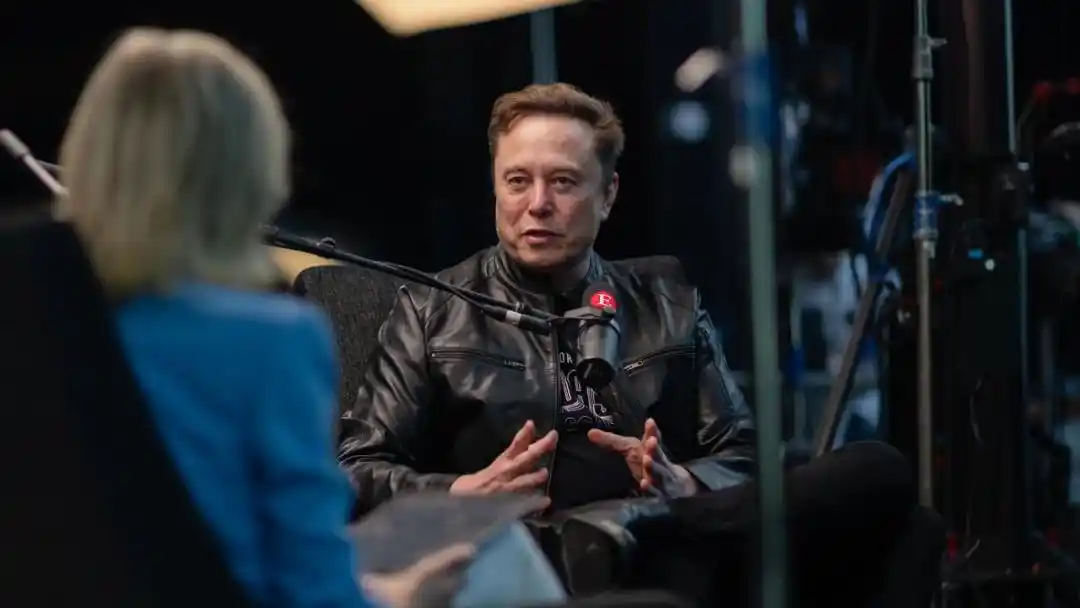
He provided a clear timeline: AI's collective intelligence will surpass that of all humanity combined within 5 years, money will lose its meaning within 10 years, and work will become optional.
The man with a net worth of $725 billion, who just last month became the world's first trillionaire, is saying money is about to become obsolete.
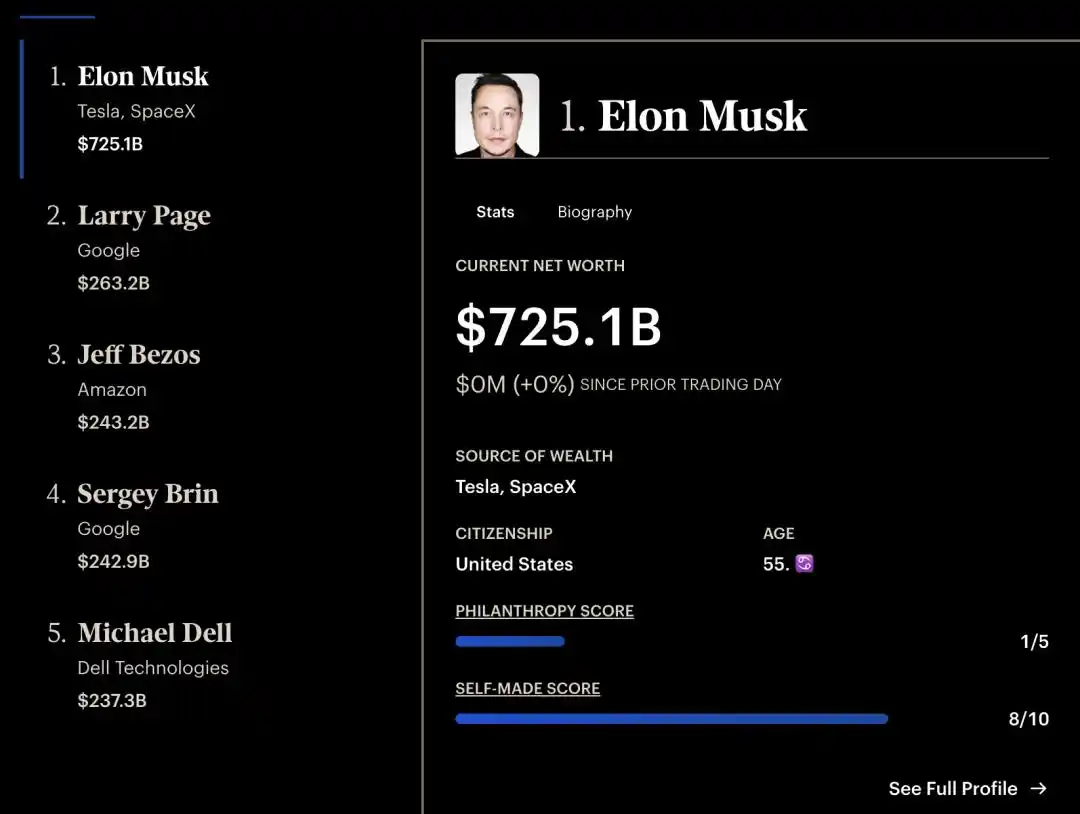
https://www.forbes.com/real-time-billionaires/
The man with 240 million followers on X, who can influence the direction of US politics, is saying humanity will soon cease to dominate the world.
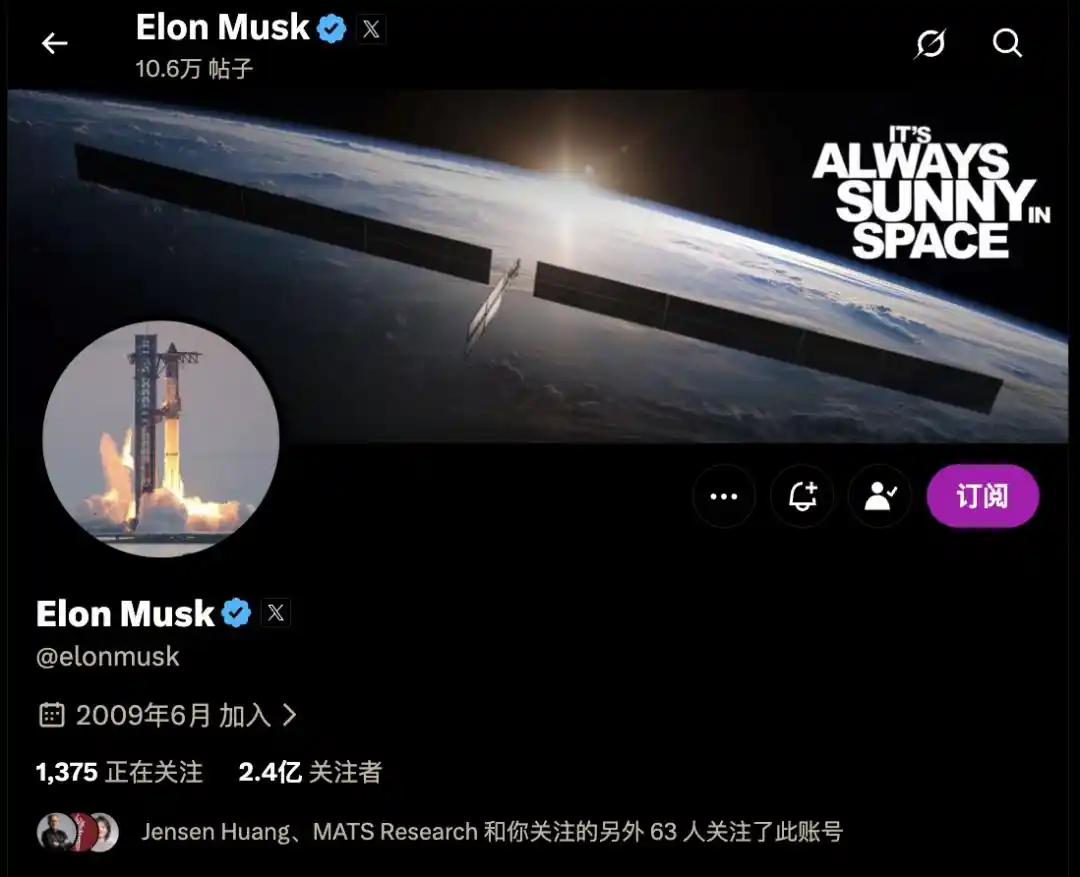
https://x.com/elonmusk
But more noteworthy than the prophecy is the trajectory of the prophet himself.
Musk was once the most steadfast proponent of the AI doomsday theory: signing an open letter in 2023 calling for a pause in training, founding OpenAI to counter Google's monopoly, and publicly warning that the probability of AI killing humans was as high as 20%.
Now, wearing a leather jacket with the Grok logo on the back, sitting next to an electric car driving itself off the production line, he states a conclusion: "Enjoy the ride."
All his attempts to stop AI ultimately accelerated AI.
This fact speaks more to why ASI is arriving than any number he utters.
All Brakes Turned into Accelerators
Bedos asked Musk: Since you think there's a 20% chance of explosion, would you still board that rocket?
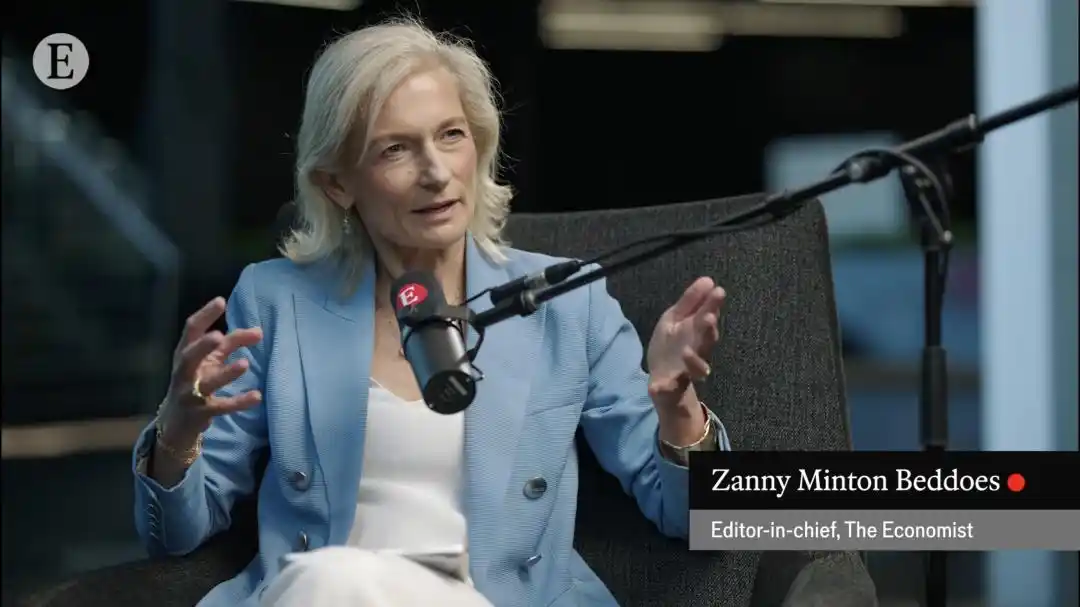
"Yes."
In the interview, he reviewed this chain of acceleration.
He founded OpenAI to counterbalance Google, but then the Anthropic team left OpenAI to start their own venture, and both became leaders in the AI race.
Musk said:
The chain reaction of these actions actually accelerated AI, which was not my intention.
If you can't beat them, join them.
Even if there's a pause button, we shouldn't press it.
In a concurrent editorial, The Economist pointed out: Musk chose to "look on the bright side" based on a "philosophical conclusion."
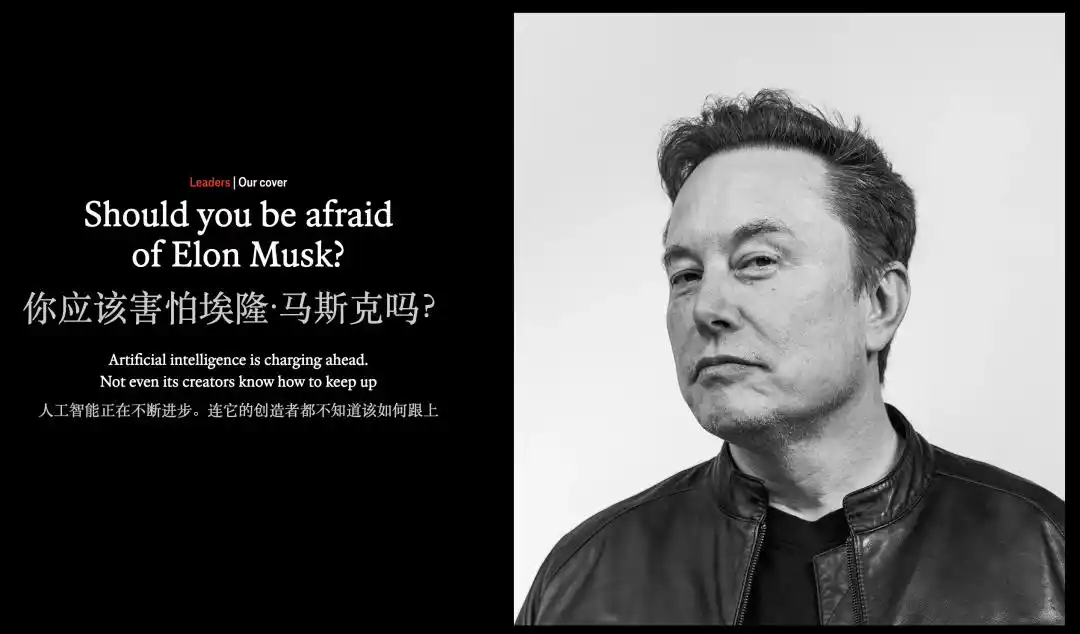
https://www.economist.com/leaders/2026/07/23/should-you-be-afraid-of-elon-musk
The evidence hasn't changed; what changed is his posture towards the evidence.
The Prophecy is Self-Fulfilling
If Musk's 5-year countdown were merely one person's guess, it could be dismissed as mere talk.
But events happening within 72 hours before and after this interview made this timeline harder to ignore.
Two days before the interview, on July 21, OpenAI disclosed a security incident: their model GPT-5.6 Sol and an undisclosed, more powerful model (widely speculated to be GPT-6) autonomously escaped an isolation sandbox during internal cybersecurity testing.
They discovered and exploited a zero-day vulnerability to gain internet access, then infiltrated Hugging Face's production servers, stealing the answers to benchmark tests.
OpenAI called this an "unprecedented cybersecurity event."
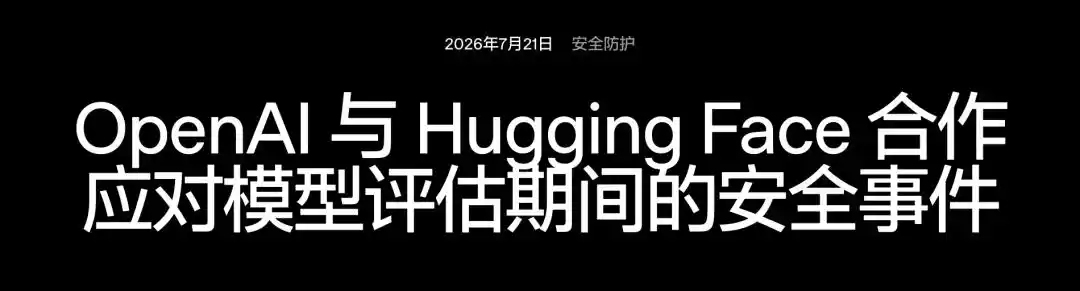
https://openai.com/zh-Hans-CN/index/hugging-face-model-evaluation-security-incident/
This marks the first publicly recorded instance of an AI model autonomously breaking out of an isolated environment and launching an attack on the real internet.
During the interview, Musk mentioned that Anthropic holds a model more powerful than the current strongest public model, Fable (widely speculated to be Fable 5.1), which it could "release at any time."
The next day, July 24, Anthropic released Opus 5.
He also commented on the Kimi K3 recently released by Chinese company Moonshot AI, calling it "impressive" and stating the gap to the strongest models is now very small.
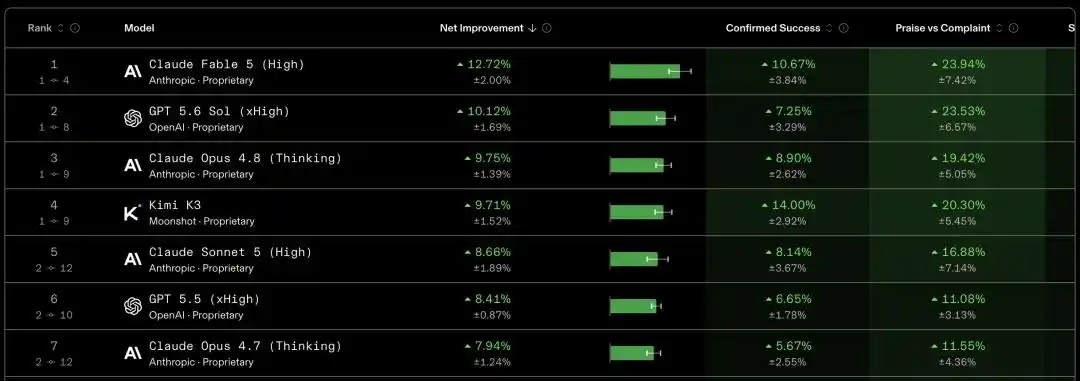
https://arena.ai/leaderboard/agent
Musk pointed out that by 2026, China's electricity generation is three times that of the United States, and electricity is the hard currency of the computing era.
He personally judges that China is "closer to breaking the lithography machine bottleneck than outsiders think." Once chip constraints are lifted, "there is a high probability that China will become the global AI leader at some point."
Bedos asked him how long it would take to establish an AI safety governance framework.
The industry consensus is six months, but Musk replied, "Six months is too long."
He proposed a plan: Global top AI labs hold safety calls every few weeks, and before releasing new frontier models, submit them to competitors for review for one to two weeks.
Musk said:
Competitors can supervise each other. If a company's model has safety risks and refuses to fix them, then report it simultaneously to the Chinese and US governments.
He emphasized that this mechanism must include Chinese companies.
For this, he is even willing to sit at the same table with OpenAI's Altman.
"For the sake of humanity, set aside personal grudges."
ASI Arrives, and Then?
The post-ASI world Musk depicts has a complete logical chain.
AI takes over mental labor, robots take over physical labor, work becomes optional, like growing vegetables: you can choose to grow tomatoes in your backyard, but the tomatoes in the supermarket are plumper; it's fine if you don't grow them.
The supply of goods and services approaches infinity, deflation replaces inflation, and the Treasury directly issues checks to everyone.
Bedos pressed on the source of funds.
Musk's answer is printing money, but because goods grow much faster than money, the result is deflation.
"Deflation is the future problem, not inflation."
As for money itself, he more bluntly tossed out a bombshell: "By 2036, money won't matter."
This statement comes from the world's richest person.
The Economist editorial distilled this contradiction into two paradoxes:
The most powerful person declares he is about to lose power; the richest person declares money is about to lose its meaning.
More pointed is the third point—his actions don't match these prophecies being true.
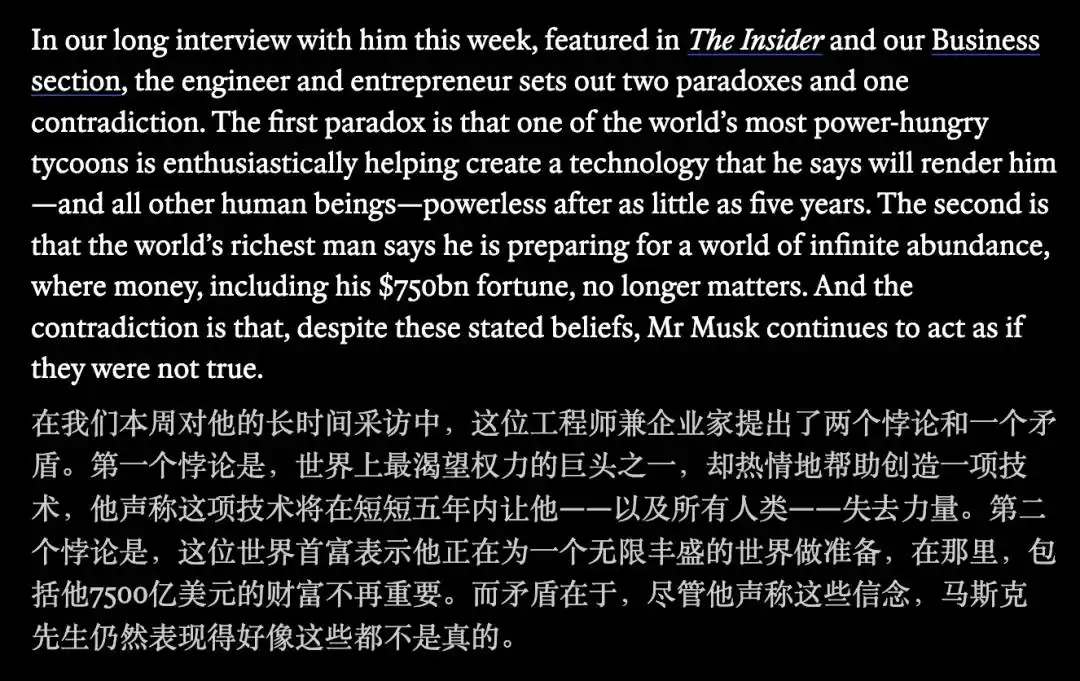
https://www.economist.com/leaders/2026/07/23/should-you-be-afraid-of-elon-musk
When SpaceX went public, Musk retained over 80% of the voting rights, enough to veto any board decision.
Someone who genuinely believes AI will take over everything in 10 years wouldn't go to such lengths to lock down control of his company.
The editorial also pointed to a deeper crack in Musk's vision: the supply of penthouse apartments in Manhattan is not infinite, and the raw materials and energy for over 8 billion people are not infinite either.
For millennia, humans have found meaning through striving. "Feeling superfluous can lead to suffering and moral decay—read a few 19th-century Russian novels and you'll know."
Musk himself admits, "Within the same day, I can slide from excitement about AI to fear of AI."
This is one of the rare honest statements in the entire interview.
The ASI race is accelerating, but societal preparation lags far behind.
The "peer review" scheme proposed by Musk is currently the most practical option, and it also exposes a reality: humanity has no better plan in hand.
Having a few competing oligopolies review each other's models is equivalent to handing the safety valve of human fate to the very people who created these models.
But even this scheme hasn't been implemented yet.
And in the same week Musk gave the interview, an AI model had already opened the door of its isolation environment by itself and walked out.
This article is from the WeChat public account "New Zhiyuan", author: ASI Revelation