When Faith Becomes a Cage: The Sunk Cost Trap in the Crypto Era

深潮2025-12-12 tarihinde yayınlandı2025-12-12 tarihinde güncellendi

Özet

In the crypto era, the "sunk cost trap" describes how past investments—whether in skills, relationships, or digital assets—can become psychological prisons that prevent people from moving on, even when they know their current path is no longer beneficial. The author reflects on personal experiences in poker and crypto, noting how early beliefs in Bitcoin and smart contracts have now materialized (e.g., Bitcoin ETFs, institutional adoption), yet many remain stuck due to emotional or financial commitments. The article categorizes crypto believers into four camps: Bitcoin-only (Green), crypto-but-not-Bitcoin (Red), both (Brown), and neither (White), each split into (a) those who still see upside and (b) those who don’t. Only true believers (e.g., Red (a)) should fully commit time and resources; others should diversify or plan exits. As crypto becomes mainstream (e.g., Robinhood using Arbitrum), opportunities may lie elsewhere (e.g., equities, AI). The key is to avoid mistaking sunk costs for future potential and to cultivate skills beyond crypto for a softer landing. Freedom requires courage to walk away from the "cave" of past investments.

Written by: Evanss6

Compiled by: AididiaoJP, Foresight News

At any point in the past, this might have been good advice when talking about cryptocurrency: hoard Bitcoin, or at least mainstream coins, do some staking, try new products with rewards, trade contracts without getting liquidated—chances are you would have made money. Behind this are two core beliefs: Bitcoin will become a more mainstream non-sovereign store of value, and smart contracts will become the infrastructure of finance.
I won’t go into detail about how these judgments have been validated, because we need to talk about this "cage." Just two facts:

Bitcoin ETFs have seen inflows of $49 billion, Ethereum ETFs have seen inflows of $4.3 billion, and more altcoin ETFs are just getting started. Michael Saylor himself has bought over $40 billion, and many companies are gradually buying in.

Robinhood just announced that it will use Arbitrum's tech stack to build an EVM chain as the backend financial infrastructure for its platform, and will also list the most popular product in cryptocurrency: perpetual contracts.

Cryptocurrency is increasingly resembling traditional finance. It’s being bought by the previous generation in brokerage accounts, promoted by Larry Fink, and used by companies like Robinhood. What many of us imagined a decade ago is coming true.

So what exactly is the "sunk cost cage"?

Simply put, it’s sticking with something because of past investments. This can appear in many places: your skills, investments you still hold, your relationships, a job you’re afraid to quit, or spending all your time on cryptocurrency.

  • "I don’t want to leave her because our past is too deep."

  • "I don’t want to change careers because I’ve spent too much time on this."

  • "I don’t want to sell Ethereum because I bought it early, and it’s been good to me."

These are all sunk cost fallacies. Not realizing you’re thinking this way is a form of self-sabotage, making you continue doing things you know deep down are no longer beneficial.

The sunk cost cage is the modern version of Plato’s allegory of the cave.
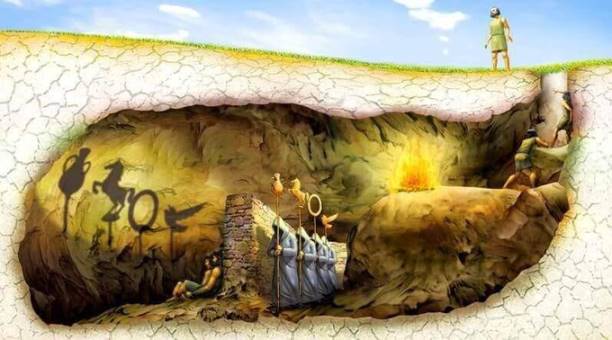
The prisoners only know the shadows on the wall, unaware of where the shadows come from or that there’s a larger world outside.

In Plato’s allegory, the prisoners stay in the cave because they mistake the shadows for reality, unaware that there is a "more real" world outside. In the modern version, we stay not out of ignorance but because we’ve invested too much in the shadows. That job that no longer fits, the career you no longer believe in, the identity built on long hours and silent endurance—these are the costs paid. The more time, education, and reputation you’ve invested, the harder it is to leave. The illusion is no longer just external; it’s internalized as responsibility, logic, and "the reasonable thing to do."

But freedom isn’t cheap. Escaping the sunk cost cage means admitting that what you’ve built may no longer serve you. Past efforts cannot justify staying. Like the prisoner turning toward the light, this requires not only courage but also betraying the part of yourself that is overly loyal to your self-investment. The hardest part isn’t seeing the truth but saying goodbye to the self that stayed too long, believed too deeply, and paid the price for the cage.

My Experience

I stayed in the cage for a long time myself.

As a teenager, I fell in love with poker. In the back row of high school classes, I was always calculating bankroll expectations in my notebook, not listening to lectures or taking notes. Within two years, I went from micro-stakes ($0.01/$0.02) to high-stakes tables. Over time, I enjoyed playing less and less, seeing it only as a way to make money, always thinking, "I’ll quit in a couple of years."

But a decade passed, and nothing changed. I was still playing, still winning, but always felt the money wasn’t enough to "do something else." Worse, I didn’t even know what else I could do, and I saw clearly: poker is a declining game, and I had to work harder and harder to keep up. But I told myself I should continue because I’d spent so much time getting good, it paid better than other options, I had no other viable path, and no time to think—staying a consistent winner in high-stakes online games was exhausting enough: studying strategy, finding good games, avoiding cheaters and shady platforms...
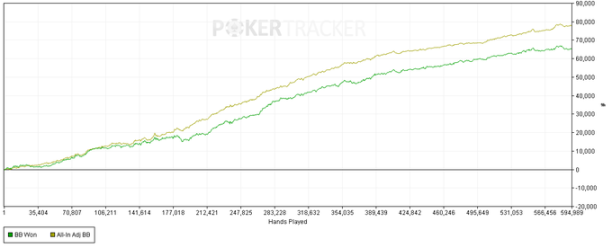
Honestly, this "can’t easily switch careers because it makes money" is a luxurious problem. But as it became harder to find better games, I knew the days were numbered.

First Encounter with Cryptocurrency

I encountered cryptocurrency early through my previous career. In 2012, I first read about Bitcoin on a poker forum called TwoPlusTwo. Back then, the Bitcoin sub-section had been open for over a year.
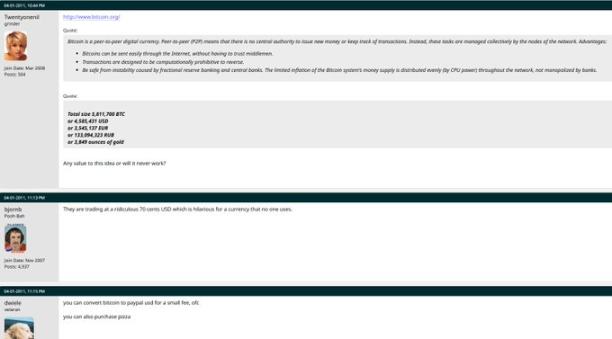
The first reply was hilarious: "This thing is worth 70 cents now? A currency no one uses can reach this price, lol." The second reply said you could actually exchange it for dollars or buy pizza—this was the early use case of what later became a $2 trillion asset. Scrolling down a few more replies:
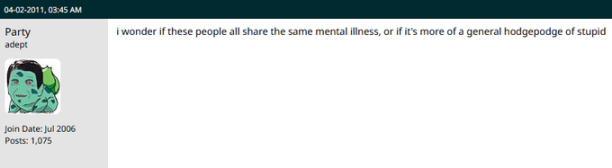
"Really missed an era." Anyway, I noticed it because some poker sites started using it. At the time, I thought its $2 billion market cap was outrageous. If it was for black/gray markets, maybe it was worth that; if it could go mainstream, its value would multiply endlessly.

By 2016-17, as my investments became substantial, I spent more and more time on cryptocurrency (especially ICOs). This diversion of time was my first step out of the cage. But it wasn’t until the rise of DeFi in 2020, when it actually became profitable, that I fully jumped in.

Back then, I knew nothing about trading and had to learn on the go. I studied economics and math in college, but my only real skill was poker. Fortunately, poker is excellent training for trading: it gives you ruthless real-time feedback on decisions, forces you to manage risk, price correctly, develop overall strategy, and builds emotional resilience and soft skills to endure bad runs—all essential for independent trading.

In the end, I’m grateful and lucky that I spent a lot of time from 2013-2019 exploring these curiosities, which put me in the best position when opportunity arose. If I’d focused more on poker those years, I might have played better, but following my intuition to create a transition/exit plan was truly fortunate.

How does this "cage" apply today?

In recent years, financial nihilism has become increasingly evident in the crypto space. More and more people no longer believe in the ideals that drew them in initially. The goal has become "making money," going all-in, grinding hard, and "exiting" once you’ve made enough.
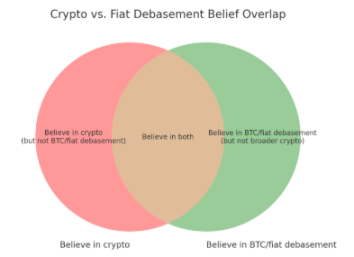
Roughly, there are four camps:

  • Green Camp (believe in Bitcoin, not other cryptocurrencies)

  • Red Camp (believe in cryptocurrency, not Bitcoin)

  • Brown Camp (believe in both)

  • White Camp (believe in neither)

Add two scenarios to each camp, and it becomes eight types:

  • (a) Believe there is still upside, worth the risk

  • (b) Believe the upside has been taken by early buyers

I think only those in 2(a) should devote all their time to cryptocurrency. If you’re in 1(b), 2(b), 3(b), or 4(b), you’re better off starting to diversify your time and make an exit plan. If you’re in 1(a) or 4(a), just hold Bitcoin and don’t pay much attention to anything else. 3(a) can hold some Bitcoin and other assets, splitting time and energy between crypto and non-crypto. If you’ve seen my account and posts, you can probably tell that I, who was mostly in 2(a) from 2015-2023, am now somewhat oscillating between 1(a), 3(a), and 3(b).

Let’s talk about the Red Camp. It’s been painful here the past few years.
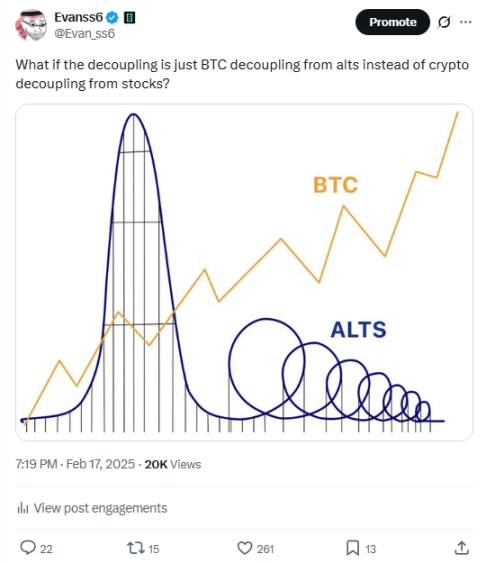
We’ve basically been in a situation where Bitcoin dominance keeps rising, even as the crypto system overall becomes more adopted. Even if you accurately predicted that Ethereum ETFs would see over $4 billion in net inflows, predicted that giants like Robinhood would use its technology, predicted that Trump would win, reform the SEC, end OCP2.0, and create a pro-crypto environment. From the day the ETFs launched, your Ethereum investment is still down. And today, Ethereum is around $2,600—2015 investors are up 2,000 to 8,600 times.

So the Answer

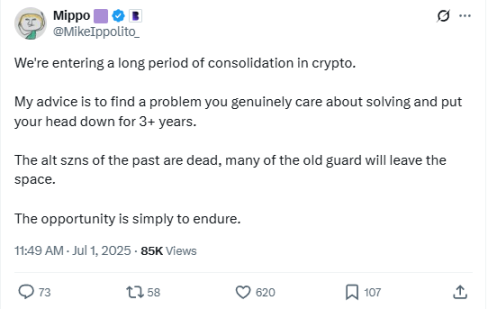
I doubt whether "enduring," as Mippo said in the tweet at the beginning of this article, is really the right path or the biggest opportunity. Everything you dreamed of has either already happened or is on its way. In 2017, if Robinhood announced building on Ethereum, the price would have jumped 10% immediately, but now it’s different. The move now is to buy HOOD stock. I believe there are still opportunities in crypto, but the trend of opportunities being captured by non-crypto assets (stocks) or insiders (teams/private investors—look at Celestia Finance) isn’t friendly to dreamers. If you really want to "endure," you need to invest early in these projects or build them yourself. So Mippo isn’t wrong; solving real problems in crypto is still an opportunity. But don’t assume that just because crypto technology is being adopted, current coin prices will necessarily rise (especially compared to other assets you could invest in).

Unless you’re a true Red Camp diehard 2(a), "enduring" is choosing to stay in the cave watching shadows on the wall while people outside are working on AI and robots.

You’d better ask yourself honestly: Which camp are you in? Do you even like cryptocurrency? Regardless, try to develop some skills that are useful elsewhere, so if it doesn’t work out, you have a fallback. At the very least, you won’t be unhappy spending all your time on something you’re already tired of. And if you’re wrong, you have a soft landing place.

The door of the sunk cost cage isn’t locked; what traps you is your own thoughts. All you need to do is open the door from time to time and walk out. Life is beautiful, and the world is full of possibilities.


İlgili Sorular

QWhat is the 'sunk cost trap' in the context of the crypto era, as described in the article?

AThe 'sunk cost trap' refers to the tendency to persist with an endeavor, such as investing in or working within the cryptocurrency space, primarily because of the significant time, money, or effort already invested in the past, even when it may no longer be the best or most beneficial path forward.

QAccording to the author, what are the two core beliefs that underpinned the common crypto advice of 'HODLing' Bitcoin or major altcoins?

AThe two core beliefs were that Bitcoin would become a more mainstream non-sovereign store of value and that smart contracts would become the foundational infrastructure for finance.

QHow does the author relate the 'sunk cost trap' to Plato's Allegory of the Cave?

AThe author describes the 'sunk cost trap' as a modern version of the allegory. In the original, prisoners stay in the cave because they mistake shadows for reality. In the modern version, people stay (e.g., in a job or investment) not out of ignorance, but because they have invested too much in the 'shadows'—the past efforts, time, and identity built around that pursuit, making it difficult to leave.

QBased on the author's framework, which group of people should dedicate all their time to cryptocurrency?

AAccording to the author's framework, only those in group 2(a)—people who believe in crypto (but not Bitcoin) AND believe there is still significant upside potential and it's worth the risk—should put all their time into cryptocurrency.

QWhat advice does the author give to someone who might be in a 'sunk cost cage' within crypto?

AThe author advises individuals to honestly assess which of the four camps (Green, Red, Brown, White) and two sub-categories (a or b) they fall into. They should consider developing skills transferable outside of crypto to have a 'soft landing' and an exit plan. The key is to recognize that the cage door isn't locked and that one can choose to walk away from a path that is no longer fulfilling or beneficial.

İlgili Okumalar

USDC Begins Nested Issuance, Coinbase Launches Custom Stablecoin Branding Service

Coinbase has launched its "Custom Stablecoins" platform, enabling businesses to offer branded stablecoins. The first client is Flipcash, a social payments app, which has introduced USDF. USDF is a Solana-based stablecoin, pegged 1:1 to USDC, and is designed to serve as a stable pricing and settlement unit for Flipcash's user-created community currencies. This move shifts the focus of stablecoins from being standalone assets or investment products to becoming embedded payment and settlement components within broader applications. For businesses like Flipcash, the core need is not to become a stablecoin issuer, but to integrate stable, reliable digital cash functionality—handling pricing, payments, and settlements—without managing the complex underlying infrastructure of issuance, reserves, on-chain contracts, fiat on-ramps, and compliance. Coinbase's platform provides this infrastructure as a service, positioning the exchange as a stablecoin infrastructure provider. While USDC remains the foundational reserve asset, the branded token (e.g., USDF) offers applications a tailored, user-facing financial tool. This development highlights a potential path for stablecoins to become ubiquitous backend utilities in social, gaming, and e-commerce applications, though it also brings significant regulatory and operational complexities associated with handling real user funds.

链捕手1 saat önce

USDC Begins Nested Issuance, Coinbase Launches Custom Stablecoin Branding Service

链捕手1 saat önce

Detained for 37 Days: The First Wave of People Who Got Rich from 'AI Gateways' Are Starting to Go to Jail

A prominent AI proxy service operator was reportedly detained for 37 days and is now on bail pending trial, highlighting the legal risks in China's booming but unregulated AI intermediary market. These services act as "AI scalpers," providing domestic users with access to restricted overseas models (like OpenAI, Claude) by bundling APIs, handling payments, and bypassing network blocks, all for a fee. Their controversial profitability stems from practices like bulk-registering accounts to resell free credits, exploiting refund policies, overcharging for tokens, substituting cheaper models, and illegally selling user conversation data. Major figures, including cryptocurrency entrepreneurs, are now entering this space. Legally, these operations face severe risks. Their core model often involves unauthorized API access and operating without required telecom licenses, potentially constituting illegal business operations. They fail to meet data security obligations for the vast amounts of user data they process, risking charges for failing to fulfill network security duties. Crucially, the unauthorized collection and sale of user data, which can include personal and commercial secrets, easily meets the threshold for the crime of infringing on personal information. The case underscores a critical juncture for the AI industry. While proxies lower access barriers, they expose user data to unsecured middlemen and undermine the business models of AI developers, forcing them to divert resources to security and distorting market value perceptions. The article argues that the industry's sustainable future depends on building trust, protecting data, and fostering compliant competition, moving away from its current "wild growth" phase.

marsbit1 saat önce

Detained for 37 Days: The First Wave of People Who Got Rich from 'AI Gateways' Are Starting to Go to Jail

marsbit1 saat önce

Putting Markets On-Chain: Canton Network Quietly Becomes the New Backbone of Institutional Finance

**Title: Letting the Market Itself Go On-Chain: Canton Network Quietly Becomes the New Backbone for Institutional Finance** **Summary:** The Canton Network, a blockchain platform designed for institutional finance, is gaining significant traction. A key sign of its maturity was Visa's recent entry as a super-validator, a proposal approved in just three days—highlighting prior, extensive collaboration between traditional finance and crypto. Unlike public chains like Ethereum that prioritize transparency and asset onboarding, Canton focuses on enabling confidential, compliant business operations for regulated institutions. Its core design features built-in **data visibility control**, meaning transaction details are only shared between direct counterparties. This privacy is fundamental, allowing competing institutions (like banks Goldman Sachs, JPMorgan, and BNP Paribas, all validators) to interact on the same network without exposing sensitive positions or strategies. Developed by Wall Street veterans at Digital Asset, Canton has taken a slow, deliberate approach to onboard real financial activity. It now handles over **$9 trillion monthly** in transaction volume, primarily from real-world institutional use cases like **tokenized repo agreements**, Treasury settlements, and collateral mobility. Major live applications include **JPM Coin** for institutional payments and **DTCC's tokenized U.S. Treasuries** project. Canton's native token, **CC**, is framed as a "network utility asset" with zero pre-mine or VC allocations. Its value is intended to be driven by the volume of real financial activity on the network. Looking ahead, Canton aims to become the invisible foundational layer for global finance—enabling atomic settlement (where payment and asset delivery occur simultaneously), 24/7 capital flows, and the native issuance and settlement of various asset classes, from corporate bonds to potentially equities. The main challenges are no longer technical but involve navigating fragmented global regulations and integrating with legacy financial systems.

marsbit2 saat önce

Putting Markets On-Chain: Canton Network Quietly Becomes the New Backbone of Institutional Finance

marsbit2 saat önce

İşlemler

Spot
Futures

Popüler Makaleler

HPP Nasıl Satın Alınır

HTX.com’a hoş geldiniz! House Party Protocol (HPP) satın alma işlemlerini basit ve kullanışlı bir hâle getirdik. Adım adım açıkladığımız rehberimizi takip ederek kripto yolculuğunuza başlayın. 1. Adım: HTX Hesabınızı OluşturunHTX'te ücretsiz bir hesap açmak için e-posta adresinizi veya telefon numaranızı kullanın. Sorunsuzca kaydolun ve tüm özelliklerin kilidini açın. Hesabımı Aç2. Adım: Kripto Satın Al Bölümüne Gidin ve Ödeme Yönteminizi SeçinKredi/Banka Kartı: Visa veya Mastercard'ınızı kullanarak anında House Party Protocol (HPP) satın alın.Bakiye: Sorunsuz bir şekilde işlem yapmak için HTX hesap bakiyenizdeki fonları kullanın.Üçüncü Taraflar: Kullanımı kolaylaştırmak için Google Pay ve Apple Pay gibi popüler ödeme yöntemlerini ekledik.P2P: HTX'teki diğer kullanıcılarla doğrudan işlem yapın.Borsa Dışı (OTC): Yatırımcılar için kişiye özel hizmetler ve rekabetçi döviz kurları sunuyoruz.3. Adım: House Party Protocol (HPP) Varlıklarınızı SaklayınHouse Party Protocol (HPP) satın aldıktan sonra HTX hesabınızda saklayın. Alternatif olarak, blok zinciri transferi yoluyla başka bir yere gönderebilir veya diğer kripto para birimlerini takas etmek için kullanabilirsiniz.4. Adım: House Party Protocol (HPP) Varlıklarınızla İşlem YapınHTX'in spot piyasasında House Party Protocol (HPP) ile kolayca işlemler yapın.Hesabınıza erişin, işlem çiftinizi seçin, işlemlerinizi gerçekleştirin ve gerçek zamanlı olarak izleyin. Hem yeni başlayanlar hem de deneyimli yatırımcılar için kullanıcı dostu bir deneyim sunuyoruz.

170 Toplam GörüntülenmeYayınlanma 2026.04.29Güncellenme 2026.04.29

HPP Nasıl Satın Alınır

GENIUS Nedir

I. Proje Tanıtımı1. Genius Nedir?Genius (GENIUS), “nihai on-chain terminal” olarak konumlandırılan, gizlilik ve hız odaklı merkeziyetsiz bir ticaret platformudur. En üst düzey gizlilik teknolojilerini entegre ederek, BNB Chain gibi ağlar üzerinde, kullanıcıların merkezi borsalara benzer kesintisiz bir deneyimle on-chain etkileşimde bulunmalarını sağlayacak bir sonraki nesil gizlilik ticaret altyapısını inşa etmeyi hedeflemektedir.2. Genius Nasıl Çalışır?Genius'un temel teknik mimarisi şu şekilde yapılandırılmıştır:(1) Zincir-görünmez: Kullanıcıların, çapraz zincir işlemleri, varlık sarmalama veya karmaşık gaz yönetimi için çok adımlı onayları manuel olarak yönetmelerine gerek yoktur.(2) İmzasız Ticaret: Turnkey gibi entegrasyonlar aracılığıyla, Genius, pop-up onayları veya işlem başına yetkilendirme olmadan anlık ticareti mümkün kılar.(3) Agregatörlerin Agregatörü: Genius, 150'den fazla DEX ile entegre edilmiş en iyi sınıf bir agregasyon yığını ile desteklenmektedir ve rakip ürünlere kıyasla üstün teklif verimliliği iddia etmektedir.(4) Hesap Yönetimi: Platform, saklama dışı bir mimari benimsemekte ve anahtar yönetimi için Turnkey ve Lit Protocol'ü kullanarak, kullanıcıların hesaplarına güvenli bir şekilde geçiş anahtarları aracılığıyla erişmelerini sağlamaktadır.3. Genius'u Kim Yarattı?Resmi Hizmet Şartlarına göre, Genius, Shuttle Labs, Inc. tarafından geliştirilmiştir. Projenin resmi X hesabına göre, Ryan Myher, Ghost protokolünün piyasaya sürülmesi gibi ürün iterasyonunu yönlendiren ana katkı sağlayıcılardan biridir ve daha geniş topluluk katılımını sağlamaktadır.Binance kurucusu CZ, ekibin daha hızlı ve gizliliği koruyan bir on-chain ticaret deneyimi inşa etmesine yardımcı olmak amacıyla resmi olarak projeye danışman olarak katılmıştır.Ayrıca, proje, Genius ve Genius Bridge Protocol (GBP) temelini korumaktan sorumlu Genius Vakfı ile birlikte çalışan YZi Labs'dan güçlü destek almıştır.4. Genius TokenomisiGENIUS, Genius ekosisteminin yerel token'ıdır. Şu anda, proje tam bir tokenomi belgesi yayınlamamıştır.Son resmi açıklamalara göre, Genius, deflasyonist bir mekanizma içermekte ve toplam token arzının %4.6'sı, erken lansman aşamasında zaten yakılmıştır.Genius Puanları (GP) Sistemi:(1) Ticaretle Kazan: Platform, 200 milyon Genius Puanı ödül havuzu oluşturmuş ve kullanıcılar terminal aracılığıyla gerçekleştirilen her ticaret için GP kazanmaktadır.(2) Seviye ve Rozetler: Genius, Akıllı'dan Tanrı'ya kadar uzanan bir ilerleme tabanlı rozet sistemi sunmakta olup, daha yüksek seviyeler ek avantajlar ve faydalar sunmaktadır.(3) Yerel Getiri: Gösterge panelinde usdGG gibi belirlenen varlıklara sahip kullanıcılar, karmaşık staking süreçlerine girmeden doğrudan yerel getiri kazanabilirler.(4) Yönlendirme Teşvikleri: Yönlendirenler, USDC cinsinden %45'ten fazla ücret iadesi kazanabilir ve ek GP alabilirler.5. Zaman Çizelgesi & Ana Dönüm NoktalarıMart 2020: Projenin resmi X hesabı oluşturuldu ve erken hazırlık aşamasının başlangıcını işaret etti.13 Ocak 2026: Genius, YZi Labs'tan çok milyon dolarlık bir yatırım aldığını duyurdu ve aynı zamanda gizlilik ticaret altyapısının inşasını hızlandırmak için CZ'yi danışman olarak onayladı.18 Nisan 2026: Proje, Ghost gizlilik protokolünün yakında piyasaya sürüleceğini duyurdu.29 Nisan 2026: Ghost protokolü, ilk 50 testçisine resmi olarak açıldı ve BNB Chain'de gizlilik ticareti için yeni bir dönemin başlangıcını işaret etti. Aynı zamanda, ekip %4.6'lık token'ın yakıldığını doğruladı.​II. Token Bilgileri1) Temel BilgilerToken adı: GENIUS (Genius)III. İlgili BağlantılarWeb sitesi:https://www.tradegenius.com/homeKeşif Araçları:https://bscscan.com/address/0x1f12b85aac097e43aa1555b2881e98a51090e9a6Sosyal Medya:https://x.com/GeniusTerminalNot: Proje tanıtımı, resmi proje ekibi tarafından yayınlanan veya sağlanan materyallerden gelmektedir ve yalnızca referans amaçlıdır, yatırım tavsiyesi niteliğinde değildir. HTX, herhangi bir doğrudan veya dolaylı kayıptan sorumluluk kabul etmemektedir.

287 Toplam GörüntülenmeYayınlanma 2026.04.29Güncellenme 2026.05.12

GENIUS Nedir

GENIUS Nasıl Satın Alınır

HTX.com’a hoş geldiniz! Genius (GENIUS) satın alma işlemlerini basit ve kullanışlı bir hâle getirdik. Adım adım açıkladığımız rehberimizi takip ederek kripto yolculuğunuza başlayın. 1. Adım: HTX Hesabınızı OluşturunHTX'te ücretsiz bir hesap açmak için e-posta adresinizi veya telefon numaranızı kullanın. Sorunsuzca kaydolun ve tüm özelliklerin kilidini açın. Hesabımı Aç2. Adım: Kripto Satın Al Bölümüne Gidin ve Ödeme Yönteminizi SeçinKredi/Banka Kartı: Visa veya Mastercard'ınızı kullanarak anında Genius (GENIUS) satın alın.Bakiye: Sorunsuz bir şekilde işlem yapmak için HTX hesap bakiyenizdeki fonları kullanın.Üçüncü Taraflar: Kullanımı kolaylaştırmak için Google Pay ve Apple Pay gibi popüler ödeme yöntemlerini ekledik.P2P: HTX'teki diğer kullanıcılarla doğrudan işlem yapın.Borsa Dışı (OTC): Yatırımcılar için kişiye özel hizmetler ve rekabetçi döviz kurları sunuyoruz.3. Adım: Genius (GENIUS) Varlıklarınızı SaklayınGenius (GENIUS) satın aldıktan sonra HTX hesabınızda saklayın. Alternatif olarak, blok zinciri transferi yoluyla başka bir yere gönderebilir veya diğer kripto para birimlerini takas etmek için kullanabilirsiniz.4. Adım: Genius (GENIUS) Varlıklarınızla İşlem YapınHTX'in spot piyasasında Genius (GENIUS) ile kolayca işlemler yapın.Hesabınıza erişin, işlem çiftinizi seçin, işlemlerinizi gerçekleştirin ve gerçek zamanlı olarak izleyin. Hem yeni başlayanlar hem de deneyimli yatırımcılar için kullanıcı dostu bir deneyim sunuyoruz.

226 Toplam GörüntülenmeYayınlanma 2026.04.29Güncellenme 2026.05.12

GENIUS Nasıl Satın Alınır

Tartışmalar

HTX Topluluğuna hoş geldiniz. Burada, en son platform gelişmeleri hakkında bilgi sahibi olabilir ve profesyonel piyasa görüşlerine erişebilirsiniz. Kullanıcıların A (A) fiyatı hakkındaki görüşleri aşağıda sunulmaktadır.

活动图片