Morningstar Valuates SpaceX at Only $780B, Less Than Half of IPO Target, 'Largest IPO Ever' Overpriced?

marsbit2026-06-03 tarihinde yayınlandı2026-06-03 tarihinde güncellendi

Özet

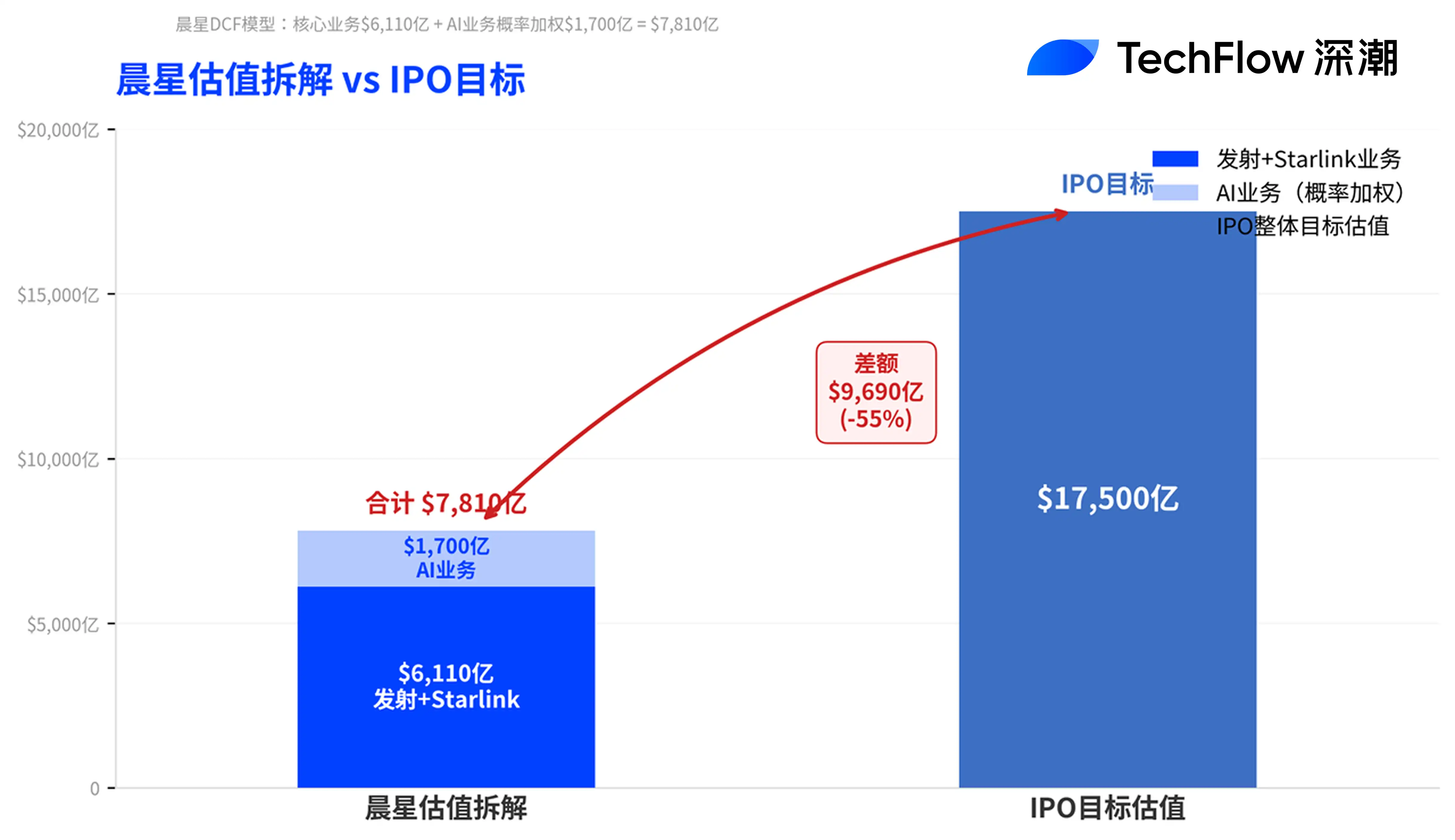
Morningstar values SpaceX at $780 billion ahead of its IPO, far below the company's $1.75 trillion target. The research firm's DCF model values the core launch and Starlink businesses at $611 billion and assigns only a $170 billion probability-weighted valuation to the AI segment (including xAI). Analyst Nicolas Owens calls the company "severely overvalued," citing a near-100x price-to-sales ratio based on 2025 revenue. Despite the bearish long-term view, Morningstar acknowledges short-term price support from low float and potential rapid inclusion in the Nasdaq 100. The IPO is set for June 12, featuring an unusual tiered lock-up expiration that could create selling pressure over time.

Author: Claude, Deep Tide TechFlow

Deep Tide Guide:SpaceX's roadshow kicks off this week, but Morningstar has already poured cold water. The research firm values it at a fair value of $780 billion using a DCF model, only 45% of SpaceX's target valuation of $1.75 trillion, with the analyst bluntly stating "the company is severely overvalued." Morningstar values the core launch and Starlink businesses at $611 billion, with xAI-related AI business receiving only a $170 billion probability-weighted valuation. However, Morningstar also admits that with extremely low float and the Nasdaq 100's rapid inclusion mechanism, SpaceX's stock price may still rise in the short term.

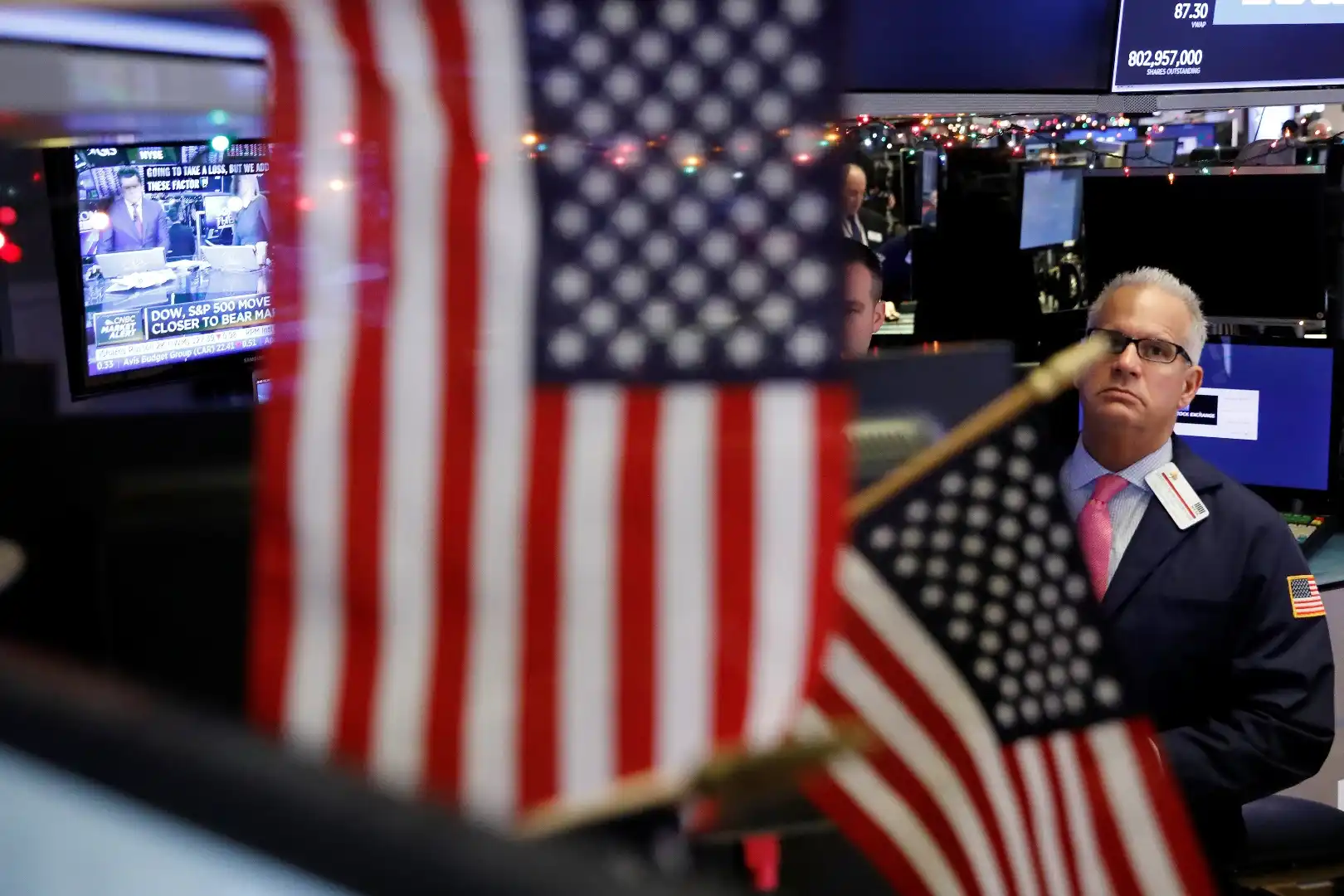
SpaceX is about to welcome what could be the largest IPO ever, and one of Wall Street's most well-known independent research firms just threw a bucket of cold water on it.

According to a Reuters report on June 2, Morningstar, just before SpaceX's planned roadshow launch this week, initiated research coverage on the company for the first time, providing a fair value estimate of $780 billion. This is nearly a 50% discount to SpaceX's most recent secondary market valuation of $1.53 trillion on the Forge Global platform and only about 45% of its $1.75 trillion IPO target valuation.

Morningstar equity analyst Nicolas Owens's judgment was unequivocal: "We believe the company is severely overvalued, and investors will have the opportunity to buy at a more attractive price after the IPO."
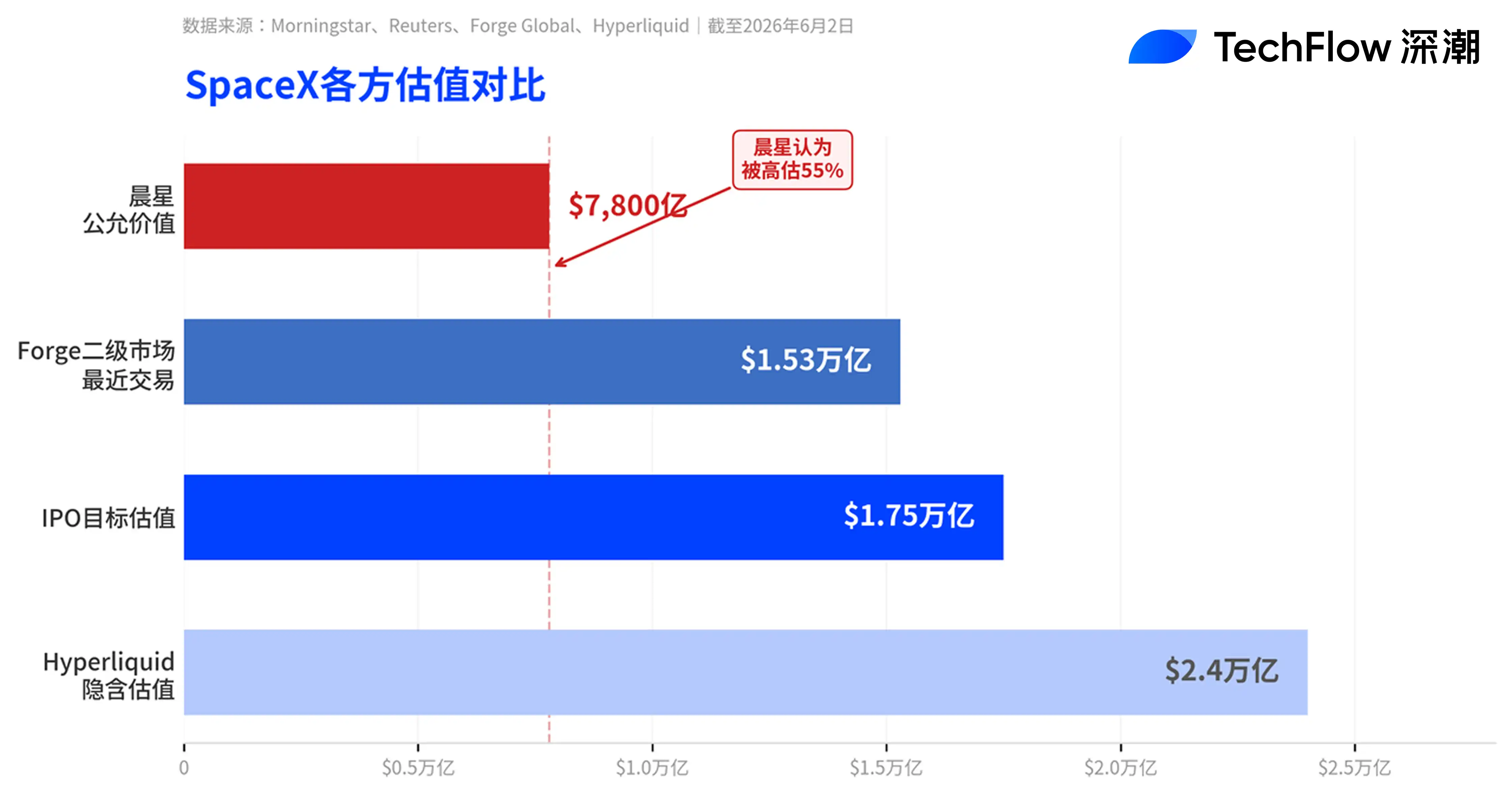
Where Does $780B Come From: Launch+Starlink Worth $611B, AI Worth Only $170B

Morningstar's valuation breakdown reveals the core of the disagreement.

Owens's DCF model values SpaceX's core launch business and Starlink satellite broadband business together at approximately $611 billion in enterprise value, with an additional probability-weighted valuation of about $170 billion for the AI business (including xAI and social media platform X). Morningstar gives SpaceX a "Narrow Moat" rating, citing its cost advantage in reusable rockets and Starlink's scale effects, but believes the recently acquired AI business drags down the overall rating.

Regarding the AI business specifically, Morningstar modeled three scenarios: the most optimistic "moonshot" scenario values it at $1.3 trillion but is assigned only a 7% probability; the most pessimistic "unviable" scenario would destroy over $81 billion in value and is assigned a 43% probability. Owens wrote: "We do not regard Grok as one of today's leading AI labs." He also warned that the future prospects of SpaceX's AI business rely on unproven technologies like orbital data centers.

Starlink's fundamentals are relatively solid. According to S-1 filing disclosures, Starlink's 2025 revenue grew 50% year-over-year to $11.3 billion, with operating profit exceeding $4.4 billion. The user base has surpassed 10 million, making it SpaceX's only profitable business segment currently. Yet, even with that, based on the $1.75 trillion valuation, SpaceX's estimated total 2025 revenue of around $18.7 billion implies a price-to-sales ratio nearing 100.

Musk's Retort from Afar: 'You shall see'

Faced with valuation doubts, Musk chose to respond with Tesla's history. He posted on platform X early Tuesday: "Tesla's IPO market cap was only 0.1% of its current value." When a user pressed him on how to defend a valuation with over 50x price-to-sales, Musk replied with just three words: "You shall see."

But the validity of the analogy is questionable. According to Yahoo Finance, Tesla's current market cap is about $1.3 trillion, with a price-to-sales ratio of about 15.7x and a P/E nearing 400. Even by Tesla's already expensive valuation standards, SpaceX seeking a higher market cap with significantly lower revenue presents a much higher pricing hurdle.

NYU Stern professor Scott Galloway's podcast co-host Ed Elson used sharper language. As cited by Motley Fool, he described SpaceX's IPO filing documents in an article as "non-serious, empty, full of illusions, bordering on dishonest."

Staged Unlock + Nasdaq Rapid Inclusion: Short-term Rise Followed by Potential Decline

Despite its bearish valuation, Morningstar also acknowledged that SpaceX's stock price may still rise in the short term after the IPO. The logic is threefold: extremely low initial float (only about 3% of shares publicly offered), robust investor demand for AI infrastructure plays, and the Nasdaq 100 index's fast-track inclusion mechanism.

According to CNBC, new Nasdaq rules introduced on May 1 allow mega-cap new listings to be included in the Nasdaq 100 index after just 15 trading days post-IPO, a condition SpaceX fully meets based on its expected valuation. Upon inclusion, all passive funds tracking the index will be forced to buy, creating a wave of short-term index inclusion buying pressure.
However, mid-term selling pressure is also a concern. SpaceX has adopted an unconventional staged lock-up release structure: after the company releases its first quarterly report post-IPO (covering April to June), insiders can sell up to 20% of their locked shares; if the stock price has risen over 30% from the IPO price by then, an additional 10% can be unlocked. Subsequently, at days 70, 90, 105, 120, and 135, an additional 7% unlocks each time. After the Q3 earnings release, another 28% unlocks, with the remainder fully unlocked 180 days after the IPO. Musk himself is subject to a 366-day lock-up.

According to the S-1/A filing, SpaceX has also reserved up to 5% of IPO shares for designated employees and executives, and these holders are not subject to standard lock-up restrictions. Motley Fool analysis suggests investors need not rush to buy on the first IPO day; waiting until all unlock provisions expire and index inclusion is complete might be wiser.

$20B Bridge Loan and Governance Risks

Morningstar also flagged two structural risks.

First, debt accumulated by SpaceX in recent years is mainly related to AI infrastructure investments, with $20 billion in the form of a bridge loan maturing 15 months after the IPO, posing refinancing risk. Morningstar expects the company to raise $50-$80 billion through the IPO, with part of the proceeds used to repay this loan.

Second is corporate governance issues. Musk holds about 85% of voting rights through a dual-class share structure. Additionally, the $250 billion acquisition of xAI earlier this year was not an arm's-length transaction. This related-party deal boosted SpaceX's valuation from around $1.5 trillion to the IPO target level, but the AI business itself has not yet proven its economic viability.

SpaceX plans to launch its roadshow during the week of June 8, price on June 11, and list on Nasdaq under the ticker SPCX on June 12. This will be the largest IPO in history and could also be one with the most significant bullish-bearish divergence in recent years.
İlgili Okumalar

After Marvell's 32% Surge, the Chinese Chip Family Behind It Emerges

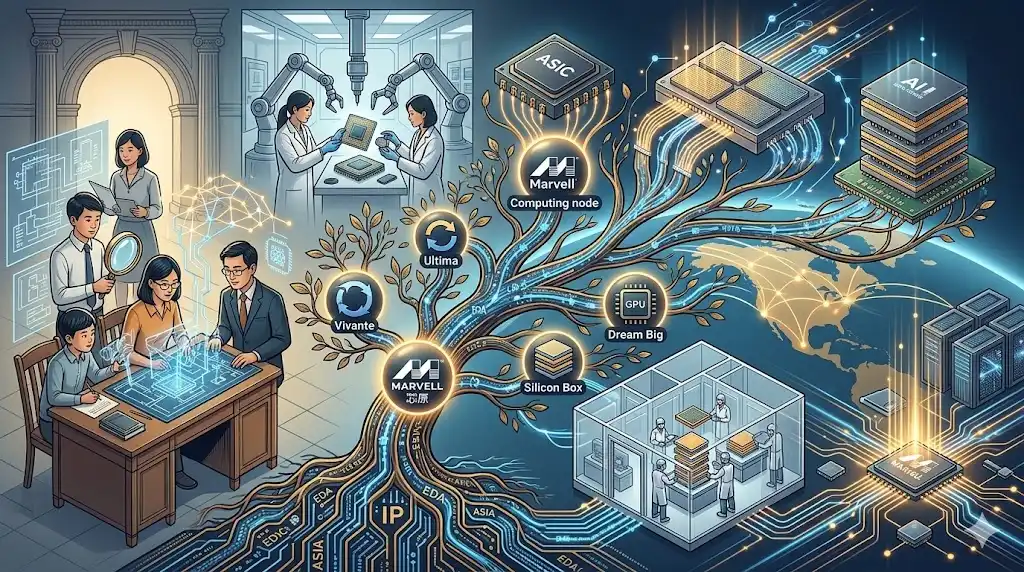
The stock price of Marvell Technology surged 32.5% on June 2nd, driven by NVIDIA CEO Jensen Huang highlighting its custom ASICs and optical interconnects as core to AI data center architecture. This event brought attention to the Chinese semiconductor family behind Marvell: the Dai siblings. The story centers on three siblings, all UC Berkeley graduates, whose three-decade entrepreneurial journey aligns with major semiconductor industry shifts. In 1995, youngest sister Dai Wei Li co-founded Marvell with her husband Sehat Sutardja and his brother, focusing on storage controllers. Eldest brother Dai Wei Min founded EDA company Ultima, later sold to Cadence, and later founded VeriSilicon (芯原) in China, becoming a leading semiconductor IP provider. Second brother Dai Wei Jin co-founded EDA firm Silicon Perspective (sold to Cadence) and GPU IP company Vivante, later acquired by VeriSilicon. The combined "Dai-Sutardja" family network extends beyond Marvell. Their ventures and investments form a comprehensive ecosystem for the post-Moore's Law, chiplet era. Key holdings include: Dream Big Semiconductor (AI SuperNICs, acquired by Arm), Alphawave (high-speed SerDes IP, acquired by Qualcomm), and Silicon Box (a chiplet advanced packaging foundry). VeriSilicon itself thrives on the AI ASIC and IP boom in China. Collectively, the family's AI infrastructure-related portfolio is estimated at over $22 billion. Their strategy represents a distinct path: building critical components for open standards and key manufacturing capacity in the chiplet era, rather than pursuing standalone AI chip dominance. While this path may not create the next NVIDIA, it has enabled repeated successful exits and sustained influence within the global semiconductor industry.

marsbit43 dk önce

After Marvell's 32% Surge, the Chinese Chip Family Behind It Emerges

marsbit43 dk önce

Microsoft is Afraid of Being Marginalized by AI Giants

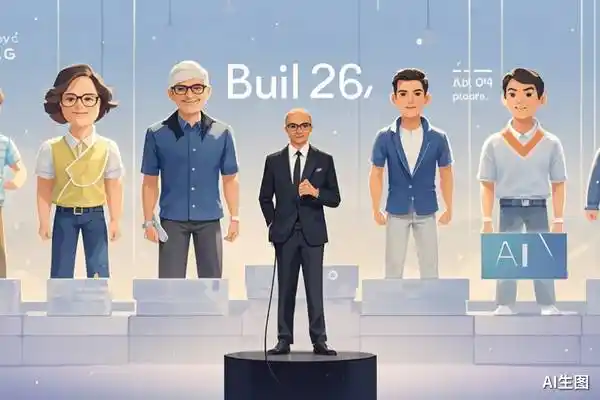
Microsoft, once the defining force of the PC era, now faces a familiar challenge in the AI age: the risk of being relegated to a profitable but invisible infrastructure provider. This anxiety was laid bare at Build 2026, where CEO Satya Nadella unveiled a major strategic pivot. The catalyst was a quiet April agreement that dissolved Microsoft's exclusive licensing and cloud-hosting deal with OpenAI, its once-vital partner. This erased Microsoft's key AI moat. With OpenAI and Anthropic defining AI applications and gaining enterprise traction—even within Microsoft's own ranks—Nadella had to answer: without exclusivity, what is Microsoft's role? The answer was a suite of seven in-house AI models, a developer-focused AI workstation (Surface RTX Spark Dev Box), and, most crucially, the Agent 365 platform for enterprise AI governance. The models, notably targeting Anthropic's strengths in coding and enterprise, signal a defensive move. However, the broader strategy is to make the models themselves less decisive. Financially, Microsoft's AI revenue is strong, driven largely by Azure running others' models. Yet its user-facing products like Copilot show weak penetration and engagement. Microsoft earns infrastructure money but lacks direct user mindshare. Nadella's core fear is being "hollowed out." As OpenAI and Anthropic prepare for IPOs and gain financial independence, they may build their own infrastructure, threatening Azure's lucrative AI revenue stream. Microsoft's window is to entrench itself deeper: not as the model creator, but as the indispensable platform for securely deploying, managing, and governing all AI models within the enterprise through Agent 365. Build 2026 revealed Microsoft's bet: in the AI era, the ultimate power lies not in any single model, but in the enterprise "operating system" that controls them. Nadella is determined to ensure Microsoft is the driver of this new era, not just a passenger.

marsbit57 dk önce

Microsoft is Afraid of Being Marginalized by AI Giants

marsbit57 dk önce

CPU, Quietly Returning to the Center of the AI Computing Power Stage

Over the past three years, AI computing power narratives have been dominated by GPUs. However, starting in 2026, this story began to shift. While training large models remains GPU-intensive, the rapid growth of inference and AI agent workloads, which require high levels of task orchestration, concurrency, and data flow management, has highlighted a renewed critical role for CPUs. These are tasks GPUs are not designed to handle. Intel's recent launch of the Xeon 6+ processor, built on its Intel 18A process and featuring up to 288 efficiency cores (E-cores), exemplifies this strategic pivot. It is positioned not as a mere companion to GPUs but as the essential "control plane" for AI infrastructure, optimized for high-density, energy-efficient, and high-throughput workloads characteristic of AI agents and inference. This "CPU resurgence" is not about CPUs outperforming GPUs in raw computation. It reflects a systemic bottleneck: as AI scales from training single models to deploying countless intelligent agents, the demand for coordination and data handling surges. Major cloud providers are also developing their own high-density ARM-based server CPUs for similar workloads. However, Intel's success with this strategy faces significant challenges. Competition includes NVIDIA's integrated CPU-GPU solutions, the expanding adoption of cloud vendors' in-house ARM CPUs, and the crucial market test of Intel's 18A manufacturing process against rivals like TSMC's N2. In conclusion, CPUs are indeed reclaiming a central, though redefined, role in AI compute—managing the complex orchestration that enables massive-scale AI deployment. While the trend is clear, which company will ultimately lead this CPU resurgence remains an open question to be decided in the data centers of 2027 and beyond.

marsbit1 saat önce

CPU, Quietly Returning to the Center of the AI Computing Power Stage

marsbit1 saat önce

İşlemler

Spot
Futures

Popüler Makaleler

T Nasıl Satın Alınır

HTX.com’a hoş geldiniz! Threshold Network Token (T) satın alma işlemlerini basit ve kullanışlı bir hâle getirdik. Adım adım açıkladığımız rehberimizi takip ederek kripto yolculuğunuza başlayın. 1. Adım: HTX Hesabınızı OluşturunHTX'te ücretsiz bir hesap açmak için e-posta adresinizi veya telefon numaranızı kullanın. Sorunsuzca kaydolun ve tüm özelliklerin kilidini açın. Hesabımı Aç2. Adım: Kripto Satın Al Bölümüne Gidin ve Ödeme Yönteminizi SeçinKredi/Banka Kartı: Visa veya Mastercard'ınızı kullanarak anında Threshold Network Token (T) satın alın.Bakiye: Sorunsuz bir şekilde işlem yapmak için HTX hesap bakiyenizdeki fonları kullanın.Üçüncü Taraflar: Kullanımı kolaylaştırmak için Google Pay ve Apple Pay gibi popüler ödeme yöntemlerini ekledik.P2P: HTX'teki diğer kullanıcılarla doğrudan işlem yapın.Borsa Dışı (OTC): Yatırımcılar için kişiye özel hizmetler ve rekabetçi döviz kurları sunuyoruz.3. Adım: Threshold Network Token (T) Varlıklarınızı SaklayınThreshold Network Token (T) satın aldıktan sonra HTX hesabınızda saklayın. Alternatif olarak, blok zinciri transferi yoluyla başka bir yere gönderebilir veya diğer kripto para birimlerini takas etmek için kullanabilirsiniz.4. Adım: Threshold Network Token (T) Varlıklarınızla İşlem YapınHTX'in spot piyasasında Threshold Network Token (T) ile kolayca işlemler yapın.Hesabınıza erişin, işlem çiftinizi seçin, işlemlerinizi gerçekleştirin ve gerçek zamanlı olarak izleyin. Hem yeni başlayanlar hem de deneyimli yatırımcılar için kullanıcı dostu bir deneyim sunuyoruz.

460 Toplam GörüntülenmeYayınlanma 2024.12.10Güncellenme 2026.06.02

T Nasıl Satın Alınır

Tartışmalar

HTX Topluluğuna hoş geldiniz. Burada, en son platform gelişmeleri hakkında bilgi sahibi olabilir ve profesyonel piyasa görüşlerine erişebilirsiniz. Kullanıcıların T (T) fiyatı hakkındaki görüşleri aşağıda sunulmaktadır.

活动图片