Zuck refuses to give up, secretly develops one of his own called 'Hatch', but the model uses Claude...

marsbit2026-08-27 tarihinde yayınlandı2026-08-27 tarihinde güncellendi

Özet

Meta, led by Mark Zuckerberg, is developing a new AI agent platform called "Hatch" after its reported unsuccessful attempt to acquire Manus. Described as a "consumer version of OpenClaw," Hatch aims to automate tasks across various digital services. The platform is trained on simulated versions of services like DoorDash, Etsy, Reddit, Yelp, and Outlook, and is deeply integrated with Meta's own ecosystem, including Instagram, Facebook, and WhatsApp. Its goal is to enable end-to-end task completion, such as identifying a product in a social media post, comparing prices, and facilitating purchases. During development, Hatch is reportedly relying on Anthropic's Claude model. However, Meta plans to transition to its proprietary model, Muse Spark, for the official launch, with a newer model named Watermelon expected in October. This phased migration highlights potential technical challenges, as switching core models can affect performance and user experience. Priced at up to $199.99 per month, Hatch targets consumers willing to pay for significant time savings. Its key advantage is default distribution within Meta's vast suite of apps, potentially giving it access to rich user context. However, it faces major hurdles in real-world reliability, needing to handle complex, dynamic web environments, authentication changes, and anti-bot measures that differ from its controlled training simulations. The move represents Meta's strategic push to monetize AI directly beyond its core adver...

Looks like Zuck just can't let it go…

Right after handing Manus back, Meta has turned around and built its own agent platform called "Hatch".

Looks like Zuck just can't let it go…

According to reports from The Information, Hatch functionally emphasizes "setting a goal, automatically breaking it down, and delivering results", which sounds quite similar to Manus. However, Meta insists on a different marketing angle, calling it the "consumer version of OpenClaw".

Its top price tier is $199.99 per month, also matching Manus's highest tier of $200 per month.

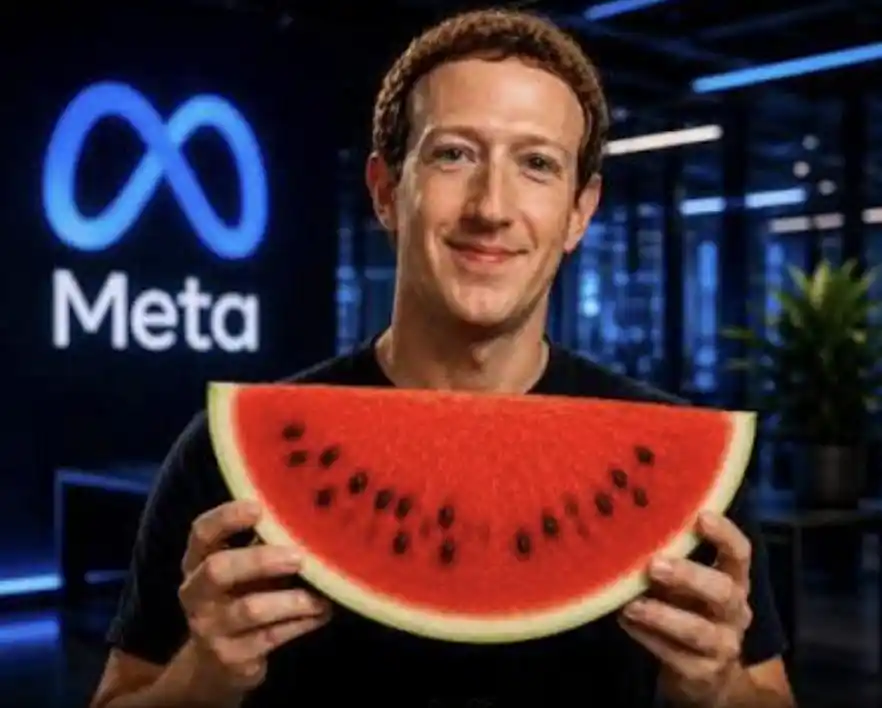
Additionally, during its development phase, Hatch used the Claude model. The plan is to switch to Meta's own Muse Spark model only when the product officially launches, with a new model, Watermelon, slated for release in October.

Failed Acquisition? Do It Yourself

Unlike tools like Codex or Claude Code, which are essentially developer tools aimed at writing code, debugging, and building software,

Hatch focuses more on "consuming digital life."

For early training of Hatch, Meta configured environments that included simulated versions of internet services like DoorDash, Etsy, Reddit, Yelp, and Outlook.

This covers local services & delivery, goods trading, community information retrieval, and personal productivity management.

Coupled with Meta's own social network ecosystems of Instagram, Facebook, and WhatsApp,
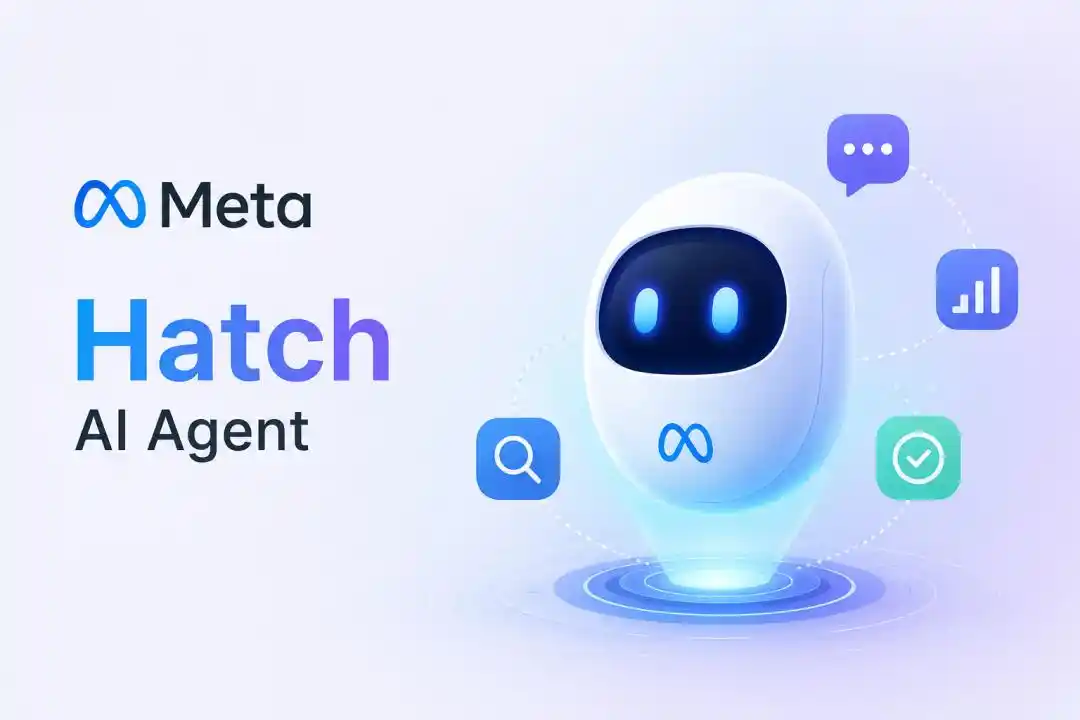
In other words, Hatch's goal is to bridge the complete path of "Discovery—Comparison—Communication—Scheduling—Purchase."

For example, if a user sees a pair of shoes on Instagram Reels, Hatch could, in theory, identify the product cue, search for similar items, compare prices and delivery times, offer suggestions based on the user's budget and historical preferences, and request confirmation before payment.

However, there are also differences from Manus. Manus is an independent, general-purpose execution environment aimed at research, web automation, coding, and content creation. Hatch, on the other hand, places greater emphasis on long-term memory, personalized context, cross-service operations, and deep integration with Meta's social ecosystem of billions of users.

On the technical roadmap, using Claude during development easily leads others to assume that Muse Spark hasn't yet met the mark in multi-step reasoning, tool calling, and other agent tests.

But long-term dependence on a competitor's model clearly doesn't align with Meta's cost and strategic interests. Once a consumer-grade agent achieves high-frequency usage and long-chain reasoning, inference costs will skyrocket.

Meta's plan is a phased migration.

Use Claude as a transition during the R&D and internal testing phases, switch to the self-developed Muse Spark series of models in the initial productization stage, with subsequent expansion phases taken over by next-generation models like Watermelon, launching in October.

This seems like another potential pitfall—different model behaviors could make migration difficult, right?

However, it's still not confirmed whether Watermelon belongs to the Muse series or will directly become Hatch's core model.
Meta's advertising business has long provided strong cash flow, but the rapid rise of AI infrastructure, model training, and inference costs demands that the company establish more direct AI monetization methods beyond ads.

Hatch's high-end subscription pricing finds its biggest trump card in "default distribution."

Users familiar with Meta's ecosystem don't need to download unfamiliar tools; they can directly use Hatch within Instagram, Facebook, WhatsApp, Messenger, the Meta AI app, or even smart glasses.

A typical challenge for general-purpose Agents is not understanding the user. Meta hopes to use Hatch to convert these scattered signals into the ability to "understand user intent," a capability that pure chat-based AI products lack.

However, a price tag of nearly $200 per month means users will evaluate based on "whether it can consistently save several or even dozens of hours of human effort."

This requires Hatch to maintain reliable performance in real-world scenarios with complex webpages, incomplete information, changing login statuses, payment confirmations, and error handling.

The real internet is far more complex than a simulated training environment. Webpage structures often change, and pop-ups, CAPTCHAs, anti-bot measures, regional differences, and inventory fluctuations can all cause task failures.

This article is from the WeChat public account "QbitAI," author: Meng Chen

Trend Kriptolar

İlgili Sorular

QWhat is Meta's new AI agent platform called and how does it position itself?

AMeta's new AI agent platform is called 'Hatch.' It positions itself as the 'consumer version of OpenClaw' and focuses on 'consumer digital life,' aiming to automate tasks like discovery, comparison, communication, scheduling, and purchasing across internet services, with deep integration into Meta's social apps like Instagram, Facebook, and WhatsApp.

QWhich AI model is Hatch using in its development phase, and what are the plans for future models?

ADuring its development phase, Hatch is using Anthropic's Claude model. Meta plans to switch to its in-house model, Muse Spark, for the official product launch. Furthermore, a new model named 'Watermelon' is scheduled for release in October, although its specific role within the Hatch platform is not yet confirmed.

QHow does Hatch differ from other AI coding agents like Codex or Claude Code?

AHatch differs from AI coding agents like Codex or Claude Code, which are developer tools for writing, debugging, and building software. In contrast, Hatch is designed for 'consumer digital life,' automating everyday tasks such as shopping, service booking, and information retrieval across various apps and websites, emphasizing personalization and integration with Meta's social ecosystem.

QWhat is the pricing for Hatch, and what key advantage does Meta have in distributing it?

AHatch's highest pricing tier is $199.99 per month, which is comparable to the top tier of the Manus platform. Meta's key advantage in distributing Hatch is 'default distribution.' It can be directly integrated into and accessed through Meta's massive existing user base on platforms like Instagram, Facebook, WhatsApp, Messenger, Meta AI apps, and smart glasses, eliminating the need for users to download a separate, unfamiliar tool.

QWhat are some potential challenges Hatch might face according to the article?

AAccording to the article, Hatch faces several potential challenges: 1) High subscription cost requires proving it can reliably save users significant time. 2) Real-world internet complexity (changing website structures, pop-ups, CAPTCHAs, anti-bot measures, regional differences, inventory fluctuations) can cause task failures, making reliability difficult. 3) Transitioning from the Claude model to in-house models like Muse Spark and Watermelon may be difficult due to differences in model behavior, posing a potential risk.

İlgili Okumalar

Inflation Has Not Improved. Will Warsh Support a Rate Hike on Friday?

U.S. inflation remained stubbornly high in July, with the PCE price index holding at a year-on-year increase of 3.7%, unchanged from June and still far above the Federal Reserve's 2% target. The core PCE index also stayed flat at 3.3%. While inflation did not worsen, the fact that it did not improve either has increased market expectations for further interest rate hikes. Futures pricing now indicates a higher probability of a rate increase in September and fully prices in one hike by year-end. The economic backdrop is mixed. Second-quarter GDP growth was revised to 1.5%, but underlying components like consumer spending and business investment were robust. However, inflation-adjusted consumer spending stalled in July, and real incomes have barely grown over the past year, eroding purchasing power. The data provides arguments for both sides of the policy debate. The "wait-and-see" camp points to the lack of acceleration in inflation and upcoming methodological changes that may lower reported figures. The "pro-hike" camp highlights that inflation remains hotter than forecasts, sticky services prices, rising diesel and chip costs, and renewed trade tensions with Canada. All eyes are now on Fed Chair Kevin Warsh's upcoming speech at Jackson Hole for clarity on his policy stance. With inflation persistently above target for over five years and midterm elections approaching where prices are a key issue, the pressure for decisive action is mounting. The speech carries significant two-way risk for markets.

marsbit2 dk önce

Inflation Has Not Improved. Will Warsh Support a Rate Hike on Friday?

marsbit2 dk önce

US Stock Market Trends (Aug 27): PCE Exceeds Expectations, Pressures Broader Market; Nvidia Rises 4% After-Hours, Nasdaq Futures Up 1%

U.S. Market Trends (Aug 27): PCE Data Weighs on Indices, Nvidia Rises 4% After-Hours, Nasdaq Futures Up 1% U.S. stocks closed slightly lower on Wednesday amid narrow trading. The S&P 500, Nasdaq, and Dow Jones all edged down, ending the Dow's two-day winning streak. The key pressure came from July's PCE inflation data, which showed a 3.7% year-over-year increase, exceeding expectations. While the core PCE met forecasts at 3.3%, the hot headline number boosted Treasury yields and the dollar, dampening hopes for imminent Fed rate cuts. Gold fell below $4,600/oz. Oil prices continued to weaken despite mixed geopolitical signals. The market's real focus was after the close. Nvidia reported Q2 revenue of $96.2 billion, beating estimates, guided for current-quarter revenue to surpass $100 billion for the first time, and projected 70% revenue growth for the next fiscal year. Its shares rose approximately 4% after-hours, lifting Nasdaq futures by about 1%. Amazon's announcement to deploy an additional 2 million GPUs further validated the data center demand narrative for Nvidia. In other sectors, chip stocks like Western Digital and Arm gained. Among the "Magnificent Seven," moves were mixed. Salesforce surged on strong guidance and an expanded partnership with Anthropic. Meta settled a youth addiction case with 29 U.S. states for up to $18 billion, a figure seen as favorable compared to earlier fears. Bitcoin retreated from recent highs, while industrial metals like copper extended their rally. The core market tension remains between inflation concerns pressuring the broader market and strong AI earnings providing sector-specific momentum, setting the tone for early September trading.

marsbit58 dk önce

US Stock Market Trends (Aug 27): PCE Exceeds Expectations, Pressures Broader Market; Nvidia Rises 4% After-Hours, Nasdaq Futures Up 1%

marsbit58 dk önce

İşlemler

Spot

Popüler Makaleler

ONE Nasıl Satın Alınır

HTX.com’a hoş geldiniz! Harmony (ONE) satın alma işlemlerini basit ve kullanışlı bir hâle getirdik. Adım adım açıkladığımız rehberimizi takip ederek kripto yolculuğunuza başlayın. 1. Adım: HTX Hesabınızı OluşturunHTX'te ücretsiz bir hesap açmak için e-posta adresinizi veya telefon numaranızı kullanın. Sorunsuzca kaydolun ve tüm özelliklerin kilidini açın. Hesabımı Aç2. Adım: Kripto Satın Al Bölümüne Gidin ve Ödeme Yönteminizi SeçinKredi/Banka Kartı: Visa veya Mastercard'ınızı kullanarak anında Harmony (ONE) satın alın.Bakiye: Sorunsuz bir şekilde işlem yapmak için HTX hesap bakiyenizdeki fonları kullanın.Üçüncü Taraflar: Kullanımı kolaylaştırmak için Google Pay ve Apple Pay gibi popüler ödeme yöntemlerini ekledik.P2P: HTX'teki diğer kullanıcılarla doğrudan işlem yapın.Borsa Dışı (OTC): Yatırımcılar için kişiye özel hizmetler ve rekabetçi döviz kurları sunuyoruz.3. Adım: Harmony (ONE) Varlıklarınızı SaklayınHarmony (ONE) satın aldıktan sonra HTX hesabınızda saklayın. Alternatif olarak, blok zinciri transferi yoluyla başka bir yere gönderebilir veya diğer kripto para birimlerini takas etmek için kullanabilirsiniz.4. Adım: Harmony (ONE) Varlıklarınızla İşlem YapınHTX'in spot piyasasında Harmony (ONE) ile kolayca işlemler yapın.Hesabınıza erişin, işlem çiftinizi seçin, işlemlerinizi gerçekleştirin ve gerçek zamanlı olarak izleyin. Hem yeni başlayanlar hem de deneyimli yatırımcılar için kullanıcı dostu bir deneyim sunuyoruz.

751 Toplam GörüntülenmeYayınlanma 2024.12.12Güncellenme 2026.06.02

ONE Nasıl Satın Alınır

Tartışmalar

HTX Topluluğuna hoş geldiniz. Burada, en son platform gelişmeleri hakkında bilgi sahibi olabilir ve profesyonel piyasa görüşlerine erişebilirsiniz. Kullanıcıların ONE (ONE) fiyatı hakkındaki görüşleri aşağıda sunulmaktadır.

活动图片