US Stock Market Trend (June 16): SpaceX Rises 42% in Two Days, New Fed Chairman Takes Office Today

marsbit2026-06-16 tarihinde yayınlandı2026-06-16 tarihinde güncellendi

Özet

**U.S. Stocks Trend (June 16): SpaceX Soars 42% in Two Days, New Fed Chair Takes Office Today** Markets surged on Monday following former President Trump's social media announcement of a completed U.S.-Iran deal to reopen the Strait of Hormuz, pending a June 19 signing. The news triggered a broad risk-on rally: oil prices crashed, tech stocks soared, bond yields fell, and defensive sectors lagged. **Market Performance:** The Nasdaq jumped 3.07%, led by semiconductor stocks like Micron (+9.2%). The S&P 500 gained 1.65%, and the Dow rose 0.92% to a record high. However, the Russell 2000 small-cap index underperformed (+0.72%). SpaceX continued its hot streak, rising another 5% pre-market after disclosures of large buys by an Australian billionaire and Cathie Wood's ARK. Boeing also rallied on the transportation optimism. Conversely, energy stocks like Chevron fell over 3% on the oil price plunge, with other defensive sectors also selling off. The day's action showed a clear rotation of funds from energy/defensive plays into AI and tech narratives. **Macro & Outlook:** The VIX fear index fell 8.37%. Treasury yields declined, and WTI crude dropped over 5%. Attention now shifts to a packed schedule: the Bank of Japan is widely expected to hike rates to 1.0% on Tuesday. The Fed's June meeting concludes Wednesday, marking new Chair Wash's debut. While rates are expected to hold, his tone on stubborn inflation and the "dot plot" will be crucial for gauging the 2024 rate path. The ...

Author: Trend Research
On Monday, Washington set Wall Street alight with a social media post. Trump announced late Sunday night that a US-Iran deal "has been completed," with both sides reaching a 60-day agreement to reopen the Strait of Hormuz, scheduled to be signed in Switzerland on June 19. This Middle East news pressed all the buttons: oil prices collapsed, tech stocks soared, bond yields fell, and defensive sectors were left behind alone. The market didn't wait for the signing; it priced in all the good news upfront.

Market Performance

The Dow Jones closed up 469 points (+0.92%) at 51,671 points, hitting a new record high. The S&P 500 rose 1.65% to 7,554 points, and the Nasdaq surged 3.07% to 26,684 points, marking its best single-day performance since March 31. However, the small-cap Russell 2000 only gained 0.72% to 2,965 points, lagging behind on a broadly positive day. While all indices were in the green, the winners were far more concentrated than the index names suggested, with Technology and Consumer Discretionary leading the gains, while Energy and defensive sectors were outsiders in this feast. Beneath the surface, money is quietly changing teams.

Chip stocks led the charge, spearheaded by Micron. Micron skyrocketed 9.2% in a single day, driving the Philadelphia Semiconductor Index up 4.5% to a record high. Even NVIDIA, which had been sluggish recently, closed up 3%. Chip stocks are the highest-beta proxy for AI demand; once geopolitical risks eased and discount rates fell, they rebounded the fastest. The US-Iran deal didn't change any balance sheet but managed to add hundreds of billions in market value back to the entire sector with a single piece of news.

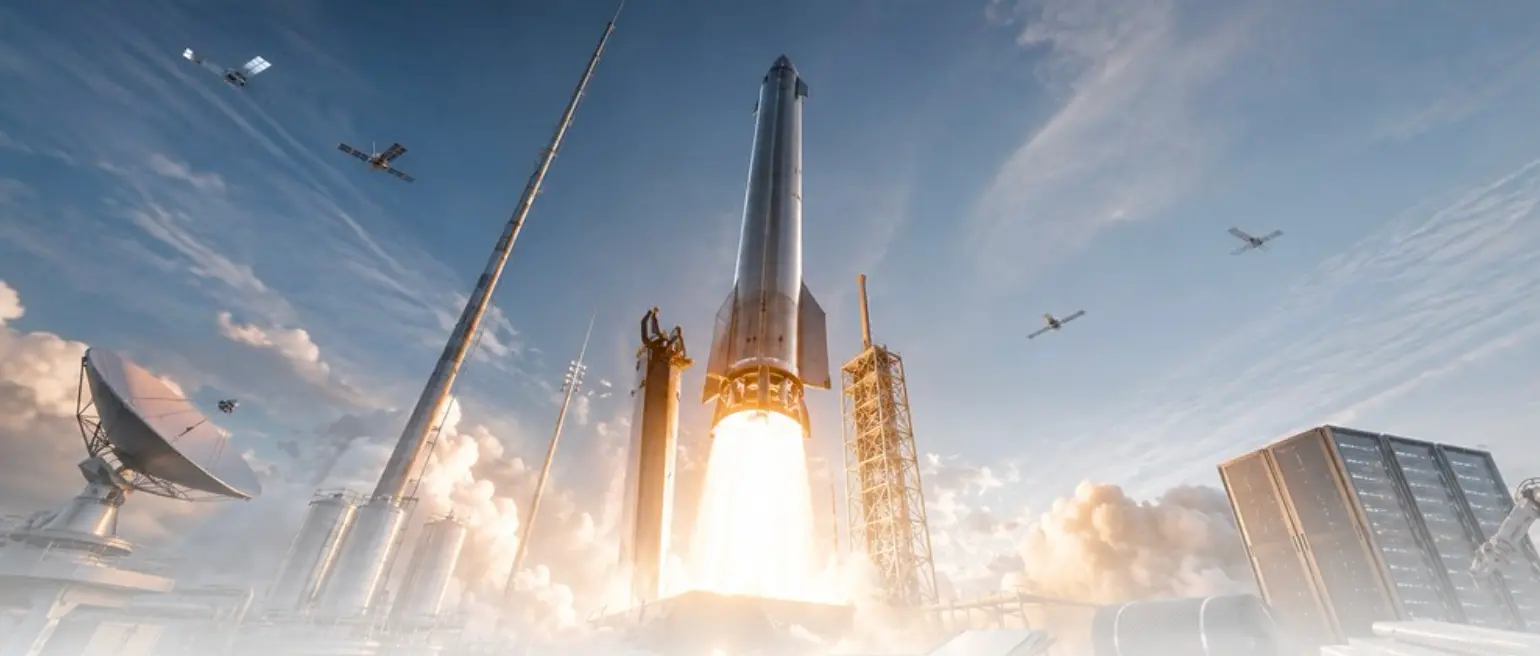
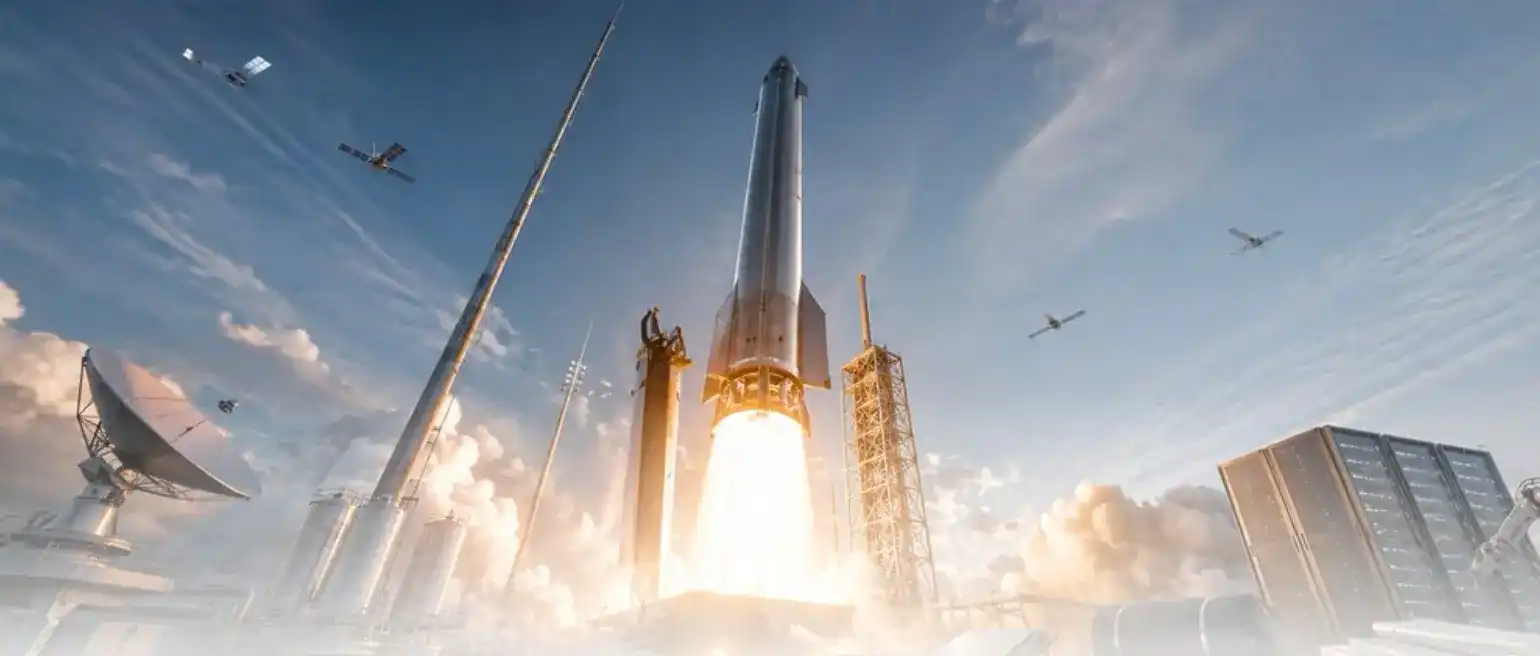
SpaceX (SPCX) was another major theme. Gina Rinehart, Australia's richest person and a mining magnate, was revealed to have built a position worth over $1 billion. The news sent the stock up over 5% pre-market to $169.48. On the same day, Cathie Wood's ARK also disclosed purchases exceeding $500 million. The heat from its 19% surge on its IPO debut last week hadn't faded, and institutional investors' collective rush to buy this largest-ever IPO at a moment of peace and positive news is itself a clear snapshot of risk appetite returning.

Within the Dow, Boeing led the components with a 4.66% surge. The reopening of Hormuz means potential repair in global shipping and commercial aviation demand, placing this company, plagued by safety and production issues in recent years, on the side of good news for a change.

In contrast to the tech stock frenzy was the bleeding in the energy sector. Chevron fell 3.60%, Merck dropped 3.37%, and Verizon declined 2.06%. The oil price crash directly dragged down energy stocks, while defensive sectors like healthcare and telecoms also saw selling. Money flowed out of these slow-moving variables and rushed straight towards AI.

Tech and small caps leading, traditional defensives and energy closing down - this was the clearest capital logic on Monday. On the S&P 500, 299 constituents rose, led by Technology, Consumer Discretionary, and Industrials. The energy sector was collectively sold off as oil prices plummeted, with capital from the old economy being herded in batches towards the AI narrative. The market is betting on whether the narrative of "loosening inflation, a pivot in rates" can be passed on, rather than simply a retreat of risk-off sentiment. In other words, what unfolded this day was a clear directional migration. Funds flowed out of defensive and resource sectors like energy, healthcare, and telecoms, concentrating into semiconductors and the AI supply chain, rather than a broadly distributed, evenly spread rally. The underperformance of small caps also confirms that preference remains firmly locked onto large-cap tech.

Macro & Outlook

The VIX fear index closed at 16.20, down 8.37% for the day, returning near pre-war average levels, with sentiment clearly relaxing from weeks of tension. The 10-year US Treasury yield fell over 2 basis points to 4.459%, and the 2-year yield dropped over 3 basis points to 4.054%. The peace deal reopened the imagination of slowing inflation, drawing bond buyers. WTI crude oil settled around $80.30 per barrel, falling over 5% in a single day to its lowest since mid-March, marking the most dramatic asset volatility of the day and the source of this round of loosening inflation expectations. Gold futures rose 2.81% to $4,357, and BTC gained about 2% from Sunday to $65,710. A weaker dollar combined with returning risk appetite made precious metals and crypto marginal beneficiaries of this geopolitical thaw.

The celebration won't last long, with two central bank meetings landing back-to-back this week. The Bank of Japan's June 15-16 meeting results will be announced Tuesday. The market is almost uniformly betting on a 25 basis point hike, raising the policy rate from 0.75% to 1.0%, with about 94% of economists expecting this move. This would be the BOJ's first hike since last December, with the focus shifting to the pace and endpoint of subsequent tightening.

The Federal Reserve's June 16-17 meeting will be the debut for new Chairman Warsh. Maintaining the 3.50% to 3.75% range is the consensus. The real focus is on how he characterizes the 4.2% inflation rate, which touched a three-year high in May, and whether the dot plot completely shuts the window for rate cuts this year. This relates to the entire market repricing of the interest rate path for the second half of the year. With two meetings back-to-back and the market closed Friday for the Juneteenth holiday, all pricing must be compressed into four trading days.

Trend Perspective

The peace deal is real positive news, but the market is trading a 3%-up Nasdaq day as if "the inflation problem is solved," moving too fast. The real test is that this shortened trading week has to cram three major events into four days: the BOJ's likely hike to 1.0% on Tuesday, tightening the world's last source of cheap liquidity; Warsh's FOMC on Wednesday presenting a directional divergence of global monetary policy (one tightening, one holding); and the Hormuz signing on Friday moving the "deal is done" expectation into textual details. Chip stocks, having just rebounded from early-month plunges with valuations stretched tight again, are the most vulnerable link among these three events. Any disappointment could hit them hardest. Monday's broad rally feels more like an advance payment of optimism for this intensive price discovery. The real accounting begins with the BOJ's statement on Tuesday and Warsh's press conference on Wednesday. Watch the nuance in the wording, not just the rate decision itself.

İlgili Sorular

QWhat were the main reasons behind the Nasdaq's strong performance of 3.07% on the day discussed in the article?

AThe Nasdaq's surge was primarily driven by the announced U.S.-Iran agreement to reopen the Strait of Hormuz, which reduced geopolitical risk and led to lower discount rates. This boosted high-beta sectors like tech and semiconductors. Specifically, chip stocks (e.g., Micron up 9.2%) and AI-related plays saw massive inflows as money rotated out of defensive and energy sectors into tech narratives.

QWhich specific stock or event was highlighted as a clear indicator of returning risk appetite in the market?

AThe significant institutional buying in SpaceX (SPCX) was highlighted as a clear indicator. Following its recent IPO, Australian mining billionaire Gina Rinehart was disclosed to have built a position worth over $1 billion, and Cathie Wood's ARK Invest bought over $500 million. This aggressive buying on a geopolitical peace catalyst signaled a sharp return of risk appetite.

QAccording to the article, what is the key concern for the market following the initial rally, and what are the imminent events that pose a test?

AThe key concern is that the market rallied too aggressively, pricing in a 'solved inflation' narrative prematurely. The imminent tests are three major events packed into a short trading week: 1) The Bank of Japan's expected rate hike to 1.0% on Tuesday, 2) New Fed Chair Wash's first FOMC meeting and press conference on Wednesday, and 3) The formal signing of the Strait of Hormuz agreement on Friday. The article suggests chip stocks are particularly vulnerable to any disappointment from these events.

QWhat was the contrasting performance between different market sectors, and what does this indicate about fund flows?

AThere was a stark contrast: Technology, consumer discretionary, and industrials led the gains (e.g., Philadelphia Semiconductor Index up 4.5%), while energy (Chevron down 3.60%), healthcare, and telecom sectors declined. This indicates a clear 'rotation' or 'directional migration' of funds. Money flowed out of traditional defensive, resource, and slow-growth sectors and was concentrated into semiconductor and AI-related growth narratives, rather than a broad-based rally.

QWhat were the significant movements in key macroeconomic indicators (like oil, bonds, VIX) mentioned, and what triggered them?

AThe trigger was the U.S.-Iran agreement news. Key movements included: WTI crude oil prices plummeting over 5% to around $80.30/barrel (a 3-month low). The 10-year and 2-year Treasury yields fell by 2+ and 3+ basis points respectively. The VIX fear index dropped 8.37% to 16.20. Gold and Bitcoin rose (~2.8% and ~2% respectively). These moves reflected collapsing geopolitical risk premia, lower inflation expectations, a softer dollar, and returning risk appetite.

İlgili Okumalar

The Foundation of SpaceX's Trillion-Dollar Valuation: Who is Dividing Up Musk's Annual Tens of Billions in Capital Expenditure?

SpaceX's trillion-dollar valuation is built on its three core businesses: Starlink (profitable, 60% of revenue), rockets (driving down launch costs), and AI (a major investment area). This creates a financial cycle: Starlink funds rocket development, which enables low-cost launches for AI hardware, generating future revenue. This cycle fuels annual capital expenditures of tens of billions, flowing to a vast supply chain. Suppliers are categorized by their replaceability. The first group includes irreplaceable players like NVIDIA (GPU/CUDA ecosystem), Eutelsat (critical radio spectrum), Filtronic (specialized amplifiers), Materion (strategic beryllium), and STMicroelectronics (antenna chips). The second group consists of hard-to-replace suppliers due to high switching costs, such as Honeywell (flight control), Carpenter Technology (specialty alloys), Hexcel (carbon fiber), Broadcom (data exchange), and Linde (industrial gases). The third group comprises high-volume, cost-critical suppliers for mass-produced items like Starlink terminals. Key names include Wistron NeWeb (primary manufacturer) and several A-share companies like Shenzhen Sunway (connectors), Pies New Materials (forgings), Western Superconducting (alloys), and Yingliu (castings). Other niche players include Trimble (timing), Astronics (power distribution), and CTS (thermal management). The article argues that investing in these suppliers, rather than SpaceX stock directly, offers an alternative opportunity. The rationale is threefold: procurement is just beginning to scale, SpaceX's IPO brings new transparency to its supply chain, and the situation mirrors early stages of past "super terminal" ecosystems like Apple or Tesla. While risks exist (commodity cycles, geopolitical factors, technology shifts), the core thesis is that SpaceX's massive, ongoing procurement will translate into reliable revenue for its key suppliers, regardless of its own stock price volatility.

marsbit2 dk önce

The Foundation of SpaceX's Trillion-Dollar Valuation: Who is Dividing Up Musk's Annual Tens of Billions in Capital Expenditure?

marsbit2 dk önce

SpaceX's Trillion-Dollar Valuation Base: Who's Sharing in Musk's Annual Tens of Billions in Capital Expenditure?

**Title: The Foundation of SpaceX's Trillion-Dollar Valuation: Who Benefits from Musk's Annual $100 Billion Capital Expenditure?** This article argues that investors seeking to benefit from SpaceX's growth might find greater opportunities in its supply chain rather than directly investing in the company itself, drawing parallels to historical successes with Apple, Tesla, and NVIDIA suppliers. **SpaceX's Business Model & Cash Flow:** SpaceX generates revenue from three main areas: 1. **Starlink:** Its profitable core, earning $11.3B in 2023 (60% of revenue), funding other ventures. 2. **Rockets (Falcon/Starship):** Requires $3B+ in annual R&D but achieves the world's lowest launch costs. 3. **AI:** Currently unprofitable (-$6B+ in 2023), investing heavily in ground-based supercomputers (220,000 GPUs) and future orbital data centers. The cycle is: Starlink profits → fund cheaper rockets → low-cost launches deploy AI hardware → AI compute rentals generate future revenue. This cycle drives annual procurement spending of tens of billions of dollars. **The Supply Chain Beneficiaries:** Suppliers are categorized by their replaceability: **1. Nearly Irreplaceable (High Barriers to Entry):** * **NVIDIA:** Powers the Colossus supercomputer; its CUDA ecosystem creates immense switching costs. * **Eutelsat (SATS):** Controls critical radio spectrum for satellite communications; holds a ~3% stake in SpaceX. * **Filtronic (FTC):** Supplies millimeter-wave signal amplifiers for Starlink satellites; SpaceX constitutes 83% of its revenue. * **Materion (MTRN):** Global leader in beryllium production, a strategic material used in Starship structures. * **STMicroelectronics (STM):** Supplies phased-array antenna chips for Starlink satellites. **2. Replaceable, but Switching Cost is Prohibitively High:** * **Honeywell (HON):** Provides flight control and inertial navigation systems with decades of certification. * **Carpenter Technology (CRS):** Manufactures ultra-pure specialty steel alloys for Raptor engines. * **Hexcel (HXL):** Supplies custom carbon fiber composites developed over a decade with SpaceX. * **Broadcom (AVGO):** Manages high-speed data switching. * **Linde Group:** Supplies industrial gases (liquid oxygen/nitrogen) from facilities built near SpaceX launch sites. **3. High-Volume, Cost-Critical Manufacturing:** Focuses on mass-producing components like Starlink user terminals (target: 30 million units). * **Key Players:** Wistron NeWeb (6285, primary terminal manufacturer), several Chinese A-share companies (e.g., Sunway Communication, PAX New Materials, Western Metal Materials, Yingliu Co.), and smaller US firms like Trimble (TRMB, timing systems). **Why Now?** Three factors make the supply chain opportunity timely: 1. **Volume Ramp-Up:** SpaceX plans 100 launches in 2026, aims for 30 million Starlink terminals, and will deploy AI data centers, meaning procurement will accelerate. 2. **Increased Transparency:** The IPO provides public financial data, allowing investors to track supplier order growth. 3. **Historical Precedent:** The current phase is likened to Tesla's early mass-production stage (circa 2018), suggesting a long growth runway for suppliers. **Conclusion:** The article posits that while investing in SpaceX stock is betting on Elon Musk's ambitious vision at a high valuation, investing in its established suppliers is a bet on the tangible, recurring revenue from its massive procurement budget, which is largely decoupled from day-to-day stock price volatility.

链捕手6 dk önce

SpaceX's Trillion-Dollar Valuation Base: Who's Sharing in Musk's Annual Tens of Billions in Capital Expenditure?

链捕手6 dk önce

The U.S. Government Blocked the Anthropic Model. It Wasn't About 'Jailbreaking' at All.

Last Friday, the U.S. Commerce Department issued an enforcement letter that forced Anthropic to take its two most advanced AI models, Fable 5 and Mythos 5, offline. The stated reason was unspecified national security concerns, initially linked to potential "jailbreaks" of the models' safeguards. However, new details suggest the action stemmed more from a deteriorating relationship between the Trump administration and Anthropic, rather than a genuine technical threat. According to reports, the government cited a little-known export control regulation, compelling Anthropic to block access for all non-U.S. persons, including its own international employees. The company complied, shutting down the models without a court order or specific technical details from the government. Cybersecurity expert Katie Moussouris revealed she was privately shown a research paper detailing a potential safeguard bypass in Fable 5. She argued the described method was minor and did not warrant an export ban, stating that attempts to "fix" it would only weaken the model's defensive capabilities. Moussouris and other experts have since called for the order to be revoked, warning it dangerously removes advanced cybersecurity tools from U.S. defenders. Analysts like Justin Hendrix suggest the move appears retaliatory and sets a dangerous precedent, signaling that the U.S. government can unilaterally shut down a tech company's products. The incident has raised concerns about the reliability of American AI and the potential for political interference in the tech industry, serving as a warning to the broader sector.

marsbit10 dk önce

The U.S. Government Blocked the Anthropic Model. It Wasn't About 'Jailbreaking' at All.

marsbit10 dk önce

Ray Dalio: AI Bull Market Continues to Soar, Should Investors Go All In or Cash Out and Leave the Field?

In his latest notes, Ray Dalio addresses a critical question for investors amid the AI-driven stock market surge: how should one allocate assets during a transformative technological revolution? Dalio emphasizes that technological advancement does not automatically make related stocks attractive. Historical tech cycles—marked by excitement, crowding, volatility, and eventual shakeouts—show that even long-term winners like Microsoft and Apple experienced severe drawdowns. Today's AI sector faces similar uncertainties: overinvestment, intensifying competition, geopolitical tensions (e.g., Taiwan's chip supply), tax policy shifts, anti-AI sentiment, and potential disruption from future technologies like quantum computing. Dalio's core argument focuses on the highly concentrated market structure, where a few tech giants dominate major indices. He warns investors against unknowingly holding concentrated, correlated exposures. Instead of chasing a handful of AI leaders, he advocates for a robust, diversified portfolio of 15 or more high-quality, uncorrelated investments, risk-balanced to match an investor's volatility tolerance. Mathematically, such diversification significantly improves the risk-return ratio—for example, holding 15 uncorrelated assets can boost the ratio by over four times compared to a single concentrated bet. Dalio cautions that future equity returns appear low, with his bubble indicator suggesting real returns could be negative over the next 5-10 years. He stresses that knowing what you don't know is as important as knowing what you do. In an environment of high uncertainty and concentration, avoiding large, concentrated bets on AI stocks is prudent. The optimal strategy is disciplined diversification—the "holy grail" of investing—to navigate this technologically driven cycle with lower risk and comparable or better returns.

marsbit13 dk önce

Ray Dalio: AI Bull Market Continues to Soar, Should Investors Go All In or Cash Out and Leave the Field?

marsbit13 dk önce

İşlemler

Spot
Futures
活动图片