Shanghai Insurance Company with $12 Million in Assets Receives 2,380 Bitcoin in Exchange for Its Shares

cryptonews.ru2026-08-20 tarihinde yayınlandı2026-08-20 tarihinde güncellendi

Özet

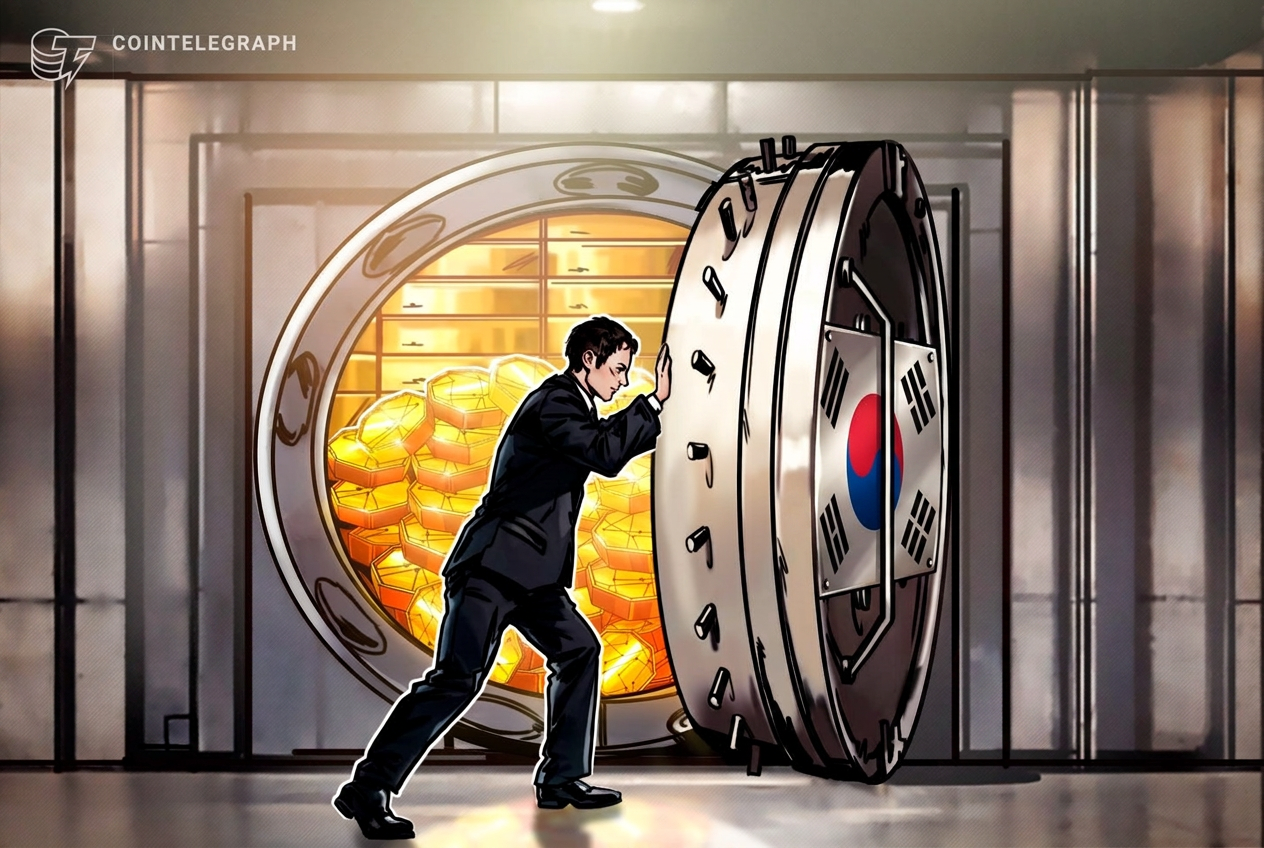
On August 17, Shanghai-based insurtech company Zhibao Technology, listed on Nasdaq, completed a $154.7 million private stock sale fully paid for in Bitcoin by a syndicate of non-U.S. investors. The investors transferred 2,380 BTC directly to Zhibao's corporate wallet, valued at approximately $65,000 per coin as of July 30. In exchange, they received units comprising Class A ordinary shares and warrants. Zhibao, which had received a delisting warning from Nasdaq for trading below $1, stated the deal marks a pivotal moment. The new crypto-savvy investors are expected to help expand its AI-powered insurance offerings. The influx of Bitcoin, worth about fifteen times the company's recent market capitalization of $12-15 million, comes as Zhibao had previously expressed doubts about its ability to continue as a going concern due to deficits and cash outflow. Nasdaq has given Zhibao until January 2027 to regain compliance with the minimum bid price requirement. The deal structure is notably fully cryptocurrency-based, contrasting with other corporate strategies.

On August 17, Zhibao Technology completed a stock sale worth $154.7 million, fully paid in Bitcoin by a group of non-U.S. investors.

Shanghai-listed insurance technology company Zhibao, traded on Nasdaq, received 2,380 bitcoin. Zhibao's shares recently traded at less than a dollar, and the company received a deficiency notice from Nasdaq.

2,380 Bitcoin Were Directly Deposited to Corporate Wallet at $65,000 per Coin

Zhibao reported in a Form 6-K that it amended the underlying securities purchase agreement and closed the transaction on the same day.

Investors transferred 2,380 Bitcoin to a dedicated company wallet to pay the full amount of $154.7 million. This was calculated based on a base rate of $65,000 per coin, pegged to the Bitcoin price on July 30.

The buyers purchased 442 million units at $0.35 each. Each unit consists of one Class A ordinary share and a two-year warrant.

According to the documents, 395,678,152 shares were issued at the closing, with the remaining 46,321,848 to be issued after shareholder approval of an increase in authorized shares, without any additional payments.

On July 22, Zhibao announced a preliminary, non-binding agreement. As reported by Cryptopolitan , according to the initial plan, Joyertech and Information OPC were to subscribe to a PIPE (Private Investment in Public Equity) of about 3,500 Bitcoin, or roughly $220 million, and appoint a majority of the board members after the deal's completion.

Under the agreement terms, Zhibao's existing team was to continue managing the old insurance business until a 'spin-off, sale, or other restructuring' occurred.

The actual deal amount was smaller—2,380 coins and $154.7 million. The Form 6-K report states the funds came from a syndicate of non-U.S. investors, whose identities were not disclosed, and were signed by Zhibao CEO Jinmei Guo Hellström.

Director Botao Ma called this 'one of the most pivotal moments' in the company's ten-year history. He noted that the new investors possess cryptocurrency expertise that Zhibao can leverage to expand its range of AI-based insurance products.

Nasdaq Gives Zhibao Until January 2027 to Break the $1 Mark

According to market data, Zhibao's market capitalization this summer ranged from $12 to $15 million. As reported by Cryptopolitan , the value of Bitcoin received, based on July data, was approximately fifteen times the total value of the company's shares.

Zhibao, traded under the ticker ZBAO, claims to be the first company in China to implement an embedded 'B2B2C' digital insurance model and launched the country's first digital insurance brokerage platform in 2020.

ZBAO shares closed below $1 from May 27 to July 9, and on July 15, Nasdaq issued a minimum bid price deficiency notice to the company.

Zhibao must bring its operations into compliance by January 6, 2027. Previously, in documents filed with the U.S. Securities and Exchange Commission (SEC), the company expressed 'substantial doubt' about its ability to continue as a going concern, citing accumulated deficits and cash outflow.

Zhibao has an entirely cryptocurrency-based structure. In contrast to it, Strategy, the company that developed the strategy, has suspended its weekly purchases. Japanese Metaplanet is investing 2,100 Bitcoin, worth about $132 million, into U.S. Treasury bonds.

According to Cryptopolitan , about 40% of the top 100 companies holding Bitcoin are now trading below the net asset value of their coins.

end-content
İlgili Sorular

QHow much Bitcoin did Shanghai-based insurance tech company Zhibao receive in its recent stock sale, and at what price per Bitcoin was the transaction calculated?

AZhibao received 2,380 Bitcoin. The transaction was calculated at a base rate of $65,000 per Bitcoin, pegged to the Bitcoin price on July 30.

QWhat was the total dollar value of the stock sale completed by Zhibao Technology on August 17, and who were the investors involved?

AThe total dollar value of the stock sale was $154.7 million. The funds came from a syndicate of non-U.S. investors, whose identities were not disclosed.

QWhy did Nasdaq issue a deficiency notice to Zhibao, and what is the deadline for the company to regain compliance?

ANasdaq issued a deficiency notice because Zhibao's shares closed below $1 for a sustained period from May 27 to July 9. The company has until January 6, 2027, to regain compliance with the minimum bid price requirement.

QWhat significant doubt did Zhibao express in its previous SEC filings regarding its financial health?

AIn previous SEC filings, Zhibao expressed 'substantial doubt' about its ability to continue as a going concern, citing accumulated deficits and cash outflows.

QHow does Zhibao's approach to holding its corporate treasury differ from that of the Japanese company Metaplanet mentioned in the article?

AZhibao holds its corporate treasury entirely in Bitcoin, creating a full cryptocurrency balance sheet. In contrast, Metaplanet is investing its Bitcoin holdings (worth about $132 million) into U.S. Treasury bonds.

İlgili Okumalar

HSBC Research Report Analysis: Behind 12 Million Starlink Users, the Space Economy is Feeding Back to Earth

HSBC Research Report Analysis: The 120 Million Starlink Users and How the Space Economy is Fueling Earth's Industries. The core value of the new space race is returning to Earth, driving industrial upgrades across multiple sectors, according to an HSBC report covering 12 industries. Key developments include: SpaceX’s Starlink has surpassed a critical scale with 10,200 satellites, 12 million broadband users, and 7.4 million direct-to-cell devices. It is evolving from a backup solution to default infrastructure in maritime, aviation, trucking, and remote areas, complementing rather than competing with terrestrial telecom operators. Starship aims to reduce launch costs to $100-$300 per kilogram, a 95%+ reduction from historical averages. This drastic cost compression is reshaping the economics of satellite manufacturing, in-orbit services, and future ventures like asteroid mining. SpaceX’s plans for orbital AI data centers (100 GW by 2040) and the Terafab vertically integrated semiconductor foundry (a joint venture with Tesla and xAI) represent strategic shifts. While orbital data center costs are currently triple those on Earth, they offer a policy-independent backup for power-constrained AI growth. Terafab poses a potential challenge to the traditional fabless-foundry model. The report warns that aggressive capacity expansion by SpaceX and others could lead to a compute surplus by the late 2020s, potentially commoditizing LLMs and pressuring hardware vendors. The space race is most directly reshaping three core industries: 1. **Power/Utilities:** AI data centers are boosting annual U.S. electricity demand growth. Renewable energy and grid infrastructure are clear beneficiaries. 2. **Semiconductors:** Demand is created for "low-Earth orbit optimized" chips, while the vertically integrated Terafab model threatens traditional foundries. 3. **Robotics/Industrial:** Technologies for space mining, lunar construction, and in-orbit servicing are advancing with direct feedback to terrestrial applications in autonomous machinery and navigation. In conclusion, the space economy is already acting as an accelerator for Earth's industries through Starlink's scale, Starship's cost curve, and strategic projects like Terafab, with the most immediate impacts felt in power, semiconductors, and robotics.

marsbit11 dk önce

HSBC Research Report Analysis: Behind 12 Million Starlink Users, the Space Economy is Feeding Back to Earth

marsbit11 dk önce

İşlemler

Spot
活动图片