Galaxy, MARA Holdings deepen Texas expansion with land Acquisitions

cointelegraph2026-07-28 tarihinde yayınlandı2026-07-28 tarihinde güncellendi

Özet

Crypto firms Galaxy Digital and MARA Holdings are expanding their infrastructure operations in Texas through new land acquisitions focused on AI, high-performance computing, and Bitcoin mining. Galaxy Digital purchased a 500-acre site in McGregor for its second AI/HPC data center campus, starting with 74 megawatts of power. MARA Holdings separately agreed to acquire a 1,200-acre site in Matagorda County with access to up to 2 gigawatts for similar mixed-use development. These moves coincide with Meta Platforms' announcement of a major AI data center in El Paso, highlighting Texas's growing appeal for large-scale infrastructure due to its large power market, lower electricity costs, and available land.

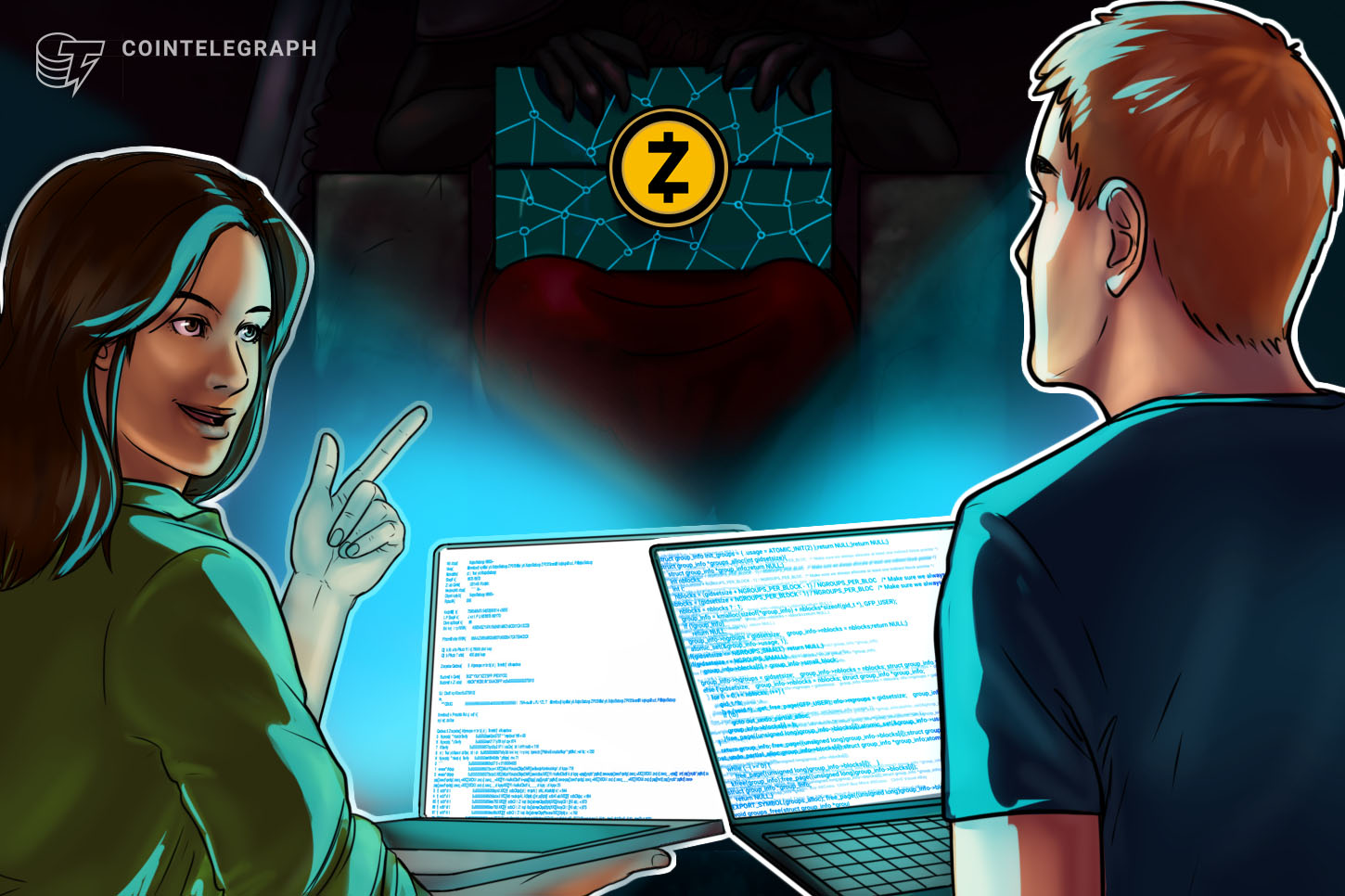
Crypto companies continued to expand their physical footprint in Texas, with Galaxy Digital and MARA Holdings announcing separate land acquisitions tied to AI, high-performance computing (HPC) and Bitcoin mining infrastructure.

On Tuesday, Galaxy Digital, a crypto financial services and infrastructure company, said it acquired a 500-acre site in McGregor, Texas, where it plans to build its second AI and high-performance computing (HPC) data center campus in the state. The project is expected to launch with 74 megawatts of power capacity before expanding in later phases.

MARA Holdings, a Bitcoin miner and digital infrastructure company, separately announced an agreement to acquire a 1,200-acre powered site in Matagorda County with access to up to 2 gigawatts of power capacity. The company said it intends to develop the site for AI and HPC workloads as well as bitcoin mining.

The announcements came the same day that Meta Platforms disclosed plans for a $14 billion AI data center campus in El Paso, adding to a wave of large-scale infrastructure investments in Texas.

Texas has emerged as a key destination for data center and crypto infrastructure projects because of its large power market, relatively low electricity costs and the availability of land suitable for large-scale developments. The state’s independent ERCOT grid has also attracted developers seeking access to substantial power capacity.

Magazine: Peter Brandt predicts the exact day Bitcoin’s bear market will be over

İlgili Sorular

QWhat did Galaxy Digital announce regarding its expansion in Texas?

AGalaxy Digital announced it acquired a 500-acre site in McGregor, Texas, where it plans to build its second AI and high-performance computing (HPC) data center campus, with an initial power capacity of 74 megawatts.

QWhat land acquisition did MARA Holdings announce in Texas?

AMARA Holdings announced an agreement to acquire a 1,200-acre powered site in Matagorda County, Texas, with access to up to 2 gigawatts of power capacity, which it plans to develop for AI, HPC workloads, and Bitcoin mining.

QWhy is Texas a key destination for data center and crypto infrastructure projects according to the article?

ATexas is a key destination due to its large power market, relatively low electricity costs, availability of land for large-scale developments, and its independent ERCOT grid which offers substantial power capacity.

QWhat other major company announced an AI data center investment in Texas on the same day as the Galaxy and MARA announcements?

AOn the same day, Meta Platforms disclosed plans for a $14 billion AI data center campus in El Paso, Texas.

QWhat specific industries or workloads are the new Texas sites from Galaxy and MARA intended to support?

ABoth companies' new sites are intended to support artificial intelligence (AI), high-performance computing (HPC) workloads, and Bitcoin mining (in the case of MARA Holdings).

İlgili Okumalar

What If the CLARITY Act Ultimately Fails to Pass?

This article examines the potential consequences if the CLARITY Act, a major US crypto market structure bill, fails to pass in the Senate. Having cleared the House in July 2025 and a key committee in May 2026, the bill's passage into law this year is now considered uncertain, with prediction markets showing its probability dropping from 82% in February to 35%. The article analyzes three main areas of impact should the bill fail. First, for the crypto market, analysts believe a negative reaction is limited and partially priced in already, with Bitcoin's recent weakness attributed more to macro factors. The specific details of the failed bill would matter more than its failure alone. Second, for US stocks, Coinbase (COIN) could see short-term pressure, with analysts citing a potential drop to the $140-$160 range, though its long-term thesis is not solely tied to the bill. For Circle, failure might be neutral or even positive long-term, as a passed bill could invite more stablecoin competition. Bitcoin-treasury firms like Strategy (MSTR) are seen as more directly tied to Bitcoin's price than the legislation. Third, in Washington, the failure is framed within a broader political struggle. Democratic resistance is partly linked to concerns over former President Trump's crypto holdings, making the bill a political tool. If it fails in 2026, the industry would likely rely on existing frameworks like the GENIUS Act and agency-level rules. Missing the August window likely pushes any significant progress to 2027, a period of political reshuffling after midterm elections, making consensus harder to achieve.

Odaily星球日报40 dk önce

What If the CLARITY Act Ultimately Fails to Pass?

Odaily星球日报40 dk önce

SK Hynix Q2 Profit Soars Sixfold, Still 'Misses Expectations'; Secures Long-Term Agreements with 10 Clients, HBM4 to Accelerate Volume Ramp in Second Half

SK Hynix reported record-breaking Q2 2026 financial results, with operating profit soaring 557% year-over-year to 60.5 trillion won and revenue increasing 257% to 79.3 trillion won, driven by strong demand for AI server memory, HBM, and enterprise SSDs. The operating profit margin reached 76.3%. However, both figures fell short of analyst expectations, leading to a drop in its share price. The company attributed the earnings miss to three factors: a high sales mix of HBM, which limited upside from surging prices of general-purpose DRAM; a deceleration in memory price increases compared to Q1; and long-term supply agreements (LTAs) with major customers that lock in prices, reducing sensitivity to spot market gains. SK Hynix has signed LTAs with about 10 clients, covering roughly half of its sales. Despite the miss, the company remains optimistic about AI-driven demand. Its net profit of 93.9 trillion won was significantly boosted by a one-time gain from the partial sale of its Kioxia stake. Financially, it strengthened its cash position, ending the quarter with a net cash position of 69.4 trillion won. Looking ahead, SK Hynix plans capital expenditures at the high end of its 40-50 trillion won range for 2026 to expand capacity for HBM and advanced NAND products, including accelerating the mass production of HBM4 in the second half of the year.

marsbit1 saat önce

SK Hynix Q2 Profit Soars Sixfold, Still 'Misses Expectations'; Secures Long-Term Agreements with 10 Clients, HBM4 to Accelerate Volume Ramp in Second Half

marsbit1 saat önce

İşlemler

Spot
活动图片