Rain Valuation Approaches $20 Billion: The Battle for U-Cards Extends to Rewards Systems

Foresight News2026-06-17 tarihinde yayınlandı2026-06-17 tarihinde güncellendi

Özet

Rain, a stablecoin payments infrastructure company, is shifting the competitive focus for U Cards from simple issuance to user retention and repeated usage. On June 15, Rain launched "Rain Rewards," an embedded loyalty program capability within its card-issuing infrastructure. This allows partner businesses—like fintech platforms and neobanks—to configure branded loyalty points, earning rules, redemptions, and merchant promotions directly within their card products. The system, built from the 2025 acquisition of Uptop, ensures points are only issued upon final transaction settlement, preventing liabilities from refunds. Trials, such as with Avalanche Card, reportedly boosted spending by 25% among enrolled users. Founded by Farooq Malik and Charles Yoo-Naut, Rain evolved from a tool for managing Web3 company expenses into a full-stack enterprise platform. It is a Principal Member of Visa and Mastercard, enabling partners to issue stablecoin-backed cards and wallets while leveraging traditional payment networks. Notably, the popular U Card Plasma One is issued by Rain under Visa's authority. Rain also integrates with Visa's stablecoin settlement pilot, using USDC for network settlement. Rain's rapid funding reflects growing institutional interest in stablecoin payment infrastructure. It raised a $245 million Series A in March 2025, a $58 million Series B in August 2025, and a $250 million Series C in January of this year, reaching a $19.5 billion valuation. Annualized transac...


Author: KarenZ, Foresight News


The next phase of competition for U-Cards might not be about issuing the cards themselves, but about who can get users to use them repeatedly.


On June 15, Rain announced the opening of its rewards program to platform partners. This is a loyalty capability directly embedded within Rain's card-issuing infrastructure. Partners can configure the name of the points, earning ratios, redemption methods, bonuses, and merchant subsidy campaigns within their own card products.


On the surface, Rain Rewards is a points and loyalty feature for card programs; but within the context of Rain's overall business, it more closely resembles a crucial puzzle piece for its stablecoin payment infrastructure.


Rain is a stablecoin payment infrastructure company. It serves not retail users, but enterprises, neobanks, fintech platforms, developers, and AI agents. Partners can use Rain to issue stablecoin-backed cards and wallets, accessing on/off ramps, cross-border payments, rewards programs, and risk control capabilities. For end-users, the experience might just be a card that can be used for both offline and online purchases; for enterprises, Rain provides a complete back-end system for integrating stablecoins into traditional payment networks.


Card Rewards Program: Retention is Paramount


The core of Rain Rewards is not about moving points on-chain, but about embedding the rewards program into the card-issuing infrastructure itself.


According to Rain's announcement on June 15, any partner running a card program on the Rain platform can launch a private-label loyalty program without having to integrate a third-party points provider separately or build a rewards system from scratch. Rain stated that during a private test of this rewards program with Avalanche Card, cardholders who joined the program had a 25% higher spend than those who did not.


Its mechanics also align more closely with financial infrastructure than a typical marketing tool. Points, earning rules, and redemption are all handled within the same system that processes spending and settlement. Furthermore, points are only generated on-chain after a transaction is finally completed, ensuring refunds or reversals do not leave behind difficult-to-manage liabilities.


Partners can set the program name, points-back percentage, category bonuses, merchant subsidy campaigns, allow users to offset their bills with points within their own app, or redeem for hotels and flights through a white-labeled travel portal.


This capability stems from Rain's acquisition of Uptop in November 2025. Uptop was an on-chain rewards platform that had provided rewards systems for clients like the Cleveland Cavaliers and the Detroit Pistons.


After acquiring Uptop, Rain integrated the rewards capability into its own card and wallet platform, forming a more complete enterprise-grade payment product stack.


This point is critical. If stablecoin cards only solve the 'can you spend' problem, it's difficult to compete with mature credit cards and fintech products. In reality, card programs compete for user frequency, merchant subsidies, benefit design, and brand affinity. By building Rewards into its underlying system, Rain essentially allows partners to have an operational consumption growth tool at their disposal as soon as they issue a stablecoin card.


What is Rain: The Backend for Stablecoin Payments


Rain was co-founded by Farooq Malik (CEO) and Charles Yoo-Naut (CTO).


Based on a 2022 interview with the two founders by Circle Ventures, we can see their starting point wasn't stablecoin cards from the outset, but rather a 2021 side project called SignandWire. This project initially aimed to embed payment functionality into electronic signature workflows. Later, an entrepreneur asked if USDC could be used as a payment method within signed investment documents, which led Farooq Malik and Charles Yoo-Naut to focus on the near real-time settlement capabilities of stablecoins. They first integrated USDC on Ethereum for SignandWire, and later, upon request from Solana ecosystem entrepreneurs, integrated USDC on Solana.


In discussions with Web3 entrepreneurs, the pair identified a more frequent pain point: many DAOs, protocol teams, and native on-chain companies held large amounts of crypto assets but still had to use temporary off-ramps, reimbursements, and manual processes to pay for real-world expenses like GitHub, SaaS, travel, and computers.


Rain initially evolved around the spend management needs of such teams, providing corporate cards and expense management tools, acting as a conversion layer between the traditional financial system and Web3 treasury systems. Subsequently, Rain's business expanded from DAO spend management to stablecoin card issuance, wallets, settlement, and enterprise-grade payment infrastructure, continuing this underlying logic: enabling on-chain assets to enter real-world payment scenarios in ways familiar to businesses and merchants.


Today, Rain is a Principal Member of Visa and Mastercard, enabling partners to offer stablecoin-backed credit cards, prepaid cards, and related wallet capabilities through the two major card networks.


In 2025, Rain also joined Visa's stablecoin settlement pilot and claimed to have migrated its Visa card settlement to USDC, enabling settlement with Visa 7 days a week, 365 days a year. When a user spends with a Visa card issued by Rain, Visa still settles with the merchant acquirer via conventional processes, while Rain uses stablecoins to complete network settlement in the backend.


Notably, the recently popular U-Card Plasma One is also issued by Rain under a Visa authorization.


In other words, Rain's role is not to replace existing payment networks, but to connect stablecoin settlement, card issuance, wallet, and compliance capabilities to traditional card networks, allowing enterprises to use one set of infrastructure to bring on-chain funds into offline and online consumption scenarios.


Accelerated Fundraising: From Series A to Series C in 10 Months


The pace of Rain's fundraising reflects the repricing of stablecoin payment infrastructure over the past year.


In March 2025, Rain announced the completion of a $24.5 million Series A funding round led by Norwest Venture Partners, with new investors including Galaxy Ventures, Goldcrest, Thayer, Hard Yaka joining, and existing investors like Lightspeed Venture Partners, Coinbase Ventures, Vinyl Capital, Canonical Crypto, and Latitude Capital participating further. Rain stated at the time that its transactions covered over 100 countries, with growth exceeding 15x in the past 12 months.


Five months later, in August 2025, Rain completed a $58 million Series B funding round led by Sapphire Ventures, with participation from Dragonfly, Galaxy Ventures, Endeavor Catalyst, Samsung Next, Lightspeed, and Norwest. Rain announced in the statement that transaction volume had grown 10x since January 2025, with Visa card programs processing millions of transactions in over 150 countries.


In January of this year, Rain completed a $250 million Series C funding round led by ICONIQ, with participation from Sapphire Ventures, Dragonfly, Bessemer Venture Partners, Galaxy Ventures, FirstMark, Lightspeed, Norwest, and Endeavor Catalyst.


Following this round, Rain's valuation reached $19.5 billion, with total funding exceeding $338 million. Rain also disclosed an annualized transaction volume of over $3 billion, serving over 200 partners, including Western Union, Nuvei, and KAST.


The most notable aspect of these figures isn't just the funding amounts themselves, but the time density. Rain progressed from Series A to Series C within 10 months, indicating that institutional capital is beginning to view stablecoin payments not just as a crypto concept, but as enterprise-grade financial infrastructure.


From Human Cardholders to AI Agents: Rain Aims to Secure the Programmable Payment Gateway


Rain's product line is no longer just a stablecoin card.


On June 9, 2026, Rain launched Agent Control Layer. This feature allows enterprises and developers to define the spending boundaries for AI Agents at the infrastructure level, including acceptable merchant categories, approved merchants/payees, transaction amounts, transaction frequency, number of available Agent cards, and card validity periods. Rain stated these rules are enforced before card issuance or transaction initiation, not after the fact.


This extends Rain's payment system from "humans using cards" to "machines using money." If AI agents in the future need to subscribe to software, book travel, execute procurement, or pay suppliers, the first problem enterprises need to solve is not the payment button, but the permission boundary: who can spend, when, to whom, and up to how much. Stablecoins provide programmable money, card networks provide merchant reach, and the control layer gives enterprises the confidence to embrace this automation.


From Agent Control Layer to the card rewards program (Rewards), Rain's path is becoming increasingly clear. Its goal is not a point product, but a stablecoin payment operating system: Cards are responsible for reaching merchants, wallets for holding assets, on/off ramps for connecting fiat, Rewards for retention, and the Agent Control Layer for managing permissions and compliance in automated payments.


The mainstream adoption of stablecoin payments may not happen within exchange interfaces. It might appear in a corporate card, a cross-border salary payment, a cup of coffee, or a virtual card temporarily generated by an AI Agent. Rain aims to be behind these transactions, enabling on-chain funds to flow where users don't even notice.

İlgili Sorular

QWhat is the core business of Rain as described in the article, and what kind of clients does it serve?

ARain is a stablecoin payment infrastructure company. It does not serve individual retail users directly, but instead serves businesses, neobanks, fintech platforms, developers, and AI agents as its clients.

QWhat is the purpose of the recently launched 'Rain Rewards' program, and what potential benefit was demonstrated in its private test?

AThe purpose of Rain Rewards is to provide a loyalty and rewards program functionality directly embedded into Rain's card-issuing infrastructure. A private test with Avalanche Card showed that cardholders enrolled in the reward plan had 25% higher spending compared to those not enrolled.

QWhat key acquisition did Rain make in November 2025, and how did it enhance their product offering?

AIn November 2025, Rain acquired Uptop, a chain-based rewards platform. Rain integrated Uptop's reward capabilities into its own card and wallet platform, forming a more complete enterprise-grade payment product stack.

QHow did Rain's funding rounds progress between March 2025 and January 2026, and what was its valuation after the C round?

ARain completed a $24.5 million Series A round in March 2025, a $58 million Series B round in August 2025, and a $250 million Series C round in January 2026. Following the C round, Rain's valuation reached $1.95 billion.

QWhat new product feature did Rain announce on June 9, 2026, and what is its primary function?

AOn June 9, 2026, Rain announced the 'Agent Control Layer'. Its primary function is to allow businesses and developers to define spending boundaries for AI Agents at the infrastructure level, such as permitted merchant categories, approved payees, transaction amounts, and frequency, before a transaction is initiated.

İlgili Okumalar

How Much of the Subscription Fee You Pay to Claude Can Optical Module Companies Get?

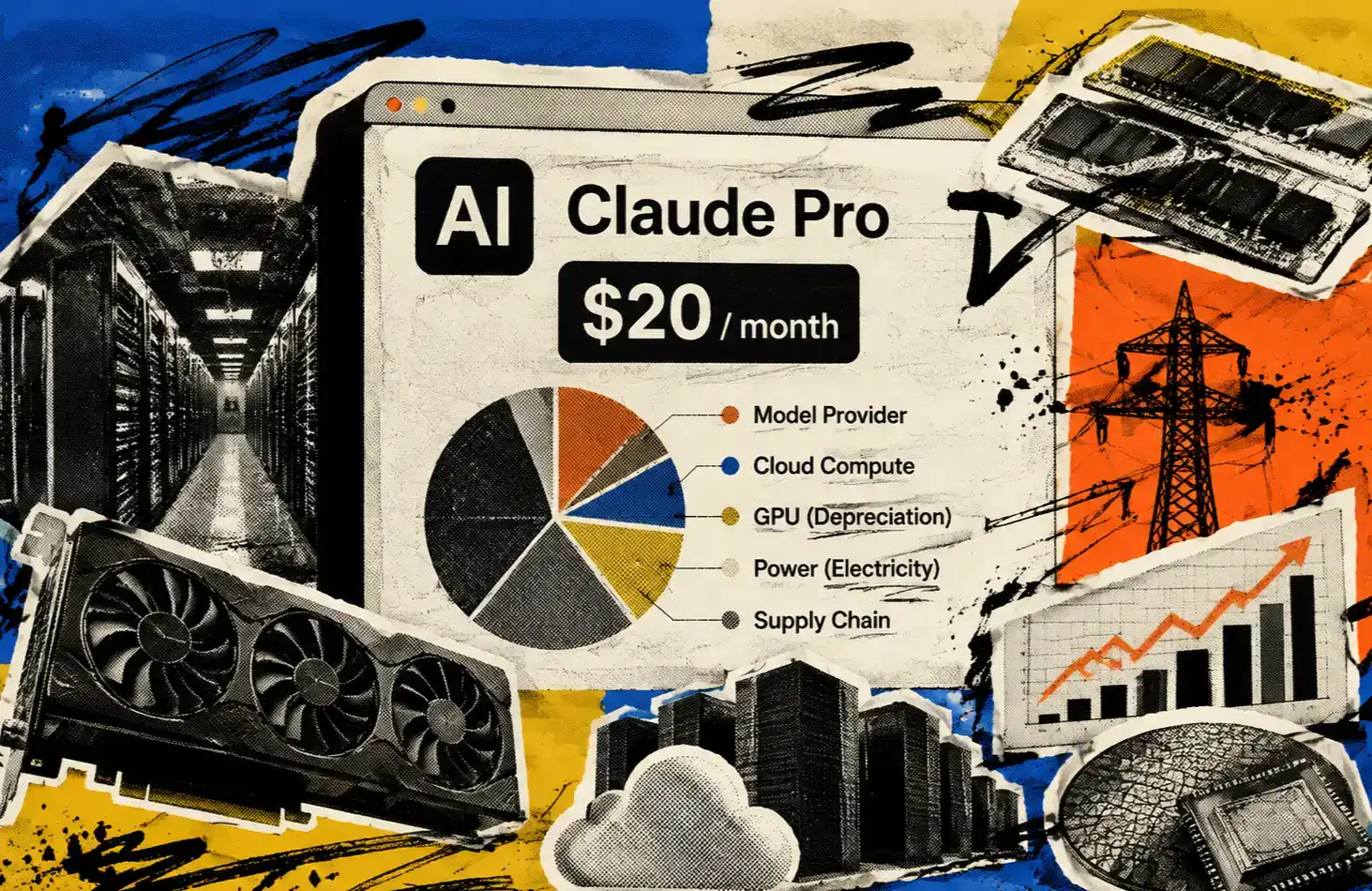
How much of your $20 Claude Pro subscription actually goes to AI model companies like Anthropic? A viral breakdown image highlights the fundamental valuation challenge for AI applications versus traditional SaaS. Unlike SaaS with high software margins, AI subscriptions face variable "inference costs": every user query consumes GPU time, power, and cloud resources. This creates a tension between fixed subscription fees and usage-driven expenses. While the specific dollar splits are illustrative, the core question is whether AI revenue can achieve SaaS-like margins as usage scales. Currently, infrastructure providers (cloud platforms, GPU makers like Nvidia, HBM suppliers, power/data centers) capture more certain revenue from growing AI usage. Their financials reflect pricing power and faster earnings validation. The bullish case hinges on efficiency improvements: model optimization, caching, smaller models, and custom chips could lower per-token costs over time. The key debate is whether cost declines can outpace increases in user workload complexity and volume. Ultimately, for AI companies to command high SaaS-like valuations, they must demonstrate not just user growth but also improving gross margins after accounting for inference costs. Investors will scrutinize not just subscriber numbers, but usage patterns, enterprise pricing tiers, and real efficiency gains.

marsbit11 dk önce

How Much of the Subscription Fee You Pay to Claude Can Optical Module Companies Get?

marsbit11 dk önce

OpenAI's Hyperliquid Pre-IPO Pricing Venture: Why Did It Last Only Half a Year?

The article discusses the rise and fall of Pre-IPO pricing markets on the Hyperliquid blockchain. Trade.xyz, an anonymous team, successfully built the largest pre-market for SpaceX (SPCX) by launching a contract with a clear anchor: the eventual Nasdaq listing price. This provided inherent price stability and validation. In contrast, Ventuals, a team backed by Paradigm, failed despite holding exclusive contracts for highly sought-after companies like OpenAI and Anthropic. Its key mistake was its pricing mechanism. For companies with no near-term IPO date, Ventuals' oracle relied partly on opaque private market transactions and, critically, partly on its own contract's moving average price. This created a self-referential feedback loop where prices were artificially propped up and detached from genuine supply and demand, leading to illiquid markets. Ventuals shut down after nine months, settling positions at final prices of $1,341.80 for OpenAI and $1,618.90 for Anthropic. Ironically, some employees and late-stage investors of these very companies reportedly used these flawed Ventuals prices for valuation reference, highlighting the acute demand for any price signal in illiquid private markets. The article concludes that while demand for pre-IPO trading is real and growing, with players like Coinbase now entering the space, the fundamental challenge remains: without a public listing to provide a definitive price anchor, these markets struggle to establish truly accurate and liquid pricing. The need for a transparent, self-correcting market is the critical lesson from Ventuals' failure.

marsbit27 dk önce

OpenAI's Hyperliquid Pre-IPO Pricing Venture: Why Did It Last Only Half a Year?

marsbit27 dk önce

With Daily Active Users Reaching 3-4 Times That of the Industry's Second Place, Which Crack in the Office Agent Market Has Tencent's WorkBuddy Torn Open?

Tencent's AI office assistant, WorkBuddy, has achieved daily active users (DAU) 3-4 times that of the industry's second-place product, primarily driven by non-technical users like HR, operations, and administrative staff. Its rapid growth, starting with a public beta in March 2026, highlights a key strategic divergence from competitors like OpenAI's Codex and Anthropic's Claude Code. Unlike those tools, which originated as developer-focused assistants (in command lines or IDEs) and are now expanding towards office scenarios, WorkBuddy was built from the ground up for non-technical office workers. Its development was user-driven, initiated after腾讯云's team observed non-technical employees using their CodeBuddy coding tool for general tasks. WorkBuddy's design is defined by three core decisions aimed at lowering barriers: 1) Using natural language instead of technical concepts, so users describe their goal without needing to understand prompts or agents. 2) Providing pre-packaged "Skill" templates for common office tasks like data processing, content creation, and research. 3) Natively integrating into existing腾讯 ecosystems like腾讯 Docs and WeChat, making the agent a seamless part of the user's workflow rather than a separate tool. This "scenario encapsulation" approach, prioritizing the shortest path for users to get work done, contrasts with the "underlying capability" focus of Codex and Claude, which offer more flexibility but require more technical setup. Analysts confirm WorkBuddy's leading market position in China by mid-2026, with massive user and request growth following its launch. Recognizing the same trend of surging non-technical adoption, OpenAI and Anthropic are now pivoting their products with features like role-based plugins (Codex) and a simplified desktop interface (Claude Cowork). However, adapting tools built for developers requires significant changes to interaction models and integrations. WorkBuddy currently holds an estimated six-month lead in delivering a complete solution for non-technical office users. Its recently launched enterprise version aims to solidify this advantage. The competition underscores two valid paths: embedding agent capabilities directly into familiar work environments versus building powerful, general-purpose agents that users must learn to access. WorkBuddy's early success demonstrates the effectiveness of the former strategy for mainstream office adoption.

marsbit35 dk önce

With Daily Active Users Reaching 3-4 Times That of the Industry's Second Place, Which Crack in the Office Agent Market Has Tencent's WorkBuddy Torn Open?

marsbit35 dk önce

İşlemler

Spot
Futures

Popüler Makaleler

$RAIN Nedir

Raindrops Protokolü: Oyun Varlıklarını Blockchain Teknolojisi ile Devrim Yaratmak Giriş Blockchain teknolojisi ve Web3 ekosisteminin sürekli gelişen alanında, Raindrops Protokolü, özellikle oyun endüstrisi içinde benzersiz bir aktör olarak ortaya çıkıyor. Bu merkeziyetsiz, açık kaynaklı girişim, oyun varlıklarının zincir üzerinde yönetimini standartlaştırmayı amaçlayarak çeşitli oyun platformları arasında kesintisiz bir etkileşim köprüsü oluşturuyor. Blockchain'in sağlamlığından faydalanarak, Raindrops Protokolü, dijital varlıkların nasıl yönetildiğini yenilikçi bir şekilde değiştirmenin yanı sıra, oyuncuların sanal mülkleriyle etkileşimlerini yeniden tanımlıyor. Raindrops Protokolü Nedir? Raindrops Protokolü, $$RAIN olarak adlandırılan, oyun için özel olarak tasarlanmış zincir üzeri ve zincir üzeri kanıt verilerinin yönetimini kolaylaştıran beş modüler sözleşmeden oluşmaktadır. Ana hedefi, oyun varlığı verilerini depolamak için standart bir metodoloji oluşturarak, oyuncuların ve geliştirenlerin çoklu oyun istemcileri arasında herhangi bir oyuncu veya öğeyi kolayca entegre etmelerini sağlamak. Bu yaklaşım sadece uyumluluğu teşvik etmekle kalmaz, aynı zamanda farklı oyunlar arasında garanti edilmiş varlık sahipliği ve ticareti sunarak oyun deneyimini zenginleştirir. Raindrops Protokolü'nün Temel Özellikleri Standartlaştırılmış Oyun Varlığı Depolama: Raindrops Protokolü, zincir üzeri varlık yönetimi için birleşik bir sistem getirerek, eşyaların tek bir oyunla sınırlı kalmadığını ve çeşitli platformlarda sorunsuz bir şekilde kullanılabileceğini garanti eder. Kullanıcı Dostu Arayüz: Erişilebilirlik dikkate alınarak tasarlanmış olan protokol, blockchain veya kripto ortamlarına yeni olan kullanıcılar da dahil olmak üzere deneyim spektrumundaki kullanıcılara hitap eder. Yüksek Güvenlik: Gelişmiş blockchain teknolojilerini kullanarak, protokol, işlemsel bütünlüğü artıran ve oyunculara dijital varlıkları konusunda güven veren ileri seviye güvenlik özellikleri içerir. Esneklik: Protokolün modüler tasarımı, basit varlık değişimlerinden daha karmaşık finansal etkileşimlere kadar geniş bir kripto operasyon yelpazesine olanak tanır. Raindrops Protokolü'nün Yaratıcısı Kimdir? Raindrops Protokolü'nün vizyonunun doğuşu bir nebze gizemli kalmaktadır; yaratıcısının kimliği şu anda bilinmemektedir. Kurucu hakkında kamuya açık bilgilere duyulan özlem ilginç sorular gündeme getiriyor, ancak bu durum projenin potansiyelini veya yenilikçi yönlerini azaltmıyor. Protokolün açık kaynaklı doğası, blockchain teknolojisi ile oyunu yeniden şekillendirmeye istekli bir geliştirici topluluğunun işbirlikçi katkılarını karşılayabileceği anlamına geliyor. Raindrops Protokolü'nün Yatırımcıları Kimlerdir? Mali destek açısından Raindrops Protokolü, yatırımcıları veya finansman kaynakları hakkında belirli detaylar açıklamamıştır. Bu bilgi eksikliği projenin başlangıç aşamasında olmasından kaynaklanabileceği gibi, bağımsız bir gelişim yolunu beslemek için bilerek tercih edilen bir yaklaşımı da yansıtabilir. Her durumda, tanınmış yatırımcıların yokluğu, protokolün yeteneklerini engellemez; aksine, Raindrops Protokolü'nü blockchain ve oyun alanında yerel yenilik için ilginç bir vaka çalışması haline getirir. Raindrops Protokolü Nasıl Çalışır? Raindrops Protokolü'nün nasıl çalıştığını anlamak, mimari tasarımına ve operasyonel metodolojisine daha yakından bakmayı gerektirir. Protokol, zincir üzerindeki oyun varlıklarının temsillerini yöneten beş bireysel sözleşme—"à la carte" sözleşmeleri olarak adlandırılan—bulunmaktadır. İnteroperable Sözleşmeler: Her sözleşme, oyun geliştiricilerin sadece belirli oyunları için ihtiyaç duydukları bileşenleri seçip entegre etmelerine olanak tanıyan benzersiz bir yapı taşı gibi çalışır. Bu modüler yapı, verimliliği artırırken karmaşıklığı azaltır. Chain'de Kanıt ve Zincir Üzeri Veriler: Zincir üzeri kanıt verilerinin benimsenmesi, varlık sahipliği ve işlem geçmişinin değiştirilemez bir şekilde blockchain'de kaydedilmesini sağlar. Bu, oyuncular arasında şeffaflığı ve güveni güçlendirir. Sorunsuz Entegrasyon: Oyun varlıklarının nasıl tanımlandığını ve depolandığını standartlaştırarak, protokol oyuncuların dijital eşyalarını farklı oyun ortamları arasında taşımasına olanak tanır. Bu etkileşim, varlıkların genellikle belirli oyunlarda kilitlendiği geleneksel oyunlardan önemli bir sapmadır. Güvenli İşlemler: Güvenlik protokolleri, oyuncu bilgilerini ve varlık işlemlerini koruyarak, katılımcıların ticaret ve etkileşimlerde kayıp veya hırsızlık korkusu olmadan yer almasını sağlar. Raindrops Protokolü'nün Zaman Çizelgesi Raindrops Protokolü'nün zaman çizelgesi, yolculuğundaki kritik kilometre taşlarına dair içgörüler sunmaktadır: 2023: Raindrops Protokolü resmi olarak piyasaya sürüldü ve blockchain üzerinde oyun varlık yönetimini standartlaştırma çabalarının başlangıcını işaret etti. Haziran 2023: Raindrops Protokolü, Kaushik Choudhury tarafından kaleme alınan bir blog gönderisinde öne çıktı; bu gönderi, oyun sektöründeki potansiyel etkisini sergileyerek daha geniş kripto topluluğunda ilgi uyandırdı. Raindrops Protokolü gelişmeye devam ederken, çeşitli iyileştirme ve topluluk etkileşimleri aşamalarından geçmesi bekleniyor; bu durum, oyun dünyasındaki yerini daha da şekillendirecektir. Sonuç Raindrops Protokolü, oyunculara varlık sahipliği ve etkileşilebilirlik sağlayan blockchain teknolojisi ile donatılmış oyundaki dönüştürücü bir kaymanın ön saflarında yer alıyor. Yaratıcısının bilinmeyen kimliği ve açıklanmayan yatırımcıların varlığına rağmen, protokolün umut verici özellikleri parlak bir gelecek vaat ediyor. Oyun varlığı depolamasını standartlaştırma ve yaratıcı esnekliği teşvik etme taahhüdü, onu hem oyun geliştiricileri hem de oyuncular için çekici bir seçenek haline getiriyor; bu durum daha bağlantılı ve dinamik bir oyun deneyimi vaad ediyor. Protokol geliştikçe, kesinlikle sadece yenilikçi yaklaşımıyla değil, aynı zamanda blockchain döneminde dijital oyun varlıklarını yeniden tanımlama kapasitesiyle de dikkat çekmeye devam edecektir. Bu hızla hızlanan dijital ortamda, Raindrops Protokolü, etkileşim ve yaratıcılık için yeni yollar aydınlatan bir potansiyel simgesi temsil ediyor.

95 Toplam GörüntülenmeYayınlanma 2024.04.05Güncellenme 2024.12.03

$RAIN Nedir

RAIN Nasıl Satın Alınır

HTX.com’a hoş geldiniz! Rain (RAIN) satın alma işlemlerini basit ve kullanışlı bir hâle getirdik. Adım adım açıkladığımız rehberimizi takip ederek kripto yolculuğunuza başlayın. 1. Adım: HTX Hesabınızı OluşturunHTX'te ücretsiz bir hesap açmak için e-posta adresinizi veya telefon numaranızı kullanın. Sorunsuzca kaydolun ve tüm özelliklerin kilidini açın. Hesabımı Aç2. Adım: Kripto Satın Al Bölümüne Gidin ve Ödeme Yönteminizi SeçinKredi/Banka Kartı: Visa veya Mastercard'ınızı kullanarak anında Rain (RAIN) satın alın.Bakiye: Sorunsuz bir şekilde işlem yapmak için HTX hesap bakiyenizdeki fonları kullanın.Üçüncü Taraflar: Kullanımı kolaylaştırmak için Google Pay ve Apple Pay gibi popüler ödeme yöntemlerini ekledik.P2P: HTX'teki diğer kullanıcılarla doğrudan işlem yapın.Borsa Dışı (OTC): Yatırımcılar için kişiye özel hizmetler ve rekabetçi döviz kurları sunuyoruz.3. Adım: Rain (RAIN) Varlıklarınızı SaklayınRain (RAIN) satın aldıktan sonra HTX hesabınızda saklayın. Alternatif olarak, blok zinciri transferi yoluyla başka bir yere gönderebilir veya diğer kripto para birimlerini takas etmek için kullanabilirsiniz.4. Adım: Rain (RAIN) Varlıklarınızla İşlem YapınHTX'in spot piyasasında Rain (RAIN) ile kolayca işlemler yapın.Hesabınıza erişin, işlem çiftinizi seçin, işlemlerinizi gerçekleştirin ve gerçek zamanlı olarak izleyin. Hem yeni başlayanlar hem de deneyimli yatırımcılar için kullanıcı dostu bir deneyim sunuyoruz.

159 Toplam GörüntülenmeYayınlanma 2024.12.11Güncellenme 2026.06.02

RAIN Nasıl Satın Alınır

Tartışmalar

HTX Topluluğuna hoş geldiniz. Burada, en son platform gelişmeleri hakkında bilgi sahibi olabilir ve profesyonel piyasa görüşlerine erişebilirsiniz. Kullanıcıların RAIN (RAIN) fiyatı hakkındaki görüşleri aşağıda sunulmaktadır.

活动图片