Bitcoin Heist At Home: Wife Uses CCTV To Pocket $176 Million

bitcoinist2026-03-17 tarihinde yayınlandı2026-03-17 tarihinde güncellendi

Özet

A domestic dispute in the UK High Court involves a man, Ping Fai Yuen, accusing his estranged wife, Fun Yung Li, of stealing Bitcoin worth approximately $176 million. He claims she secretly recorded the 24-word recovery phrase to his hardware wallet and transferred the funds into 71 separate wallets to complicate tracing. CCTV and audio devices allegedly captured discussions about moving the money discreetly. Li was arrested and released on bail, but police have taken no further action without new evidence. The court sees a strong case and has moved to freeze related assets, noting the risk of cross-jurisdictional transfers. The case may set a legal precedent for applying traditional property laws to cryptocurrency theft.

A bitter domestic dispute has spilled into the UK High Court after a man claimed a massive Bitcoin holding vanished from his control under unusual circumstances inside his own home.

Ping Fai Yuen has accused his estranged wife Fun Yung Li of secretly recording the recovery phrase to his hardware wallet and using it to access funds now valued at about $176 million. The claim centers on a 24-word seed phrase, which acts as the master key to a private crypto wallet.

Bitcoin Split Across 71 Wallets In Alleged $176M Transfer Scheme

According to court filings, the Bitcoin was moved into 71 separate wallet addresses shortly after the alleged access took place. The claimant, Yuen, believes the transfer was deliberate and designed to spread the funds in a way that would make tracing and recovery harder.

He also told the court that recording devices had been set up inside the home, initially over concerns raised by a child. Audio gathered from those devices is said to include conversations involving Li about moving money without triggering alerts from banks or authorities.

Police later searched properties connected to Li and seized several items, including cold wallets and high-value watches. She was arrested and released on bail while inquiries were carried out. Investigators have since indicated that no further action will be taken unless new evidence surfaces.
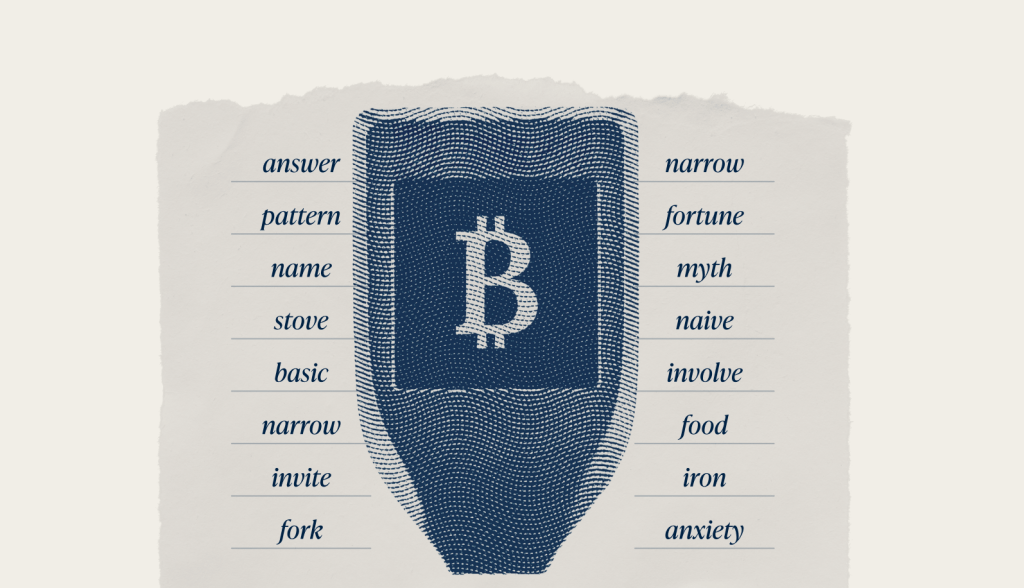
A sample Bitcoin seed phrase. Source: Unchained

Judge Sees Strong Chance Of Success

The High Court has signaled that the case may move quickly. A judge reviewing the material said the claimant appears to have a strong case and suggested an expedited trial due to the size of the assets and the risks tied to their security.

An application has been made to freeze assets believed to be linked to the defendant and her sister. The goal is to prevent any movement while the dispute is still being decided. The court reviewed transcripts and materials gathered during searches when considering the strength of the claim.

Another issue that concerned the judge was how easily digital assets could be transferred between jurisdictions, which could pose a problem if the case is not settled quickly.

BTCUSD trading at $74,009 on the 24-hour chart: TradingView

Legal Limits And Questions About Conversion

This case is also attracting attention because of the legal issues that have been raised. Experts say that this case could put to the test how conventional laws governing property apply to cryptocurrencies, especially when recovering assets that exist only virtually.

One of the issues being discussed is whether conventional legal remedies available for stolen property can apply to Bitcoin. Early indications suggest that some of those routes may not fit neatly with digital assets.

Parts of the claim have already been narrowed as the court examines which arguments can proceed. That process is expected to shape how similar cases are handled in the future.

Featured image from Secureye, chart from TradingView

İlgili Sorular

QWhat is the estimated value of the Bitcoin that was allegedly stolen in the case?

AThe Bitcoin is valued at about $176 million.

QHow did the wife, Fun Yung Li, allegedly gain access to the Bitcoin wallet?

AShe allegedly secretly recorded the 24-word recovery seed phrase to his hardware wallet.

QWhat action did the UK High Court take regarding the defendant's assets?

AThe court has made an application to freeze assets believed to be linked to the defendant and her sister.

QWhy is this case considered significant for the legal system?

AIt is testing how conventional laws governing property apply to cryptocurrencies and the legal remedies available for stolen digital assets.

QWhat was the police action following the alleged theft, and what is the current status of their investigation?

APolice searched properties, seized items including cold wallets, and arrested the defendant. She was released on bail, and investigators have indicated no further action will be taken unless new evidence surfaces.

İlgili Okumalar

The 4 Truths and Fee Traps Behind Polymarket's LP Market Making Incentives

Polymarket, a prediction market platform, has recently shifted its focus to incentivizing liquidity providers (LPs) to address its core issue of low liquidity. While most markets remain free, it now charges a taker fee on specific markets like crypto price movements and select sports events. This fee, highest near 50% probability, funds new LP reward programs. There are two primary reward systems: one pays LPs when their limit orders are executed (maker rewards), and another rewards simply for placing orders within a set spread to provide liquidity, even if they don't get filled. A third mechanism allows anyone to sponsor additional incentives for specific markets. A positive view argues this structure values genuine liquidity over mere trading volume, making fees earned and rewards received a potential key, anti-sybil metric for a future POLY token airdrop. It rewards users who improve market depth and stability. A contrasting, negative view claims the LP program is a "trap." Critics argue that professional market makers avoid it due to insider trading risks and that most LPs are actually losing money due to hidden "LP wear and tear" (impermanent loss), only participating based on speculation of a valuable airdrop. They warn that if Polymarket expands fees to fund these unsustainable rewards, it could lose its competitive edge of zero fees and better odds compared to traditional sportsbooks. Proposed solutions include a fixed fee only on profits, using a native POLY pool for liquidity, or charging for premium products like parlays instead of core markets.

marsbit1 saat önce

The 4 Truths and Fee Traps Behind Polymarket's LP Market Making Incentives

marsbit1 saat önce

The 4 Truths Behind Polymarket's LP Market-Making Incentives and the Fee Trap

Polymarket, a prediction market platform, has recently shifted its incentive structure towards rewarding Liquidity Providers (LPs) to solve its core problem of low market depth. While most markets remain free, it now charges a taker fee on specific markets (all Crypto markets, NCAAB basketball, and Serie A football) to fund new LP reward programs. The fee is calculated on a symmetric curve, highest near 50% probability. The platform has introduced two main incentive systems: one rewards LPs whose limit orders are executed (Maker Incentives), and another rewards LPs simply for providing resting liquidity, even if orders aren't filled (Liquidity Incentives). A third system allows anyone to sponsor additional rewards for specific markets. A key argument is that the fees paid and rewards earned could be a strong anti-sybil metric for a potential POLY token airdrop, valuing genuine liquidity provision over mere trading volume. However, a counter viewpoint argues the LP program is a potential trap. Critics claim that the displayed ROI for LPs is misleading as it doesn't account for "LP wear and tear"—losses from filled orders that can't be easily exited. They state professional market makers avoid it due to insider trading risks and that the model of subsidizing liquidity with massive daily rewards is unsustainable. The concern is that widespread fee implementation could erase Polymarket's competitive edge over traditional betting platforms. Proposed solutions include a fixed fee on profits only, using a POLY token for native liquidity, and charging for premium products like parlays instead of core markets.

Odaily星球日报1 saat önce

The 4 Truths Behind Polymarket's LP Market-Making Incentives and the Fee Trap

Odaily星球日报1 saat önce

Understanding x402 and MPP: Two Approaches to Agent Payments

Stripe's MPP and x402 represent two competing approaches to enabling machine-to-machine payments, both leveraging the long-dormant HTTP 402 status code ("Payment Required"). x402, led by Coinbase, is a minimalist protocol that embeds payment directly into HTTP requests. It requires no accounts, API keys, or intermediaries. A server returns a 402 response with payment details; the client pays on-chain and resubmits the request with a proof. It's open-source, chain-agnostic (currently supporting Base, Polygon, Solana), and designed for open, permissionless systems. However, current usage is low, with small microtransactions. MPP, developed by Stripe and Tempo, is a full-stack solution built for high-frequency agent transactions. Its core innovation is sessions, allowing an agent to pre-authorize a spending limit and make numerous micro-payments within it without repeated on-chain transactions. It runs on the Tempo blockchain, optimized for high throughput and sub-second confirmations. Crucially, it integrates with Stripe's existing compliance, risk, and fiat infrastructure, including support for credit cards via Shared Payment Tokens (SPTs). While x402 offers simplicity and decentralization, MPP provides scalability and enterprise-grade features. Stripe supports both, aiming to capture agent payment flows regardless of the underlying protocol. The ecosystem is still experimental, but major players like Google, Visa, and Anthropic are involved. The choice depends on the use case: x402 for open, long-tail applications, and MPP for commercial, high-volume scenarios.

marsbit1 saat önce

Understanding x402 and MPP: Two Approaches to Agent Payments

marsbit1 saat önce

İşlemler

Spot
Futures

Popüler Makaleler

HOME Nasıl Satın Alınır

HTX.com’a hoş geldiniz! Defi.app (HOME) satın alma işlemlerini basit ve kullanışlı bir hâle getirdik. Adım adım açıkladığımız rehberimizi takip ederek kripto yolculuğunuza başlayın. 1. Adım: HTX Hesabınızı OluşturunHTX'te ücretsiz bir hesap açmak için e-posta adresinizi veya telefon numaranızı kullanın. Sorunsuzca kaydolun ve tüm özelliklerin kilidini açın. Hesabımı Aç2. Adım: Kripto Satın Al Bölümüne Gidin ve Ödeme Yönteminizi SeçinKredi/Banka Kartı: Visa veya Mastercard'ınızı kullanarak anında Defi.app (HOME) satın alın.Bakiye: Sorunsuz bir şekilde işlem yapmak için HTX hesap bakiyenizdeki fonları kullanın.Üçüncü Taraflar: Kullanımı kolaylaştırmak için Google Pay ve Apple Pay gibi popüler ödeme yöntemlerini ekledik.P2P: HTX'teki diğer kullanıcılarla doğrudan işlem yapın.Borsa Dışı (OTC): Yatırımcılar için kişiye özel hizmetler ve rekabetçi döviz kurları sunuyoruz.3. Adım: Defi.app (HOME) Varlıklarınızı SaklayınDefi.app (HOME) satın aldıktan sonra HTX hesabınızda saklayın. Alternatif olarak, blok zinciri transferi yoluyla başka bir yere gönderebilir veya diğer kripto para birimlerini takas etmek için kullanabilirsiniz.4. Adım: Defi.app (HOME) Varlıklarınızla İşlem YapınHTX'in spot piyasasında Defi.app (HOME) ile kolayca işlemler yapın.Hesabınıza erişin, işlem çiftinizi seçin, işlemlerinizi gerçekleştirin ve gerçek zamanlı olarak izleyin. Hem yeni başlayanlar hem de deneyimli yatırımcılar için kullanıcı dostu bir deneyim sunuyoruz.

210 Toplam GörüntülenmeYayınlanma 2025.06.10Güncellenme 2025.06.10

HOME Nasıl Satın Alınır

Tartışmalar

HTX Topluluğuna hoş geldiniz. Burada, en son platform gelişmeleri hakkında bilgi sahibi olabilir ve profesyonel piyasa görüşlerine erişebilirsiniz. Kullanıcıların HOME (HOME) fiyatı hakkındaki görüşleri aşağıda sunulmaktadır.

活动图片