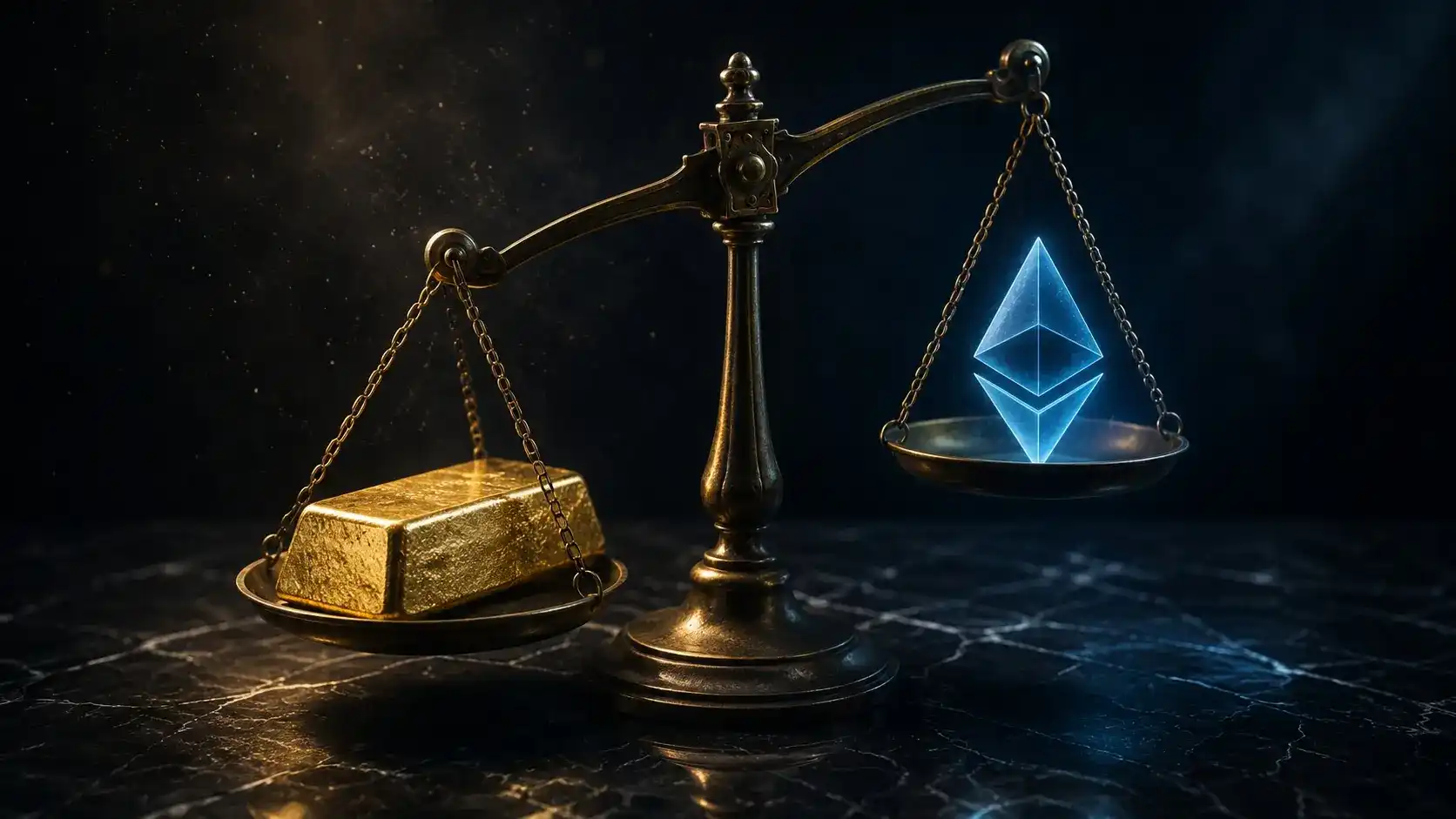
Gold, Fiat, or Bitcoin: Which Will Dominate Global Finance in 10 Years?

marsbit2026-05-28 tarihinde yayınlandı2026-05-28 tarihinde güncellendi

Özet

In an increasingly multipolar world moving away from the post-1991 unipolar era dominated by the US dollar, the global monetary system is shifting towards multipolarity. Gold remains a key non-sovereign store of value due to its size, liquidity, and immunity from devaluation or seizure. Diversification into multiple fiat currencies is a practical but inefficient option. Bitcoin presents a novel, decentralized, and fast-settling digital ledger, though its widespread adoption faces challenges of security, network effects, and volatility. Its success depends on whether individuals value financial sovereignty enough to overcome adoption barriers. By 2036, gold and major fiat currencies will likely remain significant, but Bitcoin has the potential to rival their scale if it maintains security and gains broader acceptance for its unique attributes of self-custody and permissionless transactions.

Written by: Lyn Alden

Compiled by: AididiaoJP, Foresight News

As I write this article in 2026, the world is increasingly moving towards multipolarity, a trend I expect to continue over the next decade until 2036.

In fact, this recent unipolar era is the rare historical anomaly. From the end of World War II in 1945, especially after the dissolution of the Soviet Union in 1991, the United States has existed as the sole global superpower. Telecommunications and industry connected the entire world for the first time, enabling truly global influence.

Before this, multipolarity was the norm. Even at the height of the Roman Empire nearly two thousand years ago, there were other powerful regions in the world, including the Han Dynasty and other Asian kingdoms and empires. That was an era of distance and difficulty, where great powers could coexist but interaction was limited.

The multipolarity of power is also reflected in the multipolarity of currency. For millennia, gold, silver, and secondary commodities have been money. No single sovereign ledger was large enough to serve the entire world, so only a natural, decentralized ledger could suffice.

But in the era of telecommunications, as commerce and money began to move at the speed of light in the late 19th and early 20th centuries, even gold became insufficient. The US dollar became the primary currency for cross-border lending and contract pricing, and US Treasury bonds became the premier reserve asset for central banks. People often mention previous reserve currencies like the British pound or the Dutch guilder, but they were different from the dollar. They were proxies for metal, while gold itself was the true reserve currency of that era. However, in this unipolar superpower era, the freely floating dollar and its bond markets surpassed the known market capitalization of gold to become the largest asset held in sovereign reserves.

Many once believed this unipolar era was the "end of history," although history never ends. China and India gradually regained their economic strength from the lows of colonialism and war—the very events that shaped their destinies in the 19th and 20th centuries. Now, in the early 21st century, China has become the world's largest producer of steel, electricity, and manufactured goods. Meanwhile, the United States suffers deeply from the Triffin Dilemma: to maintain its status as the world's reserve currency, it must supply the world with its currency, achieved through persistent deficits. These deficits, and the resulting industrial hollowing out, ultimately erode trust in that currency.

Today, many among the US ruling class are no longer willing to bear the costs of issuing the reserve currency, though few admit it openly—the imbalances have become too severe. Simultaneously, the rest of the world does not want its assets to be arbitrarily devalued or frozen by Washington, nor does it want its debts to be hardened. No other sovereign entity is both willing and able to shoulder the burden of being the global ledger—it requires immense trust and comes with a heavy cost.

Therefore, we are witnessing a gradual return to currency multipolarity.

Gold is the obvious first choice: it is the only store of value with sufficient scale, liquidity, and divisibility. It is still not fast enough, but countries realize they do not have to go all-in on the dollar as they have in recent decades. They can hold more gold as a larger portion of their savings, substituting for treasury bonds. Gold has its flaws, but it cannot be hacked, unilaterally devalued or frozen, and it is eternal.

The second choice is mundane yet realistic: diversification. In a world with a handful of major economic powers, countries can diversify their fiat exposures. They can hold a basket of currencies and bonds proportionate to the scale of their trade partners and capital providers. This diversifies devaluation and confiscation risks. The problem is network effects: liquidity reinforces itself, and entities dislike having assets and liabilities denominated in different units, so currencies naturally tend towards singularity. A patchwork solution of gold plus two or three major fiat currencies serving as a global ledger is possible, but not ideal.

The third potential choice remains in a relatively early stage: Bitcoin. Nature provides a slow but decentralized ledger. Sovereignty provides a fast but centralized ledger. Bitcoin provides a ledger that is both decentralized and fast. The unipolar superpower world emerged in an era where transaction speed could reach light speed, but final settlement could not keep up. Fast global transactions (i.e., IOUs) could be done simply via Morse code over telegraph, which was simple and low bandwidth; fast global settlement (i.e., irreversible transfer) required higher bandwidth communication and strong cryptography. Now, fast settlement is achievable at scale, reducing reliance on centralized intermediaries to bridge the gap between fast transactions and slow settlement.

The challenges from here on out, however, are two: security and network effects.

Bitcoin's ultimate security has been questioned since its inception. Can its economic incentives keep it permissionless and decentralized forever, or will it gradually succumb to centralized capture? Will its cryptographic assumptions continue to hold? Related to both: despite decentralization, can it be upgraded progressively over time, remaining functional and secure as the underlying world computer infrastructure evolves? At only 17 years old, these questions remain unanswered. But those of us who invest in the asset and participate directly or by funding development believe Bitcoin is our best shot, and so we work to create the reality we hope to see.

Bitcoin's network effects are strong but still limited. These network effects, combined with its simple and robust design, have been enough to keep it the largest cryptocurrency for 17 consecutive years since inception, with no real competitor emerging. Yet, from a broader perspective, it's still a small fish in a big sea. Its direct user base is only in the millions, while the world has billions. Its market cap is in the low trillions, while global assets are around a hundred trillion. As for the dollar, the largest, most liquid currency is used as the unit of account—the dollar globally, and other fiat locally. It's the unit in which salaries are priced, commercial contracts are referenced, and liabilities are fulfilled.

To achieve immense growth, Bitcoin must necessarily be volatile to the upside. Upside volatility is accompanied by mania and leverage, which creates conditions for downside volatility. This adoption volatility will last for decades because it requires gradually eroding the existing network effects of the dollar and other large currencies. This limits Bitcoin's appeal as a unit of account and a vehicle for short-term savings. It exists as an investable asset, a long-term savings tool, and the most unstoppable means of payment and settlement for goods and services denominated in the more stable incumbent currencies. During this adoption phase, Bitcoin's fate rests on the vision of early adopters who plan in multi-decade timeframes. The larger it gets, the more stable it becomes, and the more it can serve as a unit of account and for short-term savings, but getting there is a long journey.

As long as Bitcoin remains robust against security threats and continues to erode the networks of incumbent currencies, it becomes more attractive to individuals, corporations, and sovereigns. By 2036, I believe gold will still be popular because people have a natural affinity for physical, eternal things. I also believe the biggest fiat currencies, troubles and all, will still be widely used: those trains have a long way to go yet. If successful, Bitcoin in 2036 will have a market capitalization larger than any single stock and rival the market sizes of the largest currencies and metals.

Bitcoin's biggest challenge is not governments, not quantum computers, not rogue developers, nor other digital assets. Rather, the biggest challenge, the biggest risk, is us. The people. All the people.

By 2036, war, corruption, and tyranny will still exist. But it's a matter of proportion and quantity. People imagine governments imposing these on us, but in reality, only partly so. In practice, it's people actively asking for them.

There's a perceived balance between freedom and security. War, tyranny, and the centralized ledgers that fuel them arise not just from human evil, but from human fear. When people fear invaders, plagues, technology, and competition for scarce resources, they turn to leaders for protection. As long as they perceive themselves under the umbrella of collective security, and the state's power is directed at others, not themselves, they give up some freedoms. This works for a while, but breeds corruption. Power begets power, and eventually turns inward. When state failures occur, they must be covered up. Critics of the state, whether external or internal, must be silenced. When freedom disappears, the system that promised security ironically becomes the greatest threat to it.

Those who criticize opponents for mass surveillance and bureaucratic overreach often embrace those very tools the moment their own political allies are in power. It's a short-sighted strategy, either relying on staying in power forever or lacking the foresight to know these tools will eventually come back, in more potent forms, in the hands of opponents, to be used against them again.

If by 2036 Bitcoin has not caught on, I think it will be because humanity did not want it, or was not ready for it. Its technology itself is robust; proof-of-work helps keep the network secure. Strict limits on bandwidth and storage help keep the network decentralized. Layers on top help provide scaling and privacy. More work needs to be done, but the foundation is strong, openly available, and already used at scale. When significant challenges arise, the network can upgrade, provided enough consensus is reached.

In this recent bull-bear cycle, Bitcoin further widened the gap with other cryptocurrencies but failed to attract many new users. AI services were adopted by the public much faster, surpassing Bitcoin in adoption because people and businesses could see the direct benefits of AI for them, while Bitcoin's benefits are not clear to many who haven't looked deeply.

There are many alternative stores of value, and volatility is painful. For Bitcoin to truly catch on, it must be because people value financial sovereignty. It must be because hundreds of millions—not the current few million—recognize the importance of self-custodied savings, permissionless payments, and financial privacy. These are precisely the properties Bitcoin uniquely provides at scale.

Before Bitcoin, in this century of fast transactions but lacking fast settlement, governments could control the financial system through back doors. By regulating banks, they could largely surveil and restrict activity, with almost no direct restrictions on any end user. Thus, most people didn't see a direct threat to their financial freedom. With Bitcoin, people can run open-source code, transact without permission, and self-custody liquid savings. If governments feel threatened, they can no longer just impose restrictions on thousands of banks; they must impose them on millions of end users and developers.

The question is, now that the technology has lifted the mask, will enough people resist and push through the friction to move forward, or will they comply and step back without protest?

We now have the tools, but will we use them? That is the main question to be answered by 2036.

İlgili Sorular

QWhat are the three potential contenders for the dominant global monetary system by 2036 according to the article, and what are their key advantages?

AAccording to the article, the three potential contenders are 1) Gold: It is a large, liquid, and divisible store of value that cannot be hacked, unilaterally devalued, or frozen. 2) Fiat Currency Diversification: A practical patchwork of holding several major currencies to disperse devaluation and seizure risk. 3) Bitcoin: It offers a decentralized yet fast ledger, enabling permissionless payments, self-custody of savings, and financial privacy at scale.

QWhat does the author identify as the two main challenges facing Bitcoin's widespread adoption?

AThe two main challenges are security and network effects. Security involves questions about whether its economic incentives will keep it permissionless and decentralized long-term and if its cryptographic assumptions will hold. Network effects refer to Bitcoin's current limited user base and market size compared to global assets and dominant currencies like the US dollar, which makes it volatile and less attractive as a unit of account or short-term savings tool during its adoption phase.

QWhat historical shift does the author describe that led to the US dollar becoming the world's reserve currency, and what problem is now undermining that position?

AThe author describes that in the era of telecommunications (late 19th/early 20th century), when commerce and money could move at light speed, even gold became insufficient. The US dollar became the primary currency for cross-border lending and contract pricing. However, its position is now undermined by the Triffin Dilemma: to maintain its reserve status, the US must run persistent deficits, which leads to deindustrialization and ultimately erodes trust in the currency.

QWhat does the author state is the 'biggest challenge' and 'greatest risk' to Bitcoin's success by 2036?

AThe author states that the biggest challenge and greatest risk to Bitcoin is 'ourselves. The people. All of them.' It argues that Bitcoin's adoption depends on whether enough people (hundreds of millions) value financial sovereignty, self-custody, permissionless payments, and privacy enough to overcome friction and potential government restrictions. If Bitcoin fails to become popular, it will be because humanity did not want it or was not ready for it.

QHow does the author contrast the adoption of AI services with the adoption of Bitcoin in the recent market cycle?

AThe author notes that in the recent bull-bear cycle, AI services were adopted by the public much faster than Bitcoin. The reason given is that people and businesses can see the direct benefits of AI for them, whereas the benefits of Bitcoin are not clear to many who have not studied it in depth.

İlgili Okumalar

Iran and the Fed -- Three Scenarios That Will Impact Global Markets Next

"Three Scenarios for Iran and the Fed Shaping Global Markets" Iranian geopolitics and the Fed's monetary policy path are two dominant themes for markets. Deutsche Bank Research outlines three scenarios linking Iran ceasefire outcomes to Fed policy, with oil prices as the key transmission channel. **Scenario 1: Peace Deal.** A breakthrough leading to the Strait of Hormuz reopening would ease near-term Fed tightening pressure. Recent inflation would be viewed as a temporary energy shock. However, medium-term risks remain; rate hikes could resurface in 2027 if inflation persists. **Scenario 2: Stalemate.** A breakdown in talks and a prolonged Strait closure, but no major escalation, is deemed the scenario with the *highest* Fed hike risk. Sustained high oil prices would feed into core inflation and threaten inflation expectations, while not severely damaging demand enough to give the Fed a reason to pause. This environment could necessitate multiple Fed rate hikes in 2026. **Scenario 3: Conflict Escalation.** Renewed conflict and sharply higher oil prices create a two-way risk for Fed policy. On one hand, it would risk severe inflation expectations de-anchoring, forcing a hawkish response. On the other, extreme oil prices could severely damage demand and the labor market, potentially shifting the Fed's focus toward easing. The ultimate policy decision would depend on which risk materializes first. Overall, Deutsche Bank's framework emphasizes that the path for oil prices, dictated by Iran, will define the nature of inflation pressures and ultimately determine the Fed's policy space. Key signals to watch include ceasefire progress, whether Brent crude stabilizes below $100, and any shift in Fed officials' rhetoric from discussing cuts to potential hikes.

marsbit4 dk önce

Iran and the Fed -- Three Scenarios That Will Impact Global Markets Next

marsbit4 dk önce

Hash Global Founder: Why I Also Choose to Liquidate All My ETH Holdings?

Hash Global founder explains his decision to sell all ETH holdings, despite recognizing the potential regulatory clarity from the US CLARITY Act as a positive development. He argues against the narrative that such clarity would automatically grant ETH a "monetary premium" comparable to Bitcoin or gold. The core of his critique is that market valuation for ETH remains tied to fundamental network metrics—like mainnet revenue, DeFi activity, staking yield, and competition—rather than a pure store-of-value narrative. He contends that legal classification solves compliance issues for institutions but does not inherently create the deep, historical consensus required for monetary status. Furthermore, Ethereum's complexity and role as a multi-functional infrastructure asset (gas, collateral, settlement layer) work against the simple narrative needed for such a premium. Looking forward, he suggests that the rise of DeFi and tokenized real-world assets (RWA) will mean ETH is not the only yield-bearing asset; tokenized gold, treasuries, and others will also offer programmable yield. Thus, ETH's "yielding" advantage diminishes. He believes monetary premium will likely remain with Bitcoin, physical gold, and potentially tokenized gold, while ETH's value is more accurately framed as a crucial infrastructure asset. Ultimately, he views CLARITY's benefit as reducing a "regulatory discount" on ETH, not unlocking trillions in monetary re-rating. ETH's long-term value is significant but stems from its network effects, developer ecosystem, and role in on-chain finance—not from being a direct substitute for gold.

marsbit7 dk önce

Hash Global Founder: Why I Also Choose to Liquidate All My ETH Holdings?

marsbit7 dk önce

Elon Musk's 'Granny Drain'

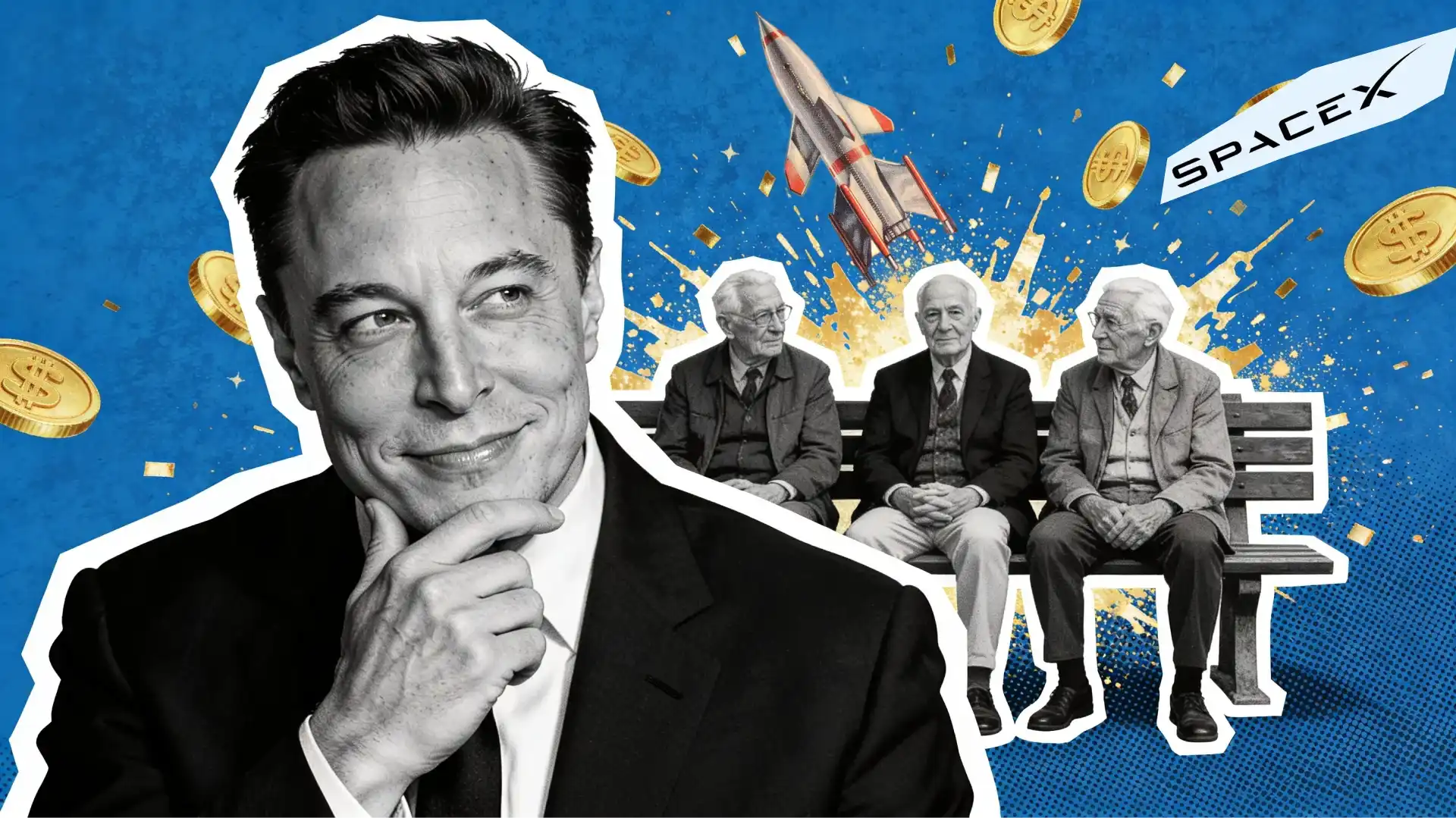
Title: Musk "Milking the Old Folks" Author: Nancy, PANews As the memory sector surges with Micron and SK Hynix each surpassing a trillion-dollar market cap, Elon Musk is accelerating his own myth of becoming the world's first trillionaire. SpaceX, with its astronomical valuation, is speeding toward the capital markets. This potentially wealth-history-rewriting super IPO is pushing Musk toward that unprecedented personal fortune and delivering hundredfold or even thousandfold returns to early backers like Google, Valor Equity Partners, Founders Fund, and others. However, to sustain this most expensive space narrative in human history, new buyers are ultimately needed. As massive pension funds are set to be "forced to buy," the retirement savings of Americans are becoming the fuel for Musk's space dreams. Wall Street has begun paving a fast track for such super IPOs. Major indices like Nasdaq and S&P have recently eased rules, allowing mega-companies like SpaceX to be incorporated into key benchmarks like the Nasdaq 100 much faster post-listing. This matters because a vast portion of the U.S. retirement system—trillions in 401(k)s and pension funds—relies on passive index investing. Once a company enters a major index, all funds tracking it are compelled to buy its shares automatically, regardless of valuation, profitability, or risk. This has sparked significant backlash. Teacher unions and major public pension funds (collectively managing trillions) have warned the SEC and written to Musk, opposing SpaceX's extreme governance structure where Musk holds 85% voting control. They argue workers' lifelong savings could be tied to a company resembling a Musk family office more than a transparent public entity. In essence, after early investors reap immense rewards, the potential "bag-holding" cost is being transferred onto passive investors—the ordinary American retirees—through the mechanism of index inclusion.

marsbit10 dk önce

Elon Musk's 'Granny Drain'

marsbit10 dk önce

This Xiaohongshu Graphic Layout AI Skill Has Found a Route to Bypass AI Labeling for Graphic Generation

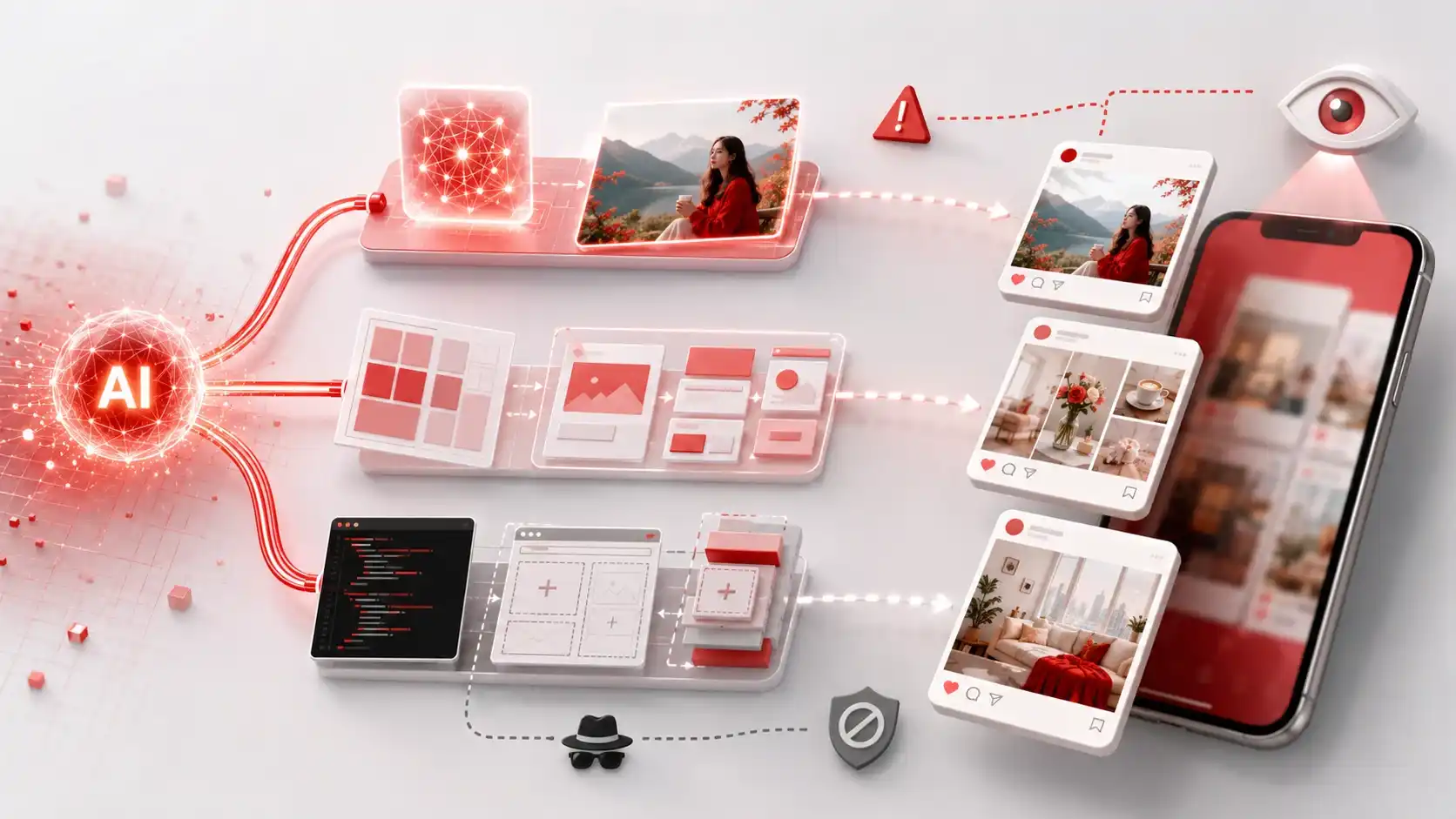
A new open-source tool called "guizang-social-card-skill" has emerged, offering a unique workaround for AI content labeling rules on platforms like Xiaohongshu. Instead of using AI models to generate images, it employs AI to make layout decisions, then uses HTML/CSS to render the final graphic. Photographic assets are sourced from libraries like Unsplash. The output is a rasterized browser screenshot, not an "AI-generated image." This approach is a direct response to platform policies. In early 2026, Xiaohongshu mandated labeling for AI-generated synthetic content and deployed audio-visual recognition models to detect AI-generated pixels based on statistical patterns. This tool bypasses those pixel-level detectors by not using diffusion or GAN models for image generation. The tool provides 28 predefined layout templates across two visual styles. Users input a topic, and the AI selects a template, positions text, and integrates elements like maps (using OpenStreetMap). The system prioritizes user-uploaded photos before falling back to stock image searches. The article outlines three divergent technical paths for social media graphic tools: 1) AI models directly generating pixels (highest detection risk), 2) API template engines (risk of anti-spam rules for homogeneity), and 3) this HTML-rendering method. The longevity of this workaround depends on whether platforms broaden their definition of "AI-generated content" to include programmatically rendered, AI-designed graphics. While effective for structured content like travel itineraries, the tool's 28 templates may be too restrictive for creative fields like fashion or beauty. Its future hinges on an ongoing cat-and-mouse game between platform detection models and tool developers, highlighting the tension between "AI-assisted" creativity and "AI-replaced" mass production.

marsbit17 dk önce

This Xiaohongshu Graphic Layout AI Skill Has Found a Route to Bypass AI Labeling for Graphic Generation

marsbit17 dk önce

İşlemler

Spot
Futures

Popüler Makaleler

BITCOIN Nedir

HarryPotterObamaSonic10Inu (ERC-20)'yu ve Kripto Alanındaki Yerini Anlamak Son yıllarda, kripto para piyasası, hem ticaret yapanların hem de topluluk etkileşimi ve eğlence değeri arayanların ilgisini çeken meme coin'lerin popülaritesinde bir artış gördü. Bu benzersiz token'lar arasında, kripto para dokusuna kültürel referansları harmanlayan ilginç bir proje olan HarryPotterObamaSonic10Inu (ERC-20) bulunmaktadır. Bu makale, HarryPotterObamaSonic10Inu'nun temel yönlerini, mekanizmalarını, topluluk odaklı ethosunu ve daha geniş kripto manzarasıyla etkileşimini incelemektedir. HarryPotterObamaSonic10Inu (ERC-20) Nedir? Adından da anlaşılacağı gibi, HarryPotterObamaSonic10Inu, Ethereum blok zinciri üzerinde inşa edilen bir meme coin'dir ve ERC-20 standardı altında sınıflandırılmaktadır. Geleneksel kripto paraların pratik kullanılabilirlik veya yatırım potansiyeline odaklandığı durumların aksine, bu token eğlence değeri ve topluluğunun gücü üzerine kuruludur. Proje, bağlı kullanıcıların bir araya gelebileceği, fikirlerini paylaşabileceği ve çeşitli kültürel fenomenlerden ilham alan etkinliklere katılabileceği bir ortam yaratmayı hedeflemektedir. HarryPotterObamaSonic10Inu'nun dikkate değer özelliklerinden biri işlemlerde sıfır vergi olmasıdır. Bu çekici unsur, küçük ölçekli yatırımcıları caydırabilecek ek ücretlerden yoksun olarak ticareti ve topluluk katılımını teşvik etmeyi amaçlamaktadır. Coin'in toplam arzı bir milyar token olarak belirlenmiştir; bu, topluluk içinde önemli bir dolaşım sağlama niyetini göstermektedir. HarryPotterObamaSonic10Inu (ERC-20) Yaratıcısı HarryPotterObamaSonic10Inu'nun kökenleri bir miktar gizemlidir; yaratıcısı hakkında spesifik bilgilerin ne olduğu bilinmemektedir. Bu token'ın geliştirilmesi, belirli bir ekip veya açık bir plan eksikliği ile gerçekleşmiştir; bu durum, meme coin sektöründe oldukça yaygındır. Proje, topluluğunun heyecanı ve katılımına dayalı olarak organik bir şekilde ortaya çıkmıştır. HarryPotterObamaSonic10Inu (ERC-20) Yatırımcıları Dış yatırımlar ve destekler söz konusu olduğunda, HarryPotterObamaSonic10Inu da belirsiz kalmaktadır. Token, bilinen herhangi bir yatırım fonunu veya önemli bir kurumsal desteği listelememektedir. Bunun yerine, projenin can damarı, kolektif eylem ve kripto alanındaki katılım yoluyla büyüme ve sürdürülebilirlik sağlayan temel topluluğudur. HarryPotterObamaSonic10Inu (ERC-20) Nasıl Çalışır? Bir meme coin olarak, HarryPotterObamaSonic10Inu, genellikle varlık değerini yöneten geleneksel çerçevelerin dışında çalışmaktadır. Projenin nasıl çalıştığını tanımlayan birkaç özelliği vardır: Sıfır Vergi İşlemleri: İşlemlerde vergi ücreti olmadan, kullanıcılar gizli maliyet endişesi olmadan token'ı serbestçe alıp satabilirler. Topluluk Etkileşimi: Proje, topluluk etkileşimi üzerine kuruludur ve sosyal medya platformlarını kullanarak heyecan yaratarak katılımı kolaylaştırır. Tartışmalar, içerik paylaşımı ve katılım, projenin erişimini genişletmeye ve destekleyiciler arasında sadakat oluşturmaya yardımcı olan kritik unsurlardır. Pratik Kullanılabilirlik Yok: HarryPotterObamaSonic10Inu'nun mali ekosistem içinde somut bir kullanılabilirlik sunmadığı belirtilmelidir. Daha ziyade, eğlence ve topluluk etkinlikleri için bir token olarak sınıflandırılmaktadır. Kültürel Referans: Token, popüler kültürden unsurları zekice harmanlayarak ilgi çekmektedir ve hem meme meraklıları hem de kripto takipçileriyle bağlantı kurmaktadır. HarryPotterObamaSonic10Inu, meme coin'lerin, daha geleneksel kripto para projelerinden nasıl farklı çalıştığını örneklendirmektedir; bu projeler, utilitarist varlıklar yerine yenilikçi sosyal yapıların bir parçası olarak piyasaya girmektedir. HarryPotterObamaSonic10Inu (ERC-20) Zaman Çizelgesi HarryPotterObamaSonic10Inu'nun tarihi, birkaç dikkate değer kilometre taşı ile işaretlenmiştir: Oluşum: Token, birçok kripto meraklısının hayal gücünü yakalayan bir viral meme'den ortaya çıkmıştır. Spesifik yaratım tarihleri mevcut değildir ve bu onun organik yükselişini vurgulamaktadır. Borsa Listelemeleri: HarryPotterObamaSonic10Inu, topluluğun daha kolay erişim ve ticaret yapabilmesini sağlamak için çeşitli borsalarda yer bulmuştur. Topluluk Katılım İnisiyatifleri: Yarışmalar, sosyal medya kampanyaları ve hayranlar ile destekçilerden içerik üretimini içeren topluluk etkileşimini artırmayı amaçlayan devam eden etkinlikler. Gelecek Genişleme Planları: Projenin yol haritası, kültürel temalarına ilişkin bir NFT koleksiyonu, ticari ürünler ve bir e-ticaret sitesi başlatılmasını içermektedir; bu da topluluğun daha fazla katılımını sağlamayı ve ekosistemine daha fazla boyut kazandırmayı hedeflemektedir. HarryPotterObamaSonic10Inu (ERC-20) Hakkında Kilit Noktalar Topluluk Odaklı Doğası: Proje, kullanıcı katılımını geliştirme önceliği taşır ve böylece kullanıcıların sürecin en önünde yer almasını sağlar. Meme Coin Sınıflandırması: Eğlenceye dayalı kripto paranın doruk noktasıdır ve geleneksel yatırım araçlarından ayrılmaktadır. Bitcoin ile Doğrudan İlişki Yok: Ticker ismindeki benzeliğe rağmen, HarryPotterObamaSonic10Inu ayırt edicidir ve Bitcoin veya diğer yerleşik kripto paralarla herhangi bir ilişkisi yoktur. İşbirliğine Odaklanma: HarryPotterObamaSonic10Inu, sahipleri arasında işbirliği ve hikaye paylaşımı için bir alan oluşturmak üzere tasarlanmıştır ve bu da yaratıcılık ve topluluk bağlarını sağlamaktadır. Gelecek Beklentileri: Başlangıçta belirlendiği temalardan NFTs ve ticari ürünlere genişleme arzusu, projenin dijital kültürde daha ana akıma girebilmesi için bir yol haritası çizmektedir. Meme coin'ler, kripto para topluluğunun hayal gücünü çalmaya devam ederken, HarryPotterObamaSonic10Inu (ERC-20), kültürel bağları ve topluluk merkezli yaklaşımıyla öne çıkmaktadır. Geleneksel bir hizmet odaklı token modeliyle uyumlu olmasa da, özünde destekçileri arasında sağlanan neşe ve dostluğu vurgulayarak, giderek dijitalleşen bir çağda kripto paraların evrilen doğasını göstermektedir. Proje gelişmeye devam ettikçe, topluluk dinamiklerinin blockchain teknolojisi dünyasındaki seyrini nasıl etkilediğini izlemek önemli olacaktır.

1.7k Toplam GörüntülenmeYayınlanma 2024.04.01Güncellenme 2024.12.03

BITCOIN Nedir

BTC Nasıl Satın Alınır

HTX.com’a hoş geldiniz! Bitcoin (BTC) satın alma işlemlerini basit ve kullanışlı bir hâle getirdik. Adım adım açıkladığımız rehberimizi takip ederek kripto yolculuğunuza başlayın. 1. Adım: HTX Hesabınızı OluşturunHTX'te ücretsiz bir hesap açmak için e-posta adresinizi veya telefon numaranızı kullanın. Sorunsuzca kaydolun ve tüm özelliklerin kilidini açın. Hesabımı Aç2. Adım: Kripto Satın Al Bölümüne Gidin ve Ödeme Yönteminizi SeçinKredi/Banka Kartı: Visa veya Mastercard'ınızı kullanarak anında Bitcoin (BTC) satın alın.Bakiye: Sorunsuz bir şekilde işlem yapmak için HTX hesap bakiyenizdeki fonları kullanın.Üçüncü Taraflar: Kullanımı kolaylaştırmak için Google Pay ve Apple Pay gibi popüler ödeme yöntemlerini ekledik.P2P: HTX'teki diğer kullanıcılarla doğrudan işlem yapın.Borsa Dışı (OTC): Yatırımcılar için kişiye özel hizmetler ve rekabetçi döviz kurları sunuyoruz.3. Adım: Bitcoin (BTC) Varlıklarınızı SaklayınBitcoin (BTC) satın aldıktan sonra HTX hesabınızda saklayın. Alternatif olarak, blok zinciri transferi yoluyla başka bir yere gönderebilir veya diğer kripto para birimlerini takas etmek için kullanabilirsiniz.4. Adım: Bitcoin (BTC) Varlıklarınızla İşlem YapınHTX'in spot piyasasında Bitcoin (BTC) ile kolayca işlemler yapın.Hesabınıza erişin, işlem çiftinizi seçin, işlemlerinizi gerçekleştirin ve gerçek zamanlı olarak izleyin. Hem yeni başlayanlar hem de deneyimli yatırımcılar için kullanıcı dostu bir deneyim sunuyoruz.

7.6k Toplam GörüntülenmeYayınlanma 2024.12.12Güncellenme 2025.03.21

BTC Nasıl Satın Alınır

$BITCOIN Nedir

DİJİTAL ALTIN ($BITCOIN): Kapsamlı Bir Analiz DİJİTAL ALTIN ($BITCOIN) Tanıtımı DİJİTAL ALTIN ($BITCOIN), geleneksel değerli metallerin özelliklerini merkeziyetsiz teknolojilerin yeniliği ile birleştirmeyi amaçlayan Solana ağı üzerinde çalışan blockchain tabanlı bir projedir. Bitcoin ile aynı isme sahip olmasına rağmen, genellikle bir değer saklama aracı olarak algılandığı için “dijital altın” olarak anılmaktadır; DİJİTAL ALTIN, Web3 ortamında benzersiz bir ekosistem yaratmak için tasarlanmış ayrı bir tokendir. Hedefi, uygulanabilir bir alternatif dijital varlık olarak kendini konumlandırmaktır, ancak uygulamaları ve işlevleri ile ilgili ayrıntılar hala gelişmektedir. DİJİTAL ALTIN ($BITCOIN) Nedir? DİJİTAL ALTIN ($BITCOIN), Solana blockchain'inde kullanılmak üzere açıkça tasarlanmış bir kripto para tokenidir. Bitcoin'in yaygın olarak tanınan bir değer saklama rolü sağlamasının aksine, bu token daha geniş uygulamalara ve özelliklere odaklanıyor gibi görünmektedir. Dikkate değer yönler şunlardır: Blockchain Altyapısı: Token, yüksek hızlı ve düşük maliyetli işlemleri yönetme kapasitesi ile bilinen Solana blockchain'inde inşa edilmiştir. Arz Dinamikleri: DİJİTAL ALTIN'ın maksimum arzı 100 katrilyon token (100P $BITCOIN) ile sınırlıdır, ancak dolaşımdaki arzı ile ilgili ayrıntılar şu anda açıklanmamıştır. Kullanım Alanı: Kesin işlevler açıkça belirtilmemiş olsa da, token'ın merkeziyetsiz uygulamalar (dApps) veya varlık tokenizasyon stratejileri ile ilgili çeşitli uygulamalar için kullanılabileceğine dair işaretler bulunmaktadır. DİJİTAL ALTIN ($BITCOIN) Yaratıcısı Kimdir? Şu anda, DİJİTAL ALTIN ($BITCOIN) arkasındaki yaratıcıların ve geliştirme ekibinin kimliği bilinmemektedir. Bu durum, merkeziyetsiz finans ve meme coin fenomenleriyle uyumlu olan birçok yenilikçi proje arasında yaygındır. Böyle bir anonimlik, topluluk odaklı bir kültürü teşvik edebilirken, yönetişim ve hesap verebilirlik konusundaki endişeleri artırmaktadır. DİJİTAL ALTIN ($BITCOIN) Yatırımcıları Kimlerdir? Mevcut bilgiler, DİJİTAL ALTIN ($BITCOIN) için bilinen herhangi bir kurumsal destekçi veya önde gelen risk sermayesi yatırımı olmadığını göstermektedir. Proje, geleneksel finansman yolları yerine topluluk desteği ve benimsemeye odaklanan bir eşler arası modelde çalışıyor gibi görünmektedir. Faaliyetleri ve likiditesi esas olarak PumpSwap gibi merkeziyetsiz borsalarda (DEX'ler) yer almakta olup, bu da onun taban hareketine vurgu yapmaktadır. DİJİTAL ALTIN ($BITCOIN) Nasıl Çalışır DİJİTAL ALTIN ($BITCOIN) 'ın operasyonel mekanikleri, blockchain tasarımı ve ağ özellikleri temelinde açıklanabilir: Konsensüs Mekanizması: Solana'nın benzersiz tarih kanıtı (PoH) ile bir hisse kanıtı (PoS) modelini birleştirerek, proje ağın yüksek performansına katkıda bulunan verimli işlem doğrulamasını sağlar. Tokenomik: Belirli deflasyonist mekanizmalar kapsamlı bir şekilde detaylandırılmamış olsa da, geniş maksimum token arzı, henüz tanımlanmamış mikro işlemler veya niş kullanım durumlarına hitap edebileceğini ima etmektedir. Etkileşim: Solana'nın daha geniş ekosistemi ile entegrasyon potansiyeli bulunmaktadır; bu, çeşitli merkeziyetsiz finans (DeFi) platformlarını içermektedir. Ancak, belirli entegrasyonlarla ilgili ayrıntılar belirtilmemiştir. Önemli Olayların Zaman Çizelgesi DİJİTAL ALTIN ($BITCOIN) ile ilgili önemli kilometre taşlarını vurgulayan bir zaman çizelgesi: 2023: Token'ın Solana blockchain'inde ilk dağıtımı, sözleşme adresi ile işaretlenmiştir. 2024: DİJİTAL ALTIN, PumpSwap gibi merkeziyetsiz borsalarda işlem görmeye başladıkça görünürlük kazanır ve kullanıcıların bunu SOL karşısında ticaret yapmasına olanak tanır. 2025: Proje, topluluk odaklı etkileşimlere yönelik potansiyel ilgi ve ara sıra ticaret faaliyetleri görür, ancak şu ana kadar dikkate değer ortaklıklar veya teknik ilerlemeler belgelenmemiştir. Kritik Analiz Güçlü Yönler Ölçeklenebilirlik: Temel Solana altyapısı, yüksek işlem hacimlerini destekleyerek $BITCOIN'in çeşitli işlem senaryolarındaki faydasını artırabilir. Erişilebilirlik: Token başına potansiyel düşük ticaret fiyatı, perakende yatırımcıları çekebilir ve parçalı mülkiyet fırsatları sayesinde daha geniş katılımı kolaylaştırabilir. Riskler Şeffaflık Eksikliği: Kamuya açık olarak bilinen destekçilerin, geliştiricilerin veya bir denetim sürecinin olmaması, projenin sürdürülebilirliği ve güvenilirliği konusunda şüpheler doğurabilir. Piyasa Volatilitesi: Ticaret faaliyeti büyük ölçüde spekülatif davranışa dayanmakta olup, bu da yatırımcılar için önemli fiyat dalgalanmalarına ve belirsizliklere yol açabilir. Sonuç DİJİTAL ALTIN ($BITCOIN), hızla gelişen Solana ekosisteminde ilginç ama belirsiz bir proje olarak ortaya çıkmaktadır. “Dijital altın” anlatısını kullanmaya çalışırken, Bitcoin'in değer saklama rolünden ayrılması, amaçlanan faydasının ve yönetişim yapısının daha net bir şekilde tanımlanması gerekliliğini vurgulamaktadır. Gelecekteki kabul ve benimseme, mevcut belirsizliklerin giderilmesine ve operasyonel ile ekonomik stratejilerinin daha açık bir şekilde tanımlanmasına bağlı olacaktır. Not: Bu rapor, Ekim 2023 itibarıyla mevcut olan sentezlenmiş bilgileri kapsamaktadır ve araştırma döneminin ötesinde gelişmeler yaşanmış olabilir.

92 Toplam GörüntülenmeYayınlanma 2025.05.13Güncellenme 2025.05.13

$BITCOIN Nedir

Tartışmalar

HTX Topluluğuna hoş geldiniz. Burada, en son platform gelişmeleri hakkında bilgi sahibi olabilir ve profesyonel piyasa görüşlerine erişebilirsiniz. Kullanıcıların BTC (BTC) fiyatı hakkındaki görüşleri aşağıda sunulmaktadır.

活动图片