BIP-110 Controversy Intensifies: Bitcoin May Face Its Most Divisive Hard Fork Battle in Years

Foresight News2026-06-12 tarihinde yayınlandı2026-06-12 tarihinde güncellendi

Özet

Bitcoin is approaching a critical block height of 961,632, which could activate the controversial BIP-110 proposal. This proposal aims to restrict the amount of non-financial data, such as inscriptions and other large data payloads, within Bitcoin transactions. Supporters, including some node operators and Bitcoin purists, argue that BIP-110 is necessary to preserve Bitcoin's core function as a monetary settlement layer by reducing network congestion and node operational burdens caused by non-essential data. They frame it as a correction to keep the network true to its original purpose. However, critics, including prominent figures like Blockstream's Adam Back and developer Jameson Lopp, warn that the proposal's implementation mechanism is dangerously flawed. They highlight that its low 55% miner signaling threshold, coupled with a contentious enforcement mechanism allowing nodes to unilaterally reject non-compliant blocks, significantly increases the risk of a chain split. Opponents argue this sets a dangerous precedent for transaction censorship, undermines Bitcoin's protocol neutrality, and creates excessive uncertainty for developers and businesses, especially since the rule is proposed as a temporary one-year measure. Market analysts, such as those from Bitfinex, suggest a full-scale network split is unlikely due to a lack of broad economic consensus. Major mining pools remain neutral, and adoption of the new rules is minimal. They view the situation more as a governa...


Written by: Oluwapelumi Adejumo

Compiled by: Saoirse, Foresight News


Core Summary


  • Bitcoin's block height is approaching 961632, at which point the BIP-110 proposal may restrict non-financial data within transactions.
  • Proponents claim this adjustment will allow Bitcoin to refocus on its core function of settlement, alleviating network strain caused by inscriptions and other applications consuming significant on-chain data.
  • Critics warn that the proposal's miner voting threshold is too low and lacks an accompanying enforcement mechanism, potentially leading to a mainnet split and forcing major exchanges and node operators into defensive measures.


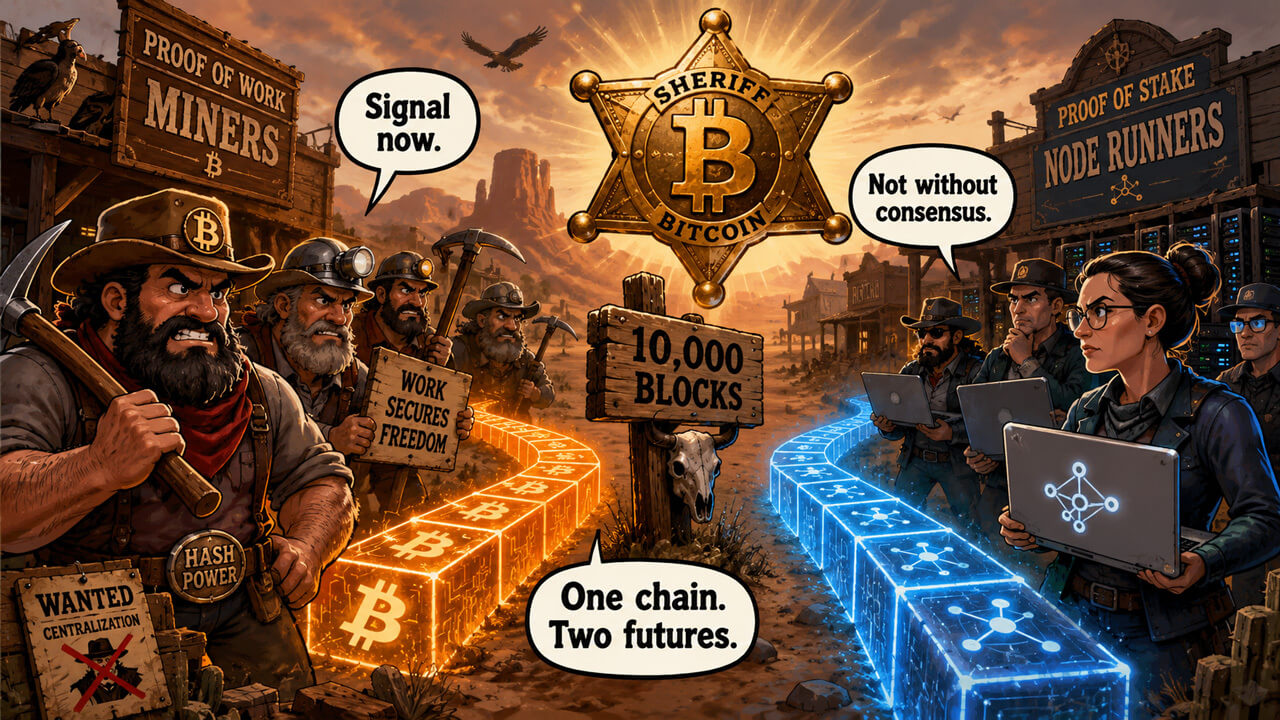
Bitcoin is approaching a critical juncture where a long-standing ideological divide may escalate into the network's most severe governance conflict in years. At the heart of this dispute is Bitcoin Improvement Proposal (BIP) 110, which aims to limit the total amount of non-financial data that can be embedded in Bitcoin transactions. With the network just under 10,000 blocks away from the mandatory activation window at block height 961632, what began as a technical disagreement over network "spam transactions" has transformed into a high-stakes confrontation.


Supporters of BIP-110 view this restriction as crucial for preserving Bitcoin's core value as a monetary settlement layer. Opponents warn that such an aggressive implementation risks fracturing the entire ecosystem, potentially freezing user assets in transit and eroding market trust in the neutrality of the Bitcoin protocol.


Although the proposal currently lacks the widespread miner and institutional backing typically required for major protocol changes, this imminent flashpoint will serve as a significant stress test for Bitcoin's decentralized power structure. The proposal pits network developers and node operators against miners and market makers—the core groups that ultimately determine the economic value trajectory of the entire blockchain.


A Battle Over What Bitcoin Should Carry


BIP-110 plans to temporarily restrict arbitrary data storage on the Bitcoin blockchain by adding a new consensus rule to the transaction structure. In simple terms, nodes running the proposal's code would treat transactions carrying large amounts of data as invalid. The proposal targets applications such as ordinal inscriptions, runes, and other activities that directly inscribe text, images, or token data onto Bitcoin's base layer.


While these applications have attracted new users and increased miner fee revenue, they have also drawn criticism from Bitcoin purists who argue that the blockchain should not be used as a permanent storage medium.


Proponents frame the change as an effort to safeguard Bitcoin's core functionality. They argue that non-financial data excessively consumes block space, burdens node operations, and deviates from Bitcoin's fundamental purpose as sound money. In their view, filtering high-capacity data payloads is not censorship of payments but a restoration of rule-based boundaries to refocus the network on its original purpose.


This perspective has gained support among some node operators and Bitcoin users who have long resisted the inscription craze. To them, the upcoming activation window proves that when users perceive Bitcoin's rules drifting from their original intent, the node operators responsible for validating the chain still have the power to check miners and commercial entities.


Bitcoin analyst Luis Marcano, a supporter of the proposal, suggests that the actual scenario post-BIP-110 activation might not be as dire as critics predict. His view is that nodes running the new rules will reject blocks filled with irrelevant data, and mining power will gradually shift to the blockchain with stronger economic value that adheres to the new rules.


Some supporters take an even harder line, portraying opponents as a small group of social media influencers, token investors, and businesses profiting from on-chain data ventures. They claim that thousands of node operators are already prepared to enforce the new rules, and miners will not tolerate the negative impacts of prolonged network uncertainty.


However, the market does not share this optimistic assessment.


Critics Warn: Implementation Mechanism Significantly Increases Conflict Risk


The sharpest conflict over BIP-110 centers on its implementation design. Previous large-scale protocol upgrades required near-unanimous consensus among the miners securing the network to activate. BIP-110 completely changes this model: it sets a miner signaling threshold of only 55% and pairs it with a highly controversial enforcement fallback mechanism.


Even if miners fail to meet the minimum voting threshold, proponents of the proposal code still plan for nodes to unilaterally reject all blocks that do not comply with the new rules. This aggressive architecture transforms what was a technical disagreement over block space allocation into a fundamental governance crisis.


Blockstream CEO Adam Back has outright rejected the proposal, citing serious technical flaws. He warns that forcing code changes without achieving economic consensus will almost certainly result in a forked chain with very little adoption.


Adam Back also explicitly opposes proponents comparing this proposal to the 2017 Segregated Witness (SegWit) upgrade. He notes that while SegWit was contentious before implementation, it ultimately achieved broad consensus among developers, miners, and various infrastructure providers—a foundation BIP-110 currently completely lacks.


Veteran Bitcoin developer and security lead Jameson Lopp calls the proposal a dangerous overreach disguised as governance over spam transactions.


Beyond the immediate risk of a chain split, Jameson Lopp warns that the code could break some niche wallet functionalities, indirectly rendering user assets inoperable. Furthermore, he argues the restriction is a band-aid solution: determined users will simply find other transaction fields to hide irrelevant data. Ultimately, Bitcoin would bear all the systemic risks of a contentious hard fork without eradicating the behavior the proposal aims to curb.


Yet the most fundamental divide tearing at the industry's fabric remains ideological. Bitcoin's core value proposition rests on absolute neutrality: as long as a sender pays the market rate for fees, the network processes any compliant transaction.


Critics warn that modifying consensus rules to actively punish "unwanted" on-chain behavior sets an extremely dangerous precedent. If the protocol can be changed today to filter inscription data, future factions or national regulators could use the same logic to demand the network block privacy-enhancing coin mixing transactions, gambling payments, or transfers containing politically sensitive information.


Proponents dismiss this "slippery slope" concern, arguing the network has historically distinguished between purely monetary use and abuse of on-chain storage. They emphasize that BIP-110 is a precise tweak, with the code explicitly setting an automatic expiration date of approximately one year.


However, this "temporary adjustment" explanation has done little to placate the opposition.


Bitcoin Core developers like Jameson Lopp argue that a rule change lasting only one year could cause more disruption than a permanent one. Various enterprise wallets, cryptographic libraries, and smart contract protocols would need to build and maintain two sets of infrastructure adapted to different rules.


More critically, Bitcoin as a settlement network relies heavily on stable, predictable rules. A one-year temporary change introduces significant long-term uncertainty. Developers cannot predict whether the restriction will simply expire, be extended, or replaced with stricter control rules.


Market May Downplay BIP-110 Impact Unless Exchanges Forced into Contingency Measures


Despite escalating rhetoric between core developers and node operators, market analysts generally believe the activation point in early August will not trigger a catastrophic network split.


In commentary provided to CryptoSlate, Bitfinex analysts stated that the entire BIP-110 situation looks more like a "governance stress test" than a genuine crisis likely to cause a chain split.


This pragmatic judgment stems from the clear lack of economic consensus: nodes actively running the restrictive rules currently number in the single-digit percentages, all major mining pools are taking a wait-and-see approach, and there are no signs of the broader crypto industry urgently adjusting supporting systems to differentiate between two potential chains.


All indicators suggest the proposal will most likely fail to activate; at worst, it would only spawn a niche forked chain with minimal liquidity and recognition.


The crypto market has established patterns for resolving such disputes. Following the contentious 2017 fork that gave rise to Bitcoin Cash, liquidity, exchange support, and user activity quickly consolidated on the main chain that retained the original economic scale and the BTC ticker.


Furthermore, the maturation of Bitcoin's market structure in recent years provides a buffer against panic from protocol disputes. Unlike past cycles dominated by retail investors, the core forces influencing price action today are sustained spot ETF inflows, professional derivatives positioning, and institutional allocation. In this mature market environment, a route dispute among a subset of developers is unlikely to trigger a long-term fundamental revaluation of the asset.


The real tail risk lies with market infrastructure. If a contingent of nodes adhering to the new rules persistently supports a niche forked chain during the activation window, centralized exchanges and custodians would be forced to initiate defensive contingency plans.


To guard against replay attacks, ensure sufficient fund liquidity, and assess the overall stability of both chains, major trading platforms would likely temporarily suspend Bitcoin on-chain deposits and withdrawals.


While such operations are familiar to crypto industry veterans, many new investors from traditional finance are unaccustomed to operational disruptions caused by decentralized consensus conflicts, which could easily trigger market sentiment swings.


In summary, BIP-110 currently lacks sufficient industry-wide economic backing to shake the position of the existing main chain. However, in the lead-up to block height 961632, the market is destined to experience short-term volatility driven by related news, see a surge in hedging orders in derivatives markets, and witness the entire industry's custodial infrastructure undergo a critical stress test.


İlgili Sorular

QWhat is the core objective of the BIP-110 proposal?

AThe core objective of the BIP-110 proposal is to limit the amount of non-financial data that can be embedded in Bitcoin transactions. It aims to curb applications like Ordinals inscriptions and Runes that store large amounts of arbitrary data (e.g., text, images) on-chain, in order to reduce network congestion and refocus Bitcoin on its primary role as a monetary settlement layer.

QWhat are the main criticisms against the activation mechanism of BIP-110?

AThe main criticisms against BIP-110's activation mechanism are its low miner signaling threshold (55%) and its controversial enforcement fallback. Critics warn that even if miners don't meet the threshold, node operators supporting the proposal plan to unilaterally reject non-compliant blocks. This design is seen as a radical shift from requiring broad consensus, significantly increasing the risk of a chain split and a governance crisis.

QWhy do critics argue that BIP-110 could set a dangerous precedent for Bitcoin?

ACritics argue that BIP-110 sets a dangerous precedent because it would establish that the Bitcoin network's consensus rules can be changed to actively filter out 'unwanted' on-chain activities. They warn that this could later be used as a basis to censor other types of transactions, such as privacy-enhancing coin mixes, gambling payments, or politically sensitive transfers, undermining Bitcoin's core principle of neutrality.

QAccording to market analysts like those at Bitfinex, why is BIP-110 unlikely to cause a major chain split?

AMarket analysts believe BIP-110 is unlikely to cause a major chain split because it lacks broad economic consensus. Key indicators include only single-digit percentages of nodes running the new rules, major mining pools remaining neutral, and no widespread industry preparation to support a forked chain. The most likely outcome is activation failure or the creation of a minor, low-liquidity fork, similar to past governance disputes.

QWhat potential operational disruption is highlighted as a key risk if the BIP-110 conflict escalates?

AA key operational risk if the conflict escalates is that centralized exchanges and custody providers may be forced to temporarily suspend Bitcoin deposits and withdrawals as a defensive measure. This would be necessary to protect user funds from replay attacks, ensure sufficient liquidity, and assess the stability of potentially competing chains. Such disruptions could cause market volatility, especially among new institutional investors unfamiliar with consensus conflicts.

İlgili Okumalar

Popular Interaction Collection | Interstate Launches Points Event; Flip Early Waitlist Application (June 12)

**Interstate Launches Points Event, Flip Opens Early Waitlist Applications** *Originally published by Odaily Planet Daily, author Asher.* **Interstate**, an infrastructure platform integrating on-chain transactions for assets like Meme tokens, prediction markets, and xStocks, has launched a points event. Each trade on the platform now rewards users with points. The project has completed a $1.5 million seed round from investors including MH Ventures, Alchemy Ventures, and Marshland Capital. Users can visit the official website to connect their wallets and start earning points through trading tasks (note: the site may experience high traffic). **Flip**, an AI-powered financial assistant, has opened applications for its early waitlist. The platform allows users to manage finances via chat, helping with spending tracking, bill management, investment portfolio monitoring (including stocks and crypto), and more. Flip recently raised $1.4 million in a pre-seed round led by The House Fund and participated in a16z's Speedrun accelerator. Interested users can join the waitlist via the official website. **ArcNova**, an AI-native infrastructure platform for short-form video and entertainment, continues to offer tasks for earning points. Users can sign in daily, complete social and app tasks, and refer friends to accumulate points. The project announced a $15 million funding round in May, backed by Adaverse Ventures, Animoca Brands, and others. The task portal is accessible through the ArcNova website. These updates highlight ongoing opportunities for user engagement and potential rewards across emerging crypto and AI projects.

Odaily星球日报1 saat önce

Popular Interaction Collection | Interstate Launches Points Event; Flip Early Waitlist Application (June 12)

Odaily星球日报1 saat önce

MoneyGram: Why Did We Launch Our Own Stablecoin?

MoneyGram, a global leader in cross-border remittances for over 80 years, has launched its own stablecoin, MGUSD. The initiative aims to evolve from single-transaction services to becoming a more integral part of users' financial lives. By allowing customers to hold a stable US dollar balance within the MoneyGram app, MGUSD enables not only remittances but also everyday spending, currency exchange, cash access, and future financial services. Targeting the billions globally who face challenges like currency volatility or lack of bank accounts, MGUSD leverages Stellar blockchain technology with a self-custody wallet architecture. This gives users control over their assets while providing a secure, compliant experience through a trusted brand. The approach focuses on solving existing customer pain points within MoneyGram's established network, rather than competing for broad crypto market liquidity. A key advantage is MoneyGram's hybrid model, combining digital services with the world's largest physical network for crypto-to-cash conversions. The stablecoin also modernizes the company's internal infrastructure, streamlining treasury management and partner settlements, with annual forex volume via stablecoins already reaching $2 billion. The project was delivered in about a year, driven by a reorganization into agile, cross-functional teams that operate with startup-like speed while leveraging decades of institutional expertise. Partners include Stablecoin (issuance), Crossmint (wallet APIs), Fireblocks (enterprise treasury), m0 (smart contracts), and the Stellar network. MoneyGram emphasizes that enhancing direct consumer offerings strengthens its partner ecosystem. The future direction is clear: to provide users worldwide with stable value storage, better financial tools, and greater control over their funds through a trusted, existing network.

Foresight News2 saat önce

MoneyGram: Why Did We Launch Our Own Stablecoin?

Foresight News2 saat önce

İşlemler

Spot
Futures

Popüler Makaleler

BITCOIN Nedir

HarryPotterObamaSonic10Inu (ERC-20)'yu ve Kripto Alanındaki Yerini Anlamak Son yıllarda, kripto para piyasası, hem ticaret yapanların hem de topluluk etkileşimi ve eğlence değeri arayanların ilgisini çeken meme coin'lerin popülaritesinde bir artış gördü. Bu benzersiz token'lar arasında, kripto para dokusuna kültürel referansları harmanlayan ilginç bir proje olan HarryPotterObamaSonic10Inu (ERC-20) bulunmaktadır. Bu makale, HarryPotterObamaSonic10Inu'nun temel yönlerini, mekanizmalarını, topluluk odaklı ethosunu ve daha geniş kripto manzarasıyla etkileşimini incelemektedir. HarryPotterObamaSonic10Inu (ERC-20) Nedir? Adından da anlaşılacağı gibi, HarryPotterObamaSonic10Inu, Ethereum blok zinciri üzerinde inşa edilen bir meme coin'dir ve ERC-20 standardı altında sınıflandırılmaktadır. Geleneksel kripto paraların pratik kullanılabilirlik veya yatırım potansiyeline odaklandığı durumların aksine, bu token eğlence değeri ve topluluğunun gücü üzerine kuruludur. Proje, bağlı kullanıcıların bir araya gelebileceği, fikirlerini paylaşabileceği ve çeşitli kültürel fenomenlerden ilham alan etkinliklere katılabileceği bir ortam yaratmayı hedeflemektedir. HarryPotterObamaSonic10Inu'nun dikkate değer özelliklerinden biri işlemlerde sıfır vergi olmasıdır. Bu çekici unsur, küçük ölçekli yatırımcıları caydırabilecek ek ücretlerden yoksun olarak ticareti ve topluluk katılımını teşvik etmeyi amaçlamaktadır. Coin'in toplam arzı bir milyar token olarak belirlenmiştir; bu, topluluk içinde önemli bir dolaşım sağlama niyetini göstermektedir. HarryPotterObamaSonic10Inu (ERC-20) Yaratıcısı HarryPotterObamaSonic10Inu'nun kökenleri bir miktar gizemlidir; yaratıcısı hakkında spesifik bilgilerin ne olduğu bilinmemektedir. Bu token'ın geliştirilmesi, belirli bir ekip veya açık bir plan eksikliği ile gerçekleşmiştir; bu durum, meme coin sektöründe oldukça yaygındır. Proje, topluluğunun heyecanı ve katılımına dayalı olarak organik bir şekilde ortaya çıkmıştır. HarryPotterObamaSonic10Inu (ERC-20) Yatırımcıları Dış yatırımlar ve destekler söz konusu olduğunda, HarryPotterObamaSonic10Inu da belirsiz kalmaktadır. Token, bilinen herhangi bir yatırım fonunu veya önemli bir kurumsal desteği listelememektedir. Bunun yerine, projenin can damarı, kolektif eylem ve kripto alanındaki katılım yoluyla büyüme ve sürdürülebilirlik sağlayan temel topluluğudur. HarryPotterObamaSonic10Inu (ERC-20) Nasıl Çalışır? Bir meme coin olarak, HarryPotterObamaSonic10Inu, genellikle varlık değerini yöneten geleneksel çerçevelerin dışında çalışmaktadır. Projenin nasıl çalıştığını tanımlayan birkaç özelliği vardır: Sıfır Vergi İşlemleri: İşlemlerde vergi ücreti olmadan, kullanıcılar gizli maliyet endişesi olmadan token'ı serbestçe alıp satabilirler. Topluluk Etkileşimi: Proje, topluluk etkileşimi üzerine kuruludur ve sosyal medya platformlarını kullanarak heyecan yaratarak katılımı kolaylaştırır. Tartışmalar, içerik paylaşımı ve katılım, projenin erişimini genişletmeye ve destekleyiciler arasında sadakat oluşturmaya yardımcı olan kritik unsurlardır. Pratik Kullanılabilirlik Yok: HarryPotterObamaSonic10Inu'nun mali ekosistem içinde somut bir kullanılabilirlik sunmadığı belirtilmelidir. Daha ziyade, eğlence ve topluluk etkinlikleri için bir token olarak sınıflandırılmaktadır. Kültürel Referans: Token, popüler kültürden unsurları zekice harmanlayarak ilgi çekmektedir ve hem meme meraklıları hem de kripto takipçileriyle bağlantı kurmaktadır. HarryPotterObamaSonic10Inu, meme coin'lerin, daha geleneksel kripto para projelerinden nasıl farklı çalıştığını örneklendirmektedir; bu projeler, utilitarist varlıklar yerine yenilikçi sosyal yapıların bir parçası olarak piyasaya girmektedir. HarryPotterObamaSonic10Inu (ERC-20) Zaman Çizelgesi HarryPotterObamaSonic10Inu'nun tarihi, birkaç dikkate değer kilometre taşı ile işaretlenmiştir: Oluşum: Token, birçok kripto meraklısının hayal gücünü yakalayan bir viral meme'den ortaya çıkmıştır. Spesifik yaratım tarihleri mevcut değildir ve bu onun organik yükselişini vurgulamaktadır. Borsa Listelemeleri: HarryPotterObamaSonic10Inu, topluluğun daha kolay erişim ve ticaret yapabilmesini sağlamak için çeşitli borsalarda yer bulmuştur. Topluluk Katılım İnisiyatifleri: Yarışmalar, sosyal medya kampanyaları ve hayranlar ile destekçilerden içerik üretimini içeren topluluk etkileşimini artırmayı amaçlayan devam eden etkinlikler. Gelecek Genişleme Planları: Projenin yol haritası, kültürel temalarına ilişkin bir NFT koleksiyonu, ticari ürünler ve bir e-ticaret sitesi başlatılmasını içermektedir; bu da topluluğun daha fazla katılımını sağlamayı ve ekosistemine daha fazla boyut kazandırmayı hedeflemektedir. HarryPotterObamaSonic10Inu (ERC-20) Hakkında Kilit Noktalar Topluluk Odaklı Doğası: Proje, kullanıcı katılımını geliştirme önceliği taşır ve böylece kullanıcıların sürecin en önünde yer almasını sağlar. Meme Coin Sınıflandırması: Eğlenceye dayalı kripto paranın doruk noktasıdır ve geleneksel yatırım araçlarından ayrılmaktadır. Bitcoin ile Doğrudan İlişki Yok: Ticker ismindeki benzeliğe rağmen, HarryPotterObamaSonic10Inu ayırt edicidir ve Bitcoin veya diğer yerleşik kripto paralarla herhangi bir ilişkisi yoktur. İşbirliğine Odaklanma: HarryPotterObamaSonic10Inu, sahipleri arasında işbirliği ve hikaye paylaşımı için bir alan oluşturmak üzere tasarlanmıştır ve bu da yaratıcılık ve topluluk bağlarını sağlamaktadır. Gelecek Beklentileri: Başlangıçta belirlendiği temalardan NFTs ve ticari ürünlere genişleme arzusu, projenin dijital kültürde daha ana akıma girebilmesi için bir yol haritası çizmektedir. Meme coin'ler, kripto para topluluğunun hayal gücünü çalmaya devam ederken, HarryPotterObamaSonic10Inu (ERC-20), kültürel bağları ve topluluk merkezli yaklaşımıyla öne çıkmaktadır. Geleneksel bir hizmet odaklı token modeliyle uyumlu olmasa da, özünde destekçileri arasında sağlanan neşe ve dostluğu vurgulayarak, giderek dijitalleşen bir çağda kripto paraların evrilen doğasını göstermektedir. Proje gelişmeye devam ettikçe, topluluk dinamiklerinin blockchain teknolojisi dünyasındaki seyrini nasıl etkilediğini izlemek önemli olacaktır.

1.9k Toplam GörüntülenmeYayınlanma 2024.04.01Güncellenme 2024.12.03

BITCOIN Nedir

BTC Nasıl Satın Alınır

HTX.com’a hoş geldiniz! Bitcoin (BTC) satın alma işlemlerini basit ve kullanışlı bir hâle getirdik. Adım adım açıkladığımız rehberimizi takip ederek kripto yolculuğunuza başlayın. 1. Adım: HTX Hesabınızı OluşturunHTX'te ücretsiz bir hesap açmak için e-posta adresinizi veya telefon numaranızı kullanın. Sorunsuzca kaydolun ve tüm özelliklerin kilidini açın. Hesabımı Aç2. Adım: Kripto Satın Al Bölümüne Gidin ve Ödeme Yönteminizi SeçinKredi/Banka Kartı: Visa veya Mastercard'ınızı kullanarak anında Bitcoin (BTC) satın alın.Bakiye: Sorunsuz bir şekilde işlem yapmak için HTX hesap bakiyenizdeki fonları kullanın.Üçüncü Taraflar: Kullanımı kolaylaştırmak için Google Pay ve Apple Pay gibi popüler ödeme yöntemlerini ekledik.P2P: HTX'teki diğer kullanıcılarla doğrudan işlem yapın.Borsa Dışı (OTC): Yatırımcılar için kişiye özel hizmetler ve rekabetçi döviz kurları sunuyoruz.3. Adım: Bitcoin (BTC) Varlıklarınızı SaklayınBitcoin (BTC) satın aldıktan sonra HTX hesabınızda saklayın. Alternatif olarak, blok zinciri transferi yoluyla başka bir yere gönderebilir veya diğer kripto para birimlerini takas etmek için kullanabilirsiniz.4. Adım: Bitcoin (BTC) Varlıklarınızla İşlem YapınHTX'in spot piyasasında Bitcoin (BTC) ile kolayca işlemler yapın.Hesabınıza erişin, işlem çiftinizi seçin, işlemlerinizi gerçekleştirin ve gerçek zamanlı olarak izleyin. Hem yeni başlayanlar hem de deneyimli yatırımcılar için kullanıcı dostu bir deneyim sunuyoruz.

7.8k Toplam GörüntülenmeYayınlanma 2024.12.12Güncellenme 2026.06.02

BTC Nasıl Satın Alınır

$BITCOIN Nedir

DİJİTAL ALTIN ($BITCOIN): Kapsamlı Bir Analiz DİJİTAL ALTIN ($BITCOIN) Tanıtımı DİJİTAL ALTIN ($BITCOIN), geleneksel değerli metallerin özelliklerini merkeziyetsiz teknolojilerin yeniliği ile birleştirmeyi amaçlayan Solana ağı üzerinde çalışan blockchain tabanlı bir projedir. Bitcoin ile aynı isme sahip olmasına rağmen, genellikle bir değer saklama aracı olarak algılandığı için “dijital altın” olarak anılmaktadır; DİJİTAL ALTIN, Web3 ortamında benzersiz bir ekosistem yaratmak için tasarlanmış ayrı bir tokendir. Hedefi, uygulanabilir bir alternatif dijital varlık olarak kendini konumlandırmaktır, ancak uygulamaları ve işlevleri ile ilgili ayrıntılar hala gelişmektedir. DİJİTAL ALTIN ($BITCOIN) Nedir? DİJİTAL ALTIN ($BITCOIN), Solana blockchain'inde kullanılmak üzere açıkça tasarlanmış bir kripto para tokenidir. Bitcoin'in yaygın olarak tanınan bir değer saklama rolü sağlamasının aksine, bu token daha geniş uygulamalara ve özelliklere odaklanıyor gibi görünmektedir. Dikkate değer yönler şunlardır: Blockchain Altyapısı: Token, yüksek hızlı ve düşük maliyetli işlemleri yönetme kapasitesi ile bilinen Solana blockchain'inde inşa edilmiştir. Arz Dinamikleri: DİJİTAL ALTIN'ın maksimum arzı 100 katrilyon token (100P $BITCOIN) ile sınırlıdır, ancak dolaşımdaki arzı ile ilgili ayrıntılar şu anda açıklanmamıştır. Kullanım Alanı: Kesin işlevler açıkça belirtilmemiş olsa da, token'ın merkeziyetsiz uygulamalar (dApps) veya varlık tokenizasyon stratejileri ile ilgili çeşitli uygulamalar için kullanılabileceğine dair işaretler bulunmaktadır. DİJİTAL ALTIN ($BITCOIN) Yaratıcısı Kimdir? Şu anda, DİJİTAL ALTIN ($BITCOIN) arkasındaki yaratıcıların ve geliştirme ekibinin kimliği bilinmemektedir. Bu durum, merkeziyetsiz finans ve meme coin fenomenleriyle uyumlu olan birçok yenilikçi proje arasında yaygındır. Böyle bir anonimlik, topluluk odaklı bir kültürü teşvik edebilirken, yönetişim ve hesap verebilirlik konusundaki endişeleri artırmaktadır. DİJİTAL ALTIN ($BITCOIN) Yatırımcıları Kimlerdir? Mevcut bilgiler, DİJİTAL ALTIN ($BITCOIN) için bilinen herhangi bir kurumsal destekçi veya önde gelen risk sermayesi yatırımı olmadığını göstermektedir. Proje, geleneksel finansman yolları yerine topluluk desteği ve benimsemeye odaklanan bir eşler arası modelde çalışıyor gibi görünmektedir. Faaliyetleri ve likiditesi esas olarak PumpSwap gibi merkeziyetsiz borsalarda (DEX'ler) yer almakta olup, bu da onun taban hareketine vurgu yapmaktadır. DİJİTAL ALTIN ($BITCOIN) Nasıl Çalışır DİJİTAL ALTIN ($BITCOIN) 'ın operasyonel mekanikleri, blockchain tasarımı ve ağ özellikleri temelinde açıklanabilir: Konsensüs Mekanizması: Solana'nın benzersiz tarih kanıtı (PoH) ile bir hisse kanıtı (PoS) modelini birleştirerek, proje ağın yüksek performansına katkıda bulunan verimli işlem doğrulamasını sağlar. Tokenomik: Belirli deflasyonist mekanizmalar kapsamlı bir şekilde detaylandırılmamış olsa da, geniş maksimum token arzı, henüz tanımlanmamış mikro işlemler veya niş kullanım durumlarına hitap edebileceğini ima etmektedir. Etkileşim: Solana'nın daha geniş ekosistemi ile entegrasyon potansiyeli bulunmaktadır; bu, çeşitli merkeziyetsiz finans (DeFi) platformlarını içermektedir. Ancak, belirli entegrasyonlarla ilgili ayrıntılar belirtilmemiştir. Önemli Olayların Zaman Çizelgesi DİJİTAL ALTIN ($BITCOIN) ile ilgili önemli kilometre taşlarını vurgulayan bir zaman çizelgesi: 2023: Token'ın Solana blockchain'inde ilk dağıtımı, sözleşme adresi ile işaretlenmiştir. 2024: DİJİTAL ALTIN, PumpSwap gibi merkeziyetsiz borsalarda işlem görmeye başladıkça görünürlük kazanır ve kullanıcıların bunu SOL karşısında ticaret yapmasına olanak tanır. 2025: Proje, topluluk odaklı etkileşimlere yönelik potansiyel ilgi ve ara sıra ticaret faaliyetleri görür, ancak şu ana kadar dikkate değer ortaklıklar veya teknik ilerlemeler belgelenmemiştir. Kritik Analiz Güçlü Yönler Ölçeklenebilirlik: Temel Solana altyapısı, yüksek işlem hacimlerini destekleyerek $BITCOIN'in çeşitli işlem senaryolarındaki faydasını artırabilir. Erişilebilirlik: Token başına potansiyel düşük ticaret fiyatı, perakende yatırımcıları çekebilir ve parçalı mülkiyet fırsatları sayesinde daha geniş katılımı kolaylaştırabilir. Riskler Şeffaflık Eksikliği: Kamuya açık olarak bilinen destekçilerin, geliştiricilerin veya bir denetim sürecinin olmaması, projenin sürdürülebilirliği ve güvenilirliği konusunda şüpheler doğurabilir. Piyasa Volatilitesi: Ticaret faaliyeti büyük ölçüde spekülatif davranışa dayanmakta olup, bu da yatırımcılar için önemli fiyat dalgalanmalarına ve belirsizliklere yol açabilir. Sonuç DİJİTAL ALTIN ($BITCOIN), hızla gelişen Solana ekosisteminde ilginç ama belirsiz bir proje olarak ortaya çıkmaktadır. “Dijital altın” anlatısını kullanmaya çalışırken, Bitcoin'in değer saklama rolünden ayrılması, amaçlanan faydasının ve yönetişim yapısının daha net bir şekilde tanımlanması gerekliliğini vurgulamaktadır. Gelecekteki kabul ve benimseme, mevcut belirsizliklerin giderilmesine ve operasyonel ile ekonomik stratejilerinin daha açık bir şekilde tanımlanmasına bağlı olacaktır. Not: Bu rapor, Ekim 2023 itibarıyla mevcut olan sentezlenmiş bilgileri kapsamaktadır ve araştırma döneminin ötesinde gelişmeler yaşanmış olabilir.

92 Toplam GörüntülenmeYayınlanma 2025.05.13Güncellenme 2025.05.13

$BITCOIN Nedir

Tartışmalar

HTX Topluluğuna hoş geldiniz. Burada, en son platform gelişmeleri hakkında bilgi sahibi olabilir ve profesyonel piyasa görüşlerine erişebilirsiniz. Kullanıcıların BTC (BTC) fiyatı hakkındaki görüşleri aşağıda sunulmaktadır.

活动图片