Saylor Pauses Bitcoin Purchases: The World's Largest Bitcoin Holder Is Transforming into a 'Digital Asset Bank'

marsbit2026-08-26 tarihinde yayınlandı2026-08-26 tarihinde güncellendi

Özet

Saylor's Strategy has paused its long-standing practice of buying Bitcoin, marking a significant shift for the world's largest corporate BTC holder. The company is now prioritizing capital structure management over accumulation. Strategy recently raised $2 billion by selling shares but purchased zero Bitcoin, directing funds instead to a new USD cash reserve, repaying preferred stock, and building its dollar liquidity pool. This follows a series of BTC sales in 2026, totaling around 6,916 coins, often at a loss, to meet its substantial annual dollar obligations of approximately $1.76 billion in dividends and interest payments. The core change is the adoption of a new "Digital Credit Capital Framework." Strategy is transforming from a leveraged Bitcoin proxy into a "digital asset bank." Its focus has shifted from simply increasing its BTC holdings to managing a balance sheet where Bitcoin acts as the reserve asset, common stock as equity, and preferred shares as liabilities. The goal is now to optimize the "Bitcoin per share" metric and maintain stability, even if it means selling BTC at a loss during market stress to protect its financial footing. The market appears to be re-evaluating Strategy, pricing it less as a volatile Bitcoin tracker and more as a capital management firm. Despite its recent sales, Bitcoin's price has surged, indicating Strategy's selling pressure is easily absorbed by broader market flows like ETF inflows. If successful, Strategy could emerge as a n...

Author: Xiaobing

Strategy sold 18.26 million shares of common stock last week, raising $2 billion. Not a single Bitcoin was purchased.

The allocation of this money is as follows: $136 million used to repurchase its STRK preferred shares, $300 million injected into the existing USD Reserve pool, and the remaining $1.59 billion placed into a newly established "USD Cash" pool. As of August 23, Strategy had $6.69 billion in cash on its books, with its Bitcoin holdings of 840,447 coins remaining completely unchanged.

This is a company that used to file an 8-K every week announcing Bitcoin purchases, with its founder posting pictures on X every Sunday to flaunt the holdings. Michael Saylor's iconic "green square chart" hasn't been updated for several weeks.

The essence of the question of why Strategy paused its purchases is, what kind of company is it becoming?

From 'Never Selling' to a Digital Credit Capital Framework

On May 26, 2026, Strategy sold its first batch of Bitcoin in history: 32 coins, worth approximately $2.5 million. The quantity was insignificant, but the signal was deafening.

Subsequent five sales escalated step by step.

32 coins at the end of May, 1,363 coins at the end of June, 2,225 coins at the beginning of July, 1,638 coins at the end of July, and 1,690 coins at the beginning of August. Strategy sold a total of approximately 6,916 BTC in 2026, cashing out approximately $432 million.

Except for the first sale, which executed slightly above cost at $77,135, all others were executed in the $60,000-$64,000 range, far below the average holding cost of $75,385. The realized loss on paper exceeds $102 million.

Selling at a loss? It's because the bills are due.

On June 29, Strategy officially released its "Digital Credit Capital Framework." The core content of this document includes three authorizations: a "BTC Liquidation Plan" allowing the sale of up to $1.25 billion worth of Bitcoin; a $1 billion preferred stock repurchase authorization and a $1 billion common stock repurchase authorization; and a mandatory USD reserve policy requiring reserves to cover at least 12 months of preferred stock dividends and interest payments.

By August 1, the BTC liquidation authorization had been expanded to $5 billion.

Understanding the meaning of these numbers: Strategy has issued five series of preferred stock (STRK, STRF, STRD, STRE, STRC), with annual dividend yields ranging from 8% to 12%; combined with over $6.7 billion in convertible bond interest, the company needs to pay approximately $1.76 billion in hard dollar obligations annually. At the beginning of 2026, the dividend coverage ratio could still last over 7 years; by June, CryptoQuant's calculations showed this number had shrunk to about 14 months.

The crux is that in May, Strategy spent $1.38 billion in cash to prepay $1.5 billion face value of its 2029 convertible bonds (an 8% discount). This operation, while eliminating debt and boosting the "Bitcoin per share" metric, directly drained the cash pool. It's like a family paying off their mortgage early, only to find they have no income next month.

Therefore, since the end of June, Strategy's operational logic has undergone a fundamental shift: it's no longer the flywheel of "raise capital → buy Bitcoin → announce increased holdings → stock price rises → raise more capital → buy more Bitcoin," but rather the balance sheet management of "raise capital → build reserves → stabilize preferred stock → repurchase STRC → wait for opportunities."

Transformation

On the surface, stopping Bitcoin purchases is admitting defeat. MSTR is down over 60% year-to-date and nearly 80% from its 2024 all-time high. The market is pricing it like a failed leveraged BTC ETF.

But if you shift the perspective from "Bitcoin proxy stock" to "capital structure engineering," the logic is completely different.

Saylor's rhetoric in the Q2 earnings report has quietly changed. He no longer repeats the old narrative of "Bitcoin rises, MSTR must follow." He has started frequently using the terms "Bitcoin Per Share" and "BTC Yield."

So far in 2026, although Strategy has sold nearly 7,000 BTC, the BTC Yield has remained at 13.3% through concurrent repurchases of STRC and share management. In plain language: the total number of BTC the company holds has decreased, but because it is simultaneously repurchasing its own stock and preferred shares, the amount of BTC corresponding to each share of MSTR is actually increasing.

The logical model of this operation is closer to a bank than a fund.

A bank's core competency lies in managing the interest rate spread, duration, and liquidity between assets and liabilities; the holding amount itself is never the focus.

What Strategy is doing is treating Bitcoin as "reserve assets," MSTR common stock as "equity capital," and STRC and other preferred stock as "deposit-like liabilities," then performing dynamic balancing among the three.

The $6.69 billion in cash is Strategy's version of a "capital adequacy ratio buffer."

In a research report on August 22, Bernstein gave the trigger condition for resuming purchases: STRC returning to near its $100 par value. This preferred stock fell to as low as $70 in June, reflecting market panic over Strategy's solvency. Now STRC has recovered to about $96.5, and the dividend coverage ratio has improved from 14 months to about 2.8 years, meaning the balance sheet pressure has significantly eased.

Look at it from another perspective: Strategy was forced to sell small amounts (about 0.8% of holdings) at BTC prices of $60,000-$64,000 to stabilize its capital structure. Now, with BTC at $80,000, it holds $6.7 billion in cash, 840,000 BTC, and close to zero net leverage. If selling at low prices is "cutting losses," then holding massive firepower without buying at high prices is an exercise in extreme restraint and timing judgment.

Why the Market Doesn't Care

A noteworthy phenomenon is: the world's largest corporate Bitcoin holder has been reducing its holdings by nearly 7,000 BTC over two consecutive months, yet the BTC price not only didn't face downward pressure but soared from $60,000 to $81,000 during the same period.

This indicates at least two things. The pricing power of the BTC market has shifted from a single institution to a broader capital structure. The spot ETF's weekly net inflow of $1.92 billion is enough to completely absorb Strategy's selling pressure.

Simultaneously, the market is "pricing in" Strategy's transformation itself: MSTR rose about 1.2% on the trading day after BTC broke through $80,000, not following BTC with 2-3x leveraged volatility as it did in the past. The compression of the premium (mNAV dropping from over 3x at its historical peak to roughly flat) means the market has already reclassified MSTR from "leveraged BTC" to a company that needs to be valued using a DCF model.

If Strategy can successfully complete its transformation from "Bitcoin maximalist" to "digital credit issuer," it might become an unprecedented species in the crypto industry: a "Bitcoin bank."

Different from exchanges, custodians, and ETF issuers, it uses Bitcoin as reserve assets, multi-layered capital instruments as its liability side, and "Bitcoin per share appreciation" as its operational goal, resembling a new type of capital management company.

The risks on this path are equally enormous: $1.76 billion in annual hard obligations means that for every day the BTC price falls below the cost basis of $75,385, the safety margin of the balance sheet thins. The $5 billion BTC liquidation authorization means the board has prepared for the worst-case scenario.

Saylor no longer posts his chart every Sunday, but his silence might be more worthy of serious attention than his past proclamations.


Trend Kriptolar

İlgili Sorular

QWhat major change in strategy has Michael Saylor's company, MicroStrategy, recently adopted regarding its Bitcoin holdings?

AMicroStrategy has shifted from its long-standing strategy of aggressively accumulating Bitcoin to a more conservative approach focused on financial stability. The company has paused its regular Bitcoin purchases and is now actively managing its balance sheet. This includes selling some Bitcoin (even at a loss) to meet hard dollar obligations, establishing large USD cash reserves (reaching $6.69 billion), repurchasing its own stock and preferred shares, and adhering to a mandatory USD reserve policy. The core strategy has evolved from 'finance -> buy BTC' to managing the interplay between its BTC holdings (asset), equity, and preferred share liabilities.

QAccording to the article, why did MicroStrategy start selling Bitcoin in 2026, and what financial pressure prompted this?

AMicroStrategy started selling Bitcoin in 2026 primarily to fulfill its hard dollar obligations. The company has significant annual cash outflows of approximately $1.76 billion to cover dividends on its preferred shares (STRK, STRF, STRD, STRE, STRC) and interest on its convertible notes. An earlier cash-intensive move in May 2026—spending $1.38 billion to repurchase $1.5 billion face value of its 2029 convertible notes—severely depleted its cash reserves. This left the company with insufficient liquidity to cover upcoming payments, forcing it to sell Bitcoin to generate cash and stabilize its capital structure.

QWhat is the 'Digital Credit Capital Framework' announced by MicroStrategy, and what are its key components?

AThe 'Digital Credit Capital Framework' is a strategic policy announced by MicroStrategy on June 29, 2026. It formally authorizes the company to manage its capital with a focus on financial stability. Its key components include: 1. A 'BTC Monetization Plan' allowing the sale of up to $1.25 billion worth of Bitcoin (later expanded to $5 billion). 2. Authorization for up to $1 billion in preferred stock repurchases and $1 billion in common stock repurchases. 3. A mandatory USD reserve policy requiring the company to hold enough cash to cover at least 12 months of preferred stock dividend and interest payments.

QDespite selling nearly 7,000 BTC, how has MicroStrategy managed to increase its 'Bitcoin per Share' metric?

AMicroStrategy has increased its 'Bitcoin per Share' (BTC Yield) by concurrently buying back its own equity while selling Bitcoin. Although the total number of BTC in its treasury decreased by about 7,000, the company aggressively repurchased its Series C preferred stock (STRC) and managed its share count. This means the reduced BTC holdings are spread across a smaller number of total shares (common + preferred), resulting in a higher BTC amount attributable to each share. As of the article, this BTC Yield was maintained at 13.3%.

QHow does the article suggest the market's perception of MicroStrategy (MSTR) is changing, and what does this imply for its future?

AThe article suggests the market is no longer treating MicroStrategy (MSTR) purely as a leveraged Bitcoin ETF. This is evidenced by MSTR's price not making the 2-3x leveraged moves alongside Bitcoin's price as it did historically, and its premium to net asset value (mNAV) collapsing to near parity. The market is starting to value MSTR based on its own financials and business model (like a DCF model) rather than just as a Bitcoin proxy. This implies a future where MicroStrategy could evolve into a novel 'Bitcoin bank'—a capital management company that uses Bitcoin as a reserve asset, issues layered capital tools as liabilities, and aims to increase 'Bitcoin per Share' as its primary goal.

İlgili Okumalar

Didier Zheng Answers: Will MicroStrategy Enter a Death Spiral? How Will the Macro Trend Unfold in the Second Half of the Year?

In the latest WuShuo Uncensored podcast, investor Didier Zheng analyzes recent market trends. He argues that Bitcoin's recent decline is primarily driven by market anticipation of MicroStrategy potentially selling small amounts of Bitcoin regularly to cover cash flow for its growing priority shares and debt, rather than macro factors or ETF outflows alone. This creates a new dynamic of expected continuous selling pressure. Didier views Token as the new form of labor in the AI era, replacing human roles in execution and driving the ongoing rally in U.S. stocks within the AI supply chain (semiconductors, data centers). This shift is seen as a long-term structural change, boosting corporate profitability. He notes that crypto exchanges are naturally expanding into U.S. stocks and real-world assets due to the scarcity of valuable native crypto assets beyond Bitcoin and major protocols. For traders, the transition may not require a drastic change in strategy, as similar speculative and fundamental assets exist in both markets. The analyst believes the native crypto altcoin rally is likely over, severely damaged by the liquidity destruction from the "1011" crash event. Liquidity has migrated to deeper markets like U.S. equities. For the macro outlook, Didier expresses increased caution for H2 2024 due to potential market pressure from mega-IPOs (e.g., SpaceX) and the U.S. midterm elections. A Democratic sweep could bring stricter regulation for Web3 and AI. Long-term, he remains optimistic about the convergence of AI and blockchain, enabling a more automated, machine-driven economy, but expects a shift towards a more mature, institutional phase for the crypto industry.

marsbit21 dk önce

Didier Zheng Answers: Will MicroStrategy Enter a Death Spiral? How Will the Macro Trend Unfold in the Second Half of the Year?

marsbit21 dk önce

Bitcoin's Historically Rare Pattern: When August Rises, September Always Pulls Back, Followed by an Average 44% Surge in October

Historical Seasonal Pattern for Bitcoin Resurfaces: Strong August (Up 25% YTD) Points to Potential September Dip, Followed by October Rally Bitcoin is on track for its strongest August performance since 2017, with gains of approximately 25% for the month as of late August, trading between $78K-$79K. This has revived discussion of a historical seasonal pattern observed since 2013. Data shows that in the four previous years where Bitcoin posted a positive return in August (2013, 2017, 2020, 2021), the following September consistently closed in negative territory, with an average decline of about -5.9%. Notably, a positive September has never followed a positive August in Bitcoin's history. However, the pattern shows a potential silver lining. Following each instance of a "Green August" followed by a "Red September," the subsequent month of October has historically seen significant rallies. The average gain for October after such a sequence is approximately +44%. While this pattern highlights a recurring seasonal trend, analysts caution that it is based on a limited sample size of only four occurrences. Each period had distinct macroeconomic and market conditions. Therefore, past performance is not a reliable indicator of future results, and whether 2026 will follow this sequence remains to be seen as September trading begins.

marsbit21 dk önce

Bitcoin's Historically Rare Pattern: When August Rises, September Always Pulls Back, Followed by an Average 44% Surge in October

marsbit21 dk önce

Strive CEO: US Bond Market Approaching a Critical Point, Bitcoin's "Home Run Moment" Taking Shape

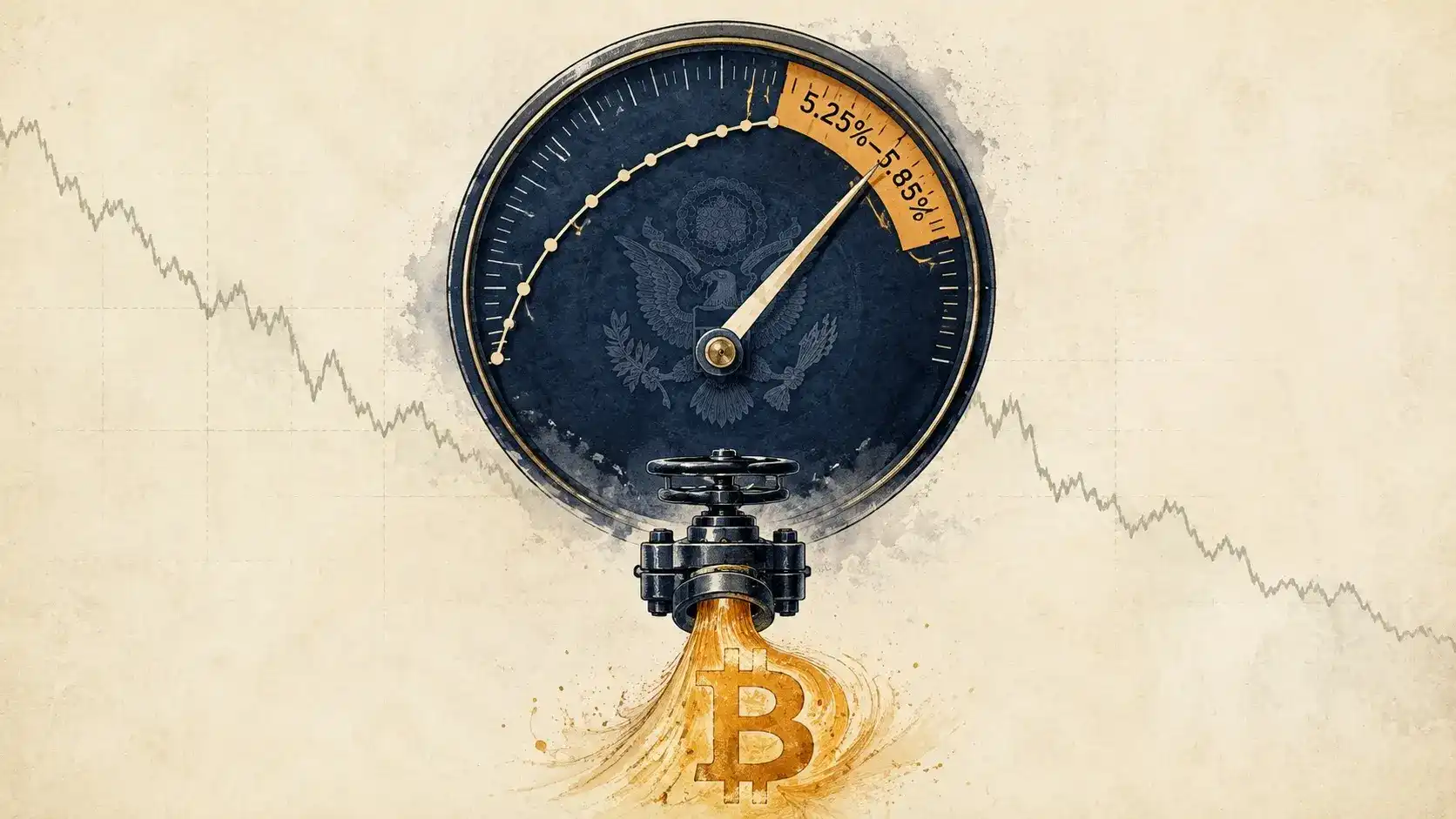
The CEO of Strive argues that the U.S. Treasury market is approaching a critical juncture, setting the stage for a major opportunity in Bitcoin. He highlights that unsustainable U.S. fiscal deficits and expanding entitlement programs are creating fundamental pressure for higher long-term bond yields. However, the political system is unwilling to enact necessary fiscal discipline. Consequently, as the 10-year Treasury yield enters a key resistance zone of 5.25%–5.85%, the narrative will shift to a potential bond market crisis. This will force policymakers (the Treasury or Federal Reserve) to intervene aggressively to suppress yields through tools like large-scale bond buybacks or balance sheet expansion. Since the underlying fiscal imbalance remains unresolved, the adjustment pressure will be transferred to the U.S. dollar, making it the "pressure release valve" of the system. A trend decline in the dollar, potentially to multi-decade lows, would create a historically unique macro environment for Bitcoin. Bitcoin stands to benefit as a scarce, non-sovereign monetary asset, especially as AI erodes the scarcity of traditional corporate moats. The author concludes that if bond market stress causes a Bitcoin dip, it would be a major buying opportunity; if not, having exposure is still crucial. The overall expectation is that the market is still underestimating Bitcoin's long-term upside potential in this unfolding macro shift.

marsbit30 dk önce

Strive CEO: US Bond Market Approaching a Critical Point, Bitcoin's "Home Run Moment" Taking Shape

marsbit30 dk önce

İşlemler

Spot

Popüler Makaleler

$BANK Nedir

Bank AI: Bankacılıkta Devrimsel Bir Adım Giriş Teknolojideki hızlı ilerlemelerin damgasını vurduğu bir çağda, Bank AI, yapay zeka (AI) ve bankacılık hizmetleri kesişiminde yer almaktadır. Bu yenilikçi proje, finansal manzarayı yeniden tanımlamayı, operasyonel verimliliği, güvenlik önlemlerini ve müşteri deneyimlerini AI'nin gücüyle geliştirmeyi hedefliyor. Bank AI yolculuğuna çıkarken, projenin içeriğine, operasyonel dinamiklerine, tarihsel bağlamına ve önemli kilometre taşlarına dalacağız. Bank AI Nedir? Bank AI, yapay zekanın çeşitli bankacılık operasyonlarına entegrasyonunu hedefleyen dönüştürücü bir girişimi temsil etmektedir. Bu proje, süreçleri otomatikleştirmek, risk yönetimi protokollerini geliştirmek ve kişiselleştirilmiş hizmetler aracılığıyla müşteri etkileşimini artırmak için AI'nin yeteneklerinden yararlanmaktadır. Bank AI'nin temel hedefleri şunlardır: Bankacılık Fonksiyonlarının Otomasyonu: AI teknolojilerini kullanarak, Bank AI rutin görevleri otomatikleştirmeyi, insan kaynakları üzerindeki yükü azaltmayı ve verimliliği artırmayı amaçlamaktadır. Geliştirilmiş Risk Yönetimi: Proje, dolandırıcılık ve diğer tehditlere karşı güvenlik önlemlerini güçlendirerek riski tahmin edip tanımlamak için AI algoritmalarını kullanmaktadır. Bankacılık Hizmetlerinin Kişiselleştirilmesi: Bank AI, müşteri verilerini ve davranışlarını analiz ederek, özel finansal ürünler ve hizmetler sunmaya odaklanmaktadır. Müşteri Deneyimini İyileştirme: Chatbotlar ve sanal asistanlar gibi AI destekli çözümlerin uygulanması, kullanıcıların daha insana yakın etkileşimler yaşamasını sağlamayı hedeflemekte, bankalarla etkileşim biçimlerini devrim niteliğinde değiştirmektedir. Bu hedeflerle, Bank AI, bankacılığı daha verimli, güvenli ve kullanıcı odaklı hale getiren önemli bir oyuncu olarak kendini konumlandırmaktadır. Bank AI'nin Yaratıcısı Kimdir? Bank AI'nin yaratıcısı hakkında detaylar bilinmemektedir. Bu nedenle, mevcut bilgilerde belirli bir kişi veya organizasyon tanımlanmamıştır. Projenin başlangıcı etrafındaki anonimlik soruları gündeme getirse de, bunun iddialı vizyonu ve hedefleri üzerinde bir olumsuz etkisi yoktur. Bank AI'nin Yatırımcıları Kimlerdir? Proje yaratıcılarında olduğu gibi, Bank AI'nin yatırımcıları veya destekleyen organizasyonları hakkında da özel bilgiler açıklanmamıştır. Bu bilgiler olmadan, projenin ilerlemesini destekleyen finansal destek ve kurumsal destek hakkında bir çerçeve çizmek zordur. Yine de, böyle yenilikçi bir alanda gelişimi sürdürmek için sağlam bir yatırım temelinin önemi büyüktür. Bank AI Nasıl Çalışır? Bank AI, geleneksel bankacılık çerçevelerinden ayıran benzersiz faktörlere odaklanarak birden fazla yenilikçi alanda faaliyet göstermektedir. İşte temel operasyonel özellikler: Otomasyon: Makine öğrenimi algoritmalarını uygulayarak, Bank AI bankalar içindeki çeşitli manuel süreçleri otomatikleştirir. Bu, operasyonel maliyetleri azaltır ve insan çalışanların daha stratejik faaliyetlere yönelmelerini sağlar. Gelişmiş Risk Yönetimi: Risk yönetimi uygulamalarına AI entegrasyonu, bankaların dolandırıcılık gibi potansiyel tehditleri doğru bir şekilde tahmin etme araçlarıyla donatılmasını sağlar, böylece müşteri bilgileri ve varlıkları güvence altına alınır. Özelleştirilmiş Finansal Tavsiyeler: Müşteri etkileşimlerinden sürekli olarak öğrenerek, AI sistemleri kullanıcı ihtiyaçlarının daha iyi anlaşılmasını sağlar ve finansal kararlar hakkında özelleştirilmiş tavsiyeler sunar. Geliştirilmiş Müşteri Etkileşimleri: AI destekli chatbotlar ve sanal asistanlar kullanarak, Bank AI daha etkileşimli bir müşteri deneyimi sunar, kullanıcıların sorularını hızlı bir şekilde çözmelerine imkan tanır, bekleme sürelerini azaltır ve memnuniyet seviyelerini artırır. Bu operasyonel özellikler, Bank AI'yi bankacılık sektöründe bir öncü olarak konumlandırmakta ve hizmet sunumu ile operasyonel mükemmeliyet için yeni standartlar belirlemektedir. Bank AI Zaman Çizelgesi Bank AI'nin gidişatını anlamak için tarihsel bağlamına bir göz atmak gerekmektedir. Aşağıda önemli kilometre taşlarını ve gelişmeleri vurgulayan bir zaman çizelgesi bulunmaktadır: 2010'ların Başları: AI entegrasyonunun bankacılık hizmetlerine olan ilgisi arttı, bankacılık kurumları potansiyel faydalarını tanımaya başladılar. 2018: Bankaların temel müşteri hizmetleri ve geliştirilmiş güvenlik yönetimi için risk yönetim sistemlerinde chatbotlar gibi AI araçları kullanmaya başlamasıyla AI teknolojilerinin uygulanmasında belirgin bir artış yaşandı. 2023: AI'nin karmaşıklığı artmaya devam etti ve belge işleme ile gerçek zamanlı yatırım analizi gibi daha karmaşık görevler için üretken AI devreye alındı. Bu yıl, AI teknolojisi sayesinde bankaların sahip olduğu yeteneklerde önemli bir sıçrama yaşandı. 2024-Güncel Durum: Bu yıl itibarıyla, Bank AI yükselişte, devam eden araştırmalar ve geliştirmeler bankacılık operasyonlarındaki yetenekleri daha da artırmaya hazırlanıyor. AI uygulamalarının sürekli araştırılması, heyecan verici gelişmelere işaret etmektedir. Bank AI Hakkında Anahtar Noktalar Bankacılıkta AI Entegrasyonu: Bank AI, bankacılık süreçlerini kolaylaştırmak ve kullanıcı deneyimlerini geliştirmek için yapay zekanın benimsenmesine odaklanmaktadır. Otomasyon ve Risk Yönetimi Vurgusu: Proje, rutin görevlerin yükünü azaltmayı amaçlarken, tahmine dayalı analizlerle güvenlik çerçevelerini geliştirmeye büyük önem vermektedir. Kişiselleştirilmiş Bankacılık Çözümleri: Müşteri verilerinden yararlanarak, Bank AI bireysel kullanıcı ihtiyaçlarına yönelik özelleştirilmiş bankacılık hizmetleri sunar. Gelişime Bağlılık: Bank AI, teknolojinin sürekli evrimi ile uyumlu olmasını sağlamak ve güncel kalmak için sürekli araştırma ve geliştirme çabalarına bağlı kalmaktadır. Sonuç Özetle, Bank AI bankacılık endüstrisinde önemli bir adımı temsil etmekte, yapay zekayı kullanarak operasyonel paradigmaları yeniden şekillendirmekte, güvenliği artırmakta ve müşteri memnuniyetini teşvik etmektedir. Yaratıcı ve yatırımcılar hakkındaki bilgi eksikliklerine rağmen, Bank AI'nin net hedefleri ve işlevsel mekanizmaları, devam eden evrimi için güçlü bir temel sunmaktadır. AI teknolojisi gelişmeye ve bankacılık sektörüyle birleşmeye devam ettikçe, Bank AI finansal hizmetlerin geleceğini önemli ölçüde etkilemeye hazır durumda, bankacılıkla olan anlayışımızı ve etkileşim biçimlerimizi geliştirmektedir.

323 Toplam GörüntülenmeYayınlanma 2024.04.06Güncellenme 2024.12.03

$BANK Nedir

BANK Nasıl Satın Alınır

HTX.com’a hoş geldiniz! Lorenzo Protocol (BANK) satın alma işlemlerini basit ve kullanışlı bir hâle getirdik. Adım adım açıkladığımız rehberimizi takip ederek kripto yolculuğunuza başlayın. 1. Adım: HTX Hesabınızı OluşturunHTX'te ücretsiz bir hesap açmak için e-posta adresinizi veya telefon numaranızı kullanın. Sorunsuzca kaydolun ve tüm özelliklerin kilidini açın. Hesabımı Aç2. Adım: Kripto Satın Al Bölümüne Gidin ve Ödeme Yönteminizi SeçinKredi/Banka Kartı: Visa veya Mastercard'ınızı kullanarak anında Lorenzo Protocol (BANK) satın alın.Bakiye: Sorunsuz bir şekilde işlem yapmak için HTX hesap bakiyenizdeki fonları kullanın.Üçüncü Taraflar: Kullanımı kolaylaştırmak için Google Pay ve Apple Pay gibi popüler ödeme yöntemlerini ekledik.P2P: HTX'teki diğer kullanıcılarla doğrudan işlem yapın.Borsa Dışı (OTC): Yatırımcılar için kişiye özel hizmetler ve rekabetçi döviz kurları sunuyoruz.3. Adım: Lorenzo Protocol (BANK) Varlıklarınızı SaklayınLorenzo Protocol (BANK) satın aldıktan sonra HTX hesabınızda saklayın. Alternatif olarak, blok zinciri transferi yoluyla başka bir yere gönderebilir veya diğer kripto para birimlerini takas etmek için kullanabilirsiniz.4. Adım: Lorenzo Protocol (BANK) Varlıklarınızla İşlem YapınHTX'in spot piyasasında Lorenzo Protocol (BANK) ile kolayca işlemler yapın.Hesabınıza erişin, işlem çiftinizi seçin, işlemlerinizi gerçekleştirin ve gerçek zamanlı olarak izleyin. Hem yeni başlayanlar hem de deneyimli yatırımcılar için kullanıcı dostu bir deneyim sunuyoruz.

955 Toplam GörüntülenmeYayınlanma 2025.05.09Güncellenme 2026.06.02

BANK Nasıl Satın Alınır

Tartışmalar

HTX Topluluğuna hoş geldiniz. Burada, en son platform gelişmeleri hakkında bilgi sahibi olabilir ve profesyonel piyasa görüşlerine erişebilirsiniz. Kullanıcıların BANK (BANK) fiyatı hakkındaki görüşleri aşağıda sunulmaktadır.

活动图片