Adobe发布《元宇宙白皮书》,推出多款AR/VR元宇宙应用设计工具

搜狐2022-03-17 tarihinde yayınlandı2022-03-17 tarihinde güncellendi

Özet

Adobe发布元宇宙白皮书,加速企业营销向数字化转型。

3月17日消息,在昨日举行的“2022年Adobe峰会”上,Adobe公布了《Adobe元宇宙白皮书》,并发布了一系列全新的元宇宙构建功能和工具。
据悉,Adobe为元宇宙的发展推出了包括Adobe Substance 3D和Adobe Aero在内的3D内容创建产品,以及包括Adobe Creative Cloud和Adobe Experience Cloud在内的服务平台,帮助创作者在元宇宙中创建AR和VR体验。

根据Adobe官网描述,元宇宙是一个对所有人开放的、方便使用各种创意技术的地方,人人都可以互相沟通、开发创造、购物甚至完成各种事情。
同时,Adobe还公布了《Adobe元宇宙白皮书》,该白皮书提到,元宇宙体验是丰富的、持久的、共享的、协作与共同创作的一种互动体验,包括功能完整的共享经济,它推动了下一波创新,包括:工作、游戏、电子商务、机器人技术、自动驾驶训练、气候变化等等研究。
相比于其他3D工具更侧重游戏、娱乐等用户,Aodbe 3D工具主打沉浸式商务场景、AR场景、也包括游戏。

本次大会和白皮书中都重点讲述了数字营销、虚拟购物等方面,包括提供可创造3D体验的工具,从而帮助机构和品牌方完成营销制作、产品设计工作。Adobe副总裁兼Stefano Corrazza表示:我们正在引导企业朝着新的经营方式做转型,为此我们做了长时间准备。
目前Adobe已与可口可乐、Epic Games、NASCAR(纳斯卡赛车,流行的汽车赛事)、NVIDIA等合作开发了各种用于电子商务和其它领域的3D沉浸式内容。
Adobe表示,创建虚拟场景的关键在于:3D和沉浸式内容开发足够高效、提供线上电子商务支持(浏览、购买)、3D资产的通用性(兼容原有大量资产)。
可口可乐全球设计副总裁Rapha Abreu表示:可口可乐致力于在现实世界和数字世界中提供创意和新颖设计,不仅是实体产品带来数字化的创新,也期待将可口可乐的魔力扩展到身临其境的虚拟世界中去。
耐克CEO John Donahoe谈到:我们更关注消费者,以及他们如何获得优质、无缝、个性化的体验。事实上,客户越来越期待这些,从而迫使我们积极拥抱数字化。
“我们开始频繁地在数字世界中,做那些我们在物理世界中做过的事情。现在的元宇宙体验也反映了一个事实,人们在现实世界和虚拟世界所做的事情正在变得愈加模糊。”
Adobe首席执行官Shantanu Narayen表示,Adobe将元宇宙或虚拟世界和其他沉浸式体验视为数字交互的新浪潮,要让数字经济唾手可得,让数字经济更个性化,加速企业的数字化转型。

İlgili Okumalar

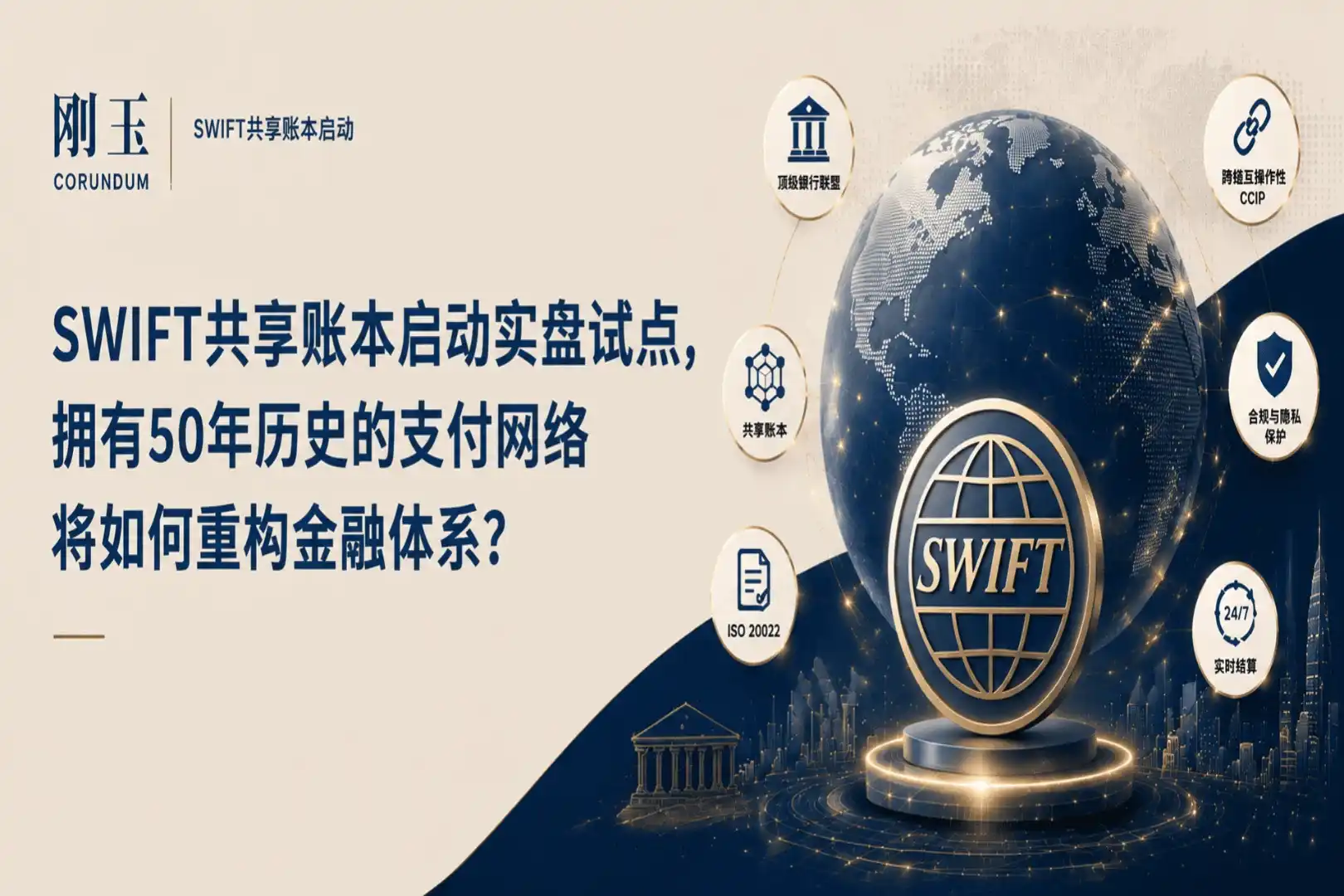
SWIFT Shared Ledger Launches Live Pilot, How Will the 50-Year-Old Payment Network Reconstruct the Financial System?

SWIFT, a global financial messaging provider with a 50-year history, has launched a live pilot of a blockchain-based "shared ledger" in July 2026, involving 17 major banks. This marks a direct move by traditional finance to upgrade its core payment infrastructure using blockchain technology, transforming SWIFT's role from a messaging channel to a "value orchestration layer" for digital payments. The system is built on Hyperledger Besu (EVM-compatible) and integrates Chainlink's CCIP for cross-chain interoperability. It deepens the fusion of the ISO 20022 messaging standard with smart contracts to automate compliance (KYC/AML). The primary settlement medium in this network is "tokenized deposits"—digital representations of traditional bank deposits, not independent stablecoins—preserving the existing two-tier banking system. The move introduces "atomic settlement" (24/7, instant) but requires banks to adopt "pre-funding" models, increasing demands on liquidity management. It presents direct competitive pressure on native blockchain payment tokens (e.g., XRP) by offering an efficient, bank-backed alternative for cross-border settlement. Significant regulatory hurdles remain, including legal jurisdiction over cross-border digital assets, legal definitions of "settlement finality" for smart contracts, and balancing blockchain transparency with data privacy/localization laws. Technologies like zero-knowledge proofs may be needed to resolve privacy-compliance conflicts. Industry views are mixed: participating banks and SWIFT emphasize extending trusted, compliant finance into the digital realm with real-time efficiency, while crypto analysts warn of potential "liquidity backlash" as capital flows back to the traditional, now-tech-enhanced banking system. This pilot signifies that traditional finance and crypto are entering a phase of direct competition and fusion at the infrastructure level, likely leading to a future of interconnected, highly regulated financial networks rather than a fully decentralized system.

marsbit7 dk önce

SWIFT Shared Ledger Launches Live Pilot, How Will the 50-Year-Old Payment Network Reconstruct the Financial System?

marsbit7 dk önce

Why P2P and Exchangers Are Becoming Obsolete, and What Will Replace Them

Titled "Why P2P and Exchanges Are Becoming Obsolete, and What Will Replace Them," this article discusses the evolution of stablecoins, particularly USDT, from a trading tool to a global payment method. However, converting crypto back to fiat for daily expenses remains a challenge. The process of using P2P platforms or crypto exchanges has become increasingly risky and complex due to stricter banking anti-fraud measures, new legislation in Russia, and rampant fraud schemes like "triangles," where sellers can inadvertently receive stolen funds. The article highlights that while P2P was convenient, banks now scrutinize frequent peer-to-peer transfers, often freezing accounts. Exchanges also pose risks like unfavorable rates and unclear compliance. The market is therefore shifting towards integrated services that eliminate the manual conversion step. It cites OneSix as an example—a crypto wallet accessible via Telegram and web that embeds currency conversion directly into payment and withdrawal scenarios. Users can pay bills or send money as if using a bank app, with the crypto-to-fiat exchange happening seamlessly in the background. It also offers invoicing for freelancers and conducts AML checks, returning suspicious transactions instantly instead of freezing them. In conclusion, as crypto integrates into everyday finance, the demand for manual, risky exchange methods is declining. The future lies in unified platforms that combine storage, compliance, conversion, and payments into a single, secure user experience.

cryptonews.ru1 saat önce

Why P2P and Exchangers Are Becoming Obsolete, and What Will Replace Them

cryptonews.ru1 saat önce

İşlemler

Spot
活动图片