Trezor: If You Don't Have the Keys, You Don't Own the Bitcoin

cryptonews.ru2026-07-29 tarihinde yayınlandı2026-07-29 tarihinde güncellendi

Özet

The article argues that owning a promise or right to Bitcoin (e.g., through an exchange, broker, or ETF) is not the same as truly owning the asset, as access can be revoked by third parties due to regulation, bankruptcy, or policy changes. It emphasizes the importance of self-custody, where the user holds their private keys and has full control, eliminating counterparty risk. It highlights the launch of the first Trezor hardware wallet 12 years ago, which solved the problem of secure self-custody by keeping keys offline. While technology has made self-custody user-friendly, the main barrier now is a lack of awareness and trust, with many users discouraged from holding their own keys. Recent trends like ETFs and regulatory actions in Europe illustrate the risks of trusting intermediaries. The conclusion is that self-custody is the secure and simple answer, and the industry's focus should be on making it more accessible and understood, empowering users to take control before they learn its importance through loss.

There is a difference between owning bitcoin and owning a claim to it, and most people who think they own bitcoin actually only own this claim. Their coins are held on an exchange, with a broker, or in a fund. In reality, they have only an entry in someone else's ledger and a promise that they will be able to access their funds. Most of the time, this promise is kept. The problem lies in what happens on the days it isn't, and how little say you have when that day comes.

This summer we witnessed a situation like this across Europe. When new EU crypto regulations came into full effect, several exchanges that failed to obtain a license in time were forced to stop providing regulated services to users in the EU; the largest of them affected millions of customers overnight. No hacks, no fraud, no wrongdoing against anyone. Just a change in the nature of the service. People were told they could withdraw their funds, but even that deserves a closer look: the ability to withdraw money was something the platforms chose to maintain during an orderly wind-down. It was not a right users possessed. In such situations, withdrawal timelines can be lengthy, withdrawals can be partial or cumbersome, and such options exist only as long as the company decides to provide them. The ability to trade, move, or ultimately access your assets depended on decisions made in boardrooms users had no access to.

This is the essence of self-custody in one sentence: when your access to your own money goes through a company, it is always and only dependent on that company's reliability. Its solvency, security, licenses, decisions, and what a court or regulator instructs it to do. You control none of these factors, and any one of them can come between you and your coins. Self-custody removes the company from the equation entirely. Coins stored on your own device cannot be frozen in a bankruptcy, lost in a hack of someone else's servers, restricted by a licensing decision, or made inaccessible because a company decided to change its terms. There is no counterparty to go bankrupt, because there simply is no counterparty. The keys belong to you, and they keep working no matter what happens to anyone else.

Trezor was built specifically to remove this counterparty dependency. Exactly twelve years ago, our founders, Marek Palatinus and Pavol Rusnak, released the first hardware wallet and created a product category that didn't exist before. They weren't trying to build just a gadget. They had a problem they couldn't solve any other way.

The problem was that safely storing one's coins was practically impossible for an ordinary person. Our founders were engineers who worked in Linux and could more or less secure their bitcoins, but even they didn't consider it a given. If it was hard for them, it was hopeless for everyone else. The solution they arrived at was to completely remove the private key from an internet-connected computer and move it to a small, specialized device. The key is generated on this device and never leaves it. The device is never connected to the internet. When you make a transaction, it is sent to the device, signed inside it, and returned already approved, so the secret controlling your coins never touches your computer, phone, or the network. This principle hasn't changed in twelve years across any of the products we've built since, because it was never just one of the features. It is the whole point.

Only the threat has changed. In 2014, the barrier to self-custody was complexity. Today, the barrier is persuasion. Storing your own keys has become easier than ever, but people are being gently discouraged from it.

The most common way is through an exchange-traded fund (ETF). Tens of billions of dollars in bitcoin are now in spot ETF structures, where they are held for people who wanted exposure to crypto without taking on the responsibility of self-custody. As an "on-ramp" for people who would otherwise never touch crypto, these products have done real good and have their place. But an ETF share is not bitcoin. It is a price exposure held for you by a financial institution within the very traditional financial system bitcoin was meant to be an alternative to. You own a claim. You don't own the asset itself. You cannot withdraw it from the platform, move it yourself, spend it, or hold the keys to it. It's the exchange problem again, just in a suit.

My colleague Danny Sanders, Communications Director at Trezor, put it bluntly earlier this year: the worst outcome for this industry would be if everyone just decided to invest in an ETF and call that owning bitcoin. The numbers show how far this can go. Out of approximately 600 million crypto users worldwide, only about 10 percent store their own keys, and only 12–13 million use a hardware wallet. The overwhelming majority already entrust the storage of what they believe they own to someone else.

The summer's regulatory events and the ETF trend are the same lesson delivered from two sides. One shows how access to assets changes under forces outside your control. The other invites you to voluntarily sign up for such a scheme. In both cases, you are left with a promise instead of the asset itself. We've seen how that ends. When the FTX exchange collapsed in 2022, the people who lost everything weren't reckless. They simply trusted a custodian—which is what almost everyone in crypto is subtly nudged towards.

If self-custody is clearly the answer, why do so few people use it? Our industry must be honest here. For years, it was assumed that once the hardware was good enough, people would use it, and the whole problem was viewed purely as a technical one. But it was never just about the tech. The real barrier was trust. Telling someone they are fully responsible for their money and that there is no one to turn to if something goes wrong is a serious step, and for a long time the industry sidestepped this issue instead of addressing it. The important task was not just building secure devices. It was earning enough trust for people to feel ready to use them.

That work has paid off. Today, self-custody has nothing to do with the command line exercises our founders started with. With the right tools, it has become genuinely accessible, and millions of people now manage their keys without ever touching a line of code. The device handles the hardest part. What remains is less a usability problem and more an awareness problem: most people still don't know how far this technology has come, and that the safest option is now also the easiest.

So this twelfth anniversary is not really about the device itself. The first hardware wallet mattered because it proved the principle could work—an ordinary person could store their money, and no one would stand between them and their funds. Twelve years later, this principle is under more pressure than it was when almost no one could implement it, because now the pressure has become familiar. Convenience is a more compelling argument than complexity ever was. Rather than just marking the date, we are dedicating this day to why we exist. This week, Trezor is running a 'Self-Custody Week'—a campaign to encourage more people to stop being on the sidelines and start storing their own keys.

The solution is not to lecture people about ideology. It is for self-custody to become increasingly accessible, understandable, and impossible to dismiss as the difficult option, because it no longer is. Regulation will continue to change the rules of who can offer what. Exchanges will continue to make decisions their customers cannot foresee. None of that touches a key held only by you. Twelve years ago, we made it possible. Now our job is to make sure everyone knows about it and aims for it, before they learn firsthand why it matters.

_________________________________________________________________________

Bitcoin.com is not liable and will not be liable, directly or indirectly, for any losses, damages, claims, costs or expenses of any kind, whether actual, alleged or consequential, arising from or in connection with the use or reliance on any content, goods or services mentioned in this article. Any reliance on such information is at the reader's sole risk.


Trend Kriptolar

İlgili Sorular

QAccording to the article, what is the fundamental difference between owning bitcoins and owning a right to them?

AOwning bitcoins means you control the private keys to the coins themselves. Owning a right to them means you have a claim or promise from a third party (like an exchange, broker, or ETF fund) that you can access the coins, but you do not hold the keys. Your assets are recorded in their ledger and can be affected by their decisions, regulations, or solvency.

QWhat was the main reason the founders of Trezor created the first hardware wallet, as described in the article?

AThe founders, Marek Palatinus and Pavol Rusnák, created the first hardware wallet because they saw that it was nearly impossible for ordinary people to securely store their bitcoins. The solution was to completely remove the private key from an internet-connected computer and place it on a small, specialized device that generates and stores the key offline, signing transactions internally without ever exposing the key.

QWhat does the article identify as the primary barrier to self-custody of cryptocurrencies today, compared to the initial barrier in 2014?

AIn 2014, the main barrier to self-custody was complexity and technical difficulty. Today, the primary barrier is persuasion or mindset, as people are gently discouraged from self-custody through convenient alternatives like exchange-traded funds (ETFs), which offer exposure without ownership, making them believe they don't need to hold their own keys.

QWhat is the core risk highlighted in the article for users who store their bitcoins with a third party like an exchange or an ETF?

AThe core risk is that access to your assets is entirely dependent on the reliability, decisions, and circumstances of that third party. Your coins can be affected by the company's insolvency, security breaches, licensing changes, regulatory actions, or internal policy shifts, potentially leading to frozen, lost, or inaccessible funds without your control.

QWhat is the purpose of Trezor's 'Self-Custody Week' campaign mentioned at the end of the article?

ATrezor's 'Self-Custody Week' campaign aims to encourage more people to stop relying on third parties and start holding their own private keys. The focus is not on ideological lecturing, but on making self-custody more accessible, understandable, and undeniable as the simpler and safer option, especially as regulations and exchange policies continue to change.

İlgili Okumalar

Stocks of Companies in Bitcoin Mining and AI Infrastructure Soar, Short Sellers Face Losses

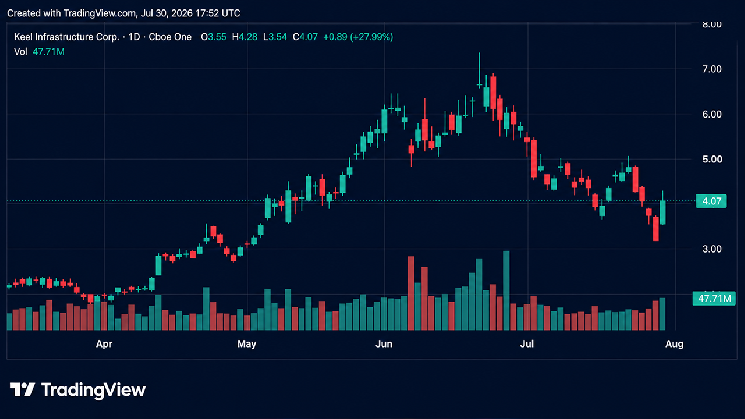
Shares of companies involved in Bitcoin mining and AI infrastructure surged, causing losses for short sellers. On Thursday, July 30, 2026, Keel Infrastructure (formerly Bitfarms) led the gains, rising 29.13%, followed by Nebius Group, Cipher Digital, and IREN Limited with jumps over 27%. Other notable gainers included Riot Platforms, Bitdeer, Core Scientific, Hut 8, and Cleanspark, with increases mostly ranging from 17% to 24%. The rally was attributed to a short squeeze triggered by a hedge fund's forced liquidation of its holdings, which were largely bought by Citadel. Additionally, Bitcoin trading above $64,000 and strong Microsoft earnings, highlighting AI's profitability, boosted market sentiment. Coreweave also announced a deal to provide AI cloud services for U.S. defense and intelligence agencies. This surge reflects a broader, longer-term trend of Bitcoin miners pivoting to AI data centers, leveraging their existing energy infrastructure and land. Recent multi-billion dollar deals by companies like Hut 8, IREN, and Terawulf for AI cloud services underscore this strategic shift. Other gainers, including Sandisk, Micron, Bloom Energy, and Cerebras, are suppliers critical to the AI infrastructure build-out. While the rally provided relief after July's losses, questions remain about capital expenditures, power availability, and long-term AI demand. The sustainability of these gains depends on these companies successfully converting their energy contracts and AI service deals into stable revenue streams.

cryptonews.ru41 dk önce

Stocks of Companies in Bitcoin Mining and AI Infrastructure Soar, Short Sellers Face Losses

cryptonews.ru41 dk önce

İşlemler

Spot

Popüler Makaleler

BITCOIN Nedir

HarryPotterObamaSonic10Inu (ERC-20)'yu ve Kripto Alanındaki Yerini Anlamak Son yıllarda, kripto para piyasası, hem ticaret yapanların hem de topluluk etkileşimi ve eğlence değeri arayanların ilgisini çeken meme coin'lerin popülaritesinde bir artış gördü. Bu benzersiz token'lar arasında, kripto para dokusuna kültürel referansları harmanlayan ilginç bir proje olan HarryPotterObamaSonic10Inu (ERC-20) bulunmaktadır. Bu makale, HarryPotterObamaSonic10Inu'nun temel yönlerini, mekanizmalarını, topluluk odaklı ethosunu ve daha geniş kripto manzarasıyla etkileşimini incelemektedir. HarryPotterObamaSonic10Inu (ERC-20) Nedir? Adından da anlaşılacağı gibi, HarryPotterObamaSonic10Inu, Ethereum blok zinciri üzerinde inşa edilen bir meme coin'dir ve ERC-20 standardı altında sınıflandırılmaktadır. Geleneksel kripto paraların pratik kullanılabilirlik veya yatırım potansiyeline odaklandığı durumların aksine, bu token eğlence değeri ve topluluğunun gücü üzerine kuruludur. Proje, bağlı kullanıcıların bir araya gelebileceği, fikirlerini paylaşabileceği ve çeşitli kültürel fenomenlerden ilham alan etkinliklere katılabileceği bir ortam yaratmayı hedeflemektedir. HarryPotterObamaSonic10Inu'nun dikkate değer özelliklerinden biri işlemlerde sıfır vergi olmasıdır. Bu çekici unsur, küçük ölçekli yatırımcıları caydırabilecek ek ücretlerden yoksun olarak ticareti ve topluluk katılımını teşvik etmeyi amaçlamaktadır. Coin'in toplam arzı bir milyar token olarak belirlenmiştir; bu, topluluk içinde önemli bir dolaşım sağlama niyetini göstermektedir. HarryPotterObamaSonic10Inu (ERC-20) Yaratıcısı HarryPotterObamaSonic10Inu'nun kökenleri bir miktar gizemlidir; yaratıcısı hakkında spesifik bilgilerin ne olduğu bilinmemektedir. Bu token'ın geliştirilmesi, belirli bir ekip veya açık bir plan eksikliği ile gerçekleşmiştir; bu durum, meme coin sektöründe oldukça yaygındır. Proje, topluluğunun heyecanı ve katılımına dayalı olarak organik bir şekilde ortaya çıkmıştır. HarryPotterObamaSonic10Inu (ERC-20) Yatırımcıları Dış yatırımlar ve destekler söz konusu olduğunda, HarryPotterObamaSonic10Inu da belirsiz kalmaktadır. Token, bilinen herhangi bir yatırım fonunu veya önemli bir kurumsal desteği listelememektedir. Bunun yerine, projenin can damarı, kolektif eylem ve kripto alanındaki katılım yoluyla büyüme ve sürdürülebilirlik sağlayan temel topluluğudur. HarryPotterObamaSonic10Inu (ERC-20) Nasıl Çalışır? Bir meme coin olarak, HarryPotterObamaSonic10Inu, genellikle varlık değerini yöneten geleneksel çerçevelerin dışında çalışmaktadır. Projenin nasıl çalıştığını tanımlayan birkaç özelliği vardır: Sıfır Vergi İşlemleri: İşlemlerde vergi ücreti olmadan, kullanıcılar gizli maliyet endişesi olmadan token'ı serbestçe alıp satabilirler. Topluluk Etkileşimi: Proje, topluluk etkileşimi üzerine kuruludur ve sosyal medya platformlarını kullanarak heyecan yaratarak katılımı kolaylaştırır. Tartışmalar, içerik paylaşımı ve katılım, projenin erişimini genişletmeye ve destekleyiciler arasında sadakat oluşturmaya yardımcı olan kritik unsurlardır. Pratik Kullanılabilirlik Yok: HarryPotterObamaSonic10Inu'nun mali ekosistem içinde somut bir kullanılabilirlik sunmadığı belirtilmelidir. Daha ziyade, eğlence ve topluluk etkinlikleri için bir token olarak sınıflandırılmaktadır. Kültürel Referans: Token, popüler kültürden unsurları zekice harmanlayarak ilgi çekmektedir ve hem meme meraklıları hem de kripto takipçileriyle bağlantı kurmaktadır. HarryPotterObamaSonic10Inu, meme coin'lerin, daha geleneksel kripto para projelerinden nasıl farklı çalıştığını örneklendirmektedir; bu projeler, utilitarist varlıklar yerine yenilikçi sosyal yapıların bir parçası olarak piyasaya girmektedir. HarryPotterObamaSonic10Inu (ERC-20) Zaman Çizelgesi HarryPotterObamaSonic10Inu'nun tarihi, birkaç dikkate değer kilometre taşı ile işaretlenmiştir: Oluşum: Token, birçok kripto meraklısının hayal gücünü yakalayan bir viral meme'den ortaya çıkmıştır. Spesifik yaratım tarihleri mevcut değildir ve bu onun organik yükselişini vurgulamaktadır. Borsa Listelemeleri: HarryPotterObamaSonic10Inu, topluluğun daha kolay erişim ve ticaret yapabilmesini sağlamak için çeşitli borsalarda yer bulmuştur. Topluluk Katılım İnisiyatifleri: Yarışmalar, sosyal medya kampanyaları ve hayranlar ile destekçilerden içerik üretimini içeren topluluk etkileşimini artırmayı amaçlayan devam eden etkinlikler. Gelecek Genişleme Planları: Projenin yol haritası, kültürel temalarına ilişkin bir NFT koleksiyonu, ticari ürünler ve bir e-ticaret sitesi başlatılmasını içermektedir; bu da topluluğun daha fazla katılımını sağlamayı ve ekosistemine daha fazla boyut kazandırmayı hedeflemektedir. HarryPotterObamaSonic10Inu (ERC-20) Hakkında Kilit Noktalar Topluluk Odaklı Doğası: Proje, kullanıcı katılımını geliştirme önceliği taşır ve böylece kullanıcıların sürecin en önünde yer almasını sağlar. Meme Coin Sınıflandırması: Eğlenceye dayalı kripto paranın doruk noktasıdır ve geleneksel yatırım araçlarından ayrılmaktadır. Bitcoin ile Doğrudan İlişki Yok: Ticker ismindeki benzeliğe rağmen, HarryPotterObamaSonic10Inu ayırt edicidir ve Bitcoin veya diğer yerleşik kripto paralarla herhangi bir ilişkisi yoktur. İşbirliğine Odaklanma: HarryPotterObamaSonic10Inu, sahipleri arasında işbirliği ve hikaye paylaşımı için bir alan oluşturmak üzere tasarlanmıştır ve bu da yaratıcılık ve topluluk bağlarını sağlamaktadır. Gelecek Beklentileri: Başlangıçta belirlendiği temalardan NFTs ve ticari ürünlere genişleme arzusu, projenin dijital kültürde daha ana akıma girebilmesi için bir yol haritası çizmektedir. Meme coin'ler, kripto para topluluğunun hayal gücünü çalmaya devam ederken, HarryPotterObamaSonic10Inu (ERC-20), kültürel bağları ve topluluk merkezli yaklaşımıyla öne çıkmaktadır. Geleneksel bir hizmet odaklı token modeliyle uyumlu olmasa da, özünde destekçileri arasında sağlanan neşe ve dostluğu vurgulayarak, giderek dijitalleşen bir çağda kripto paraların evrilen doğasını göstermektedir. Proje gelişmeye devam ettikçe, topluluk dinamiklerinin blockchain teknolojisi dünyasındaki seyrini nasıl etkilediğini izlemek önemli olacaktır.

2.2k Toplam GörüntülenmeYayınlanma 2024.04.01Güncellenme 2024.12.03

BITCOIN Nedir

BTC Nasıl Satın Alınır

HTX.com’a hoş geldiniz! Bitcoin (BTC) satın alma işlemlerini basit ve kullanışlı bir hâle getirdik. Adım adım açıkladığımız rehberimizi takip ederek kripto yolculuğunuza başlayın. 1. Adım: HTX Hesabınızı OluşturunHTX'te ücretsiz bir hesap açmak için e-posta adresinizi veya telefon numaranızı kullanın. Sorunsuzca kaydolun ve tüm özelliklerin kilidini açın. Hesabımı Aç2. Adım: Kripto Satın Al Bölümüne Gidin ve Ödeme Yönteminizi SeçinKredi/Banka Kartı: Visa veya Mastercard'ınızı kullanarak anında Bitcoin (BTC) satın alın.Bakiye: Sorunsuz bir şekilde işlem yapmak için HTX hesap bakiyenizdeki fonları kullanın.Üçüncü Taraflar: Kullanımı kolaylaştırmak için Google Pay ve Apple Pay gibi popüler ödeme yöntemlerini ekledik.P2P: HTX'teki diğer kullanıcılarla doğrudan işlem yapın.Borsa Dışı (OTC): Yatırımcılar için kişiye özel hizmetler ve rekabetçi döviz kurları sunuyoruz.3. Adım: Bitcoin (BTC) Varlıklarınızı SaklayınBitcoin (BTC) satın aldıktan sonra HTX hesabınızda saklayın. Alternatif olarak, blok zinciri transferi yoluyla başka bir yere gönderebilir veya diğer kripto para birimlerini takas etmek için kullanabilirsiniz.4. Adım: Bitcoin (BTC) Varlıklarınızla İşlem YapınHTX'in spot piyasasında Bitcoin (BTC) ile kolayca işlemler yapın.Hesabınıza erişin, işlem çiftinizi seçin, işlemlerinizi gerçekleştirin ve gerçek zamanlı olarak izleyin. Hem yeni başlayanlar hem de deneyimli yatırımcılar için kullanıcı dostu bir deneyim sunuyoruz.

8.3k Toplam GörüntülenmeYayınlanma 2024.12.12Güncellenme 2026.06.02

BTC Nasıl Satın Alınır

$BITCOIN Nedir

DİJİTAL ALTIN ($BITCOIN): Kapsamlı Bir Analiz DİJİTAL ALTIN ($BITCOIN) Tanıtımı DİJİTAL ALTIN ($BITCOIN), geleneksel değerli metallerin özelliklerini merkeziyetsiz teknolojilerin yeniliği ile birleştirmeyi amaçlayan Solana ağı üzerinde çalışan blockchain tabanlı bir projedir. Bitcoin ile aynı isme sahip olmasına rağmen, genellikle bir değer saklama aracı olarak algılandığı için “dijital altın” olarak anılmaktadır; DİJİTAL ALTIN, Web3 ortamında benzersiz bir ekosistem yaratmak için tasarlanmış ayrı bir tokendir. Hedefi, uygulanabilir bir alternatif dijital varlık olarak kendini konumlandırmaktır, ancak uygulamaları ve işlevleri ile ilgili ayrıntılar hala gelişmektedir. DİJİTAL ALTIN ($BITCOIN) Nedir? DİJİTAL ALTIN ($BITCOIN), Solana blockchain'inde kullanılmak üzere açıkça tasarlanmış bir kripto para tokenidir. Bitcoin'in yaygın olarak tanınan bir değer saklama rolü sağlamasının aksine, bu token daha geniş uygulamalara ve özelliklere odaklanıyor gibi görünmektedir. Dikkate değer yönler şunlardır: Blockchain Altyapısı: Token, yüksek hızlı ve düşük maliyetli işlemleri yönetme kapasitesi ile bilinen Solana blockchain'inde inşa edilmiştir. Arz Dinamikleri: DİJİTAL ALTIN'ın maksimum arzı 100 katrilyon token (100P $BITCOIN) ile sınırlıdır, ancak dolaşımdaki arzı ile ilgili ayrıntılar şu anda açıklanmamıştır. Kullanım Alanı: Kesin işlevler açıkça belirtilmemiş olsa da, token'ın merkeziyetsiz uygulamalar (dApps) veya varlık tokenizasyon stratejileri ile ilgili çeşitli uygulamalar için kullanılabileceğine dair işaretler bulunmaktadır. DİJİTAL ALTIN ($BITCOIN) Yaratıcısı Kimdir? Şu anda, DİJİTAL ALTIN ($BITCOIN) arkasındaki yaratıcıların ve geliştirme ekibinin kimliği bilinmemektedir. Bu durum, merkeziyetsiz finans ve meme coin fenomenleriyle uyumlu olan birçok yenilikçi proje arasında yaygındır. Böyle bir anonimlik, topluluk odaklı bir kültürü teşvik edebilirken, yönetişim ve hesap verebilirlik konusundaki endişeleri artırmaktadır. DİJİTAL ALTIN ($BITCOIN) Yatırımcıları Kimlerdir? Mevcut bilgiler, DİJİTAL ALTIN ($BITCOIN) için bilinen herhangi bir kurumsal destekçi veya önde gelen risk sermayesi yatırımı olmadığını göstermektedir. Proje, geleneksel finansman yolları yerine topluluk desteği ve benimsemeye odaklanan bir eşler arası modelde çalışıyor gibi görünmektedir. Faaliyetleri ve likiditesi esas olarak PumpSwap gibi merkeziyetsiz borsalarda (DEX'ler) yer almakta olup, bu da onun taban hareketine vurgu yapmaktadır. DİJİTAL ALTIN ($BITCOIN) Nasıl Çalışır DİJİTAL ALTIN ($BITCOIN) 'ın operasyonel mekanikleri, blockchain tasarımı ve ağ özellikleri temelinde açıklanabilir: Konsensüs Mekanizması: Solana'nın benzersiz tarih kanıtı (PoH) ile bir hisse kanıtı (PoS) modelini birleştirerek, proje ağın yüksek performansına katkıda bulunan verimli işlem doğrulamasını sağlar. Tokenomik: Belirli deflasyonist mekanizmalar kapsamlı bir şekilde detaylandırılmamış olsa da, geniş maksimum token arzı, henüz tanımlanmamış mikro işlemler veya niş kullanım durumlarına hitap edebileceğini ima etmektedir. Etkileşim: Solana'nın daha geniş ekosistemi ile entegrasyon potansiyeli bulunmaktadır; bu, çeşitli merkeziyetsiz finans (DeFi) platformlarını içermektedir. Ancak, belirli entegrasyonlarla ilgili ayrıntılar belirtilmemiştir. Önemli Olayların Zaman Çizelgesi DİJİTAL ALTIN ($BITCOIN) ile ilgili önemli kilometre taşlarını vurgulayan bir zaman çizelgesi: 2023: Token'ın Solana blockchain'inde ilk dağıtımı, sözleşme adresi ile işaretlenmiştir. 2024: DİJİTAL ALTIN, PumpSwap gibi merkeziyetsiz borsalarda işlem görmeye başladıkça görünürlük kazanır ve kullanıcıların bunu SOL karşısında ticaret yapmasına olanak tanır. 2025: Proje, topluluk odaklı etkileşimlere yönelik potansiyel ilgi ve ara sıra ticaret faaliyetleri görür, ancak şu ana kadar dikkate değer ortaklıklar veya teknik ilerlemeler belgelenmemiştir. Kritik Analiz Güçlü Yönler Ölçeklenebilirlik: Temel Solana altyapısı, yüksek işlem hacimlerini destekleyerek $BITCOIN'in çeşitli işlem senaryolarındaki faydasını artırabilir. Erişilebilirlik: Token başına potansiyel düşük ticaret fiyatı, perakende yatırımcıları çekebilir ve parçalı mülkiyet fırsatları sayesinde daha geniş katılımı kolaylaştırabilir. Riskler Şeffaflık Eksikliği: Kamuya açık olarak bilinen destekçilerin, geliştiricilerin veya bir denetim sürecinin olmaması, projenin sürdürülebilirliği ve güvenilirliği konusunda şüpheler doğurabilir. Piyasa Volatilitesi: Ticaret faaliyeti büyük ölçüde spekülatif davranışa dayanmakta olup, bu da yatırımcılar için önemli fiyat dalgalanmalarına ve belirsizliklere yol açabilir. Sonuç DİJİTAL ALTIN ($BITCOIN), hızla gelişen Solana ekosisteminde ilginç ama belirsiz bir proje olarak ortaya çıkmaktadır. “Dijital altın” anlatısını kullanmaya çalışırken, Bitcoin'in değer saklama rolünden ayrılması, amaçlanan faydasının ve yönetişim yapısının daha net bir şekilde tanımlanması gerekliliğini vurgulamaktadır. Gelecekteki kabul ve benimseme, mevcut belirsizliklerin giderilmesine ve operasyonel ile ekonomik stratejilerinin daha açık bir şekilde tanımlanmasına bağlı olacaktır. Not: Bu rapor, Ekim 2023 itibarıyla mevcut olan sentezlenmiş bilgileri kapsamaktadır ve araştırma döneminin ötesinde gelişmeler yaşanmış olabilir.

244 Toplam GörüntülenmeYayınlanma 2025.05.13Güncellenme 2025.05.13

$BITCOIN Nedir

Tartışmalar

HTX Topluluğuna hoş geldiniz. Burada, en son platform gelişmeleri hakkında bilgi sahibi olabilir ve profesyonel piyasa görüşlerine erişebilirsiniz. Kullanıcıların BTC (BTC) fiyatı hakkındaki görüşleri aşağıda sunulmaktadır.

活动图片