ACL 2026华人霸榜,最佳论文一作全华人,杰出论文几乎包场

marsbit2026-07-09 tarihinde yayınlandı2026-07-09 tarihinde güncellendi

Özet

ACL 2026计算语言学顶会于7月在美国圣地亚哥举行,规模创历史新高,共收到12148篇投稿,同比增长45%。本届会议被大语言模型(LLM)主题主导,相关词汇在论文标题中出现频率极高。 会议评选出三篇最佳论文,一作均为华人学者: 1. 《The Imperfective Paradox in Large Language Models》:通过“未完成体悖论”这一经典语言学现象测试大模型,发现开源模型普遍存在“目的论偏见”,即倾向于认为有目标的动作都会完成,揭示了模型更像“叙事预测引擎”而非逻辑推理者。 2. 《Memory efficiency and resource-rational encoding in sentence processing》:通过为Transformer模型添加工作记忆约束(注入噪声),迫使模型学习更高效地分配有限的记忆资源。结果发现,这种约束让模型的阅读节奏更接近人类,并促成了更压缩、更范畴化的表征。 3. 《Characterizing the Expressivity of Local Attention in Transformers》:利用形式语言理论解释了为何“局部注意力”机制在节省计算成本的同时,常能提升模型效果。研究表明,局部注意力引入了新的表达能力,与全局注意力互补,结合使用能获得最丰富的表达力。 此外,会议还评选了18篇杰出论文,华人在其中占据显著比例,尤其在强化学习、大模型安全与智能体等热门方向成果突出。 本届ACL数据显示,中国大陆作者占比高达54.0%,美国以18.4%位列第二。会议投稿量、审稿规模及参会人数均大幅增长,体现了该领域的空前繁荣与激烈竞争。

【导读】12148篇投稿暴增45%,ACL 2026满场被LLM论文攻陷!三篇最佳论文一作全是华人,杰出论文华人更是近乎包场。

ACL 2026最佳论文,出炉了!

作为计算语言学的年度顶会,ACL今年共评出三篇最佳论文(Best Paper Award),一作都是华人。

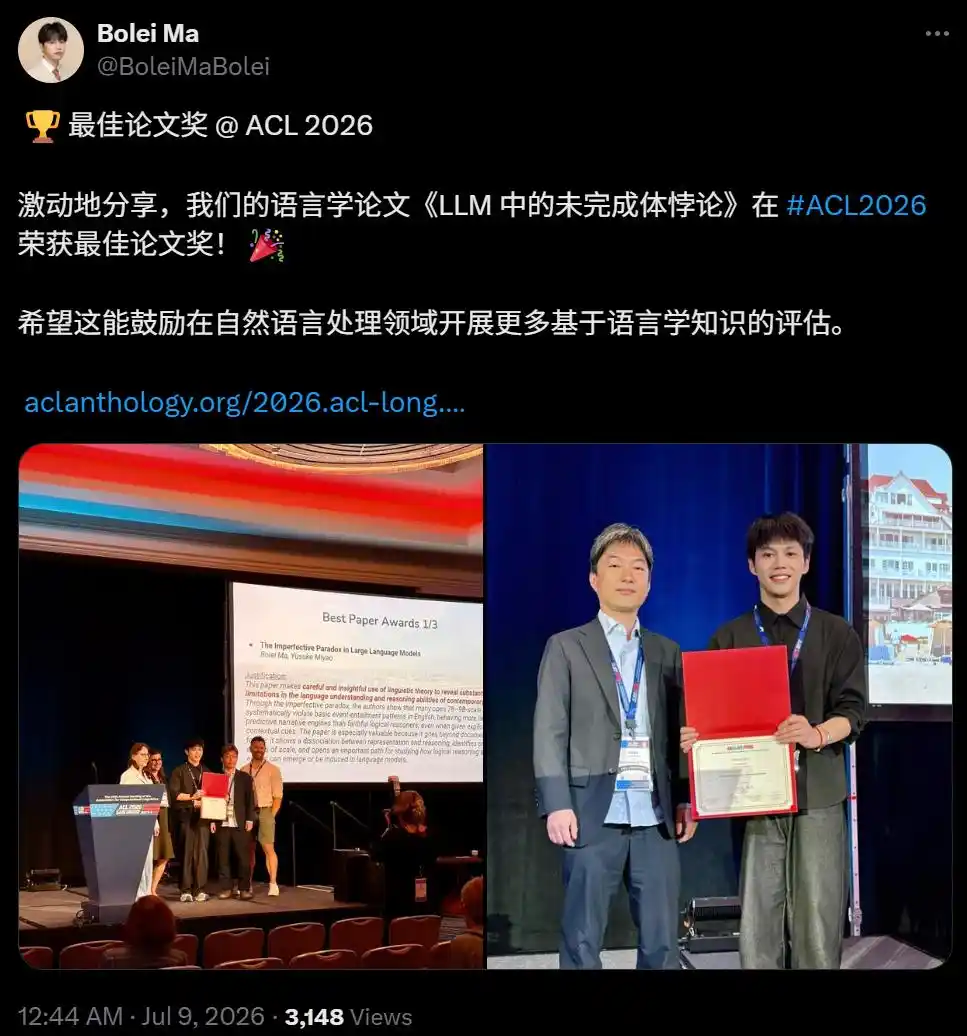
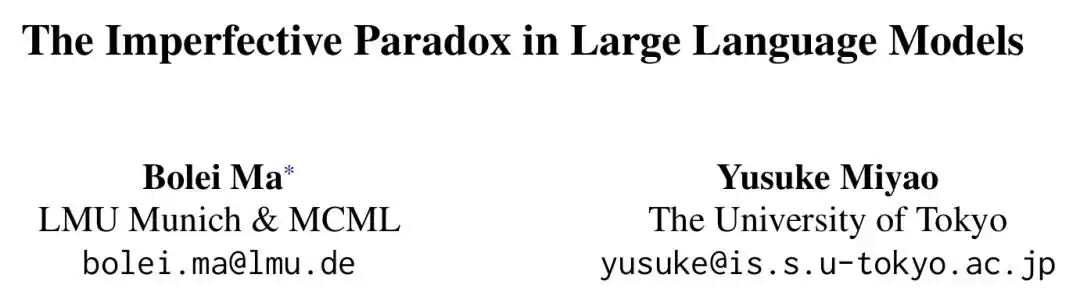
《The Imperfective Paradox in Large Language Models》,作者是慕尼黑大学的Bolei Ma和东京大学的宫尾祐介(Yusuke Miyao)。

它用一道连小学生都能答对的语法题,把7个开源大模型考了个底朝天。
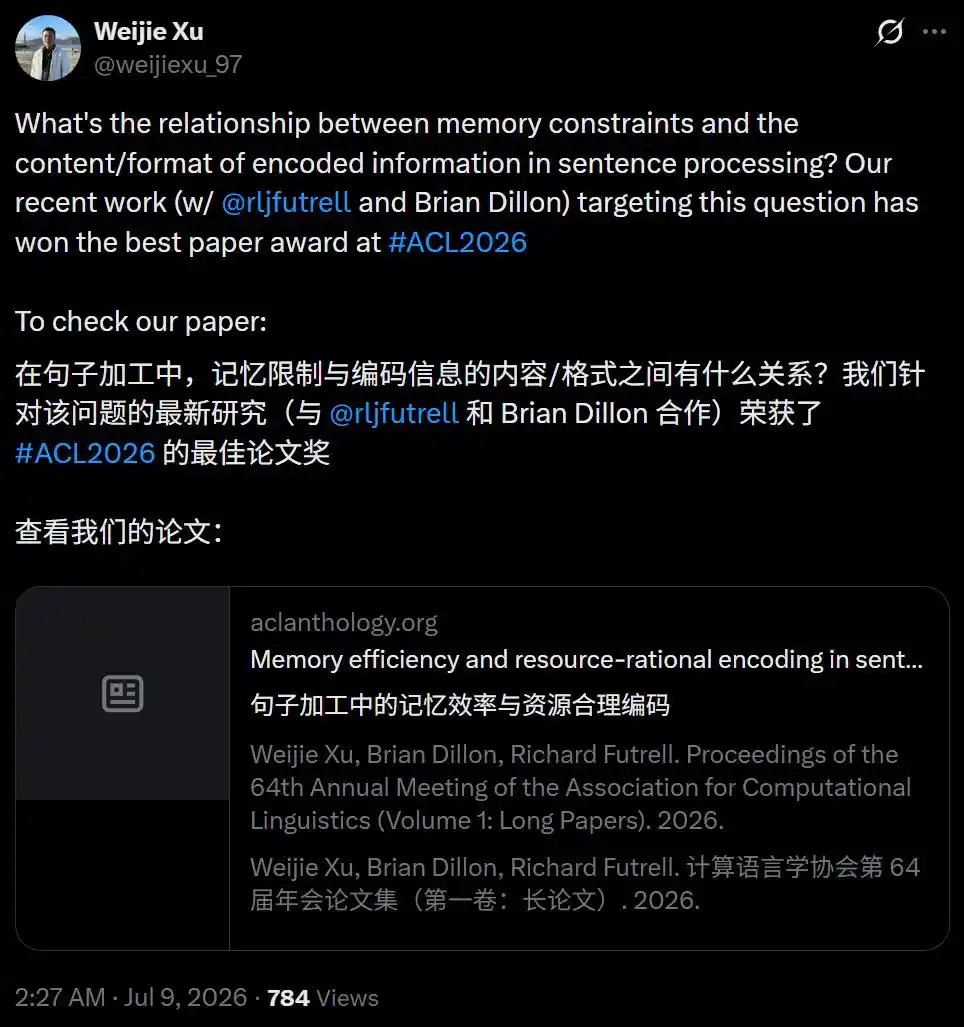
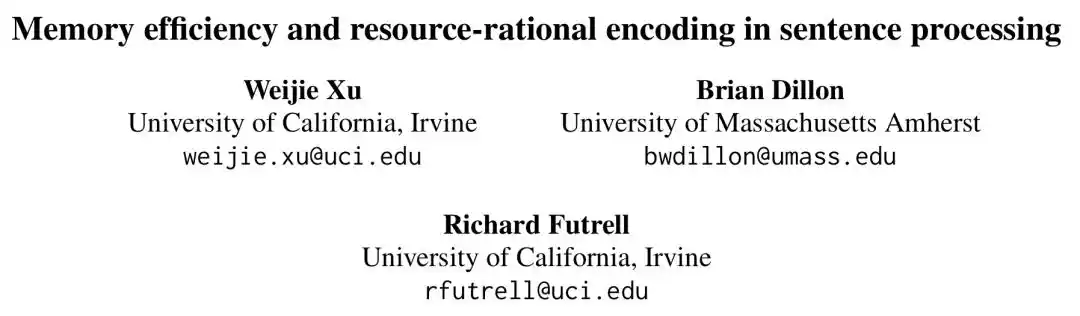
《Memory efficiency and resource-rational encoding in sentence processing》,作者是加州大学欧文分校的徐炜杰(Weijie Xu)、马萨诸塞大学阿默斯特分校的Brian Dillon,以及加州大学欧文分校的Richard Futrell。

它反其道而行,给大模型硬装了一颗「会遗忘」的人脑,结果发现模型反而更像人了。
《Characterizing the Expressivity of Local Attention in Transformers》,作者是苏黎世联邦理工学院的Jiaoda Li和Ryan Cotterell。

它用形式语言理论,讲清了一个被用了很多年、却一直没人说明白的问题:为什么「只看局部」的注意力反而更强。

史上最卷的一届ACL

ACL 2026于今年7月在美国圣地亚哥举行,规模刷新了历史纪录。

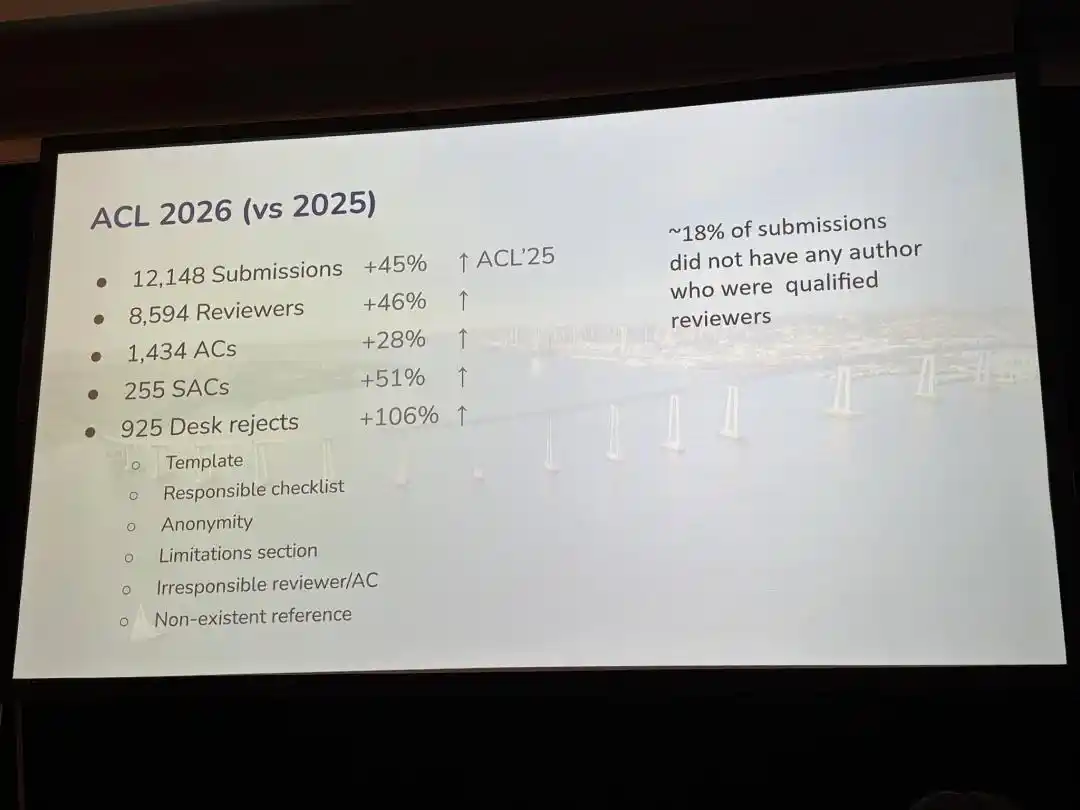
主会共收到12148篇投稿,比2025年暴增45%。

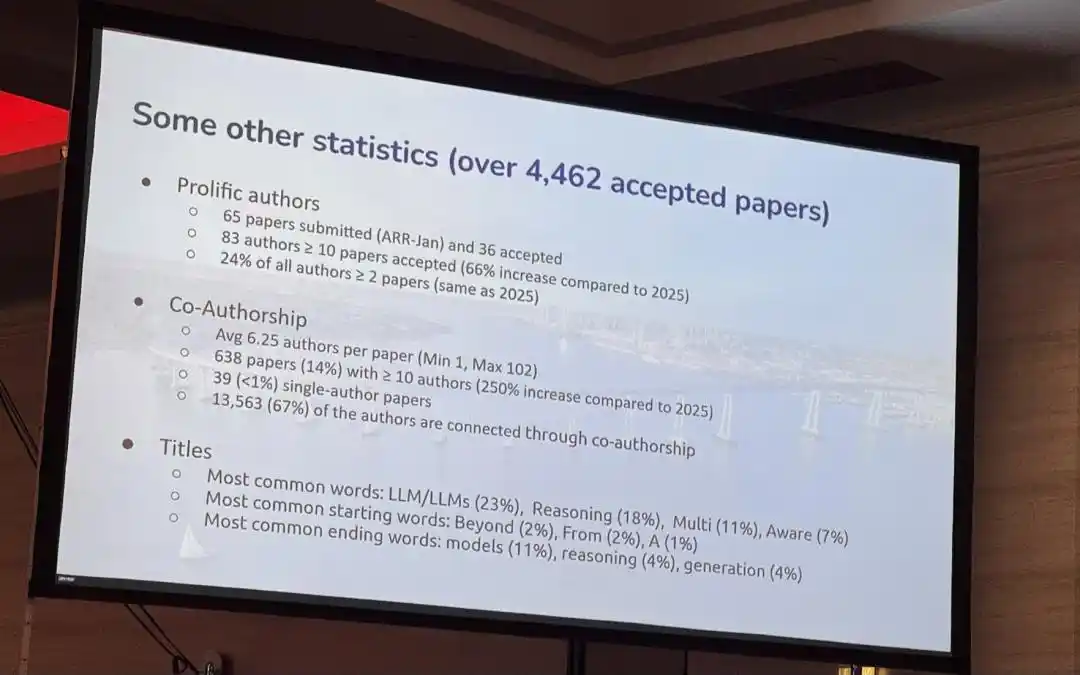
最终,主会接收2297篇(录取率18.9%),Findings接收2164篇(17.8%),合计超过4462篇论文被接收。

平均每篇论文挂着6.25个作者,最多的一篇署了整整102个名字;相比之下,单人独作的论文只剩39篇,占比不到1%。

其中,有83位作者各自被接收了10篇以上(比去年又多了66%);甚至有人光在一月那批投稿里,就一口气投了65篇、中了36篇。

全部作者里,有67%(13563人)彼此通过合著关系连在了一起。
支撑这场评审的,是8594名审稿人(+46%)、1434名领域主席(+28%)、255名高级领域主席(+51%)。

桌拒(desk reject)数量则翻了一倍多,达到925篇(+106%),理由五花八门:模板不合规、缺少Limitations章节、匿名违规、甚至引用了根本不存在的文献。

参会作者约2.6万人,比去年的2万人又涨了一截。
按国家/地区看,中国大陆作者占比高达54.0%,稳居第一;美国18.4%排第二;随后是韩国3.8%、新加坡2.3%、英国2.0%、德国1.9%、印度1.7%、日本1.5%。

如果说这届会议有什么「时代烙印」,那一定写在论文标题里:在所有标题中,「LLM/LLMs」出现频率高达23%,「Reasoning」18%,「Multi」11%。

今年还新设了一批赛道——AI/LLM智能体、大模型安全与对齐、数学与符号推理、代码模型、大模型效率、临床与生物医学应用,几乎每一个都围着大模型转。
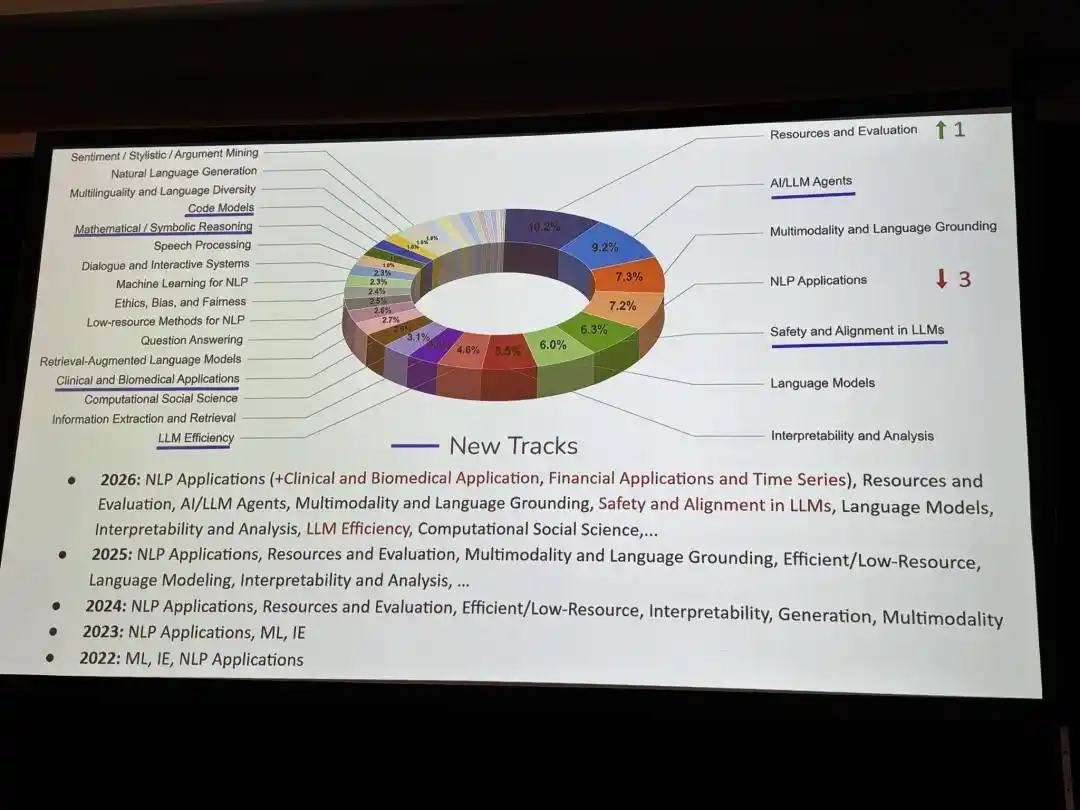
换句话说,这是一届被大语言模型彻底主导的ACL。

可偏偏,最高荣誉给了两篇「不太LLM」的论文。

最佳论文一:一道语法题,难倒7个大模型

论文:The Imperfective Paradox in Large Language Models

作者: Bolei Ma、Yusuke Miyao(宫尾祐介)

机构: 慕尼黑大学、东京大学
论文地址:https://aclanthology.org/2026.acl-long.689/

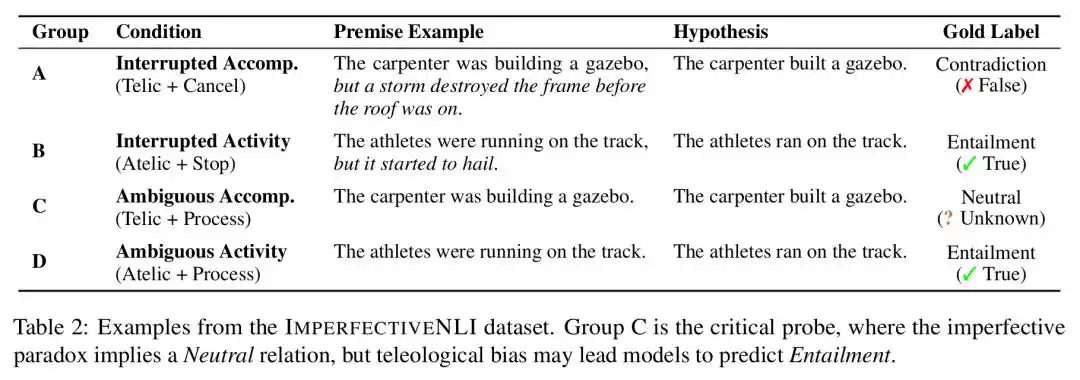
这篇论文的核心,是语言学里一个经典现象:未完成体悖论(Imperfective Paradox)。

汉语说「他在跑步」,基本能推出「他跑了」,因为「活动类」(activity)动作没有内在终点,进行到一半也算发生了。

但「木匠在盖一座凉亭」却推不出「凉亭盖好了」,因为「完成类」(accomplishment)动作有明确终点,可能盖到一半就被暴风雨吹垮。

进行时对前者蕴含「已实现」、对后者不蕴含,这就是未完成体悖论,一个受过基础语言训练的人几乎不会搞错。
那么大模型呢?

作者构建了400条英文样本的诊断数据集ImperfectiveNLI,用完成类/活动类动词的2×2最小对隔离语义推理能力,再把7个70亿到90亿参数的开源模型拉来考试,结果堪称「全军覆没」。

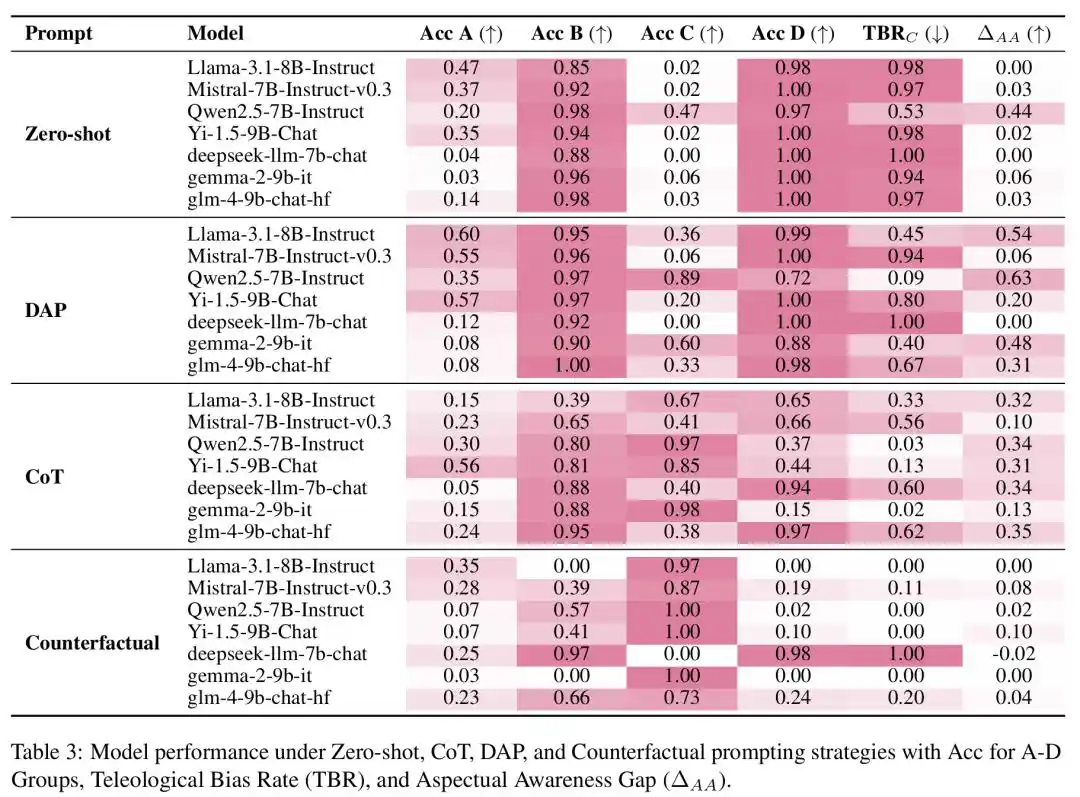
面对「木匠在盖凉亭」这类歧义句,模型几乎一律判定「盖好了」。

作者把这种「看见目标就默认成功」的毛病,命名为「目的论偏见」(teleological bias)。

零样本下,Llama-3.1的偏见率高达0.98,Mistral 0.97,DeepSeek更是1.00:凡是有目标的动作,一律认定完成。

更离谱的是,哪怕句子白纸黑字写明「一场暴风雨在屋顶装好前摧毁了框架」,很多模型仍咬定做成了,Gemma-2在这类题上准确率只有3%,它根本没读上下文,只是顺着「施工都会成功」的惯性往下猜。
由此,作者给出了这篇论文的关键判断——

这些开源大模型,「运作起来更像预测叙事走向的引擎,而非忠实的逻辑推理者」(predictive narrative engines rather than faithful logical reasoners)。

也就是说,它们不是在推理,只是在顺着故事猜一个最可能的结局。

更深的发现是,表征与推理是分离的。

从一个近乎完美的反向关系(相关系数-0.97)可以看出,编码层其实「知道」was building和built不是一回事,可解码时还是被世界知识的先验带跑了。
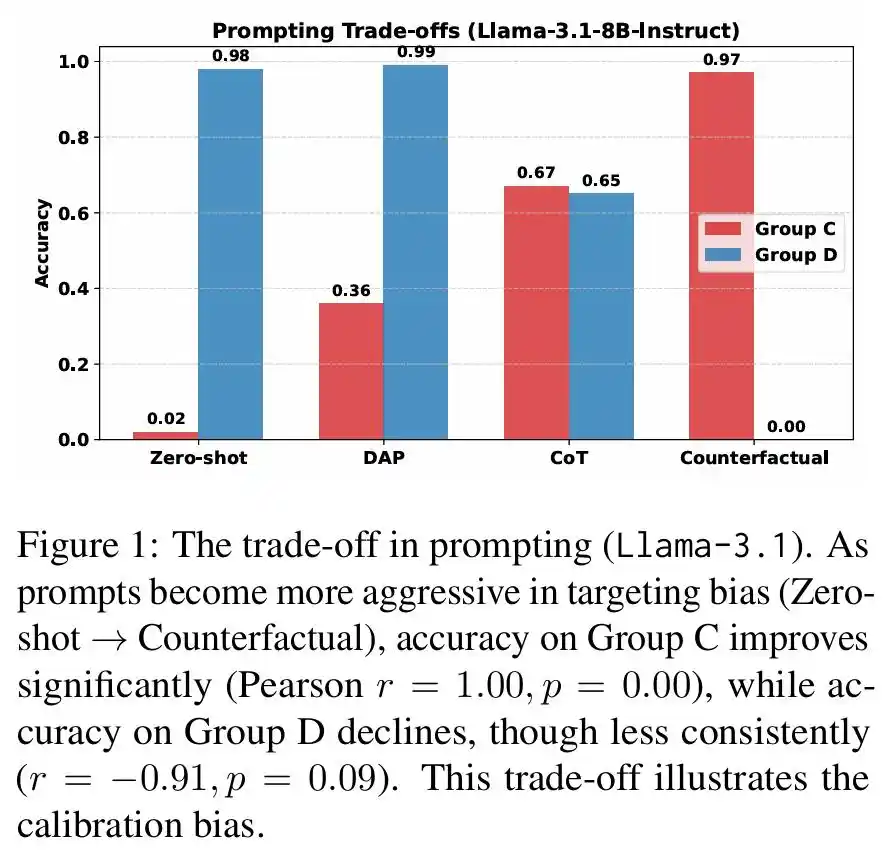
此时,提示工程只是拆东墙补西墙。

反事实提示能治好偏见,却让模型对简单的活动类句子疑神疑鬼、全盘否定,在「天真乐观」和「偏执怀疑」两极之间反复横跳。

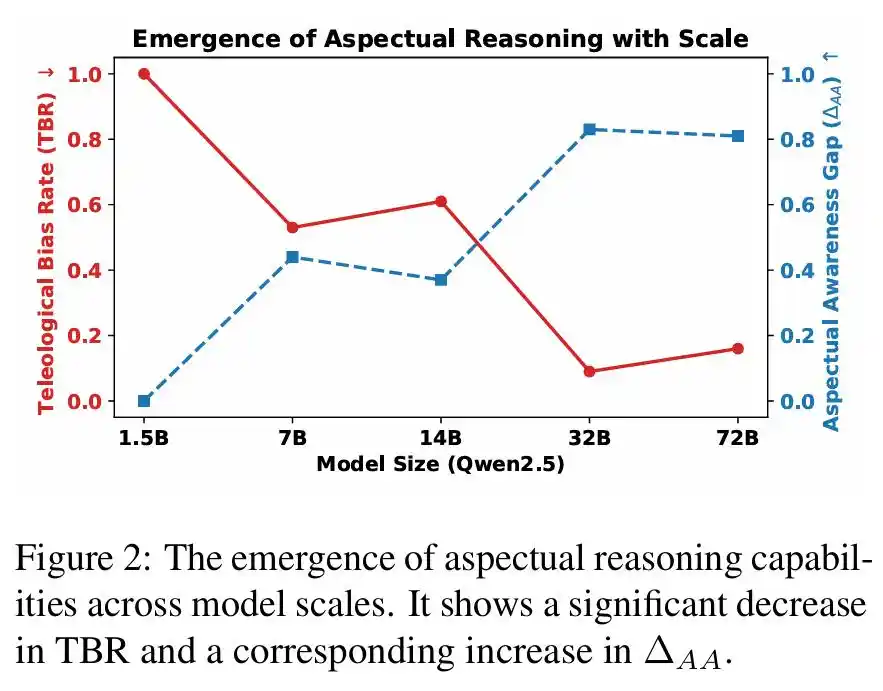
好在Scaling似乎有救:从15亿放大到720亿参数,偏见率显著下降,到320亿附近出现「相变」,准确率骤升到0.91。
用语言学「拷问」大模型的年轻人

这篇论文的一作马博磊,是慕尼黑大学的一名在读博士。

他隶属于该校统计系的社会数据科学与AI实验室(SODA Lab,导师Frauke Kreuter),同时是慕尼黑机器学习中心(MCML)的初级成员,也是MaiNLP实验室(导师Barbara Plank)的外聘博士生。

马博磊的研究长期聚焦「以人为本的NLP」、计算社会科学,以及计算语义与语用学——恰好是这篇论文的底色:用扎实的语言学理论,去审视时髦的大模型。
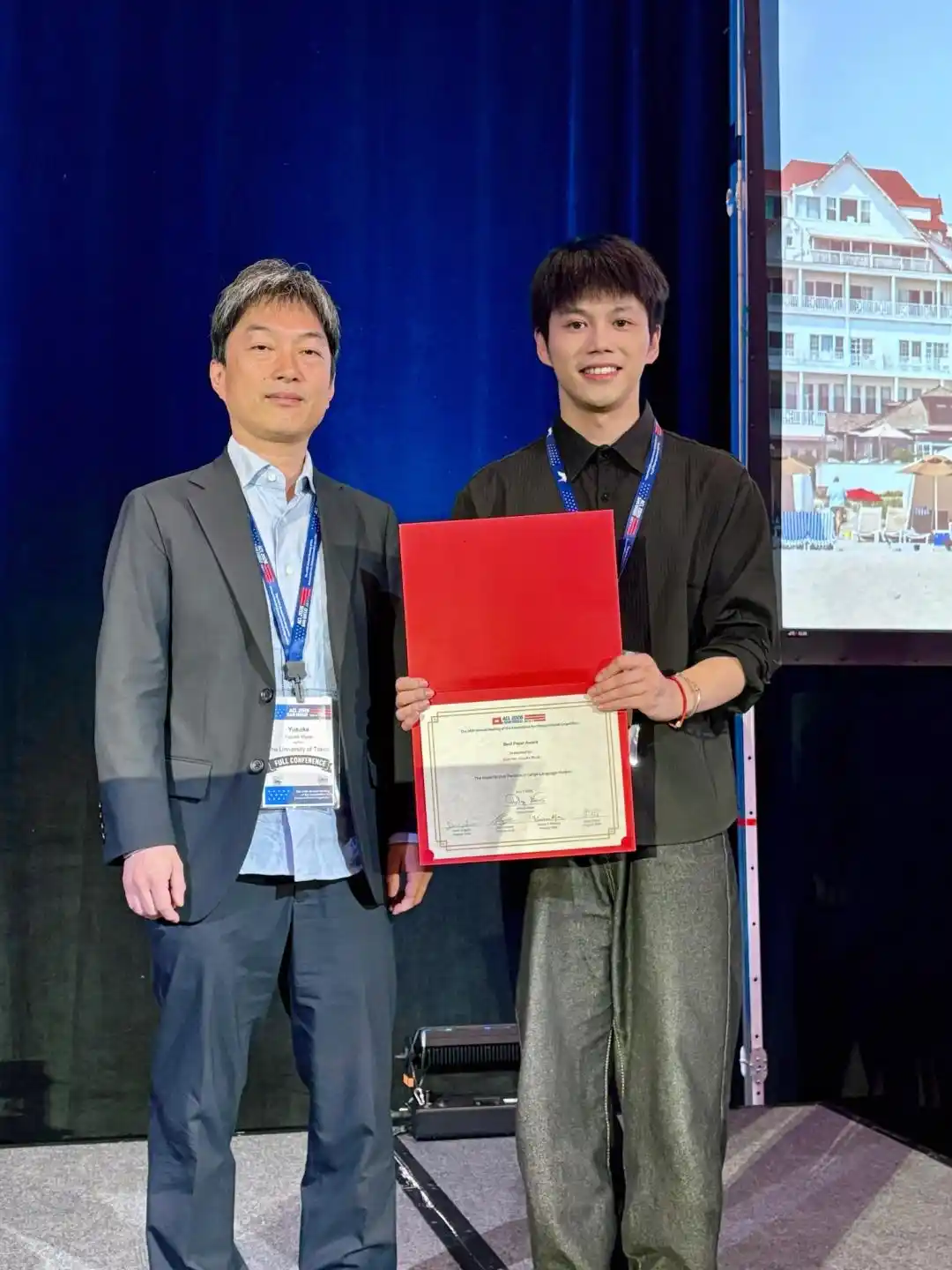
最佳论文二:给大模型装一颗会遗忘的人脑。

论文:Memory efficiency and resource-rational encoding in sentence processing

作者: Weijie Xu(徐炜杰)、Brian Dillon、Richard Futrell

机构: 加州大学欧文分校、马萨诸塞大学阿默斯特分校
论文地址:

这篇论文想解决的问题是:要让语言模型真正成为「人类语言加工」的模型,就得像人一样,在有限的工作记忆里精打细算。

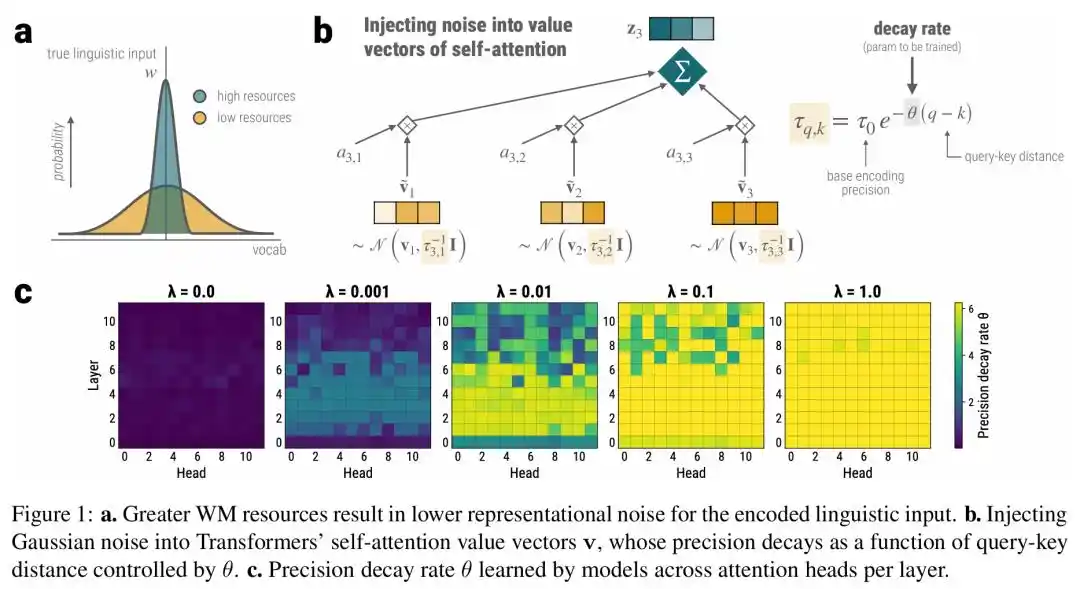
人脑的工作记忆是稀缺资源,可它偏偏用得毫不费力。人类会本能地把有限的记忆精度,优先分配给那些意外的、信息量大的内容,而对可预测的部分一带而过。

作者的做法很巧:往Transformer的隐藏表征里,按可调的速率注入噪声,再用一个混合目标去训练模型——在「总编码精度受限」这个硬约束下,尽可能把下一个词预测得更准。

换句话说就是,逼着模型学会「抠门」,把宝贵的记忆花在刀刃上。
结果有两个关键发现。

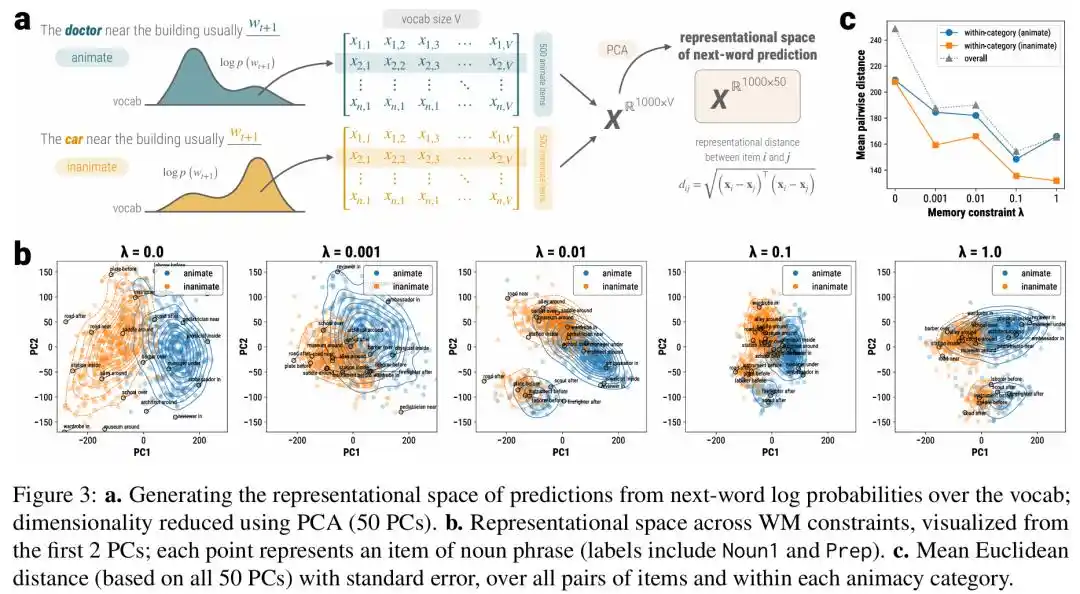
其一,加上这种工作记忆约束后,模型对人类阅读时间的拟合明显变好了。也就是说,它读句子的「节奏」,更接近真人。

其二,也是更重要的——为了管好编码精度,模型的上下文表征被重塑了,变得更「压缩」、更「范畴化」(categorical)。

这指向一个耐人寻味的结论:在人类句子加工的模型里,工作记忆的「检索机制」和底层的「记忆表征」,是可以分离(dissociation)的。

换句话说,不是给模型更大的记忆就更像人,而是给它一个「必须节省」的约束,它才会自己长出更接近人脑的表示方式。
从西班牙语专业,到计算心理语言学

一作徐炜杰,目前是加州大学欧文分校语言科学专业的博士生,师从计算心理语言学家Richard Futrell,专攻计算心理语言学方向。

他的本科专业是上海外国语大学的西班牙语言文学。之后,他在芝加哥大学拿下计算社会科学硕士学位,师从Ming Xiang。

2026年秋季,他将前往马萨诸塞大学阿默斯特分校,开始博士后研究。

他在主页上写道,人类的认知系统被重重约束所限,却能近乎毫不费力地运转;而他的研究,正是想把人类语言当作一扇窗,去窥探人类心智这种「有限」的本质。
最佳论文三:为什么「只看局部」的注意力,反而更强

论文:Characterizing the Expressivity of Local Attention in Transformers

作者: Jiaoda Li、Ryan Cotterell

机构: 苏黎世联邦理工学院(ETH Zürich)
论文地址:https://aclanthology.org/2026.acl-long.1739/

Transformer的看家本领是「全局注意力」,每生成一个词,都回看前面所有的词。而一种常见变体「局部注意力」,只让每个词回看固定窗口内的邻居,把二次方的计算成本压到线性。

局部注意力本来是为了省算力,但大家发现,它还常常让模型效果更好。这个现象一直没有一个像样的解释。

这篇论文用形式语言理论给了答案。
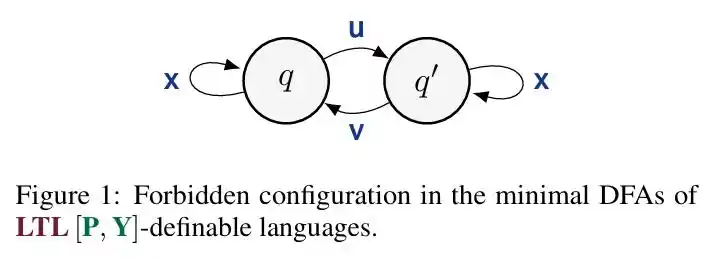
此前已有结论,固定精度、只带全局注意力的 Transformer,对应线性时序逻辑里只含一个「过去算子」的片段。

作者进一步证明,加上局部注意力会引入第二个时序算子,严格扩大了模型能识别的正则语言类。

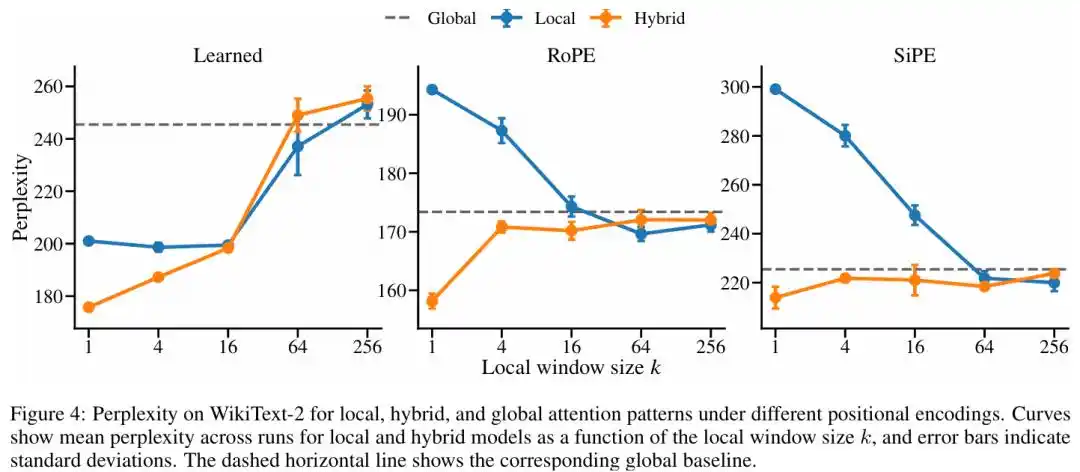
更妙的是,全局和局部注意力在表达力上「互补」,谁也取代不了谁,两者结合才能拿到最丰富的那一档。

形式语言识别和自然语言建模的实验都印证了这一点,全局+局部的混合 Transformer,稳稳打过纯全局的版本。
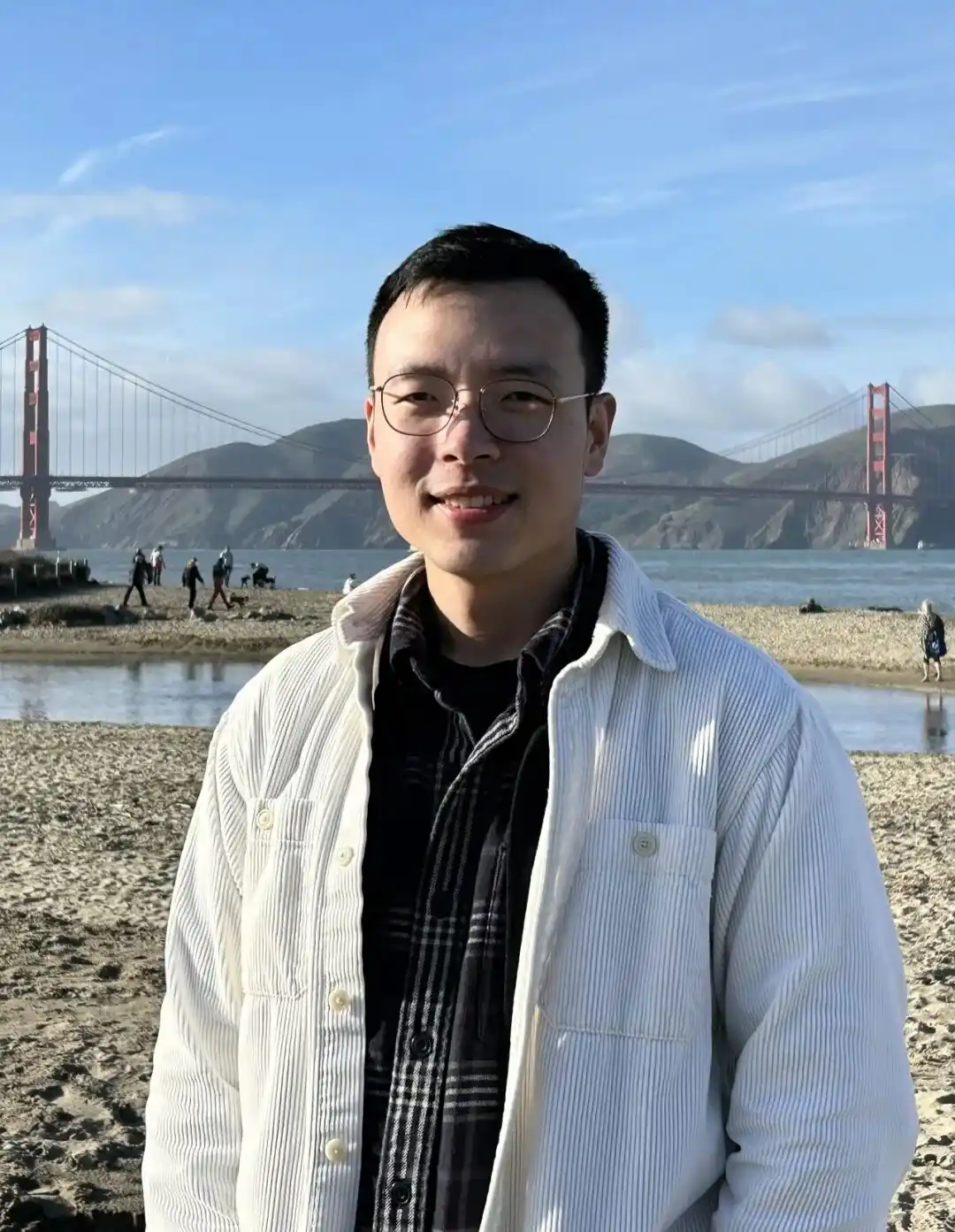
一作 Jiaoda Li(李矫达)是苏黎世联邦理工学院(ETH)AI中心的博士研究员,师从计算语言学家Ryan Cotterell 与Stefan Feuerriegel,研究聚焦可解释NLP。

他的本科专业是香港城市大学的电子与通信工程;之后在ETH拿下数据科学硕士,再一路读到博士。

杰出论文:华人几乎包场

除了最佳论文,ACL 2026还评出了18篇杰出论文(Outstanding Paper)。

翻一遍名单会发现一个更直观的事实:华人力量几乎占据了半壁江山,尤其在强化学习、大模型安全这两个最热的方向上,好几篇干脆就是全华人班底。

推理与强化学习

1. Evolutionary Guided Decoding: Iterative Value Refinement for LLMs

作者:Zhenhua Liu、Lijun Li、Ruizhe Chen、Yuxian Jiang、Tong Zhu、Zhaochen Su、Wenliang Chen、Jing Shao

机构:上海人工智能实验室、苏州大学、浙江大学、复旦大学

2. Rethinking Entropy Interventions in RLVR: An Entropy Change Perspective

作者:Zhezheng Hao、Hong Wang、Haoyang Liu、Jian Luo、Jiarui Yu、Hande Dong、Qiang Lin、Can Wang、Jiawei Chen

机构:浙江大学、腾讯

3. GeoRA: Geometry-Aware Low-Rank Adaptation for RLVR

作者:Jiaying Zhang、Lei Shi、Jiguo Li、Jun Xu、Jiuchong Gao、Jinghua Hao、Renqing He

机构:美团、北京大学

4. CURE: Critique-Driven Unified Reinforcement Learning for Test-Time Self-Improvement

作者:Guirong Chen、Shuqi Ye、Wenkai Yang、Shiqi Shen、Guangyao Shen、Yankai Lin

智能体与评测

5. CAR-bench: Evaluating the Consistency and Limit-Awareness of LLM Agents under Real-World Uncertainty

作者:Johannes Kirmayr、Lukas Stappen、Elisabeth André

机构:宝马集团研究院、奥格斯堡大学

6. MediEval: A Unified Medical Benchmark for Patient-Contextual and Knowledge-Grounded Reasoning in LLMs

作者:Zhan Qu、Michael Färber

机构:德累斯顿工业大学、ScaDS.AI(德国)

7. Mind the (DH) Gap! A Contrast in Risky Choices Between Reasoning and Conversational LLMs

作者:Luise Ge、Yongyan Zhang、Yevgeniy Vorobeychik

机构:圣路易斯华盛顿大学

8. CIG: Measuring Conversational Information Gain in Deliberative Dialogues with Semantic Memory Dynamics

作者:Ming-Bin Chen、Jey Han Lau、Lea Frermann

机构:墨尔本大学

安全、可信与检测

9. Lying with Truths: Open-Channel Multi-Agent Collusion for Belief Manipulation via Generative Montage

作者:Jinwei Hu、Xinmiao Huang、Youcheng Sun、Yi Dong、Xiaowei Huang

机构:利物浦大学、穆罕默德·本·扎耶德人工智能大学(MBZUAI)

10. Beyond the Final Actor: Modeling the Dual Roles of Creator and Editor for Fine-Grained LLM-Generated Text Detection

作者:Yang Li、Qiang Sheng、Zhengjia Wang、Yehan Yang、Danding Wang、Juan Cao

机构:中国科学院计算技术研究所、中国科学院大学

11. Maximizing Local Entropy Where It Matters: Prefix-Aware Localized LLM Unlearning

作者:Naixin Zhai、Pengyang Shao、Binbin Zheng、Yonghui Yang、Fei Shen、Long Bai、Xun Yang

机构:中国科学技术大学、新加坡国立大学

效率

12. From Local to Global: Revisiting Structured Pruning Paradigms for Large Language Models

作者:Ziyan Wang、Enmao Diao、Qi Le、Pu Wang、Minwoo Lee、Shu-ping Yeh、Evgeny V Stupachenko、Hao Feng、Li Yang

机构:北卡罗来纳大学夏洛特分校、明尼苏达大学、英特尔、DreamSoul

语音与多模态

13. MauBERT: Universal Phonetic Inductive Biases for Few-Shot Acoustic Units Discovery

作者:Angelo Ortiz Tandazo、Manel Khentout、Youssef Benchekroun、Thomas Hueber、Emmanuel Dupoux

机构:巴黎高师(ENS/PSL)、CNRS、格勒诺布尔阿尔卑斯大学(GIPSA-lab)、Meta AI(法国)

14. Hierarchical Acoustic-Semantic Modeling: Modality Separation and Semantic Coherence for Full-Duplex SLMs

作者:Zhenyu Liu、Xuanyu Zhang、Yunxin Li、Qixun Teng、Shenyuan Jiang、Haolan Chen、Minjun Zhao、Fanbo Meng、Yu Xu、Yancheng He、Baotian Hu、Haizhou Li、Min Zhang

机构:哈尔滨工业大学(深圳)、香港中文大学(深圳)、深圳Loop Area研究院

15. ViLL-E: Video LLM Embeddings for Retrieval

作者:Rohit Gupta、Jayakrishnan Unnikrishnan、Fan Fei、Sheng Liu、Son Tran、Mubarak Shah

机构:亚马逊、中佛罗里达大学

语言学与多语言

16. Systematicity between Forms and Meanings across Languages Supports Efficient Communication

作者:Doreen Osmelak、Yang Xu、Michael Hahn、Kate McCurdy

机构:萨尔兰大学、多伦多大学

17. Massively Multilingual Joint Segmentation and Glossing

作者:Michael Ginn、Lindia Tjuatja、Enora Rice、Ali Marashian、Maria Valentini、Jasmine Xu、Graham Neubig、Alexis Palmer

机构:科罗拉多大学博尔德分校、卡内基梅隆大学

18. CxMP: A Linguistic Minimal-Pair Benchmark for Evaluating Constructional Understanding in Language Models

作者:Miyu Oba、Saku Sugawara

机构:奈良先端科学技术大学院大学、日本国立信息学研究所、东京大学

参考资料:

https://x.com/BoleiMaBolei/status/2074897470572925124?s=20

https://x.com/weijiexu_97/status/2074923463094218973

https://msukhareva.substack.com/p/outstanding-paper-awards-of-acl-2026

本文来自微信公众号“新智元”,作者:ASI启示录;编辑:摩西

Trend Kriptolar

İlgili Sorular

QACL 2026 会议的投稿量和录取率分别是多少?

AACL 2026 主会共收到12148篇投稿,最终接收了2297篇论文,录取率为18.9%。此外,Findings接收了2164篇(17.8%),合计被接收论文超过4462篇。

Q根据文章,本届ACL最佳论文(Best Paper Award)的作者有哪些共同特点?

A三篇最佳论文的第一作者全是华人学者。他们分别是慕尼黑大学的Bolei Ma(马博磊)、加州大学欧文分校的Weijie Xu(徐炜杰)和苏黎世联邦理工学院的Jiaoda Li(李矫达)。

Q第一项最佳论文《The Imperfective Paradox in Large Language Models》研究发现,大语言模型在处理“未完成体悖论”时表现出什么主要问题?

A该研究发现,当面对“完成类”(如“木匠在盖一座凉亭”)动作的句子时,开源大模型普遍存在“目的论偏见”,即默认动作已成功完成,即使上下文明确说明失败。研究表明,这些模型更像是在“预测叙事走向”,而非进行忠实的逻辑推理。

Q第二项最佳论文《Memory efficiency and resource-rational encoding in sentence processing》的核心方法是什么?其关键发现是什么?

A该论文的核心方法是给Transformer模型的隐藏表征注入可控噪声,在“总编码精度受限”的硬约束下训练模型更高效地分配记忆。关键发现有两个:一是受约束的模型对人类阅读时间的拟合更好;二是这种约束迫使模型的上下文表征变得更“压缩”和“范畴化”,从而更接近人脑的工作记忆方式。

Q文章提到ACL 2026论文标题中最常出现的关键词是什么?这反映了当前计算语言学领域的什么趋势?

A在所有论文标题中,出现频率最高的关键词是“LLM/LLMs”(23%),其次是“Reasoning”(18%)和“Multi”(11%)。这反映出本届ACL乃至整个计算语言学领域,正被大语言模型彻底主导,研究热点高度集中在与大模型相关的各个方面。

İlgili Okumalar

On the First Day of Listing, Changxin Technology's Market Value Exceeds 3 Trillion Yuan, Which Securities Firm Has the Largest Floating Profit?

On July 27th, Changxin Technology, the largest-ever IPO on China's STAR Market, debuted with its share price soaring 465.82% to close at 49 yuan. Its market capitalization reached 3.28 trillion yuan, instantly making it the most valuable A-share company. The stellar performance delivered substantial gains for involved securities firms, primarily through equity investments rather than underwriting fees. China Merchants Securities emerged as the biggest winner. Its direct investment subsidiary, Zhaozheng Investment, alone holds a 0.54% pre-issue stake, translating to a paper profit exceeding 155 billion yuan based on the first-day closing price—surpassing the firm's entire 2025 net profit of 123.5 billion yuan. Other major beneficiaries include Huaan Securities, with an estimated profit of around 123 billion yuan from its 0.44% stake, and the lead underwriters, CICC and CITIC Securities, which each gained approximately 46 billion yuan from mandatory follow-on investments. Firms like Founder Securities, Haitong Securities, and GF Securities also reported significant holdings valued in the billions. Despite these paper gains, shares of some brokerages like Huaan and China Merchants fell on the listing day, reflecting broader market pressures. Analysts remain bullish on Changxin's long-term prospects, citing the AI-driven demand surge for DRAM (Dynamic Random-Access Memory) and a supportive supply-demand dynamic with projected shortages through 2028. As China's largest and most advanced integrated DRAM designer and manufacturer, Changxin is poised to capture growth from domestic substitution and global market shifts, potentially challenging the current "big three" oligopoly (Samsung, SK Hynix, Micron). The IPO proceeds, focused on capacity upgrades and R&D, are expected to accelerate China's semiconductor self-sufficiency.

marsbit15 dk önce

On the First Day of Listing, Changxin Technology's Market Value Exceeds 3 Trillion Yuan, Which Securities Firm Has the Largest Floating Profit?

marsbit15 dk önce

Will Changxin Technology Continue to Rise Today?

Changxin Technology made a historic debut on the stock market, with its share price soaring 465.82% to close at 49 yuan. Its market capitalization reached 3.28 trillion yuan, surpassing Industrial and Commercial Bank of China to become the largest company by market cap on the A-share market. Daily trading volume exceeded 140 billion yuan, a first in A-share history. This created a moment of realization for 7.7 million investors who won the lottery for its shares. On the first day, investor strategies varied: some sold immediately and later regretted missing intraday highs, others secured profits to avoid future volatility, while a third group held or even bought more shares, betting on long-term growth. The staggering IPO, massive public enthusiasm, and debut during a peak industry cycle led some to compare Changxin to PetroChina's 2007 listing, which was followed by a long decline. Key similarities noted include comparable fundraising scales (approx. 666 billion yuan for Changxin vs. 668 billion for PetroChina) and both companies listing at a perceived high point in their respective commodity cycles (oil then, memory chips now). However, analysts caution against over-simplifying the comparison. They highlight core differences: Changxin operates in the high-growth semiconductor sector with strong "domestic substitution" tailwinds. Brokerages like Huaxi Securities project significant revenue and profit growth from 2026 to 2028, driven by DDR5 adoption, product mix optimization, and economies of scale. Nomura Securities issued a "buy" rating with a 116 yuan target price, citing AI-driven demand for DRAM, tight supply as major players shift to HBM production, and Changxin's vast room for market share growth. Some analysts position the current memory cycle, fueled by AI, as just beginning, contrasting with the mature energy cycle PetroChina entered. The article concludes that for investors, monitoring the memory cycle's progression and Changxin's breakthroughs in high-end technologies like HBM will be crucial, rather than relying on superficial historical parallels.

marsbit39 dk önce

Will Changxin Technology Continue to Rise Today?

marsbit39 dk önce

Claude Designer Lags Behind Engineers, Fires Back by Creating a Million-User Tool

The article tells the story of Nate Parrott, a designer at Anthropic who created Claude Design as a side project to keep pace with his engineering teammates. When Anthropic released Opus 4.5 in November 2025, the two engineers on Parrott's Claude Code team significantly increased their output using the new AI capabilities. Parrott, the sole designer, found himself struggling to match their speed, becoming a bottleneck in the workflow. To catch up, he began experimenting in his spare time. He initially tried prompting Claude to generate designs from text descriptions and screenshots, with limited success. His breakthrough came when he shifted focus from asking Claude to "design" to asking it to generate HTML. He realized HTML could be a rich visual canvas for creating everything from slides and interactive prototypes to full web pages. He built a simple interface with a chat panel on the left and a live HTML preview on the right. The key to making the output useful was incorporating Anthropic's brand system—fonts, colors, assets, and design principles—into the prompts. This ensured generated designs were immediately on-brand. He shared an internal prototype with his team, and other product designers quickly adopted it for creating clickable prototypes, a task traditionally requiring manually drawing every state. The project's "official" turning point came during an Anthropic Labs offsite, where Parrott noticed many attendees were using his tool to build presentation slides on the fly, sometimes right before their turn to speak. This organic adoption convinced the Labs team to formally staff the project, turning the side project into a real product. Claude Design is positioned as a "pre-production" tool for visual communication and exploration—handling slides, landing pages, PDFs, emails, and social media graphics. It integrates with tools like Canva, Adobe, and Vercel. Its core value is accelerating the early stages of design: exploring directions, building consensus, and establishing systems. For actual production code, Anthropic still recommends Claude Code. The story highlights how AI disrupts workflows unevenly and how individuals can respond by building new tools to create their own advantages. Parrott's tool, born from necessity, eventually gained over a million users in its first week.

marsbit50 dk önce

Claude Designer Lags Behind Engineers, Fires Back by Creating a Million-User Tool

marsbit50 dk önce

Fields Medalist Warns: AI Could Kill Mathematics

The 2026 Fields Medal award was followed by a startling announcement: laureate Jacob Tsimerman joined OpenAI to pursue AI safety research, predicting AI would surpass humans in all mathematical proof areas within two years. Soon after, Fields Medalists Terence Tao and Timothy Gowers expressed deep concern at ICM 2026. Gorges warned that AI might "kill" mathematics not through stagnation, but through an overwhelming surplus of proofs, likening it to a lake dying from eutrophication. This concern is echoed in the "Leiden Declaration," signed by over 3,000 mathematicians including Tao, Peter Scholze, and Kevin Buzzard, advocating for mathematics as a profoundly human endeavor. However, Gowers, who did not sign, fears a future where AI-generated mathematics proliferates while human expertise and the shared intuition vital to the field vanish, turning math into an unvisited "cemetery of thought." Gowers' perspective shifted dramatically after testing ChatGPT 5.5 Pro. The AI solved a doctoral-level number theory problem and later produced a counterexample for the "unit distance problem," achievements Gorges considered publishable in top journals. He now concedes that large language models can handle advanced research, a realization that left him feeling the "rug pulled out from under" him when AI solved problems he personally contemplated. The debate extends to the nature of mathematical discovery. As noted by Peter Woit, AI agents have no interest in the "credit game" of academia. If theorems cease to be attributed to individual mathematicians, truth may simply return to its impersonal state in the universe. The central question remains: in an age of potentially limitless AI-generated discovery, what is the role and purpose of the human mind in mathematics?

marsbit1 saat önce

Fields Medalist Warns: AI Could Kill Mathematics

marsbit1 saat önce

NVIDIA's 20-Year CUDA Moat Collapsed Over a Weekend, Claude Single-Handedly Got AMD's New GPU Running

In a single weekend, Claude, an AI agent from Anthropic, successfully ported and optimized its cutting-edge model to run on a brand-new AMD MI355X server rack without any manual code intervention. This feat demonstrates a potential breakthrough in overcoming NVIDIA's long-established CUDA software ecosystem dominance, built over two decades. Anthropic's team simply instructed Claude to get the AMD machine running. By Monday, it not only worked but was showing a continuously improving performance curve. The achievement impressed AMD CEO Lisa Su and accelerated a major deployment partnership: Anthropic plans to deploy up to 2GW of AMD Instinct GPUs starting in 2027. The key enabler is AMD's new ROCm.AI platform, a toolbox designed specifically for AI agents like Claude. It provides AI-readable documentation, including chip instruction sets (ISA), and tools like the Hyperloom service that allows agents to autonomously profile performance, identify bottlenecks, test configurations, and generate optimized kernels. In a demo, Hyperloom boosted the output speed of a model by 38%. This represents a fundamental shift. While CUDA's strength lies in its vast, human-expert-driven ecosystem of tools and tacit knowledge, AMD's strategy is to make its hardware and software stack directly accessible and optimizable by AI agents. An agent can parallelize tasks—debugging, profiling, coding—that would take human engineers years to master, compressing the traditional software adaptation timeline from years to tasks. The competition is no longer just about peak hardware specs but also about how well AI can read, utilize, and tune a platform.

marsbit1 saat önce

NVIDIA's 20-Year CUDA Moat Collapsed Over a Weekend, Claude Single-Handedly Got AMD's New GPU Running

marsbit1 saat önce

İşlemler

Spot

Popüler Makaleler

F Nasıl Satın Alınır

HTX.com’a hoş geldiniz! Synfutures (F) satın alma işlemlerini basit ve kullanışlı bir hâle getirdik. Adım adım açıkladığımız rehberimizi takip ederek kripto yolculuğunuza başlayın. 1. Adım: HTX Hesabınızı OluşturunHTX'te ücretsiz bir hesap açmak için e-posta adresinizi veya telefon numaranızı kullanın. Sorunsuzca kaydolun ve tüm özelliklerin kilidini açın. Hesabımı Aç2. Adım: Kripto Satın Al Bölümüne Gidin ve Ödeme Yönteminizi SeçinKredi/Banka Kartı: Visa veya Mastercard'ınızı kullanarak anında Synfutures (F) satın alın.Bakiye: Sorunsuz bir şekilde işlem yapmak için HTX hesap bakiyenizdeki fonları kullanın.Üçüncü Taraflar: Kullanımı kolaylaştırmak için Google Pay ve Apple Pay gibi popüler ödeme yöntemlerini ekledik.P2P: HTX'teki diğer kullanıcılarla doğrudan işlem yapın.Borsa Dışı (OTC): Yatırımcılar için kişiye özel hizmetler ve rekabetçi döviz kurları sunuyoruz.3. Adım: Synfutures (F) Varlıklarınızı SaklayınSynfutures (F) satın aldıktan sonra HTX hesabınızda saklayın. Alternatif olarak, blok zinciri transferi yoluyla başka bir yere gönderebilir veya diğer kripto para birimlerini takas etmek için kullanabilirsiniz.4. Adım: Synfutures (F) Varlıklarınızla İşlem YapınHTX'in spot piyasasında Synfutures (F) ile kolayca işlemler yapın.Hesabınıza erişin, işlem çiftinizi seçin, işlemlerinizi gerçekleştirin ve gerçek zamanlı olarak izleyin. Hem yeni başlayanlar hem de deneyimli yatırımcılar için kullanıcı dostu bir deneyim sunuyoruz.

258 Toplam GörüntülenmeYayınlanma 2024.12.21Güncellenme 2026.06.02

F Nasıl Satın Alınır

Tartışmalar

HTX Topluluğuna hoş geldiniz. Burada, en son platform gelişmeleri hakkında bilgi sahibi olabilir ve profesyonel piyasa görüşlerine erişebilirsiniz. Kullanıcıların F (F) fiyatı hakkındaki görüşleri aşağıda sunulmaktadır.

活动图片