Chainlink Holder Count Nears 900,000 As Wallet Growth Accelerates

bitcoinist2026-06-30 tarihinde yayınlandı2026-06-30 tarihinde güncellendi

Özet

Chainlink (LINK) holder growth is accelerating, with total non-empty wallet addresses reaching 892,800 and on track to surpass 900,000. This growth is attributed to the expansion of Chainlink's Cross-Chain Interoperability Protocol (CCIP). A key nuance is that the number of "non-micro" wallets holding more than 1 LINK is lower, at 535,000. For traders, this signals a broadening network with fundamental development beyond retail speculation, influencing market sentiment and risk appetite. However, the data should be viewed as one signal among many—such as ETF flows and derivatives—and not a direct price guarantee. The trend's durability will depend on confirmation from subsequent on-chain metrics and broader market conditions.

TL;DR

  • Total non-empty LINK wallet addresses reached 892,800, driven by the CCIP integration expansion, and is on track to cross 900,000.
  • The key caveat: Note that “non-micro” wallets (holding >1 LINK) stand lower at 535,000.
  • For traders, the story matters because it affects how capital, liquidity or confidence is being priced across crypto right now.

What Happened

Chainlink Holder Count Nears 900,000 As Wallet Growth Accelerates. The update comes from Etherscan LINK Token Holder database / Santiment charts. That matters because this is the sort of story that can quickly become noisy if it is treated as a simple price headline rather than a market-structure development.

Total non-empty LINK wallet addresses reached 892,800, driven by the CCIP integration expansion, and is on track to cross 900,000. The clean read is not that one data point should dominate the whole market, but that the latest signal gives traders a better sense of where risk appetite is shifting. In a market still being driven by ETF flows, leverage, treasury decisions and rotating altcoin liquidity, context is doing a lot of work.

Why It Matters For Crypto Traders

Holder growth is not the same thing as price momentum, but it is one of the cleaner ways to track whether a network is still broadening. For Chainlink, the CCIP expansion gives the wallet-growth story a fundamental hook beyond simple retail speculation.

The practical takeaway is that this is not just about the headline asset. These stories tend to spill across related trades: Bitcoin treasury names can affect altcoin sentiment, ETF flow data can shape institutional positioning, and token-specific network metrics can change how traders think about support, demand and supply. When liquidity is thin, those second-order effects can matter almost as much as the original news.

The Caveat To Keep In Mind

Note that “non-micro” wallets (holding >1 LINK) stand lower at 535,000. That is the line readers should keep front and center. Crypto markets are very good at taking a narrow data point and turning it into a sweeping narrative within minutes. The better read is usually more measured: this is a signal, not a guarantee.

For example, an outflow does not automatically mean long-term holders have lost conviction. A governance warning does not mean a network is broken. A token unlock does not mean every released coin is being dumped at market. And a derivatives shift does not mean price must follow in a straight line. The useful part is understanding what the signal says about positioning, confidence and incentives.

What To Watch Next

The next step is to watch whether the data keeps confirming the story. If the same pattern appears across follow-up flows, on-chain metrics, open interest, governance dashboards or official filings, it becomes a more durable market theme. If it fades quickly, it may end up looking like a short-term positioning scare rather than a structural shift.

That distinction is especially important in the current market. Traders are still trying to work out whether capital is truly leaving crypto, rotating into safer crypto assets, or simply sitting in stablecoins waiting for a cleaner entry. This story adds one more piece to that puzzle, but it should be read alongside broader liquidity, macro and derivatives conditions.

This report is based on information from Etherscan LINK Token Holder database / Santiment charts.

This article was written by the News Desk and edited by Samuel Rae.

Source: Etherscan

Trend Kriptolar

İlgili Sorular

QWhat is the current total count of non-empty LINK wallet addresses and what is driving this growth?

AThe total count of non-empty LINK wallet addresses has reached 892,800 and is on track to cross 900,000. This growth is primarily driven by the expansion of Chainlink's Cross-Chain Interoperability Protocol (CCIP) integrations.

QWhat is the key caveat regarding the total non-empty wallet count mentioned in the article?

AThe key caveat is that the number of 'non-micro' wallets, which hold more than 1 LINK, stands at a lower figure of 535,000. This indicates that a significant portion of the total non-empty wallets holds very small amounts of the token.

QWhy does the article suggest that holder growth matters for crypto traders, even if it's not the same as price momentum?

AHolder growth is one of the cleaner ways to track whether a network is still broadening its user base. For Chainlink, the CCIP expansion gives this growth a fundamental hook beyond simple retail speculation, indicating genuine network utility and adoption.

QAccording to the article, what should traders watch next to see if the wallet growth story is confirmed?

ATraders should watch to see if the same growth pattern is confirmed across follow-up data points such as on-chain metrics, open interest, governance dashboards, or official filings. This would solidify it as a durable market theme rather than a short-term positioning scare.

QWhat broader market context does the article advise readers to consider when interpreting the wallet growth signal?

AThe article advises that this signal should be read alongside broader market conditions, including liquidity flows, macroeconomic factors, and derivatives data. Traders are trying to discern whether capital is leaving crypto, rotating into safer crypto assets, or waiting in stablecoins, and this story is just one piece of that puzzle.

İlgili Okumalar

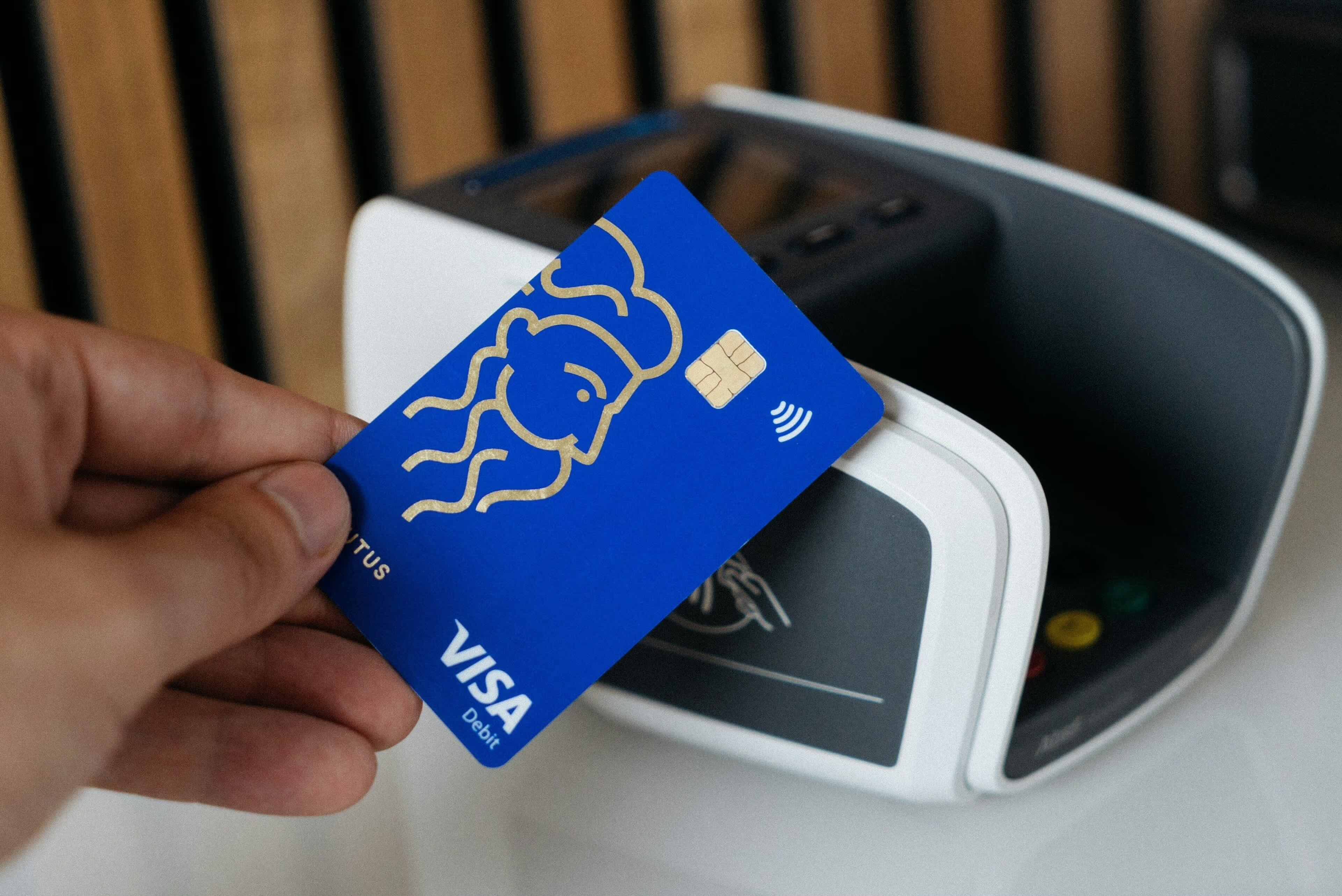
Crypto Payment Cards with $1.5 Billion Monthly Transaction Volume, Stuck in the 1990s

Monthly crypto payment card transaction volume has reached $15 billion, but the industry's development stage is comparable to debit cards in the 1990s, before they became a mainstream financial staple. A key limitation is the lack of established daily financial relationships, such as direct salary deposits and recurring bill payments, with crypto wallets. Despite annualized transaction volumes of approximately $18 billion, the market is concentrated and immature. The leading provider, RedotPay, commands over half the market share. User adoption is heavily skewed towards emerging markets like Bangladesh, India, and Nigeria, where access to USD and stable financial services is limited, rather than developed economies. The sector features four primary business models: 1) Card-issuing infrastructure providers, 2) Exchange-affiliated cards for user retention, 3) Decentralized wallet/DeFi cards with self-custody but high complexity, and 4) Stablecoin-focused digital banks, which dominate transaction volume by offering integrated financial services. The article argues that a pure payment functionality is insufficient for long-term success, mirroring the historical trajectory of traditional debit cards. Future winners will need to: 1) Control the upstream flow of funds, 2) Secure defensible niches in underserved markets, and 3) Most crucially, build core account relationships that integrate into users' daily financial lives. Without this evolution, crypto cards risk remaining niche prepaid tools rather than becoming universal financial infrastructure.

Foresight News29 dk önce

Crypto Payment Cards with $1.5 Billion Monthly Transaction Volume, Stuck in the 1990s

Foresight News29 dk önce

$7.8 Billion in Theft and Losses Reveals the Truth: Security Costs Have Become an Unavoidable Liquidity Tax for DeFi

"7.8 Billion in Thefts Reveals the Truth: Security Costs Have Become DeFi's Unavoidable 'Liquidity Tax'" A summary of Q2 2026 data reveals that security risks are now a fundamental capital cost in DeFi, directly impacting user returns and liquidity decisions. DeFiLlama recorded 88 hacking incidents with quantified losses totaling $780.3 million in Q2. April was the worst month with $644.8 million lost. DeFi protocol attacks accounted for $735.8 million, while cross-chain bridge exploits resulted in $354.4 million in losses (note: some event categorizations overlap). Cumulatively, DeFi hacks have reached $7.85 billion, with bridge losses at $3.26 billion. The quarter highlighted two primary risk categories: high-value infrastructure vulnerabilities (e.g., bridges, oracles, admin keys) causing massive single losses, and more frequent contract logic bugs. This signals a critical market shift: from post-incident analysis to preemptive pricing of risk. Users and liquidity providers now implicitly factor in the security of the entire asset pathway—not just pool APY—into their decisions. This hidden "risk premium" manifests through wider spreads, higher liquidity incentives, and capital migration towards perceived safer routes. Cross-chain bridge risks, responsible for over $353 million in Q2 losses, exemplify this change. Asset routing credibility is now part of the transaction. Following incidents like KelpDAO and THORChain, markets are demanding safer bridges, asset insurance, and clearer risk disclosure, increasing the cost of capital for riskier pathways. Consequently, security spending is transforming from a defensive cost into a core distribution cost for attracting liquidity. Protocols must invest more in audits, bug bounties, real-time monitoring, and insurance to remain competitive. Users are increasingly demanding transparency about fund flow paths, associated risks, and contingency plans. The key indicators for the industry's direction will be whether capital continues consolidating in trusted channels, if projects delay launches for enhanced audits, if insurance premiums rise, and if aggregators start displaying security risk metrics. Q2 2026 may be remembered not just as a bad period, but as the point when DeFi underwent a fundamental asset risk repricing, where security became a persistent,隐性 tax on all on-chain activity.

Foresight News58 dk önce

$7.8 Billion in Theft and Losses Reveals the Truth: Security Costs Have Become an Unavoidable Liquidity Tax for DeFi

Foresight News58 dk önce

İşlemler

Spot

Popüler Makaleler

LINK Nasıl Satın Alınır

HTX.com’a hoş geldiniz! ChainLink (LINK) satın alma işlemlerini basit ve kullanışlı bir hâle getirdik. Adım adım açıkladığımız rehberimizi takip ederek kripto yolculuğunuza başlayın. 1. Adım: HTX Hesabınızı OluşturunHTX'te ücretsiz bir hesap açmak için e-posta adresinizi veya telefon numaranızı kullanın. Sorunsuzca kaydolun ve tüm özelliklerin kilidini açın. Hesabımı Aç2. Adım: Kripto Satın Al Bölümüne Gidin ve Ödeme Yönteminizi SeçinKredi/Banka Kartı: Visa veya Mastercard'ınızı kullanarak anında ChainLink (LINK) satın alın.Bakiye: Sorunsuz bir şekilde işlem yapmak için HTX hesap bakiyenizdeki fonları kullanın.Üçüncü Taraflar: Kullanımı kolaylaştırmak için Google Pay ve Apple Pay gibi popüler ödeme yöntemlerini ekledik.P2P: HTX'teki diğer kullanıcılarla doğrudan işlem yapın.Borsa Dışı (OTC): Yatırımcılar için kişiye özel hizmetler ve rekabetçi döviz kurları sunuyoruz.3. Adım: ChainLink (LINK) Varlıklarınızı SaklayınChainLink (LINK) satın aldıktan sonra HTX hesabınızda saklayın. Alternatif olarak, blok zinciri transferi yoluyla başka bir yere gönderebilir veya diğer kripto para birimlerini takas etmek için kullanabilirsiniz.4. Adım: ChainLink (LINK) Varlıklarınızla İşlem YapınHTX'in spot piyasasında ChainLink (LINK) ile kolayca işlemler yapın.Hesabınıza erişin, işlem çiftinizi seçin, işlemlerinizi gerçekleştirin ve gerçek zamanlı olarak izleyin. Hem yeni başlayanlar hem de deneyimli yatırımcılar için kullanıcı dostu bir deneyim sunuyoruz.

910 Toplam GörüntülenmeYayınlanma 2024.12.13Güncellenme 2026.06.02

LINK Nasıl Satın Alınır

Tartışmalar

HTX Topluluğuna hoş geldiniz. Burada, en son platform gelişmeleri hakkında bilgi sahibi olabilir ve profesyonel piyasa görüşlerine erişebilirsiniz. Kullanıcıların LINK (LINK) fiyatı hakkındaki görüşleri aşağıda sunulmaktadır.

活动图片