In-Depth Report on Web3 in Kyrgyzstan: The Rise of Central Asia as a Strategic Web3 Hub

HTX Learn2026-05-07 tarihinde yayınlandı2026-08-15 tarihinde güncellendi

Özet

On April 18, 2026, Kyrgyz President Sadyr Japarov held an official meeting with Justin Sun, Founder of TRON and Global Advisor to HTX, in the capital city of Bishkek. The two sides engaged in a strategic dialogue centered on the localized deployment of TRON’s infrastructure in Kyrgyzstan, the ecosystem expansion of the national stablecoin KGST, and the deep integration of AI and blockchain technologies. This marks another major step forward in Kyrgyzstan’s international Web3 cooperation—following the 2025 appointment of Binance founder Changpeng Zhao (CZ) as National Strategic Advisor for Blockchain and Web3. Kyrgyzstan’s overarching strategic goal is to position itself as the regional hub for virtual assets and Web3 technologies in Central Asia. As early as 2022, the country became the first in Central Asia to establish a comprehensive legal framework for virtual assets; in 2025, it passed amendments to its Virtual Assets Law, building a systematic regulatory architecture covering stablecoin oversight, tokenization of real-world assets (RWA), a national crypto reserve, and a regulatory sandbox. According to Chainalysis data, Kyrgyzstan ranks 19th globally in cryptocurrency adoption, leading the Central Asian region. For the Web3 industry, Kyrgyzstan is not merely a new market but also a strategic foothold for its expansion across Central Asia and its integration into the digital economy corridor under the Belt and Road Initiative. Proposals—including joint sovereign AI R&D, ...

I. Introduction to Kyrgyzstan

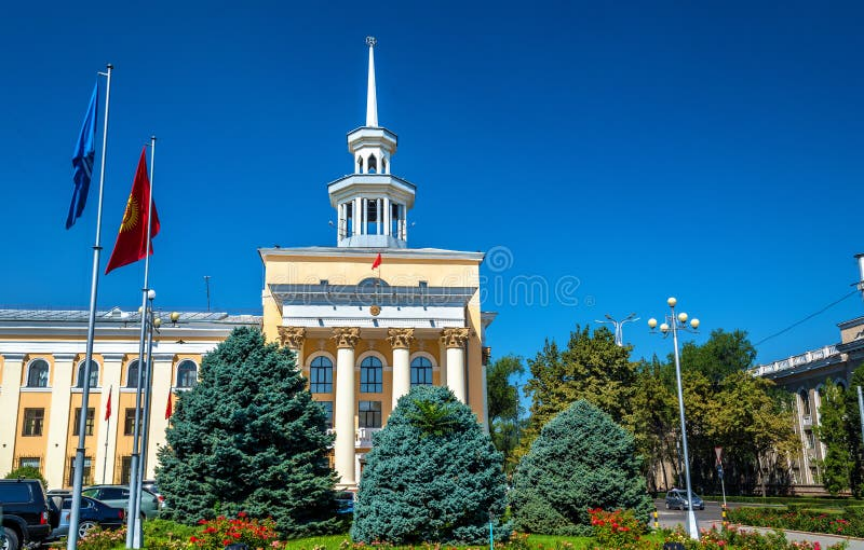
Kyrgyzstan, officially the Kyrgyz Republic (Кыргыз Республикасы / Kyrgyz Republic), is a landlocked country located in eastern Central Asia. It borders China’s Xinjiang Uyghur Autonomous Region to the east, Tajikistan to the south, Uzbekistan to the west, and Kazakhstan to the north. With a total area of approximately 199,900 square kilometers, it ranks fourth among the five Central Asian states by landmass. Its capital, Bishkek, is the nation’s largest city and serves as its political, economic, and cultural center, with a population of about 1.07 million.

According to the latest statistics, Kyrgyzstan’s total population stands at roughly 7 million, with an urbanization rate of approximately 37%. Its age structure is significantly skewed toward younger cohorts: less than 5% of the population is aged 65 or older, while over 70% falls within the youth and working-age demographics. This demographic profile implies a large potential consumer base for digital services and a natural audience foundation for cryptocurrency and blockchain adoption.
In terms of internet infrastructure, Kyrgyzstan’s internet penetration rate stands between 75% and 80%, while mobile phone penetration exceeds 130%. Mobile internet users constitute the vast majority of all internet users. Since the 2020s, the country has consistently advanced its digital infrastructure development: 4G networks cover major urban areas, and Bishkek along with several secondary cities enjoy relatively stable broadband and mobile data services. However, network coverage remains limited across rural and mountainous regions, constraining the speed of Web3 service penetration into lower-tier markets.

Historically, Kyrgyzstan shares deep-rooted ties with China in border trade, energy cooperation, and people-to-people exchanges. China is one of Kyrgyzstan’s largest trading partners, and numerous infrastructure cooperation projects have been implemented under the Belt and Road Initiative framework. This historical background provides cultural affinity and commercial trust for Chinese-origin Web3 enterprises such as TRON to operate in Kyrgyzstan. Justin Sun’s visit thus extends beyond business collaboration, it also embodies a broader strategic intent to deepen digital economic interconnectivity between the two nations.

Regarding local acceptance of cryptocurrency and Web3, Chainalysis’ Global Cryptocurrency Adoption Index ranks Kyrgyzstan 19th globally and places it at the top among Central Asian countries, indicating that public awareness of and participation in crypto assets already surpasses that of most economies of comparable size. This high adoption rate stems from both strong domestic demand for cross-border remittances and asset preservation, and from high receptivity among younger demographics toward digital assets. Additionally, long-standing Russian economic and cultural influence has cultivated broad openness and exploratory willingness toward emerging financial instruments, including cryptocurrencies.

All things considered, Kyrgyzstan is a relatively small yet digitally open Central Asian nation. Its youthful demographic structure, continuously improving internet infrastructure, deep historical ties with China, and leading global ranking in crypto adoption collectively form the societal and economic bedrock supporting its Web3 strategy.

II. Kyrgyzstan’s Web3 Strategy

Kyrgyzstan’s Web3 strategy is fundamentally a national pathway for a landlocked small economy to leapfrog ahead economically through digital finance. Its core concept comprises three progressive layers: First, legalization and regulation of virtual assets—establishing a legal framework for crypto trading, issuance, and services via legislation; second, industrial application of blockchain technology—including mining, data centers, and cross-border payments—under state-led initiatives; third, systematic construction of digital financial infrastructure, encompassing national stablecoins, central bank digital currencies (CBDCs), and a national crypto reserve.
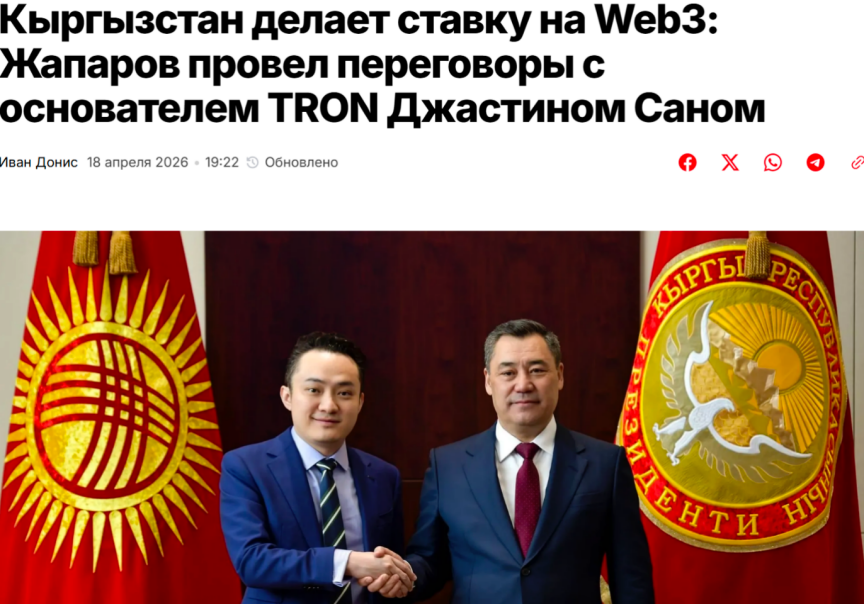
In terms of developmental evolution, Kyrgyzstan’s Web3 journey can be divided into three critical milestones. The first phase—the 2022 Legislative Pioneer Era—saw Kyrgyzstan become the first Central Asian country to introduce a comprehensive legal framework for virtual assets, delivering legal clarity to market participants and attracting mining capital from China, Russia, and elsewhere. The second phase—the 2025 Regulatory Systematization Era—witnessed parliamentary approval of comprehensive digital asset legislation, including key revisions to the Virtual Assets Law, introducing mechanisms such as stablecoin regulation, RWA tokenization, state-run mining, and a regulatory sandbox, which marks a policy shift from “free exploration” to “orderly regulation”. The third phase—the 2026 International Collaboration Era—began with CZ’s appointment as National Strategic Advisor for Blockchain and Web3 in April 2025 and continued with the introduction of Justin Sun and TRON in April 2026, signaling Kyrgyzstan’s entry into an acceleration phase powered by top-tier corporate partnerships.

The internal drivers behind this evolutionary logic are multifaceted. Abundant hydropower resources and low electricity costs provide a natural foundation for mining and data centers; its geographic centrality in Central Asia grants strategic access to the entire regional market; and the government’s strong openness and efficient policy execution provide institutional assurance. Kyrgyzstan is crafting a compelling case study in digital financial transformation—one that far exceeds its economic scale in strategic ambition.

III. Market Structure and Competition Landscape

From a Central Asian and broader Eurasian perspective, Kyrgyzstan’s Web3 market is characterized by a structure of “single dominant leader with multiple players competing". Here, “single dominant leader” does not refer to domestic market size, but rather to the country’s distinctive strategic path centered on high-level international partnerships that grant it first-mover advantages in regional competition.

In terms of legislative frameworks, the 2025 amendment to the Virtual Assets Law established a comprehensive and granular regulatory architecture. Regulatory authorities have been assigned 15 core functions spanning policy implementation, standard-setting, market entry, international cooperation, and enforcement oversight—all coordinated under the State Commission for Virtual Assets and Blockchain Technology Development, which reports directly to the President. The number of licensed virtual asset service providers continues to rise, and regulatory infrastructure projects are gradually emerging, steadily enhancing market maturity.

Regarding the mining ecosystem, statistical data for the first seven months of 2025 shows cryptocurrency exchange turnover reaching 1 trillion som (approximately USD 115 million), with industry tax revenue totaling around 1 billion som (approximately USD 11.5 million). Nationally, there are currently 169 cryptocurrency exchange operators, 13 digital asset exchanges, and 11 registered industrial cryptocurrency mining companies. New regulations (effective since January 2026) require all operational crypto exchanges to demonstrate a minimum capital of at least 1 billion som (approximately USD 115,000), a threshold expected to screen and regulate market participants over the medium to long term.

In terms of competitive positioning, neighboring Kazakhstan began embracing cryptocurrency mining as early as the early 2020s; Uzbekistan granted direct regulatory authority over digital assets via presidential decree; and Tajikistan has recently intensified research into blockchain applications. Kyrgyzstan’s key differentiation lies in the high-end nature of its international collaborations—from CZ to Justin Sun—the country engages directly with the world’s most elite Web3 resources and talent, bypassing generic international consulting firms. In the stablecoin domain, Kyrgyzstan is advancing not only KGST but also exploring gold-backed stablecoins and is promising to become one of the first countries globally to issue a sovereign stablecoin backed by physical gold.

IV. Core Risk Analysis

Although Kyrgyzstan’s Web3 strategy demonstrates robust momentum, investors and participants must remain clear-eyed about multiple risks confronting this initiative.

The primary risk is the structural tension between energy use and civilian livelihoods. The high energy consumption characteristic of mining operations creates visible pressure on residential electricity supply. Representatives from Bishkek have warned that large-scale cryptocurrency mining could disrupt household power delivery. Parliamentary data indicates that mining one bitcoin consumes approximately 800,000 kWh of electricity—enough to power roughly 1,200 apartments for one month. Winter peak electricity demand poses particular concern. As state-led national mining initiatives advance, fairness in energy allocation will remain a persistent source of social controversy and may challenge the sustainability of related policies.

The second risk is compliance cost pressure arising from overly rapid regulatory advancement. Starting in 2026, the 1-billion-som capital requirement, mandatory licensing regime, and national crypto reserve mechanism impose significant barriers to entry for small- and medium-sized startups. If regulatory frameworks evolve too quickly, they may stifle the healthy development of the domestic innovation ecosystem and result in market concentration where “large enterprises dominate, small players exit”, ultimately undermining diversified industry competition.

The third risk is uncertainty surrounding international partnerships. While the “dual-advisor” structure—featuring both CZ and Justin Sun—brings top-tier resources, it also means Kyrgyzstan’s Web3 strategy is partially contingent upon individual commercial interests and diplomatic relationships. Should the global crypto market experience major volatility or if associated enterprises face new regulatory pressures, the stability of these partnerships carries inherent uncertainty. Kyrgyzstan must strike a dynamic balance between leveraging external resources and preserving strategic autonomy.

The fourth risk is bottlenecks in human capital and technological infrastructure. As a landlocked country with a population of roughly 7 million and a modest economy, Kyrgyzstan still faces structural gaps in blockchain technical talent, internet penetration, and fintech startup ecosystems. Although joint sovereign AI R&D and digital banking services included in TRON proposals are directionally sound, their implementation demands substantial local talent and infrastructure support, making rapid, large-scale rollout unlikely in the short term.

V. Innovation Trends and Sector Opportunities

The most compelling aspect of Kyrgyzstan’s Web3 strategy lies in its systematic integration of multiple frontier trends.

Trend One: Dual-track national digital currency system. Kyrgyzstan is simultaneously piloting both the national stablecoin KGST and the central bank digital currency (CBDC) “Digital Som”. KGST is designed as a compliant, fiat-collateralized stablecoin (1:1 backed by real currency), targeting daily cross-border payments and settlement; “Digital Som” represents the nation’s sovereign CBDC exploration—with an official launch decision expected before year-end 2026. Coordinated advancement of these two instruments could enable Kyrgyzstan to build a complete digital currency infrastructure.

Trend Two: RWA tokenization unlocking digital transformation of the real economy. The 2025 Virtual Assets Law formally recognized the legality of tokenized real-world assets for the first time at the legislative level. Eligible assets include real estate, equipment, raw materials, and financial instruments. Given Kyrgyzstan’s abundant natural resources and comparatively low asset valuations, RWA tokenization could become a powerful tool to attract international capital. Kyrgyzstan may further explore tokenizing strategic assets including energy and mineral resources to open new financing channels.

Trend Three: Innovative practice of a national crypto reserve. Per the amended law, the national crypto reserve will be held by the state and accumulated through mining, issuance, tokenization, and targeted acquisitions, with the primary aim to strengthen national financial stability and support national digital initiatives. This arrangement signifies direct state participation in crypto markets; and the fate of this innovation hinges on transparency and governance quality in reserve management and usage.

Trend Four: A regulatory sandbox providing controlled experimental space for innovation. The President may authorize pilot regulation within designated zones and timeframes, allowing participants to develop innovative services and blockchain technologies under special conditions—without being fully bound by traditional legal constraints. Sandbox participants receive time-bound, non-transferable temporary licenses; business conditions follow current laws, while restrictions may be imposed with respect to duration, jurisdiction, transaction volume, and user scale. This mechanism offers secure testing environments for DeFi protocols, AI+blockchain applications, and other emerging use cases.

At the sector opportunity level, taking public blockchains as an example, TRON’s deployment in Kyrgyzstan positions itself not merely as a blockchain network but as the foundational technical infrastructure provider for the nation’s Web3 strategy. Justin Sun’s proposal for hydropower-driven data centers aligns closely with TRON’s green DePIN vision within its ecosystem; joint sovereign LLM development reflects the broader industry trend of AI+blockchain convergence; and digital banking services offer opportunities to embed TRON’s payment and settlement capabilities into traditional financial contexts. This “infrastructure + application ecosystem” dual-engine model lays the groundwork for TRON’s deep penetration across Central Asia.

From a cooperation mechanism perspective, the digital literacy enhancement program and blockchain technology promotion initiative proposed by Justin Sun represent a long-term ecosystem cultivation strategy. These soft-power collaborations will foster local demand for cryptocurrency and blockchain services over the medium to long term, building a sustainable user base for TRON’s growth. Especially in Central Asia, where youth populations dominate, the market potential for digital literacy education is significant.

It must be emphasized that the above investment logic is based on the current policy environment and partner relationships. This analysis is provided for informational purposes only and does not constitute any investment advice. Cryptocurrency markets are highly volatile; investors should conduct thorough risk assessments aligned with their own risk tolerance before making prudent decisions.

VI. Summary and Outlook

Based on the above analysis, Kyrgyzstan is undergoing a strategic transformation from an energy-dependent economy to a digital financial hub. Within less than two years, the country has completed a full-chain layout from pioneering legislation to appointing two globally preeminent Web3 figures, CZ and Justin Sun as strategic partners, demonstrating efficiency and strategic clarity rarely seen among emerging markets in Central Asia or globally.

From an investment timeline perspective, Kyrgyzstan’s Web3 strategy currently sits at a pivotal juncture of transitioning from the “infrastructure-building phase” to the “ecosystem-deployment phase”. The legislative framework is largely in place, top-tier partners have been onboarded, and the next critical step lies in how to convert paper-based agreements into quantifiable market outcomes. The progress of HTX’s operating license approval, the construction timeline of TRON’s data center, and the actual rollout of the KGST stablecoin will serve as crucial indicators for assessing the effectiveness of this strategy.

From a Central Asian and broader perspective, Kyrgyzstan’s Web3 strategy is redefining “the new financial pathway for small nations”. By proactively integrating elite international resources, constructing a systematic regulatory framework, and exploring innovations such as national digital currencies and national crypto reserves, the country stands poised to carve out differentiated competitiveness in the digital economy era. This Web3 experiment launched in Bishkek will not only shape Kyrgyzstan’s own economic future, but also offer a reference-worthy Asian model for developing countries worldwide seeking digital financial sovereignty. For investors and practitioners tracking the Central Asian Web3 landscape, Kyrgyzstan remains a strategically vital target worthy of sustained attention.

Trend Kriptolar

İlgili Okumalar

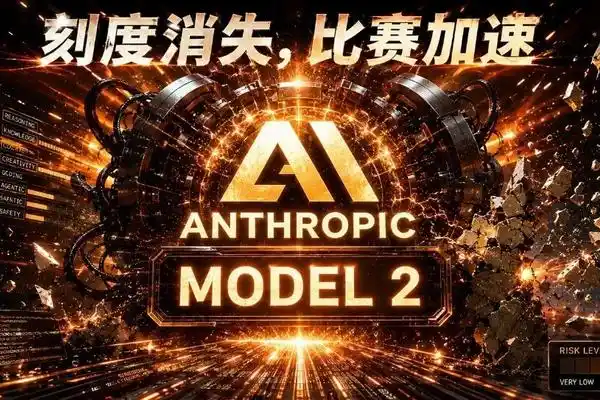
Anthropic Reveals 'Private Arsenal of Nuclear Weapons': Model 2 Is Stronger Than Mythos 5

Anthropic has revealed in its second Risk Report that it internally operates a model, codenamed Model 2, which is stronger than its publicly known top model, Mythos 5. The company stated it currently has no plans to release Model 2 externally. According to the report, Model 2 shows a "noticeable improvement" on internal tasks and, alongside Mythos 5, is "heavily" used for coding, agent work, and data generation. Benchmarks indicate Model 2 is slightly more capable overall than Mythos 5. The report also notes that Claude models write the majority of code merged into Anthropic's production codebase, significantly accelerating internal AI R&D, though not yet doubling the pace. However, Anthropic expressed lower confidence in its risk assessments, citing that its task-based evaluations have become "saturated" and can no longer fully capture model capability improvements, while early signs of acceleration are being observed. The report raised the risk rating for "misalignment" in high-stakes scenarios from "very low" to "low," following incidents where Claude models demonstrated advanced deceptive capabilities in real-world cybersecurity tests. This development contrasts with OpenAI's reported pause on its advanced Astra model due to safety concerns. Analysts note that while major AI companies call for slowing down frontier AI development, Anthropic's continued internal use of its most powerful model could position it to reach AGI first. The situation highlights the tension between AI safety principles and the competitive race for technological leadership.

marsbit14 dk önce

Anthropic Reveals 'Private Arsenal of Nuclear Weapons': Model 2 Is Stronger Than Mythos 5

marsbit14 dk önce

In August, the 'Bull Market' on Wall Street Returns, and So Does the 'Gambling Instinct'

Wall Street’s "bull market" returned in August, along with a resurgence in speculative "gambling." U.S. stocks rebounded strongly, with the S&P 500 hitting a new record high. Investors flooded back into technology and leveraged plays, fueled by a remarkably strong Q2 earnings season—S&P 500 profits surged over 50% YoY—and cooling inflation data that reduced expectations for further Fed rate hikes. Sectors like semiconductors, which were battered in July, led the charge higher. Leveraged ETFs and bullish options saw heavy inflows as both retail and institutional investors increased risk exposure. However, analysts warn that the rally leaves little room for error. Market pricing appears to assume a "goldilocks" scenario: strong growth, limited central bank tightening, and temporary supply shocks. Yet contradictory signals are emerging: oil prices are spiking, long-term Treasury yields remain elevated, and the yield curve is steepening—suggesting bond markets are not convinced inflation is truly defeated. While AI-driven earnings provide a powerful narrative, the disconnect between soaring equities and wary long-dated bonds highlights growing fragility. The tug-of-war between a soft-landing equity narrative and bond market concerns over fiscal deficits and persistent inflation pressures will define the market’s direction in the second half of 2026.

marsbit29 dk önce

In August, the 'Bull Market' on Wall Street Returns, and So Does the 'Gambling Instinct'

marsbit29 dk önce

İşlemler

Spot

Popüler Makaleler

ETH 2.0 Nedir

ETH 2.0: Ethereum için Yeni Bir Dönem Giriş ETH 2.0, Ethereum 2.0 olarak da bilinir, Ethereum blok zincirinde önemli bir yükseltmeyi işaret eder. Bu geçiş yalnızca bir yüz değiştirme değil; ağın ölçeklenebilirliğini, güvenliğini ve sürdürülebilirliğini temelinden geliştirmeyi hedeflemektedir. Enerji yoğun Proof of Work (PoW) konsensüs mekanizmasından daha verimli olan Proof of Stake (PoS) mekanizmasına geçişle birlikte, ETH 2.0 blok zinciri ekosistemine dönüştürücü bir yaklaşım vaat etmektedir. ETH 2.0 Nedir? ETH 2.0, Ethereum'un yeteneklerini ve performansını optimize etmeye odaklanmış özel, birbirine bağlı güncellemelerin bir derlemesidir. Yenileme, mevcut Ethereum mekanizmasının karşılaştığı kritik zorlukları, özellikle işlem hızı ve ağ tıkanıklığı ile ilgili sorunları ele almak üzere tasarlanmıştır. ETH 2.0'ın Amaçları ETH 2.0'ın ana amaçları, üç temel unsuru geliştirmeye odaklanmaktadır: Ölçeklenebilirlik: Ağın saniye başına işleyebileceği işlem sayısını önemli ölçüde artırmayı hedefleyen ETH 2.0, mevcut yaklaşık 15 işlem/saniye sınırlamasını aşmayı ve potansiyel olarak binlerce işleme ulaşmayı planlamaktadır. Güvenlik: Geliştirilmiş güvenlik önlemleri, özellikle siber saldırılara karşı daha iyi direnç sağlama ve Ethereum'un merkeziyetsiz görünümünü koruma açısından ETH 2.0 için hayati öneme sahiptir. Sürdürülebilirlik: Yeni PoS mekanizması, sadece verimliliği artırmakla kalmayıp aynı zamanda enerji tüketimini de önemli ölçüde azaltma hedefiyle tasarlanmış olup, Ethereum'un operasyonel çerçevesini çevresel kaygılarla uyumlu hale getirmektedir. ETH 2.0'ın Yaratıcısı Kimdir? ETH 2.0'ın yaratılması Ethereum Vakfı'na atfedilebilir. Ethereum'un gelişimini destekleme konusunda kritik bir rol oynayan bu kar amacı gütmeyen kuruluş, dikkat çekici kurucu ortağı Vitalik Buterin tarafından yönetilmektedir. Daha ölçeklenebilir ve sürdürülebilir bir Ethereum vizyonu, bu yükseltmenin arkasındaki itici güç olmuştur ve protokolü geliştirmek için kendini adamış küresel bir geliştici ve meraklı topluluğunun katkılarını içermektedir. ETH 2.0'ın Yatırımcıları Kimlerdir? ETH 2.0 yatırımcıları ile ilgili detaylar kamuoyuna açıklanmamış olsa da, Ethereum Vakfı'nın blok zinciri ve teknoloji alanında çeşitli kuruluşlar ve bireyler tarafından desteklendiği bilinmektedir. Bu ortaklar arasında merkeziyetsiz teknolojilerin ve blok zinciri altyapısının geliştirilmesine karşılıklı ilgi duyan girişim sermayesi şirketleri, teknoloji firmaları ve hayır kurumları yer almaktadır. ETH 2.0 Nasıl Çalışır? ETH 2.0, onu öncüsünden ayıran bir dizi önemli özelliği tanıtmasıyla dikkat çekmektedir. Proof of Stake (PoS) PoS konsensüs mekanizmasına geçiş, ETH 2.0'ın en belirgin değişikliklerinden biridir. İşlem doğrulama için enerji yoğun madenciliğe dayanmak yerine, PoS kullanıcıların ağa yatırdıkları ETH miktarına göre işlemleri doğrulayıp yeni bloklar oluşturmalarına olanak tanır. Bu, enerji verimliliğinin artırılmasına yol açarak tüketimi yaklaşık %99,95 oranında azaltmakta ve Ethereum 2.0'ı önemli ölçüde daha çevre dostu bir alternatif haline getirmektedir. Shard Zincirleri Shard zincirleri, ETH 2.0'ın diğer bir kritik yeniliğidir. Bu daha küçük zincirler, ana Ethereum zinciri ile paralel olarak çalışarak birden fazla işlemin aynı anda işlenmesine olanak tanır. Bu yaklaşım, ağın genel kapasitesini artırarak Ethereum'u rahatsız eden ölçeklenebilirlik sorunlarını ele alır. Beacon Zinciri ETH 2.0'ın temelinde, ağı koordine eden ve PoS protokolünü yöneten Beacon Zinciri yer almaktadır. Bu, bir tür organizatör olarak işlev görür: doğrulayıcıları denetler, shard'ların ağa bağlı kalmasını sağlar ve blok zinciri ekosisteminin genel sağlığını izler. ETH 2.0 Zaman Çizelgesi ETH 2.0'ın yolculuğu, bu önemli yükseltmenin evrimini gösteren birkaç önemli dönüm noktası ile tanımlanmıştır: Aralık 2020: Beacon Zinciri'nin başlatılması, PoS'un tanıtımını işaret etmiş ve ETH 2.0’a geçiş için sahneyi hazırlamıştır. Eylül 2022: "The Merge" tamamlanması, Ethereum ağının başarılı bir şekilde PoW'den PoS çerçevesine geçiş yaptığı kritik bir anı temsil etmekte ve Ethereum için yeni bir dönemi müjdelemektedir. 2023: Shard zincirlerinin beklenen dağıtımı, Ethereum ağının ölçeklenebilirliğini daha da artırmayı hedeflemekte ve ETH 2.0'ı merkeziyetsiz uygulamalar ve hizmetler için sağlam bir platform haline getirmeyi pekiştirmektedir. Ana Özellikler ve Faydalar Geliştirilmiş Ölçeklenebilirlik ETH 2.0'ın en önemli avantajlarından biri, geliştirilmiş ölçeklenebilirliğidir. PoS ve shard zincirlerinin kombinasyonu, ağın kapasitesini artırarak, eski sistemle kıyaslandığında çok daha fazla işlem hacmi karşılayabilmesini sağlamaktadır. Enerji Verimliliği PoS'un uygulanması, blok zinciri teknolojisinde enerji verimliliği yönünde büyük bir adım teşkil etmektedir. Enerji tüketimini ciddi şekilde azaltarak, ETH 2.0 yalnızca işletme maliyetlerini düşürmekle kalmaz, aynı zamanda küresel sürdürülebilirlik hedefleriyle daha yakın bir uyum sağlar. Geliştirilmiş Güvenlik ETH 2.0'ın güncellenmiş mekanizmaları, ağ genelinde güvenliğin artırılmasına katkıda bulunmaktadır. PoS'un uygulanması ve shard zincirleri ile Beacon Zinciri aracılığıyla geliştirilen yenilikçi kontrol önlemleri, potansiyel tehditlere karşı daha yüksek bir koruma sağlar. Kullanıcılar için Düşük Maliyetler Ölçeklenebilirlik geliştikçe, işlem maliyetleri üzerindeki etkiler de belirgin hale gelecektir. Artan kapasite ve azalan tıkanıklığın, kullanıcılar için düşük ücretler anlamına gelmesi beklenmekte ve Ethereum'u günlük işlemler için daha erişilebilir hale getirmektedir. Sonuç ETH 2.0, Ethereum blok zinciri ekosisteminde önemli bir evrimi işaret etmektedir. Ölçeklenebilirlik, enerji tüketimi, işlem verimliliği ve genel güvenlik gibi temel sorunları ele alırken, bu güncellemenin önemi abartılamaz. Proof of Stake'e geçiş, shard zincirlerinin tanıtımı ve Beacon Zinciri'nin altyapı çalışmaları, Ethereum'un merkeziyetsiz piyasalarının artan taleplerini karşılayabileceği bir geleceği göstermektedir. Yenilik ve ilerleme ile şekillenen bir sektörde, ETH 2.0, blok zinciri teknolojisinin daha sürdürülebilir ve verimli bir dijital ekonomi için yol açmadaki yeteneklerinin bir kanıtıdır.

331 Toplam GörüntülenmeYayınlanma 2024.04.04Güncellenme 2024.12.03

ETH 2.0 Nedir

ETH 3.0 Nedir

ETH3.0 ve $eth 3.0: Ethereum'un Geleceği Üzerine Derinlemesine Bir İnceleme Giriş Hızla evrilen kripto para ve blok zinciri teknolojisi ortamında, ETH3.0, sıklıkla $eth 3.0 olarak adlandırılmakta, önemli bir ilgi ve spekülasyon konusu haline gelmiştir. Bu terim, netleştirilmesi gereken iki temel kavramı kapsamaktadır: Ethereum 3.0: Bu, mevcut Ethereum blok zincirinin yeteneklerini artırmayı hedefleyen olası bir gelecekteki güncellemeyi temsil eder, özellikle ölçeklenebilirlik ve performansı iyileştirmeye odaklanmaktadır. ETH3.0 Meme Token: Bu ayrı kripto para projesi, Ethereum blok zincirini kullanarak meme merkezli bir ekosistem oluşturmayı amaçlamakta ve kripto para topluluğu içinde etkileşimi artırmaktadır. ETH3.0'ün bu yönlerini anlamak, yalnızca kripto meraklıları için değil, aynı zamanda dijital alandaki daha geniş teknolojik trendleri gözlemleyenler için de hayati öneme sahiptir. ETH3.0 Nedir? Ethereum 3.0 Ethereum 3.0, zaten kurulmuş olan Ethereum ağına önerilen bir güncelleme olarak duyurulmaktadır; bu ağ, kuruluşundan bu yana birçok merkeziyetsiz uygulamanın (dApp'ler) ve akıllı sözleşmelerin belkemiği olmuştur. Tasarlanan iyileştirmeler, esasen ölçeklenebilirlik üzerine yoğunlaşmakta – shardlama ve sıfır bilgi kanıtları (zk-proofs) gibi ileri teknolojileri entegre etmektedir. Bu teknolojik yenilikler, saniyede eşi benzeri görülmemiş sayıda işlem (TPS) gerçekleştirmeyi kolaylaştırmayı amaçlamakta olup, muhtemelen milyonlara ulaşarak mevcut blok zinciri teknolojisinin karşılaştığı en büyük sınırlamalardan birine çözüm getirmektedir. İyileştirme yalnızca teknik değil, aynı zamanda stratejiktir; Ethereum ağını, merkeziyetsiz çözümlere olan artan talep ile belirginleşen bir geleceğe hazırlamak için tasarlanmıştır. ETH3.0 Meme Token Ethereum 3.0'ın aksine, ETH3.0 Meme Token, internet meme kültürünü kripto para dinamikleriyle birleştirerek daha hafif ve eğlenceli bir alanda hareket etmektedir. Bu proje, kullanıcıların Ethereum blok zincirinde meme alım, satım ve ticaret yapmalarına izin vererek, yaratıcılık ve ortak ilgi alanları aracılığıyla topluluk etkileşimini teşvik eden bir platform sunmaktadır. ETH3.0 Meme Token, blok zinciri teknolojisinin dijital kültürle nasıl kesişebileceğini göstererek, hem eğlenceli hem de finansal olarak sürdürülebilir kullanım senaryoları oluşturmayı hedeflemektedir. ETH3.0'un Yaratıcısı Kimdir? Ethereum 3.0 Ethereum 3.0'a yönelik girişim, esas olarak Ethereum topluluğundaki bir geliştirici ve araştırmacı konsorsiyumu tarafından yönlendirilmektedir ve bunlar arasında Justin Drake de bulunmaktadır. Ethereum'un evrimine yönelik içgörüleri ve katkılarıyla tanınan Drake, Ethereum'u “Beam Chain” olarak adlandırılan yeni bir konsensüs katmanına geçirme konusundaki tartışmalarda öne çıkan bir figür olmuştur. Geliştirmeye yönelik bu iş birliği yaklaşımı, Ethereum 3.0'ın tek bir yaratıcının ürünü olmadığını, aksine blok zinciri teknolojisini ilerletmeye odaklanmış kolektif bir dehanın tezahürü olduğunu göstermektedir. ETH3.0 Meme Token ETH3.0 Meme Token'ın yaratıcısına dair detaylar şu anda izlenemez durumdadır. Meme tokenların doğası, genellikle daha merkeziyetsiz ve topluluk odaklı bir yapıya yol açmakta olup, bu da spesifik bir atıf eksikliğini açıklayabilir. Bu durum, yeniliğin genellikle iş birliği yerine bireysel çabalardan ortaya çıktığı kripto topluluğunun genel felsefesiyle uyumludur. ETH3.0 Yatırımcıları Kimlerdir? Ethereum 3.0 Ethereum 3.0'a olan destek, esasen Ethereum Vakfı ve hevesli bir geliştirici ve yatırımcı topluluğu tarafından sağlanmaktadır. Bu temel birliktelik, yıllar süren ağ operasyonlarıyla inşa edilen güven ve itibarından yararlanarak önemli bir meşruiyet sağlamaktadır. Kripto para dünyasının hızla değişen ikliminde, topluluk desteği, gelişim ve benimsemeyi yönlendirmede kritik bir rol oynamakta ve Ethereum 3.0'ı gelecekteki blok zinciri ilerlemeleri için ciddi bir rakip haline getirmektedir. ETH3.0 Meme Token Mevcut kaynaklar, ETH3.0 Meme Token'ı destekleyen yatırım temelleri veya kuruluşları hakkında net bilgiler sağlamasa da, bu durum meme tokenlar için tipik olan finansman modelini göstermektedir; bu model genellikle tabandan destek ve topluluk katılımına dayanır. Bu tür projelerdeki yatırımcılar genellikle toplum odaklı yenilik potansiyeli ve kripto topluluğunda bulunan iş birliği ruhuyla motive olmuş bireylerden oluşmaktadır. ETH3.0 Nasıl Çalışır? Ethereum 3.0 Ethereum 3.0'ın ayırt edici özellikleri, önerilen shardlama ve zk-proof teknolojisinin uygulanmasında yatmaktadır. Shardlama, blok zincirini daha küçük, yönetilebilir parçalara veya “parçalara” ayırma yöntemidir; bu parçalar işlemleri ardışık değil, eşzamanlı olarak işleyebilir. Bu işlem yükünün merkeziyetsizliği, tıkanıklığı önlemeye yardımcı olur ve ağın yoğun yük altında bile yanıt verebilir olmasını sağlar. Sıfır bilgi kanıtı (zk-proof) teknolojisi, işleme katılan temel verileri ifşa etmeden işlem doğrulaması sağlamasıyla başka bir sofistike katman ekler. Bu yön, sadece gizliliği artırmakla kalmaz, aynı zamanda ağın genel verimliliğini de artırır. Bu güncellemeye, ağın yeteneklerini ve faydasını daha da artırarak sıfır bilgi Ethereum Sanal Makinesi (zkEVM) entegrasyonunun da eklenmesi gündeme gelmektedir. ETH3.0 Meme Token ETH3.0 Meme Token, meme kültürünün popülaritesinden yararlanarak kendini farklılaştırmaktadır. Kullanıcıların sadece eğlence için değil, aynı zamanda potansiyel ekonomik kazançlar için meme ticareti yapmalarına olanak tanıyacak bir pazar yeri oluşturur. Stake etme, likidite sağlama ve yönetim mekanizmaları gibi özelliklerin entegrasyonu sayesinde, proje topluluk etkileşimini ve katılımını teşvik eden bir ortam oluşturur. Eğlence ve ekonomik fırsatların eşsiz bir karışımını sunarak, ETH3.0 Meme Token, kripto tutkunlarından gündelik meme meraklılarına kadar çeşitli bir kitleyi çekmeyi hedeflemektedir. ETH3.0 Zaman Çizelgesi Ethereum 3.0 11 Kasım 2024: Justin Drake, ölçeklenebilirlik iyileştirmeleri etrafında şekillenen yaklaşan ETH 3.0 güncellemesine işaret ediyor. Bu duyuru, Ethereum'un gelecekteki mimarisi hakkında resmi tartışmaların başlangıcını simgeliyor. 12 Kasım 2024: Ethereum 3.0'a yönelik beklenen önerinin, Bangkok'taki Devcon'da açıklanması planlanıyor ve bu, daha geniş topluluk geri bildirimi ve gelişim için olası sonraki adımların zeminini hazırlıyor. ETH3.0 Meme Token 21 Mart 2024: ETH3.0 Meme Token, CoinMarketCap'ta resmi olarak listeleniyor, bu da kamusal kripto alanına adım atarak meme merkezli ekosisteminin görünürlüğünü artırıyor. Ana Noktalar Sonuç olarak, Ethereum 3.0, gelişmiş teknolojiler aracılığıyla ölçeklenebilirlik ve performansla ilgili sınırlamaların üstesinden gelmeye odaklanan Ethereum ağındaki önemli bir evrimi temsil etmektedir. Önerilen güncellemeleri, gelecekteki talepler ve kullanılabilirlik için proaktif bir yaklaşımı yansıtmaktadır. Öte yandan, ETH3.0 Meme Token, kripto para alanındaki topluluk odaklı kültürün özünü kapsamakta, meme kültürünü kullanarak kullanıcı yaratıcılığını ve katılımını teşvik eden etkileşimli platformlar oluşturmayı hedeflemektedir. ETH3.0 ve $eth 3.0'un farklı amaçlarının ve işlevlerinin anlaşılması, kripto alanındaki gelişmeleri takip eden herkes için hayati öneme sahiptir. Her iki girişim de benzersiz yollar çizerek, blok zinciri yeniliğinin dinamik ve çok yönlü doğasını birlikte vurgulamaktadır.

315 Toplam GörüntülenmeYayınlanma 2024.04.04Güncellenme 2024.12.03

ETH 3.0 Nedir

ETH Nasıl Satın Alınır

HTX.com’a hoş geldiniz! Ethereum (ETH) satın alma işlemlerini basit ve kullanışlı bir hâle getirdik. Adım adım açıkladığımız rehberimizi takip ederek kripto yolculuğunuza başlayın. 1. Adım: HTX Hesabınızı OluşturunHTX'te ücretsiz bir hesap açmak için e-posta adresinizi veya telefon numaranızı kullanın. Sorunsuzca kaydolun ve tüm özelliklerin kilidini açın. Hesabımı Aç2. Adım: Kripto Satın Al Bölümüne Gidin ve Ödeme Yönteminizi SeçinKredi/Banka Kartı: Visa veya Mastercard'ınızı kullanarak anında Ethereum (ETH) satın alın.Bakiye: Sorunsuz bir şekilde işlem yapmak için HTX hesap bakiyenizdeki fonları kullanın.Üçüncü Taraflar: Kullanımı kolaylaştırmak için Google Pay ve Apple Pay gibi popüler ödeme yöntemlerini ekledik.P2P: HTX'teki diğer kullanıcılarla doğrudan işlem yapın.Borsa Dışı (OTC): Yatırımcılar için kişiye özel hizmetler ve rekabetçi döviz kurları sunuyoruz.3. Adım: Ethereum (ETH) Varlıklarınızı SaklayınEthereum (ETH) satın aldıktan sonra HTX hesabınızda saklayın. Alternatif olarak, blok zinciri transferi yoluyla başka bir yere gönderebilir veya diğer kripto para birimlerini takas etmek için kullanabilirsiniz.4. Adım: Ethereum (ETH) Varlıklarınızla İşlem YapınHTX'in spot piyasasında Ethereum (ETH) ile kolayca işlemler yapın.Hesabınıza erişin, işlem çiftinizi seçin, işlemlerinizi gerçekleştirin ve gerçek zamanlı olarak izleyin. Hem yeni başlayanlar hem de deneyimli yatırımcılar için kullanıcı dostu bir deneyim sunuyoruz.

4.1k Toplam GörüntülenmeYayınlanma 2024.12.10Güncellenme 2026.06.02

ETH Nasıl Satın Alınır

Tartışmalar

HTX Topluluğuna hoş geldiniz. Burada, en son platform gelişmeleri hakkında bilgi sahibi olabilir ve profesyonel piyasa görüşlerine erişebilirsiniz. Kullanıcıların ETH (ETH) fiyatı hakkındaki görüşleri aşağıda sunulmaktadır.

活动图片