Public Wi-Fi and a Phone Call: How They Became the Perfect Trap to Steal $5000 in Crypto Assets?

比推2026-01-09 tarihinde yayınlandı2026-01-09 tarihinde güncellendi

Özet

An individual lost approximately $5,000 in cryptocurrency assets after connecting to a public hotel Wi-Fi network during a vacation. The attack began when the victim was overheard discussing crypto and using a Phantom wallet in a public area, making them a target. While browsing on the unsecured Wi-Fi, the attacker executed a man-in-the-middle attack, injecting malicious code into a seemingly legitimate webpage. The victim was using Jupiter Exchange to swap tokens when a fraudulent transaction approval request was triggered, disguised as a normal operation. Instead of a direct fund transfer, the request asked for “authorization” or “session approval,” granting the attacker permission to act on the wallet. The victim approved, believing it was part of the Jupiter transaction. The attacker waited until the victim left the hotel to drain the wallet of SOL, tokens, and NFTs. Key mistakes included: using public Wi-Fi instead of a mobile hotspot, discussing crypto in public, and approving a transaction without thorough verification. The wallet was a secondary hot wallet, not the main storage, preventing greater losses. The incident highlights the risks of public networks and the importance of transaction scrutiny.

Author: The Smart Ape

Compiled by: Deep Tide TechFlow

Original title: After Three Days on Hotel Wi-Fi, My Crypto Wallet Was Drained of $5000


A few days ago, I went with my family to a very nice hotel for a year-end holiday. One day after leaving the hotel, my wallet was completely emptied. I was puzzled, as I had neither clicked on any phishing links nor signed any malicious transactions.

After hours of investigation and seeking help from experts, I finally figured out the truth. It turned out to be due to the hotel's Wi-Fi network, a brief phone call, and a series of foolish mistakes.
Like most cryptocurrency enthusiasts, I brought my laptop with me, thinking I could squeeze in some work while on vacation with my family. My wife repeatedly insisted that I not work during these three days—I really should have listened to her.

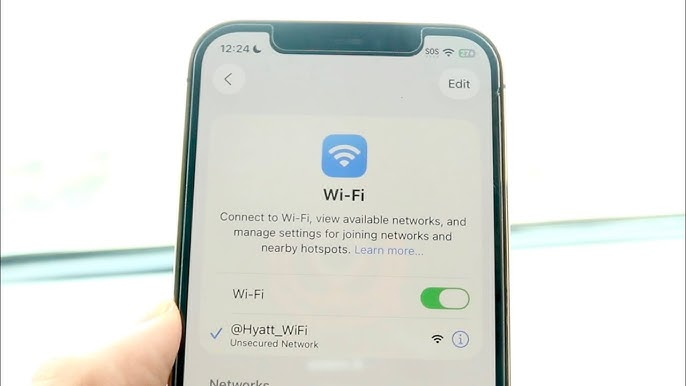
Like other guests, I connected to the hotel's Wi-Fi network. This network didn't require a password; it only needed to be logged in through a captive portal.
I worked as usual in the hotel without doing anything risky: I didn't create new wallets, click on strange links, or access suspicious decentralized applications (dApps). I just checked X (Twitter), my balances, Discord, Telegram, etc.

At one point, I received a call from a crypto friend, and we chatted about market trends, Bitcoin, and other cryptocurrency-related matters. But what I didn't know was that someone nearby was eavesdropping on our conversation and realized I was involved in cryptocurrency. This was my first mistake. The eavesdropper learned from our conversation that I was using a Phantom wallet and that I was a user with a significant holding.

This made me his target.

In a public Wi-Fi network, all devices share the same network, and the visibility between devices is actually higher than you might think. There is almost no real protection between users, which creates an opportunity for a "Man-in-the-Middle Attack." The attacker acts like a middleman, quietly inserting themselves between you and the internet, much like someone secretly reading and tampering with your mail before it reaches you.
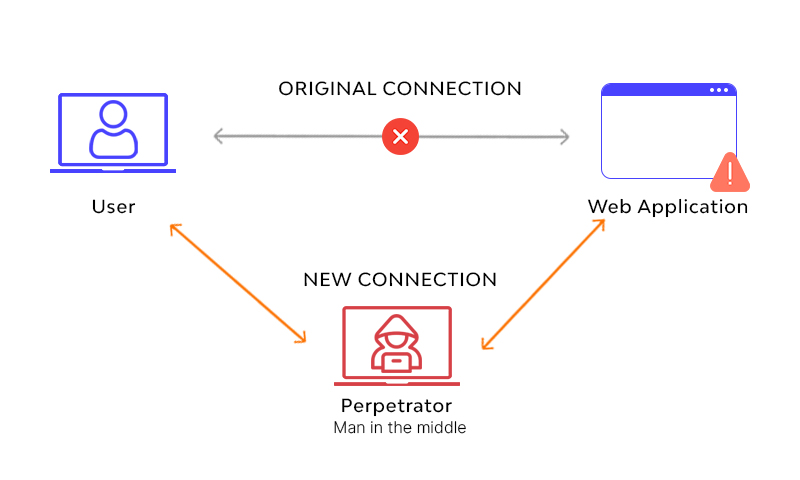
While I was browsing the web on the hotel Wi-Fi, one website appeared to load normally, but in reality, malicious code had been injected behind the page. I didn't notice anything unusual at the time. If I had installed some security tools, I might have detected these issues, but unfortunately, I hadn't.

Normally, a website might request your wallet to sign certain operations. The Phantom wallet would pop up a window where you could choose to approve or reject. Generally, you would trust the website and browser and sign without worry. However, that day, I shouldn't have.

Just as I was performing a token swap on @JupiterExchange, the malicious code triggered a wallet request that replaced my normal swap operation. I could have detected it as a malicious request by carefully checking the transaction details, but because I was already performing a swap on Jupiter, I didn't suspect a thing.
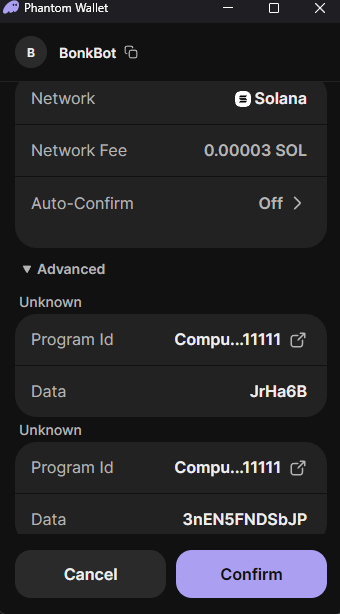
That day, I didn't sign any transaction to transfer funds; instead, I signed an authorization. This was exactly why my assets were stolen days later.

The malicious code didn't directly ask me to send SOL (Solana), as that would have been too obvious. Instead, it requested me to "authorize access," "approve account," or "confirm session." In simple terms, I was actually giving another address permission to operate on my behalf.

I approved it because I mistakenly thought it was related to my operation on Jupiter. At the time, the message popped up by the Phantom wallet looked technical, didn't show any amount, and didn't prompt for an immediate transfer.

And that was all the attacker needed. He patiently waited until I left the hotel before taking action. He transferred my SOL, withdrew my tokens, and moved my NFTs to another address.
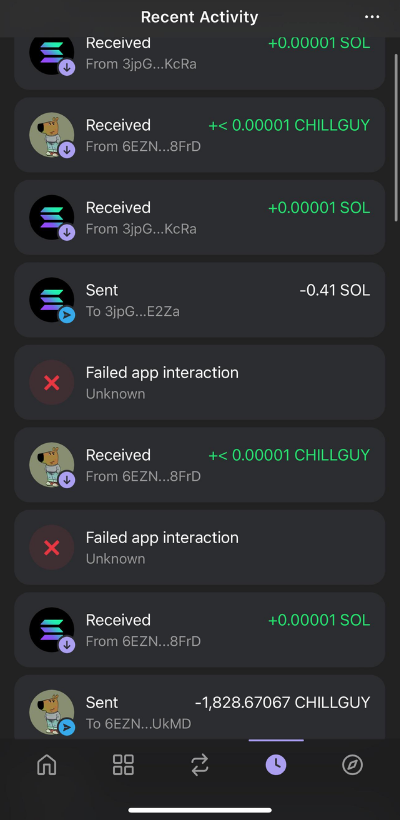
I never thought something like this would happen to me. Fortunately, this wasn't my main wallet but a hot wallet used for specific operations, not for long-term asset holding. Even so, I made many mistakes, and I believe I am primarily responsible.

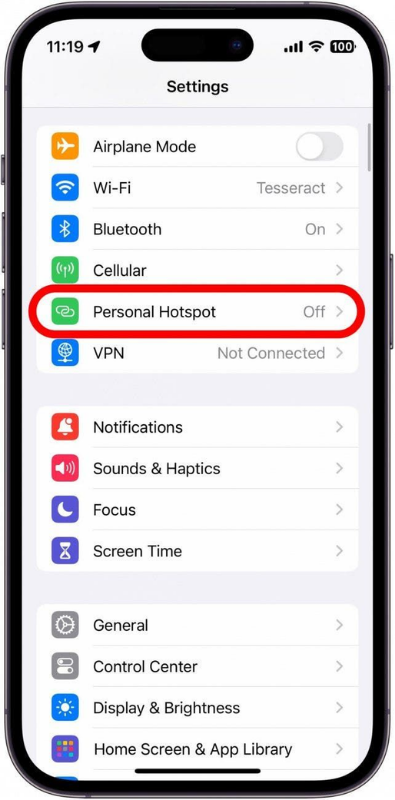
First, I should never have connected to the hotel's public Wi-Fi. I should have used my phone's hotspot instead.
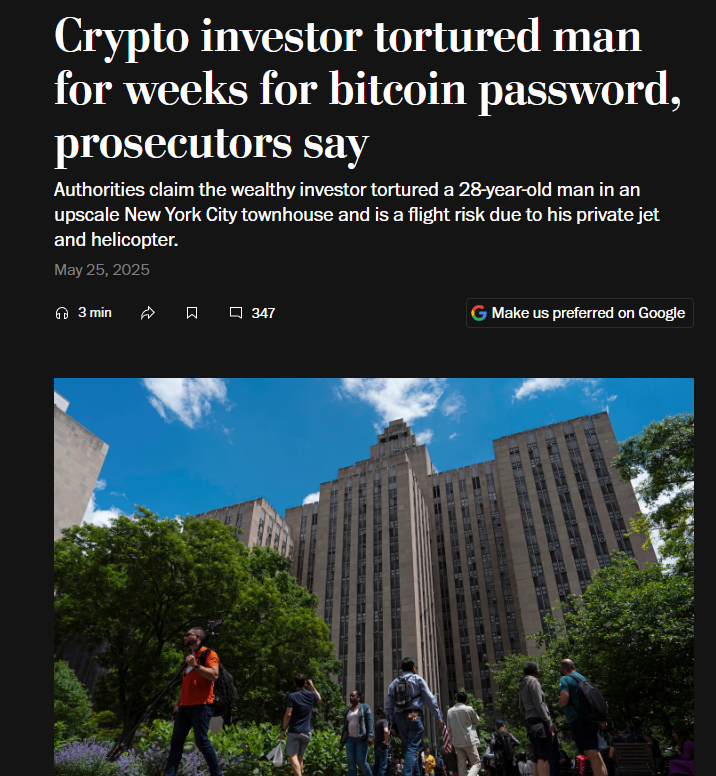
My second mistake was talking about cryptocurrency in the hotel's public area, where many people could have overheard our conversation. My father once warned me never to let others know you're involved in cryptocurrency. This time, I was lucky; some people have even faced kidnapping or worse because of their crypto assets.
Another mistake was approving the wallet request without paying full attention. Because I was sure the request came from Jupiter, I didn't analyze it carefully. In fact, every wallet request should be carefully reviewed, even on trusted applications. Requests can be intercepted and may not actually come from the app you think.

In the end, I lost about $5000 from a secondary wallet. While it's not the worst-case scenario, it's still very frustrating.


Twitter:https://twitter.com/BitpushNewsCN

BitPush TG Discussion Group:https://t.me/BitPushCommunity

BitPush TG Subscription: https://t.me/bitpush

Original article link:https://www.bitpush.news/articles/7601380

İlgili Sorular

QWhat was the primary method the attacker used to compromise the victim's crypto wallet?

AThe attacker used a Man-in-the-Middle (MitM) attack by exploiting the insecure public hotel Wi-Fi network. They intercepted the victim's web traffic and injected malicious code into a webpage, which triggered a deceptive wallet authorization request.

QWhat specific mistake did the victim make that allowed the attacker to identify him as a target?

AThe victim discussed cryptocurrency, his use of the Phantom wallet, and his substantial holdings during a phone call in a public area of the hotel, which was overheard by the attacker.

QWhat type of transaction did the victim accidentally sign, instead of a direct fund transfer?

AThe victim signed an authorization or approval request, which granted permission for another address to operate on their behalf. This did not immediately transfer funds but gave the attacker the ability to do so later.

QWhy didn't the victim suspect the malicious transaction request when it appeared?

AThe request appeared while he was performing a legitimate token swap on the Jupiter Exchange platform. He assumed the request was part of that normal operation and did not carefully inspect the technical details of the transaction, which showed no immediate transfer of funds.

QWhat were the two security precautions the victim identified that could have prevented this attack?

AFirst, he should not have used the hotel's public Wi-Fi and instead used his phone's mobile hotspot. Second, he should never have discussed his cryptocurrency activities in a public space where he could be overheard.

İlgili Okumalar

The 'Chip' Challenge and Breakthroughs in China's Optical Industry Chain

China's Photonics Industry: Bottlenecks and Breakthroughs In the global AI race, computing chips dominate the narrative, but the underlying bottleneck increasingly defining the scale of AI clusters is light—or more specifically, optical connectivity. Optical modules, which translate electrical signals to light and vice versa, are crucial for connecting thousands of GPUs in AI data centers, preventing data congestion and ensuring efficient model training. High-speed modules (800G, 1.6T) are now standard, with performance hinging on advanced DSP (Digital Signal Processor) chips. This is where a critical dependency lies. Two US giants—Marvell and Broadcom—collectively dominate over 90% of the high-end DSP chip market. Chinese optical module leaders like Zhongji Innolight and Eoptolink rely on these chips to manufacture modules for overseas AI customers, primarily in North America. While this creates a supply chain vulnerability, complete decoupling is difficult. Marvell derives over half its revenue from Greater China, and the US firms depend on Chinese partners for chip packaging and optical components. The risk from laser chips (e.g., from Lumentum), another key component, is considered more manageable due to multiple global suppliers and faster progress in domestic alternatives from companies like YOFC and Accelink. To mitigate risks, China's industry is pursuing a multi-pronged strategy: diversifying supply chains and locking in long-term orders; fostering a domestic market ecosystem to adopt homegrown DSPs from firms like Huawei HiSilicon and CETC; accelerating R&D in high-speed DSPs and advanced packaging; and investing in next-gen technologies like silicon photonics and Co-Packaged Optics (CPO) to reduce reliance on discrete DSPs. The ultimate solution lies not in short-term博弈 but in persistent advancement of domestic high-end chip R&D and manufacturing. While challenges remain in performance, certification, and ecosystem building, China's vast domestic market and manufacturing base provide a crucial buffer, buying time for the industry to achieve greater technological independence.

marsbit11 dk önce

The 'Chip' Challenge and Breakthroughs in China's Optical Industry Chain

marsbit11 dk önce

Behind SpaceX's $2 Trillion Market Cap: Why Does Musk Always Have the Next Move Planned?

On June 12th, SpaceX debuted on the Nasdaq, reaching a valuation that briefly touched $2 trillion. This marked the culmination of a 24-year journey from its founding in 2002, driven by Elon Musk's frustration at the high cost of buying rockets. The company's path was defined by early failures, with its first three Falcon 1 launches ending in explosions before a successful 2008 flight opened the era of commercial spaceflight. Key to its model was a fixed-price NASA contract, incentivizing cost reduction. SpaceX mastered rocket reusability, first achieving a Falcon 9 landing in 2015, which drastically cut launch costs. This enabled its profitable Starlink satellite internet constellation, envisioned years before reusability was proven, to create an internal market for frequent launches. Similarly, the next-generation Starship rocket was in development long before its first flight, with its business case evolving from Mars colonization to supporting the emerging concept of in-orbit data centers for AI—a story now central to its valuation. The company's recent IPO, a reversal of its long-standing "no IPO" stance, is funding this ambitious "space-based compute" vision. While major tech players like Google, Blue Origin, and others are investing heavily, significant technical and cost hurdles remain. Ultimately, SpaceX's history is one of creating its own demand: first with Starlink and now with space-based AI compute, betting that its next rocket will enable its next giant market.

marsbit14 dk önce

Behind SpaceX's $2 Trillion Market Cap: Why Does Musk Always Have the Next Move Planned?

marsbit14 dk önce

When Crypto Meets the World Cup: CoinW and Modrić's Art of "Navigating Cycles"

When Encryption Meets the World Cup: CoinW and Modrić's "Transcending Cycles" Philosophy In the context of the 2026 FIFA World Cup and its massive global audience, the crypto exchange CoinW announced football legend Luka Modrić as its global brand ambassador. This move is framed not merely as a marketing tactic, but as a strategic experiment in user profile migration. It targets mature, financially stable football fans—particularly in Europe, Southeast Asia, and Latin America—who traditionally have low crypto awareness but value trusted, time-tested authority figures like Modrić. The article draws parallels between Modrić's enduring, disciplined career—marked by consistency and success at the highest level over two decades—and CoinW's own development path. Founded in 2017 during a volatile industry period, CoinW focused on building robust infrastructure and risk management. It weathered the 2022 industry crisis without major security incidents, subsequently earning recognition like "Europe's Most Trusted Exchange" and growing to over 20 million registered users. This "long-termism" is translated into user-centric products. CoinW Academy lowers the initial knowledge barrier. Its integrated ecosystem (CoinW, GemW, DeriW, PropW) and the recent launch of a TradFi section—offering perpetual contracts on traditional assets like stocks, gold, and oil—aim to create a unified platform for diverse assets. For the World Cup, CoinW launched the "We Are The Game" campaign, collaborating with Alchemy Pay to offer zero-fee deposits and local payment options, aiming to transform spectators into participants and lower entry barriers. Ultimately, CoinW's sports partnerships and product strategy are presented as a concerted effort to build trust and accessibility for the "silent majority" still outside crypto—shifting the industry narrative toward inclusivity and long-term value.

Foresight News20 dk önce

When Crypto Meets the World Cup: CoinW and Modrić's Art of "Navigating Cycles"

Foresight News20 dk önce

A Panoramic View of the Solana Privacy Ecosystem: The Complete Privacy Stack from Computation to AI

**Solana Privacy Ecosystem: A Comprehensive Overview from Computation to AI** Solana's privacy ecosystem, while nascent, is rapidly evolving to address key challenges across multiple layers. Key figures like Helius CEO Mert acknowledge that Solana has lagged in privacy but highlight its unique potential for scalable, composable privacy protocols, potentially leveraging technologies like ZK compression without persistent rollups. The foundational layer is **Private Compute**, addressed by providers like Arcium and Magic Block. Arcium utilizes Multi-Party Computation (MPC) networks to process encrypted data off-chain with final settlement on Solana, supporting use cases like confidential payments (via its C-SPL token standard) and encrypted data analysis. Magic Block employs Trusted Execution Environments (TEEs) to create private, ephemeral rollups, offering confidentiality, scalability, and composability. Both enable private order books, dark pools, and DeFi rails. Building on this infrastructure are applications for **Private Transfers and Balances**. Umbra, built on Arcium, offers encrypted token accounts with amount, balance, and sender-receiver linkage privacy, plus compliance features. Privacy Cash uses Tornado-style shielded pools for SOL, while Hush provides private staking and trading with integrated swaps via Jupiter. To eliminate **On-Chain Trails** from everyday activities like trading, protocols like encifherio and VanishTrade are emerging. encifherio privately routes swaps through Jupiter by encrypting transaction details within TEEs. VanishTrade routes trades through shielded liquidity pools. Darklake offers a ZK-native "blind slippage" AMM and private perpetuals to hide trading intent and prevent front-running. More advanced applications include **Private Prediction Markets**. Platforms like Melee Markets use Arcium's MPC to encrypt order books, allowing participants to place hidden bets without revealing their market position until settlement. Finally, the ecosystem is expanding into **Private AI**. Loyal leverages both Magic Block and Arcium to create a decentralized protocol where user-AI interactions, queries, and preferences are encrypted on-chain, giving users ownership and control over their data while enabling private transactions and yield generation. In summary, Solana's privacy stack is developing from core compute and transfer privacy towards sophisticated applications in DeFi, prediction markets, and AI, aiming for a future where Fully Homomorphic Encryption (FHE) and Zero-Knowledge (ZK) proofs combine for a complete privacy solution.

marsbit21 dk önce

A Panoramic View of the Solana Privacy Ecosystem: The Complete Privacy Stack from Computation to AI

marsbit21 dk önce

İşlemler

Spot
Futures

Popüler Makaleler

APECOIN Nedir

Asya-Pasifik Elektronik Madeni Para ($APECoin) Anlama Teknoloji ve çevre dostu hareketlerin kesişiminin giderek daha kritik hale geldiği bir çağda, kripto paralar değişim için potansiyel tetikleyiciler olarak dikkat çekmektedir. Bu yenilikler arasında, Asya-Pasifik Elektronik Madeni Para ($APECoin), Asya-Pasifik bölgesindeki çevresel girişimleri desteklemek amacıyla tasarlanmış farklı bir proje olarak öne çıkmaktadır. Bu makale, $APECoin'in temelini, benzersiz özelliklerini ve daha geniş blok zinciri manzarasındaki etkinliğini incelemektedir. Asya-Pasifik Elektronik Madeni Para ($APECoin) Nedir? Asya-Pasifik Elektronik Madeni Para ($APECoin), Aralık 2019'da konseptinin ortaya çıkmasından sonra Nisan 2020'de hayata geçirilen bir ERC20 ve TRC20 token'dır. Bu yenilik, çevre dostu uygulamaları teşvik etme ve sürdürülebilirlik ile yeşil girişimleri hedefleyen bir dizi çevresel projeye destek verme arzusundan doğmuştur. Amaçlar ve Hedefler $APECoin, yalnızca bir dijital para birimi değil; kullanıcıların çevresel nedenlere doğrudan fayda sağlayan işlemlerde bulunmalarını sağlayan bir değişim aracı olarak öngörülmüştür. Ekosistemi, çeşitli finansal faaliyetleri kolaylaştırırken çevre dostu uygulamaların benimsenmesini teşvik etmek için tasarlanmıştır. Para biriminin başlıca hedefleri: Çevresel Girişimleri Desteklemek: Her işlem üzerinden sürdürülebilir projelere, koruma ve yenilenebilir enerji amaçlarına finansman sağlamak için bir oran ayrılmaktadır. Çevre Dostu Yenilikleri Teşvik Etmek: Token'in bir değer aracı olarak kullanımıyla çevresel sürdürülebilirlikle uyumlu girişim ve projeleri teşvik etmek. Sürdürülebilir Bir Pazar Yeri Oluşturmak: Platform, yeşil uygulamaları teşvik etmeye adanmış bir çatı içinde finansal işlemlerin gerçekleşebileceği bir e-pazar sunmaktadır. Asya-Pasifik Elektronik Madeni Para ($APECoin) Yaratan $APECoin'in bireysel yaratıcısına dair detaylar kamuya açık olarak duyurulmamış olsa da, proje, çevresel girişimlerin savunuculuğunu yapan APEC Grubu tarafından önemli ölçüde desteklenmektedir. Bu destek, projeye güvenilirlik ve önem katmakta, onu sürdürülebilirlik ve çevre dostu uygulamalara bağlı daha geniş bir ağa bağlamaktadır. Asya-Pasifik Elektronik Madeni Para ($APECoin) Yatırımcıları $APECoin etrafındaki yatırım manzarası büyük ölçüde gizli kalmaya devam etmektedir. Bu kripto parayı destekleyen belirli yatırım fonları veya organizasyonlarının isimleri henüz açıklanmamıştır. Ancak, sürdürülebilir projeleri desteklemeye istekli yatırımcılar arasında artan bir ilgi olduğu açıktır. Asya-Pasifik Elektronik Madeni Para ($APECoin) Nasıl Çalışır? $APECoin, blok zinciri teknolojisini ve akıllı sözleşmeleri kullanan yenilikçi operasyon modeli sayesinde öne çıkmaktadır. Bu kombinasyon, hem işlem verimliliğini sağlamakta hem de düzenleyici çerçevelere uyumu zorunlu kılarak işlemlerin güvenliğini ve şeffaflığını artırmaktadır. $APECoin'in Benzersiz Özellikleri Blok Zincirine Dayalı Operasyonlar: $APECoin, operasyonlarını bir blok zinciri platformunda kurarak tüm işlemlerin değiştirilemez ve gelişmiş kriptografik tekniklerle güvence altına alınmasını sağlamaktadır. Bu merkeziyetsizlik, token'in ekosistemi içindeki bütünlüğünü vurgulamaktadır. Akıllı Sözleşmeler: $APECoin, kesintisiz işlemleri kolaylaştırırken geçerli düzenlemelere uyumu sağlayan akıllı sözleşmeler kullanmaktadır. Bu otomatik anlaşmalar, anlaşmazlık olasılığını en aza indirerek süreçleri kolaylaştırmakta ve güvenilir bir işlem çerçevesine katkıda bulunmaktadır. E-Pazar: $APECoin'in en belirgin özelliklerinden biri, kendisine adanmış e-pazar ortamıdır. Bu dijital ortam, çevre dostu uygulamaları destekleyen hizmetlere ev sahipliği yaparak projenin yeşil vizyonunu daha da ileriye taşıyan bir platform sunmaktadır. Bu özellikler sayesinde, $APECoin, kripto para pazarının geniş alanında kendisine bir niş yaratmakta, blok zinciri ilkeleri ile çevre koruma ilkelerini etkili bir şekilde birleştirmektedir. Asya-Pasifik Elektronik Madeni Para ($APECoin) Zaman Çizelgesi $APECoin'in gelişim sürecini anlamak, gelişim aşamalarına ve gelecekteki hedeflerine dair bir içgörü sunmaktadır. İşte projenin tarihindeki önemli olayları vurgulayan bir zaman çizelgesi: Aralık 2019: Asya-Pasifik Elektronik Madeni Para'nın konseptinin ortaya çıkması; kripto para aracılığıyla sürdürülebilirliği artırma hedefiyle başlatılmıştır. Nisan 2020: $APECoin'in resmi olarak piyasaya sürülmesi, çevresel projeler için bir token olarak pazara girmesini simgelemektedir. 2020-2021: İlk Borsa Teklifi (IEO) gerçekleştirilerek kullanıcıların $APECoin satın almasına imkan sağlanmış, çeşitli elektronik borsa platformları ile kayıt yapılmıştır. Göreceli kısa yolculuğunda, $APECoin, çevresel hedeflerle yönlendirilen güvenli ve etkili bir kripto para birimi temellerinin atılmasında önemli ilerlemeler kaydetmiştir. Sonuç Asya-Pasifik Elektronik Madeni Para ($APECoin), teknoloji ile çevresel sorumluluğun evliliğini temsil ederek, kripto ekosisteminde büyümeyi teşvik etmekte ve sürdürülebilirliği öne çıkarmaktadır. Benzersiz yapısı, güvenilir varlıkların desteği ve daha yeşil bir gelecek vizyonu ile $APECoin, sadece bir kripto para birimi değil; Asya-Pasifik bölgesinde sorumlu yeniliği beslemeyi amaçlayan öncü bir projedir. Finansal kapsayıcılığa olan bağlılığı ve çevresel girişimleri desteklemesi sayesinde, dijital para birimlerinin olumlu toplumsal etki yaratmak için nasıl kullanılabileceğine dair örnek teşkil etmektedir. Proje gelişmeye devam ettikçe, kripto topluluğu içerisindeki paydaşlar ve ötesi, $APECoin'in kripto para dünyasında sürdürülebilir uygulamalar etrafındaki tartışmayı nasıl şekillendirdiğini heyecanla takip edecektir.

58 Toplam GörüntülenmeYayınlanma 2024.12.03Güncellenme 2024.12.03

APECOIN Nedir

APE Nasıl Satın Alınır

HTX.com’a hoş geldiniz! ApeCoin (APE) satın alma işlemlerini basit ve kullanışlı bir hâle getirdik. Adım adım açıkladığımız rehberimizi takip ederek kripto yolculuğunuza başlayın. 1. Adım: HTX Hesabınızı OluşturunHTX'te ücretsiz bir hesap açmak için e-posta adresinizi veya telefon numaranızı kullanın. Sorunsuzca kaydolun ve tüm özelliklerin kilidini açın. Hesabımı Aç2. Adım: Kripto Satın Al Bölümüne Gidin ve Ödeme Yönteminizi SeçinKredi/Banka Kartı: Visa veya Mastercard'ınızı kullanarak anında ApeCoin (APE) satın alın.Bakiye: Sorunsuz bir şekilde işlem yapmak için HTX hesap bakiyenizdeki fonları kullanın.Üçüncü Taraflar: Kullanımı kolaylaştırmak için Google Pay ve Apple Pay gibi popüler ödeme yöntemlerini ekledik.P2P: HTX'teki diğer kullanıcılarla doğrudan işlem yapın.Borsa Dışı (OTC): Yatırımcılar için kişiye özel hizmetler ve rekabetçi döviz kurları sunuyoruz.3. Adım: ApeCoin (APE) Varlıklarınızı SaklayınApeCoin (APE) satın aldıktan sonra HTX hesabınızda saklayın. Alternatif olarak, blok zinciri transferi yoluyla başka bir yere gönderebilir veya diğer kripto para birimlerini takas etmek için kullanabilirsiniz.4. Adım: ApeCoin (APE) Varlıklarınızla İşlem YapınHTX'in spot piyasasında ApeCoin (APE) ile kolayca işlemler yapın.Hesabınıza erişin, işlem çiftinizi seçin, işlemlerinizi gerçekleştirin ve gerçek zamanlı olarak izleyin. Hem yeni başlayanlar hem de deneyimli yatırımcılar için kullanıcı dostu bir deneyim sunuyoruz.

115 Toplam GörüntülenmeYayınlanma 2025.02.24Güncellenme 2026.06.02

APE Nasıl Satın Alınır

Tartışmalar

HTX Topluluğuna hoş geldiniz. Burada, en son platform gelişmeleri hakkında bilgi sahibi olabilir ve profesyonel piyasa görüşlerine erişebilirsiniz. Kullanıcıların APE (APE) fiyatı hakkındaki görüşleri aşağıda sunulmaktadır.

活动图片