Grayscale собирается запустить биржевой фонд на анонимную монету Zcash

cryptonews.ru2025-11-27 tarihinde yayınlandı2025-11-27 tarihinde güncellendi

Компания Grayscale Investments подала заявку в Комиссию по ценным бумагам и биржам США (SEC) о преобразовании в биржевой фонд (ETF) своего траста Grayscale Zcash, созданного на базе сохраняющей анонимность пользователя криптовалюты Zcash.

Согласно заявке, после регистрации и листинга на бирже NYSE Arca компания планирует переименовать траст в Grayscale Zcash Trust ETF. Для этого будет создана поправка к сертификату траста в штате Делавэр.

«Поскольку конфиденциальность становится важным аспектом в криптопространстве, мы считаем ZEC важным активом в диверсифицированном портфеле», — объяснили в Grayscale выбор актива.

Grayscale Zcash Trust ETF может стать первым и пока единственным публичным фондом в США, отслеживающим рыночную цену анонимной монеты и предоставляющим инвесторам открытый доступ к ZEC через традиционные брокерские счета.

Криптовалюта Zcash является «альтернативной реализацией биткоина», созданной в 2016 году командой криптографов. Главное отличие монеты состоит в том, что она предлагает «выборочные функции сохранения конфиденциальности», напомнили представители Grayscale.

Ранее американская финансовая компания Reliance Global Group сообщила о ликвидации портфеля, состоящего из биткоинов, эфиров и XRP, и переходе на анонимную криптовалюту Zcash. Названная причина: Zcash обладает большей безопасностью и гибкостью в использовании, чем биткоин и остальные цифровые монеты.

İlgili Okumalar

After semiconductors lead the gains, are funds buying into AI orders or a macroeconomic rebound?

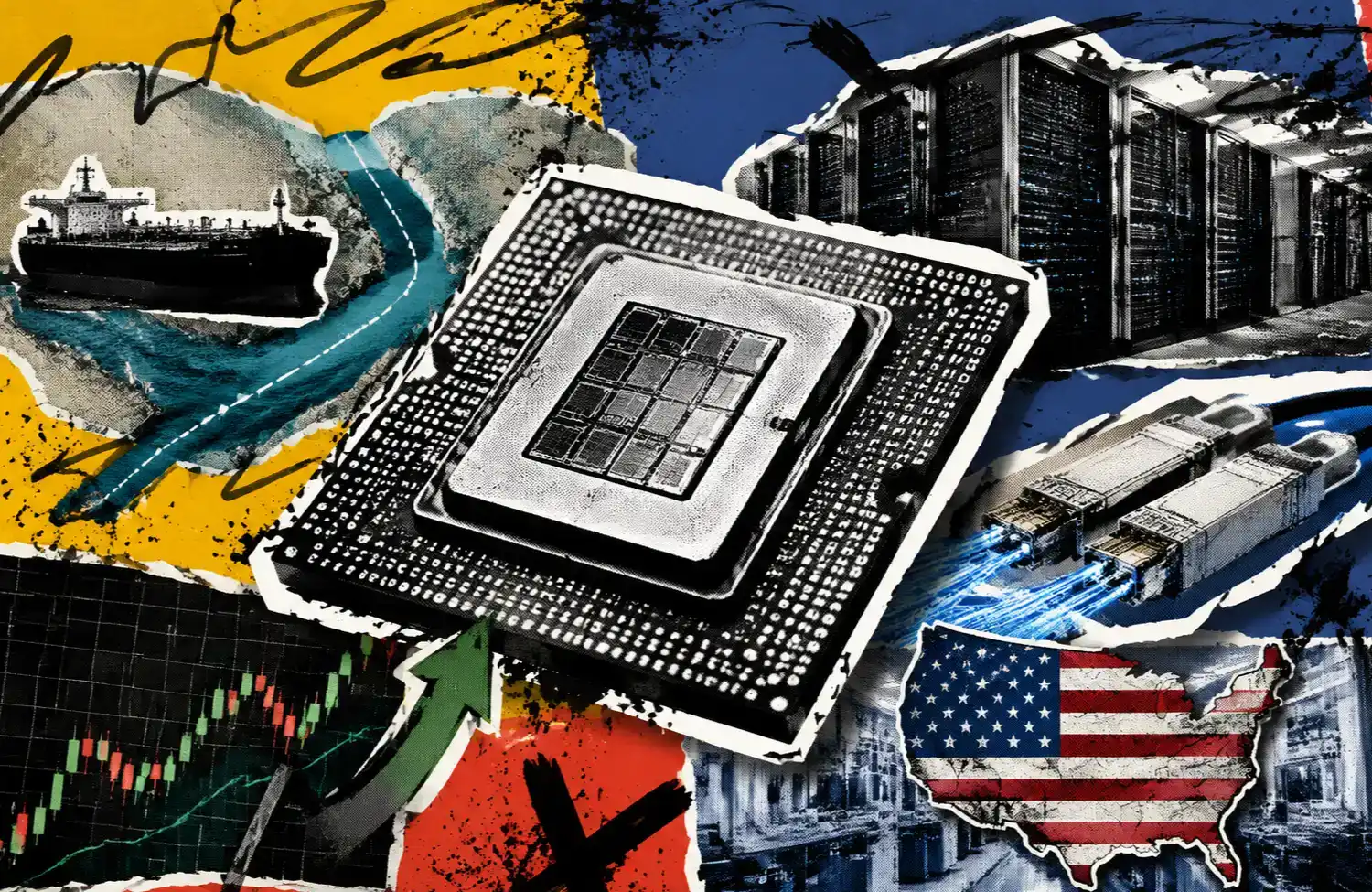
After US-Iran talks led to a temporary ceasefire and framework for reopening the strategic Strait of Hormuz, U.S. stocks rose on June 18, with the Nasdaq gaining 1.9%. The semiconductor and AI hardware sectors outperformed. This rally stemmed primarily from reduced geopolitical risk, which lowered oil prices and inflation expectations, easing discount rate pressure on high-valuation growth stocks like tech. The key question is not whether tech rebounded, but the nature of the rebound. The market appears to be selectively repricing AI infrastructure plays rather than broadly chasing AI narratives. Gains were concentrated in chips, optical interconnects, memory, and domestic manufacturing—segments tied to tangible data center build-outs and capital expenditure. Intel's ~10% surge, fueled by a Trump statement about potential Apple collaboration, exemplifies this mixed dynamic. It reflects policy catalysts and domestic manufacturing sentiment more than confirmed fundamentals. Meanwhile, strong earnings from companies like Astera Labs (revenue up 93% YoY) provided concrete evidence of AI-driven demand in hardware. In essence, the rally represents a risk-premium recalibration. Lower Middle East tensions opened a valuation repair window, and capital flowed first into AI infrastructure segments with visible near-term revenue streams. The sustainability of this move hinges on upcoming Q2 earnings, specifically continued strength in cloud provider capex, AI server orders, and hardware company guidance. Policy hopes alone are insufficient; the cycle needs validation from orders and financials.

marsbit2 dk önce

After semiconductors lead the gains, are funds buying into AI orders or a macroeconomic rebound?

marsbit2 dk önce

The Entire Internet Hails Noam's Joining, But OpenAI's Loss Bill Just Got Thicker

While the AI community celebrates Noam Shazeer, co-author of the "Attention Is All You Need" paper, joining OpenAI as Head of Architectural Research, the company's audited financials reveal a starkly different reality. In 2025, OpenAI reported $13.07 billion in revenue but a massive $20.92 billion operating loss. Even excluding a one-time accounting charge, the cash burn is severe, with $3.7 billion consumed in Q1 2026 alone. This high-profile hiring occurs against a backdrop of significant internal research talent drain, with key founders and researchers departing as the company's focus shifts from exploratory research to product iteration. Meanwhile, OpenAI's fundamental business model faces a deep crisis. It paid Microsoft $10.59 billion for compute in 2025, while its vast user base of 9 billion weekly actives includes only 50 million paying customers, making growth a direct driver of escalating costs. The article argues Shazeer's recruitment is less about technical necessity and more about crafting a compelling narrative for OpenAI's upcoming IPO, aiming to justify a rumored $1 trillion valuation to future public market investors. It contrasts OpenAI's strategy with Anthropic's reported path to profitability, which relies on a strong enterprise customer base and cost control, rather than star-powered narratives. Ultimately, the piece concludes that while Shazeer's architectural work may take 1-2 years to materialize, OpenAI's financial clock is ticking much faster, with its massive losses undercutting the celebratory headlines.

marsbit1 saat önce

The Entire Internet Hails Noam's Joining, But OpenAI's Loss Bill Just Got Thicker

marsbit1 saat önce

İşlemler

Spot
Futures
活动图片