Tether обошла несколько государств по резервам золота. Зачем это компании

RBK-crypto2025-11-27 tarihinde yayınlandı2025-11-27 tarihinde güncellendi

Инвестиционная компания Jefferies сделала вывод, что Tether могла повлиять на цены золота на мировых рынках

«РБК-Крипто» не дает инвестиционных советов, материал опубликован исключительно в ознакомительных целях. Криптовалюта — это волатильный актив, который может привести к финансовым убыткам.

Эмитент стейблкоинов USDT компания Tether стала одним из крупнейших в мире покупателей золота в третьем квартале, что совпало с ценовым ралли металла. По оценкам аналитиков инвестбанка Jefferies, на которых ссылается Financial Times, объем купленного Tether золота превысил десятую часть спроса со стороны всех центральных банков и составил почти 2% общемирового. А запасы Tether уже сопоставимы с резервами центробанков таких стран, как Южная Корея, Венгрия и Греция.

Это совершенно новый поток капитала, которого раньше не существовало. В Jefferies полагают, что активность эмитента USDT могла привести к сокращению предложения золота в краткосрочной перспективе и даже повлиять на цену.

Анализ данных блокчейна показал, что с начала августа Tether добавила в резервы XAUT более 275 000 унций золота на сумму примерно $1,1 млрд. Поэтому в Jefferies предположили, что Tether была вынуждена покупать физическое золото такими же большими партиями.

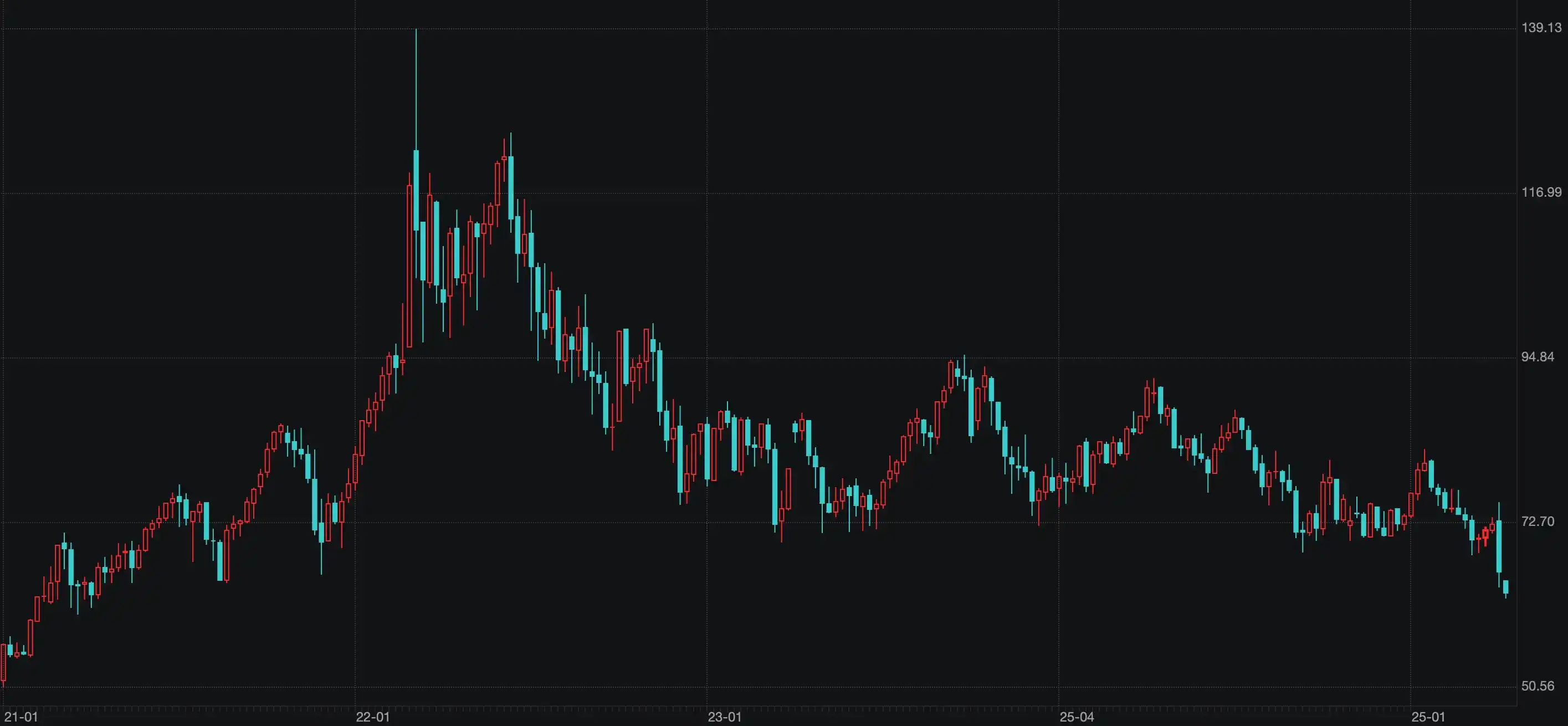
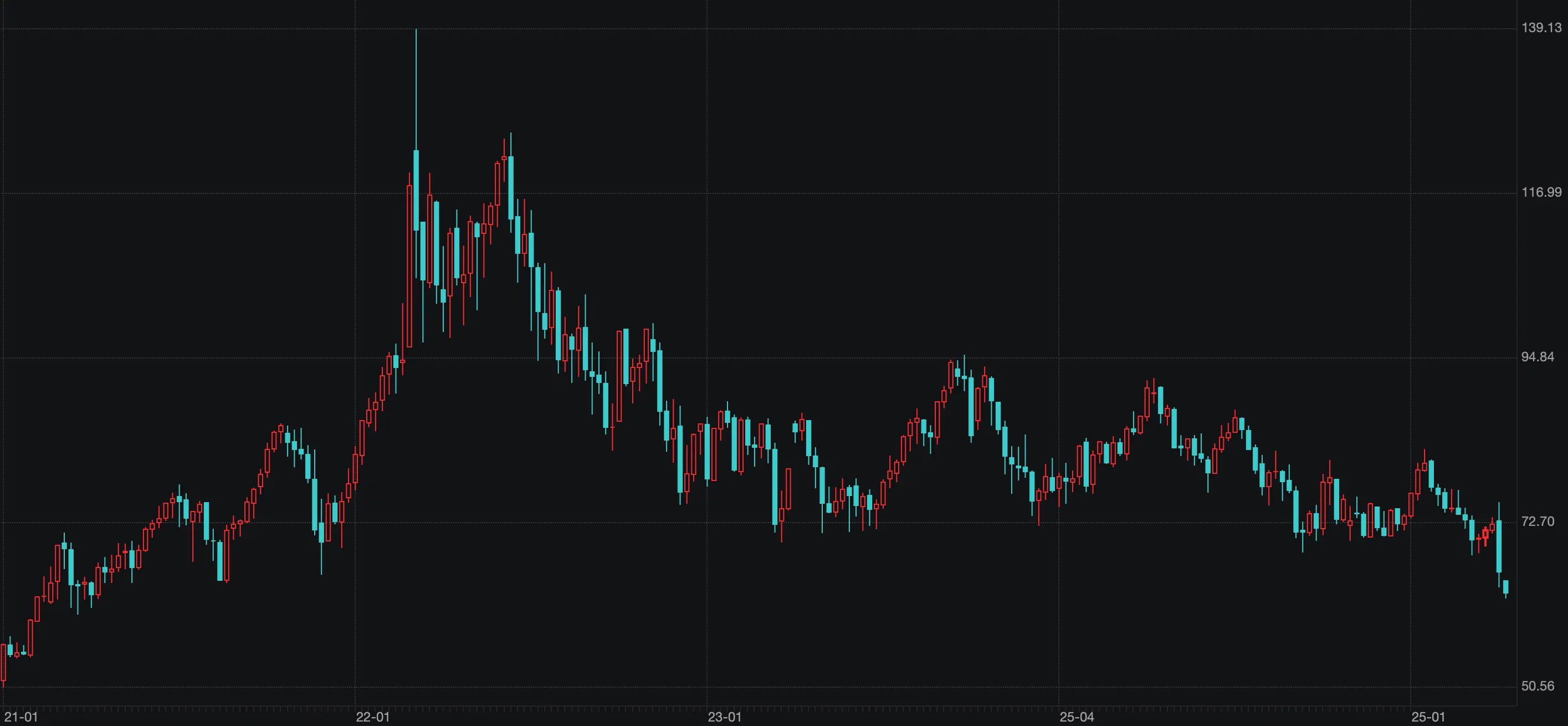
Это совпало с тем, что в октябре цены золота обновили исторический максимум около $4,4 тыс. за тройскую унцию. По данным Tradingview на 27 ноября котировки находятся около $4,15 тыс., что указывает на рост почти 60% с начала 2025 года. За третий квартал рост составил почти 17%, хотя в первом квартале показатель был выше — около 20%.

О Tether

Компания Tether имеет доминирующее положение в сфере стейблкоинов и статус одной из самых прибыльных компаний крипторынка. По итогам второго квартала 2025 года чистая прибыль организации достигла почти $5 млрд, а объем активов, обеспечивающих выпущенные токены, достиг $185 млрд.

Флагманский продукт Tether — долларовый стейблкоин USDT с капитализацией более $184 млрд. Также в линейке продуктов есть XAUT — крупнейший на рынке стейблкоин, обеспеченный физическим золотом. Его общая капитализация превысила $2,1 млрд, что составляет более 50% всего рынка «золотых» токенов, по информации Coingecko на 27 ноября. Долю 35% занимает PAXG от компании Paxos.

В конце ноября рейтинговое агентство S&P Global Ratings понизило рейтинг стейблкоина USDT до самого низкого уровня «слабый» с предыдущего «ограниченный». И золото, лежащее в обеспечении USDT, стало одним из факторов понижения рейтинга наряду с ростом доли высокорисковых активов в резервах, включающих также биткоин, обеспеченные кредиты и корпоративные облигации.

Согласно сайту Tether, около 7% обеспечивающих USDT приходится на «драгоценные металлы», но без точного указания доли золота.

Основываясь на данных из отчетности Tether, по состоянию на конец сентября компания хранила 116 тонн золота. Это делает ее крупнейшим владельцем золота среди частных компаний, пишут аналитики Jefferies.

Любовь к золоту

Аналитики Jefferies полагают, что Tether делает ставку на то, что токенизированное золото станет мейнстримом. Предполагается, что токенизация дает более удобный способ взаимодействия с золотом для инвесторов. Хранение физического золота для рядового инвестора сопряжено с трудностями: страховка, затраты на хранилище. Фьючерсы дают косвенное влияние и несут риски. А доступ к золоту через биржевые фонды (ETF) имеют относительно высокие комиссии за владение. В это же время «золотыми токенами» можно торговать 24/7 с расчетами в реальном времени, без комиссий за управление, минимальных сумм и затрат на хранение.

Телеграм-канал «РБК-Крипто» — подпишитесь и будьте в курсе самых главных и актуальных новостей о криптовалюте.

Присоединяйтесь к форуму «РБК-Крипто» в Telegram для обсуждения новостей и тенденций криптомира.

Однако объемы и спрос еще далеки от массовых. Данные Etherscan показывают 2-3 тыс. транзакций с токеном в день общим объемом 10-20 тыс. XAUT. При этом с начала года отмечен заметный рост. В январе количество транзакций составляло около пары сотен, а объем не превышал 1000 XAUT. Показатели 2024 года еще ниже — количество переводов редко превышало 20, а суммы были часто ниже 100 XAUT.

Такая же картина наблюдается и в «золотых» токенах PAXG эмитента Paxos. Капитализация PAXG составляет около $1,4 млрд, что не намного ниже показателей XAUT. С июня по ноябрь количество PAXG в обращении выросли с 240 тыс. до 333 тыс., что сопоставимо с ростом у конкурента.

«Стереть все с прихода Трампа». Что будет с криптовалютами на неделе

Создатель биткоина потерял $40 млрд с падением цен. Сколько у него монет

У биткоина худший месяц за три года. Каковы масштабы обвал

İlgili Okumalar

Market Trend (June 19): US-Iran Deal Drives Out Geopolitical Premium; Chip Stocks Soar to New Highs; Energy Sector Leads Declines

U.S. Market Trends (June 19): U.S.-Iran Deal Eases Tensions, Chip Stocks Soar, Energy Sector Leads Declines. U.S. stocks rallied on Thursday as the signing of a temporary U.S.-Iran deal in Geneva de-escalated Middle East tensions, with Saudi oil tankers transiting the Strait of Hormuz. This geopolitical relief helped markets recover from recent Fed-driven volatility. The S&P 500 rose over 1%, the Nasdaq gained nearly 2%, and the Dow Jones Industrial Average closed at another record high. The Philadelphia Semiconductor Index surged over 6% to a historic peak. Chip stocks were the standout performers. Reports of an Apple-Intel design and foundry deal for certain products, alongside mentions of potential Nvidia and SpaceX collaborations with Intel, propelled the sector. Intel surged ~10.5%, while memory chip makers like Micron also saw significant gains, highlighting sustained confidence in long-term AI capital expenditure. In contrast, the energy sector was the day's sole loser, with the S&P 500 energy sub-index declining as WTI crude fell ~2% to around $74.29/barrel. The reopening of key shipping routes erased prior geopolitical risk premiums. SpaceX extended losses for a second day on news of a potential large bond offering. Market volatility (VIX) dropped sharply, indicating a swift reversal of post-Fed jitters. Treasury yields dipped slightly but remained elevated. The focus now shifts to upcoming economic data, including next week's PCE inflation report and Micron's earnings, which will serve as a key test for the AI trade's durability.

marsbit21 dk önce

Market Trend (June 19): US-Iran Deal Drives Out Geopolitical Premium; Chip Stocks Soar to New Highs; Energy Sector Leads Declines

marsbit21 dk önce

Will MicroStrategy Fall Into a Death Spiral? How Will the Macro Outlook Evolve in the Second Half of the Year?

**Summary:** The discussion centers on recent Bitcoin price declines and the evolving financial strategy of MicroStrategy (MSTR). The core argument is that the primary pressure is not from one-off Bitcoin sales by MSTR, but from the market's new expectation that MSTR may need to engage in *sustained, small-scale* Bitcoin sales to cover cash flow obligations for its growing portfolio of preferred shares and debt instruments (like STRC). This shift is driven by its stated goal of maintaining "bitcoins per share neutrality." The market is now testing whether it can absorb this potential ongoing selling pressure without entering a severe "death spiral" with Bitcoin's price. A resolution may involve MSTR softening its approach to avoid damaging both its stock and Bitcoin. The conversation then explores the parallel rise of AI-related stocks. The guest posits that AI is fundamentally restructuring labor, with "tokens" (representing access to AI models/compute) becoming a new form of capital and a substitute for human execution. This drives corporate efficiency and profits, benefiting upstream hardware providers (semiconductors, data centers), which explains the sustained rally. This represents the early stages of a "machine economy." Regarding crypto exchanges offering US stock trading, this is seen as a natural evolution. With few crypto-native assets generating lasting value, exchanges are pivoting to distribute valuable real-world assets (RWAs). This doesn't necessarily harm crypto's long-term prospects, as blockchain infrastructure may become crucial for future machine-to-machine economies. The analysis concludes that the era of rampant altcoin speculation is likely over, heavily damaged by the liquidity shock of the "1011" event (likely referring to a major market crash). Meme-driven capital has largely migrated to US equities. Looking ahead, macroeconomic uncertainty is rising due to potential large IPOs (e.g., SpaceX) and the US elections. While short-term market corrections are possible, the long-term trends of AI-driven productivity gains and the maturation of blockchain towards real-world utility and institutional adoption remain intact.

marsbit25 dk önce

Will MicroStrategy Fall Into a Death Spiral? How Will the Macro Outlook Evolve in the Second Half of the Year?

marsbit25 dk önce

Will MicroStrategy Fall into a Death Spiral? What Will the Macro Trend Be in the Second Half of the Year?

The podcast features investor Didier discussing the recent Bitcoin downturn and the evolving strategy of MicroStrategy (MSTR). He argues the core pressure is not macro factors or ETF outflows, but the market pricing in an expectation that MSTR will engage in continuous, small-scale Bitcoin sales to fund its increasing preferred stock and debt obligations under its "bitcoin-per-share neutrality" principle. This creates a structural headwind. However, he is cautiously optimistic a "death spiral" is avoidable without new major shocks, as market support is likely to emerge at a certain price point. Didier then posits that the AI-driven bull market in US stocks (semiconductors, data centers) is fundamentally driven by AI agents and tokens becoming the "new labor force," displacing human roles and boosting corporate margins. This shift toward a machine economy is still in its early stages. He comments on crypto exchanges adding US stock trading, viewing it as a natural move toward valuable real-world assets as truly valuable crypto-native assets remain scarce. For crypto-native traders, he suggests existing strategies (e.g., meme-chasing or value investing) can translate to similar assets in US markets. The discussion notes the severe liquidity damage from the "1011 event" (likely referring to a major market crash) has essentially ended the altcoin cycle, with speculative momentum shifting to the more liquid US stock market. Regarding the macroeconomic outlook for H2 2024, Didier expresses increased caution due to potential market pressure from upcoming mega-IPOs (e.g., SpaceX) and US midterm election risks. Long-term, he remains bullish on AI's productivity gains and its convergence with blockchain/Web3, which he sees maturing into a more institutional, real-asset-focused phase.

链捕手27 dk önce

Will MicroStrategy Fall into a Death Spiral? What Will the Macro Trend Be in the Second Half of the Year?

链捕手27 dk önce

Dylan Patel: Founder of SemiAnalysis, Praised by Jensen Huang, is a 'Beekeeper' and 'Forum Enthusiast'

Dylan Patel, founder of the independent research firm SemiAnalysis, has an unconventional background. A former beekeeper from rural Georgia, he entered the semiconductor world as a self-taught "forum warrior," discussing chip technology anonymously online from a young age. He launched the SemiAnalysis blog in May 2020, which later transitioned to a paid subscription model. The firm has grown from a one-person operation to a global team of around 60, with a dedicated teardown lab. Its detailed, technically-focused analysis on semiconductor supply chains, AI infrastructure, and products has earned significant industry recognition. Notably, NVIDIA founder Jensen Huang has publicly cited their reports. In a landmark case, a critical 2024 report on AMD's MI300X GPU software stack led to a 90-minute call with AMD CEO Lisa Su, who thanked him for the constructive feedback. SemiAnalysis later acknowledged AMD's improvements. The firm's influence on markets was seen when a report on NVIDIA's Rubin memory configuration was partially shared, affecting memory stock prices. Dylan Patel emphasized the importance of context, contrasting the shared excerpt with the report's actual title. SemiAnalysis, now a multi-faceted consultancy with revenue projected to reach $100 million, is known for its deep technical insights that influence major industry players and investment decisions.

marsbit1 saat önce

Dylan Patel: Founder of SemiAnalysis, Praised by Jensen Huang, is a 'Beekeeper' and 'Forum Enthusiast'

marsbit1 saat önce

İşlemler

Spot
Futures
活动图片