Японская энергетическая компания TEPCO начала заниматься майнингом биткоинов

cryptonews.ru2025-09-29 tarihinde yayınlandı2025-10-31 tarihinde güncellendi

Аналитик Мэтью Сигел сообщил, что в Японии впервые официально подтвердилось участие государственной структуры в майнинге биткоинов (BTC). Крупная региональная энергокомпания заключила контракт с китайским производителем оборудования Canaan на поставку мощностей объемом 4,5 МВт. Этот проект станет первым подтвержденным примером использования государственных энергетических ресурсов для добычи криптовалюты в стране.

Ранее ходили слухи, что японская энергетическая корпорация Tokyo Electric Power Company (TEPCO) занимается майнингом в частном порядке, однако официальных подтверждений не было. Новый контракт Canaan с неуказанной «крупной региональной электросетью» фактически добавляет Японию в список стран, где добыча биткоинов осуществляется с участием государства. Все 10 региональных энергокомпаний страны частично принадлежат правительству, что делает этот шаг институционально значимым.

Представители Canaan, производителя ASIC-устройств под брендом Avalon, сообщили о заказе 4,5 МВт оборудования, предназначенного не только для добычи криптовалюты, но и для стабилизации нагрузки в региональной энергосети. По данным аналитиков, речь идет о применении ферм в режиме гибкого потребления, что помогает компенсировать пики и провалы.

Мэтью Сигел отметил, что контракт стал важным событием для самой Canaan. Компания недавно объявила о крупнейшем в своей истории заказе на майнинговое оборудование и лишь несколько недель назад избежала исключения из листинга Nasdaq. По мнению экспертов, участие государственных энергетических компаний в добыче цифровых монет говорит о смещении отношения к криптовалютам в сторону прагматизма. Таким образом, Япония стала 11-й страной за пределами США, где деятельность по майнингу Bitcoin официально или частично поддерживается государством.

İlgili Okumalar

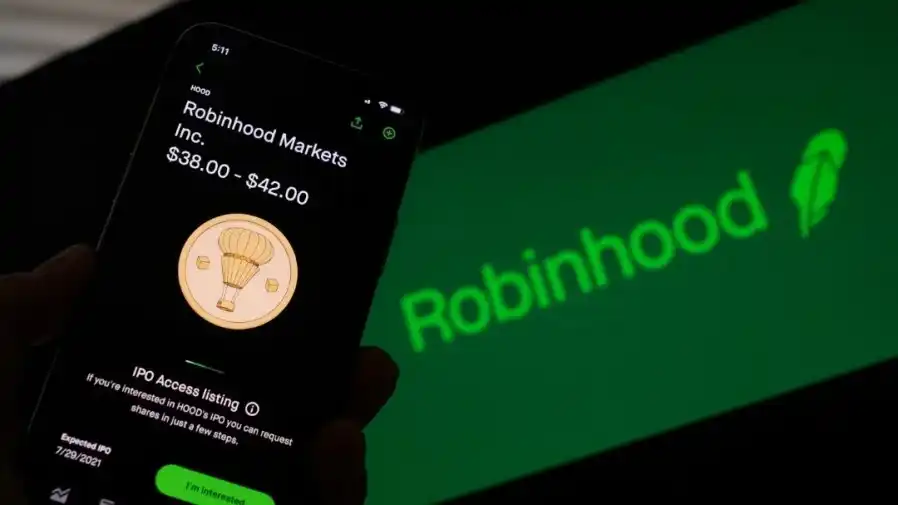
Behind Robinhood's Chain Launch and Tokenized Stocks: No Equity Rights, How Far Can This Packaging Game Go?

Robinhood is launching its own Layer 2 blockchain (Robinhood Chain) and "tokenized stocks," but these are not actual equity shares. The tokens are legally structured as debt securities or derivatives, offering economic exposure to a reference stock without granting voting rights or direct ownership. This move represents Robinhood's strategy to expand from a traditional brokerage into a "financial super app," building a user-friendly, programmable financial interface on top of complex, legally compliant, and jurisdiction-specific backend structures. The company's existing business remains strong, driven by options, event contracts, and stock trading. The new blockchain and tokenization efforts are an ambitious layer of infrastructure built atop this core, aiming to make financial products more portable and globally accessible via crypto rails. Key components include the Robinhood Wallet, Bitstamp acquisition (for institutional reach), the Lighter perpetual contracts platform, and Robinhood Earn (DeFi yield). The central challenge is the "brokerage chain paradox": maintaining a simple, intuitive user experience while the underlying assets are highly structured, regulated, and legally distinct from direct ownership. The success of this strategy depends on users, developers, and regulators accepting this model. If the complexity is misunderstood or deemed misleading, it could create product liability issues and stall expansion. The initiative is a significant infrastructure play, but its long-term viability hinges on navigating this fundamental tension between simplicity and legal reality.

marsbit10 dk önce

Behind Robinhood's Chain Launch and Tokenized Stocks: No Equity Rights, How Far Can This Packaging Game Go?

marsbit10 dk önce

Zhipu, Afraid of Becoming the Next MiniMax

Title: Zhipu, Fearing to Become the Next MiniMax In July 2026, amid the success of its coding-focused AI, Zhipu's founder, Tang Jie, issued an internal letter titled "The Giant Wave Has Come." It notably avoided celebrating recent triumphs, such as Zhipu's trillion-HKD market cap and booming MaaS revenue driven by its GLM-5.2 model in coding applications. Instead, the letter pivoted the narrative to future-oriented concepts like Long Horizon Task, Autonomous Agents, Self-Evolving systems, and AGI. This strategic shift in messaging followed the sharp devaluation of its competitor, MiniMax. After its lock-up period expired, MiniMax's stock plummeted as the market began evaluating it with traditional SaaS metrics like ARR and user growth, rather than as a frontier AI pioneer. Seeing this, Tang Jie aimed to preempt a similar revaluation of Zhipu. He fears that if the market starts viewing Zhipu primarily as a profitable "AI coding company," its valuation would become anchored to conventional financial metrics, losing the premium associated with AGI potential. Therefore, the letter reframed Zhipu's mission. While acknowledging that coding was the current commercial driver, Tang positioned Zhipu on the "infrastructure path," akin to OpenAI and Anthropic. The new focus is on developing agents capable of complex, long-term planning and autonomous operation—moving from assisting individuals (OPC: One Person Company) to automating entire organizations (NPC: No People Company). This "Touch High" plan explicitly prioritizes long-term AGI research over short-term monetization. The article frames this as a critical divergence in China's AI landscape: the "commercialization path" (exemplified by MiniMax) versus the "infrastructure path" (chosen by Zhipu). The former risks being judged harshly by internet-era metrics once growth slows, while the latter risks failing if technological breakthroughs stall. Tang Jie's letter is thus a calculated move to secure Zhipu's identity as an AGI contender, buying time before the inevitable market demand for commercial proof. The core question remains: can Zhipu's "mo gao" (reach high) plan achieve genuine technological leaps fast enough to outpace the market's diminishing patience for stories over substance?

marsbit11 dk önce

Zhipu, Afraid of Becoming the Next MiniMax

marsbit11 dk önce

İşlemler

Spot
活动图片