Роберт Кийосаки критикует Уоррена Баффета и призывает инвестировать в биткоин

cryptonews.ru2025-06-01 tarihinde yayınlandı2025-10-02 tarihinde güncellendi

Известный автор книги «Богатый папа, бедный папа» Роберт Кийосаки в очередной раз рассказал о неизбежности скорого обвала фондовых рынков. По его словам, сформируется ситуация, которая по своему финансовому ужасу затмит Великую американскую депрессию. Также в последней публикации он резко высказался в адрес всемирно известного инвестора Уоррена Баффета. Он отметил, что глобальные перемены в его отношении к золоту и серебру указывают на серьезные проблемы в сфере традиционных активов.

Длительное время Баффет критиковал драгоценные металлы и биткоин, считая их бесполезными с инвестиционной точки зрения. Однако он теперь публично признает значимость этих активов. «Для меня очень странно слышать, когда Баффет начинает хвалить биткоин и драгоценные металлы, тогда как годами высмеивал тех, кто в них инвестирует», — отметил Роберт Кийосаки.

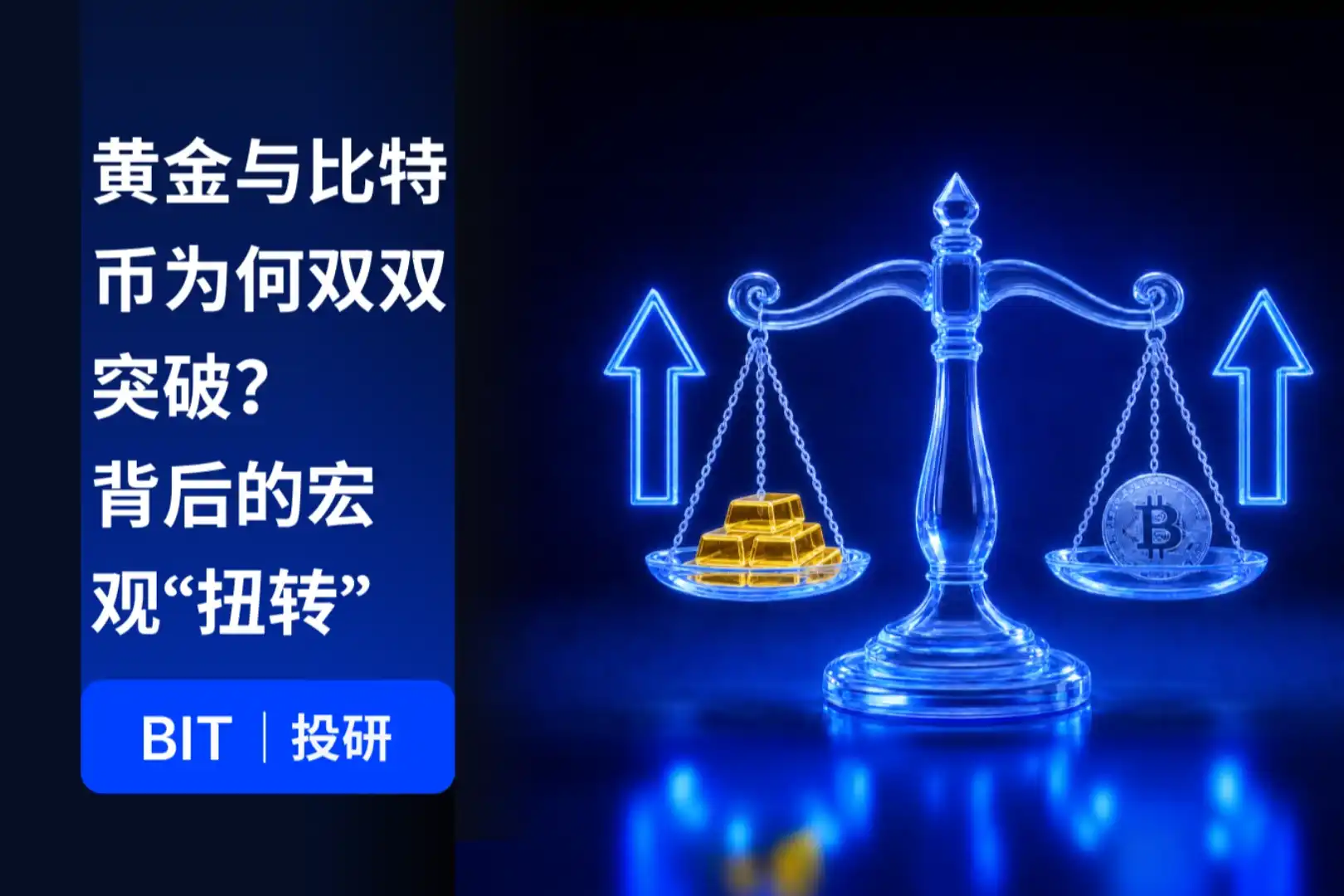
Между тем флагман крипторынка планомерно укрепляет свои позиции, вновь закрепившись выше важного уровня $119 тыс. Золото тоже продолжает расти в цене, прибавив около 50% с начала этого года. Эксперты связывают данную тенденцию с временной приостановкой работы правительства США. В этот период будет отложена публикация ключевых макроэкономических метрик. В его число вошел и отчет по занятости населения за сентябрь.

Отсутствие столь важной макростатистики усиливает уверенность инвесторов в том, что ФРС будет вынужден пойти на смягчение монетарной политики. Это оказывает определенное давление на доллар, что играет на руку криптовалютному рынку.

Кийосаки неоднозначно говорил о том, что традиционные финансовые инструменты крайне уязвимы в условиях глобальной дестабилизации. По его мнению, на текущий момент наиболее оптимальными инвестиционными инструментами остаются драгоценные металлы и биткоин.

İlgili Okumalar

White House Crypto Summit Full Breakdown: Trump Pushes for On-Chain Exchanges to Enter the U.S., September 15 Crypto Regulation Vote is the Real Deadline

White House Crypto Summit: Trump Backs On-Chain Exchange Entry, September 15th Vote is the Deadline On August 19th, former President Trump convened crypto and Wall Street executives at the White House, declaring an end to the "crypto war." He urged Congress to pass a "fair version" of the CLARITY Act by the September 15th deadline, hinted at potential further U.S. Bitcoin purchases, and announced CFTC efforts to bring the decentralized exchange Hyperliquid into the U.S. compliantly. The summit was preceded by an SEC proposal creating new exemptions for crypto asset fundraising and followed the next day by CFTC Chair Selig's stark warning. Selig stated that if Congress fails to pass the CLARITY Act by September 15th, the CFTC will independently write rules to allow registered and some unregistered platforms to offer leveraged trading under its oversight. Trump's endorsement of Hyperliquid triggered a significant market reaction, boosting its token and related stock prices. However, its path to U.S. compliance remains uncertain, potentially involving a hybrid structure with licensed brokers handling front-end operations. The primary hurdle for the CLARITY Act is not its crypto provisions but attached ethics clauses aimed at restricting federal officials, including the President, from profiting from crypto businesses. Industry leaders like Coinbase's Brian Armstrong view the September 15th vote as critical for establishing durable regulatory certainty, while Selig framed congressional action as the only sure defense against future regulatory overreach.

marsbit7 dk önce

White House Crypto Summit Full Breakdown: Trump Pushes for On-Chain Exchanges to Enter the U.S., September 15 Crypto Regulation Vote is the Real Deadline

marsbit7 dk önce

Is Poland Still a Low-Cost Gateway to the EU CASP Market?

Is Poland still a low-cost gateway to the EU’s Crypto-Asset Service Provider (CASP) regime? As of mid-2026, the answer has fundamentally changed. Poland’s previous light-touch VASP registration system, once an attractive EU entry point, is no longer valid for providing MiCA-regulated services after its transition period ended on July 1, 2026. Furthermore, Poland's domestic legislation implementing MiCA is still undergoing final adjustments, creating uncertainty for direct CASP authorization. This shift means the old logic—choosing Poland primarily for low registration and operational costs—is no longer viable. Under MiCA, a CASP license is no longer a "light" registration, and Poland's current regulatory limbo adds unpredictable delays and risks. For projects seeking EU market access, a more practical strategy is emerging: obtain a MiCA CASP authorization in another EU member state with a stable regulatory framework (e.g., Lithuania, Malta), then use MiCA's passporting rights to serve the Polish market. This approach prioritizes regulatory certainty and EU-wide access over marginal cost savings. Poland remains a significant EU market. It is a viable CASP home country only for projects with a genuine, long-term operational presence there. For others, especially those with teams and clients across Europe, starting the CASP process elsewhere in the EU is now the more efficient and reliable path. The era of using a Polish entity as a cheap, quick EU regulatory foothold is over.

marsbit8 dk önce

Is Poland Still a Low-Cost Gateway to the EU CASP Market?

marsbit8 dk önce

İşlemler

Spot
活动图片